Our verdict
Hutorok trahter sits on Mustamäe tee in western Tallinn, at a remove from the Old Town restaurant circuit that dominates most visitor itineraries. The address places it firmly in a residential neighbourhood context, where the dining proposition is built around the local community rather than tourist traffic. For a city increasingly defined by creative fine dining, a place like this represents a different register entirely.

Pearl is the En Primeur Club membership app — saves, bookings, and concierge access live there. Same editors, same standards.
- Address
- Mustamäe tee 116, 12911 Tallinn, Estonia
- Phone
- +37255949522
- Hours
- Mon–Thu 12–10 PMFri–Sat 12–11 PMSun 12–10 PM
- Website
- facebook.com
- Directions
- Get directions
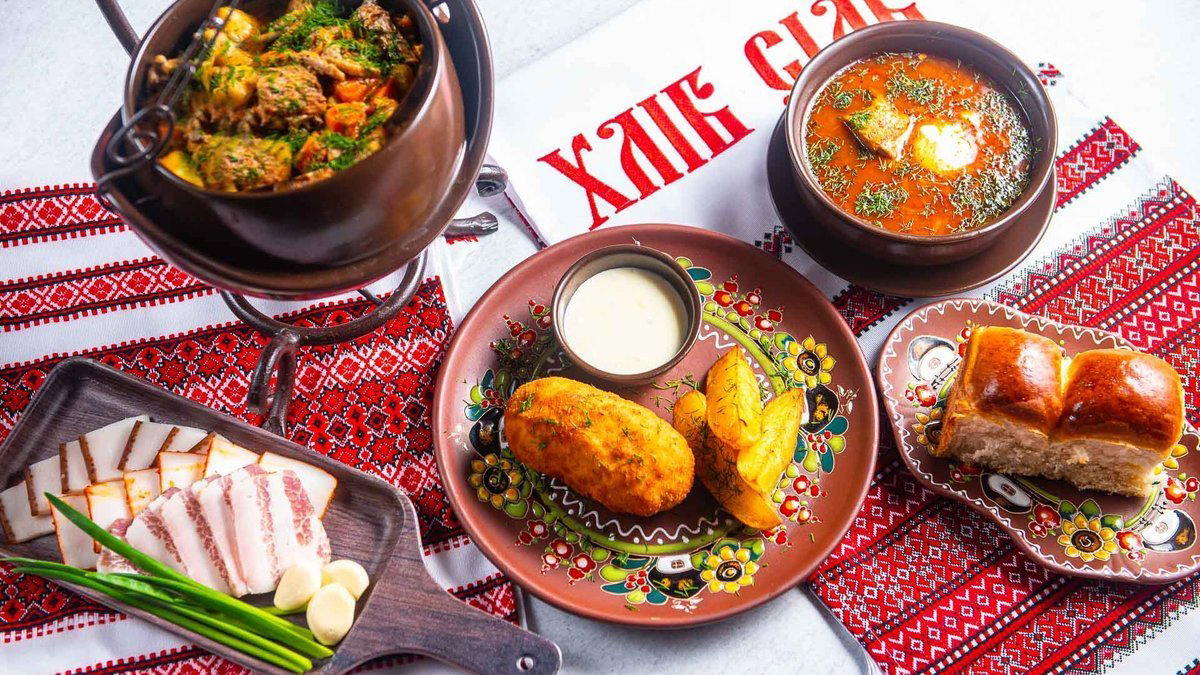
Western Tallinn and the Neighbourhood Restaurant Question
Tallinn's dining conversation tends to collapse into a tight geography: the medieval Old Town, Telliskivi creative quarter, and a handful of waterfront addresses. Mustamäe tee 116 is none of those. The address places Hutorok trahter in the western residential belt of the city, in a district built for people who actually live in Tallinn rather than visit it. That distinction matters more than it might seem. Neighbourhood restaurants in Estonian cities operate under different pressures than destination venues: their sourcing decisions, pricing, and menu logic answer to regulars, not to a rotating cast of international visitors chasing tasting menus.
The word trahter is itself a signal worth reading carefully. Derived from the German Trakteur, it describes a category of informal eating house with deep roots in Baltic urban life, closer in spirit to a Czech hospoda or a Finnish ravintola in its unpretentious register than to the creative fine dining that has defined Tallinn's recent international profile. Where NOA Chef's Hall and 180° by Matthias Diether price at the very best of the Estonian market and target a global audience, the trahter format historically anchored itself in accessible, filling, ingredient-led cooking for a local crowd.
What the Address Tells You About the Food
The sourcing logic of a neighbourhood trahter on the western edge of Tallinn operates within a particular set of practical realities. Estonia's food culture has always leaned on what the surrounding region produces: Baltic herring from the coast, root vegetables and rye from agricultural counties like Viljandi and Võru, foraged mushrooms and berries from the vast interior forests, and dairy from small farms that have survived the post-Soviet restructuring of agriculture. A restaurant at this address, serving this clientele, is unlikely to anchor its menu in imported luxury ingredients. The ingredients are, by tradition and by economic logic, close to home.
That proximity to local supply is not incidental. Estonian culinary identity, in its most grounded form, is built on exactly these materials: smoked fish, cured meats, pickled vegetables, dense dark breads, and the kind of slow-cooked preparations that make the most of winter root crops. The trahter category sits closer to that tradition than the modernist Estonian kitchens at venues like Bocca or 38, which use local ingredients as a starting point for broader creative ambition. Here, the ingredient is more likely to be the point in itself.
For context on how this fits within the wider Estonian dining picture, venues across the country from Kohvik in Viljandi to Kolm. Restoran in Võru demonstrate that ingredient-rooted cooking outside the capital can be serious, regional, and worth seeking. The same principles apply in Tallinn's residential quarters, even if the restaurant receives less editorial attention than its Old Town counterparts.
Tallinn's Dining Spectrum and Where This Fits
The city's fine dining tier has attracted real international recognition in recent years, with 180 Degrees Restaurant representing the kind of technically ambitious cooking that competes for attention at a European level. But Tallinn is also a city of under 450,000 people, which means the majority of its dining life happens below that tier, in neighbourhood spots, Soviet-era-influenced canteens, and informal Estonian kitchens that rarely appear on international radar.
Hutorok trahter at Mustamäe tee 116 belongs to that larger, less-documented part of the city's food culture. Its interest, from an editorial standpoint, lies precisely in what it is not: it is not a destination restaurant, not a tasting menu format, not a venue calibrated for foreign visitors. For a reader building a picture of how Tallinn actually eats, rather than how it presents itself to the world, addresses like this one fill in a genuinely different part of the map.
Compare this to the coastal and rural addresses that represent Estonia's broader food geography. Wana Kala Kõrts in Neeme and KABE Beach in Kaberneeme demonstrate that informal, ingredient-led dining in Estonia often carries more regional specificity than their city counterparts. The trahter tradition in Tallinn sits on that same axis: directness over performance.
Planning a Visit: What to Know in Advance
For a venue of this type and address, the general pattern in Estonian neighbourhood restaurants skews toward walk-in availability rather than advance reservation requirements, though that cannot be stated with certainty here. The address, Mustamäe tee 116, 12911 Tallinn, places it in the western part of the city, accessible by public transport from the centre but outside comfortable walking distance from Old Town. Visitors staying centrally should factor in travel time of roughly 20 to 30 minutes by tram or bus.
Given the absence of confirmed hours, checking current status via local directories or Google Maps before visiting is the practical approach. This applies equally to any dining address in Tallinn's residential districts, where operational hours can be tighter than the extended-service windows of central and tourist-facing restaurants. For Estonian dining options in other parts of the country, the EP Club has documented venues from Franzia in Narva Jõesuu to Valgeranna Veinitall in Audru, which together give a clearer sense of the regional dining range beyond the capital.
For Readers Building a Full Tallinn Itinerary
A complete Tallinn dining picture requires moving between registers. The city's creative fine dining, represented by addresses like NOA Chef's Hall and 180° by Matthias Diether, offers a technically ambitious version of Estonian food culture. But the neighbourhoods west and south of the centre hold a different argument about what Estonian food actually is, one grounded in proximity to local ingredients, informal hospitality, and the kind of cooking that predates the international recognition era by several decades.
Readers planning a broader itinerary should consult our full Tallinn restaurants guide, which maps venues across price tiers and neighbourhood contexts. For those whose travel extends beyond the capital, the EP Club has reviewed dining across the country, including Eva Sushi in Tartu, Kohvik Kaar in Narva, Kuur in Vihtra, and Everest Thai/Nepalese Restaurant in Pärnu, providing coverage that goes well beyond Tallinn's most-visited streets.
For reference points at the opposite end of the ambition spectrum, venues like Le Bernardin in New York City and Atomix in New York City illustrate how rigorous ingredient sourcing can sit at any price tier when the kitchen commits to it fully. The trahter tradition asks the same question at a different scale.
Frequently asked questions
Where is Hutorok trahter located?
Hutorok trahter is located at Mustamäe tee 116, 12911 Tallinn, Estonia, Tallinn.
How does Hutorok trahter differ from Tallinn's Old Town restaurants?
Located on Mustamäe tee 116 in the western residential belt, Hutorok trahter sits well outside the concentrated tourist dining of the Old Town and Telliskivi quarter. The trahter format, rooted in Estonian and broader Eastern European tradition, prioritises a local, repeat clientele over a passing visitor trade. That geographic and conceptual remove means pricing and atmosphere typically reflect community use rather than destination dining.
What do people recommend at Hutorok trahter?
Hutorok trahter operates as a neighbourhood trahter on Mustamäe tee in western Tallinn, a format traditionally built around hearty, everyday Estonian cooking rather than a rotating chef's menu. The trahter category in Estonia typically centres on grounded, filling plates suited to a residential clientele rather than the tasting-menu registers you find closer to the Old Town.
Is Hutorok trahter reservation-only?
Tallinn neighbourhood trahters of this type commonly operate on a walk-in basis during off-peak hours, with phone bookings preferred for larger groups. Contacting the venue directly before visiting is advisable, particularly for weekend evenings.
Comparable Venues
Comparable venues nearby, for context on price, style, and recognition.
| Venue | Cuisine | Price | Awards | Notes |
|---|---|---|---|---|
| Hutorok trahterThis venue — the venue you are viewing | Traditional Ukrainian | $10–20 | Not listed | Not listed |
| Soo Uulits Tänavagurmee | Estonian Street Gourmet Burgers | $10–20 | Not listed | Kalamaja |
| Margherita Pizzeria & Trattoria | Authentic Neapolitan Pizza & Italian Trattoria | $20–30 | 50 Top Pizza Europe #45 | Old Town |
| Võru | Modern Estonian | $20–30 | Not listed | Pirita |
| Põhjala Brewery & Tap Room | Texas BBQ & Craft Beer | $20–30 | Michelin Plate | Põhja-Tallinna |
| Sushi Guru | Sushi and Japanese Delivery | $20–30 | Not listed | Lasnamäe |

Details
- Cozy
- Rustic
- Intimate
- Family
- Casual Hangout
- Historic Building
- Beer Program
- A La Carte
Current opening hours
- Monday
- 12–10 PM
- Tuesday
- 12–10 PM
- Wednesday
- 12–10 PM
- Thursday
- 12–10 PM
- Friday
- 12–11 PM
- Saturday
- 12–11 PM
- Sunday
- 12–10 PM
Hours can change for holidays and private events. Last verified .
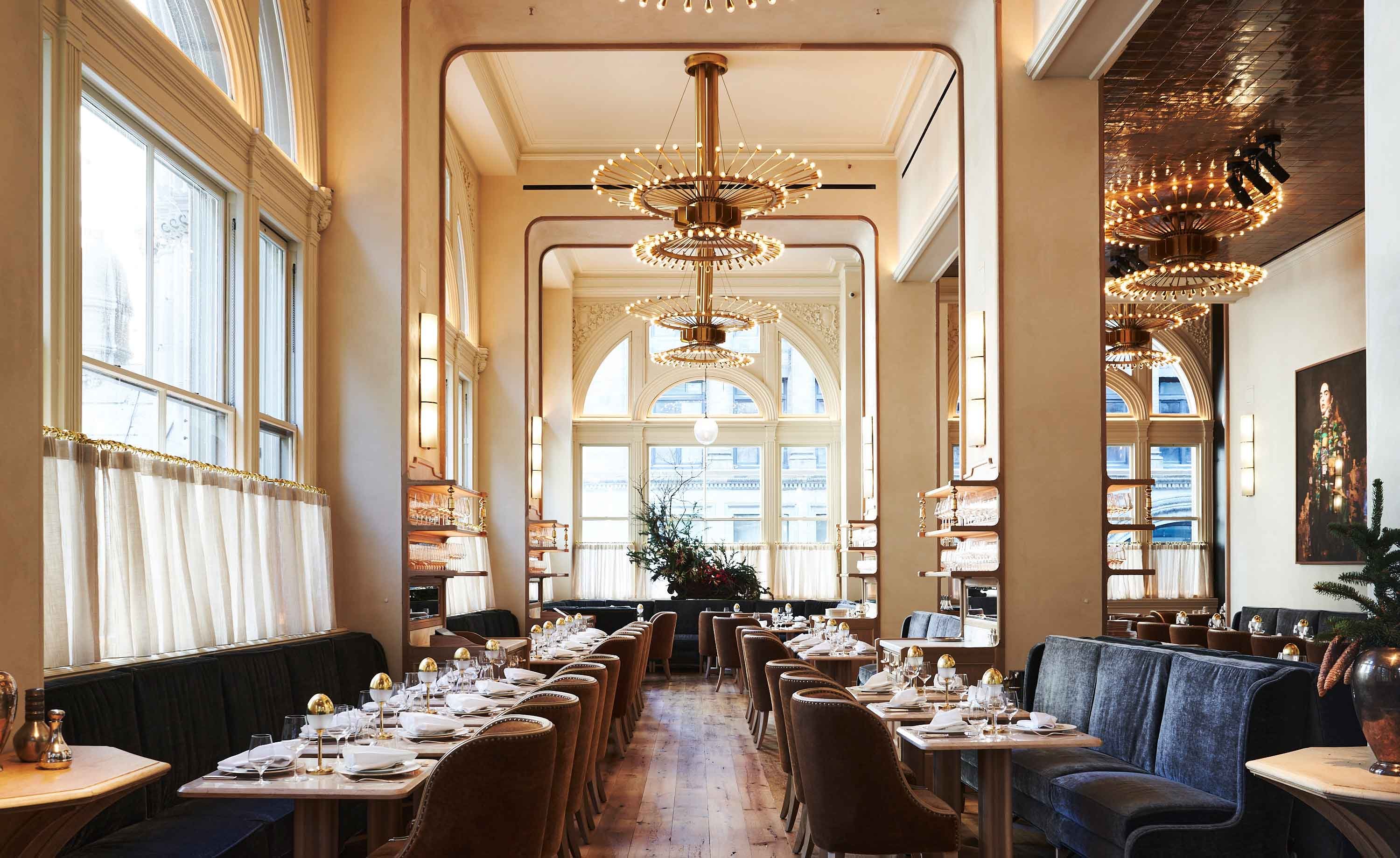
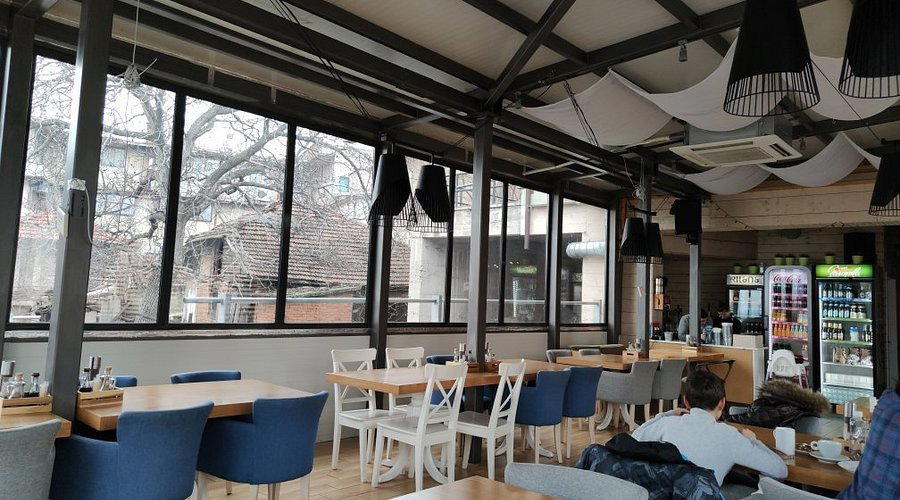
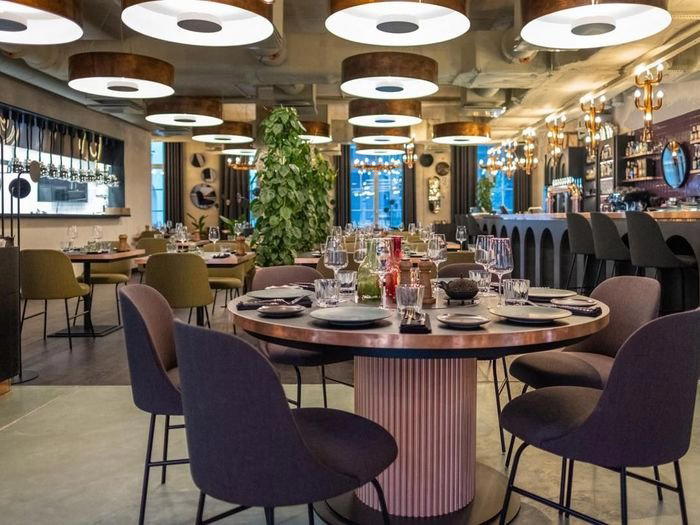
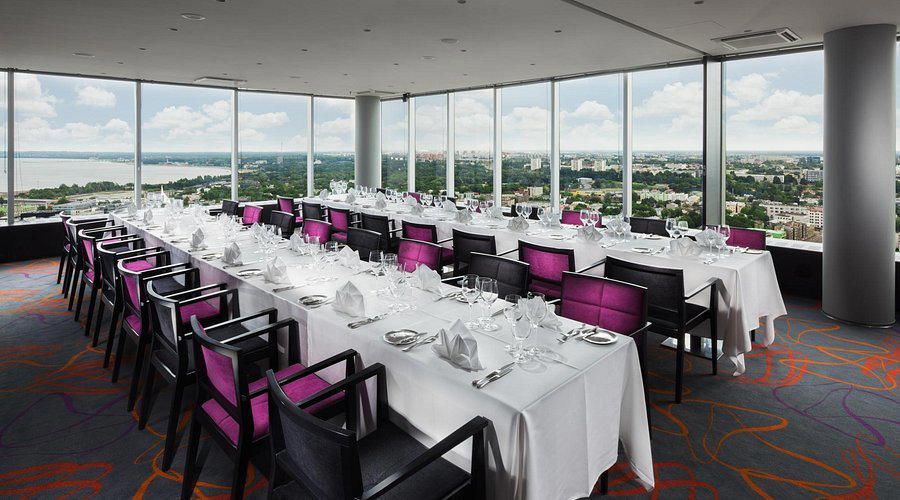
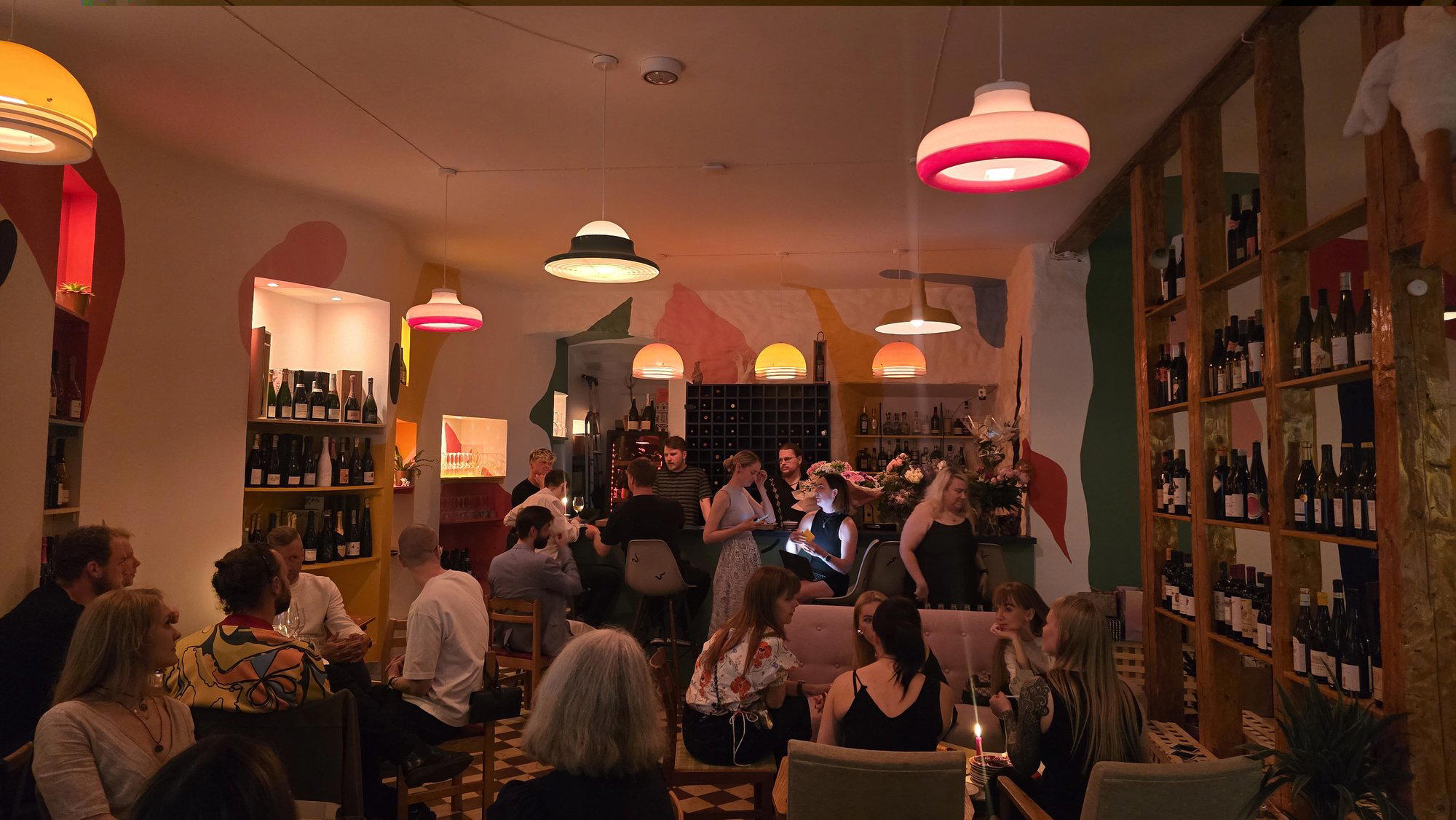
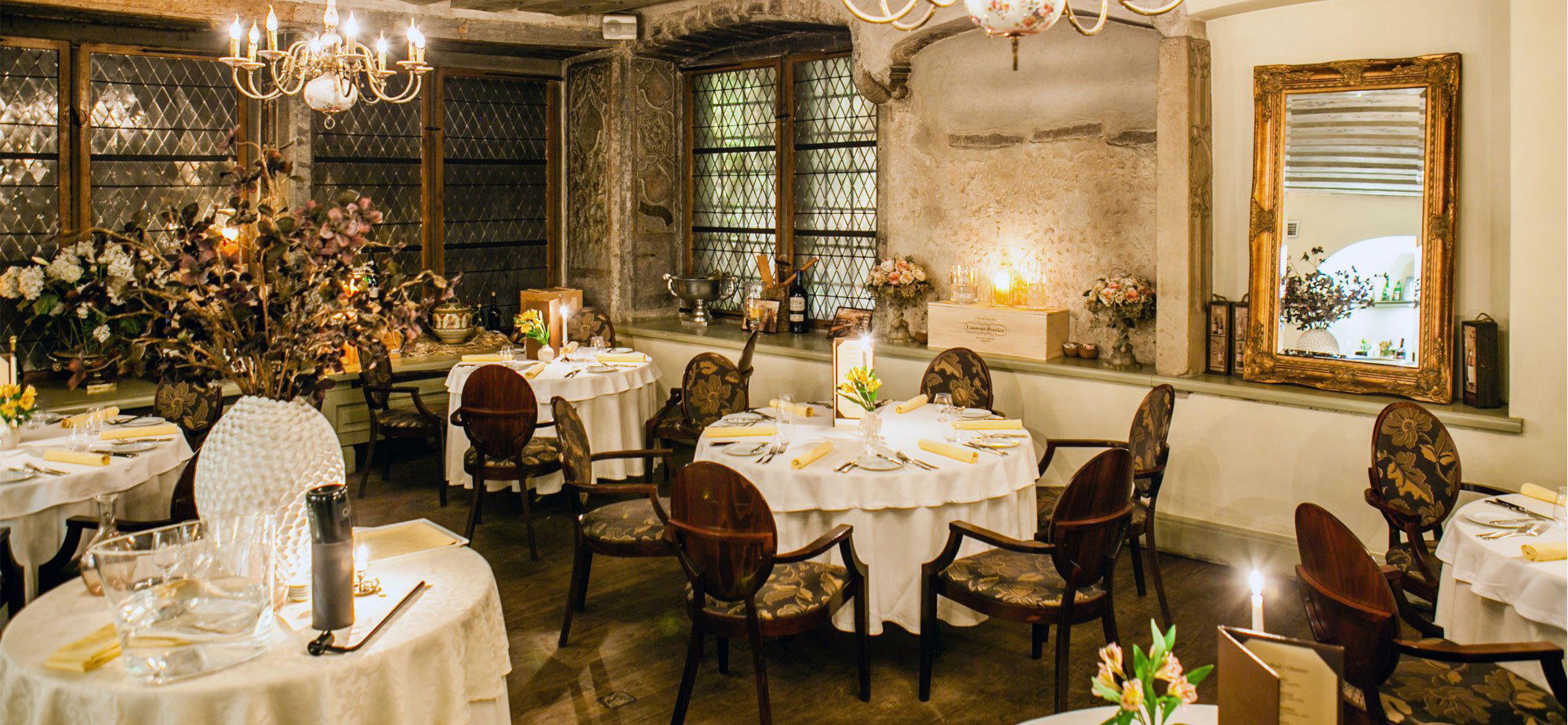
Cozy Ukrainian-style interior decorated with textiles, souvenirs, and featuring Ukrainian music, creating a warm and authentic home-like atmosphere.