
38 holds consecutive Michelin Plate recognition for 2024 and 2025, placing it firmly within Tallinn's mid-to-upper tier of creative dining. For visitors to Tallinn with an interest in Estonia's emerging fine-dining scene, it represents a reliable entry point into the city's creative restaurant tier.
Pearl is the En Primeur Club membership app — saves, bookings, and concierge access live there. Same editors, same standards.
- Address
- Tallinn, Estonia
- Phone
- +372 5698 0079
- Website
- 38restoran.com
- Directions
- Get directions
 Saves & bookings on Pearl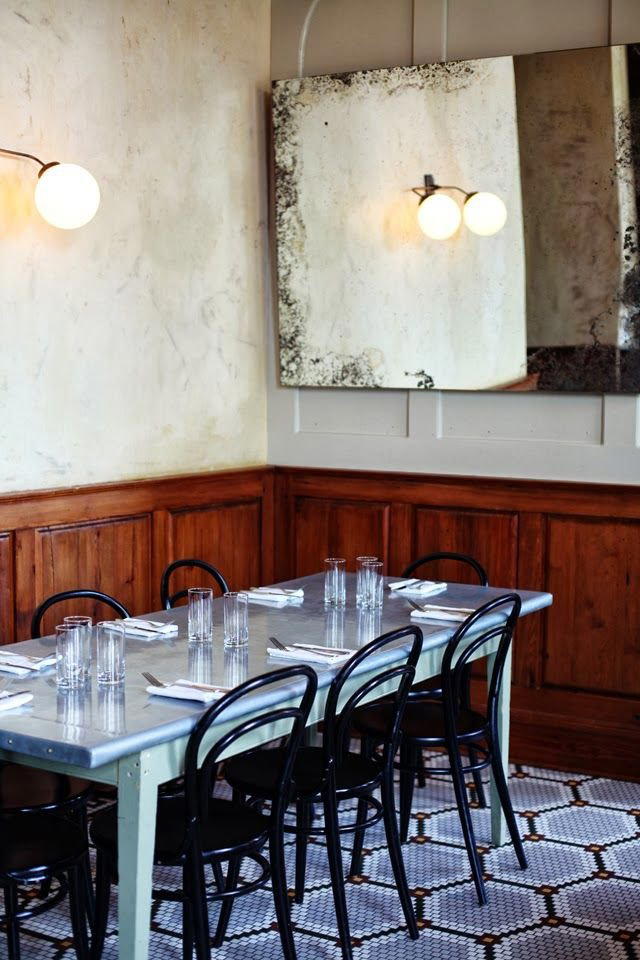
Tallinn's Creative Tier and Where 38 Sits Within It
Over the past decade, Tallinn has quietly become one of Northern Europe's more interesting cities for serious dining. Tallinn has developed a serious dining scene shaped by Estonian produce and internationally trained technique. The city now supports a layered dining ecosystem, from casual neighbourhood spots through to Michelin-starred counters, and the €€€ bracket in the middle of that range has grown increasingly competitive.
38 occupies that middle-upper band. Michelin Plate recognition in 2024 and 2025 places it among the restaurants Michelin's inspectors consider worth visiting, without a star. In Tallinn's context, that is a meaningful signal: the city's starred restaurants, including NOA Chef's Hall at the one-star level and 180° by Matthias Diether at two stars, operate at the €€€€ price point. 38's two-year Plate recognition at €€€ places it as a credible step below that ceiling, and a step above the more accessible mid-range options like Bocca.
Creative Cuisine in the Baltic Context
The "creative" classification carries different weight in different cities. In Tallinn, it tends to signal a kitchen working between culinary traditions rather than within one: Estonian ingredients treated with techniques drawn from Nordic, French, or broader European frameworks. This is not fusion in the diluted sense of the word. The stronger practitioners in this category are working through a genuine question about what Estonian cooking can become when freed from its peasant-food roots and given access to fine-dining technique.
That question runs through much of Tallinn's better dining scene. Art Priori and Barbarea each approach it from their own angle. Nationally, the conversation extends well beyond the capital: Alexander in Pädaste, Hiis in Manniva, and Hõlm in Tartu are among the Estonian restaurants working through similar material outside the capital, alongside rural producers and hospitality operations like Kolm Sõsarat in Lüllemäe, Lahepere Villa in Kloogaranna, and Fellin in Viljandi. 38 is part of this broader Estonian creative moment, rooted in Tallinn's denser restaurant environment.
For visitors arriving from cities with deeper fine-dining infrastructure, it is worth calibrating expectations appropriately. The creative European tradition 38 belongs to draws from the same intellectual heritage as places like Alléno Paris au Pavillon Ledoyen and Arpège in Paris, but Tallinn's version of that tradition is shaped by different sourcing constraints, a smaller local market, and a culinary history that is still in active revision. The results are frequently more interesting for that tension than a technically smoother but contextually thinner meal elsewhere might be.
What the €€€ Price Point Means Here
In a city where the cost of living sits well below Western European norms, the €€€ bracket delivers a quality-to-price ratio that visitors from Paris, London, or Copenhagen will notice immediately. This is a recurring feature of Tallinn's serious dining scene: technical ambition is not priced out of reach. For reference, the city's two-star restaurant operates at €€€€, meaning 38's positioning is genuinely mid-tier in quality terms without reading as budget dining by any standard.
Planning a Visit
Reservations are recommended. What is clear from the public record is that the restaurant holds a sustained Michelin Plate across two consecutive inspection cycles and a high volume of consistently positive public reviews, which together suggest a kitchen operating with reliable standards rather than occasional spikes in quality. For a city the size of Tallinn, that kind of sustained recognition at the €€€ price point is not guaranteed, and 38 earns its position in this tier on those grounds.
Visitors to Tallinn's Old Town and surrounding districts will find 38 worth factoring into a broader dining itinerary alongside the city's starred options. The city rewards systematic exploration of its creative restaurant tier: each venue approaches the same underlying question about Estonian cuisine from a different vantage point, and 38 represents one of the more considered positions within that conversation.
Budget Reality Check
Comparable venues nearby, for context on price, style, and recognition.
| Venue | Cuisine | Price | Awards | Notes |
|---|---|---|---|---|
| 38This venue — the venue you are viewing | Vanalinn, Modern European Fine Dining | $$$ | Michelin Plate | Not listed |
| Pull | Not listed | $$$ | Michelin Plate | Rotermanni, Modern Charcoal Grill Steakhouse |
| Tchaikovsky | Old Town, Modern Russian Fine Dining | $$$ | Michelin Plate | Not listed |
| Moon | Not listed | $$$ | Michelin Plate | Kalamaja, Modern Russian/Slavic |
| Mon Repos | Kadriorg, Modern European Brasserie | $$$ | Michelin Plate | Not listed |
| ANNO Home Restaurant & Wine Corner | Not listed | $$$ | Not listed | Kesklinn (Old Town), Creative Baltic Fine Dining |
Recognition history
Dated appearances from independent guides and award organizations, with the underlying list record or original source where available.
Michelin Plate
Michelin
Michelin Plate
Michelin
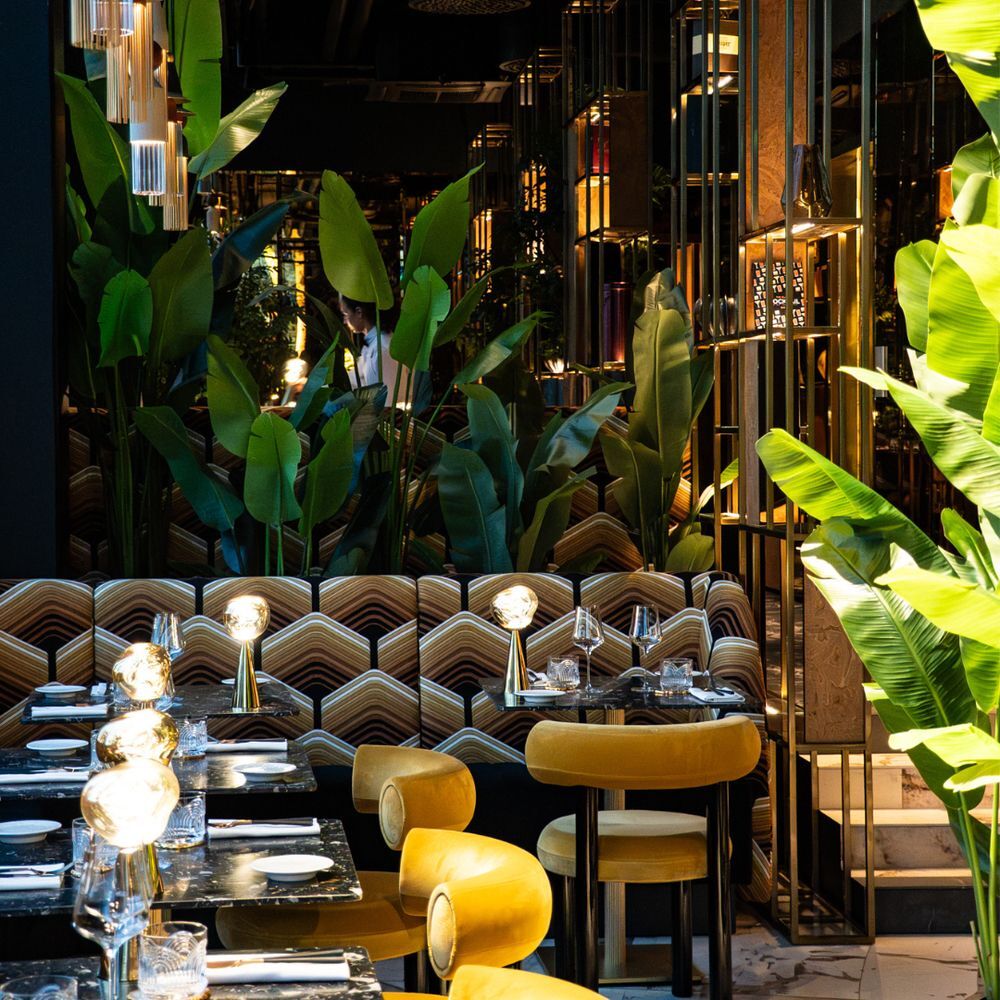
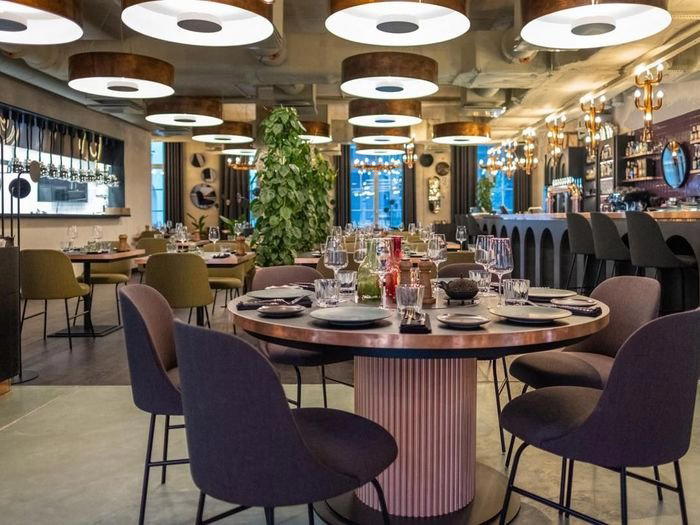
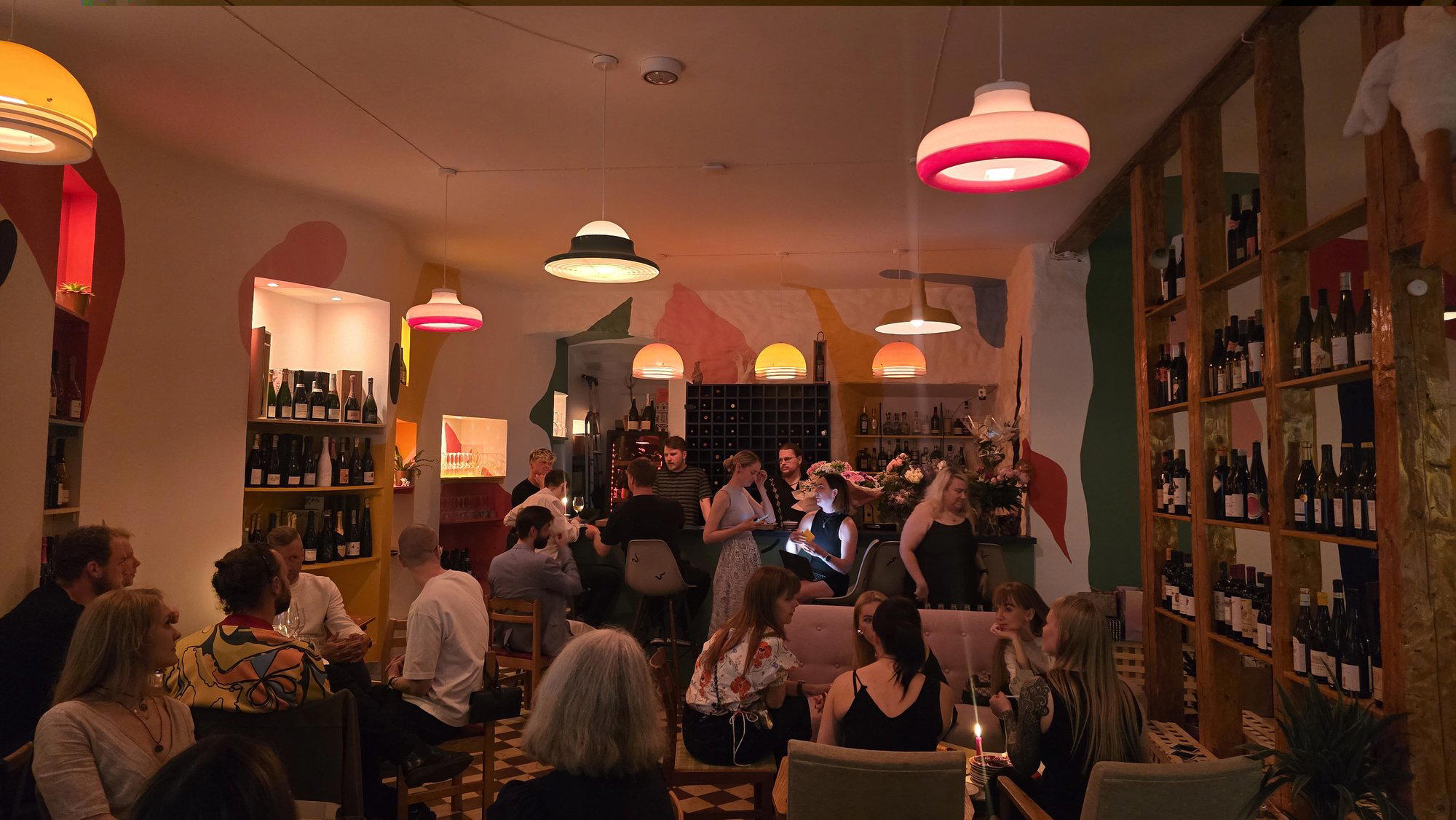
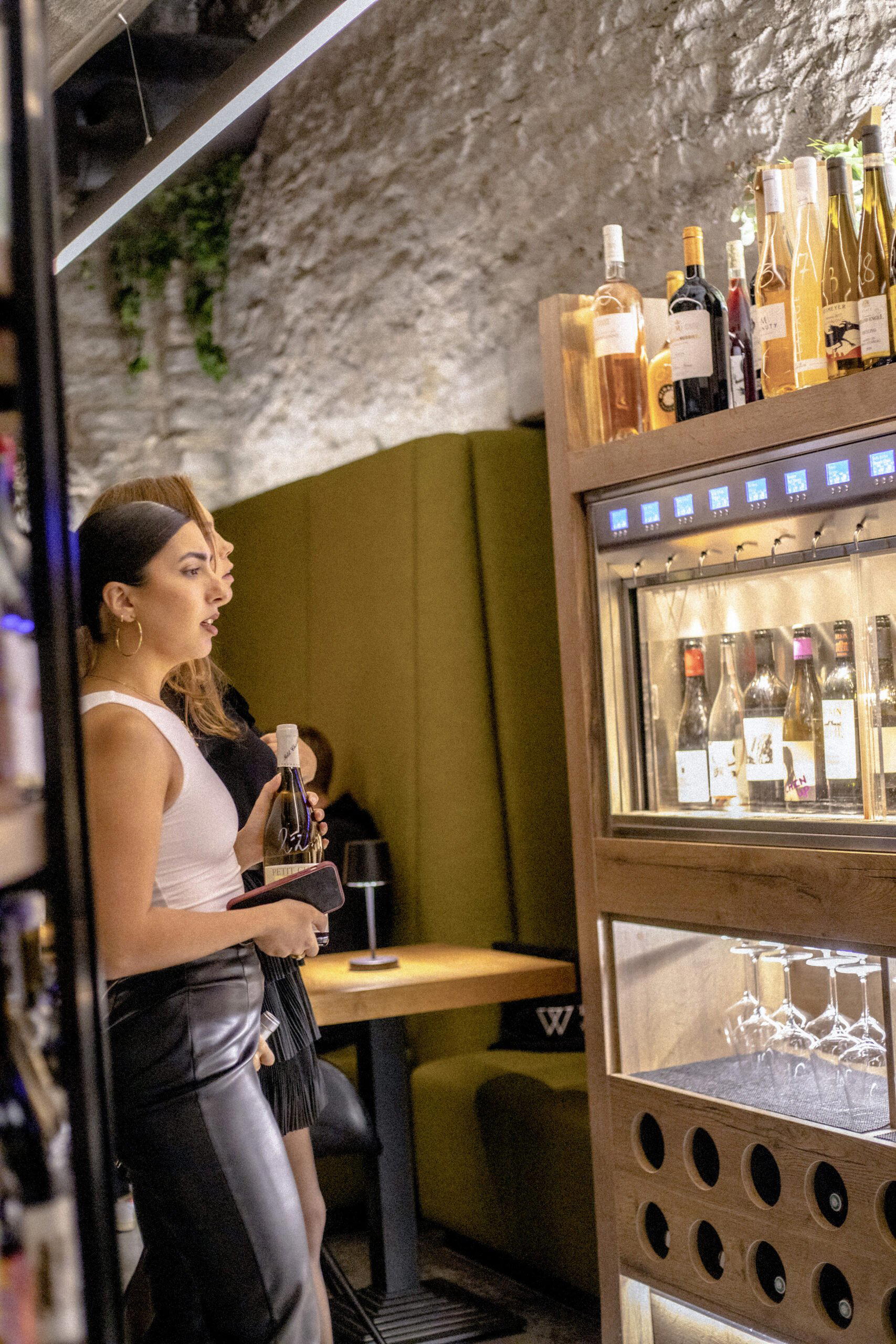
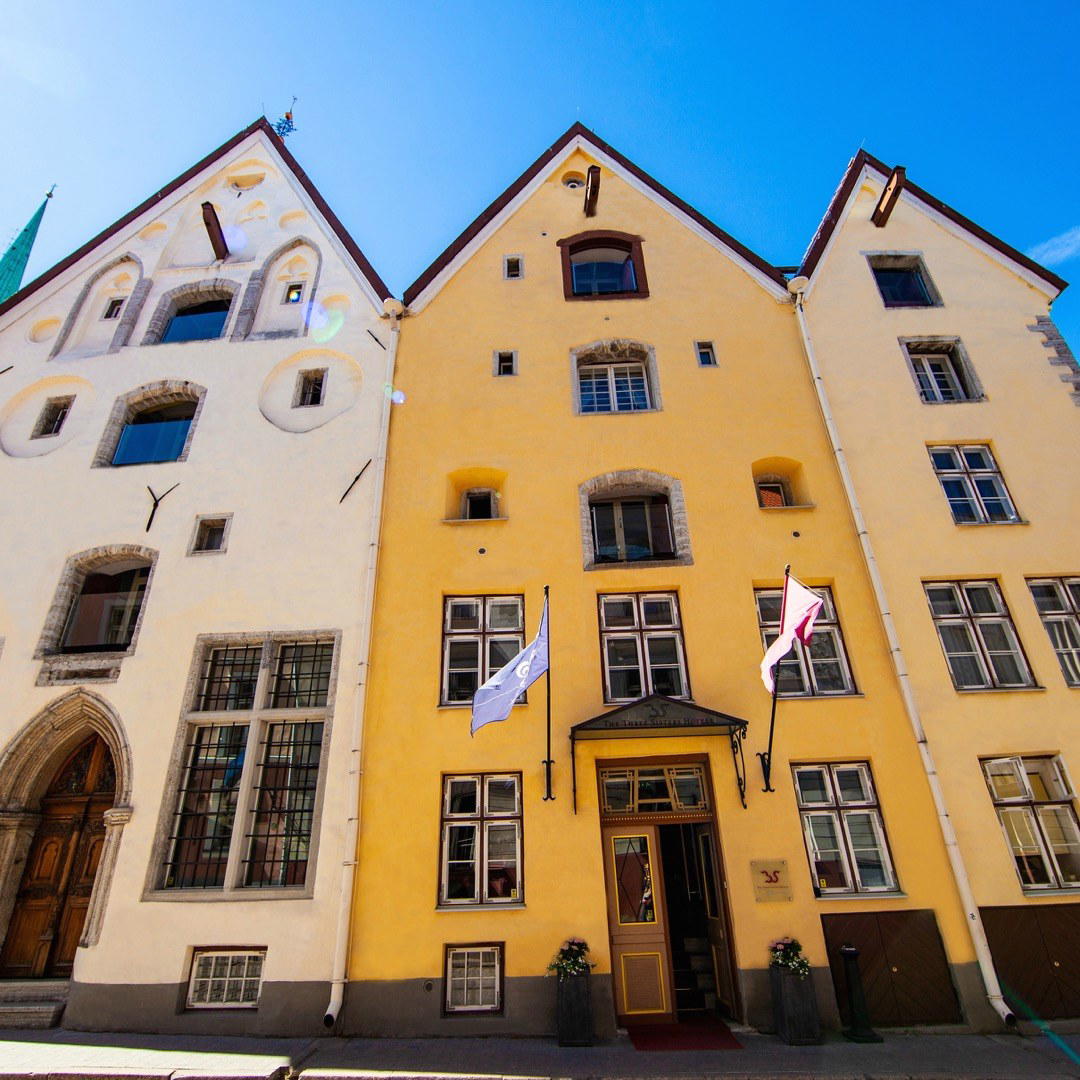
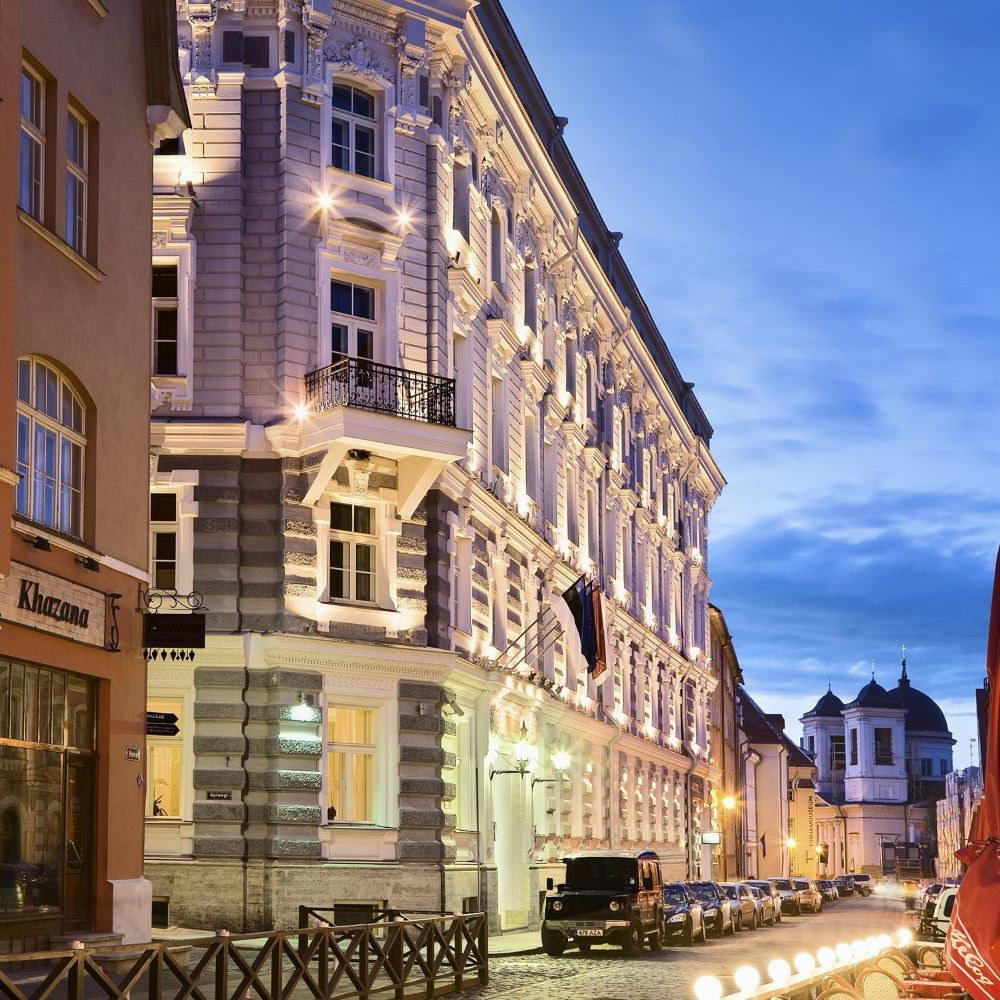
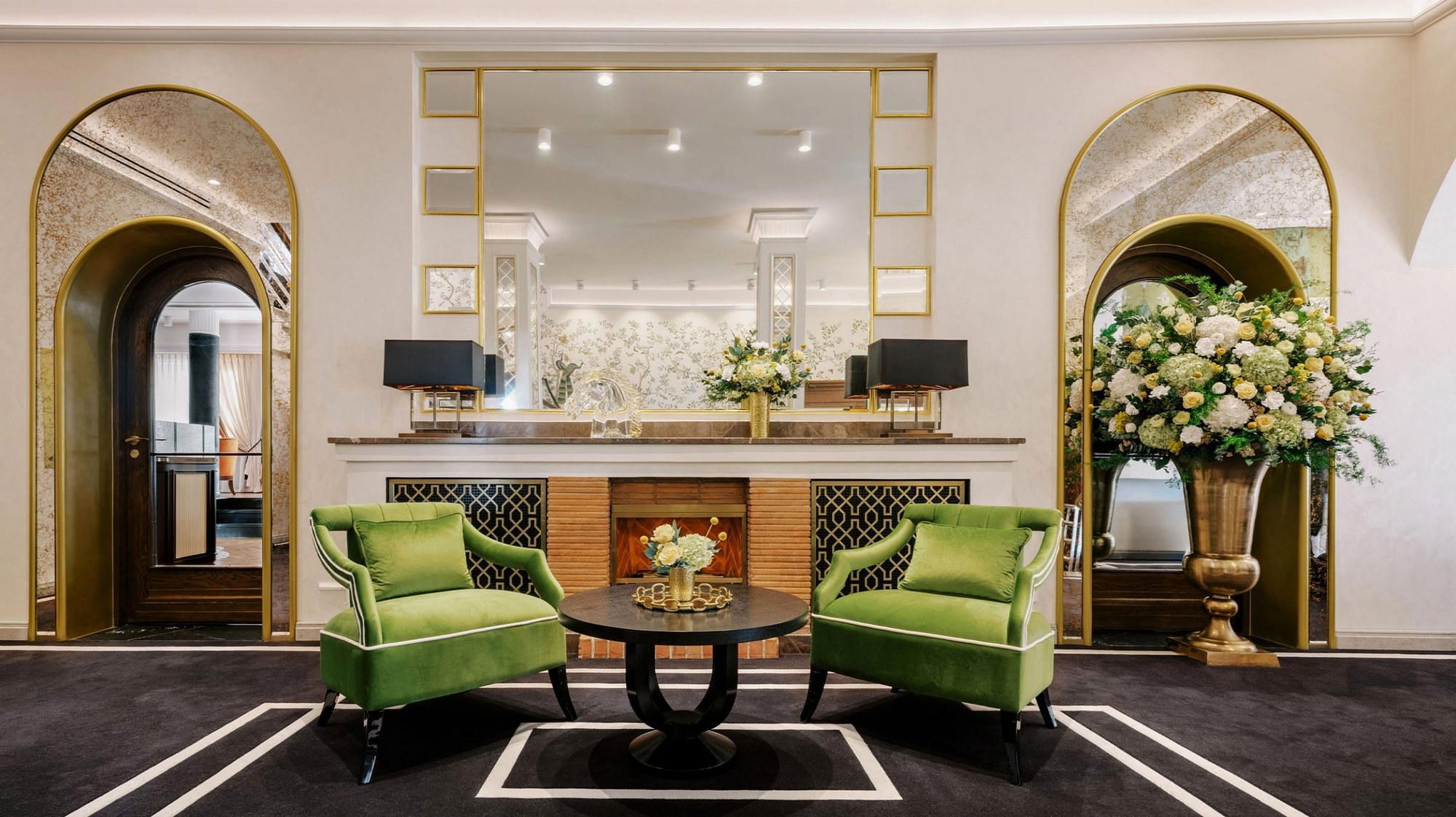
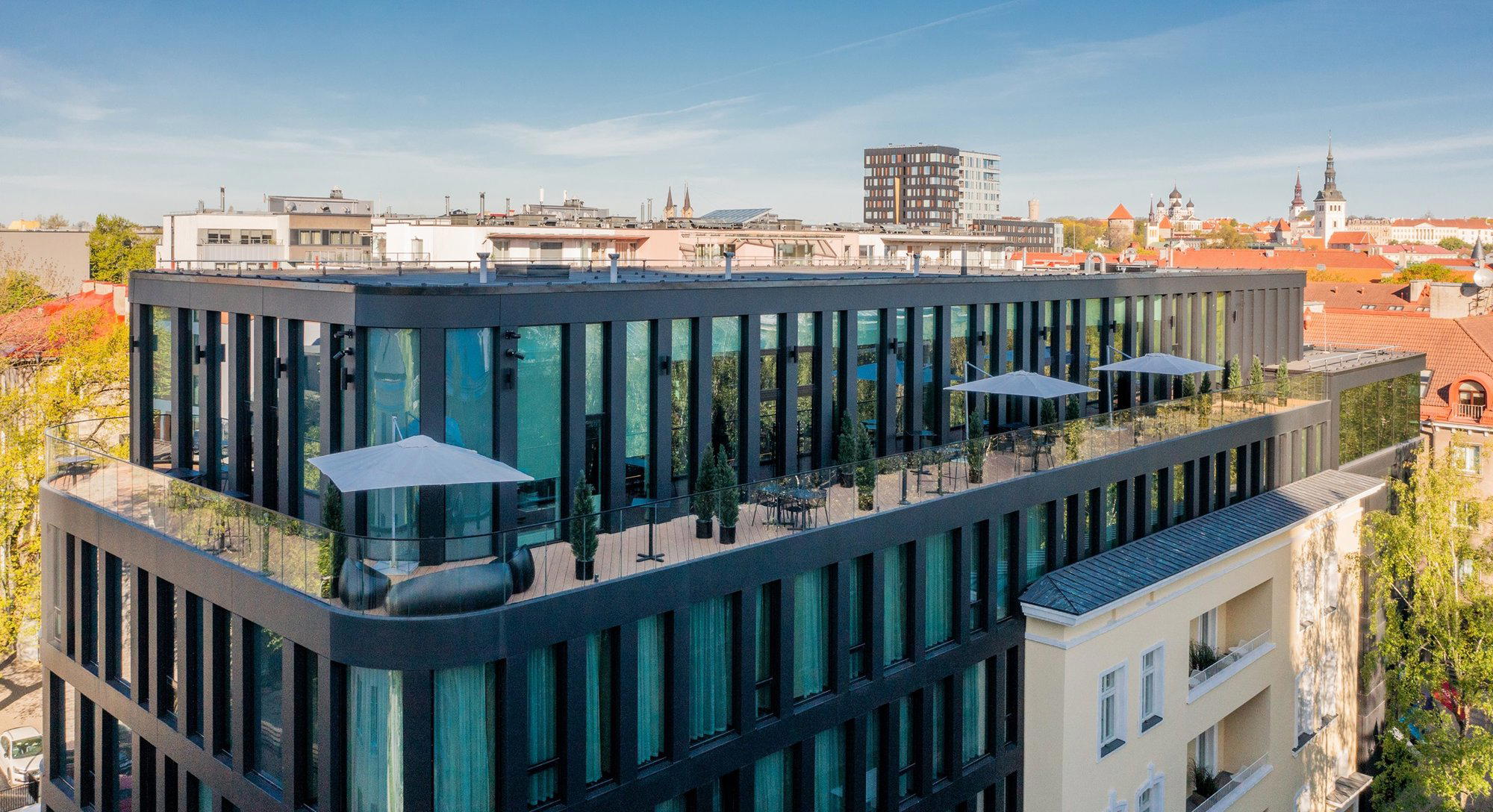
At a Glance
- Modern
- Elegant
- Cozy
- Sophisticated
- Trendy
- Date Night
- Special Occasion
- Group Dining
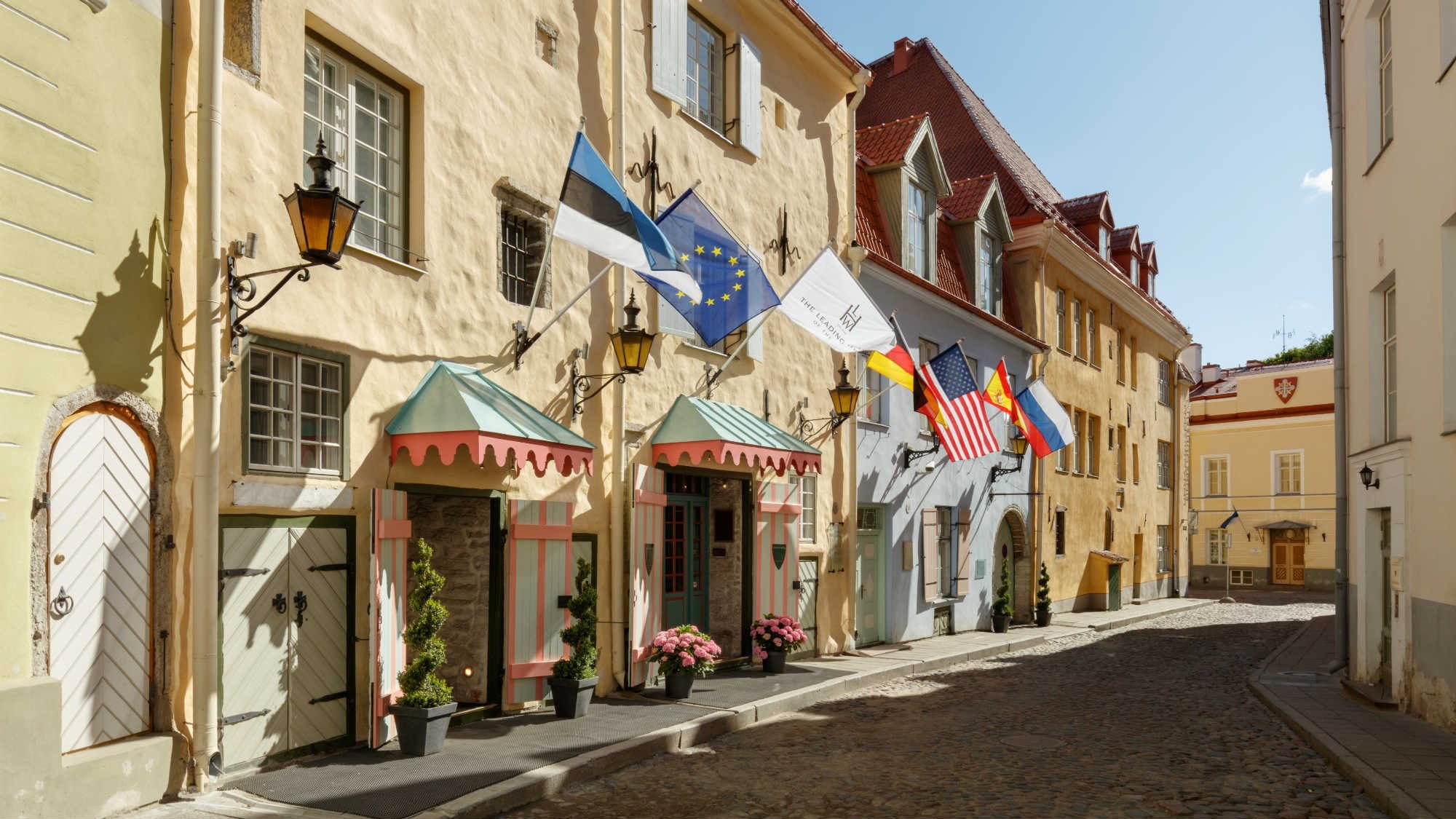
- Historic Building
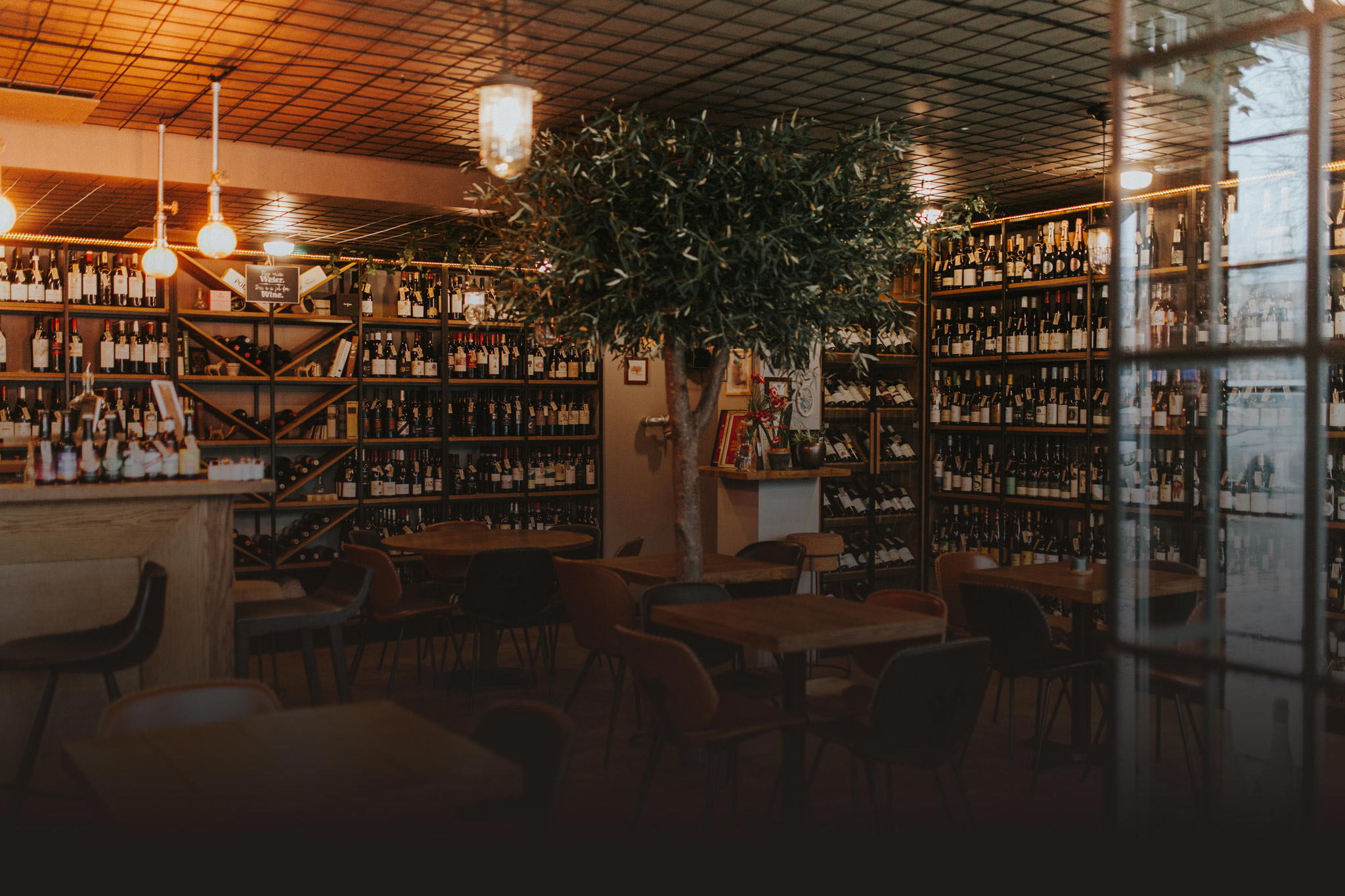
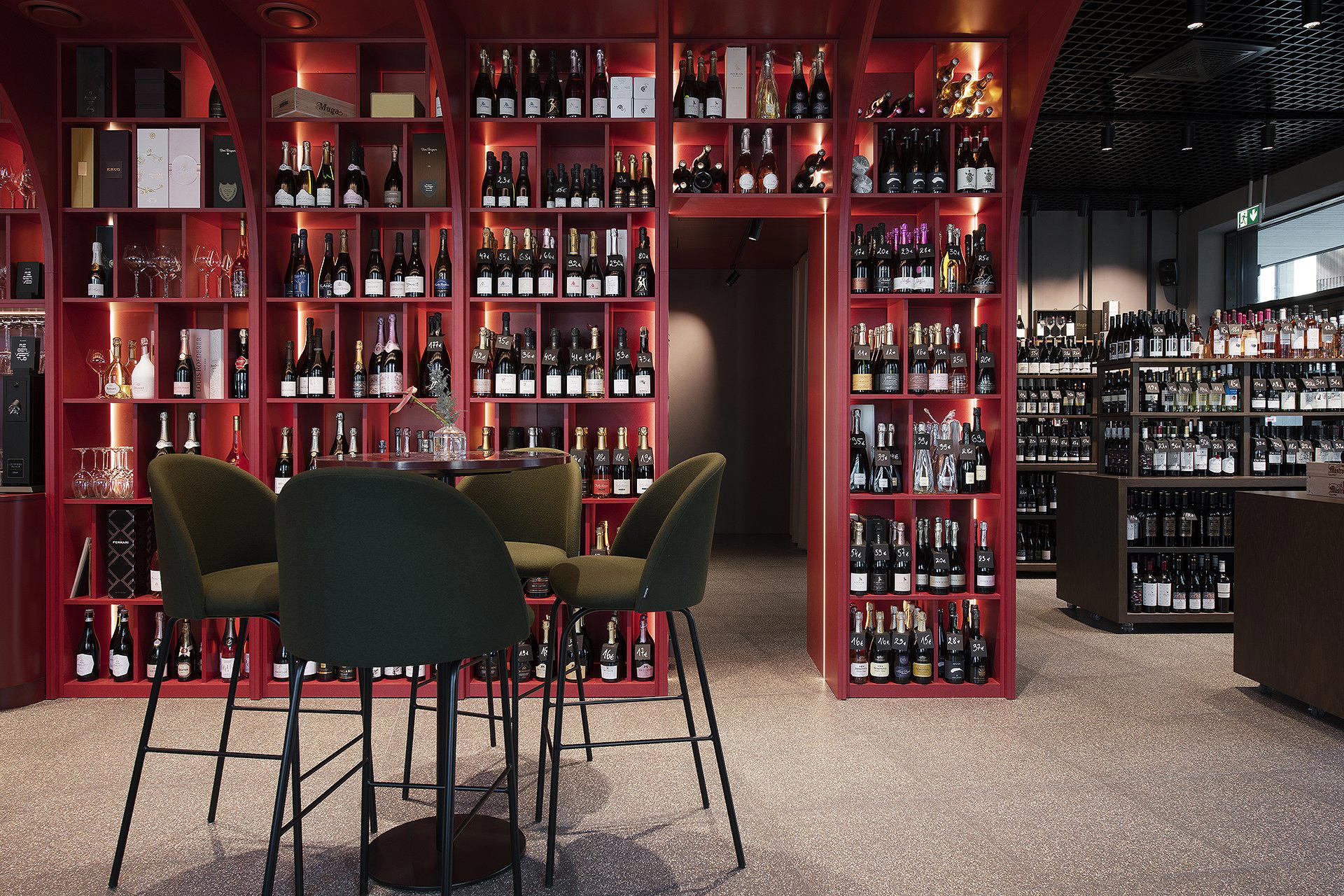
- Extensive Wine List
- Local Sourcing
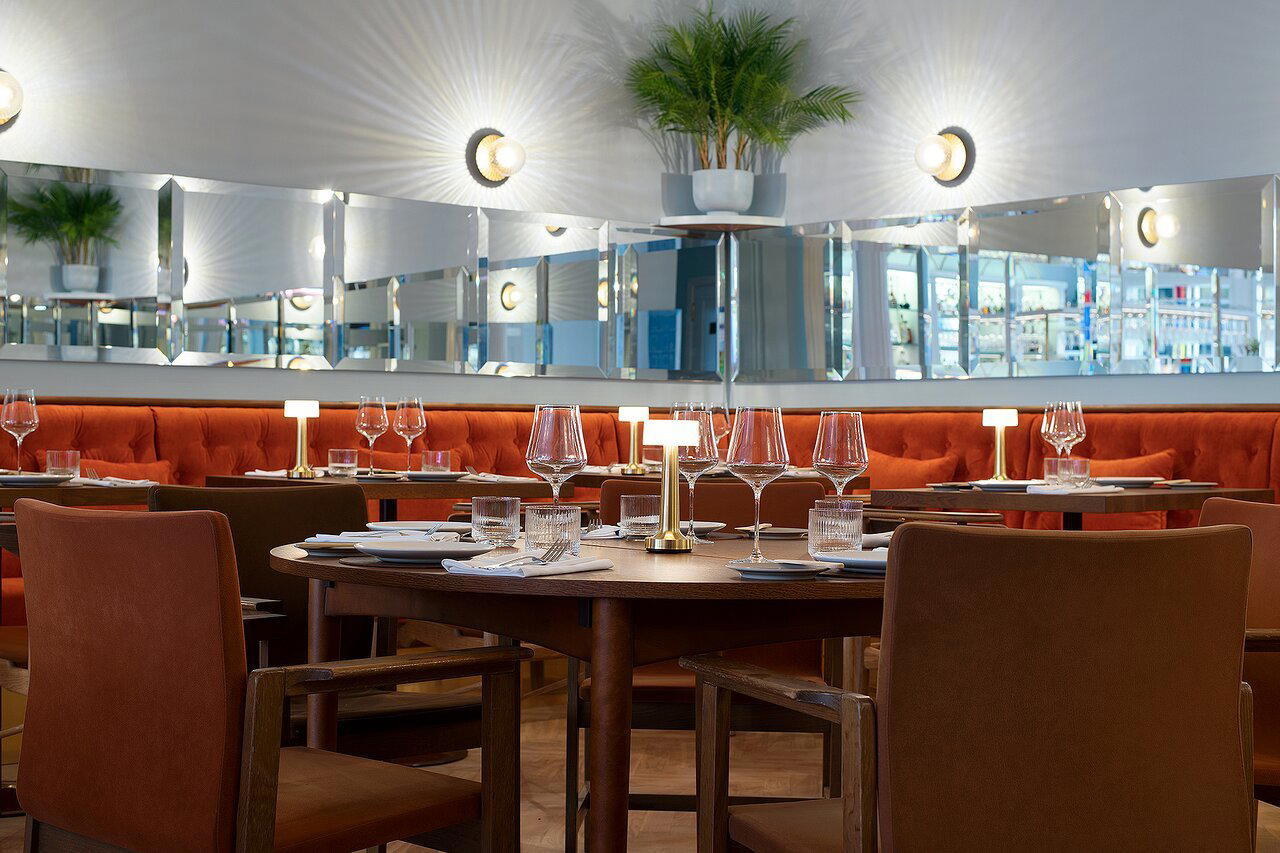
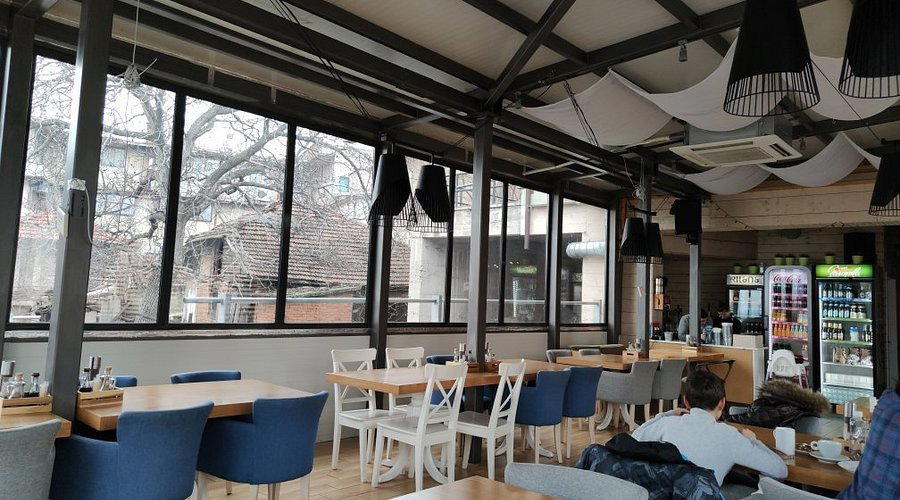
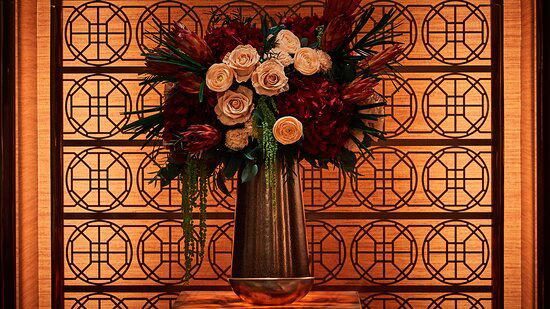
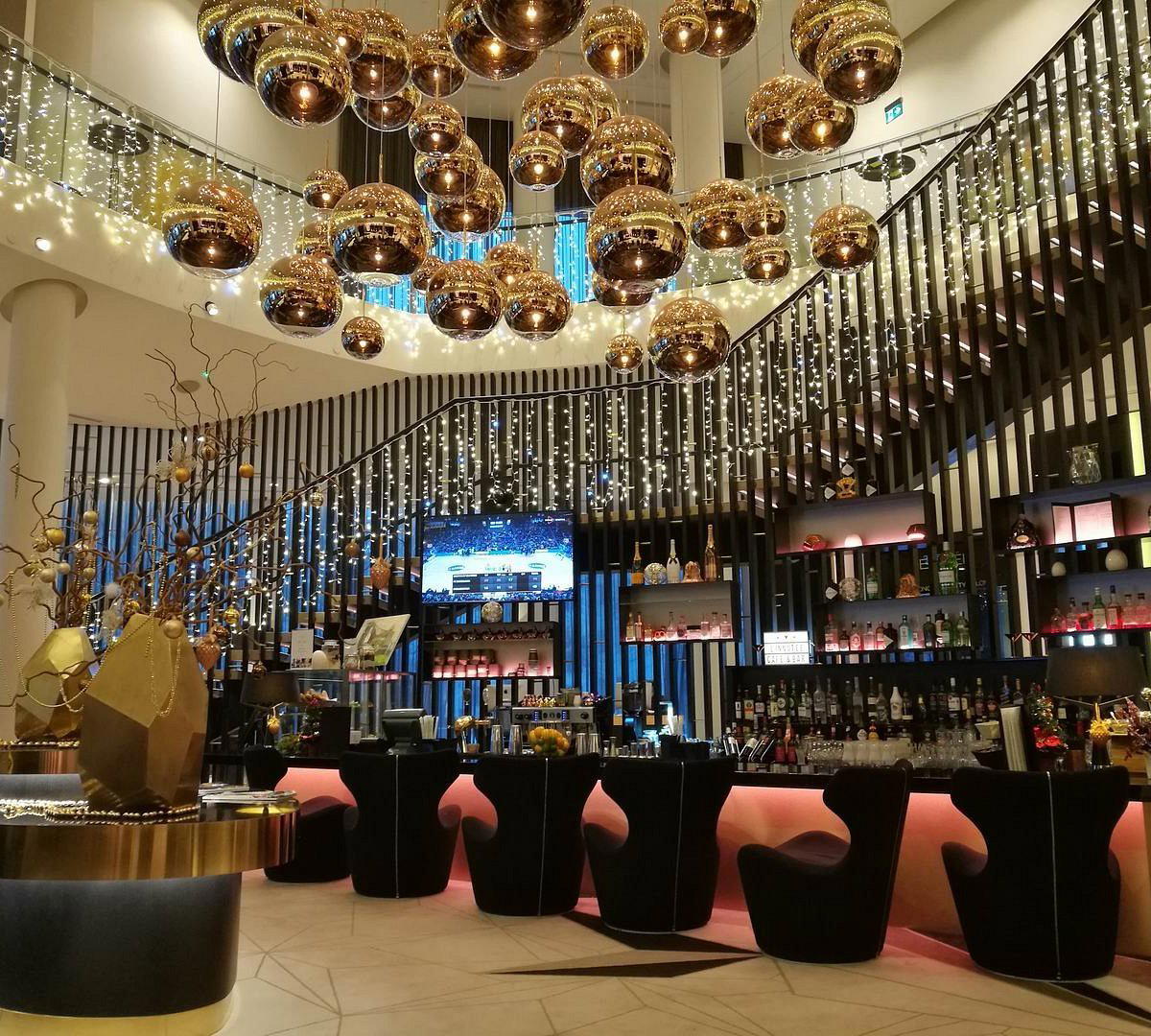
Cool, fashionable vibe with modern interior, golden decor, intriguing murals, and a warm, inviting atmosphere balancing sophistication and coziness.