
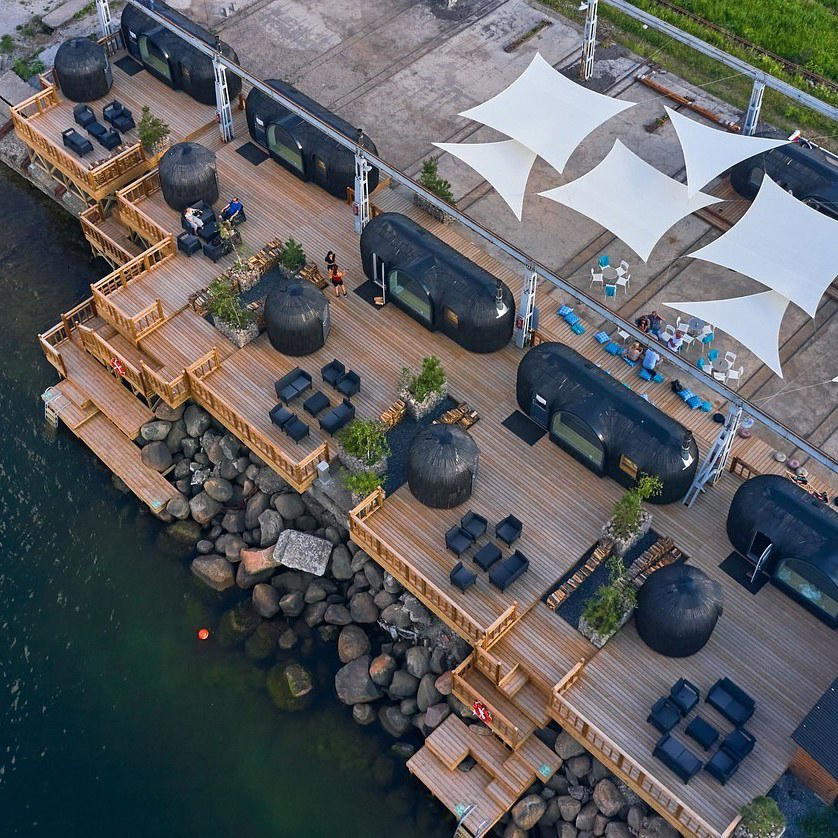
A Michelin Selected hotel on Tallinn's Lennusadama waterfront, Iglupark sits in one of the Estonian capital's most architecturally charged harbour districts. The address alone signals a considered departure from the Old Town hotel cluster, placing guests within walking distance of the Seaplane Harbour museum and the city's expanding creative quarter.
 Discover on Pearl
Pearl is the En Primeur Club membership app — saves, bookings, and concierge access live there. Same editors, same standards.
- Address
- Lennusadama 7, 10411 Tallinn, Estonia
- Phone
- +372 5678 2591
- Website
- iglupark.com
Tallinn's Waterfront Hotel Tier and Where Iglupark Sits
Tallinn's hotel market has sharpened into two distinct zones over the past decade: the medieval Old Town, dense with restored merchant houses converted into boutique properties, and the emerging Kalamaja-Lennusadam waterfront corridor, where industrial maritime architecture has attracted a newer wave of hospitality. Iglupark is a 3-star hotel at Lennusadama 7 in Tallinn, Estonia, and it belongs firmly to the second camp. This location shapes the guest experience. The Lennusadama district anchors some of the city's most compelling cultural infrastructure, including the Estonian Maritime Museum's Seaplane Harbour, a triple-domed Art Nouveau hangar that ranks among the most technically ambitious pre-war structures in Northern Europe. Hotels that choose this address are betting on a guest who arrives for the neighbourhood as much as for the room.
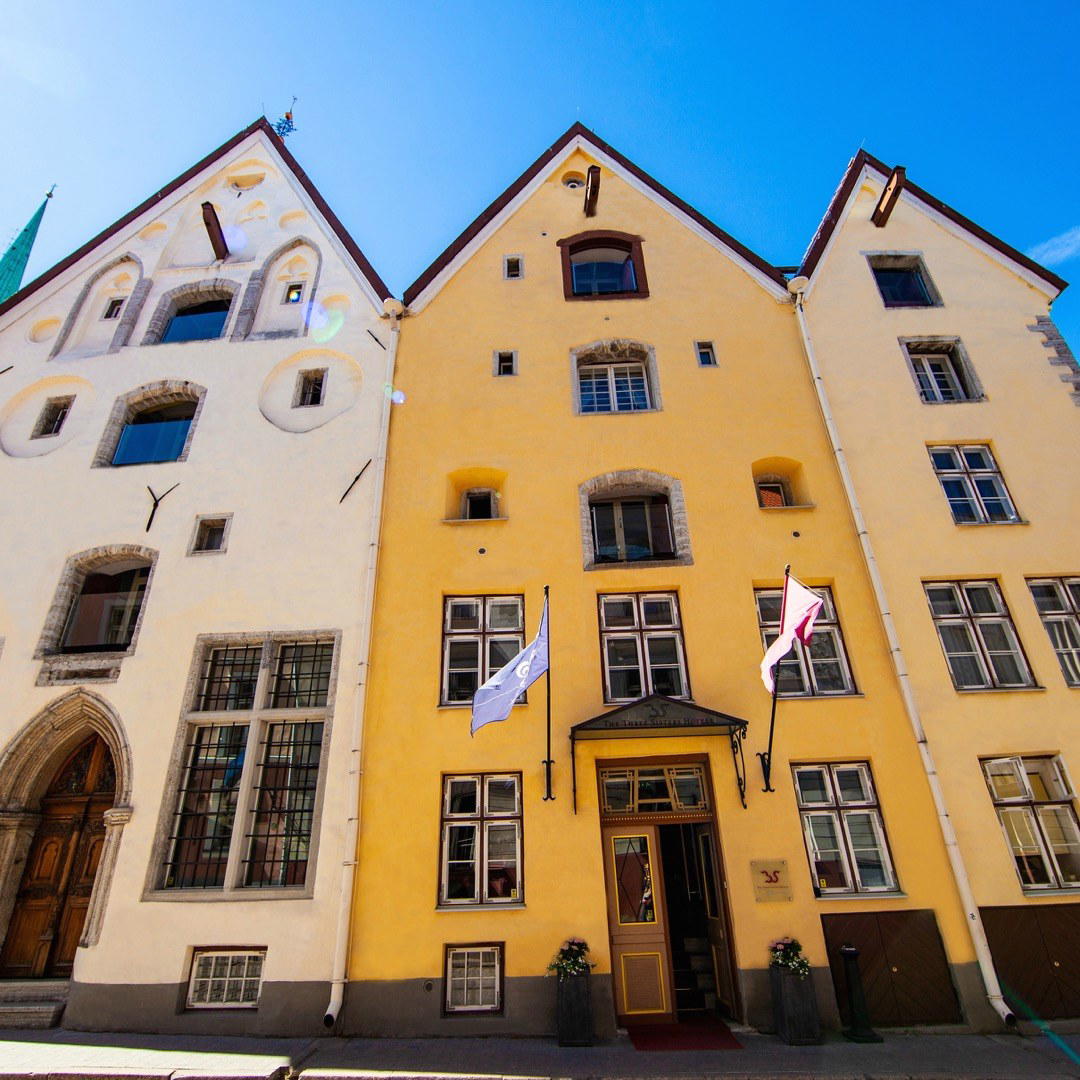
The Michelin Selected designation places Iglupark within a curated tier of Tallinn properties that the guide recommends on quality grounds. Michelin Selected does not carry star-rated status, but its inclusion signals a level of consistency and character that separates a property from the undifferentiated mid-market. In a city where the Old Town concentration includes Hotel Telegraaf, Schlössle Hotel, and The Three Sisters Hotel, all operating within the medieval perimeter, Iglupark's waterfront position and Michelin acknowledgement together define a comparable set that is deliberately separate from the heritage-property cluster.
The Lennusadama Setting
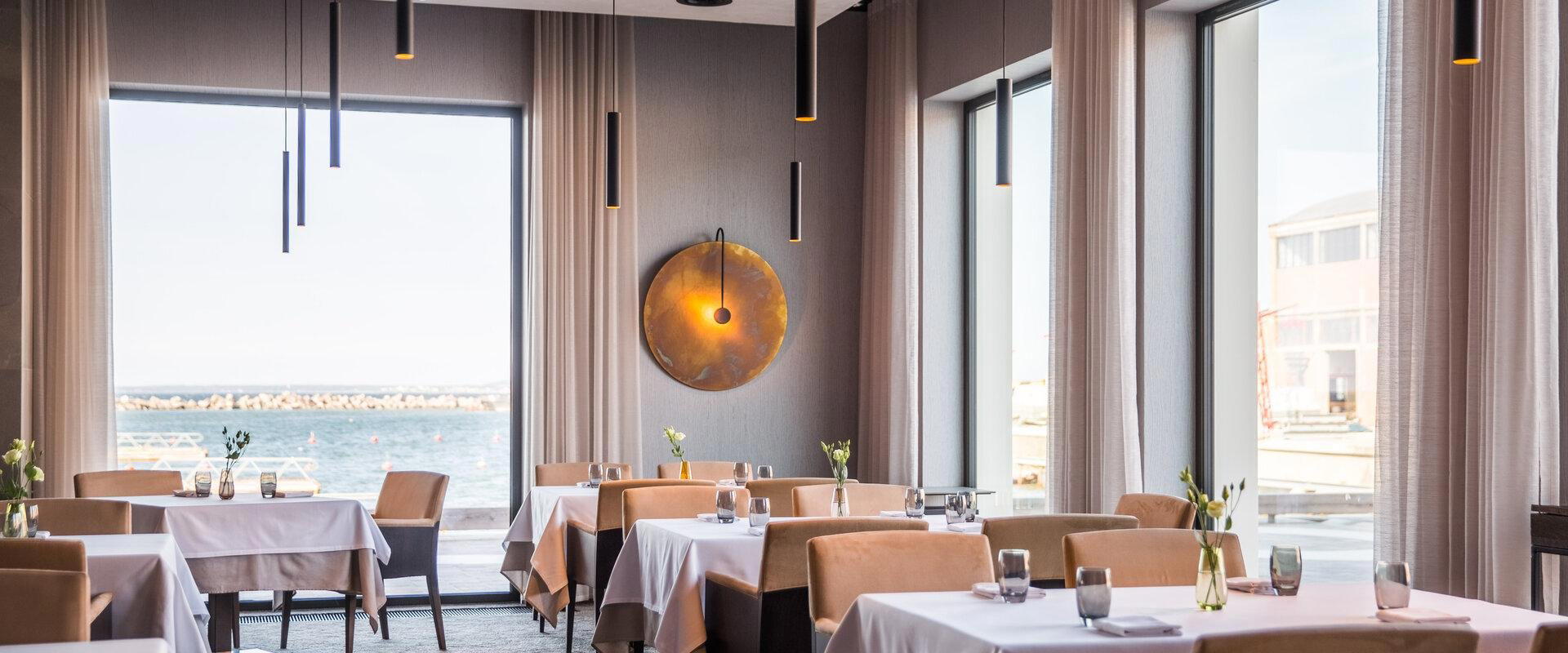
Approaching the Lennusadama district from the city centre, the architectural register shifts noticeably. The cobblestone compression of the Old Town gives way to wider harbour-facing avenues, repurposed industrial buildings, and a horizon that opens directly onto Tallinn Bay. The Seaplane Harbour sits less than a minute's walk from Iglupark's address, and on clear days the bay itself becomes part of the visual field. This is a neighbourhood that rewards guests who walk: the Kalamaja district, known for its concentration of wooden residential houses and an active café and workshop culture, is accessible on foot, and the creative businesses that have colonised former Soviet-era facilities are concentrated nearby.
For context on how waterfront positioning compares across the Baltic region, properties like LaSpa in Laulasmaa and Maidla Nature Resort in Maidla represent the Estonian countryside alternative for guests who want distance from the capital. Iglupark sits at the opposite end of that spectrum: urban, harbour-adjacent, and within easy reach of the city's dining and cultural infrastructure.
Dining and the Lennusadama Food Environment
The editorial angle on any hotel in this part of Tallinn has to account for what lies outside the front door as much as what is inside. The Lennusadama waterfront has developed a concentration of food and drink options that skew toward the locally sourced, informally serious end of the Estonian dining spectrum. Estonia's food culture has shifted considerably since the early 2010s: Tallinn now has Michelin-recognised restaurants, and the sourcing sensibility that drives the city's better kitchens, heavy on foraged and fermented ingredients, attentive to Baltic fish and game, has filtered into the neighbourhood restaurant tier as well. A hotel at Lennusadama 7 places guests within that environment rather than inside the tourist-facing Old Town restaurant circuit.
The broader pattern among Michelin Selected properties, however, is that inspectors weigh the quality of on-site food and drink as part of the selection criteria, alongside room quality and overall character. That framing matters when positioning this property against the Old Town alternatives: Hotel Telegraaf and The Three Sisters Hotel both operate within a heritage hotel format where restaurants tend toward formal service; the Lennusadama context typically supports a less ceremonial approach to eating that suits guests who prefer to move fluidly between the hotel and the neighbourhood.
Tallinn in the Wider Baltic Context
Tallinn's hotel market is small by Western European standards, which means the Michelin Selected designation carries weight as a relative signal even when it does not translate directly into star counts or ranking positions. Across the city, the full Michelin-selected roster sits alongside individual properties each occupying distinct neighbourhood and price positions. For travellers who are sequencing Estonia as part of a longer Baltic itinerary, the comparison with Lydia Hotel in Tartu or Frost Boutique Hotel in Parnu illustrates how Tallinn's waterfront offer differs from Estonia's university city and coastal resort alternatives.
For those calibrating Iglupark against comparable Michelin Selected properties in other markets, the reference class is broad. Selected hotels in European city markets range from the multi-starred grandeur of Le Bristol Paris and Hôtel de Paris Monte-Carlo down to smaller, character-led city properties where individuality and setting do more work than scale. Iglupark, given its harbour address and the cultural weight of the Lennusadama district, reads as the latter type. That places it in different territory from Tallinn's conventional luxury bracket, represented by larger-footprint properties like Hilton Tallinn Park or Mövenpick Hotel Tallinn, and closer in spirit to the design-led, neighbourhood-embedded format that has defined a category of European boutique hospitality over the last fifteen years.
Planning Your Stay
Iglupark is located at Lennusadama 7, within the harbour district on Tallinn's northwestern waterfront. The address is well outside the pedestrian zone of the Old Town but reachable from Tallinn Airport in roughly fifteen minutes by car. The Seaplane Harbour museum and the Kalamaja neighbourhood's café and restaurant cluster are both within walking distance, making the location self-sufficient for guests whose itinerary centres on the city's contemporary cultural offer rather than the medieval core. Booking is recommended, and the nightly rate starts at about $144. For wider Tallinn hotel comparisons, Oru Hub Hotel Tallinn - Handwritten Collection and The Burman Hotel represent alternative options across different neighbourhood and format positions in the city.
Pricing, Compared
Comparable venues nearby, for context on price, style, and recognition.
| Venue | Cuisine | Price | Awards | Notes |
|---|---|---|---|---|
| IgluparkThis venue — the venue you are viewing | $$$ | 3-Star | ||
| The Three Sisters Hotel | $$$$ | 5-Star | Old Town, Medieval heritage meets contemporary luxury boutique design | |
| Oru Hub Hotel Tallinn - Handwritten Collection | $$$ | 4-Star | Kesklinna linnaosa, hybrid coworking and leisure hotel | |
| Mövenpick Hotel Tallinn | city center, Modern luxury urban retreat | $$$ | 4-Star | |
| Hilton Tallinn Park | $$$ | 4-Star | Kesklinn, Modern urban hotel with business and leisure facilities | |
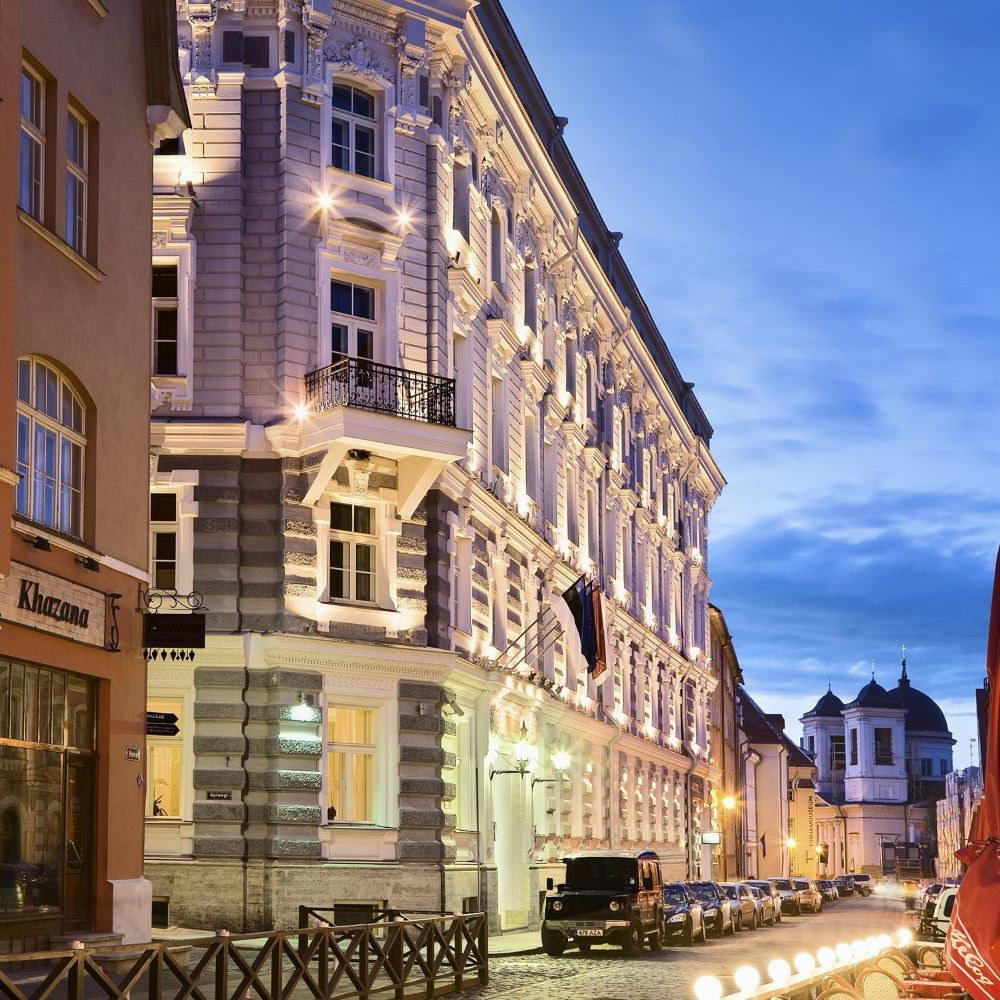
| Hotel Telegraaf | $$$$ | 5-Star | Old Town, Historic 19th-century bank building restored as luxury hotel |
At a Glance
- Cozy
- Modern
- Scenic
- Quiet
- Romantic
- Romantic Getaway
- Weekend Escape
- Waterfront
- Terrace
- Panoramic View
- Wifi
- Sauna
- Spa
- Parking
- Kitchenette
- Terrace
- Waterfront
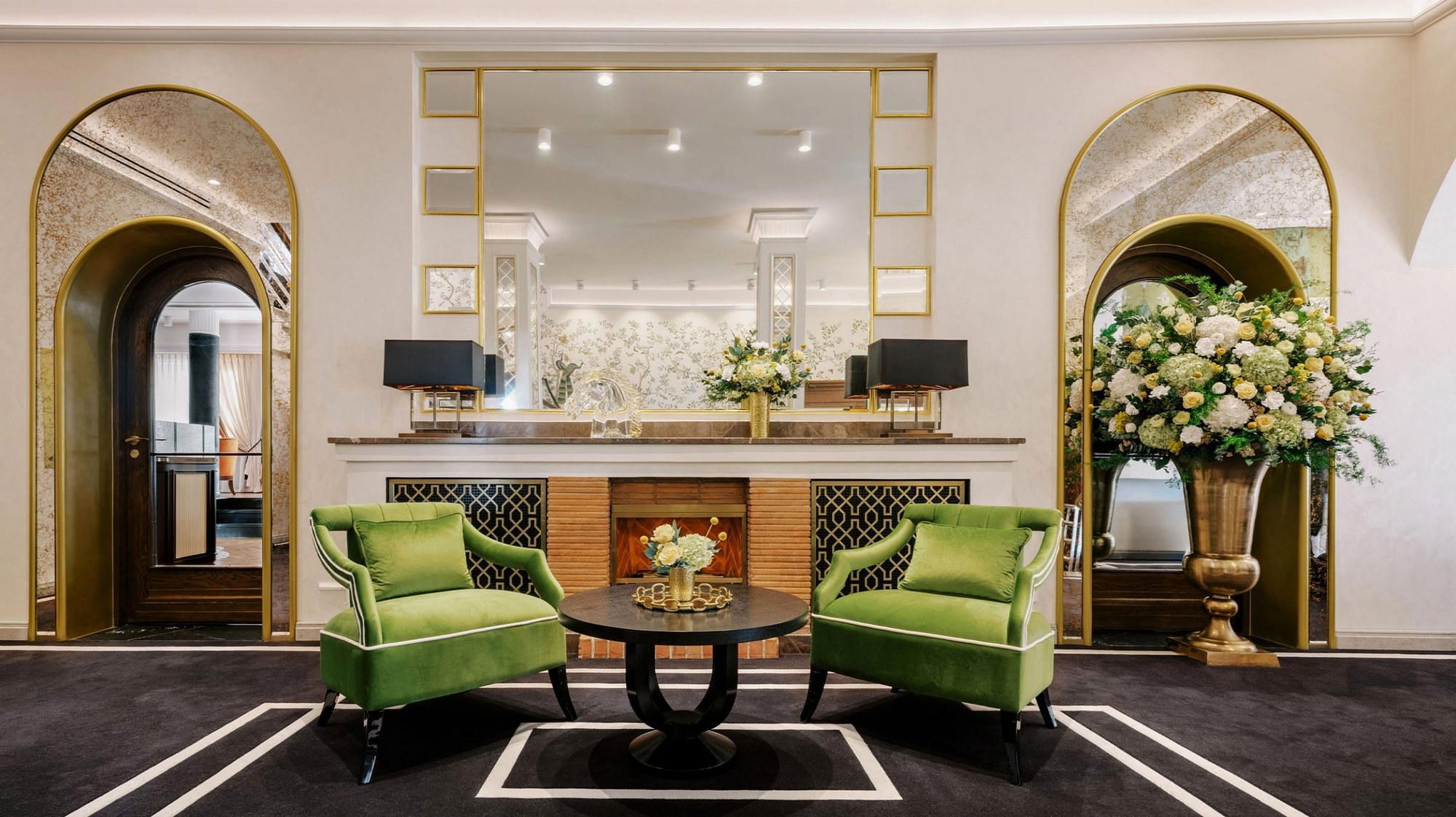
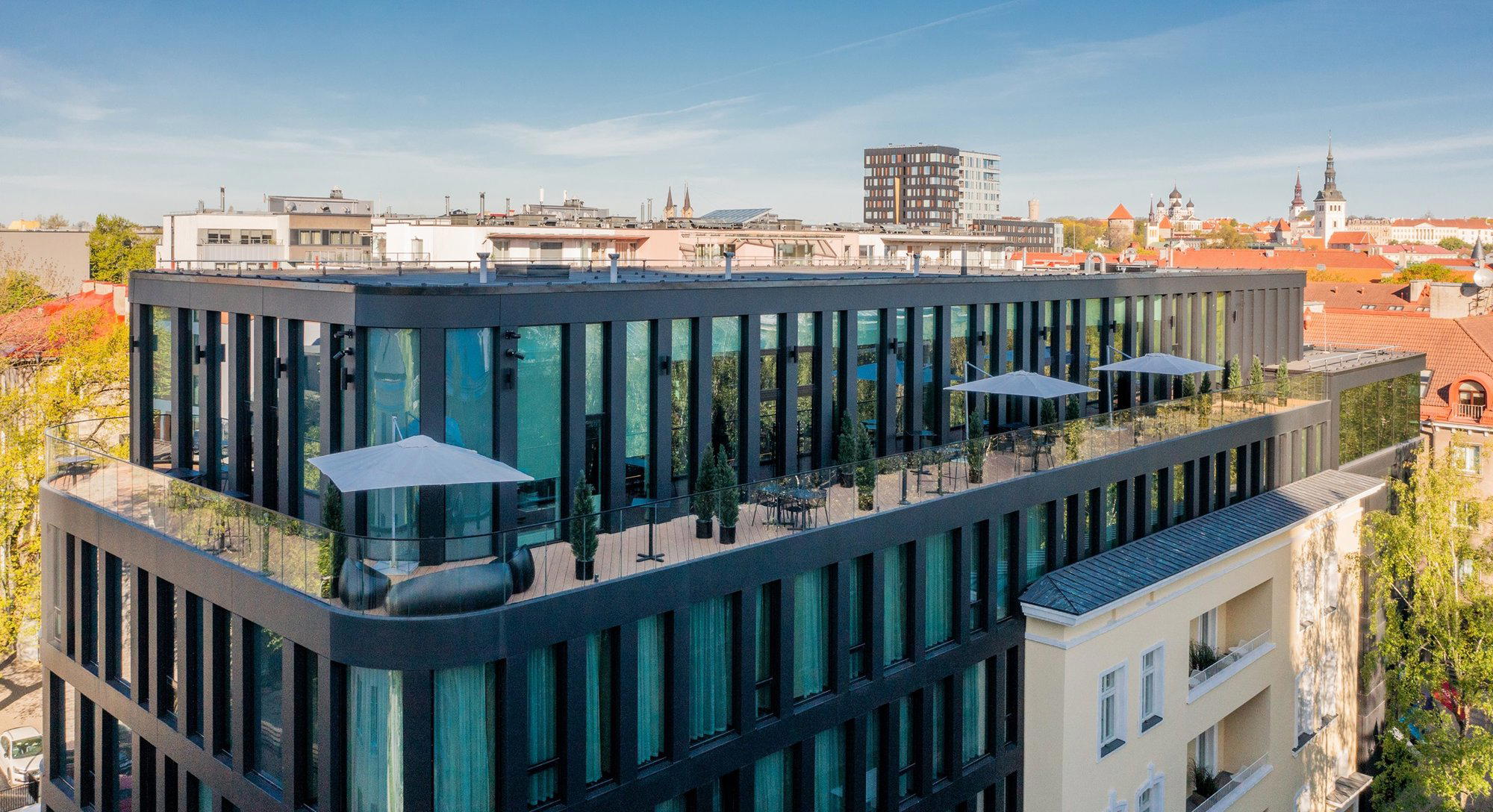
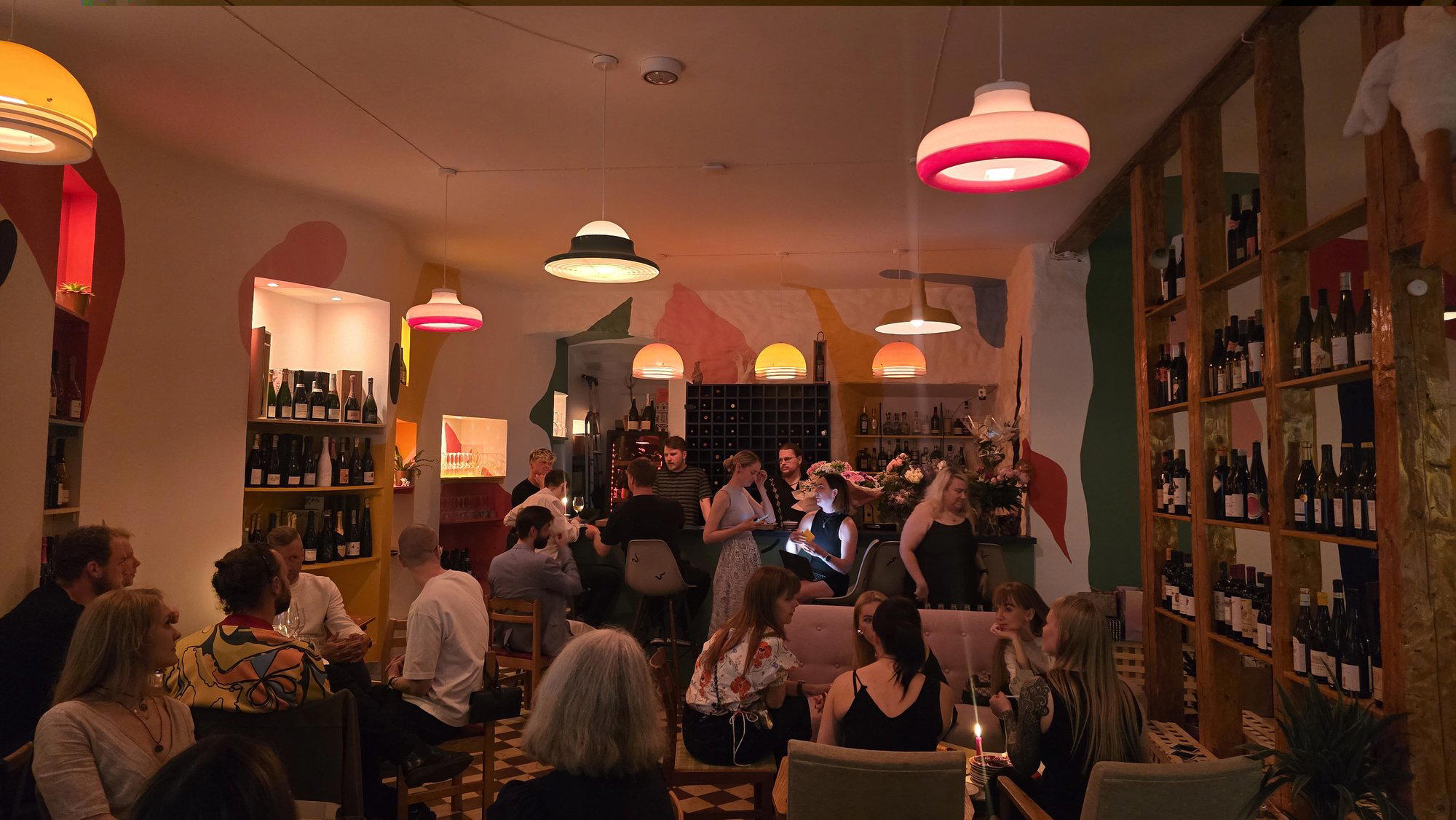
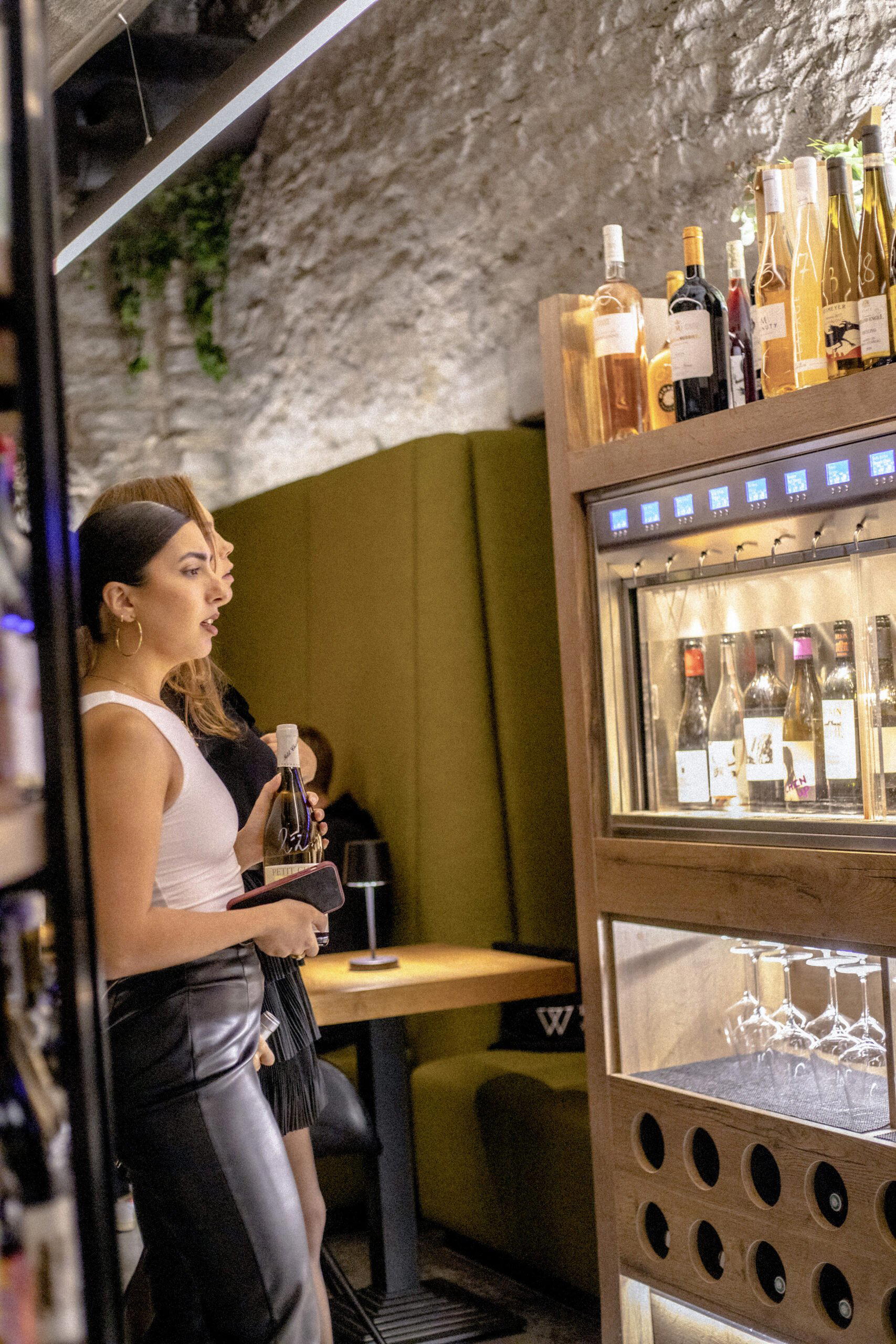
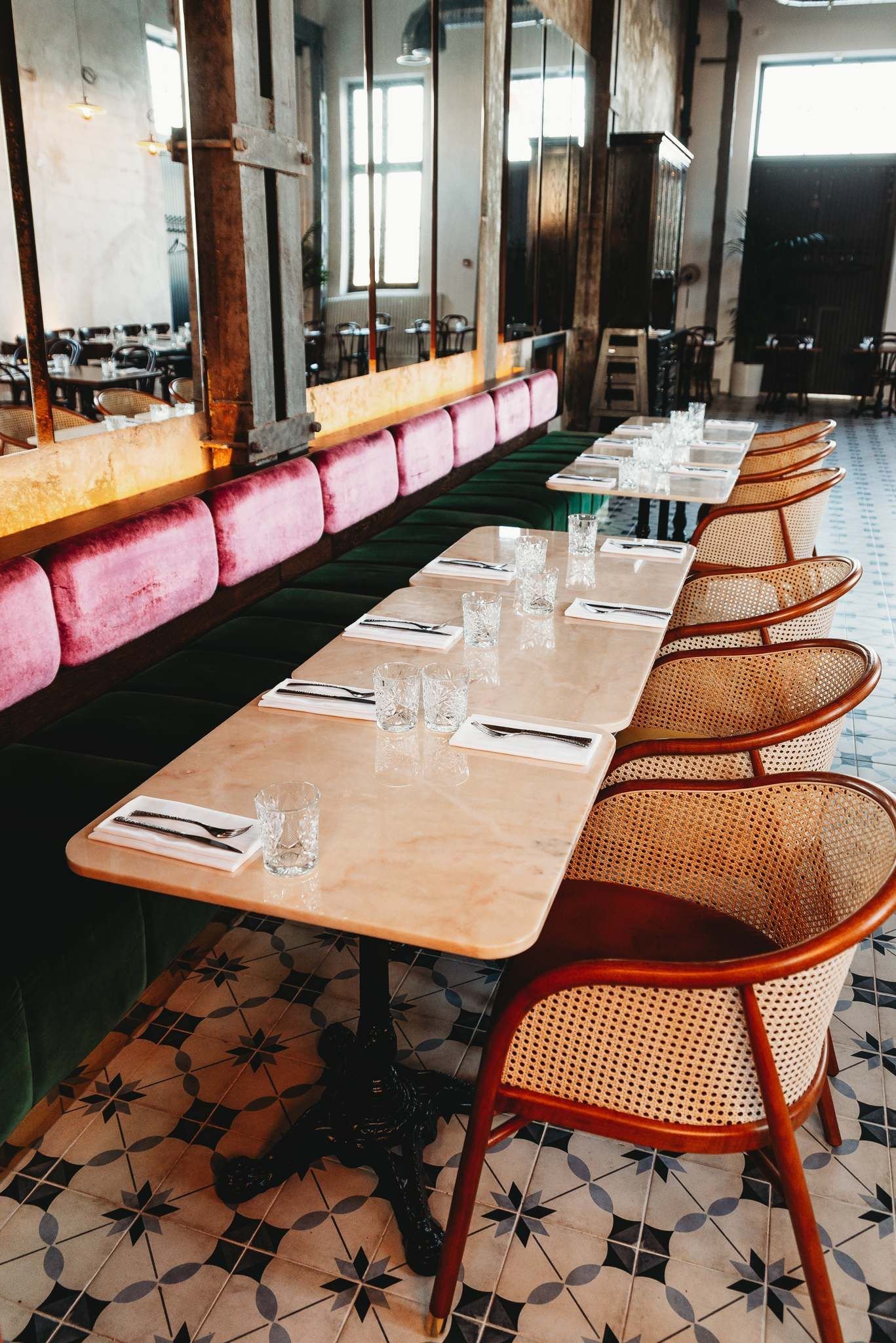
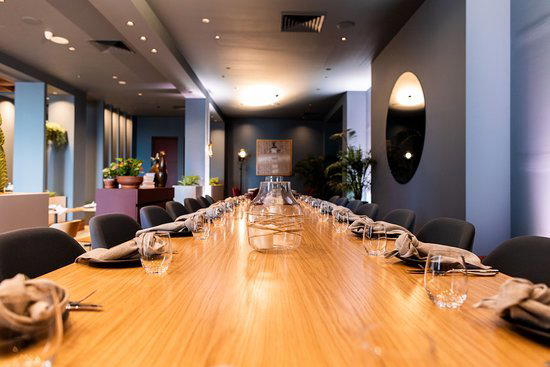
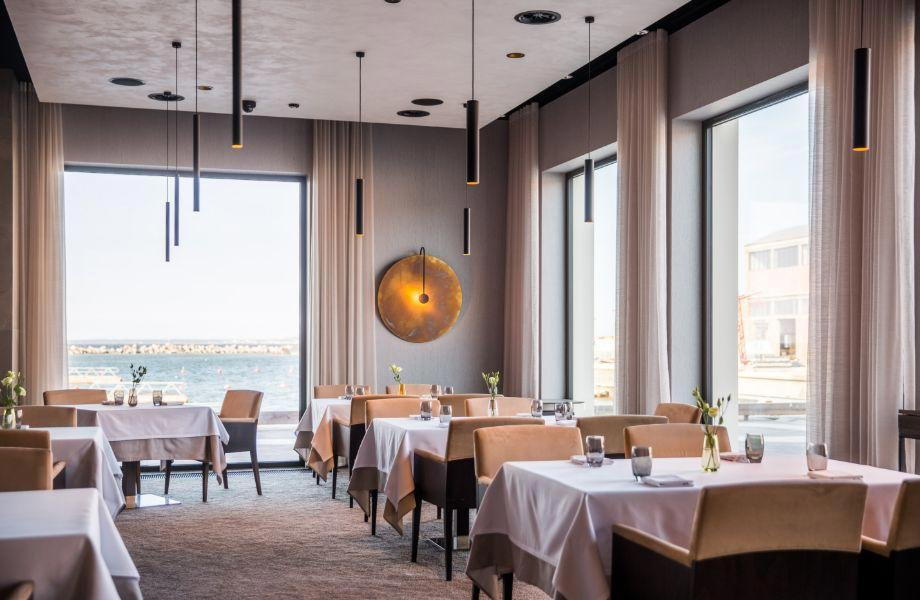
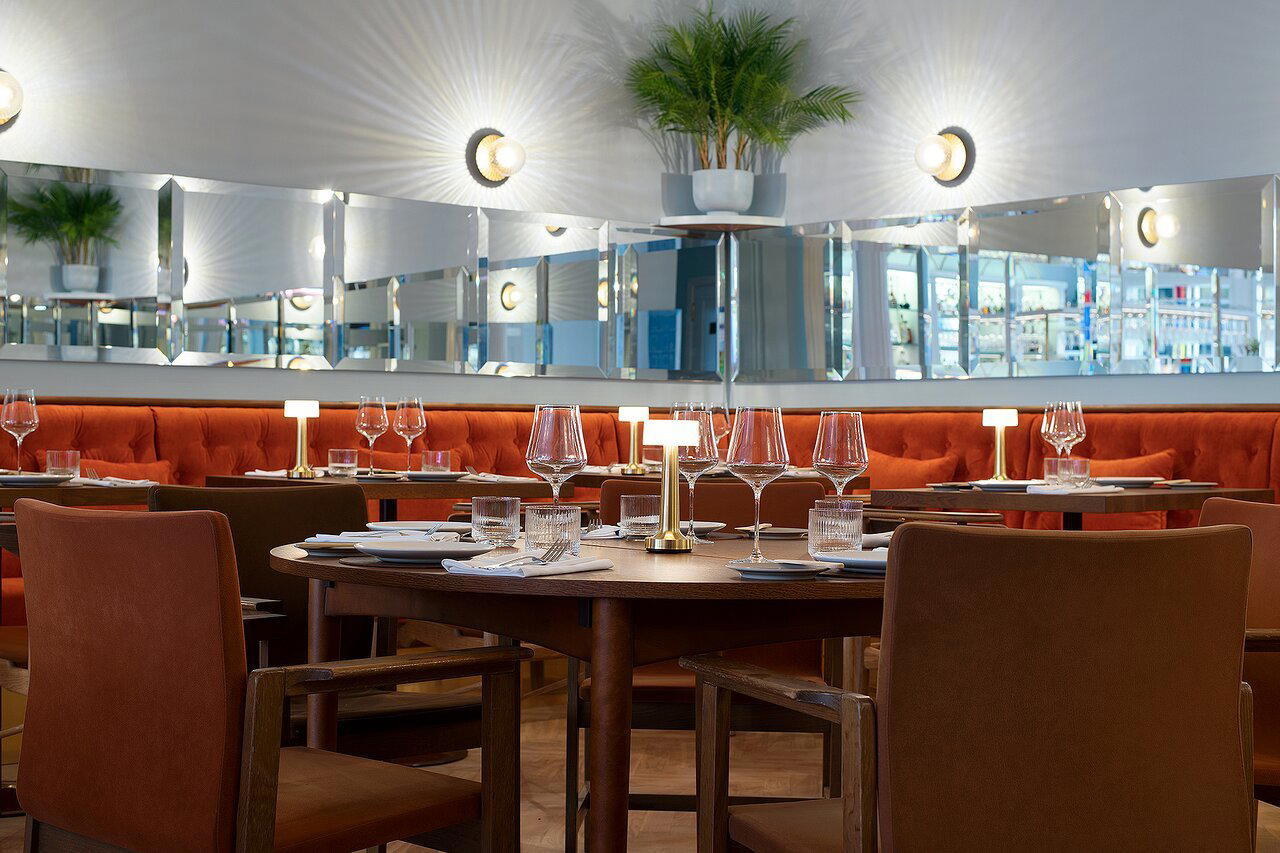
Cozy and peaceful with natural light, wooden features, potted plants, and calming sea views, lulling guests to sleep with ocean waves.