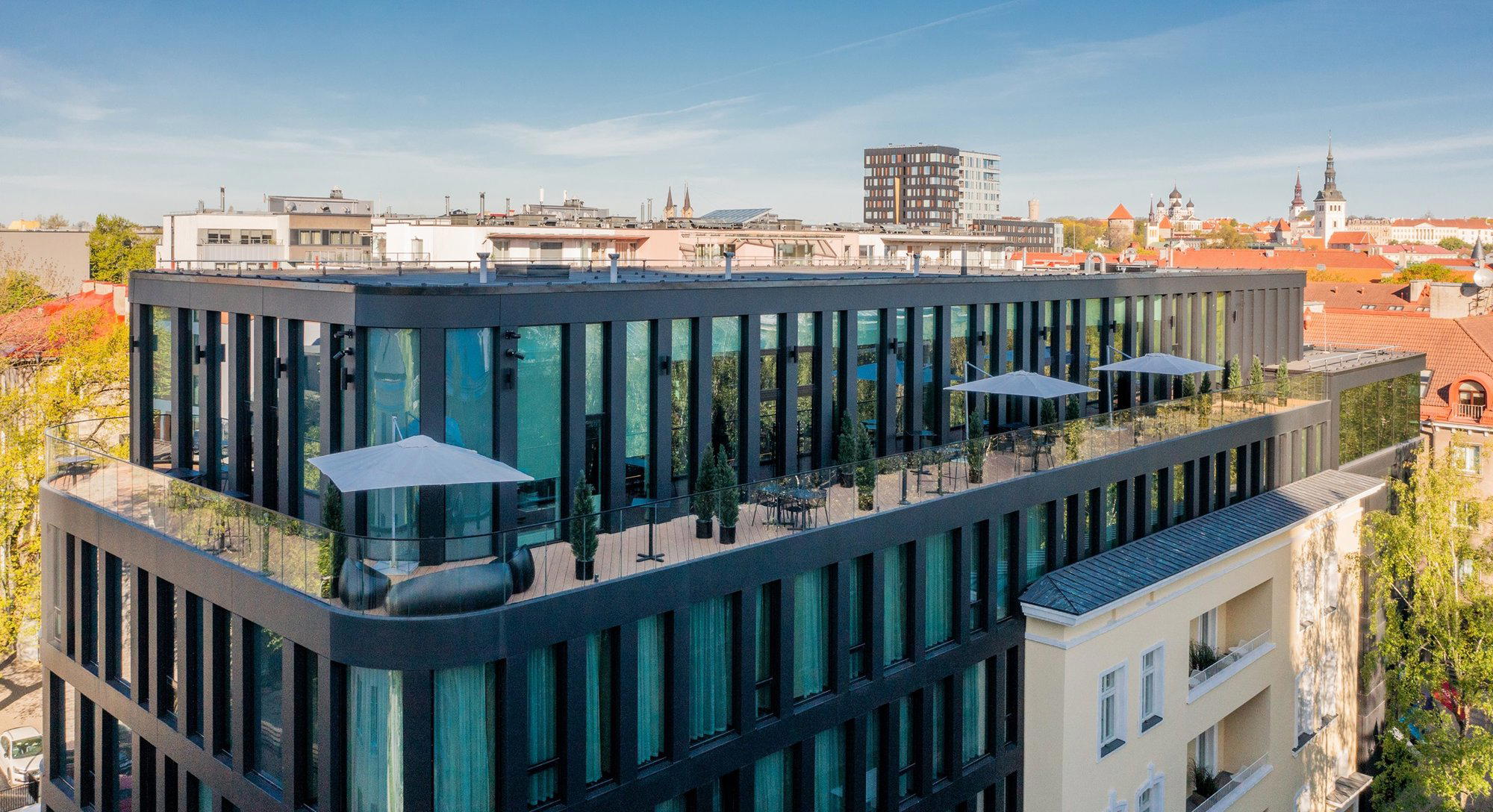



Michelin Plate · Star Wine List · Falstaff Restaurant - 94 Falstaff Points
Our verdict
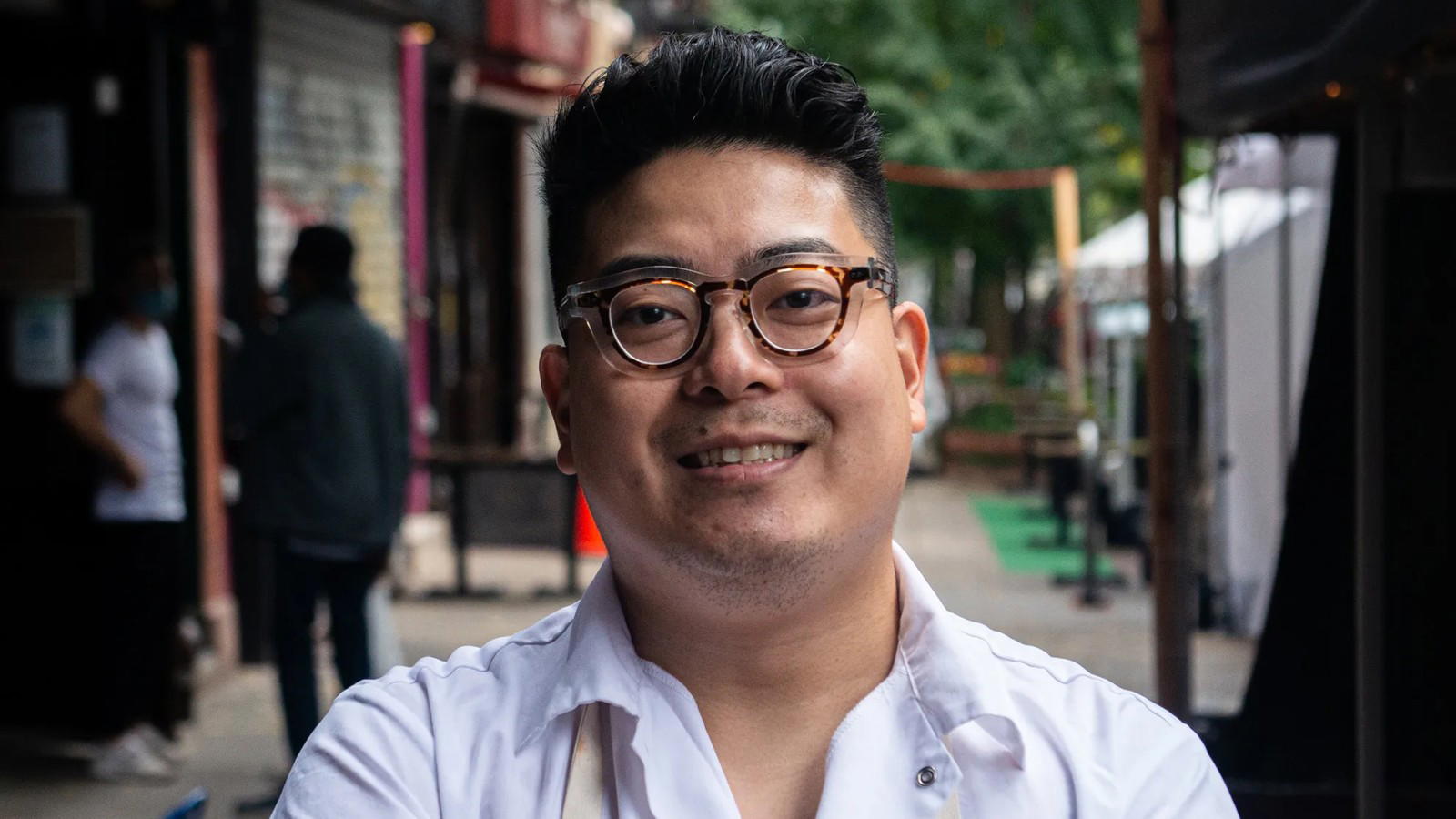
A powder blue townhouse on Uus Street, Lee carries a Michelin Plate (2025) and consecutive Star Wine List top rankings alongside a cooking style that layers distinct Asian influences into Estonian ingredients. Sommelier Kristjan Peäske and chef Janno Lepik run a mid-price operation that reads more seriously than its €€ bracket suggests, with a wine program that has drawn specialist attention for three consecutive years.

Pearl is the En Primeur Club membership app, where members save venues, book tables and use the concierge.
The menu
What to order
- Liivimaa dry-aged beef short rib with cauliflower cream and wasabi
- Confit duck
- Trout with seasonal vegetables
- Kohuke Estonian dessert
- Beef tartare with mushrooms
A Historic Address, a Wine Program That Keeps Winning
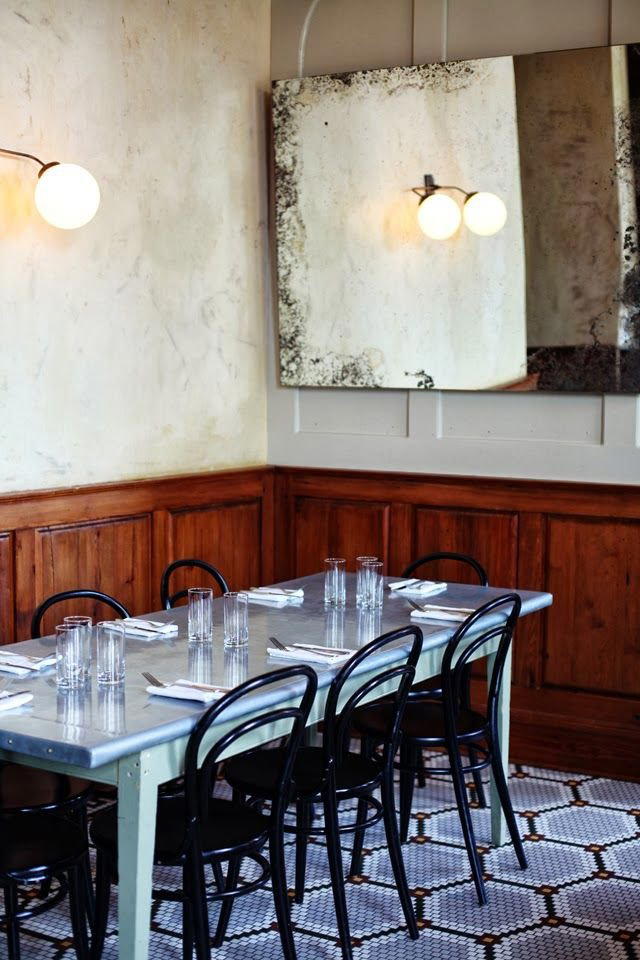
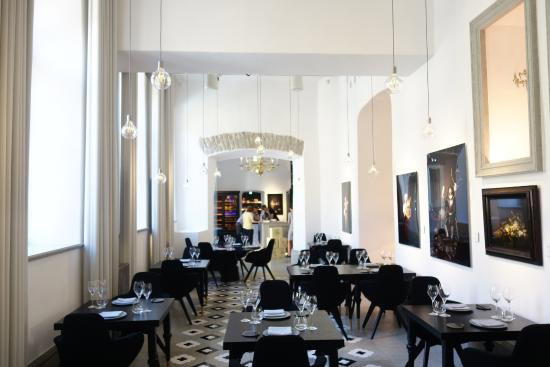
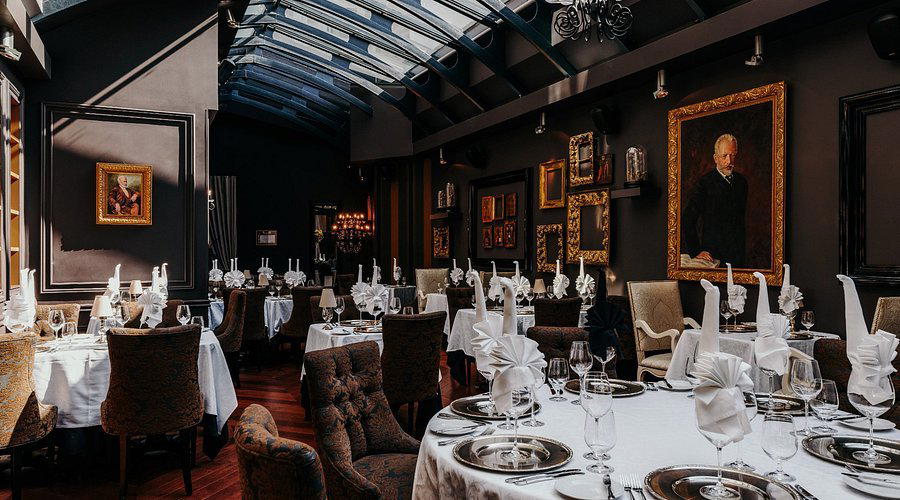
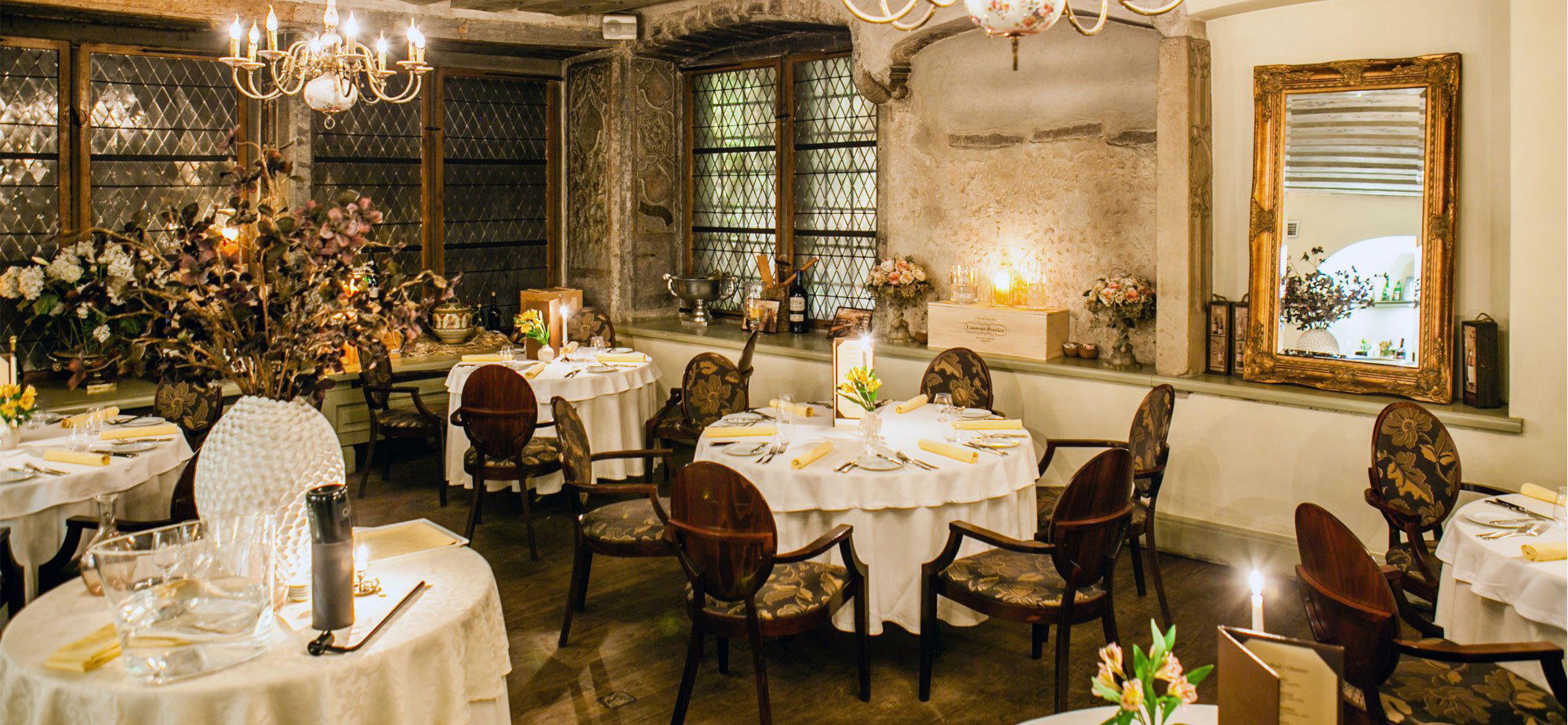
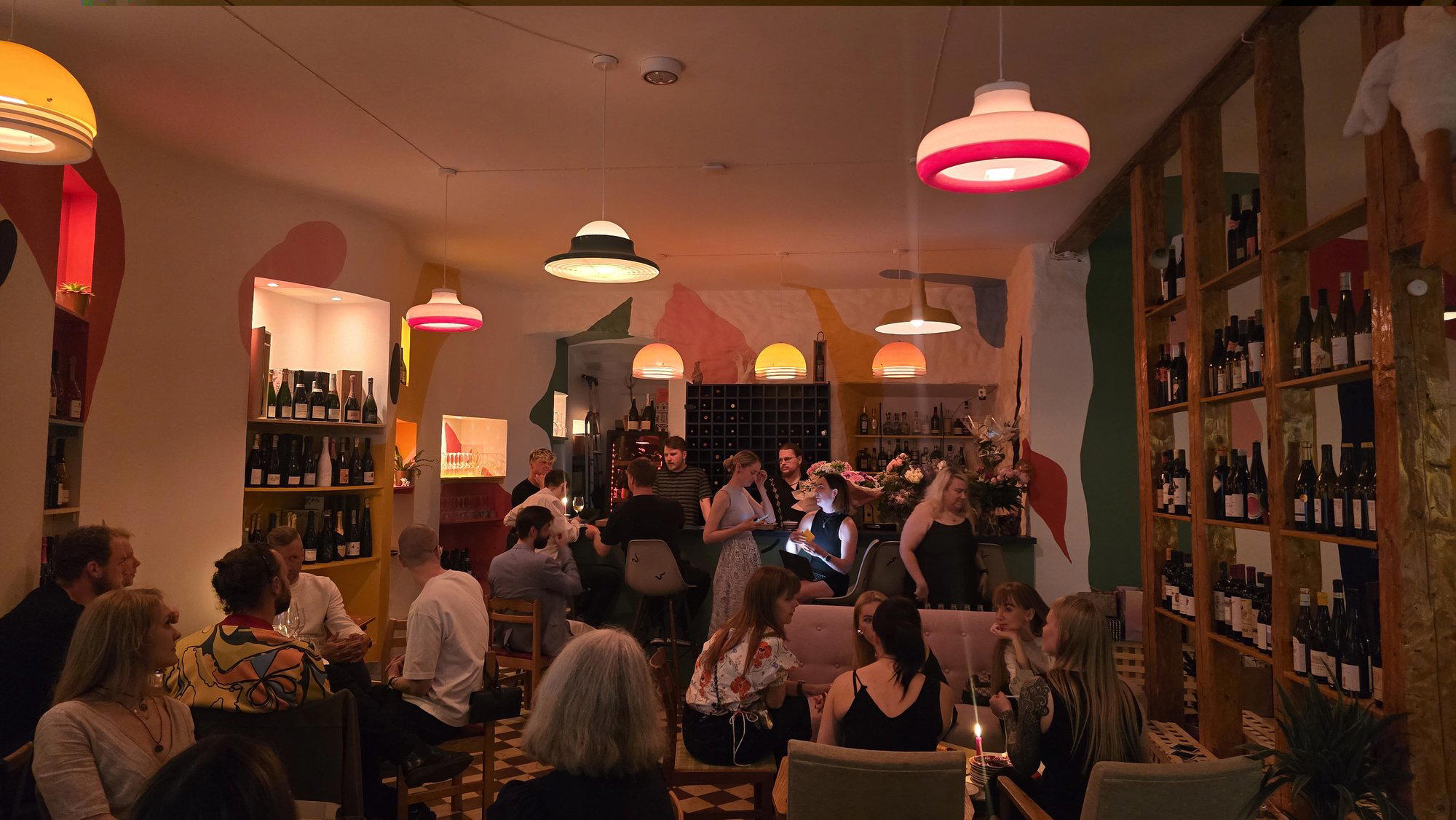
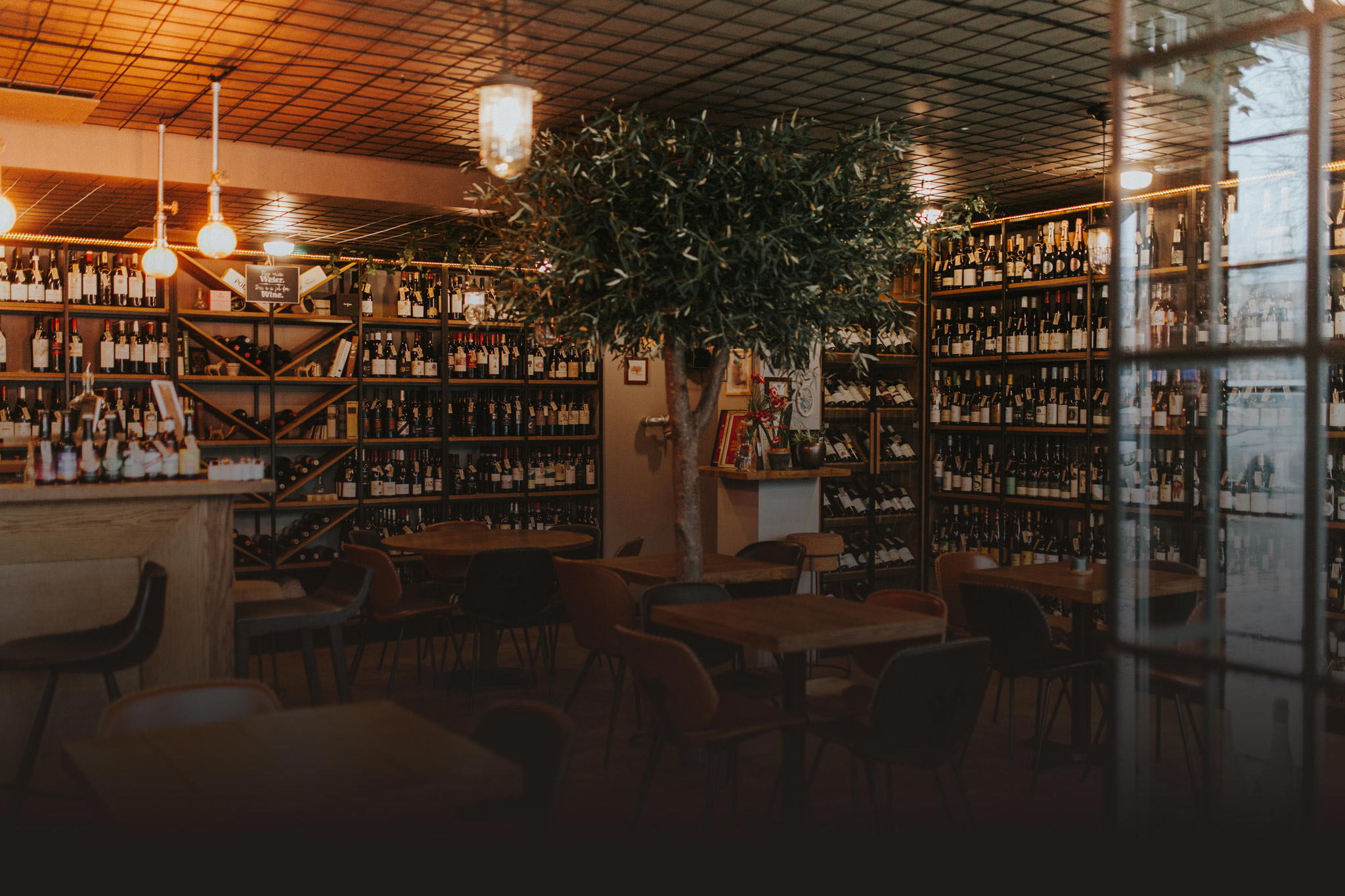
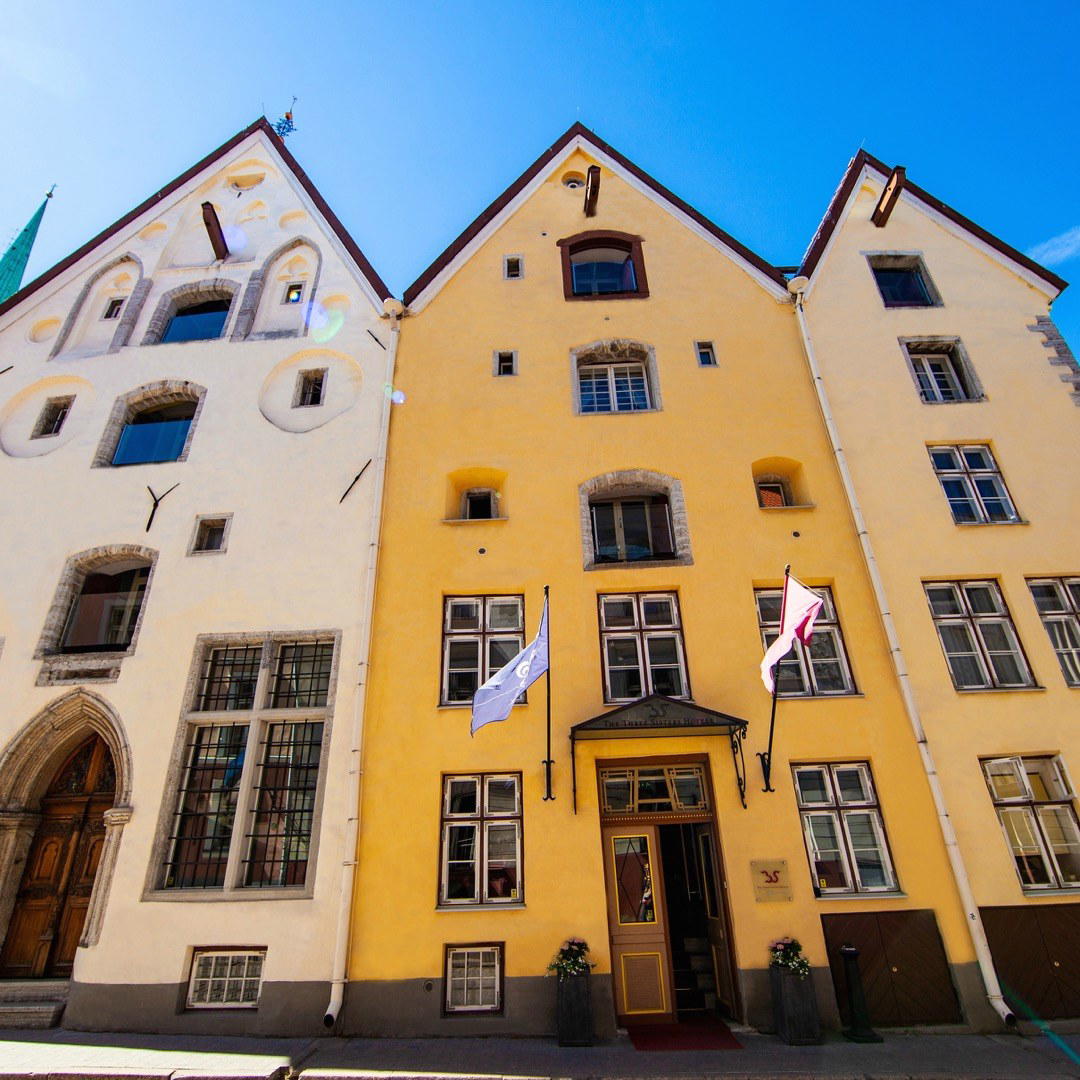
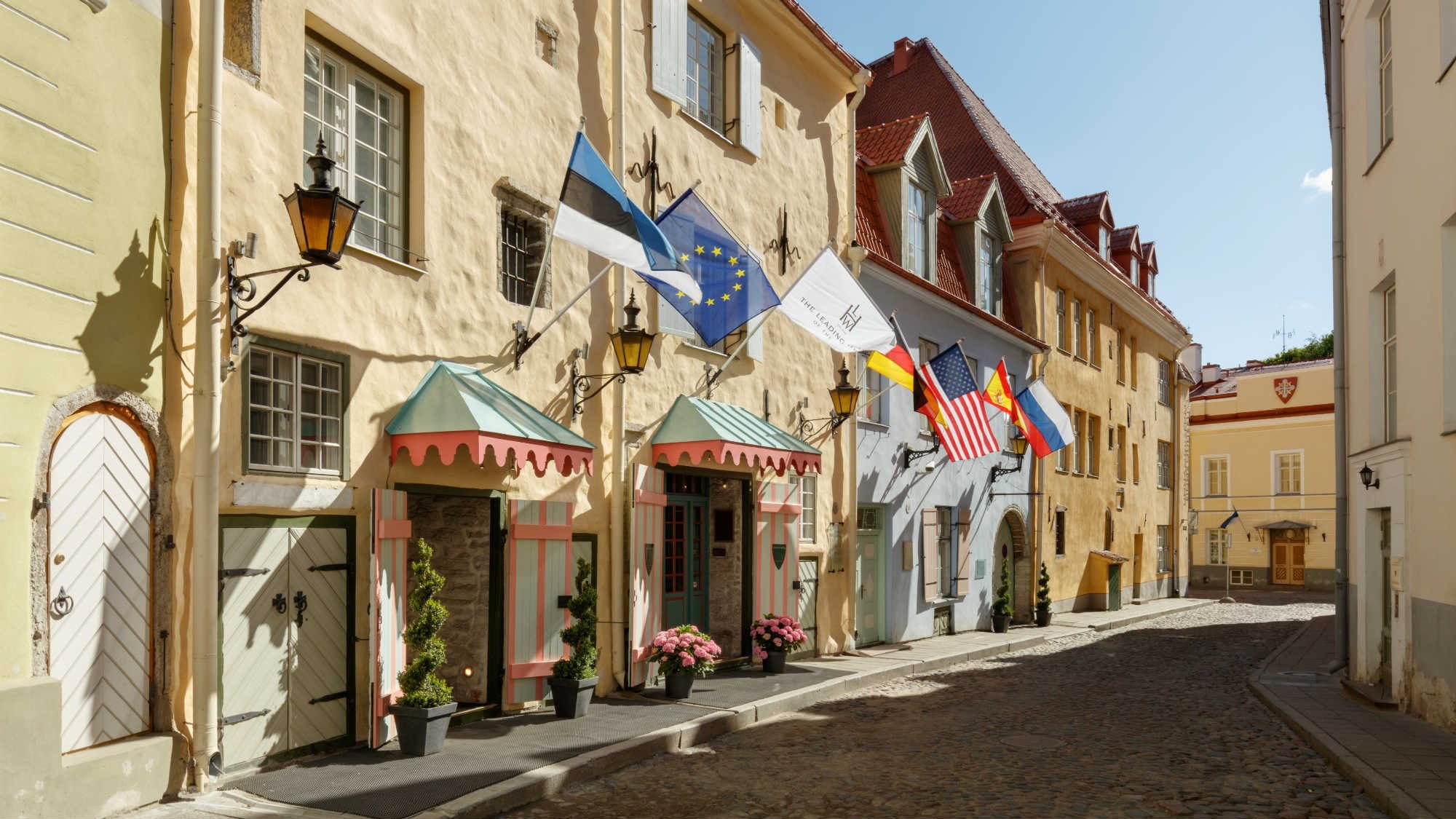
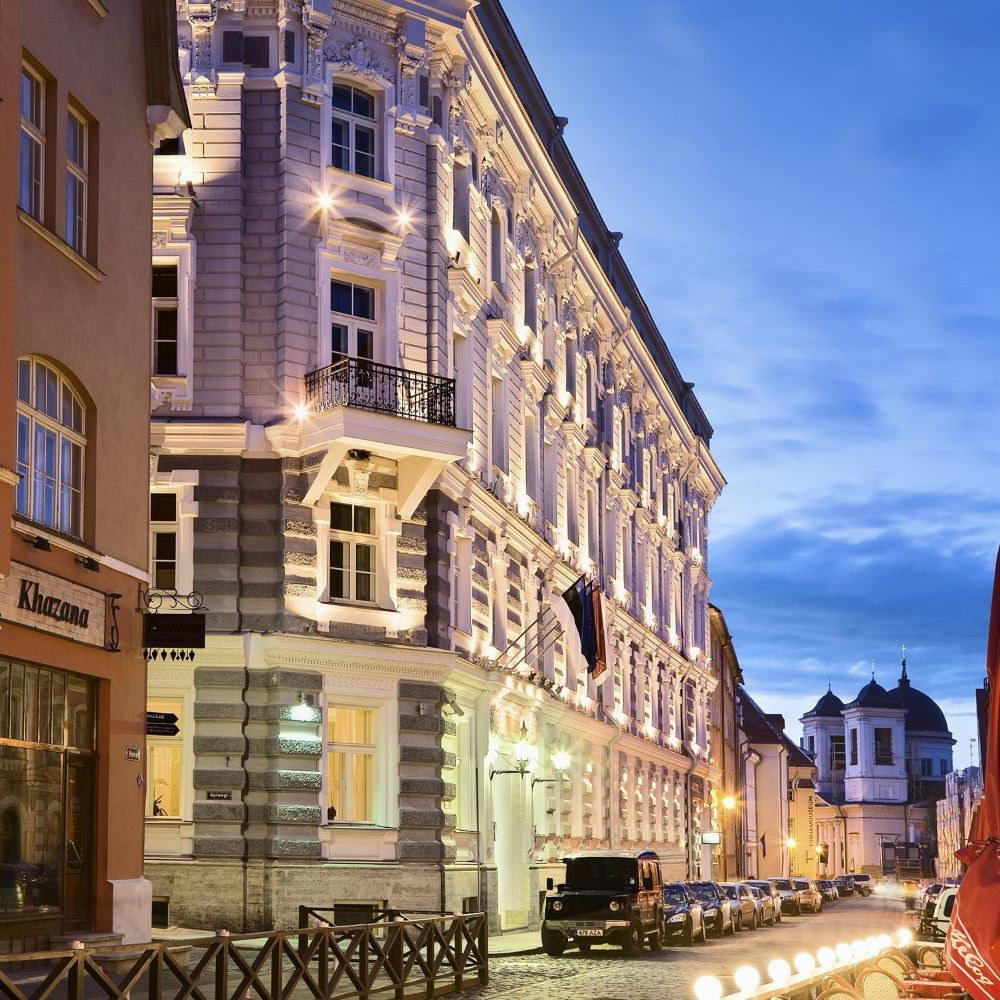
On Uus Street in Tallinn's Old Town, the physical character of a restaurant can carry as much weight as what arrives at the table. Lee occupies a powder blue building with ornate columns and a courtyard, a setting that places it squarely in the older architectural fabric of a city that has spent thirty years rebuilding its reputation as a serious dining destination. The name itself draws on a pre-modern tradition: a lee is the ancient communal fireplace around which families gathered to prepare food together. That etymology is not decorative. It informs the tone of a room that reads warm and communal rather than formal and distanced.
What has drawn wider critical attention to Lee, however, is less the setting and more the sustained recognition across two distinct tracks: cooking and wine. The restaurant holds a Michelin Plate for 2025, a designation awarded to restaurants producing food of notable quality that sits just outside the starred tier, a meaningful marker in a city where Michelin coverage remains selective. More striking still is the wine program's record: Star Wine List ranked Lee among its leading two in Estonia in both 2024 and 2025, and placed it among its leading four in 2023. For a mid-price restaurant at the €€ level, that depth of wine recognition is unusual and signals a deliberate investment in the list rather than a perfunctory offering.
How Lee Fits Inside Tallinn's Wider Fine-Casual Scene
Tallinn's dining scene has developed along two tracks over the past decade. One track runs toward tasting-menu formality, NOA Chef's Hall and 180° by Matthias Diether both operate at the €€€€ tier with chef-driven, multi-course formats. The other track, where Lee operates, favours accessible pricing without conceding on ingredient quality or kitchen seriousness.
That gap between price tier and critical standing is the most distinctive thing about Lee's position in the city. Restaurants that hold a Michelin Plate and leading wine rankings while maintaining mid-range pricing tend to attract a mixed audience: locals who treat it as a reliable neighbourhood anchor and visitors who arrive with the award citations in hand.
Asian Influences in an Estonian Kitchen
In Nordic and Baltic dining, the dominant grammar has been hyper-local: foraged ingredients, preserved summer produce, the short growing season used as a creative constraint. Lee operates inside that context but with a different vocabulary. Chef Janno Lepik draws on Asian technique and flavour reference in ways that create genuine contrast rather than fusion-by-formula. A dish like Liivimaa dry-aged beef short rib with cauliflower cream and wasabi places a specifically Estonian protein source, Liivimaa cattle, against Japanese heat and acidity. Cherry mille-feuille with green tea and tofu cream applies the same logic to pastry. The base material is local; the lens is global.
This approach puts Lee in a conversation that extends well beyond Estonia. At the more expensive end of the international spectrum, restaurants like Atomix in New York City have demonstrated how rigorously applied Korean technique can reframe a tasting menu entirely. At the fine-dining anchor end, Le Bernardin in New York City has long shown how a single cuisine's logic can be applied with absolute discipline. Lee operates at a different scale and price point, but the underlying question, how far can a non-local culinary tradition be integrated into local ingredients without losing coherence, is the same one serious kitchens everywhere are working through. The Michelin Plate suggests the answer here is working.
The Wine Program as a Structural Differentiator
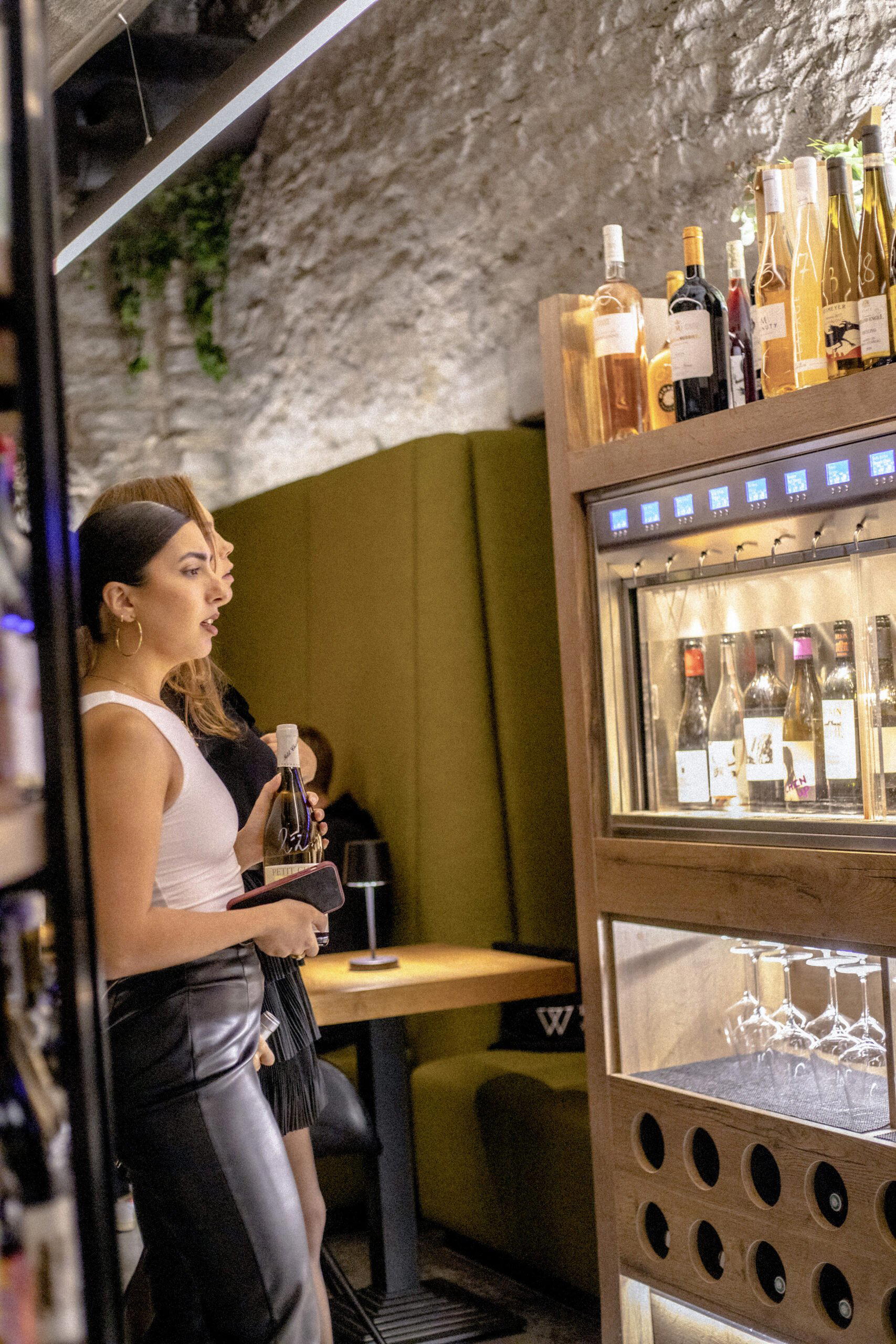
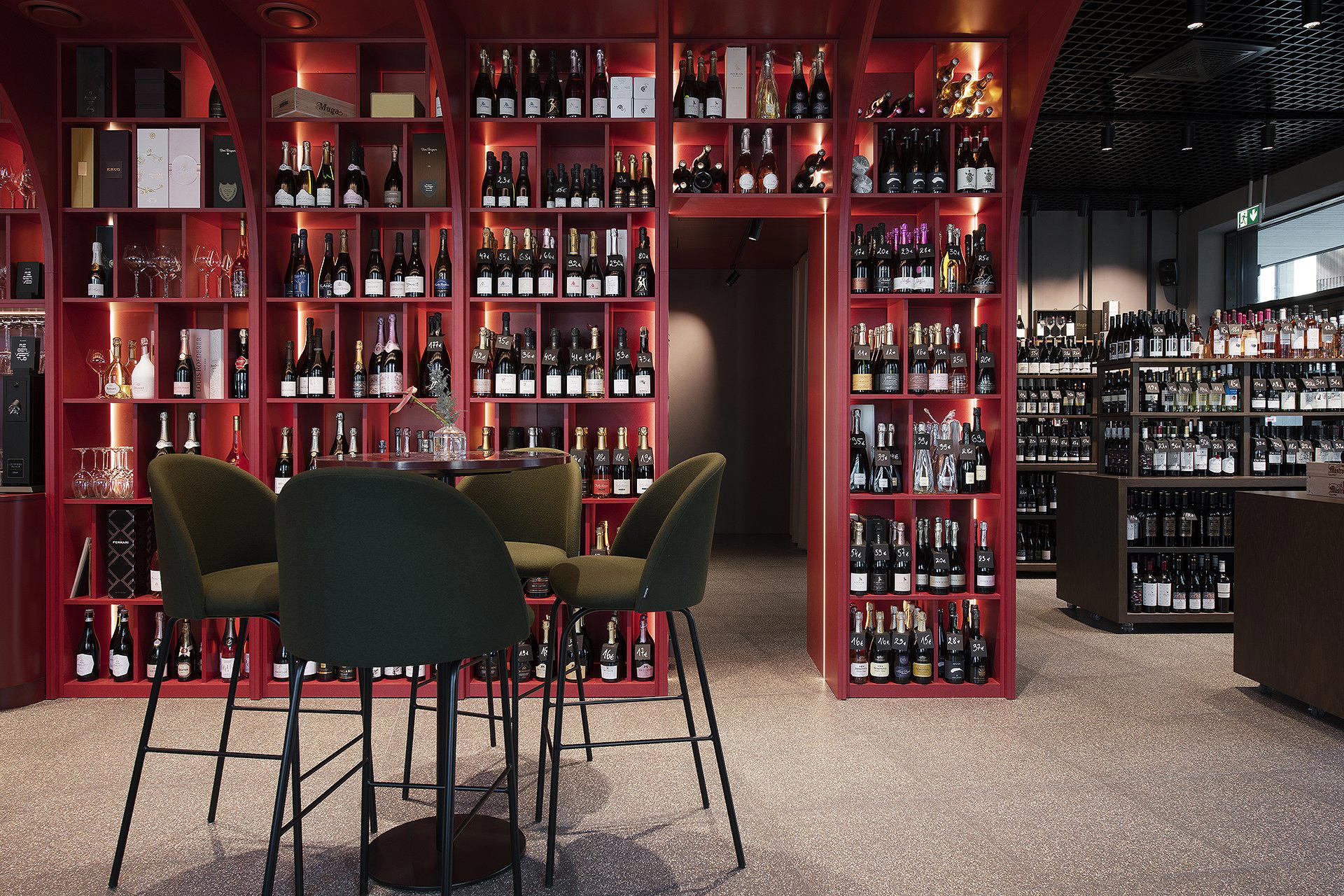
Consecutive Star Wine List leading rankings in a small market carry specific implications. Estonia's wine scene is constrained by geography, the country produces no wine domestically, which means every bottle on a list arrives through import, and the quality of a wine program reflects curation rather than proximity to production. Sommelier Kristjan Peäske's role at Lee is co-equal with the kitchen in the way the restaurant presents itself, which is less common at this price tier than at full tasting-menu houses. The Star Wine List rankings in 2023, 2024, and 2025 are not incidental; they indicate a list that specialists in wine programming have assessed as among the most considered in the country across three separate annual reviews.
For a diner choosing between Lee and a restaurant with stronger cooking credentials but a more perfunctory wine list, this matters. The €€ price point suggests value rather than excess, and a list at accessible pricing tends to draw guests who are serious about pairing without wanting to spend at the level that a €€€€ tasting menu demands. Estonia's broader restaurant scene, including destinations like Alexander in Pädaste and Hõlm in Tartu, has raised the overall standard of what Baltic diners expect from a wine program, and Lee sits at the serious end of that curve within Tallinn.
Context Across Estonia
Lee is one reference point in a national dining conversation that extends well beyond the capital. Restaurants like Fellin in Viljandi, Hiis in Manniva, Kolm Sõsarat in Lüllemäe, and Lahepere Villa in Kloogaranna have extended serious cooking into rural Estonia, suggesting that the country's culinary development is decentralised in ways that distinguish it from cities where ambition clusters exclusively in a single neighbourhood. Within Tallinn itself, restaurants including 38 and Art Priori sit in the same broad conversation about what the city's fine-casual tier looks like in 2025.
Planning a Visit
Lee is located at Uus tn 31, 10111 Tallinn, in the Old Town. The €€ pricing sits at an accessible level for the quality on offer, particularly given the wine program's pedigree. Given the Star Wine List recognition and the Michelin Plate, demand from both local regulars and visiting diners is likely to make advance booking sensible, particularly for the courtyard during warmer months. For further planning across the city, see our full Tallinn restaurants guide, our full Tallinn hotels guide, our full Tallinn bars guide, our full Tallinn wineries guide, and our full Tallinn experiences guide.
Frequently asked questions
Is Lee suitable for children?
Lee's €€ pricing and communal, historically rooted concept, the name refers to an ancient family fireplace, give it a relaxed enough character that well-behaved children are unlikely to feel out of place. The Asian-influenced menu, which runs from dry-aged beef short rib to green tea tofu cream, skews more adventurous than a standard family restaurant, so younger diners with narrow palates may find fewer fallback options. For families comfortable with that kind of cooking, the courtyard setting adds practical breathing room.
What is the atmosphere like at Lee?
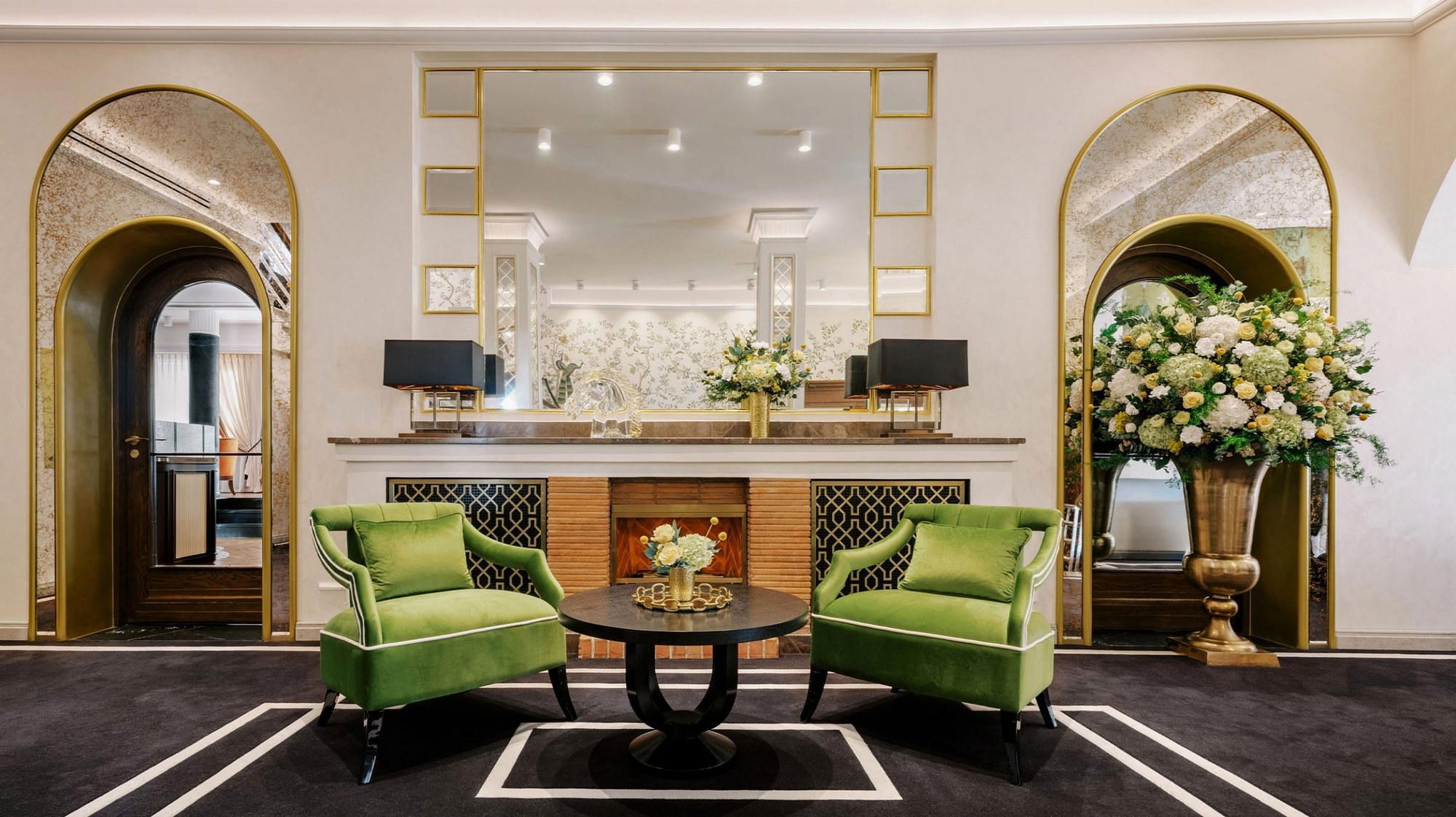
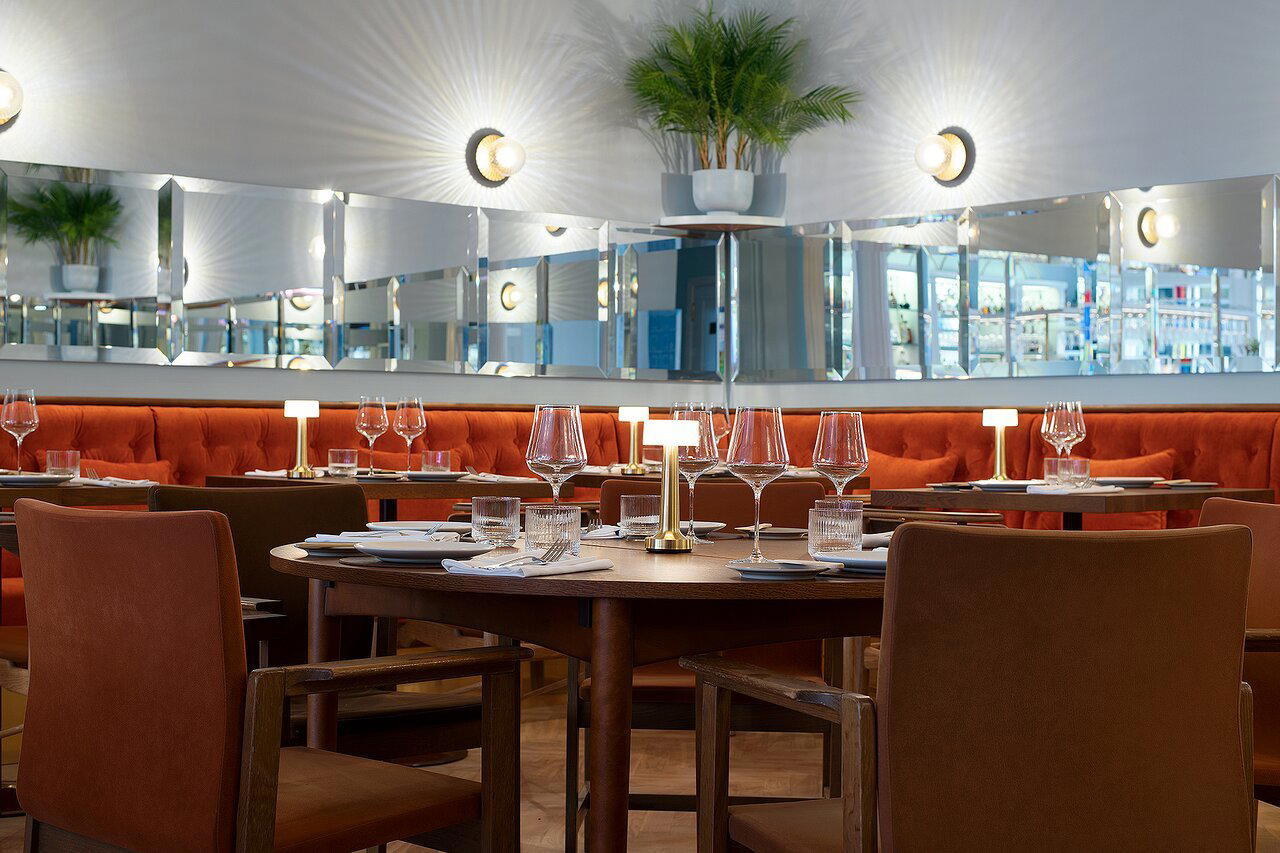
The room occupies a powder-blue space with ornate columns on Uus Street in Tallinn's Old Town, and a courtyard that contributes a historic feel specific to the neighbourhood. Sommelier Kristjan Peäske and chef Janno Lepik position the restaurant around simplicity and quality rather than ceremony, which translates to a fine-casual register: considered without being stiff. The wine program, ranked at or near the top of the Star Wine List Estonia rankings every year from 2023 through 2025, adds a serious layer that elevates a meal without pushing the tone into tasting-menu formality.
What distinctions does Lee have?
Lee has received recognition including: The owners and leaders of this restaurant are sommelier Kristjan Peäske and chef Janno Lepik. Simplicity and quality are the key words in all aspects here, and it quickly gained a reputation upon open...; Star Wine List #2 (2025); Star Wine….
What's the best thing to order at Lee?
The kitchen's identity is built around Estonian produce read through an Asian lens, dishes like Liivimaa dry-aged beef short rib with cauliflower cream and wasabi, or cherry mille-feuille with green tea and tofu cream, capture that combination directly. Given that the wine program holds consecutive Star Wine List top rankings in Estonia for 2023, 2024, and 2025, pairing whatever you order with a sommelier-guided selection is worth the investment. Arrive with appetite for the full range rather than a single dish.
Reputation First
A short peer table to compare basics side-by-side.
| Venue | Cuisine | Price | Awards | Notes |
|---|---|---|---|---|
| LeeThis venue (the venue you are viewing) | Contemporary Estonian with Asian & French Influences | $50–100 | Michelin Plate · Star Wine List | Not listed |
| NOA | Modern International | $50–100 | Michelin Bib Gourmand · White Guide Baltic Restaurants - Very Fine Level | Modern European, Modern Cuisine |
| 180° by Matthias Diether | Modern Creative Fine Dining | $300–500 | 2 Michelin Stars · La Liste Top Restaurants | Estonian Fusion |
| NOA Chef’s Hall | Modern European Fine Dining | $150–200 | 1 Michelin Star · La Liste Top Restaurants | Creative |
| Fotografiska | Progressive Sustainable Food & Drink | Not listed | Michelin Bib Gourmand · Star Wine List | Modern Cuisine |
| Härg | Modern Chargrilled Steakhouse | $50–100 | Michelin Plate · White Guide Baltic Restaurants - Very Fine Level | Meats and Grills |
Recognition history
Dated appearances from independent guides and award organizations, with the underlying list record or original source where available.
Michelin Plate
Michelin
Star Wine List
Star Wine List
Falstaff Restaurant - 94 Falstaff Points
Falstaff
White Guide Baltic Restaurants - Very Fine Level
White Guide
Full recognition history (9 entries)
Michelin Plate
Michelin
Star Wine List
Star Wine List
Michelin Plate
Michelin
Star Wine List
Star Wine List
Star Wine List
Star Wine List