Kod Cirimidziju
Kod Cirimidziju sits in the village of Kruševica outside Vlasotince, in the agricultural heartland of southern Serbia where local produce defines what lands on the table. The kitchen draws from the surrounding countryside in the tradition of Serbian rural dining, where geography and season determine the menu as much as any chef's decision. For travellers moving through the Jablanica district, it represents a grounded alternative to urban dining rooms.
Pearl is the En Primeur Club membership app — saves, bookings, and concierge access live there. Same editors, same standards.
- Address
- Krusevica Bb, Kruševica 16210, Serbia
- Phone
- +38163420455
- Directions
- Get directions
 Saves & bookings on Pearl
Southern Serbia's Rural Table: What Kruševica Tells You About the Region
The road out of Vlasotince toward Kruševica passes through a landscape that has been feeding its residents on its own terms for generations. Small-scale farming, river valleys, and forested hills shape what southern Serbian kitchens put on the table, and Kod Cirimidziju occupies that agricultural context directly. The address alone, a village settlement rather than a town centre, signals the register of the experience before you arrive. In southern Serbia, this positioning is common among the region's most grounded dining options: off the main road, embedded in the countryside, and structured around what the surrounding land produces.
Serbian rural dining at this level operates differently from the urban kafana tradition you find in Belgrade or Novi Sad. The city kafana is a social institution with a long menu and a fixed address that outlasts any particular cook. The village equivalent is more contingent, tied to season, to supply, and to relationships between the kitchen and the farms nearby. It is a format that rewards visitors willing to follow the food's logic rather than impose expectations from elsewhere.
Ingredient Geography: Why Provenance Matters in the Jablanica District
The Jablanica district sits in the south of Serbia, where the transition between the Morava river system and the more rugged terrain toward the Vlasina plateau creates conditions that favour diverse small-scale agriculture. Pigs, sheep, and cattle are raised on smallholdings rather than industrial operations. Vegetables come from kitchen gardens where variety is determined by what grows well locally rather than what sells at scale. Mushrooms, wild herbs, and river fish enter kitchens through networks that are informal by urban standards but highly reliable by seasonal ones.
This is the sourcing context for village restaurants across the southern Serbian corridor, from the kafanas of Pirot (see KAFANA DUKAT in Pirot) to the ethno-style houses further west toward Cajetina (see Kafana Pećinar Ljubiš in Cajetina). What connects them is proximity to primary production. The food on the table traveled a short distance, which in this part of Serbia is not a marketing claim but a practical reality of how rural supply chains function.
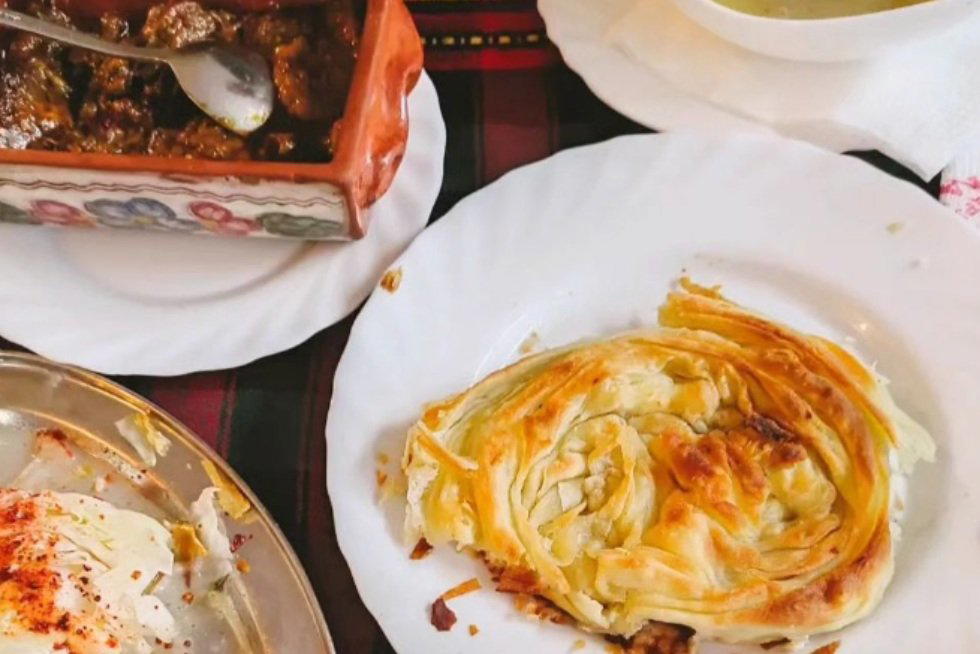
Kod Cirimidziju operates within that same logic. The village setting in Kruševica positions it inside a network of local producers rather than at the end of a wholesale distribution chain. For the diner, that means the cooking reflects what is available and what is in season, which changes the character of a meal across spring lamb, summer vegetables, autumn game, and winter cured meats in ways that a fixed urban menu cannot replicate.
The Format and Feel of a Southern Serbian Village Setting
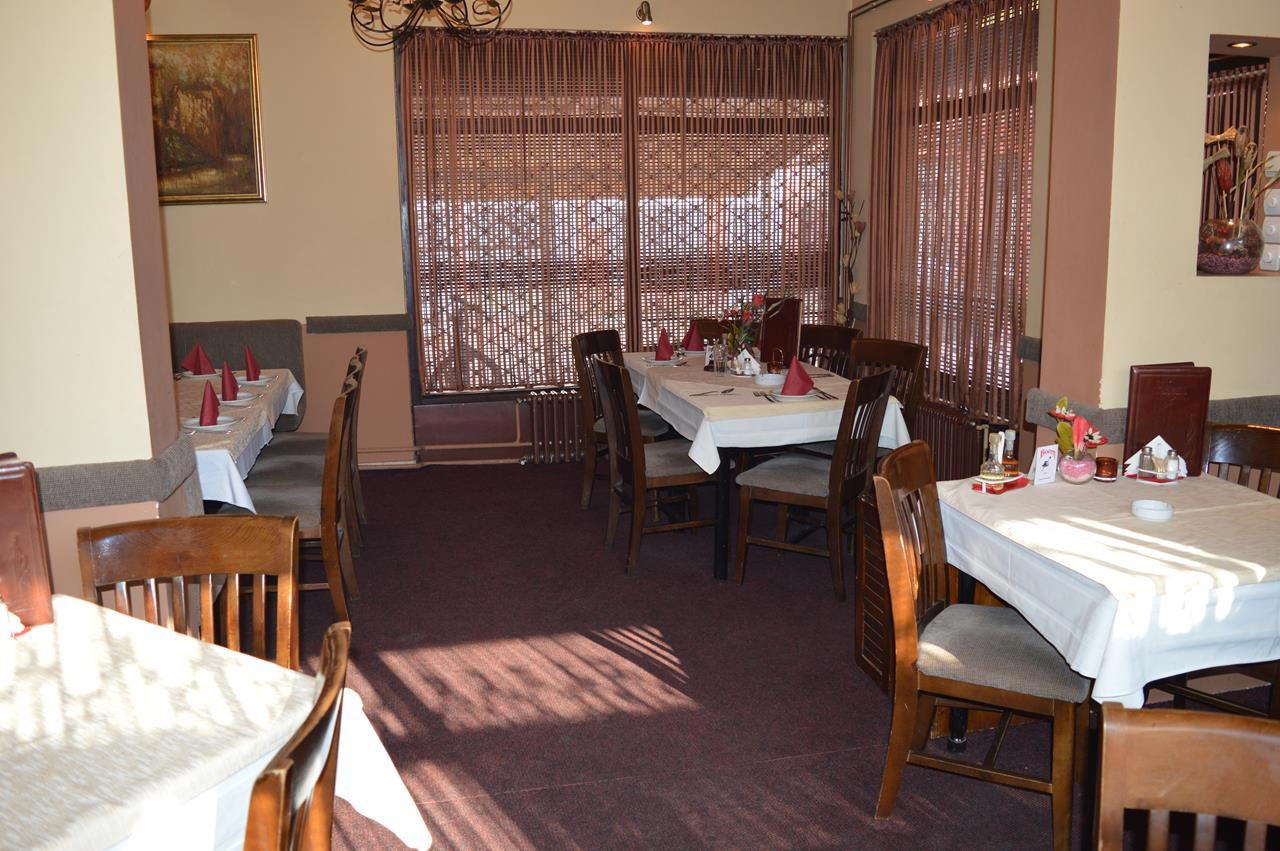
Village restaurants in this part of Serbia tend to share certain physical characteristics: outdoor seating under shade structures when the weather permits, interior rooms that are functional rather than designed, and an absence of the formal service conventions you find at the city end of the market. The approach to hospitality is direct, food arrives when it is ready, portions tend toward generosity, and the assumption is that you came to eat rather than to be managed through a timed experience.
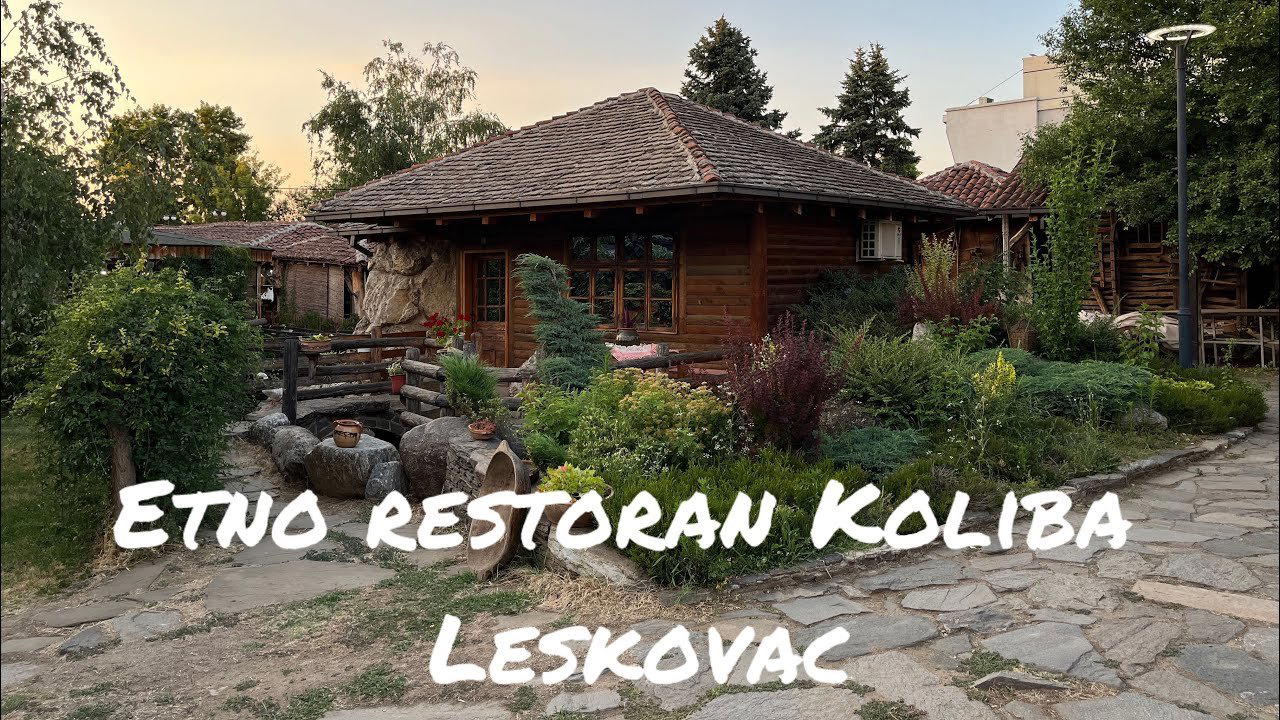
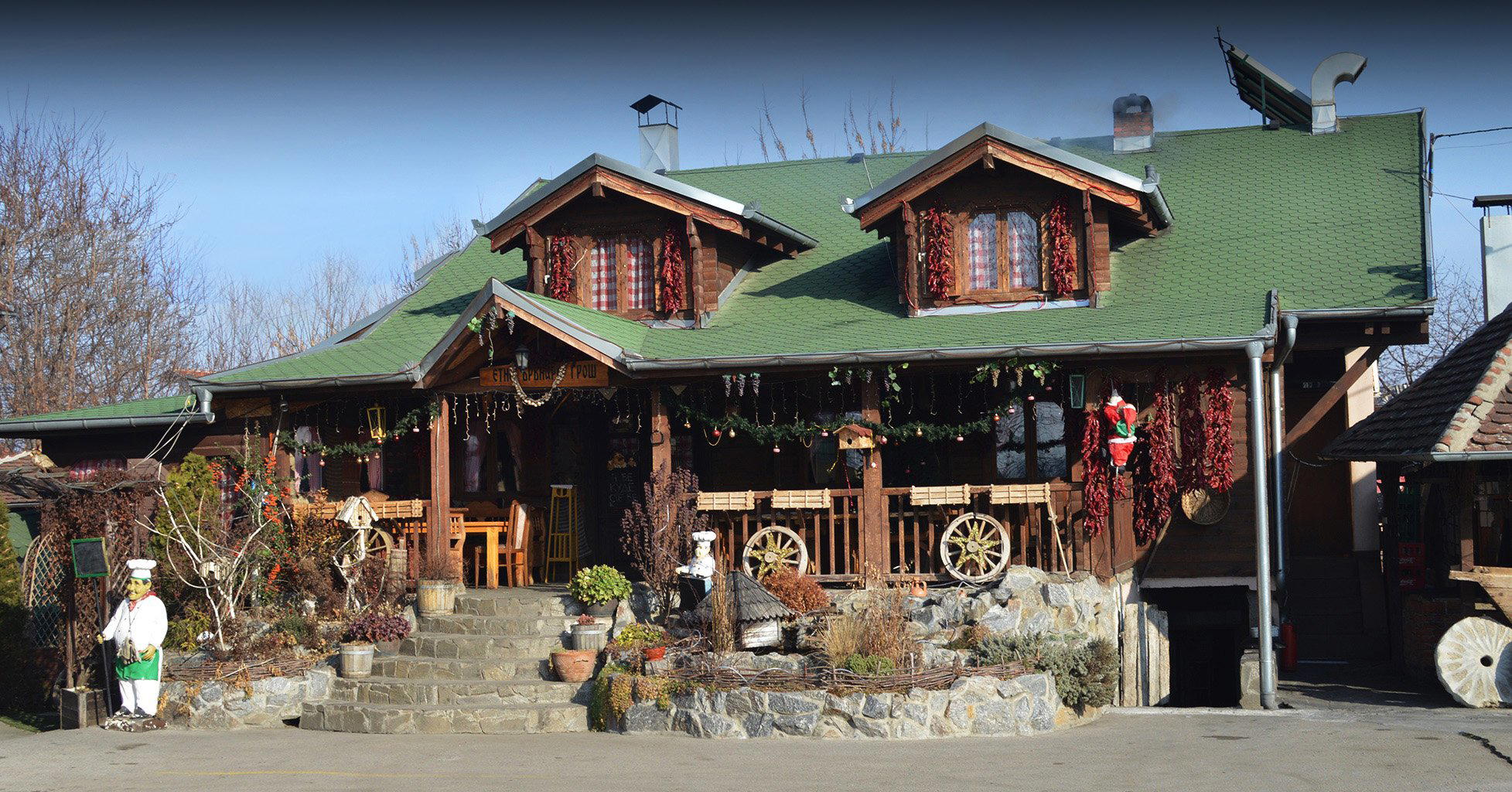
This positions Kod Cirimidziju within a category that has counterparts across rural Serbia. The ethno-restoran format, common from the mountains of western Serbia (as at Etno Kuća Dinar in Vrsac or Koliba Etno Restoran in Leskovac) to the flatlands of Vojvodina, emphasises the material culture of Serbian rural life as both decor and culinary reference. Whether Kod Cirimidziju takes that explicit ethno framing or operates as a simpler village eating house, the underlying logic is the same: the setting and the food reinforce each other as expressions of a specific place.
For comparison, the riverside carda tradition in northern Serbia, represented by venues like ČARDA ZLATNA KRUNA in Apatin, shows how Serbian regional dining adapts to geography, with fish and the Danube defining the menu in a way that has no equivalent in the landlocked south. The restaurant's context is the hill and river valley terrain of Jablanica, which points in a different direction entirely.
Situating Vlasotince Within Serbia's Regional Dining Map
Vlasotince is not a dining destination in the way that Niš, fifty kilometres to the northwest, functions as a regional hub. It is a small town in a part of Serbia that most travellers pass through rather than plan around. That changes the character of eating here. The restaurants and village establishments that serve the area are built around local demand, not tourist traffic, which tends to produce a kind of authenticity that is harder to find at the more visited points on the Serbian itinerary.
Within Serbia's broader restaurant scene, the gap between this register and the metropolitan end of the market is significant. Belgrade venues like Langouste in Belgrade operate at a completely different price tier and culinary ambition, drawing on international technique and premium ingredient sourcing. The comparison is not invidious, both formats are responding to their respective contexts and audiences. It does, however, clarify what the restaurant is and is not. It is a local village establishment in agricultural southern Serbia, and that specificity is the point.
Comparable establishments in the broader region, Kod Brana in Cacak, Lovački dom in Valjevo, Kafana Studenac in Bajina Basta, share the characteristic of serving food that is rooted in the immediate region rather than oriented toward national or international culinary trends. They sit in a comparable set defined by geography and sourcing rather than by price tier or award recognition.
Planning a Visit: What to Know Before You Go
Kruševica is a small settlement outside Vlasotince, and reaching it requires private transport or a local arrangement, there is no practical public transit option for this address. The village location also suggests that turning up without advance contact carries some risk, particularly outside peak local dining times.
For travellers building a broader circuit through southern Serbia, Vlasotince connects logically with Niš to the northwest (where ETNO PODRUM BRKA in Nis represents a similar register of Serbian cooking) and with the Leskovac area to the south, a region with its own distinct grilling tradition. A stop at the restaurant fits that kind of itinerary rather than a standalone destination visit.
Pricing at village establishments in this part of Serbia falls below urban equivalents. The dress code is casual. The audience is predominantly local, which is both a reasonable expectation-setter and, for the right traveller, the draw.
At-a-Glance Comparison
Comparable venues nearby, for context on price, style, and recognition.
| Venue | Cuisine | Price | Notes |
|---|---|---|---|
| Kod CirimidzijuThis venue — the venue you are viewing | Mediterranean | $$$$ | Not listed |
| Fish & Zeleniš | Mediterranean Seafood | $$ | City Center |
| Aigo.eat | Authentic Korean | $$ | Novi Belgrade |
| Šadrvan Roštilj kod Jonuza | Traditional Balkan Grilled Meat | $ | City Center |
| TAURUS | Mediterranean Steakhouse | $$$ | Adamovićevo naselje |
| KOD PIROĆANCA | Traditional Serbian BBQ | $$ | Pazar |
Continue exploring
More in Vlasotince
At a Glance
- Cozy
- Family
Current opening hours
- Monday
- 10 AM–11 PM
- Tuesday
- 10 AM–11 PM
- Wednesday
- 10 AM–11 PM
- Thursday
- 10 AM–11 PM
- Friday
- 10 AM–11 PM
- Saturday
- 10 AM–11 PM
- Sunday
- 10 AM–9 PM
Hours can change for holidays and private events. Last verified .
Cozy and welcoming atmosphere suitable for family meals.