Kod Piroćanca sits on Vuk Karadžića street in the centre of Pirot, operating in the tradition of the Serbian kafana: a format built around unhurried meals, shared plates, and the particular cadence of provincial hospitality. For visitors tracing Serbia's southeastern dining character, it represents the kind of address where the ritual of eating matters as much as what arrives at the table.
Pearl is the En Primeur Club membership app — saves, bookings, and concierge access live there. Same editors, same standards.
- Address
- RS, 18300, Vuk Karadžić 5, Pirot 18300, Serbia
- Phone
- +381603128000
- Directions
- Get directions
 Saves & bookings on Pearl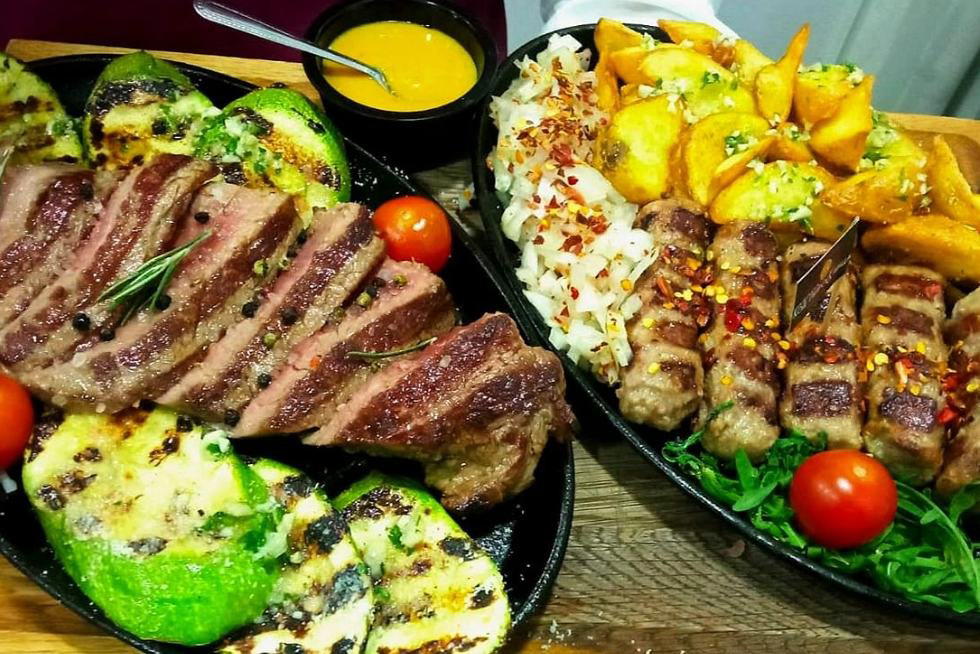
The Kafana Ritual in Pirot's Centre
Pirot sits in Serbia's far southeast, closer to the Bulgarian border than to Belgrade, and its dining culture reflects that geographic remove from the capital's restaurant churn. The dominant format here is the kafana: a word that resists clean translation but implies something between a tavern, a dining room, and a social institution. Kafanas operate on their own time, with meals that expand to fill however long the table wants to linger, and the expectation that a single visit might cover several rounds of food, drink, and conversation. Kod Piroćanca, on Vuk Karadžića street in the city centre, belongs to this tradition.
Understanding a kafana meal requires setting aside the assumptions that come with restaurant dining in larger cities. There is no tasting menu logic here, no pacing imposed by a kitchen sending courses on its own schedule. The rhythm is negotiated at the table. Bread arrives early. Rakija, the grape or fruit brandy that functions as Serbia's default aperitif, may appear before any food at all. The meal opens slowly and accelerates only when the guests choose to accelerate it. For visitors accustomed to the compressed efficiency of urban dining, this can feel disorienting at first and then, usually, correct.
What the Region Puts on the Table
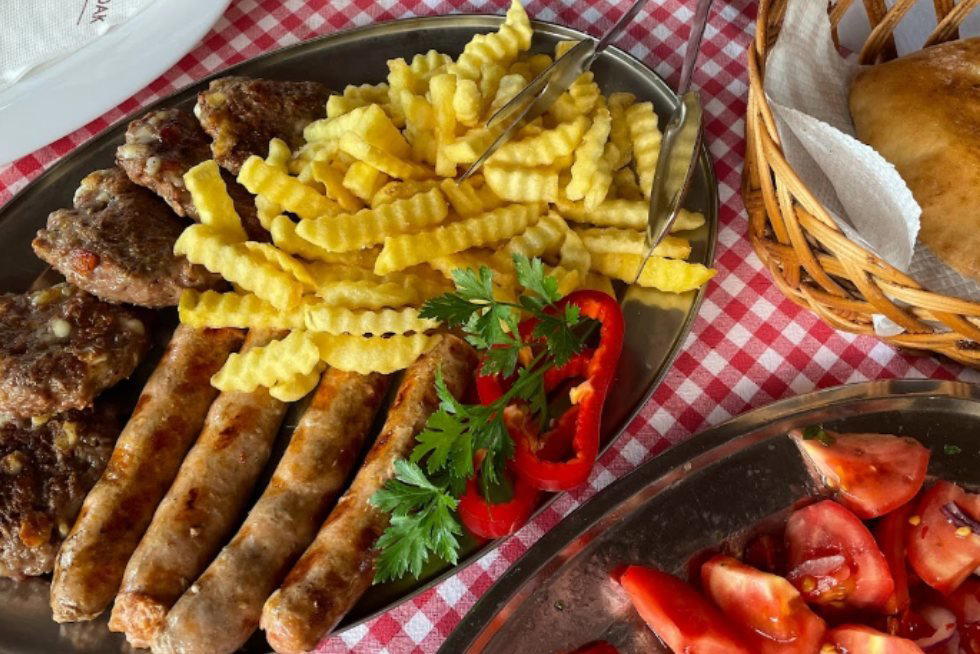
Southeastern Serbian cooking draws from a different pantry than the cuisine of Vojvodina or the Belgrade restaurant mainstream. The Pirot region is associated with specific products that carry genuine local identity: Pirotski kačkavalj, a hard sheep's milk cheese aged in the surrounding hills, is one of Serbia's few products with protected geographic status. Grilled meats dominate the centre of most menus in this corner of the country, with the čevapi, pljeskavica, and roštilj tradition running deeper here than in the capital, where kitchen ambitions have moved in other directions. Slow-cooked preparations, stews built around seasonal vegetables, and dishes finished in a peka (a bell-shaped clay or metal lid placed over embers) represent the other half of the regional repertoire.
The kafana format suits this food well. Dishes that require time to prepare are not out of place in a room where time is the operative ingredient. A table that orders well can move through cold starters, a shared plate of roasted or grilled meat, a vegetable dish, cheese, and dessert across two or three hours without any sense of excess. The meal has a shape; it simply unfolds at a pace that the menu and the occasion determine together.
Placing Kod Piroćanca in Pirot's Dining Field
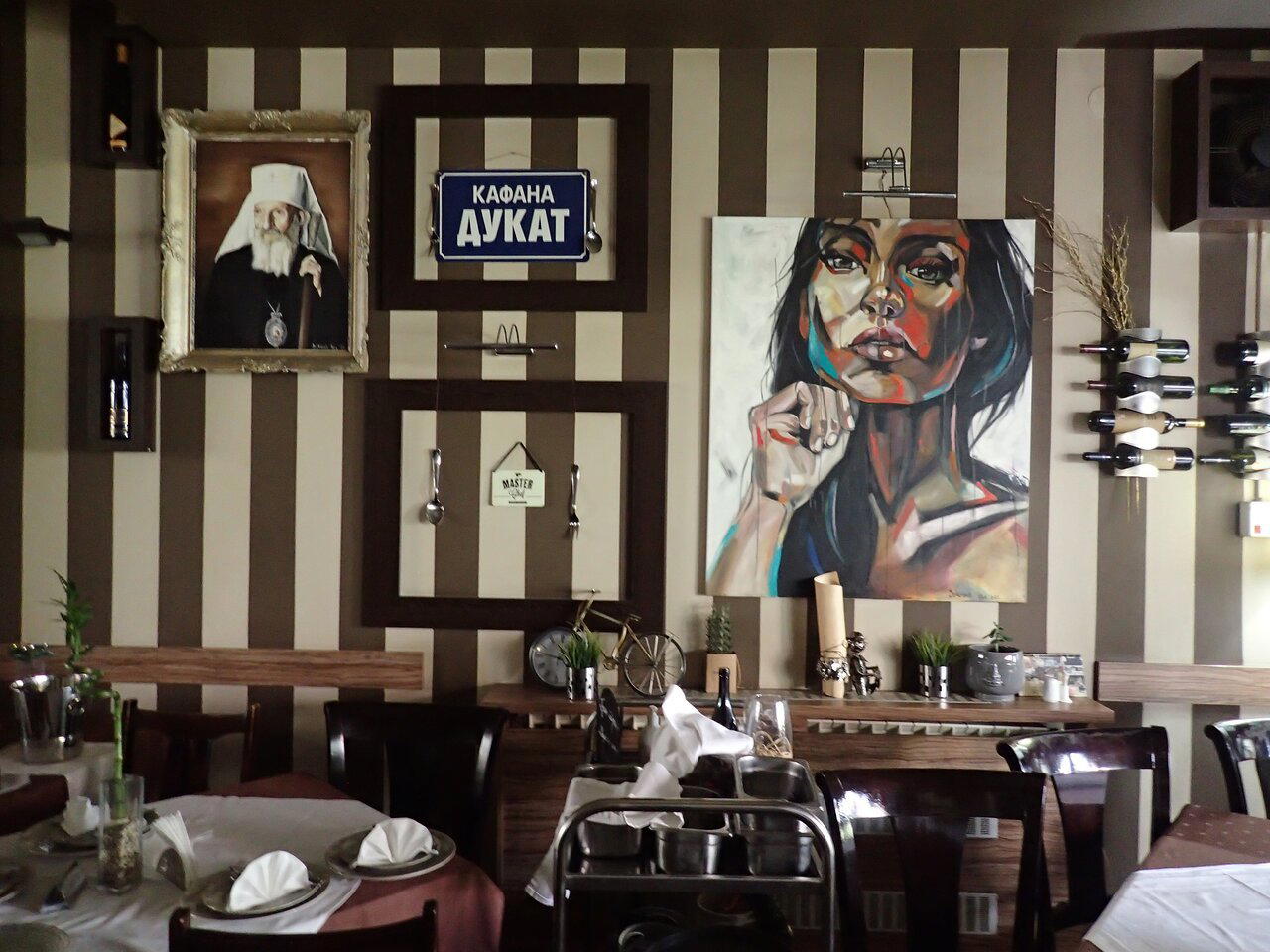
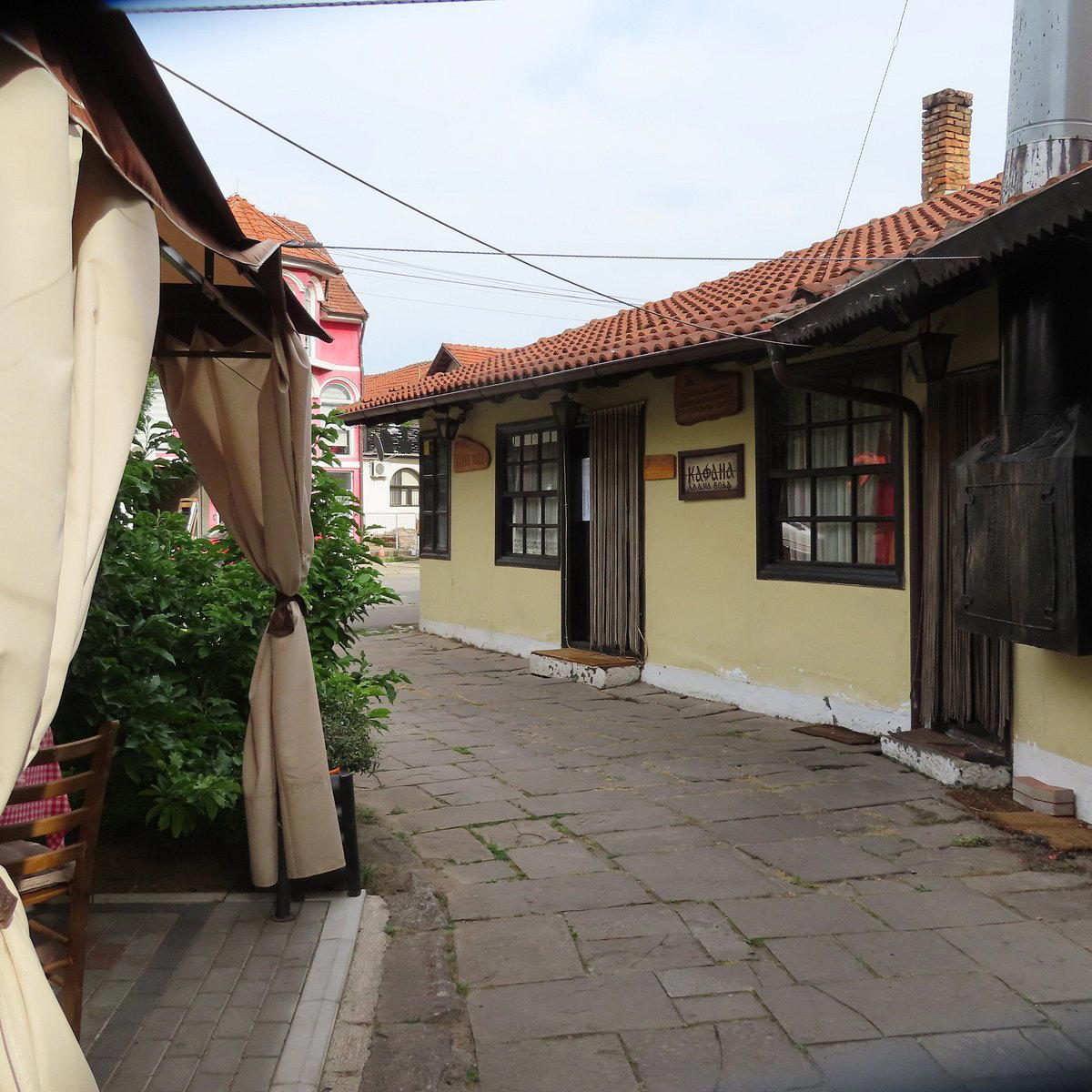
Pirot has a small but coherent restaurant scene built largely around its kafana heritage. KAFANA DUKAT operates explicitly within the traditional kafana format. ETNO KOMPLEKS NIŠAVSKA DOLINA and Vitina Iža extend the tradition into ethnographic territory, with rural settings and a stronger emphasis on regional craft and atmosphere. KRČMA LADNA VODA and Cafe Boem cover the café and lighter dining end of the spectrum. Kod Piroćanca sits in the central tier: a city-address kafana rather than a destination restaurant, oriented toward the everyday rituals of local eating rather than the self-conscious presentation of regional heritage for outside visitors.
This distinction matters for how you approach the visit. The ethnographic restaurants around Pirot are designed partly as experiences; they package the culture. A central-city kafana like Kod Piroćanca is less packaged and, for that reason, a more direct reading of how the city actually eats. The reference point is the local table, not the curated regional menu. Visitors who have eaten at Etno Kuća Dinar in Vrsac or Kod Brana in Cacak will recognise the format from other Serbian provincial towns: the menu is broad, the portions are generous, and the room functions as a social anchor for the neighbourhood around it.
Across Serbia, the kafana as a category has faced pressure from the same forces reshaping provincial hospitality everywhere: the arrival of international fast-food formats, the drift of younger diners toward café culture, and the gradual erosion of the long lunch as a working-day institution. Places like Kod poštara in Aran Đelovac and Lovački dom in Valjevo show how some provincial addresses have responded by leaning harder into their regional identity. Others have held their position simply by remaining consistent. The kafanas that survive on consistency rather than reinvention are often the more interesting ones to visit.
Planning Your Visit
Vuk Karadžića street runs through Pirot's central zone, making the restaurant walkable from the main square and accessible without a car for anyone staying in the town centre. Pirot itself is a practical stop on the road between Niš and Sofia, roughly 65 kilometres southeast of Niš by the E80 highway, which means the restaurant sits within range for day visitors moving through the region as well as overnight guests. Walk-ins are recommended, and capacity is managed informally. Arriving for lunch rather than dinner generally means shorter waits and a fuller picture of how the room functions on an ordinary day. Prices at the restaurant are in price tier 2, with casual dress and recommended reservations.
Style and Standing
Comparable venues nearby, for context on price, style, and recognition.
| Venue | Cuisine | Price | Notes |
|---|---|---|---|
| KOD PIROĆANCAThis venue — the venue you are viewing | Traditional Serbian BBQ | $$ | Not listed |
| KAFANA DUKAT | Authentic Serbian Kafana | $$ | Pazar |
| Vitina Iža | Authentic Serbian | $$ | Tijabara |
| ETNO KOMPLEKS NIŠAVSKA DOLINA | Traditional Serbian Pirot Cuisine | $$ | Pirot |
| KRČMA LADNA VODA | Traditional Serbian BBQ | $ | Pirot center |
| Cafe Boem | Serbian Traditional Tavern | $$ | Lava Tolstoja |
Continue exploring
More in Pirot
At a Glance
- Cozy
- Rustic
- Family
- Group Dining
- Casual Hangout
Current opening hours
- Monday
- 8:30 AM–10:30 PM
- Tuesday
- 8:30 AM–10:30 PM
- Wednesday
- 8:30 AM–10:30 PM
- Thursday
- 8:30 AM–10:30 PM
- Friday
- 9 AM–12 AM
- Saturday
- 9 AM–12 AM
- Sunday
- Closed
Hours can change for holidays and private events. Last verified .
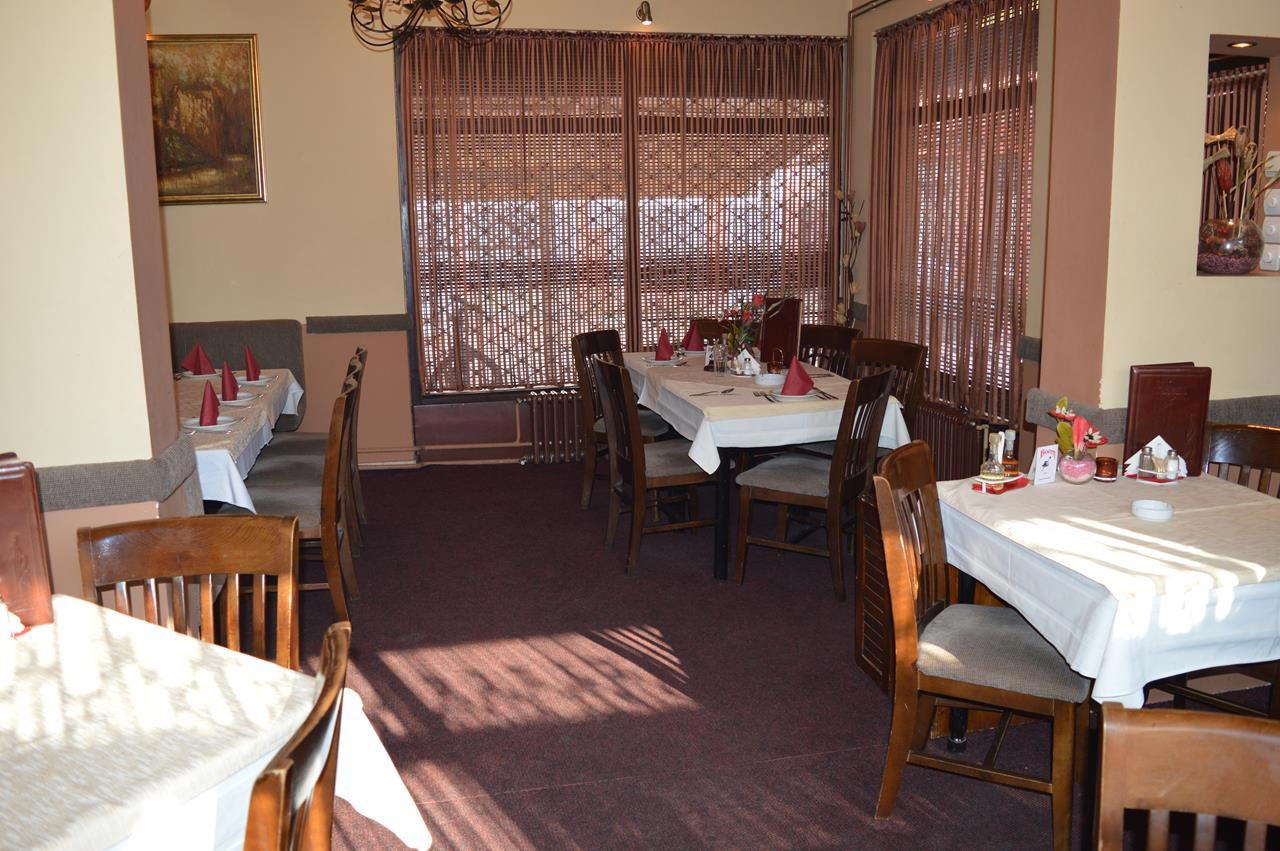
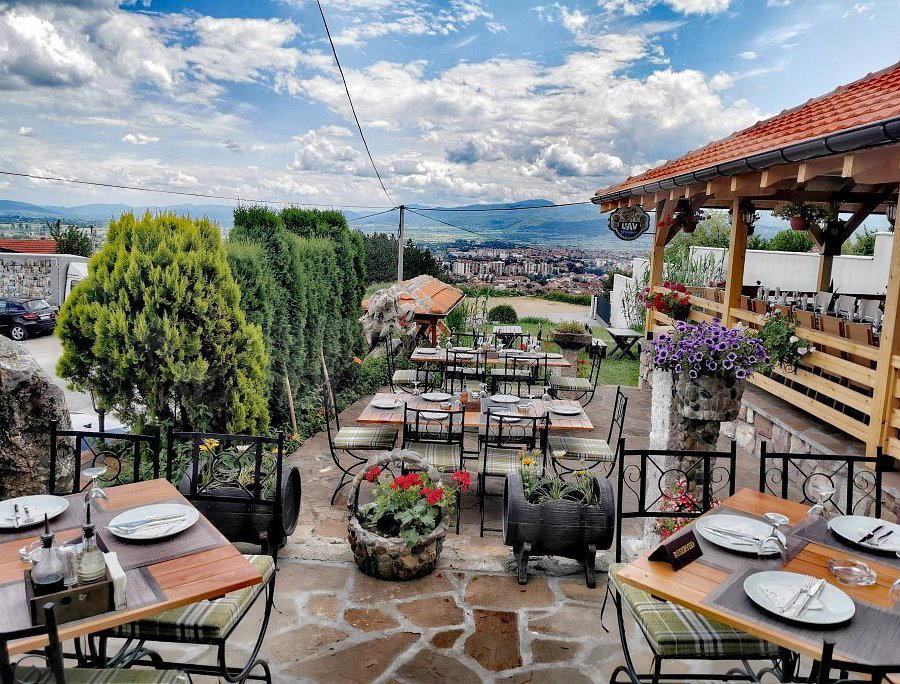
Cozy and pleasant atmosphere with nice interior, friendly lighting, and hospitable service creating a home-like feel.