
Kobe Turkish Rice belongs to the city’s practical yoshoku tradition: Western-derived Japanese cooking, served without ceremony and judged on consistency rather than theatre. Its selection for Tabelog 100 Yoshoku WEST 2025 places it in a regional conversation that also includes Kobe’s beef counters, coffee rooms, and compact neighborhood dining rooms.
Pearl is the En Primeur Club membership app — saves, bookings, and concierge access live there. Same editors, same standards.
- Address
- 3 Chome-42-12 Aratacho, Hyogo Ward, Kobe, Hyogo 652-0032, Japan
- Phone
- +81 78-512-0361
- Website
- m.facebook.com
 Saves & bookings on Pearl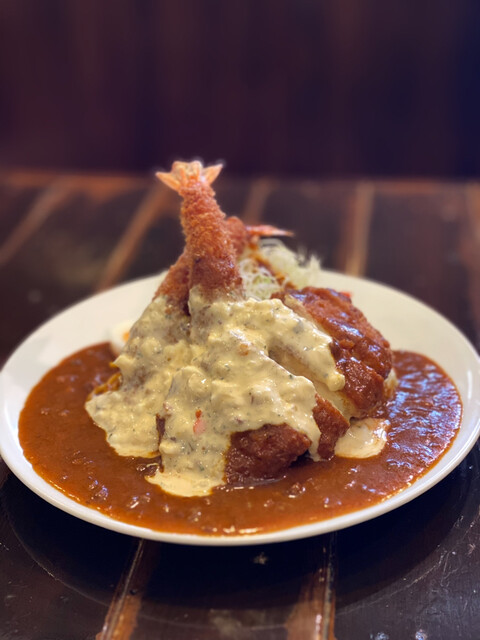
Aratacho is not the Kobe of harbor postcards and hotel-lobby patisserie. Around Okurayama, the city feels more lived-in: modest shopfronts, small lunch rooms, and a rhythm shaped by regulars rather than destination dining. In that setting, yoshoku makes particular sense. The genre was never meant to behave like French fine dining; it is Japan’s domesticated reading of Western food, filtered through rice plates, cutlets, sauces, and lunch-counter efficiency.
Kobe Turkish Rice sits inside that tradition rather than above it. The name points to toruko rice, a Japanese plate format associated with Nagasaki but interpreted across the country in different ways. In Kobe, the point is not novelty. The appeal lies in how a compact yoshoku shop can carry the weight of habit: a plate that belongs to everyday eating, prepared with enough consistency to draw notice beyond its immediate neighborhood.
Yoshoku in Kobe rewards discipline over performance
Kobe’s dining reputation often gets compressed into beef, but the city’s more useful food map is wider. Port history, foreign settlement, coffee culture, bakeries, Western-style dining rooms, and working-neighborhood lunch shops all fed into a local palate that accepts hybridity without treating it as a concept. Yoshoku is central to that story because it translates imported forms into Japanese expectations of rice, set meals, and direct satisfaction.
The Tabelog 100 Yoshoku WEST 2025 selection matters because this is a category where quality is usually measured in repetition. A small room serving familiar food has fewer places to hide than a tasting menu with choreography. Recognition in a regional yoshoku list puts Kobe Turkish Rice in a peer group judged less by luxury signals than by execution, local loyalty, and category fluency.
That distinction is useful for travelers deciding how to spend a meal in Kobe. The city can support a high-budget beef itinerary, and venues such as Aburi Niku Kobo Wakkoku Shinkobe ten and Aburi Niku Kobo Wakkoqu Kitano Sakamoto Ten sit closer to that premium beef lane. Yoshoku offers a different reading of the city: less ceremonial, more habitual, and often more revealing of how Kobe residents actually use restaurants during the week.
A small-room format changes the meal's stakes
The experience here is shaped by scale. With 15 seats split between counter and tables, the room belongs to the compact Japanese lunch-shop model, where turnover, timing, and patience matter more than leisurely pacing. That format changes expectations. This is not a place built around lingering, heavy wine service, or a long table of courses. It belongs to the category of restaurants where the decision is made by appetite, timing, and willingness to work around the room’s limits.
Reservations are unavailable, which makes planning less about securing a slot and more about respecting the operating rhythm. In Japan, small no-reservation restaurants can be more demanding than expensive counters because they remove the comfort of a confirmed booking. The useful strategy is to treat the meal as a focused stop rather than the anchor of an entire evening. That is especially true in Kobe, where a day might move from Okurayama into central Sannomiya, Kitano, or the waterfront without forcing every meal into the same price tier.
The category also invites comparison with other everyday Kobe addresses. Akaneya Coffee Ten reflects the city’s kissaten and coffee-room inheritance, while Akari and Ali's Halal Kitchen point to the breadth of small-format dining across the city. Among named comparison venues, Kakui Ni Iku Ka, Place de Pasto, and Fuji occupy a similar low-price band, while Okada Shokuhin Kabushiki Gaisha sits in a higher spending bracket. The useful point is not hierarchy; it is that Kobe’s casual dining range is broad enough to reward decisions by format, neighborhood, and mood.
How to place it in a Kobe itinerary
This is a strong fit for travelers who want one meal that resists the simplified Kobe-equals-beef script. A yoshoku lunch near Okurayama gives a different angle on the city before or after more familiar routes through Kitano, Motomachi, or the harbor. It also pairs well with Kobe’s café culture, because the pleasures are adjacent: compact rooms, regular customers, and a belief that everyday formats deserve care.
For broader planning, use Our full Kobe restaurants guide to balance yoshoku with beef, sushi, noodles, cafés, and neighborhood counters. Travelers building a longer stay can cross-check Our full Kobe hotels guide, Our full Kobe bars guide, Our full Kobe wineries guide, and Our full Kobe experiences guide for the rest of the itinerary.
The wider EP Club map also helps show where Kobe’s casual Japanese-Western cooking sits against other city-specific formats: -Grilled beef Sukiyaki- KAMAKURA TANUKIAN 鎌倉 たぬき庵 in Kamakura. 鮪と炭火焼き うお炭 秋葉原店 in Tokyo.cafe in Osaka.know in Kumamoto, (Shoku) Vietnam in Kawasaki, [Curry Senmon Ten] Maruyama Kyoju. in Sapporo, Jōdo Saké Bar in Los Angeles, and Onigiri Time in Pasadena. Read together, they underline a basic truth of travel dining: small formats often explain a city faster than a grand room can.
Cuisine Lens
Nearby venues at a similar price tier for orientation.
| Venue | Cuisine | Price | Notes |
|---|---|---|---|
| Kobe Turkish RiceThis venue — the venue you are viewing | Japanese Yoshoku Turkish Rice | $ | Not listed |
| Suzuki Shoten | Gelato & Ice Cream | $ | Higashinada |
| Place de Pasto | French-inspired bakery & deli | $ | Chūō |
| Mama no Eranda Motomachi Cake Motomachi honten | Classic Kobe cake shop & café | $ | Chūō |
| Cafe FREUNDLIEB Honten | German-influenced bakery café in a historic church | $$ | Chūō |
| anthem | Cheesecake-focused Cafe & Bar | $$ | Chūō |
Recognition history
Dated appearances from independent guides and award organizations, with the underlying list record or original source where available.
Tabelog 100 #24 · No. 24
Tabelog · Tabelog 100 - Yoshoku - WEST - 2025
Continue exploring
More in Kobe
Restaurants in Kobe
Browse all →
Bars in Kobe
Browse all →
Hotels in Kobe
Browse all →

Wineries in Kobe
Browse all →
At a Glance
- Solo
- Casual Hangout
- After Work
- Standalone
Current opening hours
- Monday
- 11 AM–3 PM
- Tuesday
- 11 AM–3 PM
- Wednesday
- Closed
- Thursday
- 11 AM–3 PM
- Friday
- 11 AM–3 PM
- Saturday
- 11 AM–3 PM
- Sunday
- Closed
Hours can change for holidays and private events. Last verified .
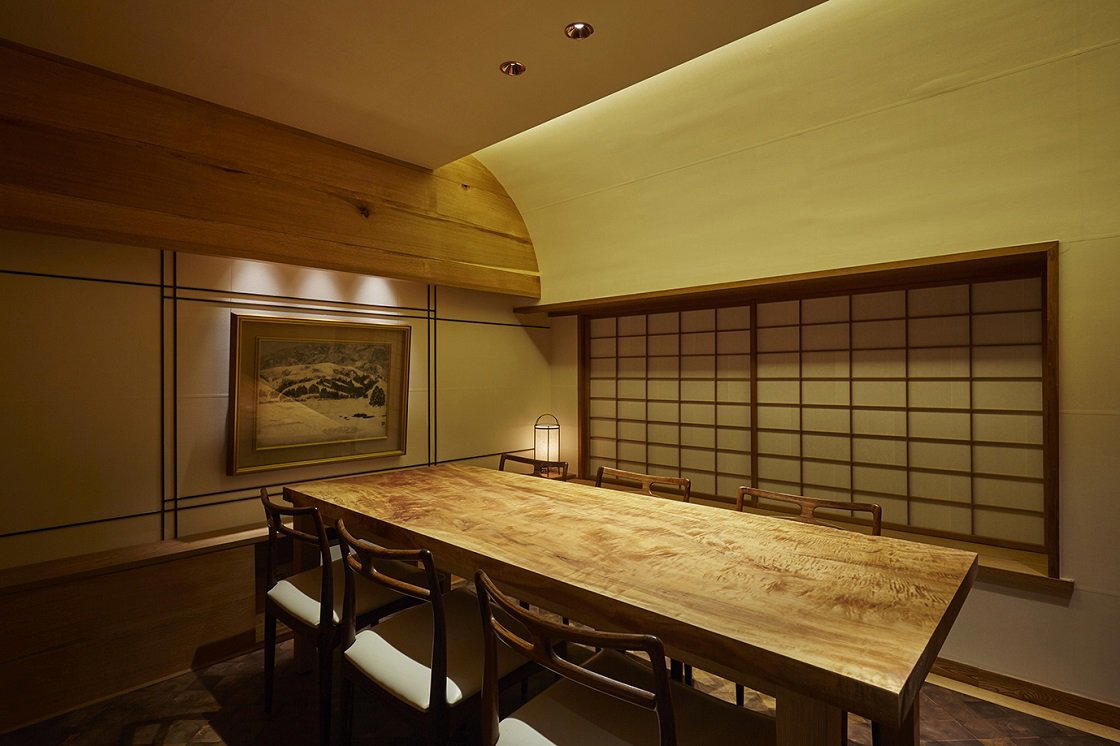
A compact 15-seat neighborhood yoshoku joint with counter and simple table seating, focused more on hearty plates than decor; atmosphere is casual and functional rather than design-driven.