Le Dillens
Our verdict
Le Dillens occupies a corner of Place Julien Dillens in Sint-Gilles, one of Brussels' most textured inner communes. The square itself sets the tone: a neighbourhood of art nouveau facades, weekend markets, and a dining scene that runs from no-reservation wine bars to destination-worthy tables. Le Dillens sits inside that ecosystem, drawing a local crowd that expects substance over spectacle.

Pearl is the En Primeur Club membership app — saves, bookings, and concierge access live there. Same editors, same standards.
- Address
- Pl. Julien Dillens 11, 1060 Saint-Gilles, Belgium
- Phone
- +3225383136
- Hours
- Mon–Wed 8:30 AM–12 AMThu 8:30 AM–1 AMFri 8:30 AM–2 AMSat 9:30 AM–2 AMSun 9:30 AM–12 AM
- Website
- ledillens.be
- Directions
- Get directions
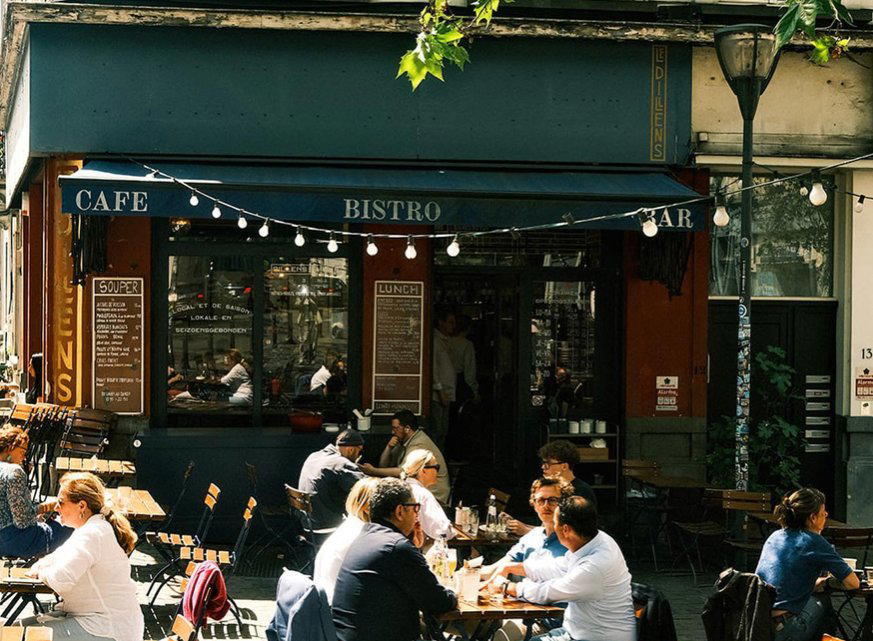
The Square That Shapes the Room
Place Julien Dillens is not the kind of address that appears on tourist maps. It sits in Sint-Gilles, a commune that borders the Midi station to the west and the leafier avenues of Ixelles to the east, and it functions as a genuine neighbourhood anchor rather than a visitor draw. The square is named after the Belgian sculptor whose work appears in public collections across the country, and the streets radiating from it still carry the density of late-nineteenth-century Brussels: narrow, art nouveau-fronted, lived-in. Le Dillens takes its name from this square, and the address is not incidental. Sint-Gilles dining operates on a logic of proximity and loyalty; restaurants here build regulars before they build reputations.
That neighbourhood logic matters when reading the Sint-Gilles dining scene as a whole. The commune has developed one of Brussels' more coherent local food cultures over the past decade, not through a single celebrated address but through accumulated density. Café des Spores anchors the fungi-forward, natural-wine corner of the market. Belle Lurette draws a crowd that prioritises the plate-to-glass ratio. Badi and Crab Club represent the newer, more format-specific tier. Le Dillens sits within this ecosystem, on a square that residents cross daily, which means the dining room is not performing for an audience of first-timers.
Belgian Brasserie Culture and What It Actually Means
The brasserie format is so embedded in Belgian urban life that it can seem self-explanatory, but its cultural logic is worth making explicit. A Belgian brasserie is not simply a pub that serves food, nor is it a bistro in the French sense. It is a room built around the idea of extended time: the long lunch, the second carafe, the table that does not need to turn. Brussels' inner communes sustain this format at a higher density than almost anywhere else in Western Europe, partly because the urban fabric of these neighbourhoods was built to include it, and partly because the work culture still supports a midday pause that has largely disappeared from other capitals.
The food logic that follows from this format tends toward dishes with structural confidence: preparations that hold across a two-hour sitting, proteins cooked with conviction rather than finesse, vegetables treated as accompaniments rather than centrepieces. Stoemp, waterzooi, the various preparations of Belgian endive, carbonnade, the understated excellence of Belgian frites as a supporting role rather than a novelty. These are not dishes designed to photograph well. They are designed to sustain a conversation. Belgian brasserie cooking at its most coherent is one of the more underexamined national traditions in European dining, sitting in the shadow of French haute cuisine without the international profile it could reasonably claim.
Le Dillens operates in this tradition. The square-facing position, the neighbourhood demographic, the address itself all point to a room that prioritises the brasserie's original social function. This is not a venue positioning itself against the Michelin-tier tables operating elsewhere in Belgium. For that tier, the reference points are different: Hof van Cleve in Kruishoutem, Boury in Roeselare, Zilte in Antwerp, Willem Hiele in Oudenburg. Le Dillens is operating in a different register entirely, one defined by frequency of visit rather than occasion.
Sint-Gilles as a Dining Neighbourhood
Understanding where Le Dillens sits requires understanding Sint-Gilles' position in the broader Brussels dining picture. The commune is not the Sablon, with its polished antique dealers and destination restaurants. It is not the European Quarter, calibrated to expense-account lunches. Sint-Gilles is a working residential commune with a high concentration of creative-sector residents, a significant North African and Southern European immigrant population, and a housing stock that kept prices lower than adjacent Ixelles long enough to attract the kind of independent operators who build neighbourhood restaurants rather than destination ones.
The dining scene that has developed here reflects that demographic mix. You find Moroccan patisseries alongside natural wine bars, Italian delis beside Belgian brasseries, all within walking distance of each other. COLONEL LOUISE represents one end of the ambition spectrum; the no-reservation zinc-bar end of the market represents another. Le Dillens, positioned on a square with genuine community function, sits closer to the latter in terms of social register, even if the kitchen operates with more deliberation than the format might suggest.
For visitors using Brussels as a base for wider Belgian dining, the contrast between Sint-Gilles and the starred tier is informative. Bozar Restaurant in central Brussels, Bartholomeus in Heist, Castor in Beveren, d'Eugénie à Emilie in Baudour, De Jonkman in Sint-Kruis, and L'air du temps in Liernu all represent the country's more technically ambitious tier. Le Dillens is not competing with that group, nor should it be read through that lens. The brasserie format it inhabits is a different, and arguably more socially essential, part of Belgian food culture.
For reference on what neighbourhood dining looks like at the other end of the price and ambition spectrum internationally, Le Bernardin in New York and Atomix in New York represent the chef-driven tasting-menu tier that the Belgian brasserie tradition deliberately stands apart from. See the full Sint-Gilles restaurants guide for the complete picture of what the commune offers across formats and price points.
Planning a Visit
Le Dillens is located at Place Julien Dillens 11, 1060 Saint-Gilles. The square is accessible on foot from the Midi station in under ten minutes, and from the Horta metro station in a similar walk, making it a practical choice before or after Eurostar arrivals. Sint-Gilles addresses of this type typically do not require advance booking at the same lead time as destination restaurants, though weekend evenings in the neighbourhood have grown busier as the area's dining reputation has consolidated. Given that verified booking details are not currently listed, visiting in person or checking locally for current hours is advisable before planning around a specific sitting.
Frequently asked questions
Where do I go for Le Dillens?
Le Dillens is located at Pl. Julien Dillens 11, 1060 Saint-Gilles, Belgium, Sint Gillis.
Is Le Dillens a good option for lunch before or after Midi station?
Place Julien Dillens 11 sits within a ten-minute walk of Brussels-Midi, making Le Dillens one of the more accessible Sint-Gilles brasseries for travellers arriving or departing by Eurostar or Thalys. The Belgian brasserie format accommodates both quick lunches and unhurried midday meals, which suits the variable timing that train travel imposes. It is a more considered option than the station's immediate surroundings.
What should I order at Le Dillens?
Le Dillens operates within the Belgian brasserie tradition, which centres on preparations built around domestic produce and classic formats: think stoofvlees, moules, and seasonal plat du jour constructions rather than tasting-menu architecture. The square setting at Place Julien Dillens 11 in Sint-Gilles suggests a kitchen oriented toward regulars who return for consistent execution. Order what the kitchen does daily rather than specials that rotate without notice.
How hard is it to get a table at Le Dillens?
Sint-Gilles brasseries at this address type operate on a different booking logic than Brussels' starred or destination-dining tier. Walk-ins at Place Julien Dillens are typically feasible, particularly at off-peak hours, though the square draws local foot traffic that can fill the terrace on warm evenings. No advance booking window comparable to the city's reservation-only counters applies here.
What's Le Dillens best at?
The venue's position on Place Julien Dillens gives it something most Brussels brasseries lack: a genuine square address that functions as a neighbourhood anchor. That social function, the brasserie as communal space for Sint-Gilles residents rather than a destination for visiting diners, shapes what the kitchen prioritises. Consistent, accessible Belgian cooking served in a room where the clientele is local is the format's core competency.
Do they accommodate allergies at Le Dillens?
Belgian brasseries in Sint-Gilles generally handle dietary requirements on request rather than through printed menus, so raising specific needs with staff directly at Place Julien Dillens 11 is the practical approach. Contacting the venue ahead of a visit is advisable for complex requirements.
Is eating at Le Dillens worth the cost?
The brasserie format in Sint-Gilles operates at a price point well below Brussels' destination-dining tier, and the value logic is different: you are paying for a functional, well-placed neighbourhood room rather than technique or prestige. Place Julien Dillens is not the Sablon or Châtelain, and the pricing reflects that honestly. For the format, the cost-to-experience ratio in this commune tends to favour the diner.
A Pricing-First Comparison
Comparable venues nearby, for context on price, style, and recognition.
| Venue | Cuisine | Price | Notes |
|---|---|---|---|
| Le DillensThis venue — the venue you are viewing | Belgian Bistro | $20–30 | Not listed |
| Fernand Obb Delicatessen | Belgian Delicatessen | $20–30 | Saint-Gilles, Belgian Delicatessen |
| Grabuge | Asian-Middle Eastern Fusion Small Plates | $50–100 | Saint-Gilles, Asian-Middle Eastern Fusion Small Plates |
| Fight Club | New York-Style Slice Pizza | $10–20 | Saint-Gilles, New York-Style Slice Pizza |
| La Bottega della Pizza | Authentic Neapolitan Pizza | $20–30 | Saint-Gilles, Authentic Neapolitan Pizza |
| Badi | Seasonal Small Plates & Cider | $20–30 | Saint-Gilles, Seasonal Small Plates & Cider |
Continue exploring
More in Sint Gillis
Restaurants in Sint Gillis
Browse all →
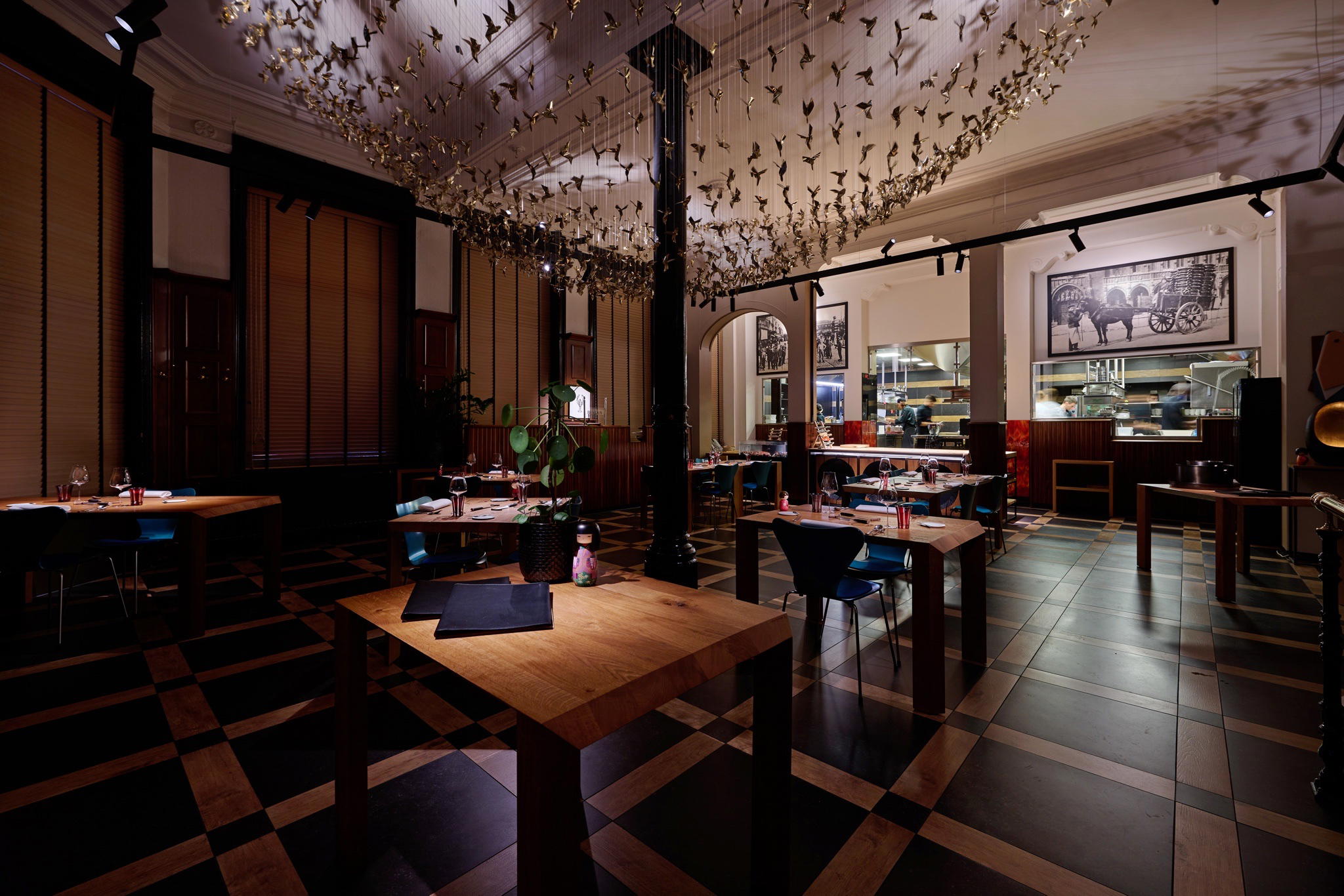
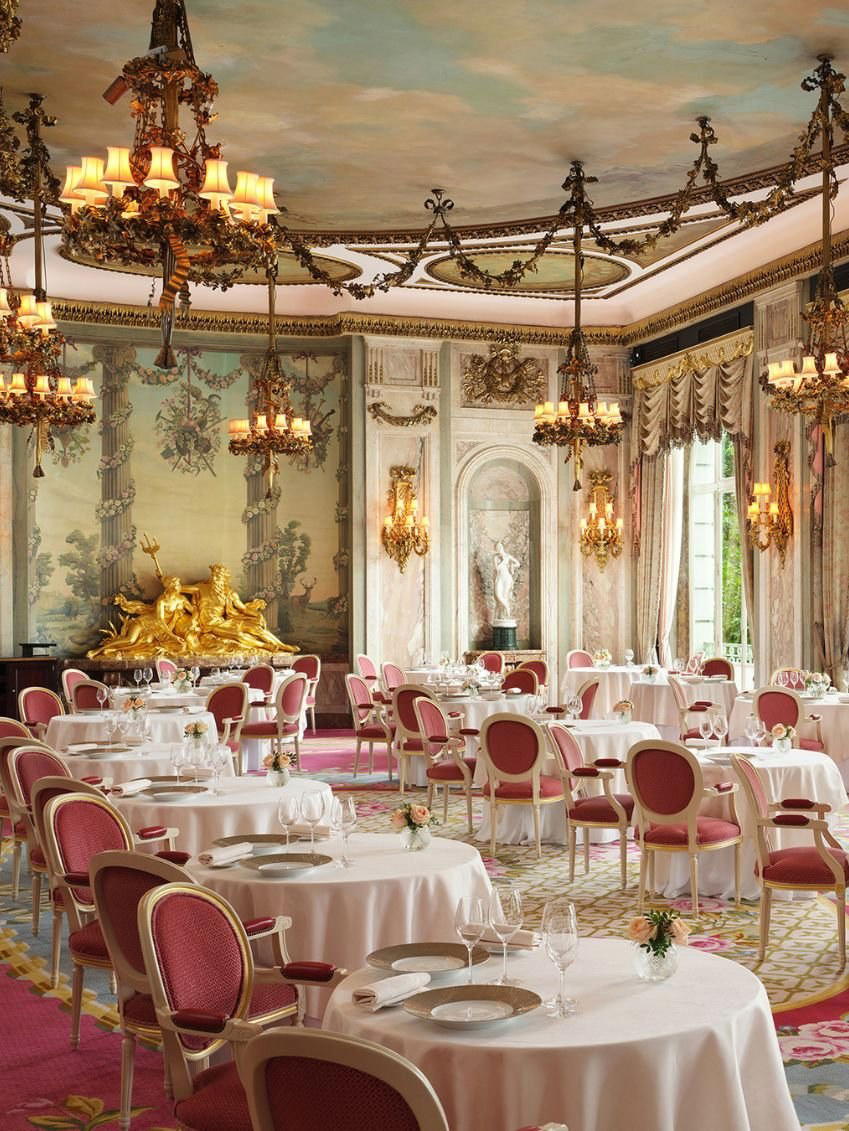
Bars in Sint Gillis
Browse all →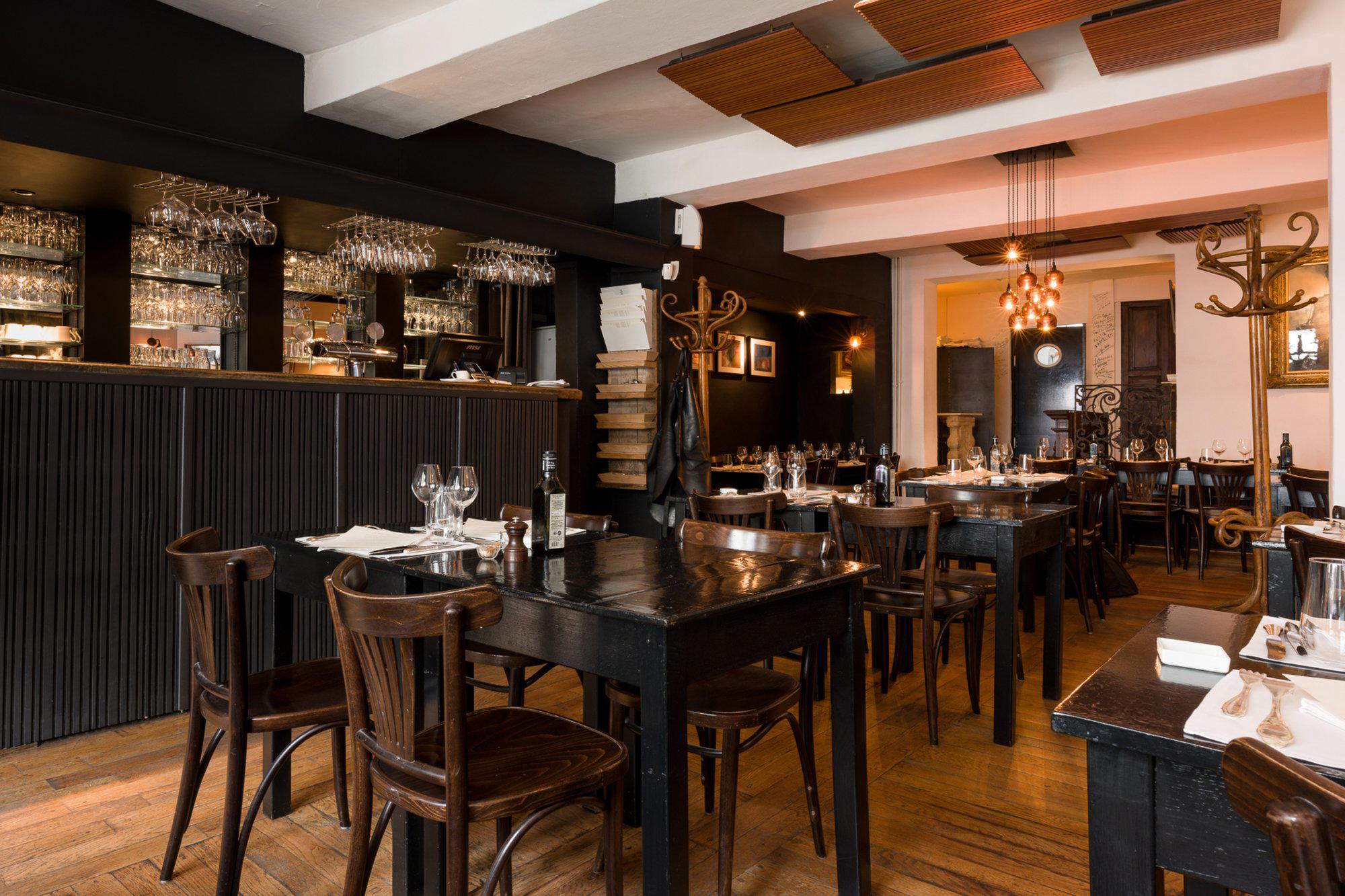
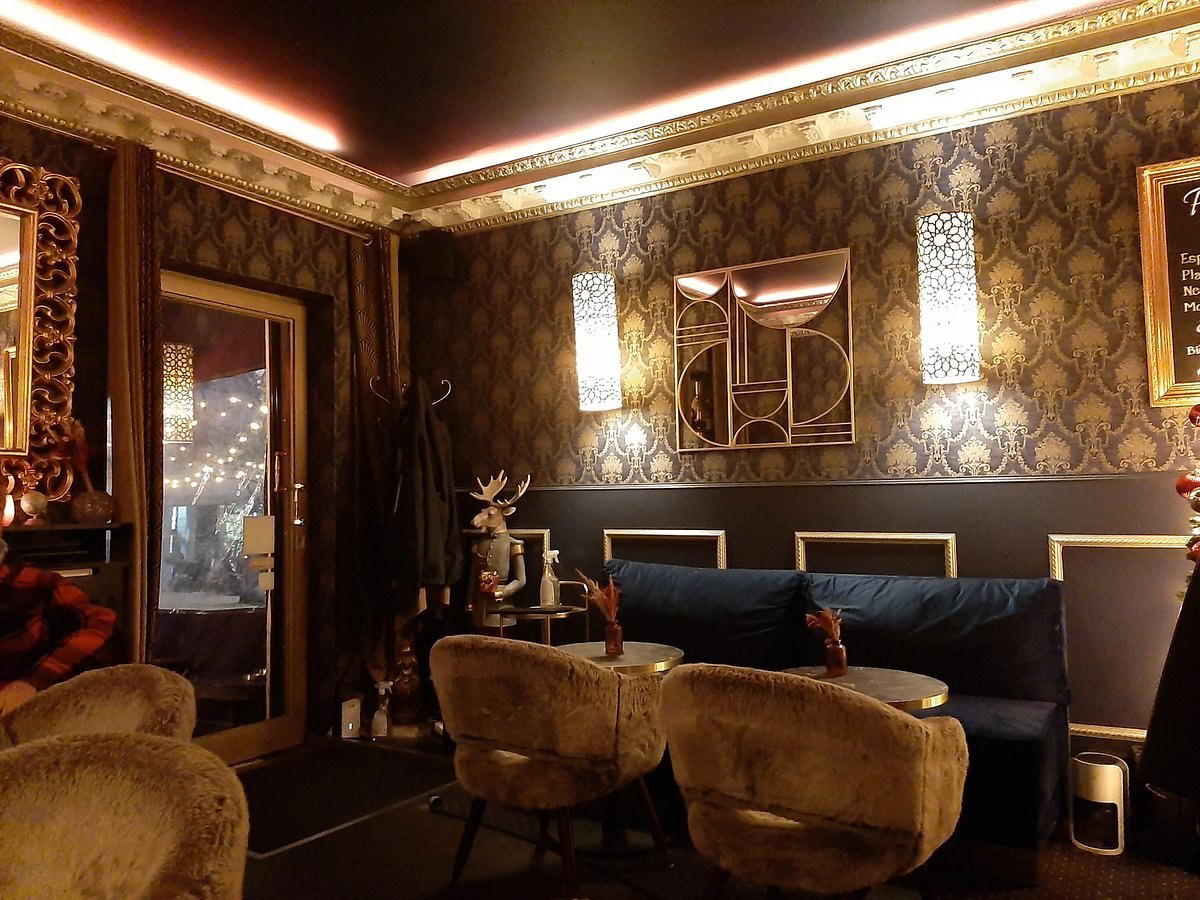
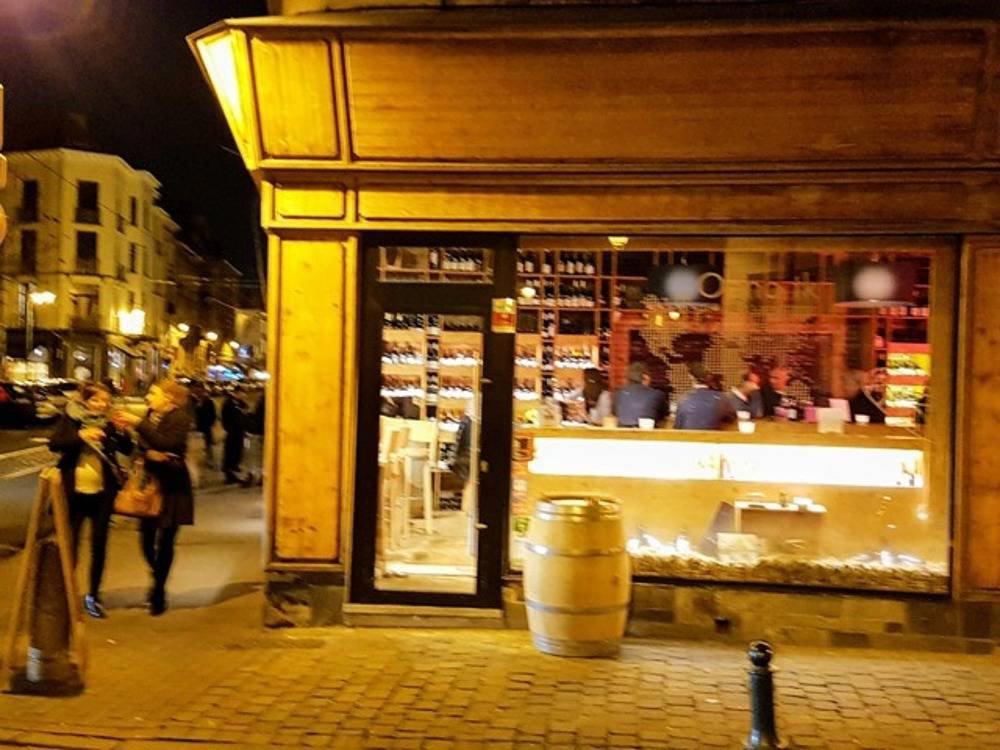
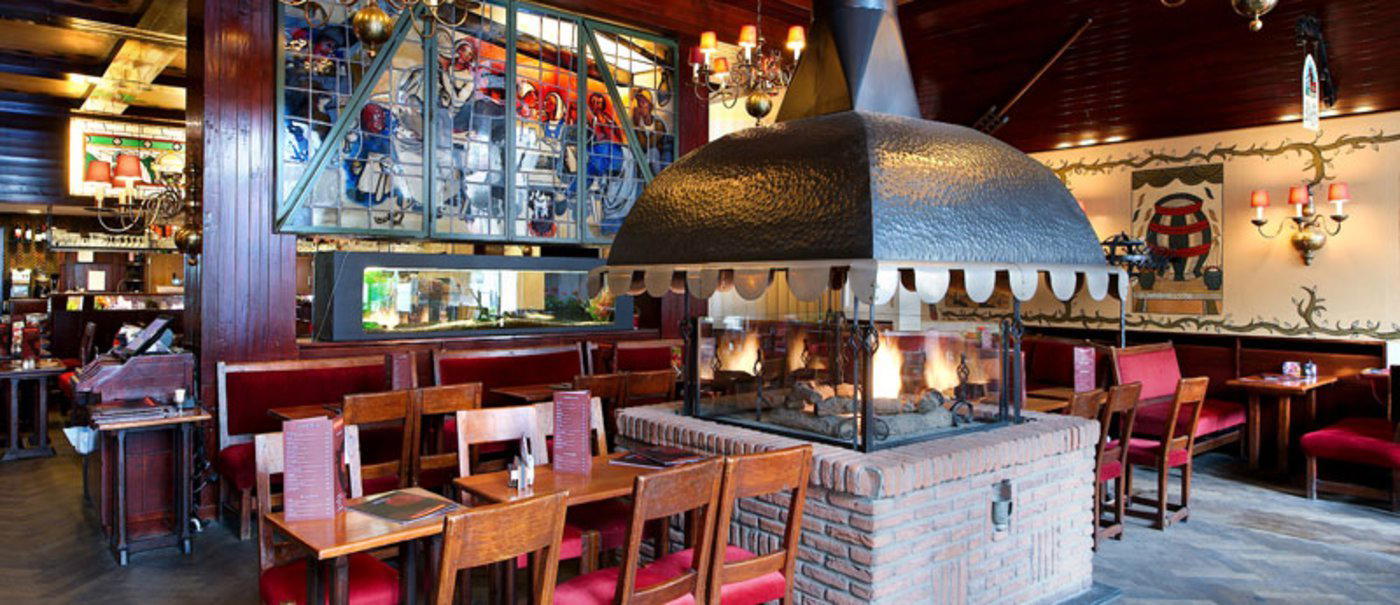
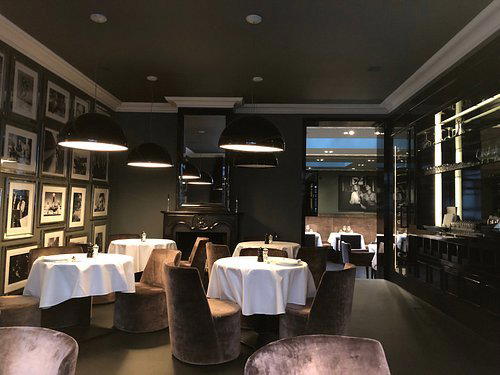
Hotels in Sint Gillis
Browse all →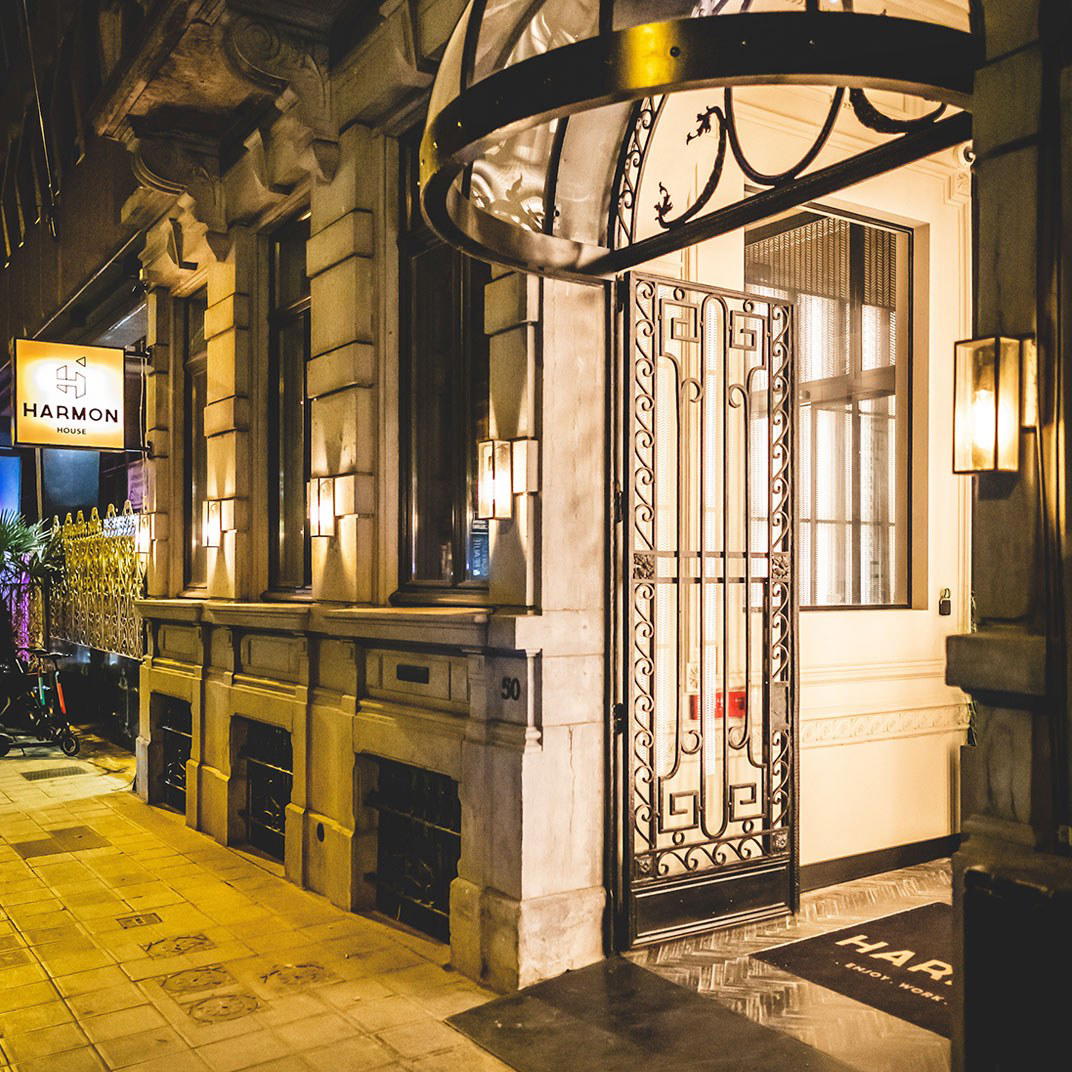
Wineries in Sint Gillis
Browse all →
Le Dillens
The wine
- Wine program
- Curated wine list
- Natural wine
- Beer program
Details
- Cozy
- Trendy
- Lively
- Brunch
- Casual Hangout
- After Work
- Terrace
- Natural Wine
- Beer Program
- Local Sourcing
- Organic
- Street Scene
- A La Carte
- Small Plates
- Lambics
- Natural Wines
- Vegetarian Friendly
- Vegan Options
Current opening hours
- Monday
- 8:30 AM–12 AM
- Tuesday
- 8:30 AM–12 AM
- Wednesday
- 8:30 AM–12 AM
- Thursday
- 8:30 AM–1 AM
- Friday
- 8:30 AM–2 AM
- Saturday
- 9:30 AM–2 AM
- Sunday
- 9:30 AM–12 AM
Hours can change for holidays and private events. Last verified .
Vintage interior with lanterns and historic maps, cozy terrace under trees; trendy, lively neighborhood vibe with global music and DJs on select nights.