
Shuho places Nagoya yakiniku in a quieter, more ritual-driven register than the city’s station-area dining circuit. Its Tabelog 100 Yakiniku EAST 2025 selection gives it a clear trust signal, while the Hira location, tatami room format, non-smoking policy, and family-friendly setting point to a meal built around patience, table rhythm, and shared grilling rather than spectacle.
Pearl is the En Primeur Club membership app — saves, bookings, and concierge access live there. Same editors, same standards.
- Address
- 愛知県名古屋市西区比良3-153
- Phone
- +81525011736
- Website
- tabelog.com
 Saves & bookings on Pearl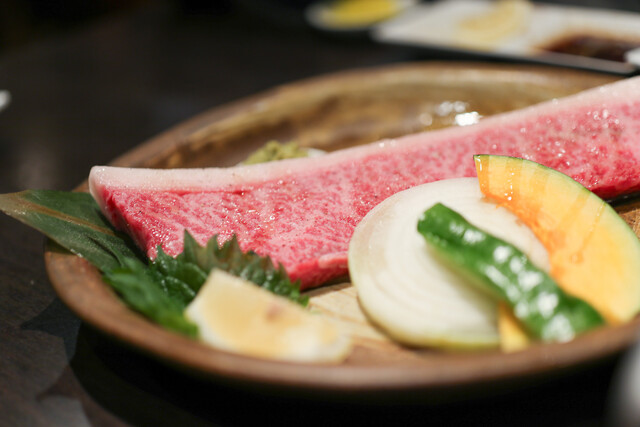
Approaching Hira changes the register of Nagoya dining. The center rewards speed: station counters, department-store dining floors, ramen queues, and after-work drinking rooms. Yakiniku asks for another tempo: smoke management, shared heat, sequential cuts, and the choreography of turning meat at the table. Shuho belongs to that slower Nagoya, where ritual matters as much as the order.
Japanese barbecue can look casual, but good yakiniku has rules. The grill is communal, not chaotic. Diners pace the table, cook in small batches, keep sauces and rice from taking over, and know when to leave meat alone. The strongest rooms need neither theatrical plating nor long chef narrative. The table becomes the stage, and cooking decisions move from kitchen to guest.
A Hira yakiniku room built around table rhythm
In Nagoya, yakiniku sits between the city’s appetite for hearty, sauce-driven food, its practical affection for neighborhood restaurants, and Japan’s broader culture of specialist beef houses. The category is broad: some rooms lean toward polished beef-course dining; others toward horumon, beer, and late-night groups. Shuho reads closer to neighborhood ritual, with tatami seating, a non-smoking room, children welcomed, and use by families and friends noted in its public profile.
That combination matters. Tatami seating makes yakiniku feel less like a quick counter stop and more like a shared domestic ceremony, even over restaurant equipment. Non-smoking status shifts the room toward food rather than old-school izakaya atmosphere. The format suits groups who understand yakiniku is not only ordering more beef; it is keeping the grill disciplined.
The hard signal is public recognition. Shuho was selected for Tabelog 100 Yakiniku EAST 2025, giving regional visibility in a crowded category. Its Tabelog score is 3.70, which in Japan’s user-rating culture carries more weight than travelers used to inflated review platforms may assume. The award does not make it a luxury temple; it places Shuho in a serious eastern Japan yakiniku conversation while keeping its identity grounded in local Nagoya.
That position helps comparison. In Nagoya, Men Senmon Ten Ajiyoshi, Niboshi Chuka Soba Gyogyo, and Tenichi occupy much lower-priced noodle and tempura-style territory, built around speed and turnover rather than long table ritual. Yakiniku Horumon Gensho sits in a higher dinner band within the city’s grilled-meat world, while Matsuzaka Tei Misawa, outside the metro frame, points to a more expensive beef-house bracket. Shuho offers recognized yakiniku without presenting itself as an elaborate tasting-menu proposition.
The custom is shared cooking, not chef theater
Yakiniku exposes diners. At sushi counters, etiquette is visible but guided; at kaiseki, the house controls the sequence. At a barbecue table, the guest participates. The pace of ordering, spacing of cuts on the grill, and choice to cook leaner and fattier pieces separately shape the meal. A serious yakiniku restaurant can feel democratic and exacting: everyone has a role, and inattention has consequences.
Shuho’s lack of a public chef narrative is not a weakness. Many compelling yakiniku rooms are judged less by auteur language than by sourcing discipline, grill management, service cadence, and keeping groups moving without rushing. Public details point to a restaurant where format and custom carry the experience: Japanese barbecue, shared tables, a room suited to families and friends, and recognition from a major Japanese dining platform.
For travelers, the question is not whether this is Nagoya’s grand dining statement, but whether a meal in Hira fits the trip. Visitors staying around Nagoya Station or Sakae often organize eating around convenience, with quick access to bars, hotels, and rail connections. Hira is more deliberate. A yakiniku dinner here belongs in an itinerary with space for a slower evening, not between tight museum timing and a late train.
Readers building a broader Nagoya plan can use Our full Nagoya restaurants guide for the city’s dining range, then map drinking and lodging through Our full Nagoya bars guide and Our full Nagoya hotels guide. For a wider regional itinerary, Our full Nagoya experiences guide and Our full Nagoya wineries guide help separate meal planning from the rest of the day.
How to read Shuho against Japan's casual-specialist tier
Japan’s casual-specialist restaurants often confuse international visitors because price, setting, and recognition do not always move together. A modest room can hold serious local status; a plain counter can require planning; a family-friendly restaurant can still belong in a national award conversation. Shuho fits that pattern: the room signals approachability, while the Tabelog 100 selection shows the category has been noticed beyond routine neighborhood traffic.
Approach the meal with category literacy rather than luxury expectations. Yakiniku is tactile, social, and practical. It rewards diners who order with restraint, let the table find its pace, and treat the grill as shared responsibility. The appeal is not named signature dishes or chef-led performance, but the discipline of a table that knows how to cook, pause, talk, and cook again.
For readers comparing across EP Club’s wider Japan and restaurant archive, the contrast is instructive. The register differs from -Grilled beef Sukiyaki- KAMAKURA TANUKIAN 鎌倉 たぬき庵 in Kamakura, where sukiyaki frames beef through another dining grammar, and from . 鮪と炭火焼き うお炭 秋葉原店 in Tokyo, where charcoal and tuna point to another urban idiom. The archive also shows how narrow specialists sit far apart in mood, from .cafe in Osaka and .know in Kumamoto to (Shoku) Vietnam in Kawasaki and [Curry Senmon Ten] Maruyama Kyoju. in Sapporo.
Internationally, comparison is less about cuisine than specialization. Jōdo Saké Bar in Los Angeles and Onigiri Time in Pasadena show how Japanese formats travel into different service cultures, while Nagoya’s dining map remains embedded in neighborhood use. Within the city file, 1022, 451, Aaron, Alan. and All Day Dining Montmartre underline the point: Nagoya dining is not one mood, and the more interesting meals often come from choosing the right ritual for the right night.
Shuho is strongest as a planned yakiniku evening, not a casual add-on. Its recognition, room signals, and Hira setting point the same way: this is for diners who want the social mechanics of Japanese barbecue, not a polished tasting-menu substitute. Go for the ritual of the grill, shared pacing, and local seriousness inside an unshowy Nagoya room.
Style and Standing
Comparable venues for context, by category and price tier.
| Venue | Cuisine | Price | Notes |
|---|---|---|---|
| ShuhoThis venue — the venue you are viewing | Japanese BBQ (Yakiniku) | $$$ | Not listed |
| Unagi Okafuji | Nagoya-style eel and hitsumabushi | $$$ | Naka |
| Senkun'an | Japanese Teppanyaki Steakhouse | $$$ | Meitō |
| Binchotan Yakiniku Takechiyo | Binchotan-grilled Wagyu Yakiniku & Izakaya | $$$ | Higashi |
| Manpuku | Yakiniku (Japanese BBQ) | $$$ | Nakagawa |
| Ozara Yakiniku Roujuu | Nagoya-style Yakiniku (Japanese BBQ) | $$$ | Nishi |
Recognition history
Dated appearances from independent guides and award organizations, with the underlying list record or original source where available.
Tabelog 100 #79 · No. 79
Tabelog · Tabelog 100 - Yakiniku - EAST - 2025
Continue exploring
More in Nagoya
Restaurants in Nagoya
Browse all →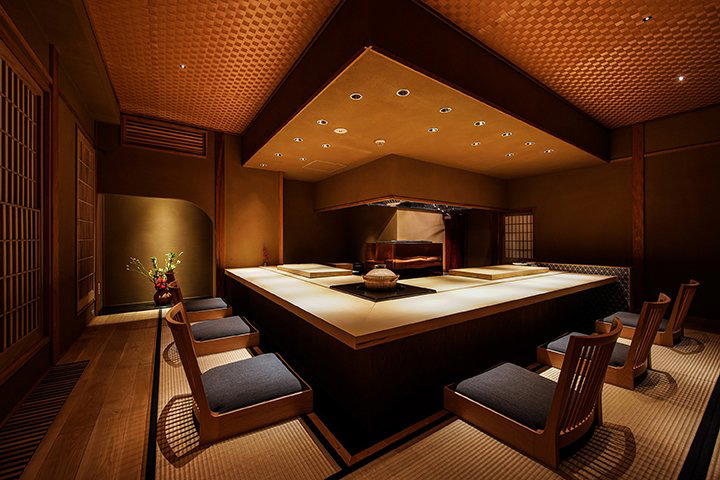
At a Glance
- Classic
- Cozy
- Family
- Group Dining
- Casual Hangout
- Standalone
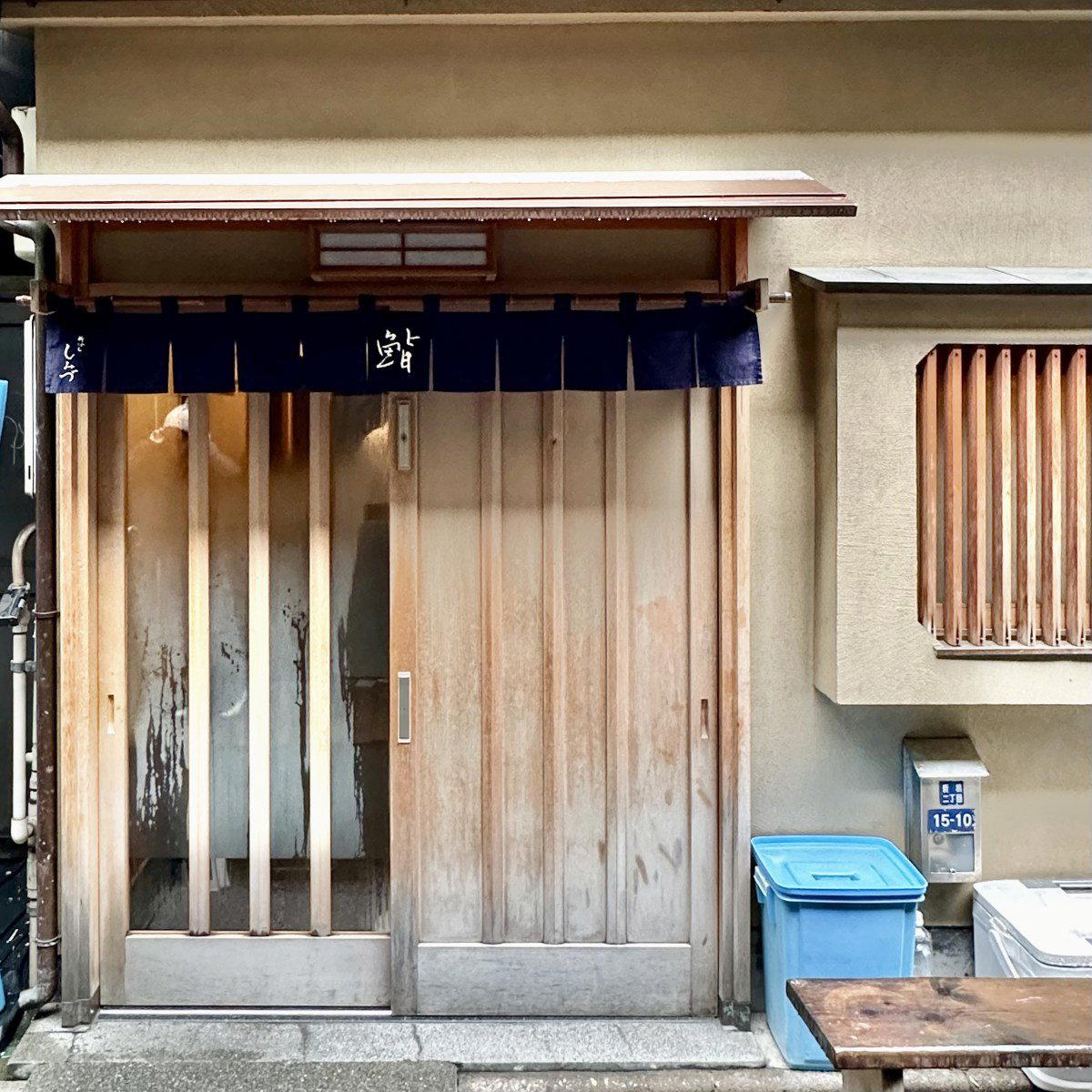
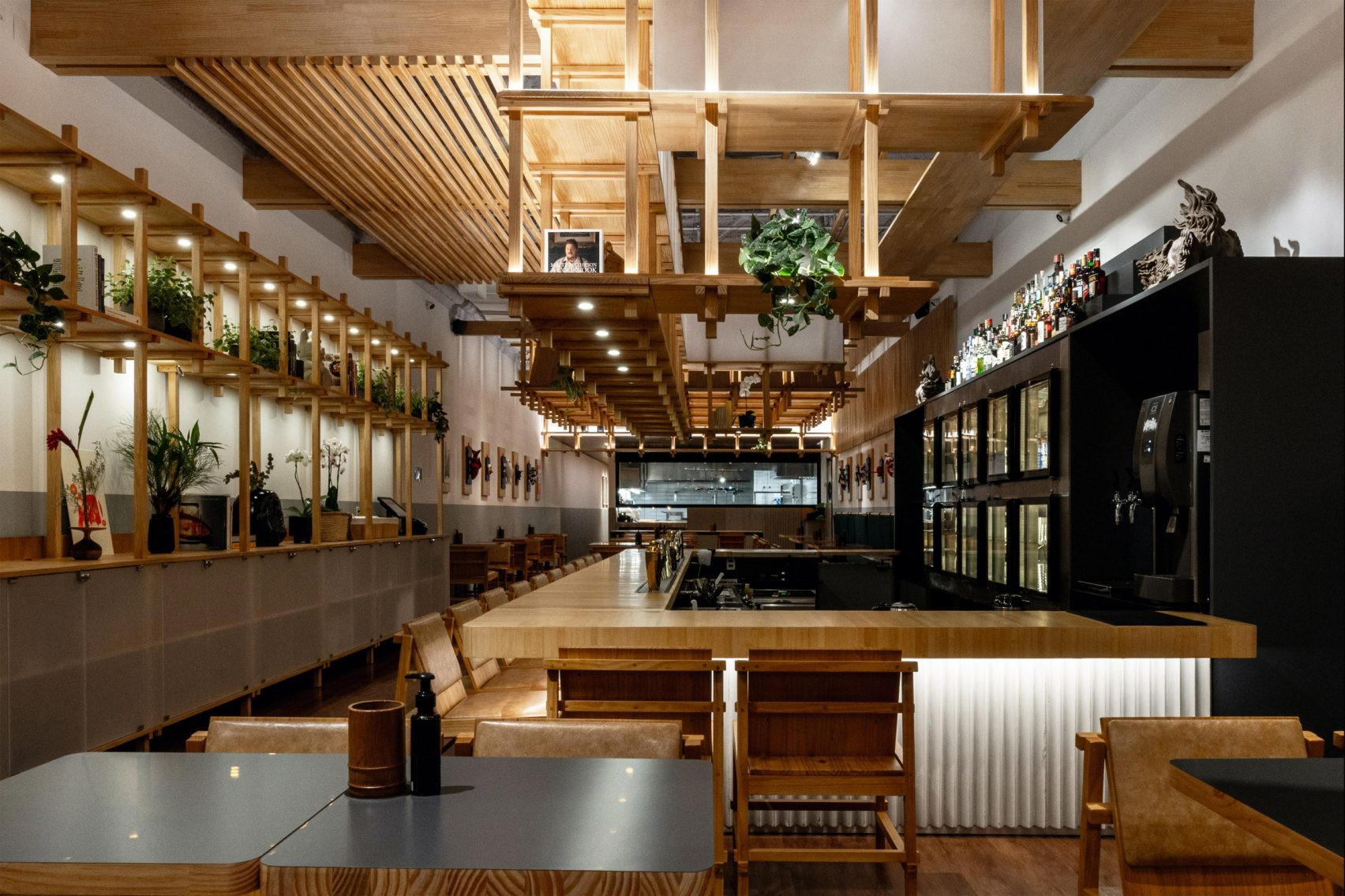
A calm, traditional yakiniku setting in a quiet residential area, with a tatami room and a neighborhood feel rather than a flashy destination atmosphere.