Bistro Le Valois occupies the Simon-Valois square in Montreal's Hochelaga-Maisonneuve neighbourhood, a district that has reoriented its food scene around locally sourced product and technically precise cooking. The bistro sits within that current, bringing French-rooted technique to Quebec ingredients in a format that mirrors how the city's mid-tier restaurant culture has matured over the past decade.
Pearl is the En Primeur Club membership app — saves, bookings, and concierge access live there. Same editors, same standards.
- Address
- 25 Simon-Valois Pl, Montreal, Quebec H1W 0A6, Canada
- Phone
- +1 514 528 0202
- Website
- bistrolevalois.ca
- Directions
- Get directions
 Saves & bookings on Pearl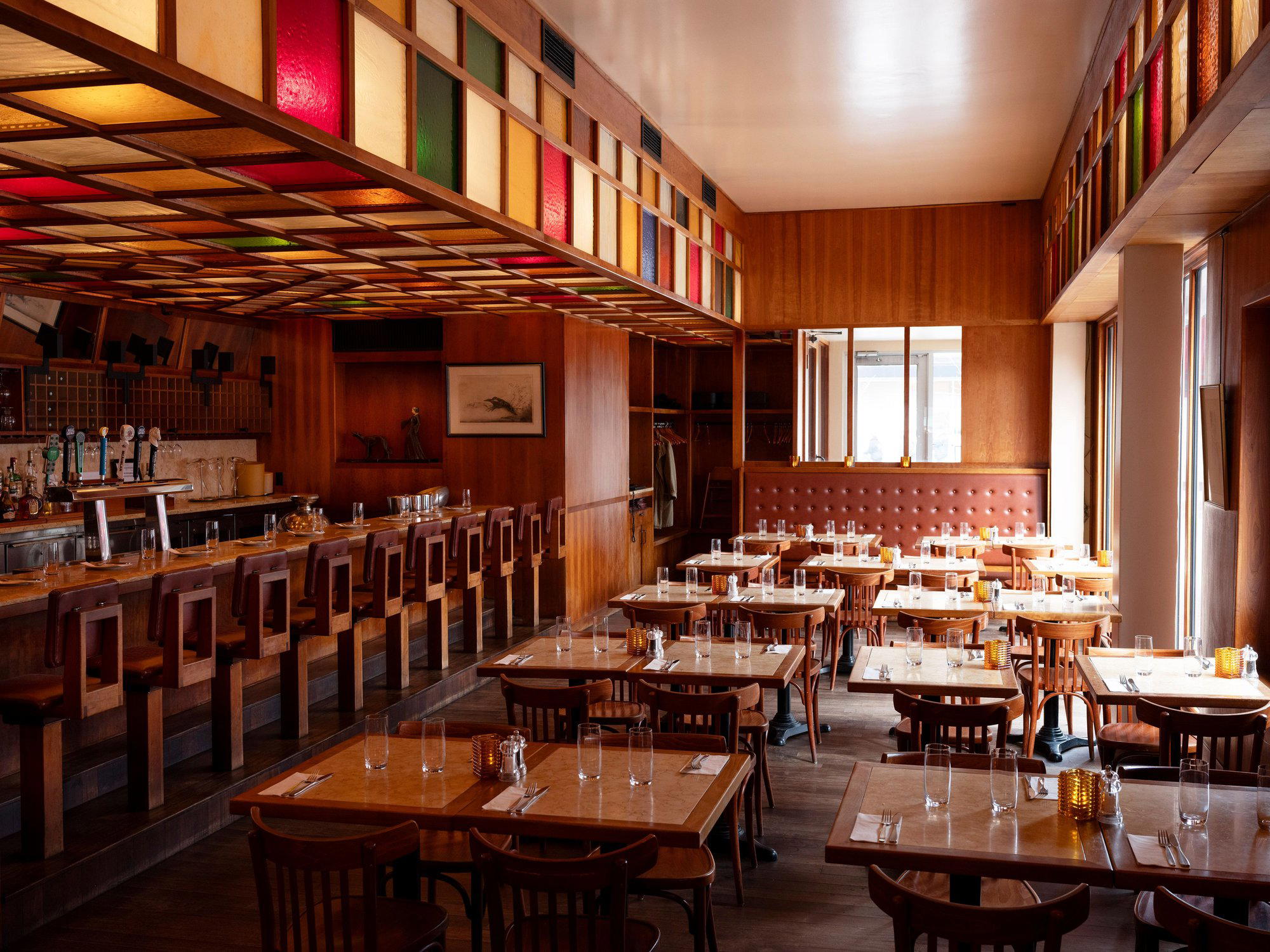
Where Hochelaga-Maisonneuve Eats Now
Montreal's east end has been rewriting its own culinary story for several years. Hochelaga-Maisonneuve, once defined by working-class diners and casse-croûtes, now holds a constellation of neighbourhood restaurants that take product sourcing and kitchen craft as seriously as anything on Saint-Laurent or in the Plateau. The pivot happened gradually, driven less by a single high-profile opening than by a shift in what the neighbourhood's newer residents expected from a local room. Bistro Le Valois, positioned on Simon-Valois Place at the heart of the district's redesigned civic square, reflects that shift directly. The square itself functions as HoMa's social centre, animated by a farmers market in warmer months and a skating rink in winter, and the bistro's address puts it inside that community rhythm rather than on the margins of it.
That positioning matters. Restaurants attached to public gathering spaces in Montreal tend to operate differently from destination rooms: they carry a neighbourhood loyalty that destination dining rarely generates, and they absorb the seasonal tempo of the square around them. For a visitor, arriving in late autumn or early spring, when the square transitions between its outdoor market phase and its winter configuration, the bistro reads as a natural extension of the street rather than a standalone proposition.
Quebec Ingredients, French Scaffolding
The tension that defines a certain tier of Montreal cooking right now is the gap between classical French technique and the increasingly assertive identity of Quebec's own larder. The province's short growing season, historically treated as a limitation, has become a competitive advantage for kitchens willing to work within its rhythms. Fermented, preserved, and foraged ingredients that would have read as peasant shortcuts two decades ago now function as markers of seriousness. The bistro format, in particular, is well-suited to this approach: a French structural inheritance (the bistro as institution dates to nineteenth-century Paris, built around affordable daily plates and a rotating chalkboard) maps naturally onto a Quebec seasonal logic where the menu shifts with what the land and the St. Lawrence watershed actually produce.
Bistro Le Valois operates within that intersection. The French bistro grammar, cooked sauces, structured plates, a wine list oriented toward the table rather than the cellar, is applied to ingredients that come from closer to home. Across Quebec, this model has proven durable. You see versions of it at Sabayon and Mastard in Montreal's modern cuisine tier, and in its most refined form at Tanière³ in Quebec City, where hyper-local sourcing and technical ambition combine at a level that has drawn national attention. Le Valois operates at a more accessible register than those rooms, but the underlying logic is shared: technique imported from European tradition applied to product that is definitively Canadian.
That framing is worth holding when comparing Le Valois to Montreal's French bistro establishment. A room like L'Express, operating on Saint-Denis since the 1980s, draws its authority from fidelity to the Parisian model: steak tartare, Beaujolais, zinc bar, tile floors, the whole iconography intact. That approach remains commercially viable, but it operates in a different register from what HoMa's newer kitchens are doing. The distinction is not about quality but about orientation: one looks to France as the referent, the other uses French structure as a tool in service of something more local.
How the Neighbourhood Shapes the Room
Simon-Valois Place was redesigned as part of a broader municipal investment in HoMa's public infrastructure, and the square's architecture influences how the bistro functions across the day. The civic square model, where a single public space anchors commercial activity, foot traffic, and seasonal programming simultaneously, tends to produce restaurants that operate across multiple dayparts and serve a genuinely mixed clientele. Destination rooms in denser, higher-traffic Montreal neighbourhoods, places like Jérôme Ferrer's Europea or the upper end of the Old Port dining corridor, draw from a city-wide and tourist radius. A square-anchored bistro in Hochelaga draws from the immediate community first, with visitors and cross-city diners arriving as a secondary audience.
That dynamic shapes expectations usefully. You are not arriving at Le Valois for the occasion that drives a booking at Alo in Toronto or a reservation at a Michelin-starred room. You are arriving at a neighbourhood restaurant that happens to be executing within a culinary tradition with genuine depth. The distinction is not a lowering of the bar; it is a different kind of bar entirely.
For context on how this model plays out elsewhere in Canada, the intersection of local sourcing and European technique appears at Restaurant Pearl Morissette in Lincoln, at AnnaLena in Vancouver, and in its most remote and committed form at Fogo Island Inn Dining Room in Newfoundland, where the ingredient geography is almost entirely defined by the immediate coastline. Le Valois is not operating at those levels of ambition or formality, but the conceptual thread connects.
Planning Your Visit
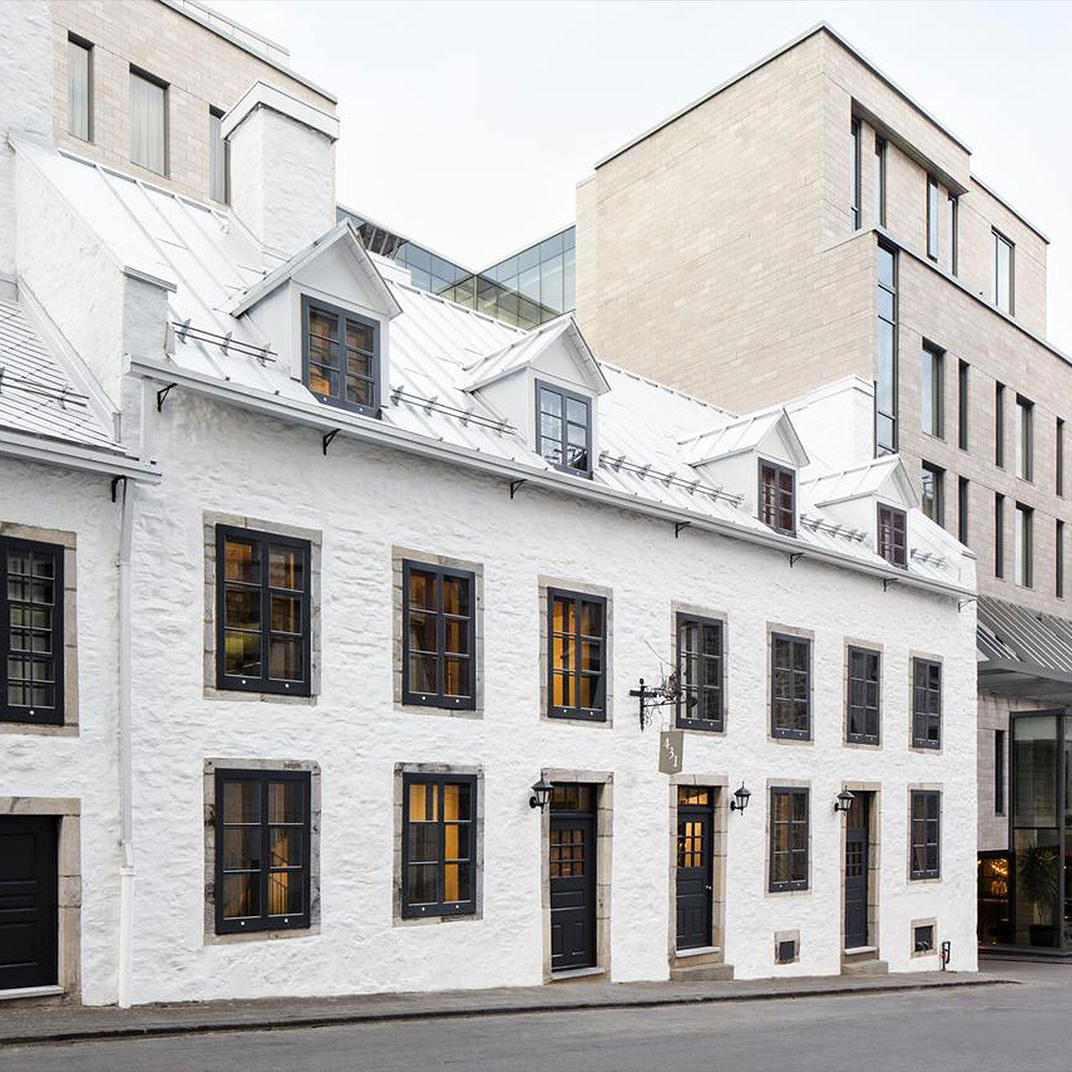
Bistro Le Valois is located at 25 Simon-Valois Place in Hochelaga-Maisonneuve. Joliette station on the Green Line places you within walking distance of the square. The Simon-Valois farmers market, active during warmer months, makes weekend morning visits worth timing deliberately if you want to pair a market browse with a meal. The Simon-Valois farmers market, active during warmer months, makes weekend morning visits worth timing deliberately if you want to pair a market browse with a meal. Nearby alternatives in the HoMa area include 3 Pierres 1 Feu and Abu el Zulof, which together illustrate how varied the neighbourhood's current dining offer has become.
City Peers
Comparable venues nearby, for context on price, style, and recognition.
| Venue | Cuisine | Price | Notes |
|---|---|---|---|
| Bistro Le ValoisThis venue — the venue you are viewing | Classic French Bistro | $$$ | Not listed |
| Modavie | Classic French Bistro | $$$ | Vieux Montréal |
| Le 9e | Classic French with Quebec influences | $$$ | Centre-Ville |
| M sur Masson | French Bistro | $$ | Vieux-Rosemont |
| Brasserie 701 | French Brasserie | $$$ | Vieux Montréal |
| Restaurant Gus | French Fusion Bistro | $$ | District de Saint-Édouard |
At a Glance
- Classic
- Cozy
- Elegant
- Date Night
- Casual Hangout
- Terrace
- Extensive Wine List
- Street Scene
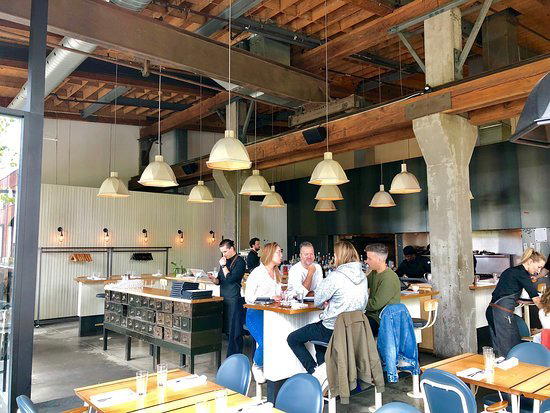
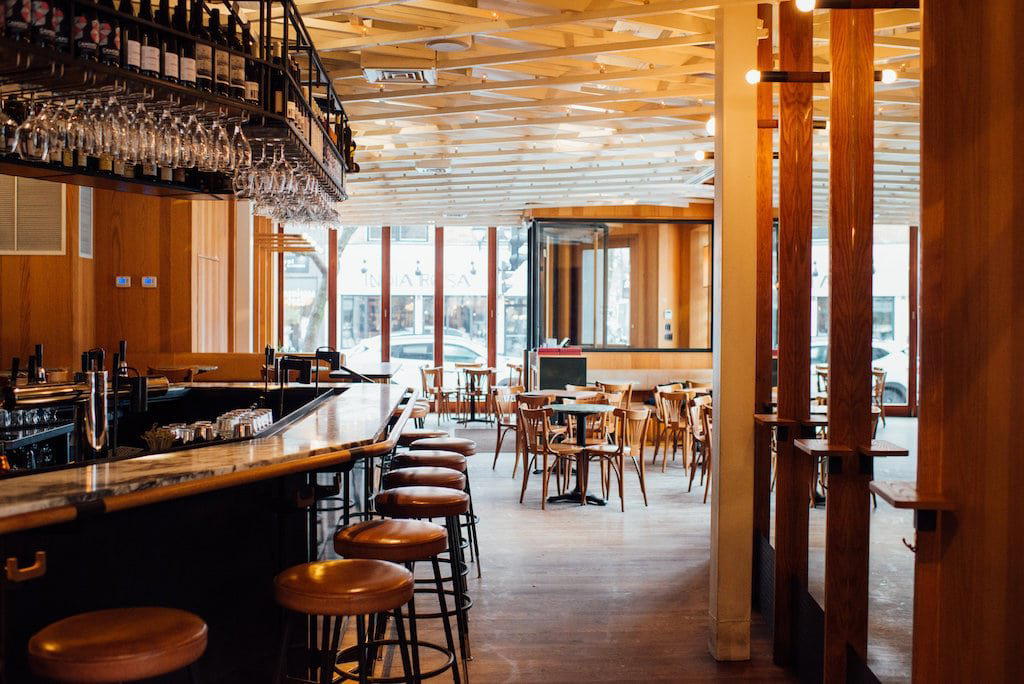
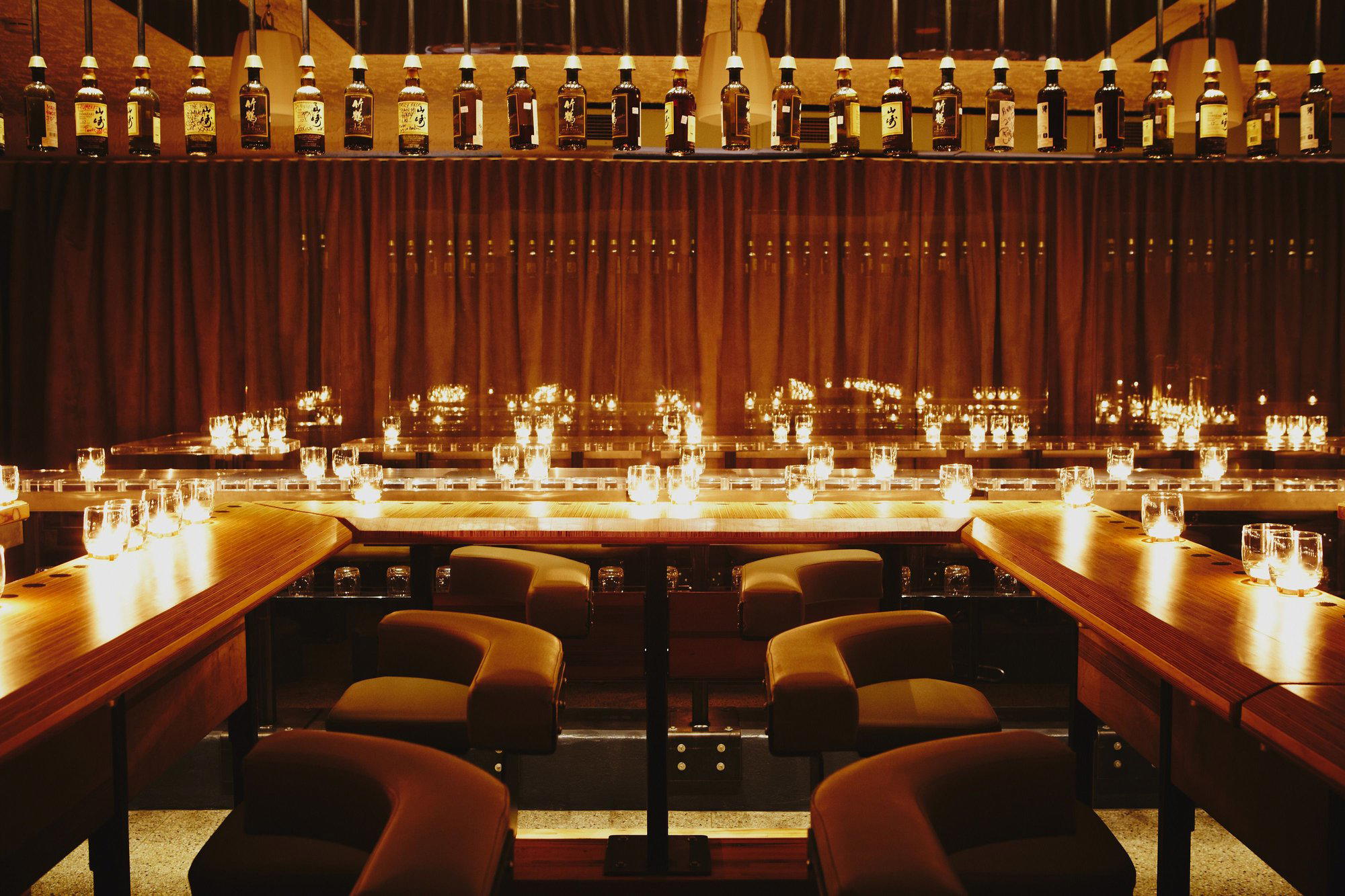
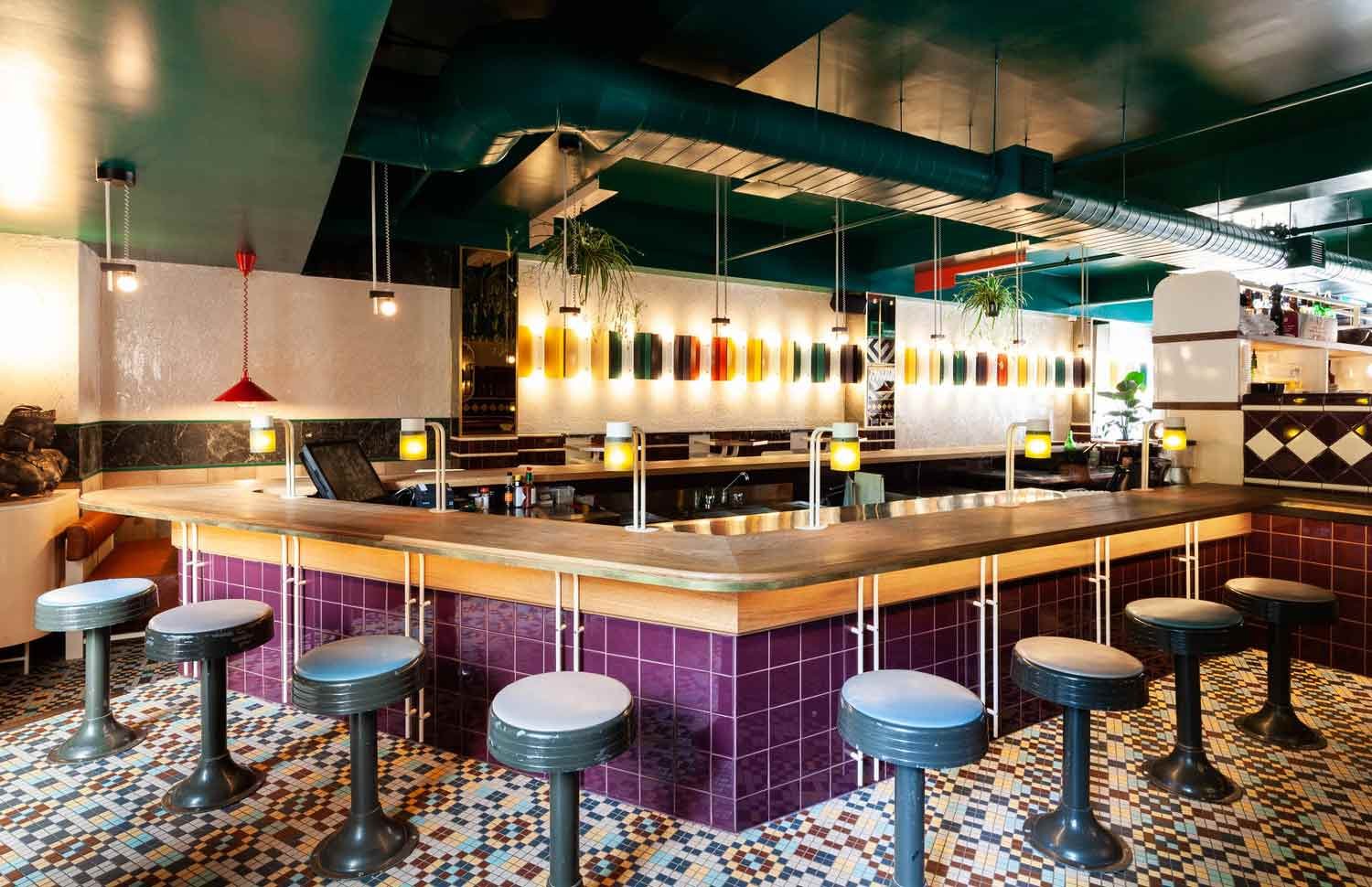
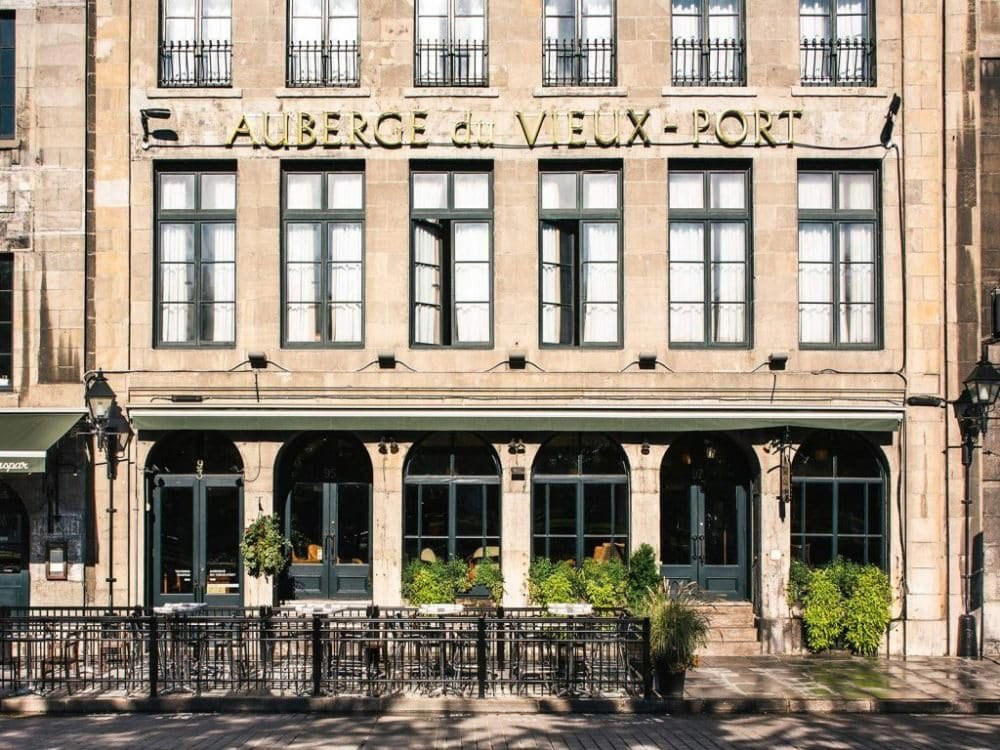
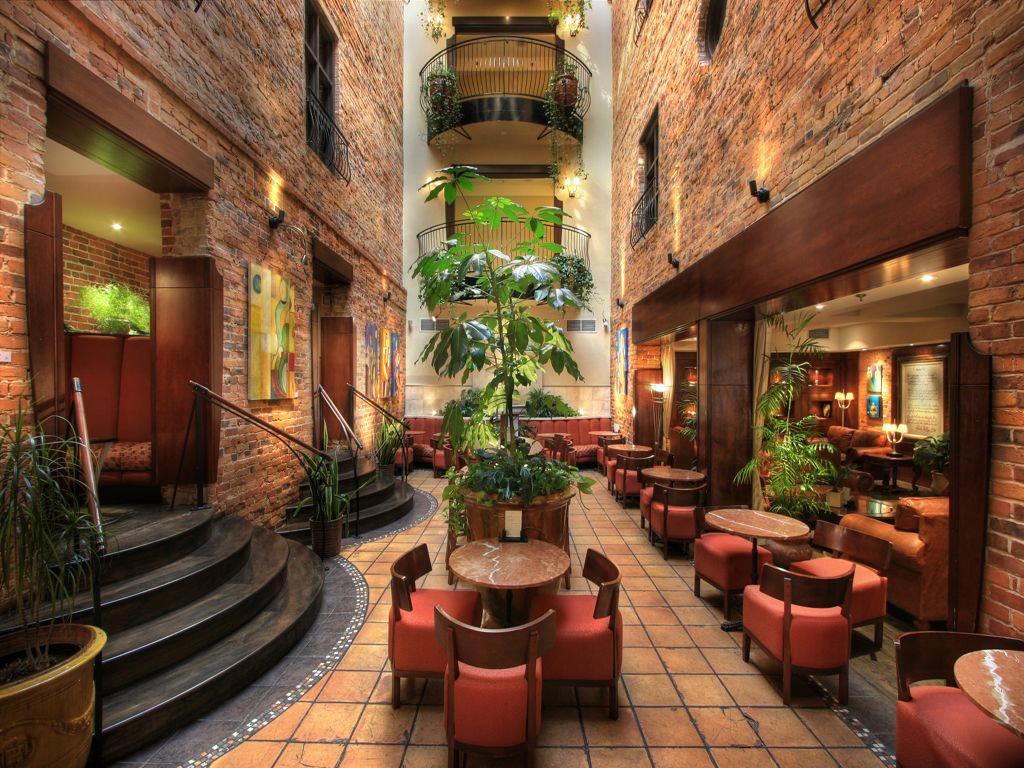
Cozy art deco interior with pleasant background music; terrace seating available in summer.