Our verdict
On the western edge of downtown Montreal, COMMODORE restaurant occupies a position in the city's modern dining scene where local Quebec ingredients meet technique-driven cooking. Located at 355 Boulevard De Maisonneuve Ouest, it sits within reach of the city's broader corridor of ambitious restaurants pushing Canadian produce through a global culinary lens.

Pearl is the En Primeur Club membership app — saves, bookings, and concierge access live there. Same editors, same standards.
- Address
- 355 Blvd. De Maisonneuve Ouest, Montreal, Quebec H3A 1L6, Canada
- Phone
- (514) 656-8632
- Hours
- Mon–Thu 6:30 AM–10 PMFri 6:30 AM–11 PMSat 7 AM–11 PMSun 7 AM–10 PM
- Website
- commodoremontreal.com
- Directions
- Get directions
- Booking
- Book on OpenTable
Where Downtown Montreal's Dining Ambitions Converge
Boulevard De Maisonneuve Ouest is not the address most food writers reach for first when they profile Montreal's restaurant scene. The city's gravitational pull tends toward the Plateau's packed bistros, Mile End's counter culture, and Old Montreal's heritage-room dining. Yet the western downtown stretch, where COMMODORE restaurant sits at number 355, belongs to a quieter but increasingly considered tier of the city's eating: spots that draw a working professional and culturally curious crowd rather than a tourist-facing one, operating with less noise and, in some cases, more discipline.
Montreal has spent the better part of two decades building a culinary identity that sits in a productive tension between French classical inheritance and the raw material wealth of Quebec's farms, rivers, and forests. That tension is the animating force behind the city's most thoughtful restaurants, and it is the frame through which COMMODORE restaurant is leading understood. The address places it within walking distance of institutions that have defined what serious downtown Montreal dining looks like, from the long-established grandeur of Jérôme Ferrer - Europea, which has held a flagship position in Montreal's modern cuisine tier for years, to the more recently established Mastard, whose approach to local ingredients through a refined modern lens has drawn consistent editorial attention.
The Local-Global Axis in Montreal's Modern Dining
The intersection of imported technique and indigenous Quebec product is not a niche sub-genre in Montreal's restaurant world. It has become the operating logic for the city's most serious kitchens. Quebec's larder is genuinely distinctive: fiddleheads and ramps in spring, Gaspésie shrimp and lac Saint-Jean lake fish year-round, heritage pork from small-scale producers in the Eastern Townships, foraged mushrooms from Laurentian suppliers. The culinary challenge is not finding the ingredients. It is deciding how much intervention they deserve.
The broader Canadian conversation on this point is worth noting. Restaurants like Tanière³ in Quebec City have built entire identities around hyper-local Quebec produce filtered through technically precise modern kitchens. Further afield, Restaurant Pearl Morissette in Lincoln and AnnaLena in Vancouver have pursued parallel programs grounding globally informed cooking in their immediate regional context. Even remote addresses like Fogo Island Inn Dining Room and Narval in Rimouski have found international audiences by committing fully to place as both pantry and philosophy. The pattern across Canada's most discussed restaurants is consistent: technique from wherever it was learned, product from as close as possible.
Montreal occupies a particular position in that national conversation. Its French culinary inheritance means classical technique is not imported — it is resident, baked into the professional kitchen culture of the city. What Montreal restaurants do when they are operating at their most interesting is apply that inheritance to Quebec's distinct seasonal abundance without allowing either side to overwhelm the other. Sabayon and 3 Pierres 1 Feu represent further variations on that approach across different price points and formats within the city. The diversity of executions is itself a signal of how deeply the model has taken hold.
The Competitive Context on De Maisonneuve
Downtown Montreal's restaurant tier is more competitive than its relative quietness suggests. The city's dining media has historically concentrated its attention on a handful of flagship names, but the actual range of serious cooking operating below that visibility line is considerable. Restaurants at the $$$ tier, which occupies the space between accessible neighbourhood dining and the full $$$$-range formal experience typified by Europea or Toqué, tend to draw heavily from the professional class dining in their own neighbourhood. They compete less on spectacle and more on consistency, sourcing credibility, and the quality of the actual plate.
Internationally, the model has proven durable. Restaurants like Alo in Toronto have demonstrated that Canadian cities can sustain technically serious, ingredient-driven dining at a high level when the commitment to craft is consistent over time. Le Bernardin in New York City remains the canonical reference point for how French classical discipline applied to outstanding local product produces a kitchen that outlasts trends. Lazy Bear in San Francisco has mapped a different route, using communal formats and local Northern California produce to build a loyal audience around an experience that reads as both technically serious and socially informal. The variety of models that work, internationally and domestically, suggests the underlying formula is less about format than about the sincerity of the local-technique marriage.
Montreal's character as a city reinforces this. Dining here has always been more European in rhythm than in most North American cities. Long meals, serious wine lists, a genuine culture of the table — these are not aspirational postures in Montreal but baseline expectations. Restaurants that meet those expectations while adding a distinct point of view on Quebec's seasonal produce are the ones that tend to hold an audience over years rather than months. The comparison set for any serious downtown Montreal restaurant now includes not just local peers but the broader Canadian fine dining conversation, where places like Eigensinn Farm in Singhampton, The Pine in Creemore, and Cafe Brio in Victoria have each staked out positions defined by place, product, and a particular kind of disciplined restraint.
Know Before You Go
Address: 355 Boulevard De Maisonneuve Ouest, Montreal, Quebec H3A 1L6, Canada
Neighbourhood: Downtown Montreal, western corridor
Practical note: Detailed pricing, hours, and menu information are best confirmed with the venue ahead of your visit, as these details are subject to change
More Montreal dining: See our full Montreal restaurants guide for the broader city picture, including Abu el zulof and other addresses across the city's diverse neighbourhoods
Frequently asked questions
What's the must-try dish at COMMODORE restaurant?
Montreal's stronger kitchens in the local-ingredient-meets-global-technique tier tend to build their menus around seasonal Quebec produce, so the most accurate answer will come from checking directly with the restaurant at the time of booking. Both Mastard and Sabayon offer useful points of comparison for what this category looks like in Montreal at its most considered.
Should I book COMMODORE restaurant in advance?
In Montreal's mid-to-upper dining tier, advance booking is generally advisable, particularly for weekend sittings when downtown addresses draw both local regulars and visitors. Restaurants operating at the $$$ to $$$$ level, as many on De Maisonneuve do, tend to run at capacity on Thursday through Saturday evenings. The city's dining culture rewards planning, and contacting the restaurant directly will give you the clearest read on lead times.
What do critics highlight about COMMODORE restaurant?
In the broader Montreal modern cuisine category, critics tend to reward kitchens that handle Quebec seasonal produce with technical precision without over-elaborating, a balance that Europea has maintained at the top of the market for years. Award recognition and press attention in this city tend to follow consistency of execution over seasons, not single-menu moments.
Is COMMODORE restaurant allergy-friendly?
Allergy and dietary accommodation policies are best confirmed directly with COMMODORE restaurant before your visit, as these details are not available in public listings. Montreal restaurants in the modern cuisine category generally accommodate common dietary requirements with advance notice. Contact the venue ahead of time rather than on arrival, particularly for serious allergies, to allow the kitchen sufficient preparation.
Is COMMODORE restaurant worth it?
The broader reference point is instructive: Montreal's downtown modern cuisine tier, sitting between neighbourhood bistros and flagship $$$$-range addresses like Toqué, tends to offer technically serious cooking at a price point that the city's dining culture treats as reasonable for the format. Whether COMMODORE delivers within that band is a question the restaurant itself is leading placed to answer with current menu and pricing information.
Does COMMODORE restaurant reflect the Quebec terroir-driven cooking movement, or does it take a more internationally oriented approach?
Montreal's position in the Canadian culinary conversation has been shaped by kitchens that treat Quebec terroir as primary material and French technique as the processing logic. The address on De Maisonneuve Ouest places COMMODORE within a downtown dining corridor where that combination is the baseline expectation rather than a differentiating claim. For the specific balance the kitchen strikes, the restaurant's current menu is the most reliable guide. Comparable terroir-focused addresses across Canada include Tanière³ in Quebec City and Narval in Rimouski, both of which have received sustained editorial attention for their regional ingredient commitment.
Fast Comparison
Comparable venues nearby, for context on price, style, and recognition.
| Venue | Cuisine | Price | Notes |
|---|---|---|---|
| COMMODORE restaurantThis venue — the venue you are viewing | French Bistro | $30–50 | Not listed |
| Café Constance signé BAZIN | French Café-Bistro | $20–30 | Quartier des Spectacles |
| Station F | French Bistro | $20–30 | Petite-Cote |
| Pavillon 67-Resto Casino | French Gourmet Buffet | $50–100 | Vieux Montréal |
| Restaurant Gus | French Fusion Bistro | Not listed | District de Saint-Édouard |
| Restaurant Mile-Ex | Modern French Bistro | Not listed | District de Saint-Édouard |
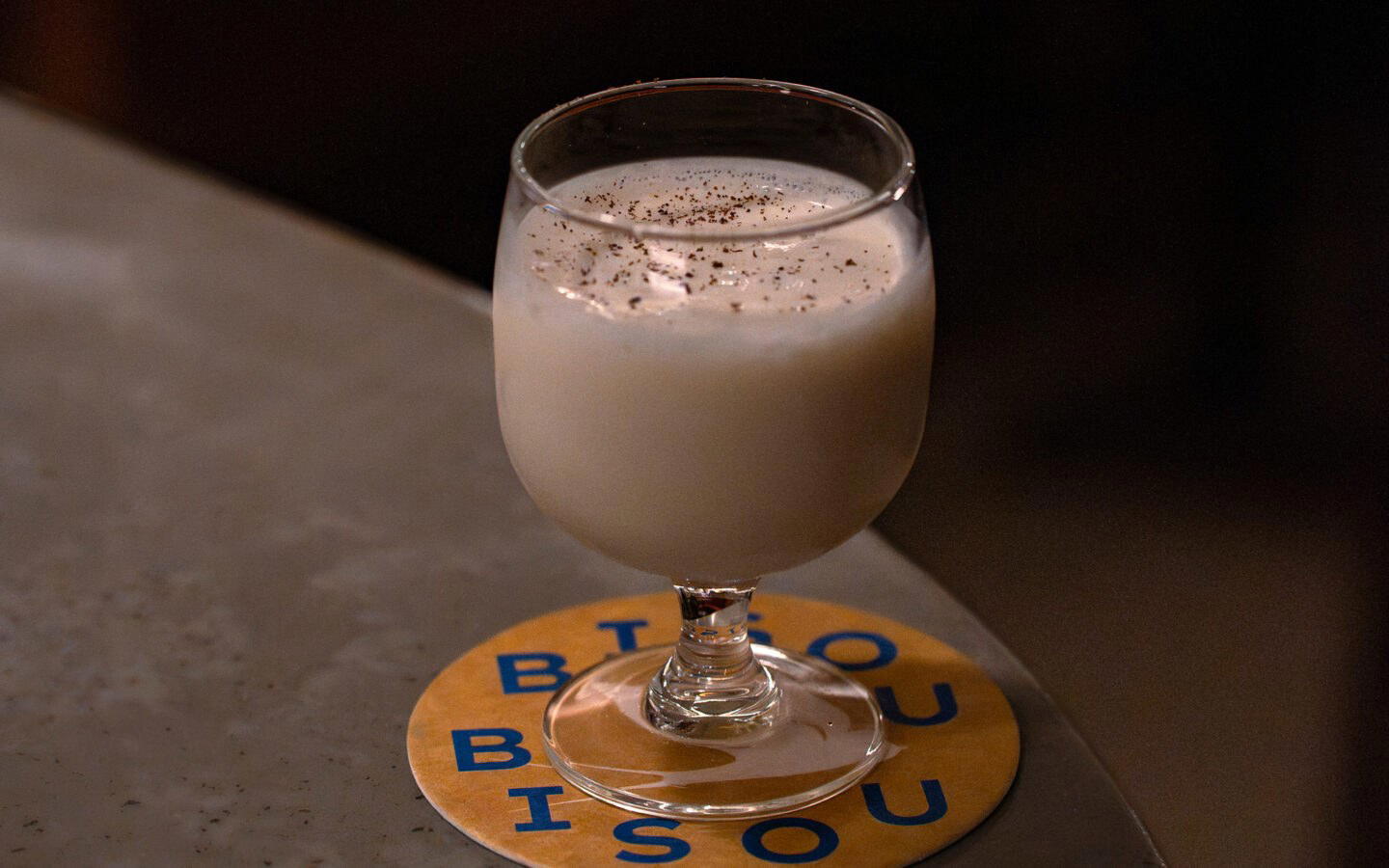
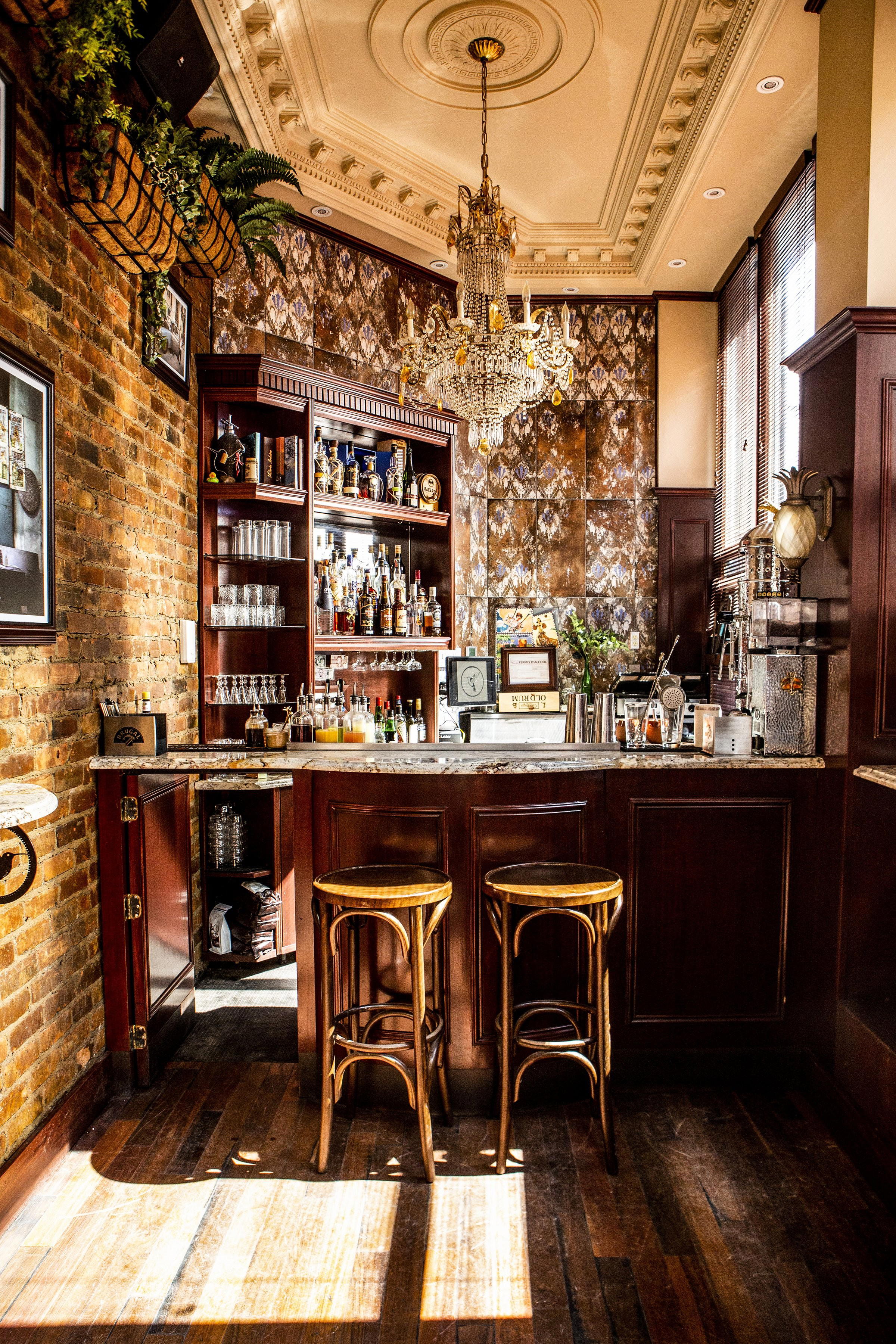
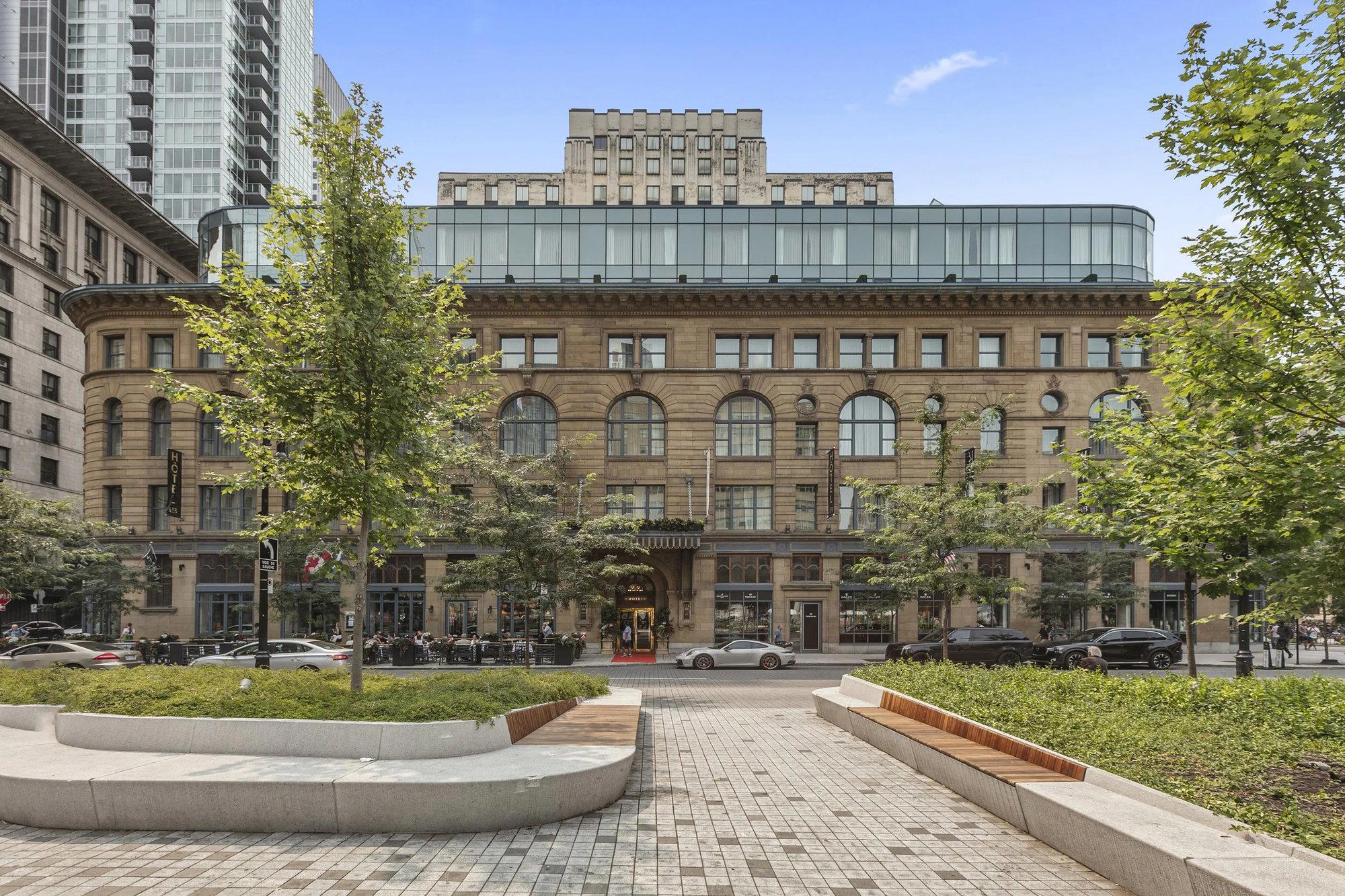
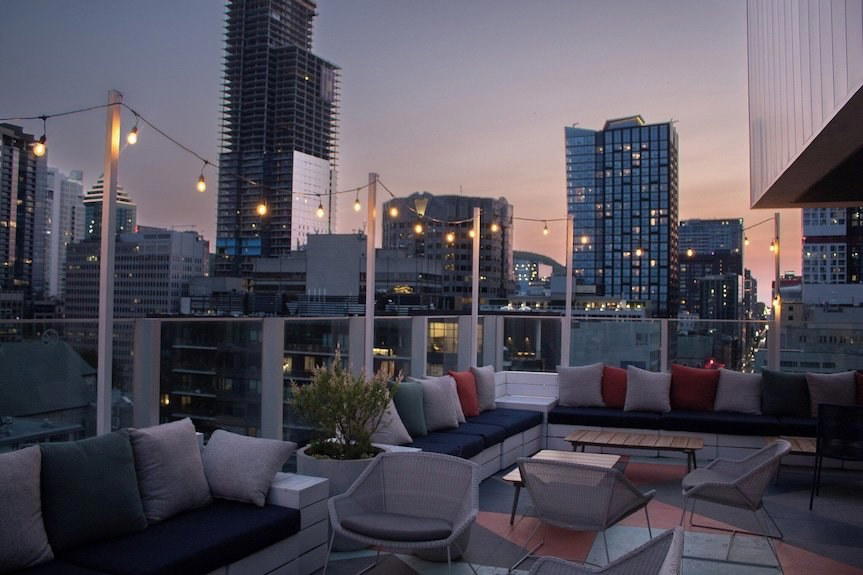
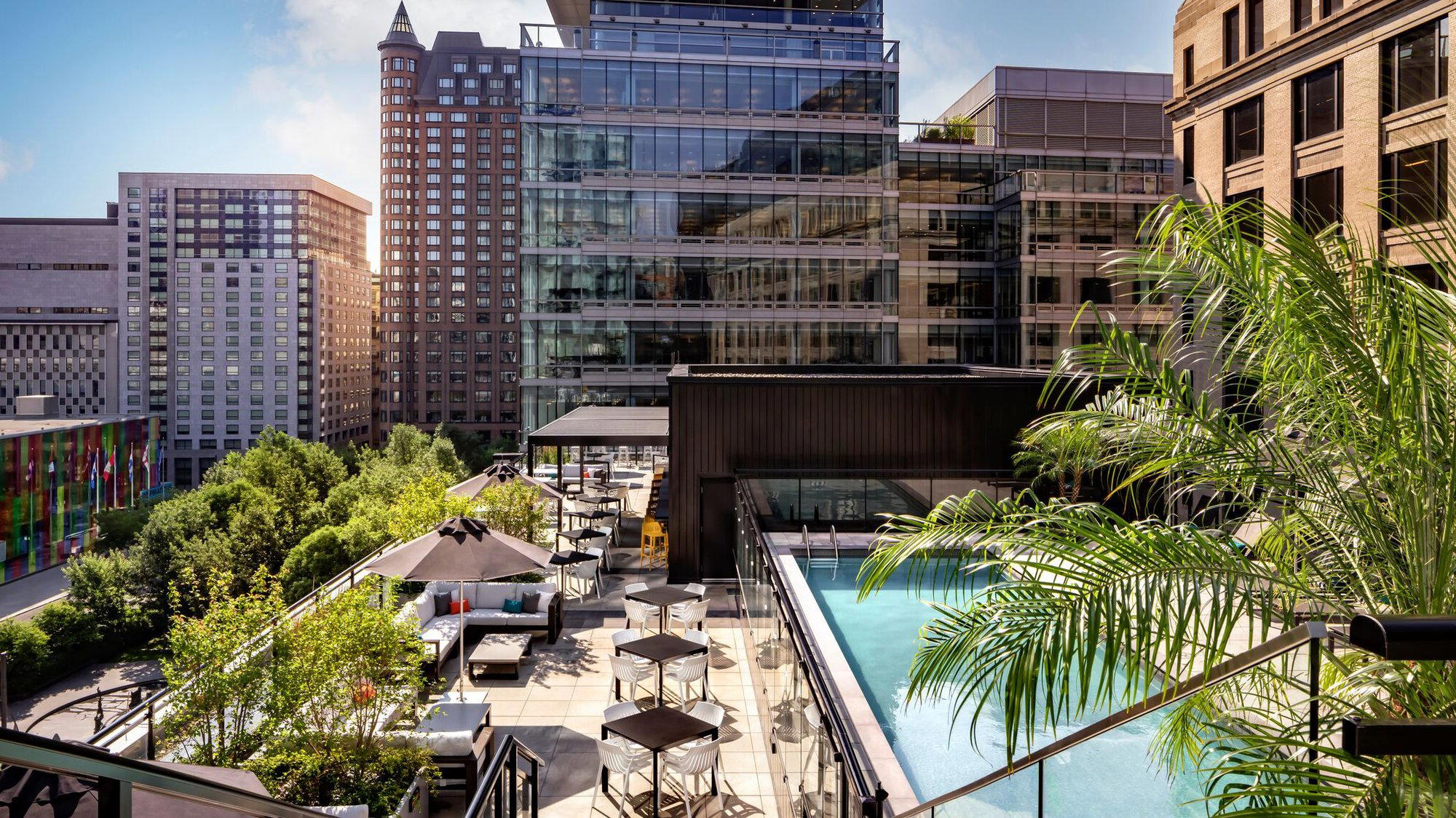
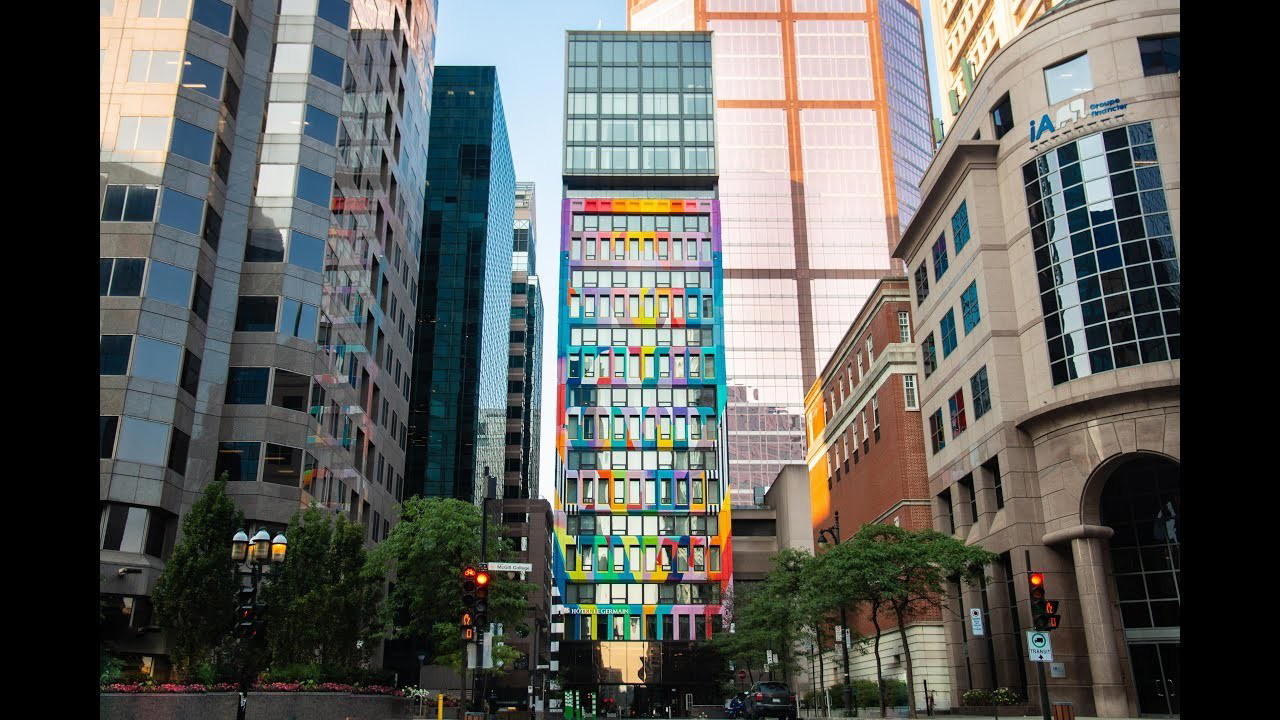
COMMODORE restaurant
The wine
- Wine program
- Curated wine list
- Extensive wine list
- Craft cocktails
Details
- Elegant
- Classic
- Sophisticated
- Trendy
- Date Night
- Brunch
- Business Dinner
- Terrace
- Open Kitchen
- Hotel Restaurant
- Extensive Wine List
- Craft Cocktails
- Local Sourcing
- A La Carte
- Vegan Options
Current opening hours
- Monday
- 6:30 AM–10 PM
- Tuesday
- 6:30 AM–10 PM
- Wednesday
- 6:30 AM–10 PM
- Thursday
- 6:30 AM–10 PM
- Friday
- 6:30 AM–11 PM
- Saturday
- 7 AM–11 PM
- Sunday
- 7 AM–10 PM
Hours can change for holidays and private events. Last verified .
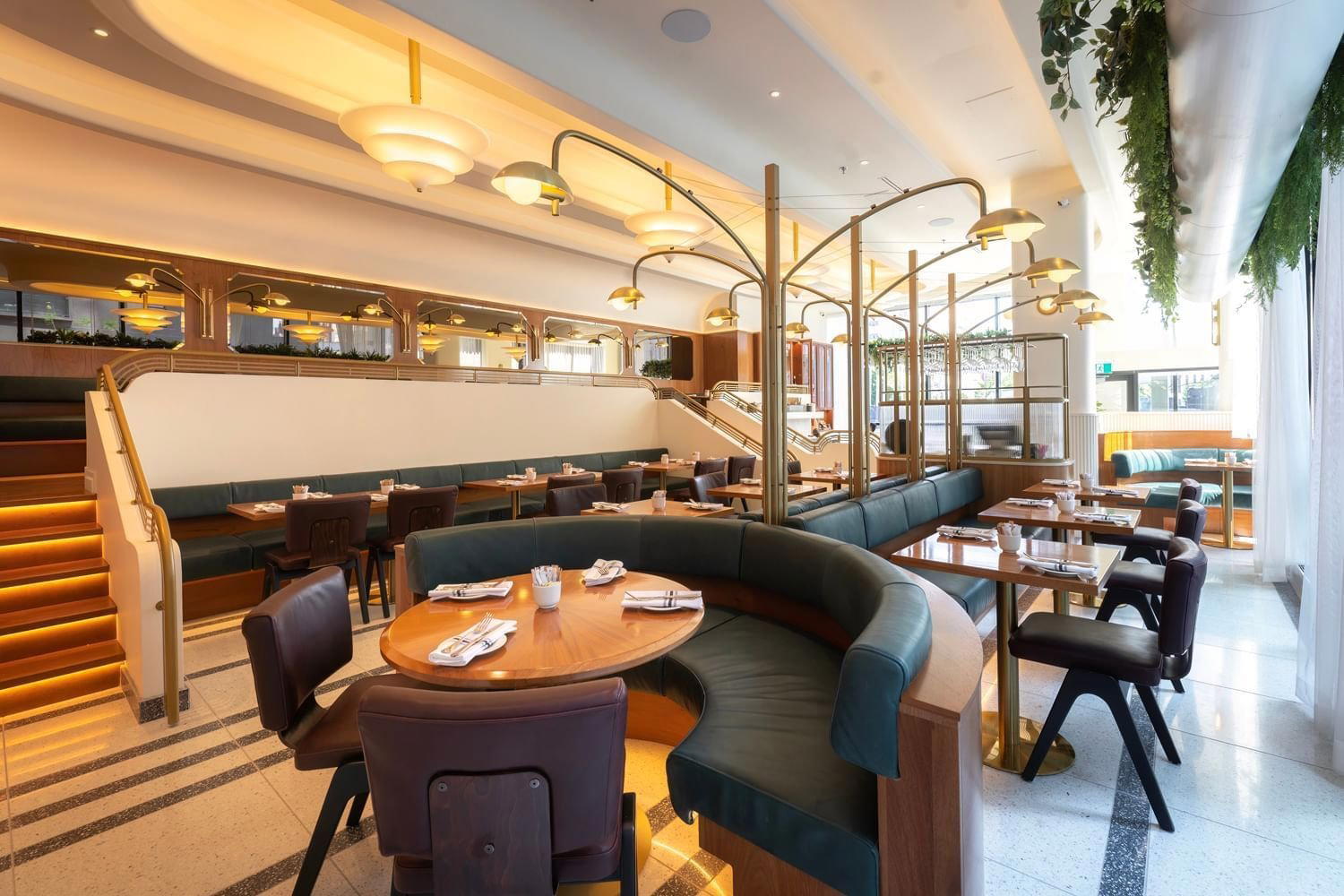
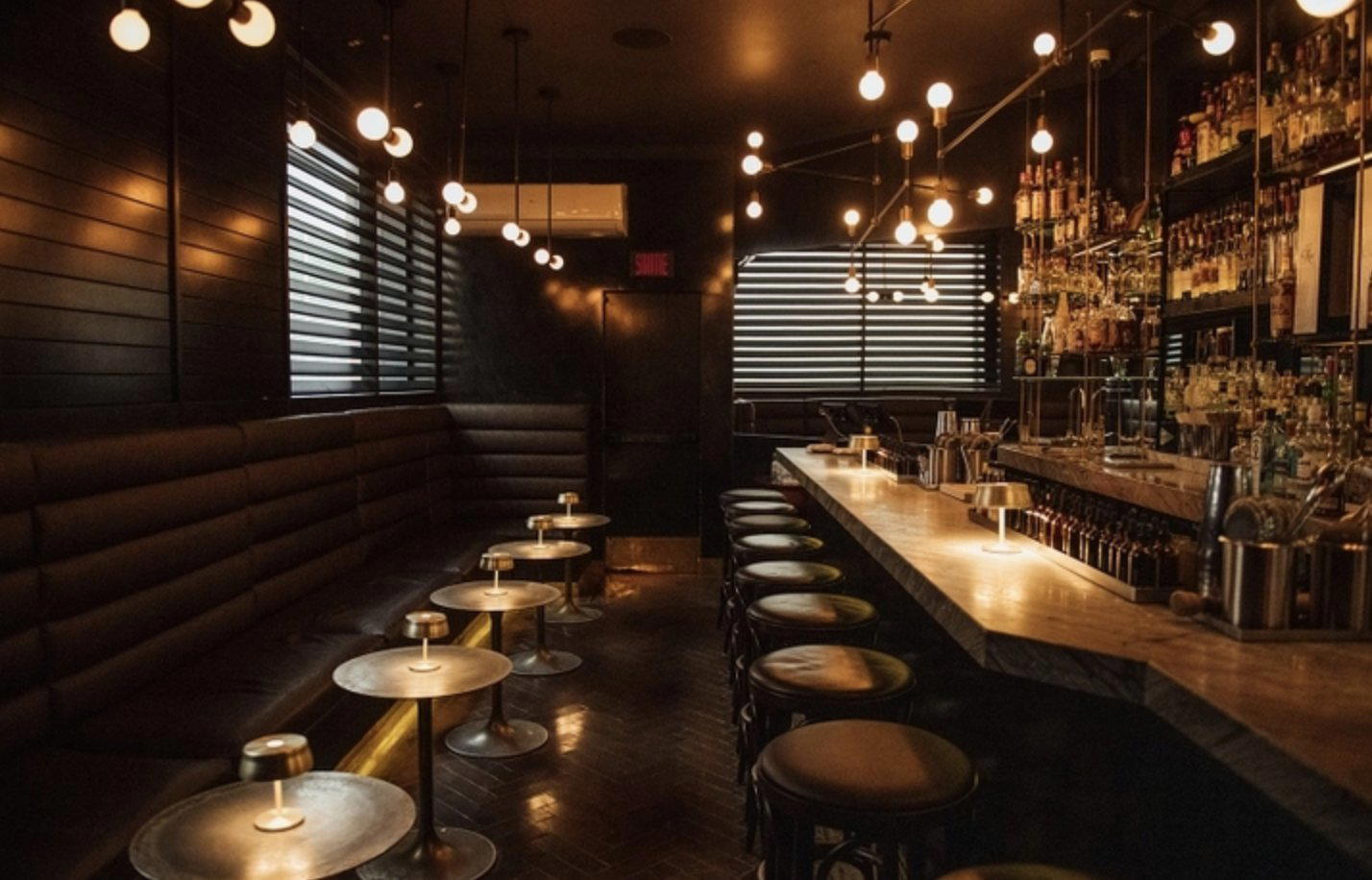
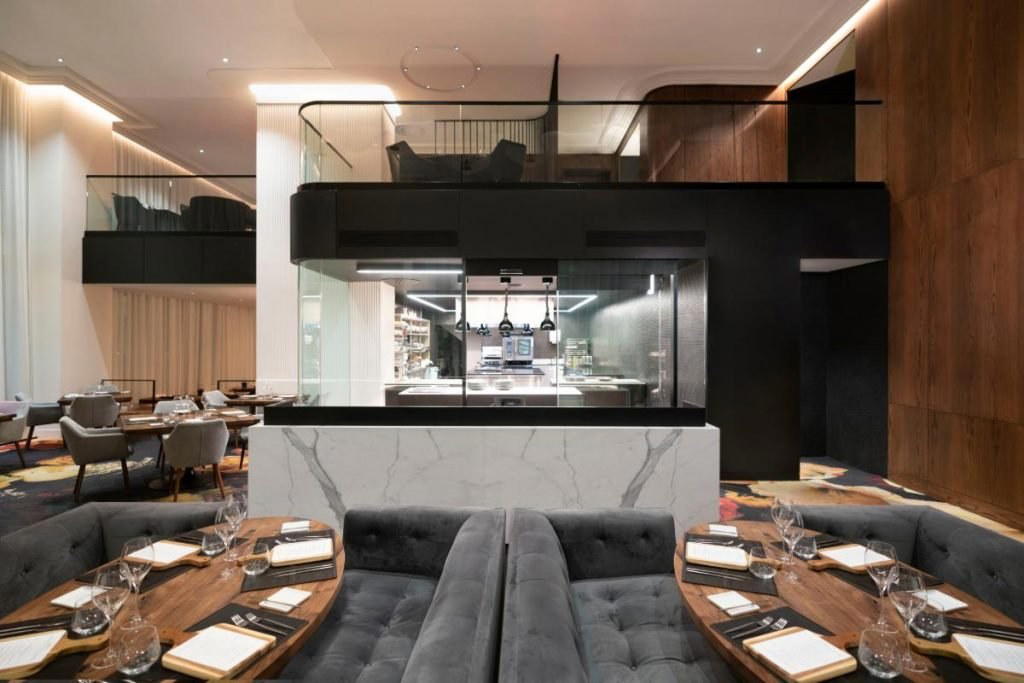
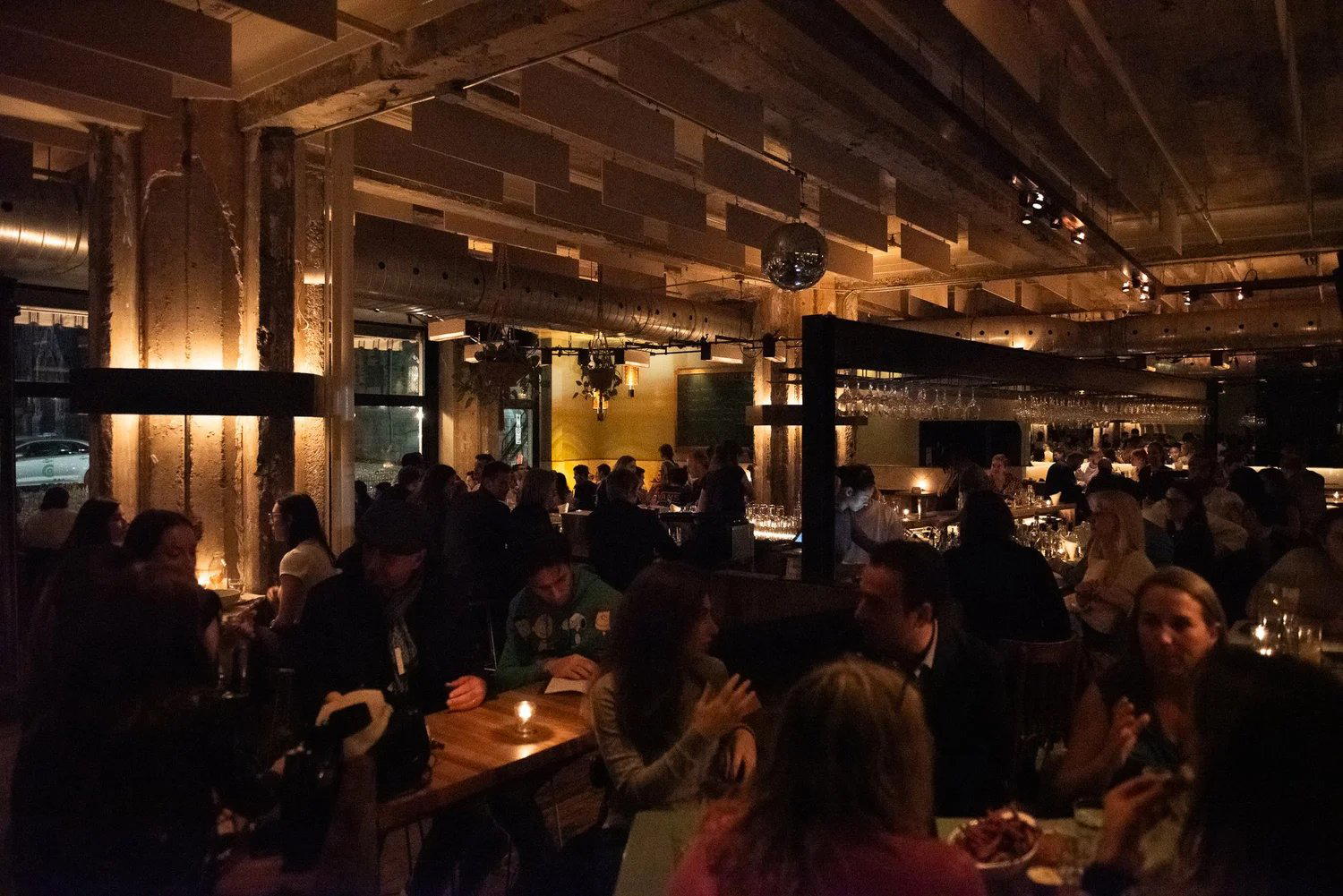
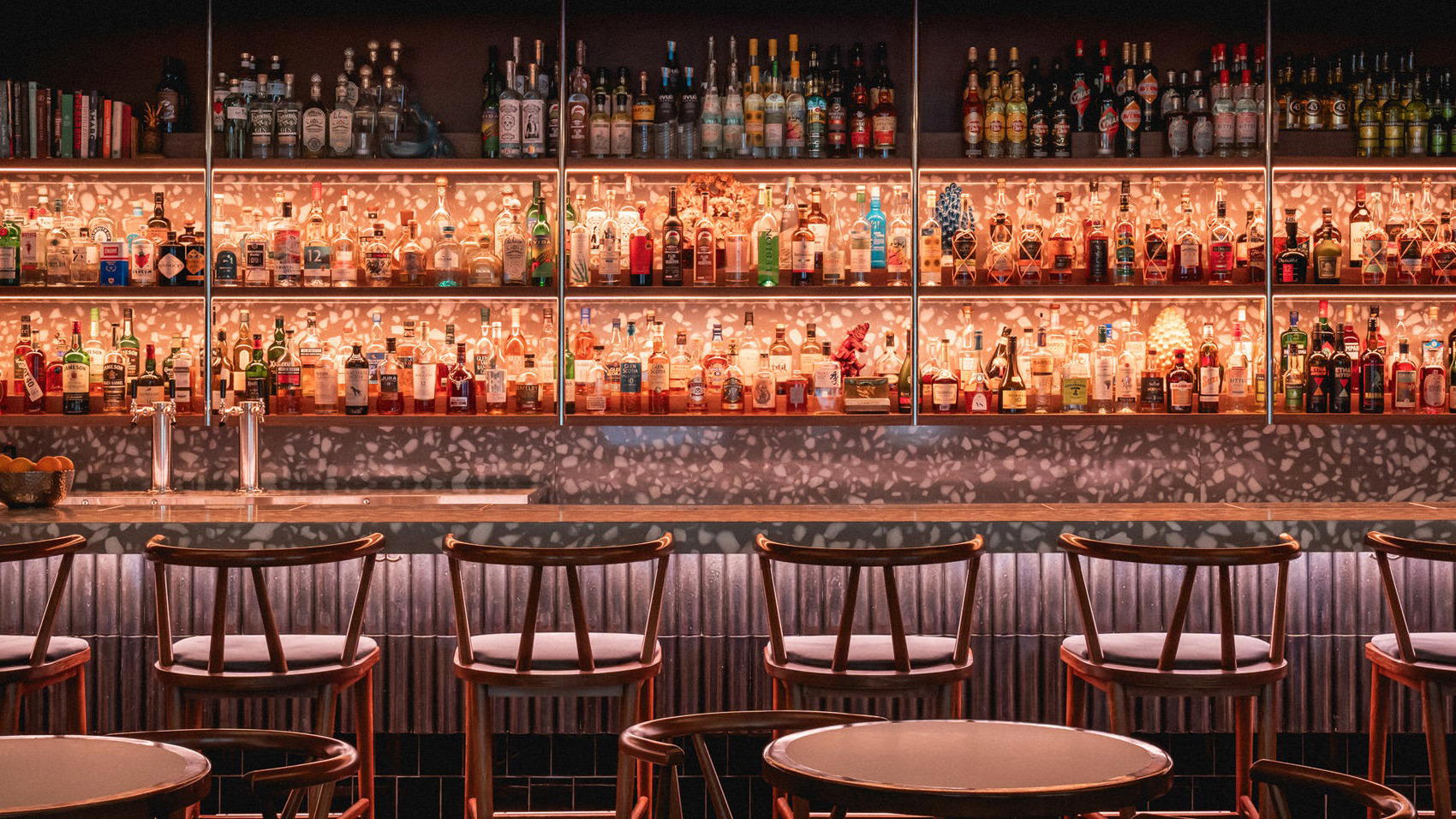
Chic Art Deco interior with terrazzo floors, leather banquettes, foliage, and ambient music at a conversational volume, evoking 1930s cruise ship glamour.