

A Michelin Bib Gourmand corner bistro near Jean-Talon Market, Casavant runs a French-leaning kitchen until midnight with seasonal plates that draw from Quebec producers. The deco-inspired room by Ménard Dworkind and a natural-wine-forward list from the team behind À Boire Debout give the place a coherence that sets it apart from the $$-bracket competition in the Villeray neighbourhood.
Pearl is the En Primeur Club membership app — saves, bookings, and concierge access live there. Same editors, same standards.
- Address
- 350 R. de Castelnau E, Montréal, QC H2R 1P9, Canada
- Phone
- +1 438-380-0970
- Website
- casavantmontreal.com
- Directions
- Get directions
 Saves & bookings on Pearl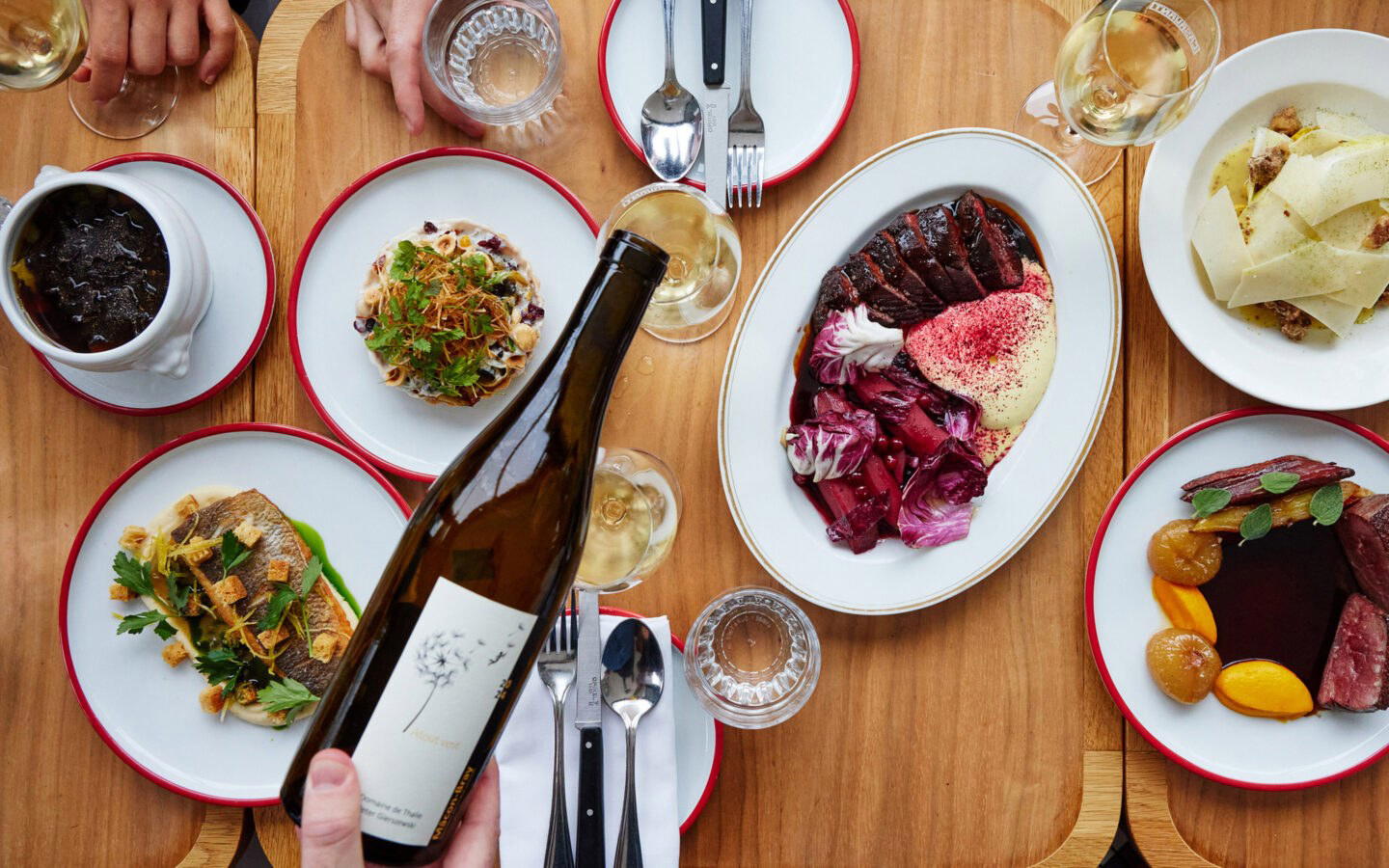
A Corner in Villeray Where French Service Still Runs Late
Montreal's bistro tradition has always been comfortable with late hours and generous plates, but the neighbourhood around Jean-Talon Market has historically played second fiddle to the Mile End or downtown corridors when serious dining comes up in conversation. Casavant, at the corner of Rue de Castelnau Est, is part of a quieter shift: kitchens in this part of the city that cook with real precision, hold their rooms past eleven, and treat front-of-house coordination as a skill rather than an afterthought.
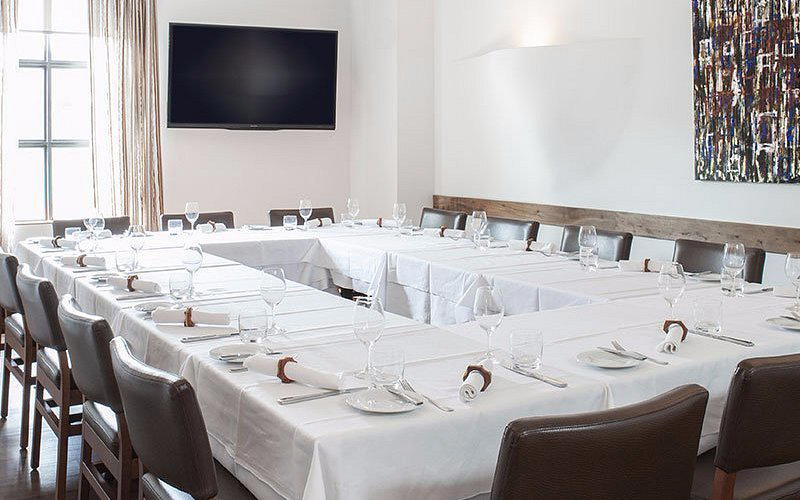
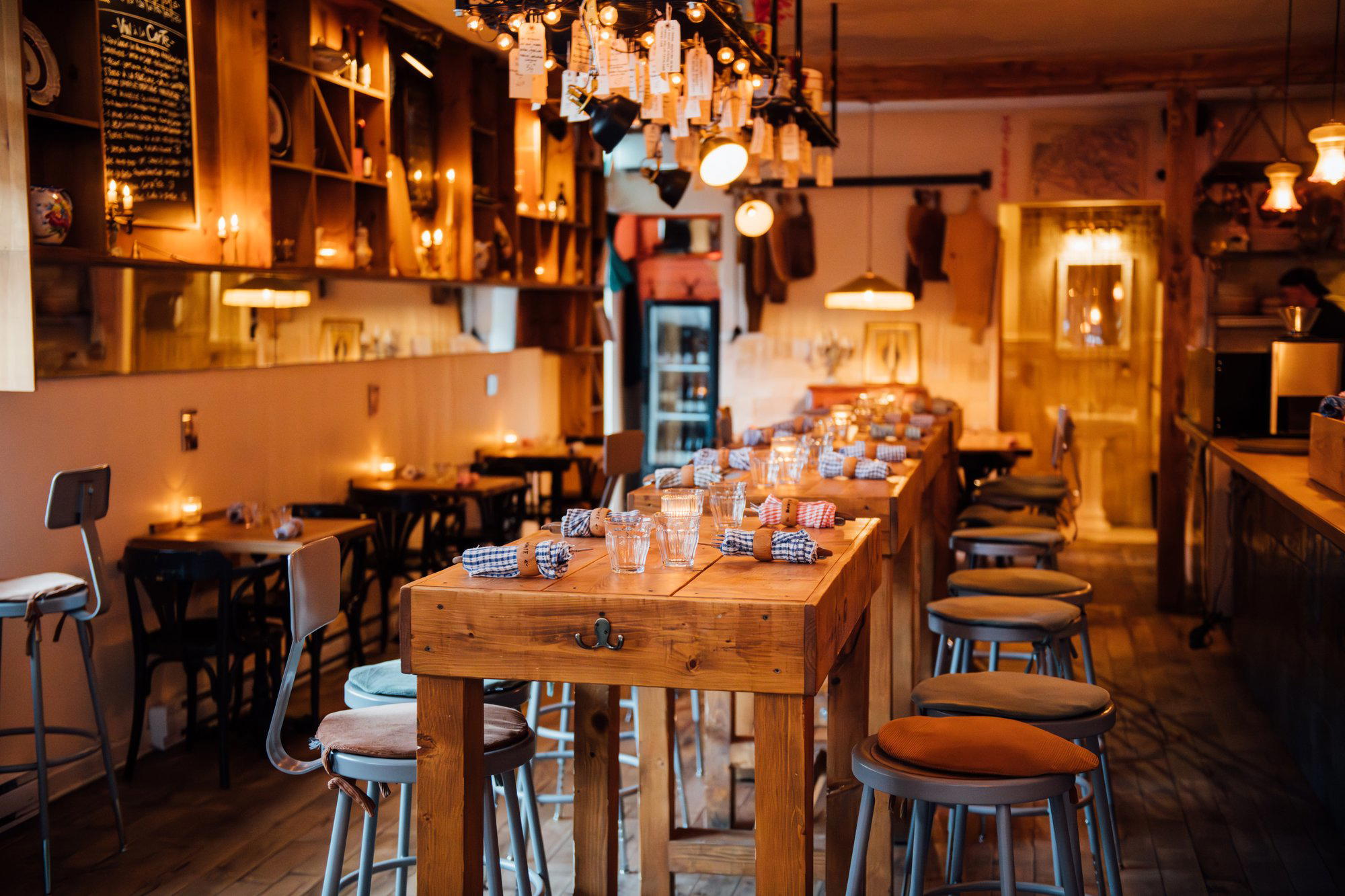
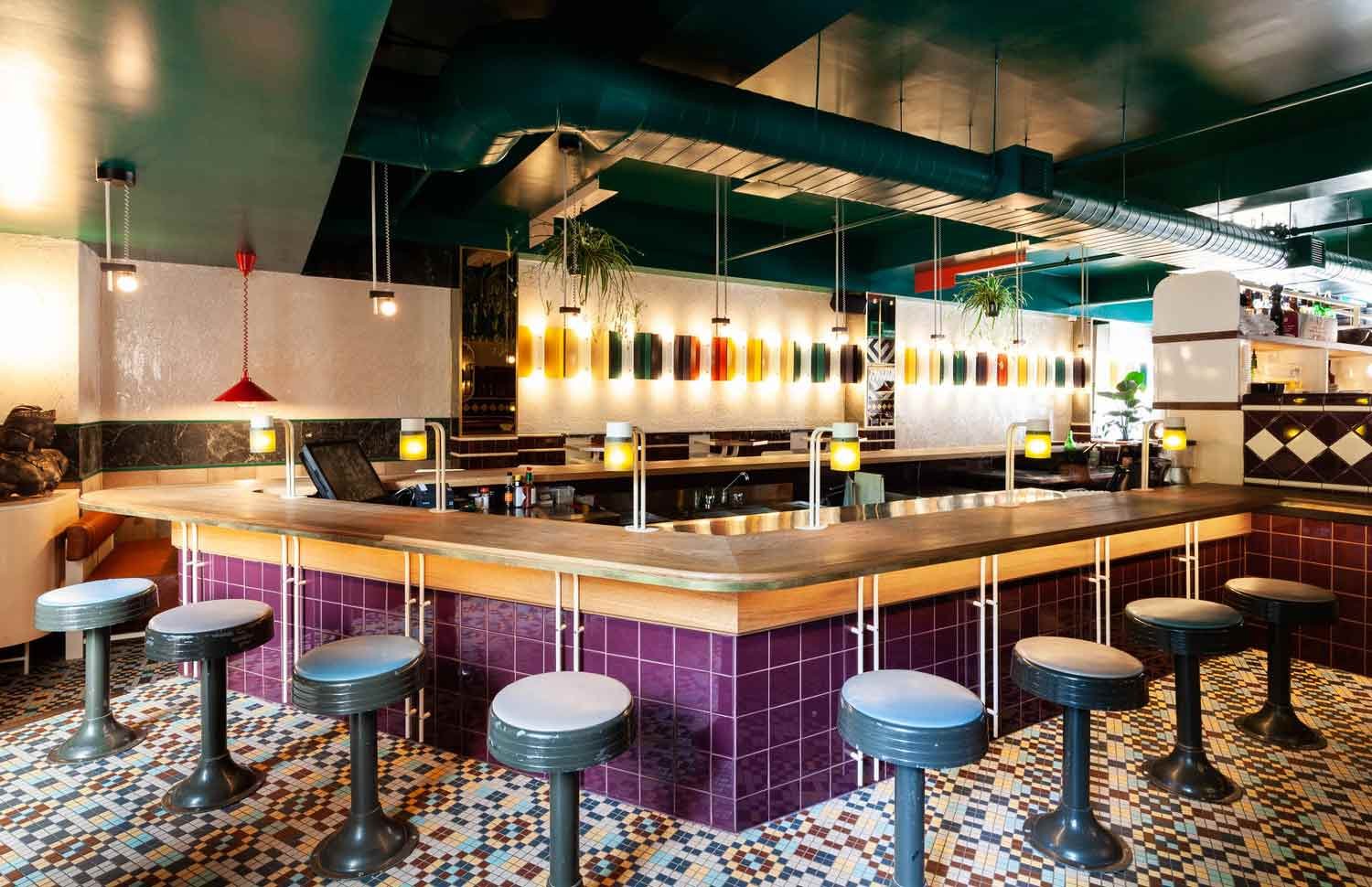
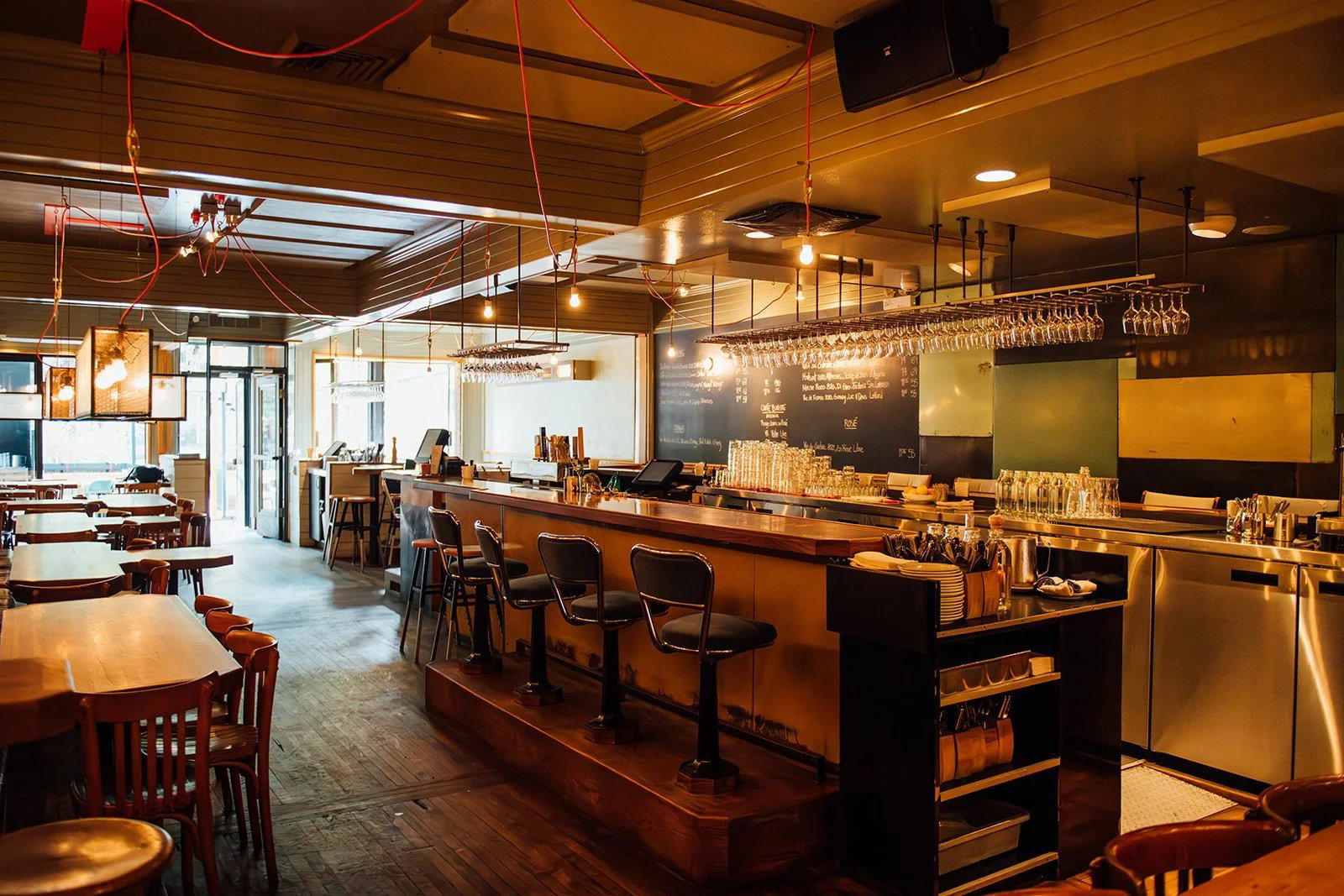
The room, designed by Ménard Dworkind, earns attention before a single plate arrives. Mosaic tile floors, a custom white-oak wine cellar, and a ceiling alcove painted in saturated tones layer together into something that reads as art deco by way of neighbourhood bistro, luminous in daylight, warmer still in the evening. The design does something that matters for a late-night room: it holds energy without forcing it. You can read the space as a lively dinner at nine or a quieter wind-down at eleven, and it accommodates both without feeling thin in either direction.
The Service Architecture
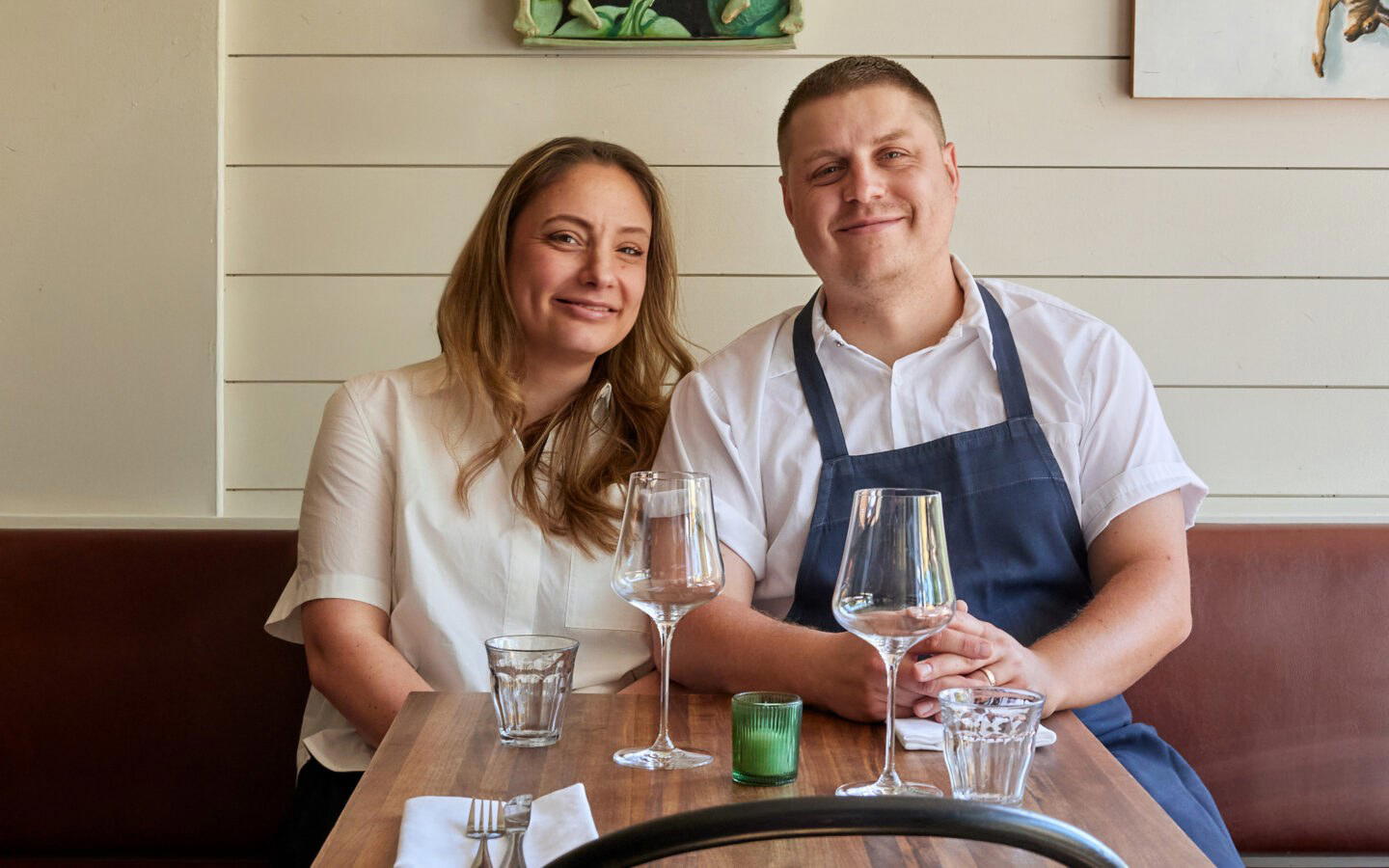
What distinguishes the Casavant experience is how the front-of-house functions as a single coordinated unit rather than a split between floor and cellar. The sommelier, Matisse Deslauriers, is one of four partners behind the restaurant, and that ownership stake shows in how the wine program integrates with the food rather than running alongside it. Deslauriers also co-runs the natural wine agency À Boire Debout, which supplies context for a list that is Eurocentric but not doctrinaire: conventional choices sit alongside the low-intervention bottles that have become standard in Montreal's better rooms, giving the table real options rather than a manifesto.
This matters in the context of French service more broadly. The bistro format at its worst separates wine knowledge from food knowledge, leaving tables to manage the gap themselves. At Casavant, the team around the room, Amélie Demchuk and Geoffroy Gravel among them, alongside chef Charles-Tristan Prévost, appears to operate with shared fluency across the menu. The pacing through a full service reflects that coherence: dishes arrive in sequence rather than in clusters, the rhythm of a long dinner holds, and the kitchen runs until midnight.
For reference, Bouillon Bilk and La Chronique represent Montreal French at a higher price bracket, and Le Club Chasse et Pêche occupies the $$$-$$$$ range where service expectation shifts again. Casavant's position at $$ with Bib Gourmand recognition from the 2025 Michelin Guide places it in a tier where the value-to-execution ratio is the primary claim, and the front-of-house sophistication is distinctive for the price.
What the Kitchen Does with Quebec Seasons
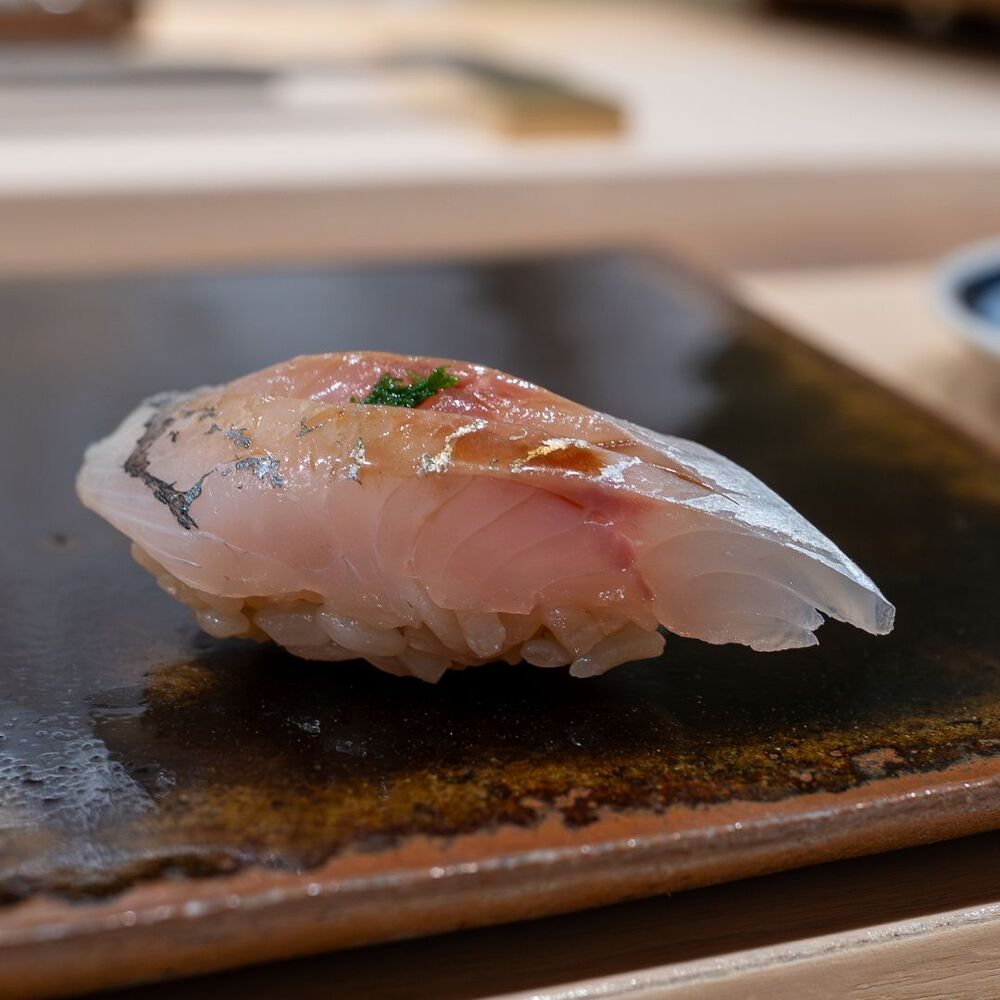
Chef Prévost's approach fits comfortably within what Montreal does with seasonal French cooking: the tag provides a framework and a set of techniques, but the actual sourcing and plating pull from wherever the province delivers in a given week. The saucisse-purée and steak tartare with smoked mackerel are the kind of mainstays that a French kitchen handles as litmus tests, clean, precise, and built on technique rather than decoration. Both appear on the Bib Gourmand citation as signals of consistent execution rather than seasonal ambition.
The seasonal rotation brings in halibut from Gaspésie, littleneck clams, chanterelles, Quebec corn, and sea asparagus when the timing is right, along with squid ink paccheri with poached lobster and à l'américaine sauce. These are generous plates designed to anchor a table rather than tease it, which is consistent with the broader bistro format: the cooking aims for satisfaction with the meal as a whole, not novelty in any single bite. The portions reflect a kitchen that wants the table to settle in and stay past midnight if the mood holds.
This puts Casavant in a different register from the tasting-menu model at Le Mousso or the formal architecture of Maison Boulud. The comparison that maps more cleanly is to L'Express a few kilometres south: both operate in the French bistro format, both hold late hours, and both are anchored by a small set of well-executed classics. Casavant's advantage is the integrated wine program and the Ménard Dworkind room, which sit above what the $$-bracket typically builds.
Quebec French Cooking in a Broader Canadian Frame
Montreal's French-influenced cooking occupies a specific lane within Canadian dining. The province's geography and French linguistic tradition create a culinary reference set that looks east to France and inward to Quebec producers before looking to the rest of North America. That orientation shows up in how a restaurant like Casavant sources: Gaspésie halibut, local chanterelles, and Quebec corn are not decorative regional gestures but the actual supply chain the kitchen builds around.
Elsewhere in Canada, restaurants working in analogous territory include Alo in Toronto and AnnaLena in Vancouver, both of which draw on French technique with regional sourcing. Within Quebec itself, Tanière³ in Québec City and Narval in Rimouski represent the province's capacity at different price points and scales. At the wine production end, Restaurant Pearl Morissette in Lincoln and The Pine in Creemore show how Ontario is building a comparable tradition with estate sourcing. For the French reference points that inform a kitchen like Casavant's technique, Hotel de Ville Crissier in Switzerland and L'Effervescence in Tokyo illustrate how French-trained discipline travels across different culinary contexts.
Planning a Visit
Casavant sits at 350 Rue de Castelnau Est in Montreal's Villeray neighbourhood, close to Jean-Talon Market and within walking distance of the Jean-Talon metro station on the orange line. The kitchen runs full service until midnight, which makes it viable for late arrivals and post-theatre dinners in a city where that kind of late window is increasingly rare at this cooking level. The price range at $$ makes it accessible relative to Montreal's French upper tier, and the Bib Gourmand recognition from the 2025 Michelin Guide provides an external benchmark for what to expect from the kitchen.
The Quick Read
Comparable venues nearby, for context on price, style, and recognition.
| Venue | Cuisine | Price | Notes |
|---|---|---|---|
| CasavantThis venue — the venue you are viewing | Parc-Jarry, Modern French Bistro | $$ | Not listed |
| Restaurant de l'ITHQ | Not listed | $$ | La Fontaine Park, Modern Quebecois Fine Dining |
| Rôtisserie La Lune | La Petite-Italie, Québécois Rotisserie | $$ | Not listed |
| Olive & Gourmando | Vieux Montréal, French Bakery Café | $$ | Not listed |
| Joe Beef | Not listed | $$$$ | Petit Bourgogne, French Bistro with Québec Terroir |
| Place Carmin | Vieux Montréal, Modern French Brasserie | $$$ | Not listed |
Recognition history
Dated appearances from independent guides and award organizations, with the underlying list record or original source where available.
Canada's 100 Best Restaurants #100
Canada's 100 Best
Michelin Bib Gourmand
Michelin
Canada's 100 Best Restaurants #31
Canada's 100 Best
Michelin Bib Gourmand
Michelin
At a Glance
- Lively
- Cozy
- Elegant
- Modern
- Date Night
- Casual Hangout
- Late Night
- Open Kitchen
- Natural Wine
- Local Sourcing
- Street Scene
Current opening hours
- Monday
- 5 PM–12 AM
- Tuesday
- 5 PM–12 AM
- Wednesday
- 5 PM–12 AM
- Thursday
- 11:30 AM–2 PM, 5 PM–12 AM
- Friday
- 11:30 AM–2 PM, 5 PM–12 AM
- Saturday
- 5 PM–12 AM
- Sunday
- 5 PM–12 AM
Hours can change for holidays and private events. Last verified .
Luminous Art Deco-inspired space with natural light, mosaic floors, custom wine cellar, and lively ceiling mural, creating a welcoming, convivial atmosphere.