Boku sits on Gristmill Lane in Toronto's Distillery District-adjacent stretch, operating at the intersection where imported culinary techniques meet Canadian-sourced product. The address places it among a cluster of serious independent restaurants pushing the city's dining conversation forward, though the venue's specific format and cuisine remain deliberately low-profile compared to its neighbours.
Pearl is the En Primeur Club membership app — saves, bookings, and concierge access live there. Same editors, same standards.
- Address
- 42 Gristmill Lane, Toronto, ON M5A 3C6, Canada
- Phone
- +14163688686
- Website
- bokurestaurant.com
- Directions
- Get directions
 Saves & bookings on Pearl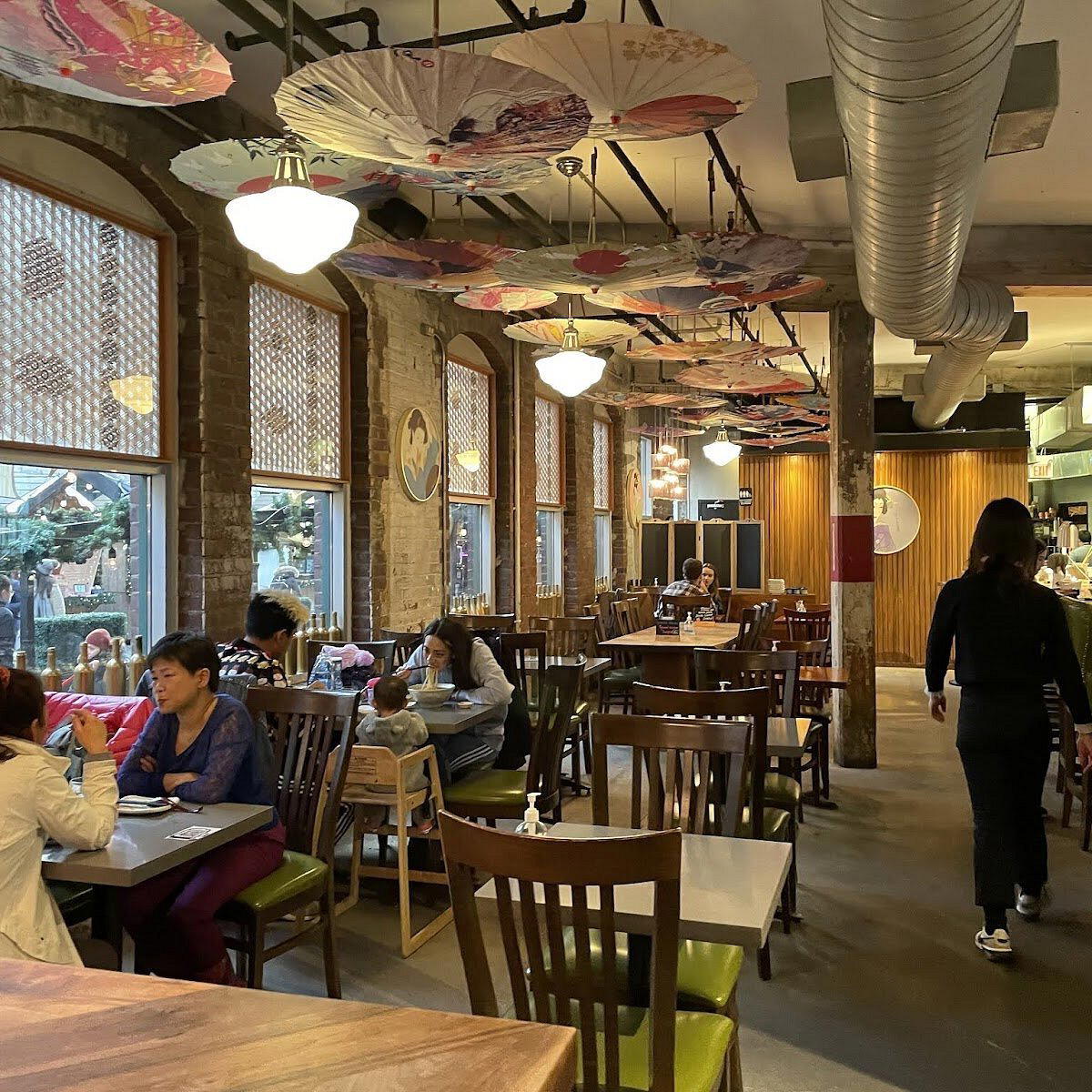
Where Gristmill Lane Meets the Global Kitchen
Boku is a restaurant in Toronto, Ontario, serving Pan-Asian Ramen & Noodle Bar fare at 42 Gristmill Lane. Gristmill Lane, tucked into the post-industrial corridor that defines this part of the city, belongs firmly to the second category. Approaching the address at 42 Gristmill Lane, the surroundings are all exposed brick, worn cobblestone, and the particular ambient quiet that comes from a street that hasn't been over-programmed for tourism. The setting primes a certain kind of expectation before you reach the door.
Boku occupies that address with what appears to be deliberate restraint. Boku's quieter positioning places it in a different conversation.
The Canadian Larder, Read Through Imported Methods
The editorial angle most relevant to understanding where Boku fits is one that runs through much of Canada's serious independent dining right now: the application of technique drawn from French, Japanese, Nordic, or other established traditions to a larder that is genuinely specific to this country. It is a framework that produces particularly interesting cooking on the continent when it works, and it is the approach that defines the ambitious tier of Canadian restaurants operating outside the celebrity-chef circuit.
At its most considered, this mode of cooking requires a deep accountability to sourcing. The technique is portable; the ingredient is not. What separates the serious practitioners from the formulaic ones is how honestly they engage with what Ontario, and Canada more broadly, actually produces, the cold-water fish, the heritage grains, the foraged material that shifts with the season, the dairy from farms operating at a different scale than their European counterparts. Tanière³ in Quebec City and Restaurant Pearl Morissette in Lincoln represent different expressions of this same commitment: rooting ambitious cooking in what the local terrain actually yields rather than importing a full European mise-en-place and calling it local.
In Ontario, the conversation is inflected by proximity to some of the country's most productive agricultural zones. The Niagara escarpment, the counties east of Toronto, the Great Lakes fishery, these are not abstract terroir references but active supply chains that the leading kitchens in the province engage with at a granular level. The Pine in Creemore and Eigensinn Farm in Singhampton both operate in this register, connecting technique to specific regional product in ways that give their menus a geographic legibility. The ambition at 42 Gristmill Lane appears to sit within this tradition.
Toronto's Independent Tier: What the Address Says
Location in Toronto carries more editorial weight than it might in cities with more diffuse dining cultures. The Distillery District and its adjacent streets have, at various points, functioned as incubators for independent operators willing to take on unusual spaces in exchange for a degree of creative latitude not always available in the city's more trafficked corridors. The tradeoff is discoverability: foot traffic is lower, but the clientele that makes the deliberate journey tends to be more engaged.
This dynamic is not distinctive to Toronto. AnnaLena in Vancouver and Jérôme Ferrer's Europea in Montreal both demonstrate that address-specific rooms in Canadian cities can sustain serious culinary programs without the infrastructure of a major hotel group or a marquee chef's national profile behind them. The model depends on word-of-mouth, critical attention, and a returning local clientele rather than tourist volume. It is, the more durable model.
The Canadian independent dining scene at its outer edges, Fogo Island Inn's dining room in Joe Batt's Arm, Narval in Rimouski, Cafe Brio in Victoria, demonstrates that the local-ingredients, global-technique framework operates across every scale and geography. What changes is the specific larder and the specific tradition being applied to it. In Toronto, the tradition is more plural: the city's demographic complexity means that the techniques in circulation range across Japanese precision, French classical structure, Scandinavian preservation logic, and West African fermentation culture, often within a few blocks of each other.
For international reference, the approach has analogues at rooms like Le Bernardin in New York City, where technique and product accountability operate at the highest level of alignment, and Lazy Bear in San Francisco, where the format is built around a specific culinary philosophy rather than a conventional service model. The ambition, if not the scale, is comparable. See Busters Barbeque in Kenora for a reminder that the same Canadian product conversation plays out in entirely different registers elsewhere in Ontario.
Planning Your Visit
Boku recommends reservations and operates on a casual dress code.
Reservations are recommended. Address: 42 Gristmill Lane, Toronto, ON M5A 3C6, Canada. Dress: casual. Budget: about $20 per person.
What It’s Closest To
Comparable venues nearby, for context on price, style, and recognition.
| Venue | Cuisine | Price | Notes |
|---|---|---|---|
| BokuThis venue — the venue you are viewing | Pan-Asian Ramen & Noodle Bar | $$ | Not listed |
| KINKA IZAKAYA ORIGINAL | Authentic Japanese Izakaya | $$ | Church and Wellesley |
| Hanmoto | Japanese-American Fusion Izakaya | $$ | Little Italy |
| Valerie | Modern Japanese Fusion | $$$ | Niagara |
| Kevin's Taiyaki | Japanese Taiyaki | $ | Koreatown |
| Muni Robata | Modern Japanese Robata Grill | $$$ | Kensington-Chinatown |
Continue exploring
More in Toronto
Restaurants in Toronto
Browse all →
Bars in Toronto
Browse all →
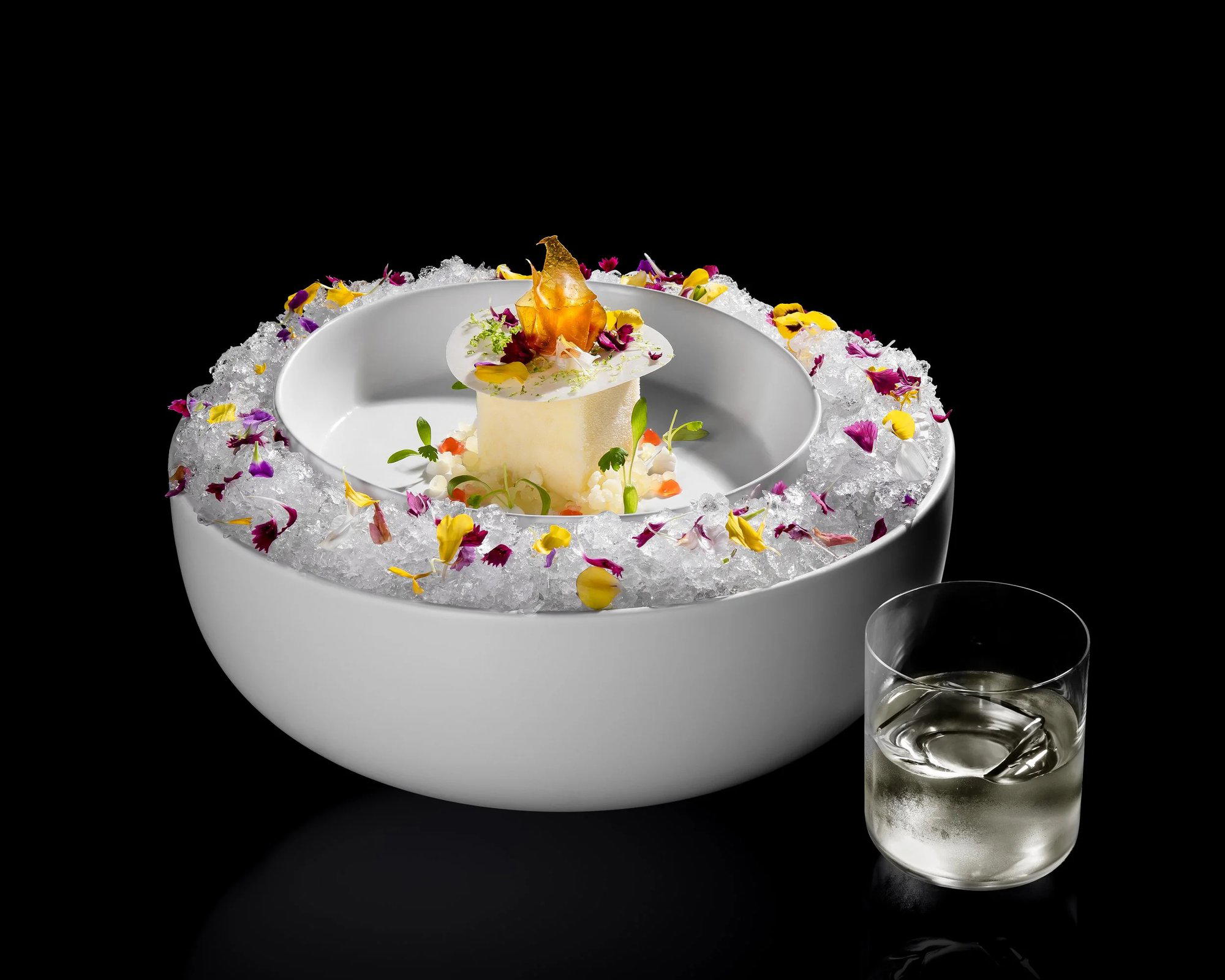
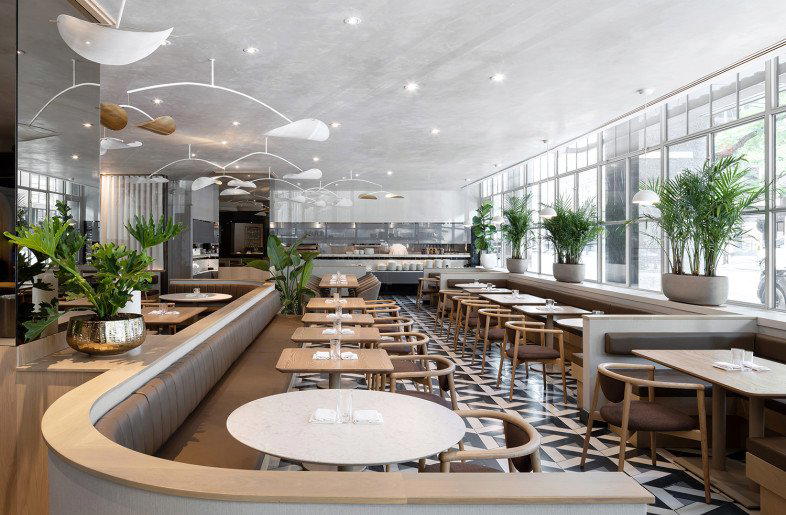
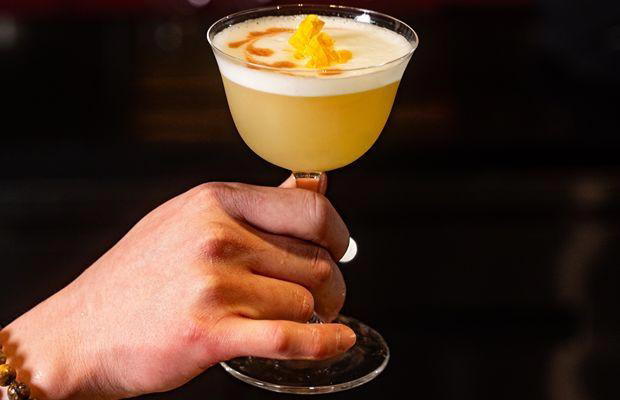
Hotels in Toronto
Browse all →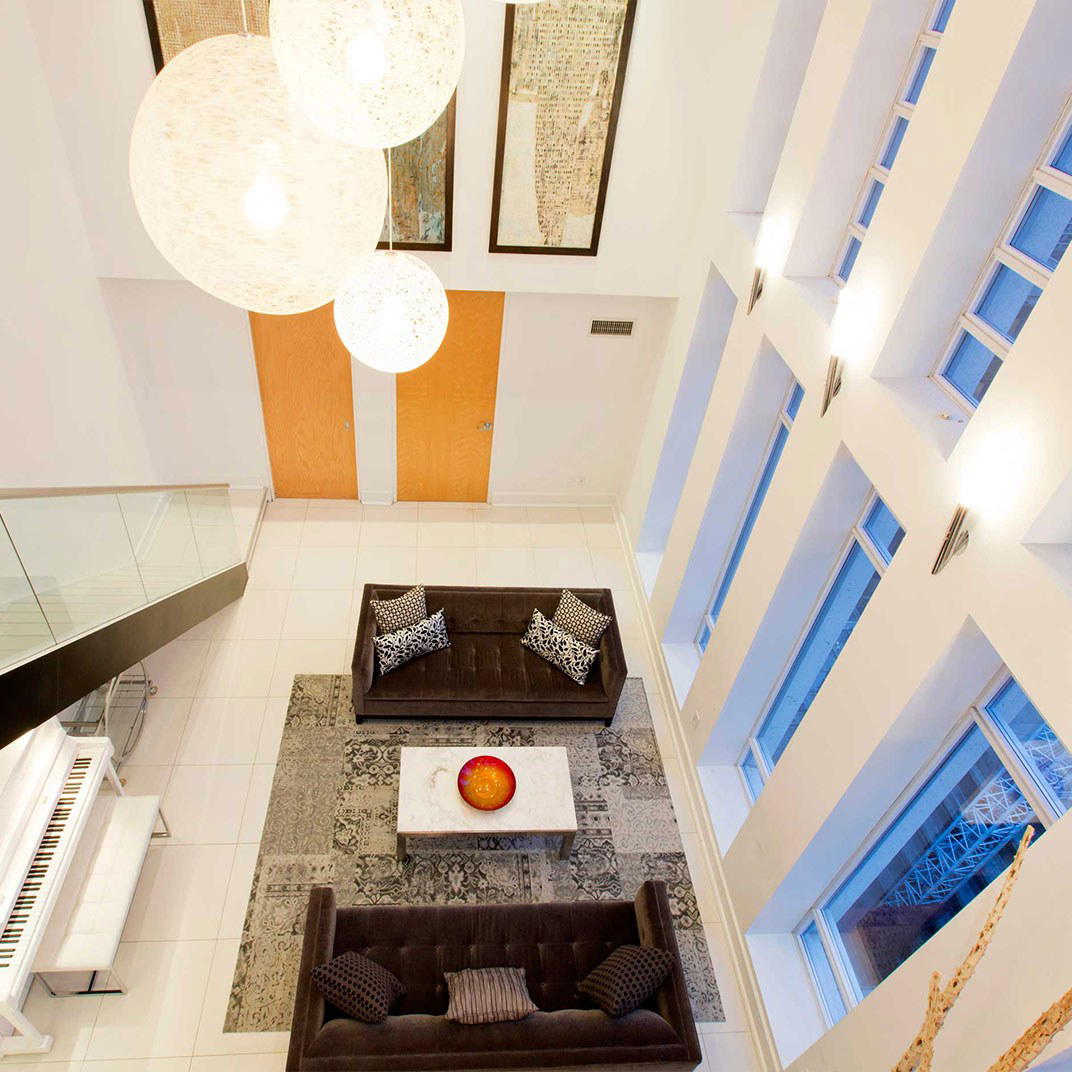


At a Glance
- Casual
- Modern
- Cozy
- Industrial
- Casual Hangout
- Group Dining
- Family
- Open Kitchen
- Standalone
- Historic Building
- Sake Program
- Beer Program
- Craft Cocktails
Current opening hours
- Monday
- 12–8:30 PM
- Tuesday
- 12–8:30 PM
- Wednesday
- 12–8:30 PM
- Thursday
- 12–8:30 PM
- Friday
- 12–9 PM
- Saturday
- 12–9 PM
- Sunday
- 12–8:30 PM
Hours can change for holidays and private events. Last verified .
Industrial-chic décor with Japanese parasols, long bar on one side, tables by windows, partly open kitchen, close table spacing, English music playing, minimalist Japanese decoration.