Our verdict
Kingyo on Denman Street is a long-standing fixture of Vancouver's izakaya scene, drawing a loyal neighbourhood crowd to its lantern-lit room on the West End strip. The kitchen leans into Japanese drinking-food traditions — small plates built for sharing over multiple rounds — in a format that rewards repeat visits more than single-occasion dining.

Pearl is the En Primeur Club membership app — saves, bookings, and concierge access live there. Same editors, same standards.
- Address
- 871 Denman St, Vancouver, BC V6G 2L9, Canada
- Phone
- (604) 608-1677
- Hours
- Daily 12–3:30 PM, 4:30–11 PM
- Website
- kingyo-izakaya.ca
- Directions
- Get directions
- Booking
- Book on OpenTable
The menu
What to order
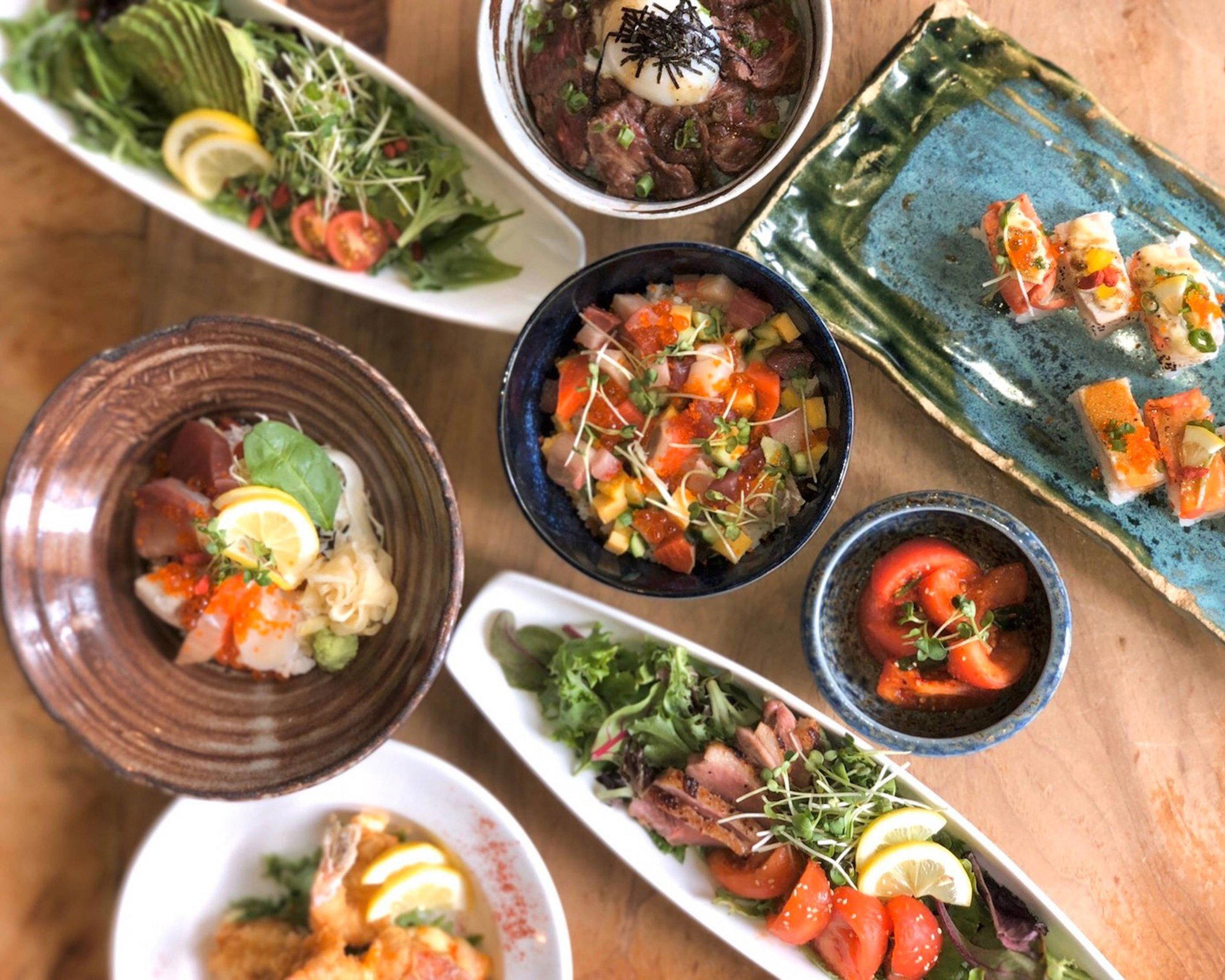
- Corn ribs
- Pressed salmon sushi
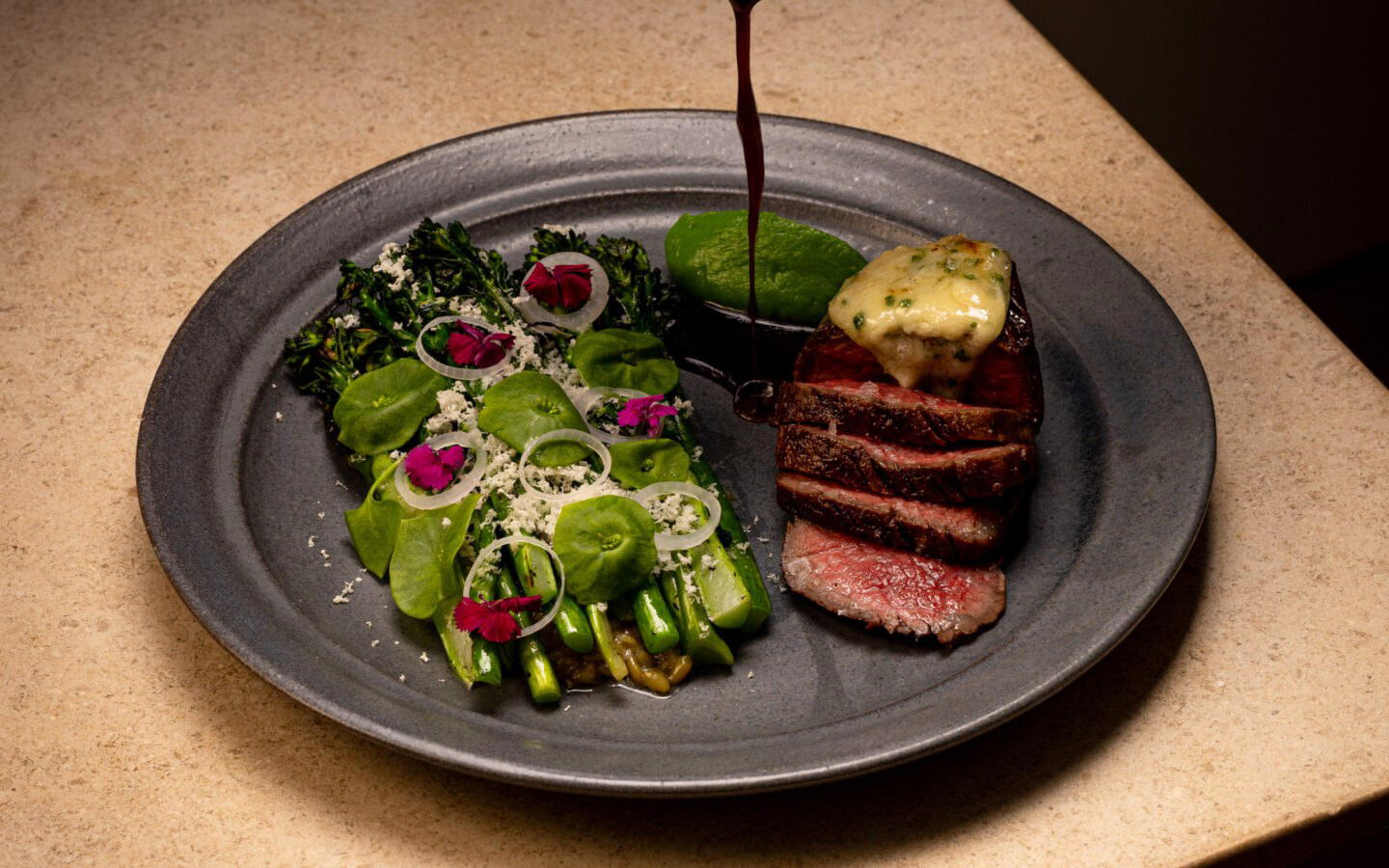
- Stone-grilled wagyu
- Black cod miso
Denman Street After Dark
Denman Street runs through Vancouver's West End with the kind of low-key residential energy that produces reliable neighbourhood institutions rather than destination-dining spectacles. The blocks between English Bay and Stanley Park have their own rhythm: dog walkers at dusk, apartment dwellers looking for somewhere to eat without crossing town, and the occasional visitor who strays from the waterfront. Kingyo, at 871 Denman, sits inside that rhythm. The lantern-hung facade signals something distinct from the pizza-and-pasta strip that fills out much of the street — this is Japanese izakaya, the drinking-and-eating format that treats small plates as punctuation between rounds rather than as a structured progression toward a single main course.
Izakaya culture arrived in Vancouver well before it became fashionable in North American restaurant press. The city's Japanese-Canadian community created early demand, and the West End in particular developed a concentration of casual Japanese spots that has no direct equivalent in other Canadian cities. By the time Vancouver's premium Japanese dining category pushed upward toward the omakase tier represented by venues like Masayoshi, the izakaya format had already been running its own track for years — cheaper, louder, built for groups, and fundamentally different in intent. Kingyo operates in that tradition.
What Regulars Come Back For
The regulars' relationship with an izakaya is different from their relationship with a tasting-menu restaurant. There is no set sequence to master, no single dish that defines the experience, no chef's narrative arc to follow. The format rewards familiarity in smaller, more incremental ways: knowing which plates translate well across seasons, understanding how the kitchen paces its output during busy service, learning which combinations of dishes work leading over a two-hour sitting. That kind of knowledge accumulates through repetition, not research.
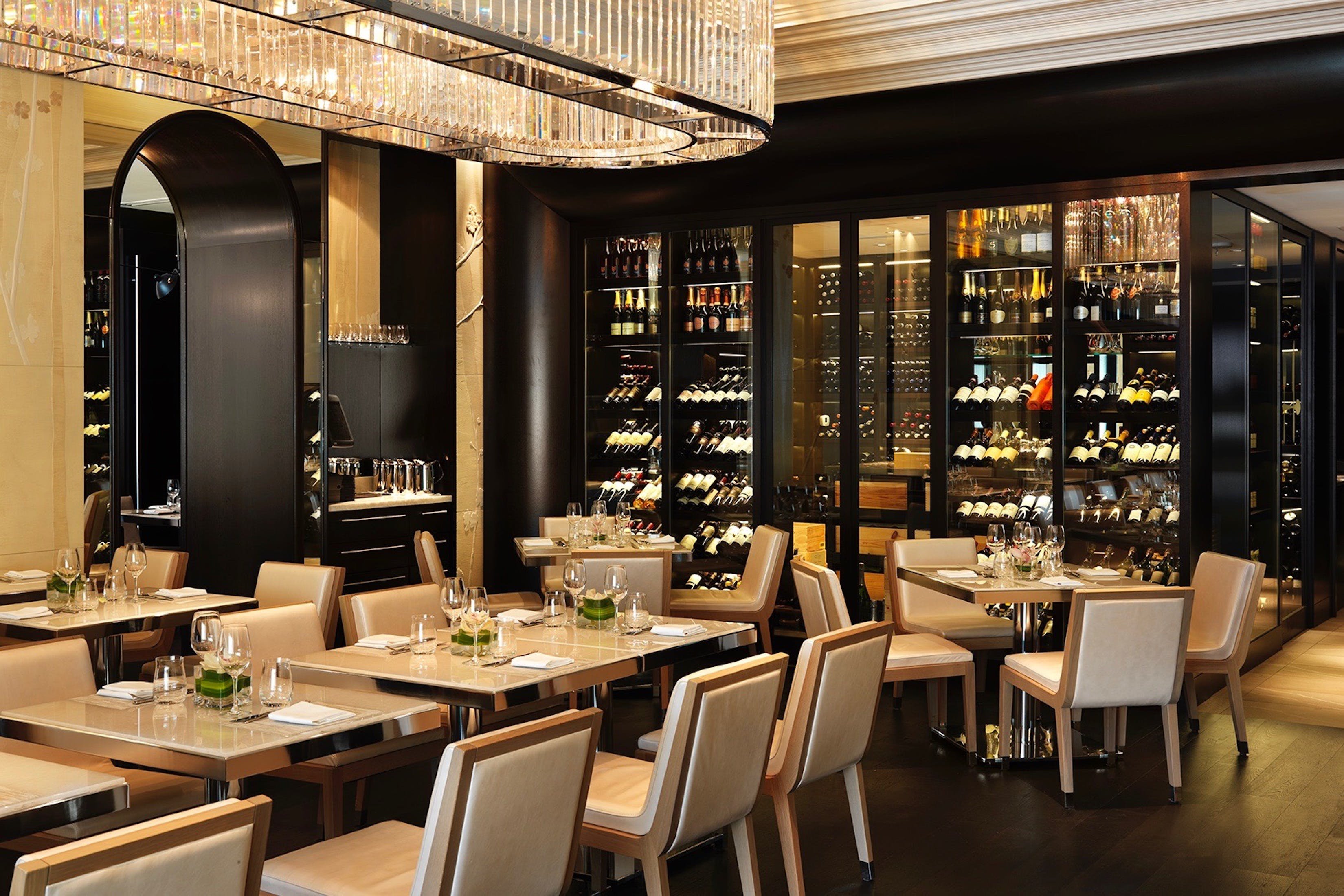
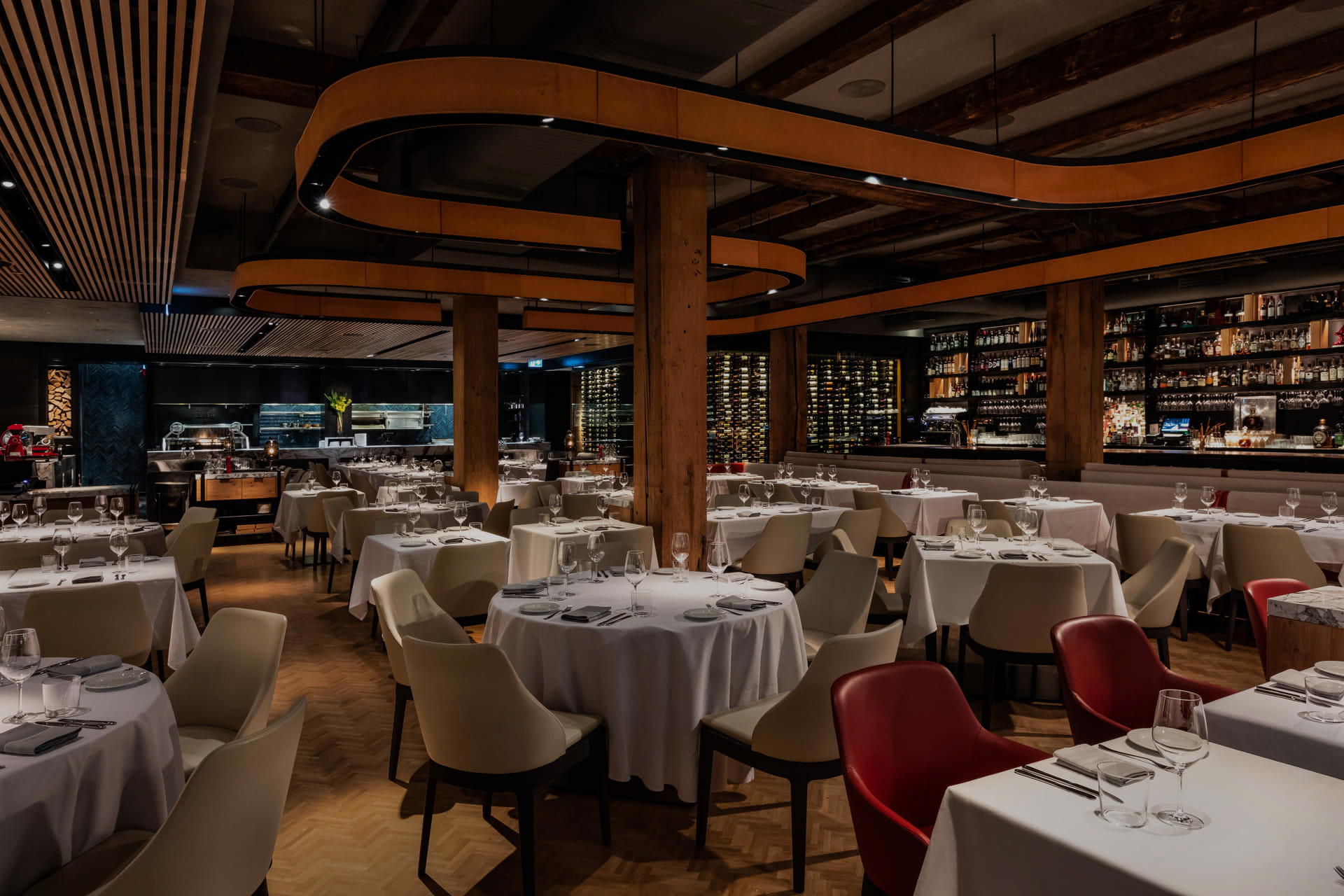
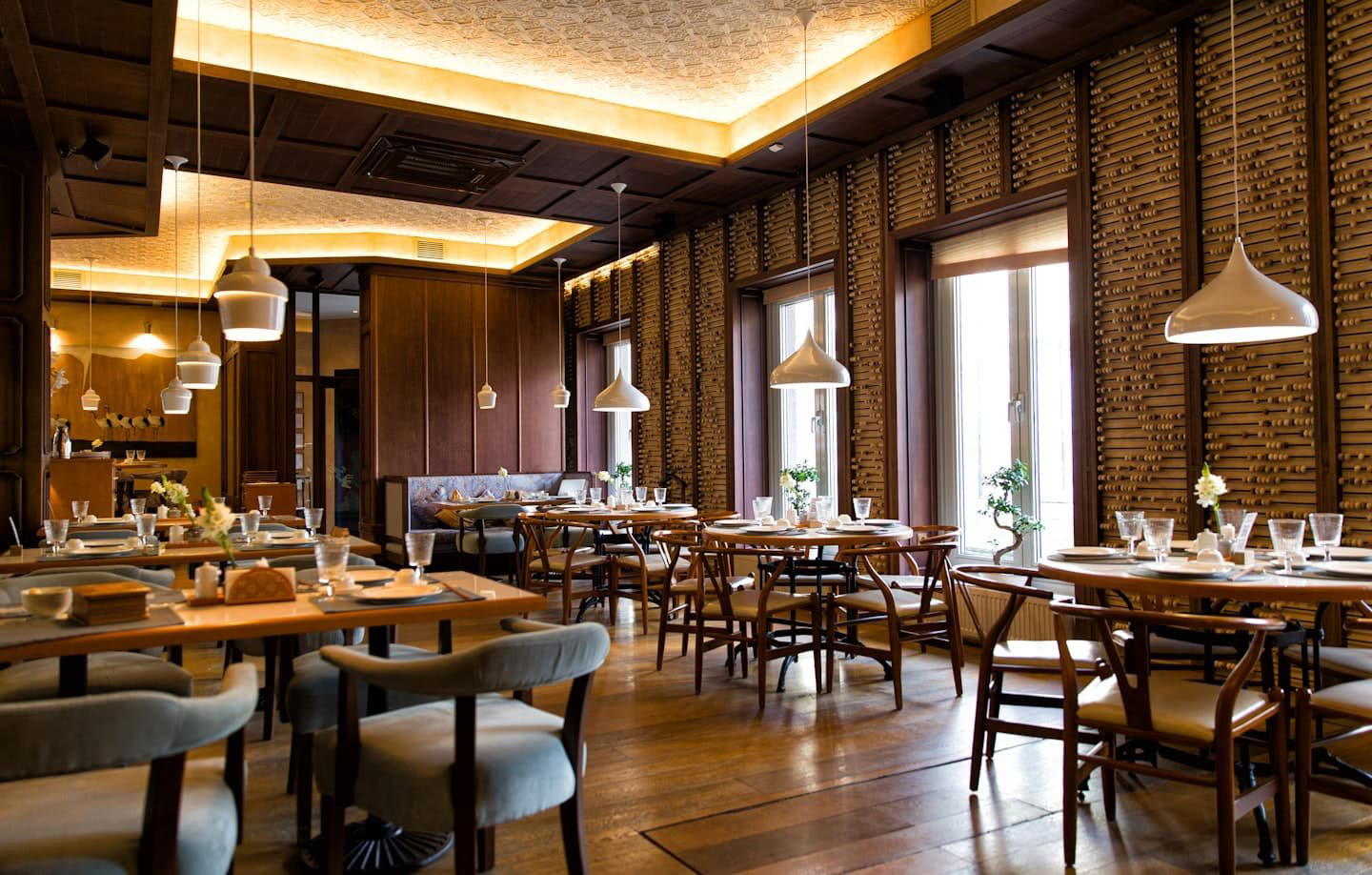
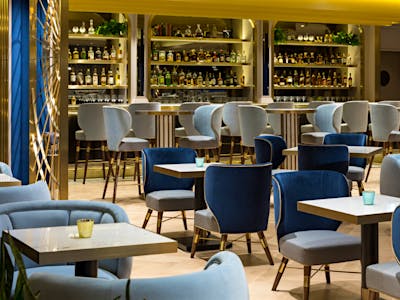
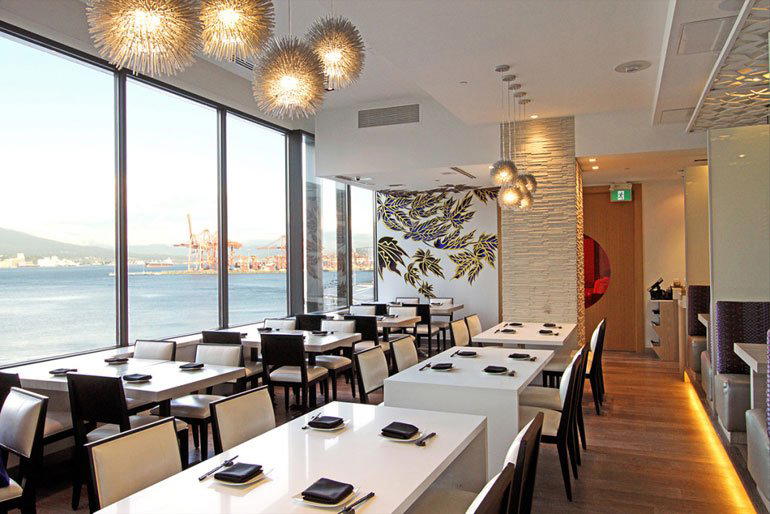
At Kingyo, the room itself encourages the kind of settled-in comfort that produces regulars. The interior runs to warm lighting, wood surfaces, and the background noise of a full house, conditions that are deliberately hospitable rather than theatrical. Unlike the spare, precision-signalling aesthetic of Vancouver's higher-end Japanese counters, the space is built for duration. Tables hold groups; the drink menu supports extended stays. For the West End's apartment dwellers, this is the neighbourhood restaurant in the most functional sense: a place you return to because it fits the shape of an ordinary evening.
Vancouver's Japanese dining scene has bifurcated sharply over the past decade. At one end, omakase counters and sushi specialists have pushed price points and formality into territory that competes internationally, the same pressure visible in cities like New York, where Atomix represents Korean fine dining at a similarly refined register, or where Le Bernardin has long anchored the case for European-rooted precision. At the other end, the izakaya format has held its ground as an accessible, convivial alternative that operates on entirely different terms. Kingyo belongs to the latter category, and its longevity on Denman Street reflects the durability of that format when executed with consistency.
The comparison with Vancouver's contemporary fine-dining tier is instructive. Restaurants like AnnaLena, Barbara, and Kissa Tanto occupy a higher price bracket and a different kind of dining occasion. Kissa Tanto, with its Italian-Japanese fusion in a Chinatown heritage building, signals ambition and destination appeal. Kingyo signals neighbourhood utility and repeat-visit comfort. Neither is a lesser version of the other; they serve different functions in a diner's rotation. The same logic applies when placing Kingyo against the Chinese fine-dining category, where iDen & QuanJuDe Beijing Duck House operates at a premium occasion tier that Kingyo does not compete with.
The Izakaya Format and Why It Holds
Japanese izakaya has proven more resistant to trend cycles than many casual dining formats. The structural reason is simple: the format is already optimised for the way most people actually want to eat and drink on weekday evenings. Small plates, flexible pacing, a drinks menu that earns its place rather than functioning as a footnote, these are features, not compromises. The format also scales socially in ways that a tasting menu cannot. A group of four with different appetites and varying hunger levels can all eat well from an izakaya menu simultaneously.
Across Canada, the izakaya category has remained largely a West Coast phenomenon. The broader Canadian dining conversation tends to cluster around Quebec's heritage-rooted restaurants like Aux Anciens Canadiens or the ambitious contemporary kitchens of Tanière³ in Quebec City, and Toronto's fine dining has its own register, see Alo or the farm-driven model at Eigensinn Farm. Vancouver's Japanese casual dining culture is, in this context, genuinely regional: a product of the city's Pacific-facing demographics and its long-standing Japanese-Canadian community. Kingyo sits within that specific local tradition rather than within any national dining trend.
Planning Your Visit
Denman Street is walkable from English Bay and accessible from the West End's residential grid, making Kingyo a natural stop for those already in the neighbourhood. The izakaya format means the kitchen is built for sharing plates across a table rather than for solo dining or formal occasion meals. Groups of three to four tend to cover the most ground across the menu. For the broader context of what Vancouver's dining scene offers across price tiers and cuisine categories, our full Vancouver restaurants guide maps the relevant options. Those comparing Japanese dining specifically should weigh the omakase format at Masayoshi against the izakaya register at Kingyo: they are different enough in format, price, and occasion that most regular diners will find both earn a place in rotation rather than competing for the same slot. Canadian dining more broadly, from Jérôme Ferrer - Europea in Montreal to smaller regional spots like Narval in Rimouski or Restaurant Pearl Morissette in Lincoln, shows how regionally specific dining cultures operate in parallel rather than in hierarchy, Kingyo is a clear expression of that principle on Vancouver's West End.
Frequently asked questions
Where is Kingyo in Vancouver?
Kingyo is located at 871 Denman St, Vancouver, BC V6G 2L9, Canada, Vancouver.
Is Kingyo a good option for groups visiting Vancouver's West End?
The izakaya format at Kingyo suits groups particularly well — dishes arrive as they're ready rather than in a fixed progression, which keeps the table active and lets everyone order to their own appetite. The Denman Street address places it within walking distance of English Bay and the West End residential grid, making it a practical anchor for an evening in that part of Vancouver. Groups should confirm capacity and any group booking arrangements directly with the venue.
What's the best thing to order at Kingyo?
Kingyo follows the izakaya model, which means ordering is non-linear — the table builds a meal from small plates rather than following a fixed sequence. The format rewards sharing across multiple rounds, so arriving with at least two or three people gives you a meaningful range. Check current offerings directly with the restaurant, as the menu shifts with season and availability.
Do I need a reservation for Kingyo?
Kingyo sits at 871 Denman St in Vancouver's West End, a residential stretch that draws consistent local traffic alongside visitors from nearby English Bay. Walk-ins are possible at off-peak times, but the neighbourhood institution status means prime evening slots fill reliably. Contacting the restaurant directly ahead of your visit is advisable, particularly on weekends.
Pricing, Compared
Comparable venues nearby, for context on price, style, and recognition.
| Venue | Cuisine | Price | Notes |
|---|---|---|---|
| KingyoThis venue — the venue you are viewing | Creative Japanese Izakaya | $30–50 | Not listed |
| Kokoro Tokyo Mazesoba | Tokyo-Style Mazesoba | $20–30 | Downtown, Tokyo-Style Mazesoba |
| Alley 16 | Japanese Yakiniku BBQ | $50–100 | Mount Pleasant, Japanese Yakiniku BBQ |
| Itosugi Kappo Cuisine | Kappo Sushi Omakase | $50–100 | Kitsilano, Kappo Sushi Omakase |
| COFU Chinatown | Plant-Based Japanese Omakase | $50–100 | Downtown Eastside, Plant-Based Japanese Omakase |
| Vegan Shoku Japanese Restaurant | Vegan Japanese Sushi | $20–30 | Arbutus Ridge, Vegan Japanese Sushi |