


1 Michelin Star
Our verdict
A Michelin-starred outpost of one of Beijing's most historically significant duck houses, iDen & QuanJuDe on Cambie Street brings a 160-year-old roasting tradition to Vancouver's Chinese dining scene. Ranked #344 in North America by Opinionated About Dining in 2024, the kitchen moves well beyond its signature bird, extending to bird's nest, sea cucumber, abalone broth, and king crab. The result is one of the most formally ambitious Chinese dining rooms in the city.

Pearl is the En Primeur Club membership app, where members save venues, book tables and use the concierge.
A Legacy Roasting Tradition Arrives on Cambie Street
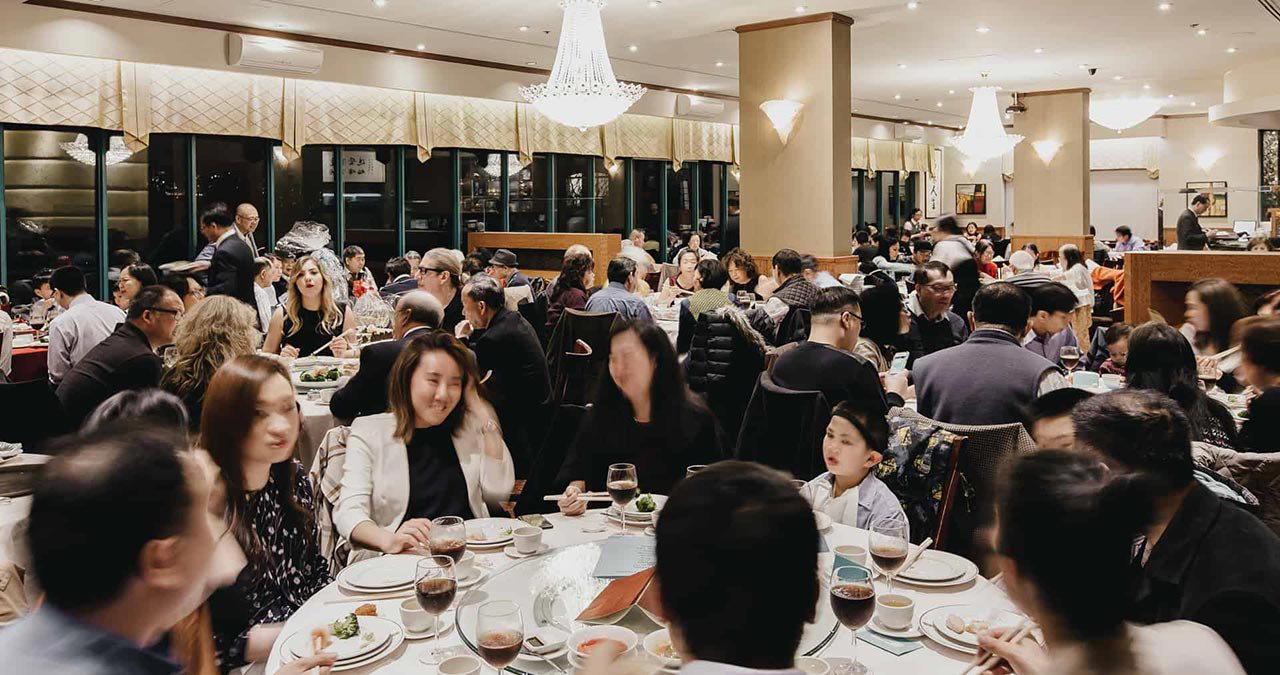
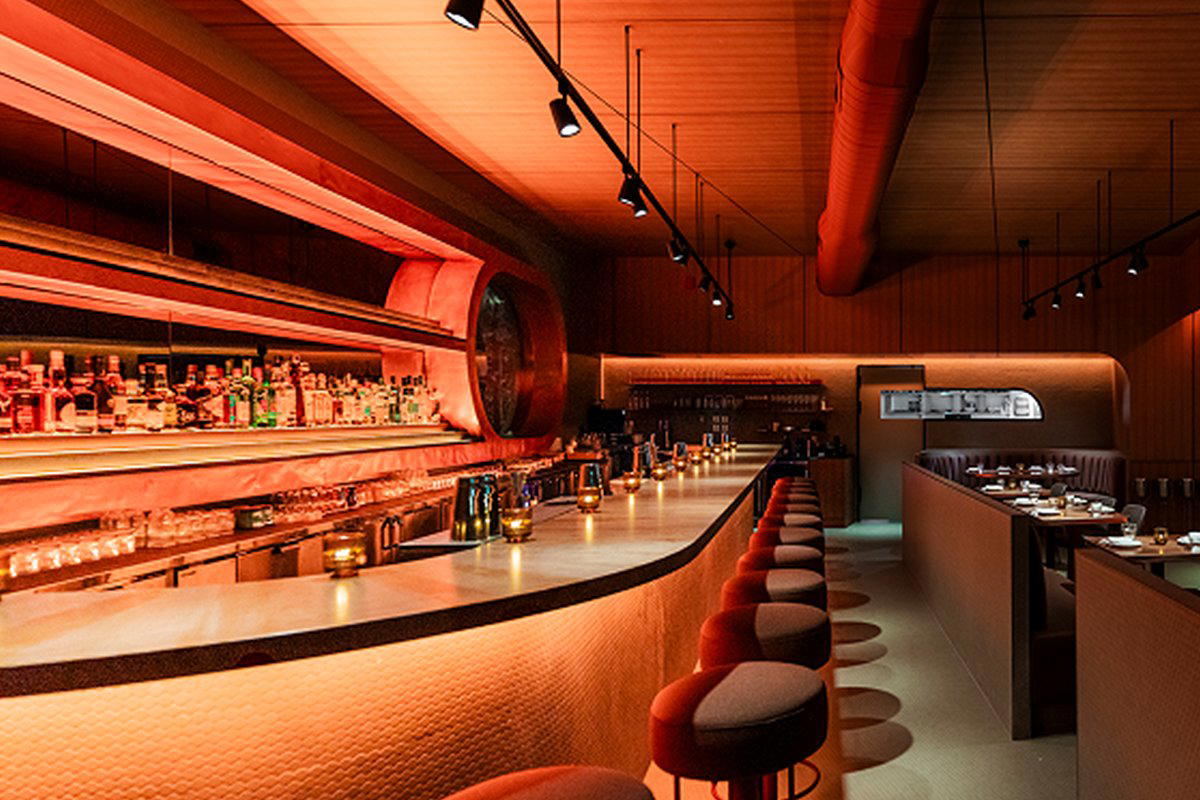
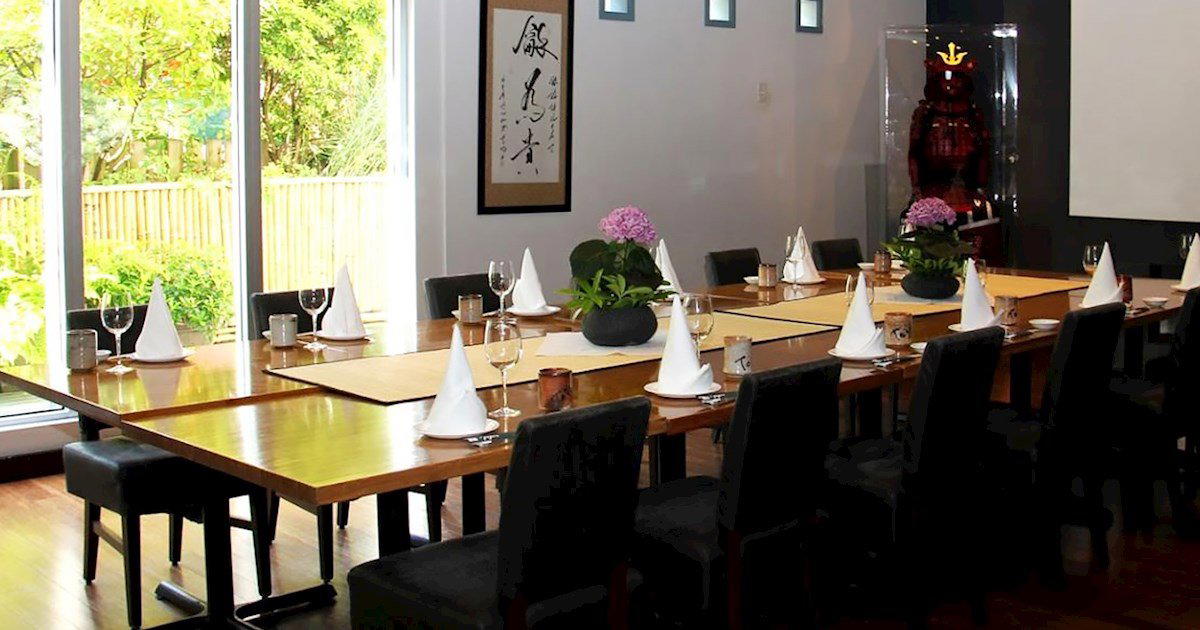
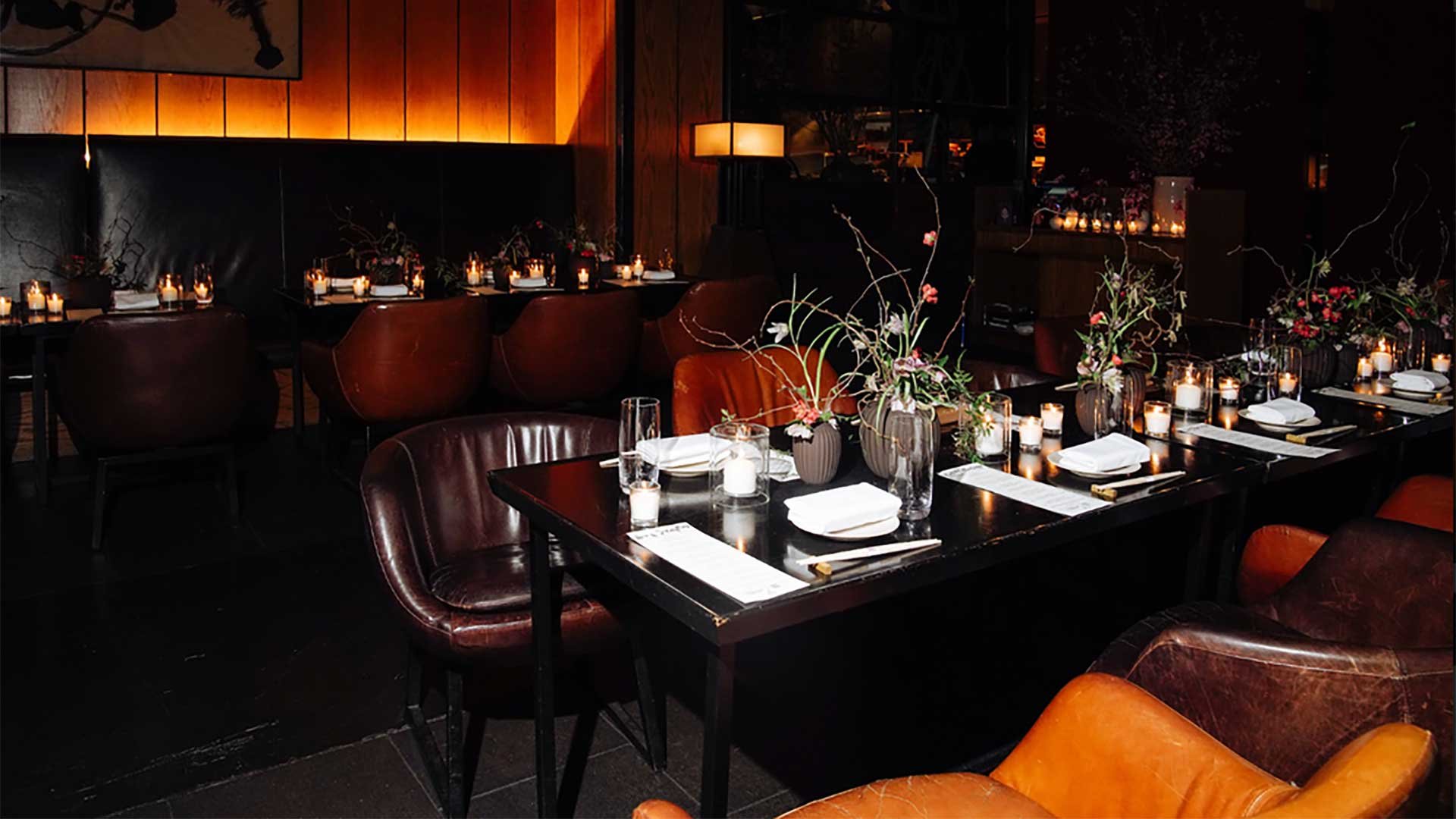
Gold-accented walls, high ceilings that read as confidently opulent rather than ostentatious, and the low percussion of a full dining room in motion: the first impression at iDen & QuanJuDe Beijing Duck House on Cambie Street is that this is a restaurant taking its own history seriously. That history stretches to an original Beijing location established in 1864, placing QuanJuDe in the same generational tier as a small number of Chinese culinary institutions that predate the modern restaurant category entirely. The Vancouver outpost carries that lineage into a room where classical formality and contemporary design exist in deliberate tension.
In a city where Chinese fine dining has historically been measured against Cantonese tradition, a Beijing duck house of this pedigree represents a distinct category. The roasting disciplines differ, the service rhythms differ, and the menu architecture differs. Understanding iDen & QuanJuDe means locating it within that specific tradition rather than mapping it onto broader expectations of what a high-end Chinese restaurant in Vancouver looks or tastes like.
The Duck, and Everything Around It
Peking duck at this tier is a precisely calibrated preparation. The skin should arrive at the table crackling, lacquered to a deep amber, and thin enough to shatter rather than chew. It is the dish that built QuanJuDe's reputation across multiple decades and continents, and it remains the anchor of the Vancouver menu. What distinguishes the kitchen here, according to Opinionated About Dining's assessment, is the combination of that superlative duck with a broader range of classical Chinese delicacies that hold their own rather than serving as supporting acts.
Bird's nest, sea cucumber, and a whole king crab for larger parties signal that the kitchen is operating at a luxury-ingredient register that few Chinese restaurants in Western Canada attempt. The abalone and matsutake broth referenced in OAD's notes points to a cooking sensibility that understands umami as a compound phenomenon: two ingredients with distinct aromatic profiles combined so that neither dominates. At the opposite end of the register, stir-fried mustard greens with garlic suggest a kitchen confident enough in its technique that simplicity requires no apology.
Chef Allen Ren oversees a menu that moves across this full range without losing coherence. That breadth is part of what positions iDen & QuanJuDe in a different competitive set from the contemporary tasting-menu format that dominates Vancouver's Michelin tier. While Kissa Tanto, Masayoshi, and AnnaLena all hold single stars and operate primarily through set menus, iDen & QuanJuDe presents a more à la carte-adjacent banquet model where the table rather than the kitchen controls the progression.
Tea as a Structural Element
In the Beijing dining tradition, tea is not an afterthought placed beside the water glass. It is a timing mechanism, a palate management tool, and a measure of hospitality. At a restaurant drawing on over 150 years of institutional practice, the tea programme functions as an extension of the kitchen's logic rather than a beverage sideline.
The pairing calculus here follows centuries of Chinese culinary understanding. Lighter oolongs cut through duck fat and reset the palate between courses. Pu-erh, with its fermented earthiness, works against the richness of sea cucumber preparations and abalone-based broths. Jasmine, when served early in a meal, can amplify the aromatics of lighter vegetable dishes before the heavier proteins arrive. These are not arbitrary pairings: they reflect the same ingredient thinking that governs how the kitchen builds its menu courses.
For a dining room handling the complexity of a multi-course banquet with luxury proteins, a thoughtfully structured tea service also provides a counterweight to alcohol. A table ordering king crab alongside duck alongside a broth course is managing a significant volume of intense flavour over the course of two or more hours. Tea offers a reset function that wine, at its typical serving temperature and tannin profile, cannot fully replicate at that frequency. The result, when executed with care, is a meal that remains legible to the palate even as its ambition accumulates.
This approach connects iDen & QuanJuDe to a wider tradition of Chinese fine dining in which tea culture and food culture evolved together rather than in parallel. It also places the restaurant in a different conceptual space from Barbara or the European-leaning contemporary dining rooms in Vancouver's Michelin cohort, where wine pairing is the default framework and tea remains an alternative.
Recognition and Where It Sits in Vancouver's Chinese Dining Scene
The Michelin one-star designation in 2024 confirmed what Vancouver's Chinese dining community had already established through its own patronage. Opinionated About Dining placed the restaurant at #344 in its 2024 Casual North America ranking and #538 in 2025, both figures positioning it within the top tier of Chinese restaurants across the continent.
That recognition matters as context for where iDen & QuanJuDe sits in Vancouver specifically. The city's Chinese restaurant scene has long operated at a high level in the dim sum and Cantonese seafood categories, but formal Beijing-style dining has a shorter history here. The QuanJuDe lineage gives this room an institutional authority that no locally founded restaurant of comparable age could claim. It is a different kind of credential from the culinary school or Michelin apprenticeship lineage that marks restaurants like Chang'An, and it functions as a trust signal of a different order.
At the $$$$ price point, iDen & QuanJuDe operates at the same tier as Vancouver's other Michelin-starred dining rooms. The comparison is not always direct: a banquet-format Chinese meal with multiple dishes distributed across the table is a different economic model from a tasting menu where per-head cost is fixed. The duck alone, when carved tableside through the traditional multi-course service, requires a minimum table commitment that functions similarly to a set menu floor.
For a broader picture of where this restaurant fits within the city's dining options, our full Vancouver restaurants guide maps the complete Michelin and OAD-recognised landscape. Those planning a longer stay will find additional resources in our full Vancouver hotels guide, our full Vancouver bars guide, and our full Vancouver wineries guide.
Beyond Vancouver, the Michelin-starred Chinese dining category in Canada and North America remains relatively sparse. Hakkasan in Abu Dhabi represents the international version of formalised Chinese luxury dining, while Canada's broader fine dining conversation includes anchors like Alo in Toronto, Tanière³ in Québec City, and Jérôme Ferrer - Europea in Montreal. Outside the major urban centres, Restaurant Pearl Morissette in Lincoln, The Pine in Creemore, and Narval in Rimouski illustrate how Canada's recognised dining scene has spread well beyond its metropolitan cores. For a point of reference in precision French technique, Le Bernardin in New York City remains the continental benchmark against which institutional fine dining is often measured.
Planning Your Visit
iDen & QuanJuDe Beijing Duck House is located at 2808 Cambie Street in Vancouver, within easy reach of the Cambie Street corridor. The restaurant opens daily at 11 AM and closes at 9:30 PM, including weekends, which makes it one of the few Michelin-starred rooms in the city accessible at lunch without an advance reservation being strictly required, though the dinner service fills quickly given the combination of star status and strong local reputation. Groups planning a full banquet menu with duck, seafood, and supplementary dishes should expect a multi-hour commitment; booking in advance, particularly for Thursday through Saturday evenings, is advisable. The $$$$ pricing reflects the ingredient register: luxury proteins such as bird's nest and whole king crab push the per-table spend considerably above the baseline duck-focused meal, so setting a budget expectation before ordering is worth the brief conversation. Those visiting during the autumn and winter months will find the heavier preparations, particularly the abalone broth and sea cucumber dishes, particularly well-suited to the season. Our full Vancouver experiences guide offers further context for building a complete itinerary around the restaurant.
What You Should Know Before You Go
What's the must-try dish at iDen & QuanJuDe Beijing Duck House?
The Peking duck is the clear point of reference, carrying the weight of the QuanJuDe name and the 1864 Beijing lineage that underpins the restaurant's reputation. According to Opinionated About Dining, the skin achieves a crispness that holds up against the leading versions in North America. That said, the abalone and matsutake broth represents the kitchen's range beyond the signature bird: it is the kind of preparation that demonstrates technique and sourcing discipline in equal measure, and it tends to be what separates a good Chinese banquet restaurant from one operating at Michelin level. If the table is large enough to justify it, the whole king crab alongside the duck gives the fullest picture of what the kitchen is doing at its highest register.
Frequently asked questions
How do I find iDen & QuanJuDe Beijing Duck House?
iDen & QuanJuDe Beijing Duck House is located at 2808 Cambie St. Vancouver, BC V5Z 3Y8, Canada, Vancouver.
What's the cuisine at iDen & QuanJuDe Beijing Duck House?
Has iDen & QuanJuDe Beijing Duck House won any awards?
iDen & QuanJuDe Beijing Duck House has received recognition including: Opinionated About Dining Casual in North America Ranked #538 (2025); It has a pedigree that traces back to an original location in Beijing from 1864, but the latest outpost in Vancouver proves that this legacy hasn't lost any of its luster.….
What's the must-try dish at iDen & QuanJuDe Beijing Duck House?
The Peking duck is the point of reference here, carrying the weight of the QuanJuDe name and its 1864 Beijing lineage. Opinionated About Dining, which ranked the restaurant #344 in North America in 2024, describes the skin as superlatively crispy, the meat as juicy. Beyond the duck, the menu extends to bird's nest, sea cucumber, abalone with matsutake broth, and a whole king crab for larger tables at this $$$$ price tier.
Is iDen & QuanJuDe Beijing Duck House expensive?
Pricing at iDen & QuanJuDe Beijing Duck House is listed as $$$$.
What time does iDen & QuanJuDe Beijing Duck House open and close?
Hours at iDen & QuanJuDe Beijing Duck House: Monday 11 AM-9:30 PM Tuesday 11 AM-9:30 PM Wednesday 11 AM-9:30 PM Thursday 11 AM-9:30 PM Friday 11 AM-9:30 PM Saturday 11 AM-9:30 PM Sunday 11 AM-9:30 PM.
Nearby-ish Comparables
A quick snapshot of similar venues for side-by-side context.
| Venue | Cuisine | Price | Awards | Notes |
|---|---|---|---|---|
| iDen & QuanJuDe Beijing Duck HouseThis venue (the venue you are viewing) | Beijing Roast Duck Fine Dining | $100–150 | 1 Michelin Star | Not listed |
| AnnaLena | Modern Canadian Tasting Menu | $100–150 | 1 Michelin Star · World's 50 Best #35 | Contemporary |
| Kissa Tanto | Japanese-Italian Fusion | $100–150 | 1 Michelin Star · La Liste Top Restaurants | Fusion |
| Masayoshi | Modern Japanese Omakase | $200–300 | 1 Michelin Star | Japanese |
| Published on Main | Contemporary Canadian | $150–200 | 1 Michelin Star · World's 50 Best #17 | Contemporary |
| Ask for Luigi | Modern Italian Handmade Pasta | $50–100 | Michelin Plate | Italian |
Recognition history
Dated appearances from independent guides and award organizations, with the underlying list record or original source where available.
Michelin 1 Star
Michelin
Chinese Restaurant Awards — Top 50 Honouree Canada: Top 50 Honouree Canada
Chinese Restaurant Awards
Opinionated About Dining Casual in North America Recommended
Opinionated About Dining
World Culinary Awards North America's Best Chinese Cuisine Restaurant 2025 #1
World Culinary Awards
Full recognition history (12 entries)
Chinese Restaurant Awards — Top 50 Honouree Canada: Top 50 Honouree Canada
Chinese Restaurant Awards
Chinese Restaurant Awards — Elite 30 Canada: Elite 30 Canada #15
Chinese Restaurant Awards
Opinionated About Dining Casual in North America Ranked #538
Opinionated About Dining
Chinese Restaurant Awards — Elite 15 Vancouver: Elite 15 Vancouver
Chinese Restaurant Awards
Michelin 1 Star
Michelin
Opinionated About Dining Casual in North America Ranked #344
Opinionated About Dining
Chinese Restaurant Awards — Critics’ Choice Game Changer: Critics’ Choice Game Changer
Chinese Restaurant Awards
Chinese Restaurant Awards — Critics’ Choice Signature Dish: Signature Beijing Duck
Chinese Restaurant Awards