On Cambie Street in South Vancouver, Alley 16 operates within a neighbourhood dining corridor that has steadily attracted serious independent operators. Details on cuisine format and pricing remain sparse in the public record, which places it in an interesting position relative to the $$$$ contemporary restaurants that define much of Vancouver's premium dining conversation. Reservations and walk-in policy are worth confirming directly before visiting.
Pearl is the En Primeur Club membership app — saves, bookings, and concierge access live there. Same editors, same standards.
- Address
- 3190 Cambie St., Vancouver, BC V5Z 2W2, Canada
- Phone
- +16047105039
- Website
- alley16.com
- Directions
- Get directions
 Saves & bookings on Pearl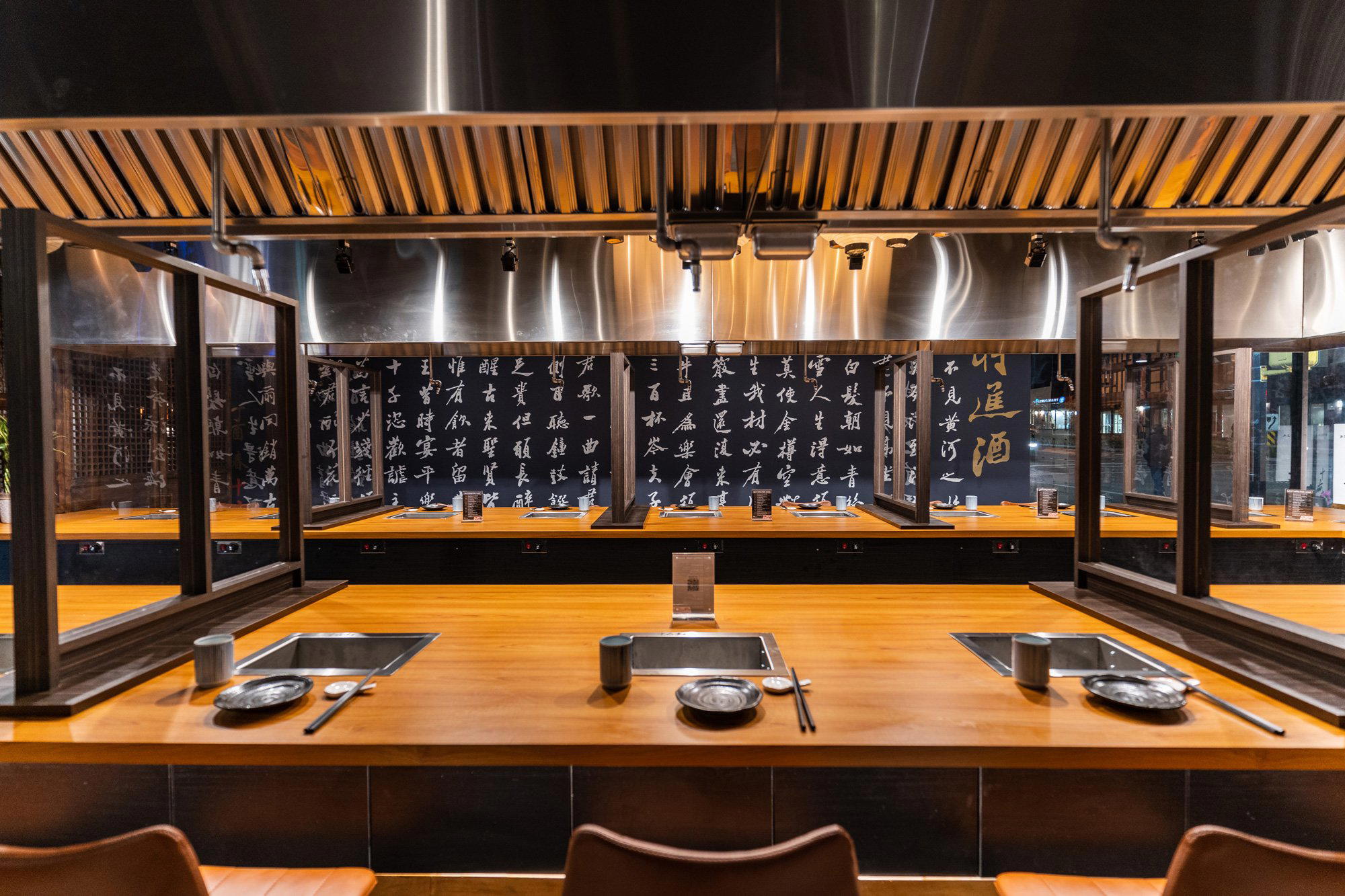
Cambie Street and the Case for Neighbourhood-Anchored Dining
Vancouver's most closely watched restaurant openings tend to cluster in Gastown, Chinatown, and the West End, where foot traffic and press attention reinforce each other. The Cambie corridor, running south from the Broadway intersection toward the Cambie Village retail strip, operates on a different logic. The neighbourhood draws a residential audience that expects consistency and value without the theatre of a destination-dining scene. Independents that establish themselves here tend to do so through repeat custom rather than first-night buzz, which is a different and arguably more demanding test. Alley 16, at 3190 Cambie Street, sits inside that dynamic.
The address places it within walking distance of Queen Elizabeth Park and the broader South Cambie residential zone, an area that has seen incremental commercial development without the sharp demographic shifts that reshaped Chinatown or Mount Pleasant. For a restaurant to hold ground here, the offer has to work for the neighbourhood rather than for visiting diners seeking novelty.
The Wine Conversation Vancouver Is Having
Across Vancouver's independent restaurant sector, the wine program has become a meaningful differentiator in a way it wasn't a decade ago. Operators like AnnaLena and Barbara have built lists that reflect genuine curatorial conviction, favouring small producers, natural-leaning selections, and BC VQA wines alongside European benchmarks. The shift mirrors what has happened in cities like San Francisco, where Lazy Bear treats the beverage program as an equal partner to the kitchen rather than an afterthought.
The editorial record for Alley 16's wine program is not detailed enough to benchmark it precisely against those peers. What the Cambie Street context does suggest is that neighbourhood restaurants in this corridor are increasingly expected to hold their own on the list, even when they are not operating at the $$$$ price tier of Kissa Tanto or Masayoshi. The pressure to curate thoughtfully has moved down-market, and operators who ignore it tend to find that the neighbourhood diner who drinks well notices.
British Columbia's own wine production adds a layer of expectation that doesn't apply in most North American cities. Okanagan Valley producers, particularly those working with Pinot Noir, Chardonnay, and Riesling, have reached a quality tier that makes a Vancouver list without meaningful BC representation feel like a missed opportunity. Whether Alley 16's list leans into that regional conversation is something leading confirmed on-site, but the broader trajectory of the Cambie independent scene points in that direction.
Where Alley 16 Sits in the Vancouver Independent Field
Vancouver's independent restaurant category spans a wide range of price points and formats. At the upper end, the $$$$ contemporary bracket includes tasting-menu operations and chef-driven counters that compete with destination restaurants across Canada. Tanière³ in Quebec City and Alo in Toronto represent the kind of sustained critical recognition that a handful of Vancouver operators are building toward. Below that tier, the mid-market independent space is where most neighbourhood restaurants operate, and where the competition for a regular's loyalty is sharpest.
Alley 16's publicly available data does not confirm a price tier, cuisine category, or format, which makes direct comparison speculative. What the address confirms is a neighbourhood context rather than a destination context. That distinction matters when thinking about what a visit is likely to deliver: the stakes are set by the street, not by a tasting-menu format or a headline chef credential.
For comparative reference, Cafe Brio in Victoria offers a useful model of how a BC independent can build a durable reputation on neighbourhood loyalty and a serious wine list without requiring destination-dining infrastructure. Restaurant Pearl Morissette in Lincoln, Ontario, demonstrates how wine-first positioning can define an entire dining concept. These are not direct peers of Alley 16, but they map the range of what independent, non-metropolitan operators can achieve when the list is taken seriously.
The Broader Vancouver Table: What Context Tells You
Vancouver's dining identity has been shaped by its geography and its population in roughly equal measure. Proximity to the Pacific drives seafood-forward menus; a large East and Southeast Asian community has produced some of Canada's most accomplished Chinese, Japanese, and Korean restaurants. iDen & QuanJuDe Beijing Duck House and Masayoshi represent those traditions at the premium end. The contemporary independent scene, meanwhile, continues to develop a West Coast idiom that draws on local ingredients without being reducible to farm-to-table signalling.
Cambie Street independents generally operate in the register of that West Coast idiom rather than in the destination-dining tier. The neighbourhood expects seasonal menus, attentive service, and a wine list that has been thought about. It does not typically expect the theatre of an omakase counter or the formality of a prix-fixe tasting room. What it rewards is consistency and a clear point of view about what the restaurant is actually for.
For readers building a broader Vancouver itinerary, our full Vancouver restaurants guide maps the city's dining character across neighbourhoods and price tiers, including how the Cambie corridor fits relative to the Gastown and Mount Pleasant scenes. The guide also covers AnnaLena and Barbara, which anchor the contemporary end of the independent market and provide a useful benchmark for anyone calibrating expectations across the city.
Internationally, the neighbourhood-restaurant model that Cambie Street supports has counterparts in cities where serious independents have found durable audiences without destination-dining infrastructure. Le Bernardin in New York City and Eigensinn Farm in Singhampton occupy very different tiers, but both demonstrate how a clear identity, consistently executed, builds a following that outlasts trend cycles. The principle applies equally to a Cambie Street independent.
Know Before You Go
| Address | 3190 Cambie St. Vancouver, BC V5Z 2W2 |
|---|---|
| Neighbourhood | Cambie Village / South Cambie, Vancouver |
| Price | |
| Reservations | Booking method not confirmed; recommend calling ahead |
| Hours | |
| Phone | Not listed; check current listings for contact details |
How Alley 16 Vancouver compares with similar nearby venues.
| Venue | Cuisine | Price |
|---|---|---|
| Vij's | Indian | $$ |
| iDen & QuanJuDe Beijing Duck House | Chinese | $$$$ |
| June | French brasserie | Not listed |
Continue exploring
More in Vancouver
Restaurants in Vancouver
Browse all →
Bars in Vancouver
Browse all →
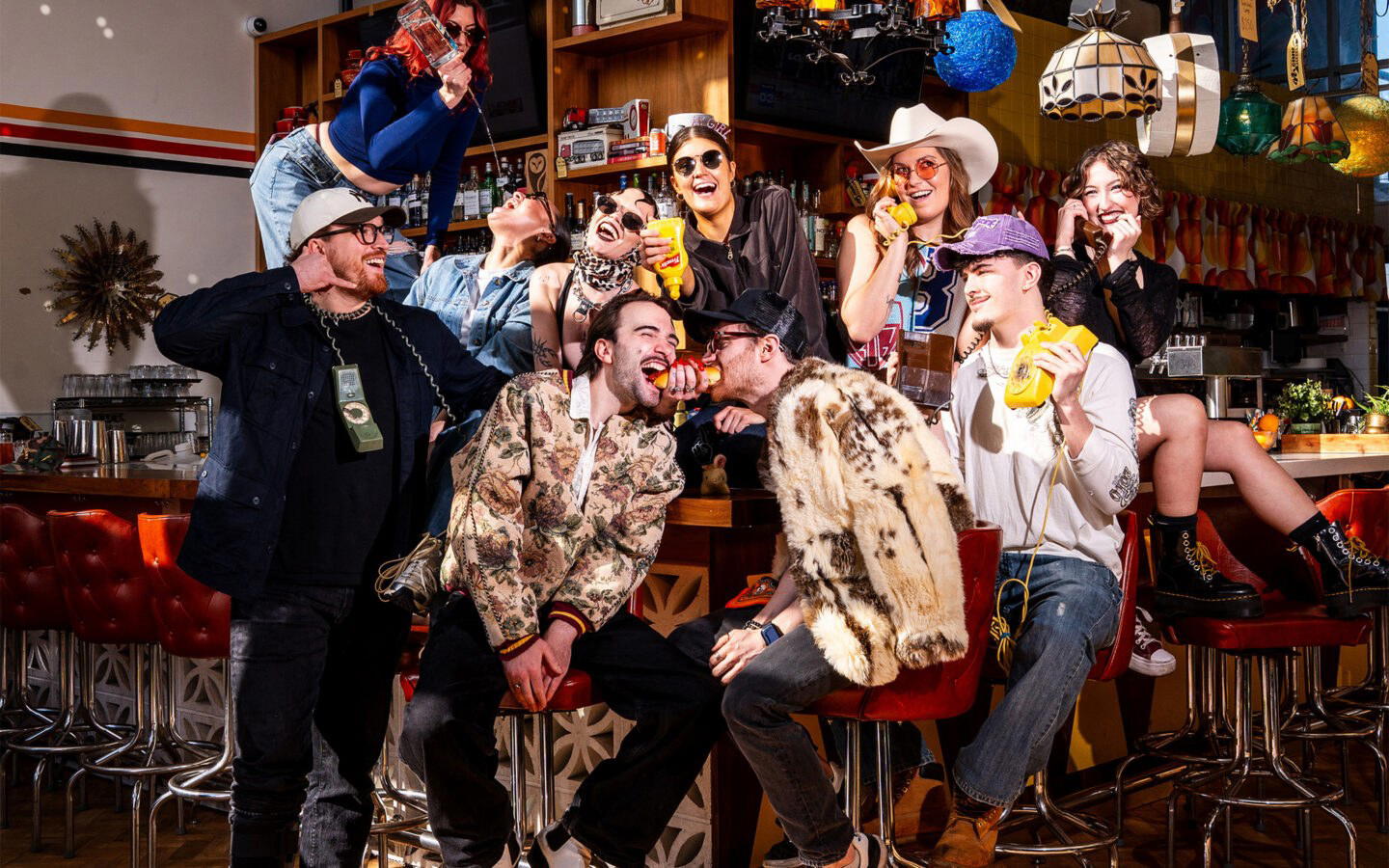
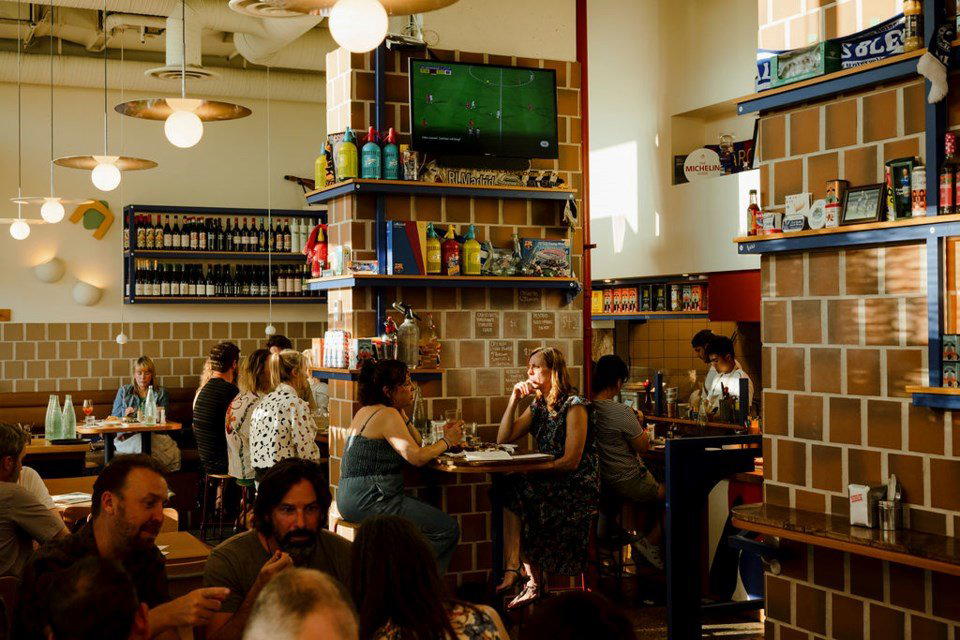
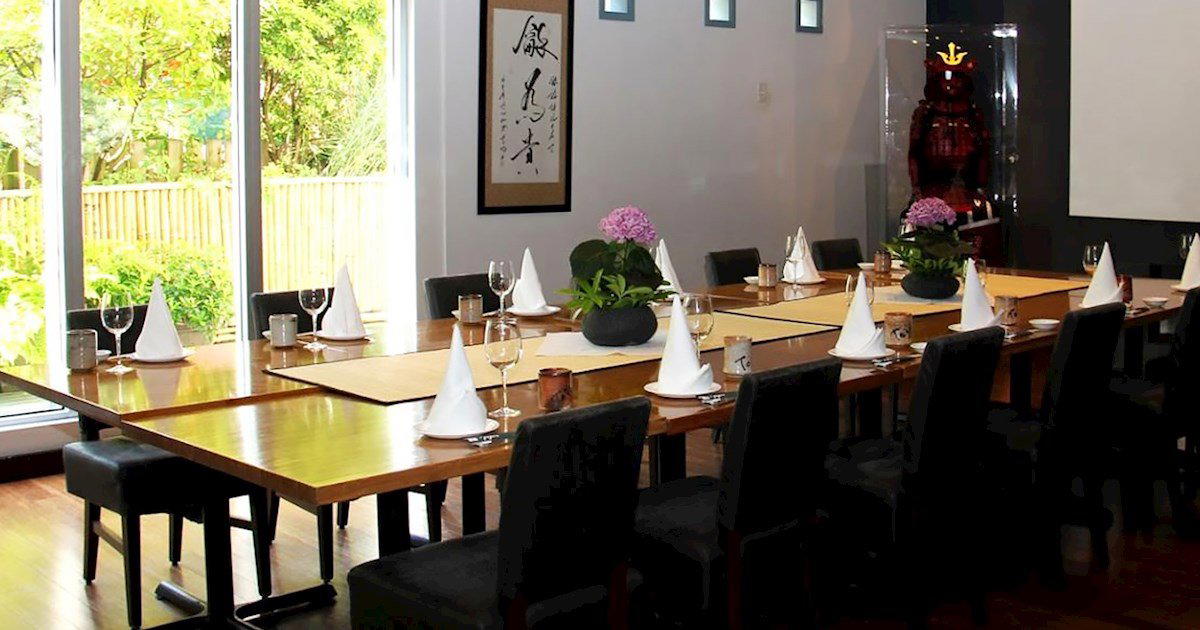
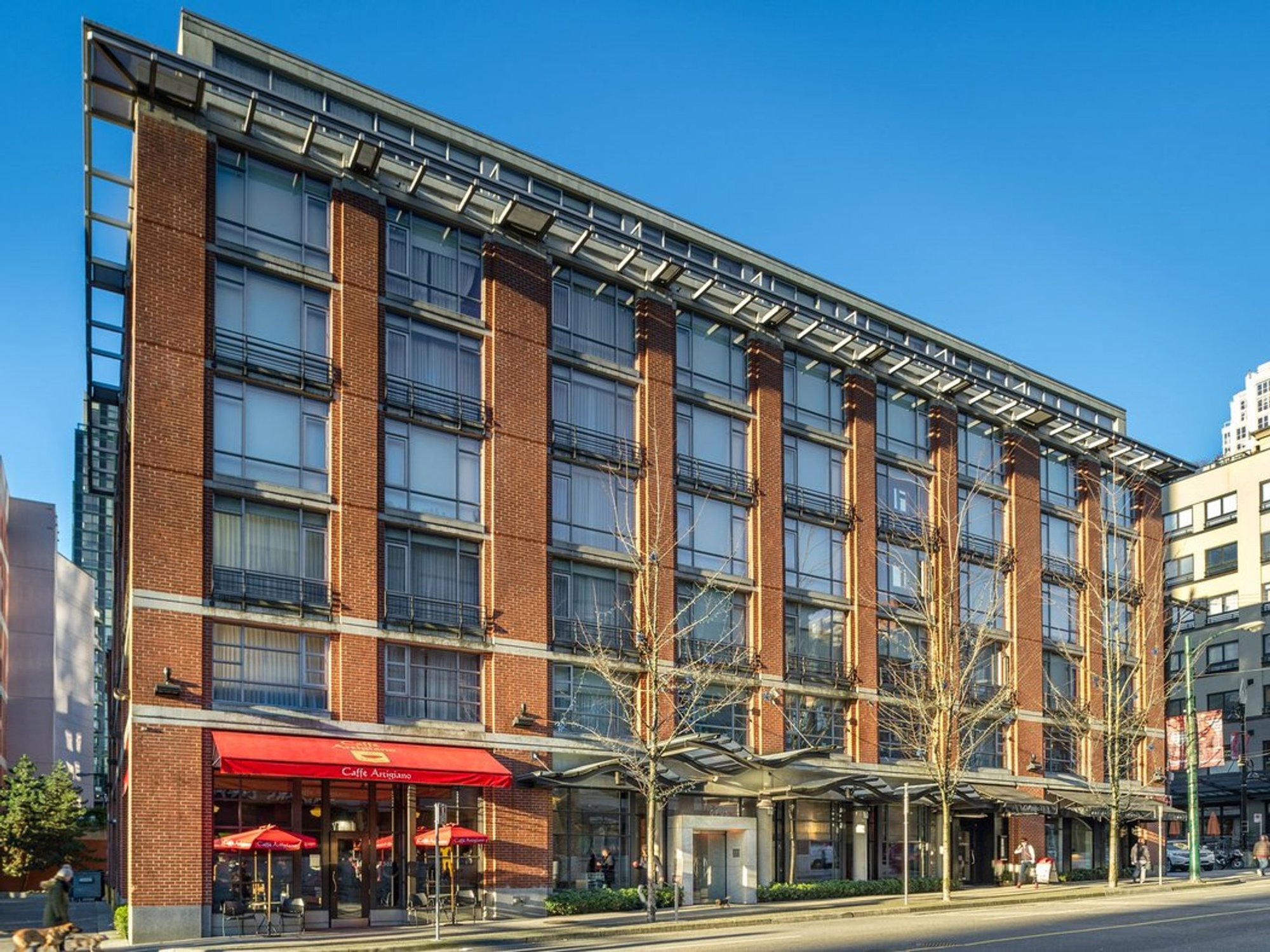
At a Glance
- Elegant
- Lively
- Sophisticated
- Group Dining
- Celebration
- Special Occasion
- After Work
- Open Kitchen
- Local Sourcing
Current opening hours
- Monday
- 5:30–10:30 PM
- Tuesday
- 5:30–10:30 PM
- Wednesday
- 5:30–10:30 PM
- Thursday
- 5:30–10:30 PM
- Friday
- 5:30–10:30 PM
- Saturday
- 12:30–10:30 PM
- Sunday
- 12:30–10:30 PM
Hours can change for holidays and private events. Last verified .
Elegant and comfortable surroundings evoking warmth and ease, with attentive service creating an inviting dining environment.
Know Before You Go
- Getting there
- 3190 Cambie St., Vancouver, BC V5Z 2W2, Canada