

A Michelin-starred omakase counter on Fraser Street, Masayoshi applies Edomae technique to British Columbia's seasonal seafood in a jewel-box format that earned a place on Opinionated About Dining's 2025 North America rankings. The counter seats are the focal point, but the full room delivers the same progression of carefully sourced nigiri and composed dishes. Open Tuesday through Saturday from 6 PM.
Pearl is the En Primeur Club membership app — saves, bookings, and concierge access live there. Same editors, same standards.
- Address
- 4376 Fraser St, Vancouver, BC V5V 4G3, Canada
- Phone
- +1 604-428-6272
- Website
- masayoshi.ca
- Directions
- Get directions
 Saves & bookings on Pearl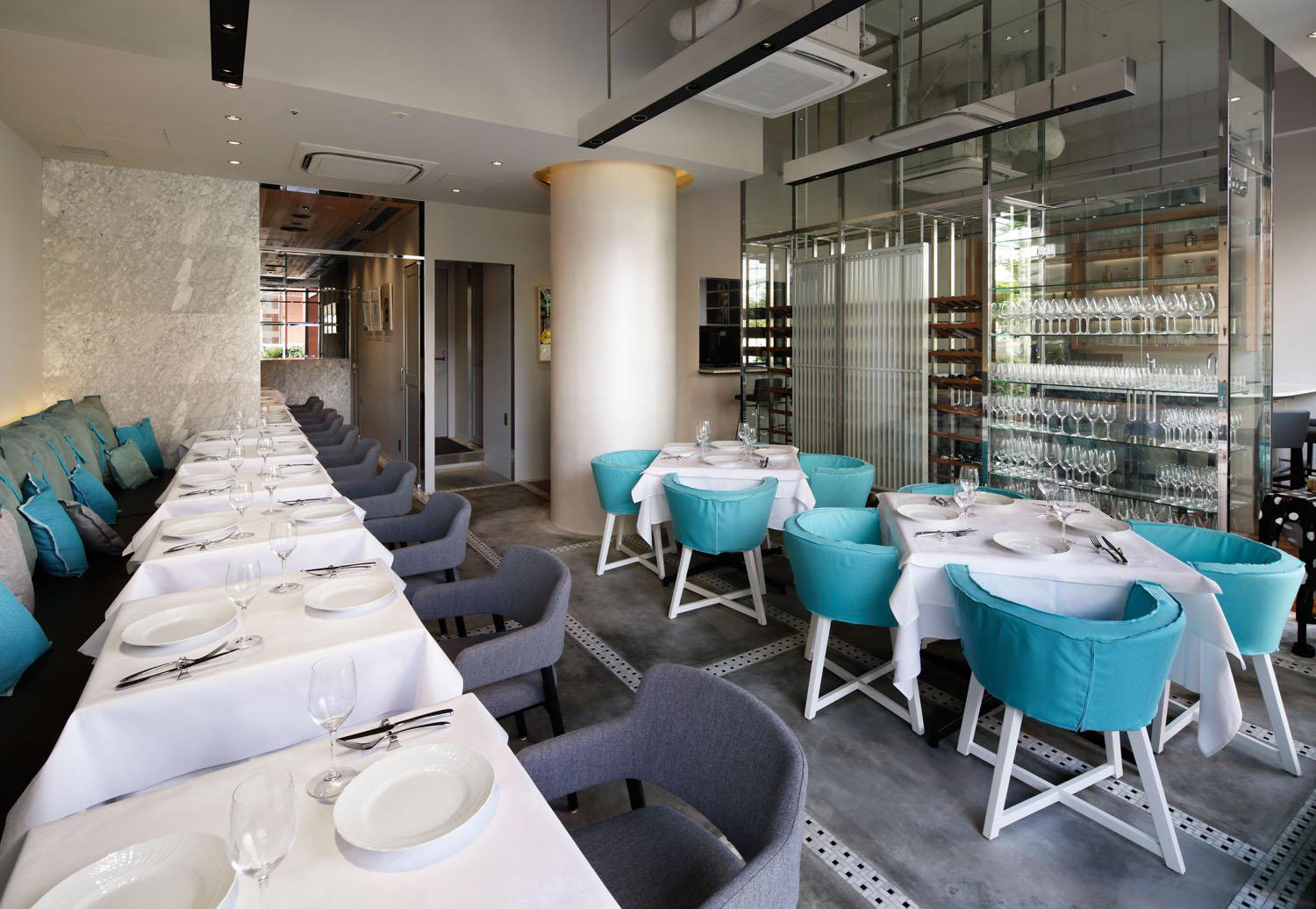
Counter Culture on Fraser Street
Vancouver's premium Japanese dining scene has undergone a quiet reorganisation over the past decade. The city now sustains a tier of omakase counters that benchmark against San Francisco and New York peers rather than neighbourhood sushi bars, a shift driven partly by the quality of Pacific Northwest seafood coming through local suppliers, and partly by chefs trained in Japan's most disciplined kitchens. Masayoshi is a one-Michelin-star modern Japanese omakase restaurant at 4376 Fraser St in Vancouver. It earned a Michelin star in 2024. Those credentials place it among Vancouver's Michelin-recognized Japanese dining rooms.
The address itself signals something worth noting about the city's dining geography. Fraser Street sits east of the downtown core, away from the hotel-district restaurant clusters where many visitors concentrate their attention. That positioning is consistent with a broader pattern in Vancouver's serious dining scene, where several of particularly closely watched rooms operate in residential or transitional commercial strips rather than in the obvious tourist corridors. For a comparable dynamic in the city's Japanese category, Sushi Bar Maumi follows a similar off-centre placement logic.
The Physical Experience: What a Jewel-Box Counter Means in Practice
Masayoshi's format is intimate and carefully contained. A jewel-box counter is small, deliberately contained, lit to focus attention on the chef's hands and the ingredients in front of them, and structured to make each guest feel that the room exists for their particular meal. The counter seats at Masayoshi deliver that experience directly: Chef Masayoshi Baba works through each course in view, the preparation ceremonial in its pacing rather than theatrical in its staging. This is not tableside performance for its own sake. It is the Edomae tradition made visible, a method where the chef's handling of temperature, timing, and rice seasoning is as much a part of the dish as the fish itself.
Four tables supplement the counter, and the kitchen delivers the same sequence and quality to both. That point matters in a category where counter versus table can mean meaningfully different meals. At Masayoshi, the distinction is atmospheric rather than culinary. If a counter seat is available, it remains the more instructive position, but guests seated at tables receive the full omakase progression without abridgement.
BC Seafood Through an Edomae Framework
Edomae sushi, the Tokyo tradition in which each piece is seasoned, aged, or prepared by the chef rather than served raw from the day's delivery, is the technical foundation here. What distinguishes Masayoshi's application of that method is the sourcing base: British Columbia's waters and seasonal harvest, rather than the Tsukiji or Toyosu market fish that Tokyo counters rely on. The result is a structural alignment between Japanese technique and Pacific Northwest ingredient calendars that few counters in North America attempt at this level of consistency.
The menu opens with composed dishes before the nigiri sequence begins. According to Opinionated About Dining's documentation, a chilled preparation of uni, junsai (a Japanese water plant with a gelatinous texture), mountain yam, crab, and tomato dashi gel anchors the opening. That dish functions as both a palate statement and a seasonal signal, the combination of local sea urchin with Japanese pantry ingredients sets out the kitchen's position clearly. The courses that follow in the documented sequence include sea bass folded over wakame, steamed monkfish in a tart broth, and abalone cooked to a soft, yielding texture. They illustrate a kitchen that moves between technique registers without losing coherence.
In the broader context of where Canadian fine dining is heading, this kind of locally-anchored tasting format has gained significant traction. Tanière³ in Québec City and Alo in Toronto represent the contemporary French-influenced version of the same instinct, deeply local sourcing applied through a technically rigorous format. Masayoshi occupies the Japanese expression of that same impulse, and sits comfortably alongside Kaiseki Yu-zen Hashimoto in Toronto as one of the country's most considered Japanese tasting rooms.
Seasonal Positioning and When to Go
The menu's reliance on BC seafood means the kitchen's strongest position shifts with the Pacific season. British Columbia's Dungeness crab, halibut, and spot prawn windows are well-documented among local seafood buyers, and a kitchen at this price tier, firmly in the $$$$ bracket, should be tracking those windows closely. Spot prawns arrive in late spring, typically May through June. Halibut season runs from late spring into autumn. Sea urchin harvesting in BC operates across multiple zones with overlapping seasons, providing year-round access, though quality peaks vary. A visit timed to coincide with a specific local species at its seasonal high point will produce a different menu emphasis than an off-season booking, though Masayoshi operates Tuesday through Saturday, 6 PM to 10 PM, keeping the calendar relatively accessible across the week.
Where Masayoshi Sits in the Wider Picture
Michelin's Vancouver guide remains compact, and each addition carries clear signal value. A single star for Masayoshi in 2024 places Chef Baba in a category with a small number of peers across the city. For context on how tight that peer group is, the full roster of Vancouver's starred restaurants across all categories is shorter than equivalent lists in Paris, Tokyo, or New York, which means the credential is not diluted by volume.
Compared against the wider Canadian fine dining field, where Jérôme Ferrer's Europea in Montreal, Narval in Rimouski, The Pine in Creemore, and Restaurant Pearl Morissette in Lincoln represent different regional expressions of serious cooking, Masayoshi occupies a specific and defensible position: the application of Japan's most codified counter tradition to the seasonal seafood of Canada's Pacific coast. That combination is neither common nor accidental, and the awards record suggests it is being executed at a level that registers across multiple independent assessment frameworks.
For those approaching the meal from a seafood-focused fine dining background, Le Bernardin in New York City provides a useful reference for how a kitchen can make singular-source seafood the structural centre of a serious tasting format. The methods differ entirely, but the underlying commitment to the ingredient as the main event is comparable.
Planning a Visit
Masayoshi operates Tuesday through Saturday with a single evening service from 6 PM to 10 PM. The restaurant is closed Sunday and Monday. The address is 4376 Fraser Street, in Vancouver's east side. At the $$$$ price tier with a Michelin star and active OAD recognition, booking ahead is advisable; this is not a room that absorbs walk-ins at peak service. For those building a full Vancouver trip around the dining programme, the city's broader restaurant, hotel, bar, winery, and experience options are covered in our full Vancouver restaurants guide, our full Vancouver hotels guide, our full Vancouver bars guide, our full Vancouver wineries guide, and our full Vancouver experiences guide.
Peers Worth Knowing
Comparable venues nearby, for context on price, style, and recognition.
| Venue | Cuisine | Price | Notes |
|---|---|---|---|
| MasayoshiThis venue — the venue you are viewing | Modern Japanese Omakase | $$$$ | Not listed |
| Sushi Masuda | Michelin-Starred Omakase Sushi | $$$$ | Coal Harbor |
| Okeya Kyujiro | Theatrical Japanese Omakase | $$$$ | Yaletown |
| iDen & QuanJuDe Beijing Duck House | Beijing Roast Duck Fine Dining | $$$$ | Mount Pleasant |
| Sumibiyaki Arashi | Sumibiyaki Yakitori Omakase | $$$$ | Mount Pleasant |
| AnnaLena | Modern Canadian Tasting Menu | $$$$ | Kitsilano |
Recognition history
Dated appearances from independent guides and award organizations, with the underlying list record or original source where available.
Opinionated About Dining Top Restaurants in North America Recommended
Opinionated About Dining
Michelin 1 Star
Michelin
Opinionated About Dining Top Restaurants in North America Ranked #286
Opinionated About Dining
Michelin 1 Star
Michelin
Opinionated About Dining Top Restaurants in North America Recommended
Opinionated About Dining
Continue exploring
More in Vancouver
Restaurants in Vancouver
Browse all →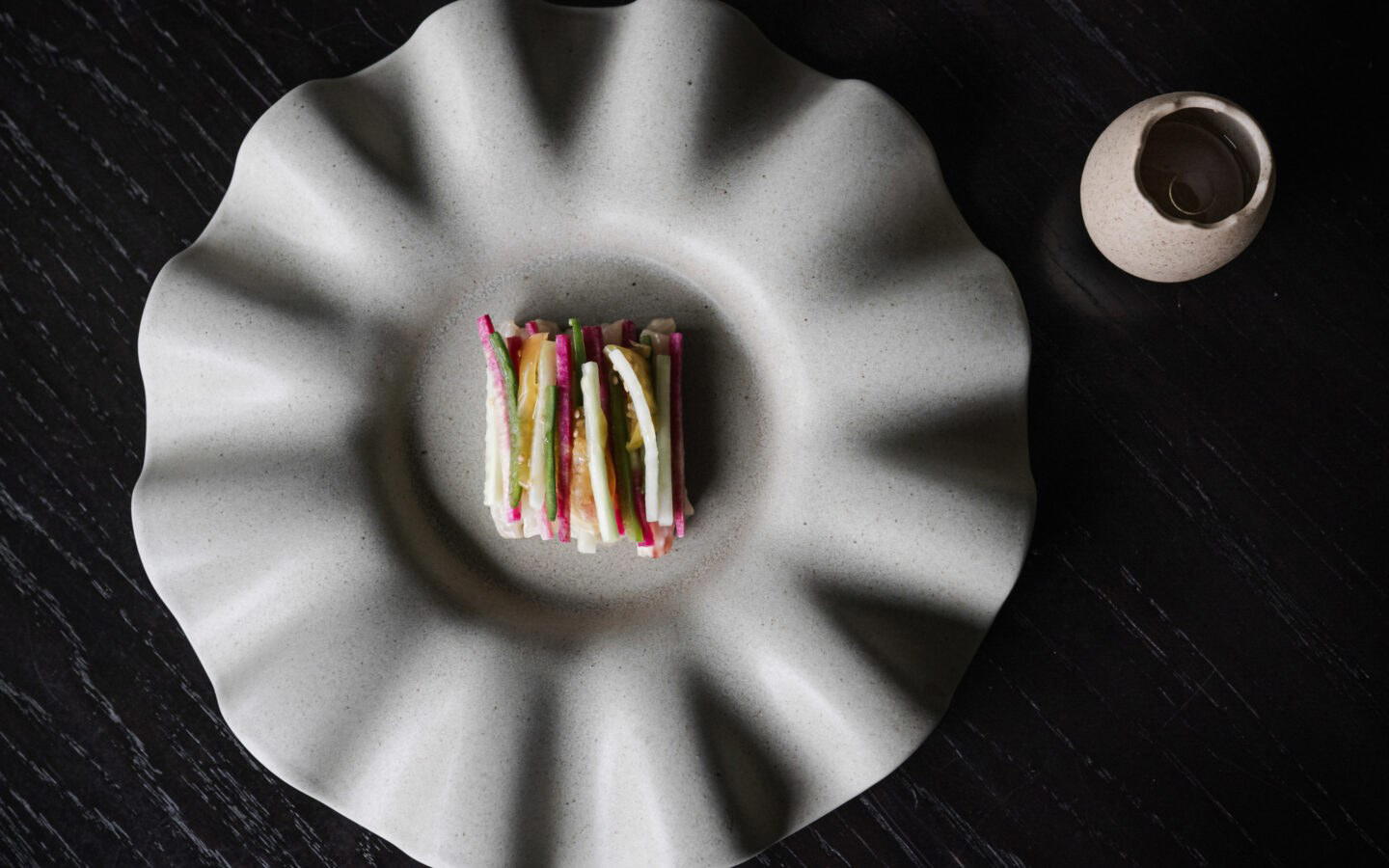
Bars in Vancouver
Browse all →
At a Glance
- Intimate
- Minimalist
- Elegant
- Sophisticated
- Date Night
- Special Occasion
- Chefs Counter
- Open Kitchen
- Sake Program
- Local Sourcing
- Sustainable Seafood
Current opening hours
- Monday
- Closed
- Tuesday
- 6–10 PM
- Wednesday
- 6–10 PM
- Thursday
- 6–10 PM
- Friday
- 6–10 PM
- Saturday
- 6–10 PM
- Sunday
- Closed
Hours can change for holidays and private events. Last verified .
Minimalist intimate dining room with white chandelier, sake bottles, warm gold and wood accents, serene and focused atmosphere centered on the sushi counter.