



On the second floor of a Chinatown loft on East Pender Street, Kissa Tanto holds a Michelin star for its itameshi menu, a Japanese-Italian fusion rooted in Pacific Northwest sourcing. The room channels the jazz cafes of 1960s Tokyo, dim and artwork-lined, while the kitchen pairs Dungeness crab with Calabrian chili butter and hand-cut pasta with miso-cured egg yolk. La Liste placed it among the world's top restaurants in 2026 with 76 points.
Pearl is the En Primeur Club membership app — saves, bookings, and concierge access live there. Same editors, same standards.
- Address
- 263 E Pender St, Vancouver, BC V6A 1T8, Canada
- Phone
- +1 778-379-8078
- Website
- kissatanto.com
- Directions
- Get directions
 Saves & bookings on Pearl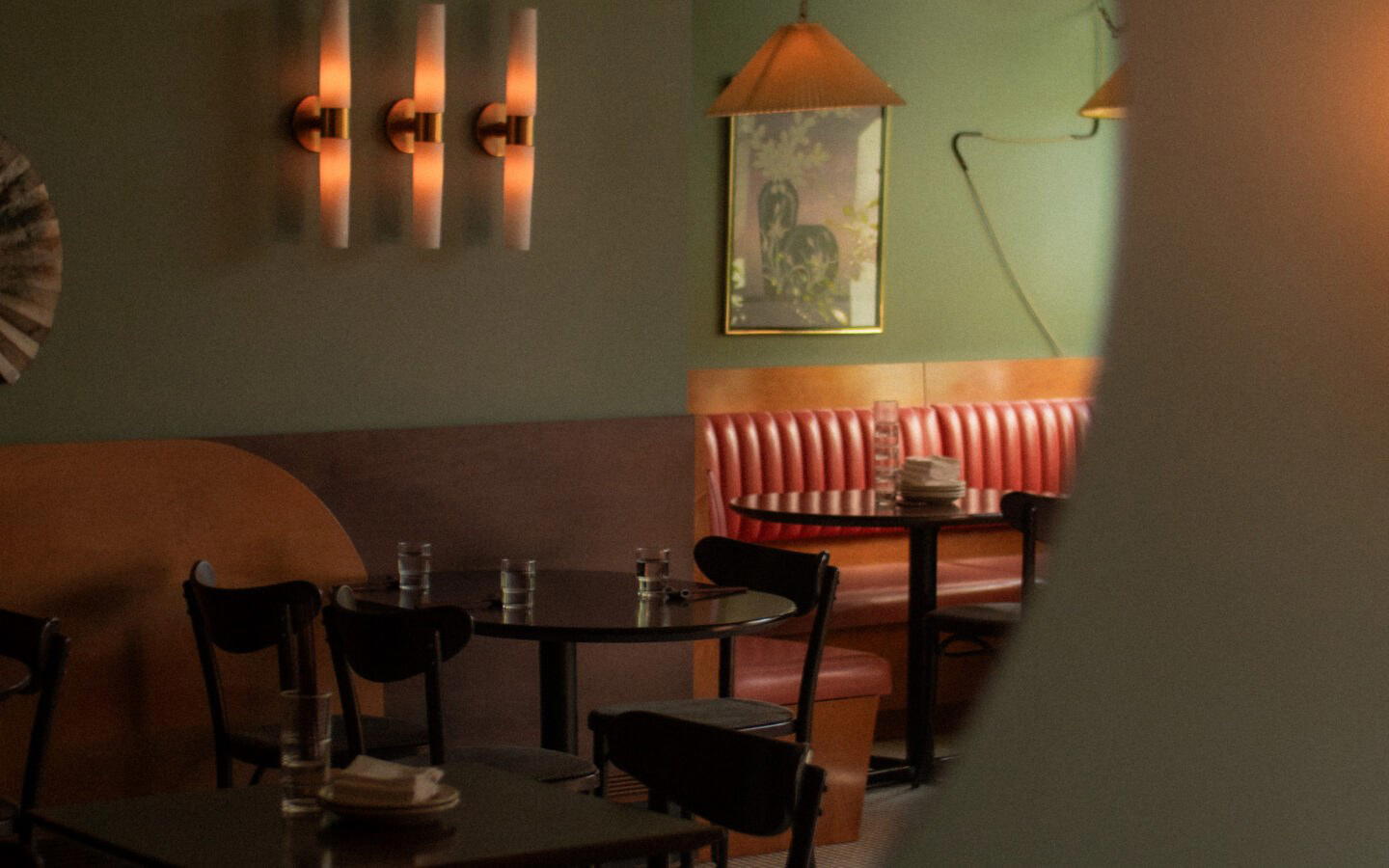
A Chinatown Loft and the Logic of Itameshi
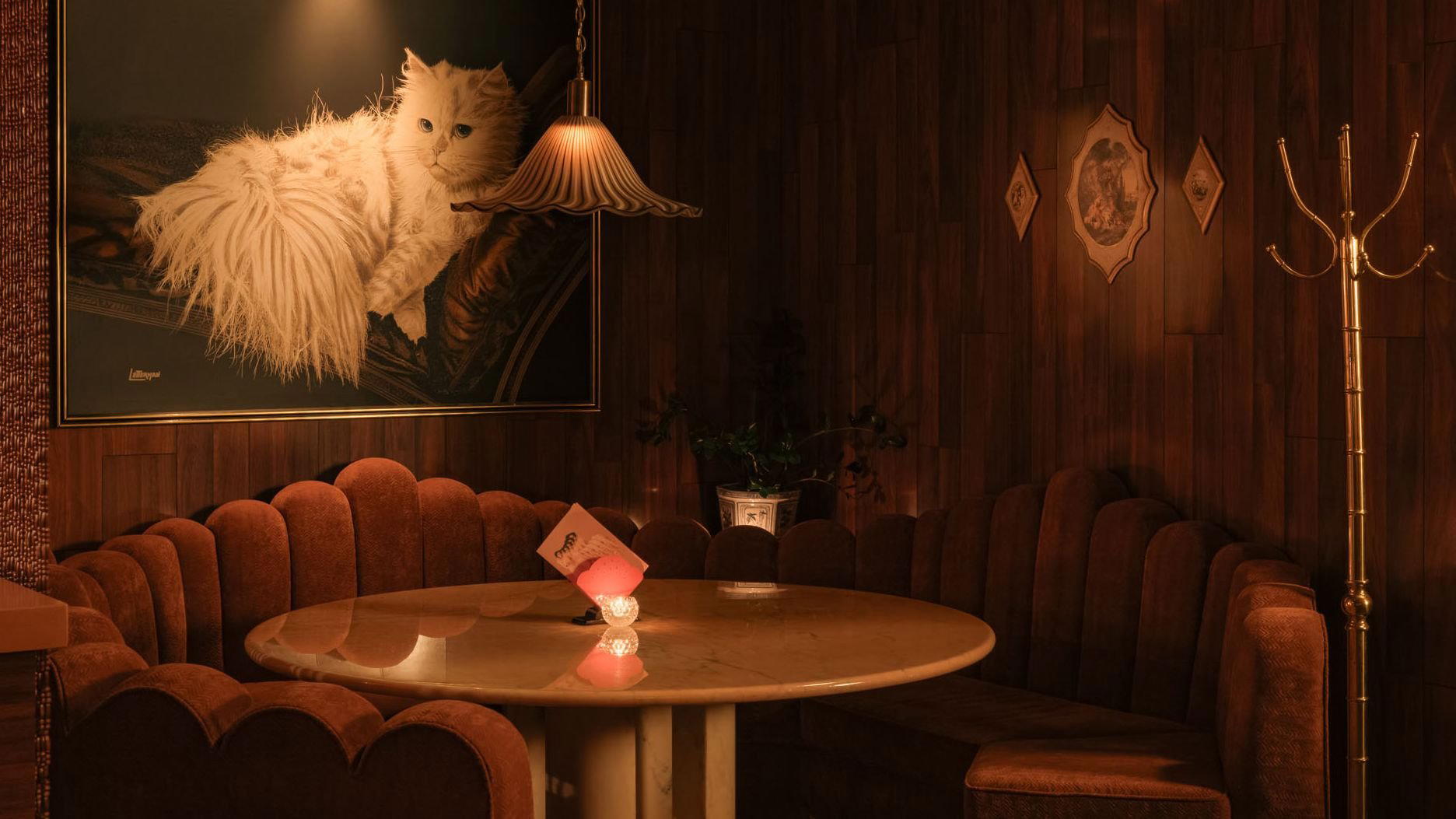
Vancouver's Chinatown has long carried the layered identity of a neighbourhood in flux, its older Cantonese institutional restaurants sharing blocks with a younger, more eclectic dining generation. East Pender Street sits at the heart of that transition, and the second storey of a building at number 263 houses one of the clearest expressions of what that shift has produced. The room above the street is dark, warm, and deliberately unhurried, its white mosaic floors and antique Japanese panels giving way to steely walls loaded with photographs and artwork. The reference point, explicitly, is the kissa, the jazz cafe format that defined after-hours Tokyo in the 1960s, spaces designed for lingering and for dressing up to do it.
That atmospheric specificity is not decorative in the casual sense. It establishes a contract with the diner before the menu arrives: the evening here runs at a particular pace, with a particular intention. Premium Vancouver dining has bifurcated between austere tasting-counter formats and more convivial, share-plate-oriented rooms. Kissa Tanto occupies the latter end with unusual clarity, and the low light and the jazz-inflected soundtrack are not incidental touches but structural decisions that shape how the food lands.
Itameshi at the Pacific Edge
The cuisine is itameshi, the Japanese shorthand for Japanese-Italian fusion that has a longer history in Japan itself than most Western diners appreciate. What Kissa Tanto does with the format under executive chef Joël Watanabe, alongside sous-chef Alain Chow and chef de cuisine Felix Maristany, is to root it in the specific produce ecology of the Pacific Northwest. The Michelin Guide awarded the restaurant a star. La Liste placed Kissa Tanto at 76 points in its 2026 global ranking, and Opinionated About Dining tracked it at #552 in its 2025 North American casual rankings, up from #647 in 2024.
The structural logic of the menu is one of genuine fusion rather than token borrowing. Italian pasta forms, Japanese fermentation techniques, and West Coast seafood appear together not as curiosities but as solutions to the same culinary question. A Sardinian pasta called culurgiones, traditionally filled with potato and pecorino, carries a filling of kimchi, ricotta, and potato here, dressed with a squash and sake emulsion. The tajarin, hand-cut pasta, arrives in butter with miso-cured egg yolk and parmesan. Tiramisu, in what might be one direct expression of the kitchen's intent, takes a plum wine-soaked tofu filling in place of its Italian original. These are not compromises; they are arguments.
Pacific Northwest's sourcing ecology shapes the menu without being announced. Dungeness crab, Hokkaido uni, whole Pacific rockfish, and local beets appear because they are what the region produces at scale and at quality. The charcoal udon with Dungeness crab and Calabrian chili butter has been on the menu long enough to constitute a signature, carrying forward from the restaurant's earlier years as evidence of what the kitchen does when it finds the right combination. Butter-roasted lobster with miso romesco and hijiki tsukudani with amaro represent the more recent register of the same instinct: fermentation and umami meeting fat and acid from two distinct culinary traditions.
Sourcing, Seasonality, and the Kitchen's Environmental Logic
Itameshi format, as practiced here, has an implicit sustainability argument built into its structure. By drawing simultaneously on Japanese fermentation traditions and Italian approaches to using the whole ingredient, the kitchen has access to techniques that reduce waste without framing it as a marketing position. Tsukudani, the Japanese method of simmering ingredients in soy and mirin until they are preserved and intensified, is inherently a technique of extension and efficiency, transforming what might otherwise be trim or surplus into something worth centering on a plate. Hijiki, a sea vegetable with a long history in Japanese coastal cooking, appears here alongside amaro in a combination that treats the ingredient as a primary rather than a garnish.
Regional sourcing pattern further supports this logic. Pacific rockfish, Dungeness crab, and local beets are all ingredients with defined seasonal windows and established regional supply chains. Frequent specials, noted in the kitchen's own description of the menu, allow the room to track what is available rather than holding to a fixed card regardless of season. Burrata paired with organic beets and Hakurei turnips with minted soy emulsion reads as the kitchen working with what the growing season is producing at a given moment. Roasted and fried celeriac with onion and mushroom dashi operates on the same principle, a vegetable that rewards patient technique and that arrives with significant flavour when treated properly.
Wine and beverage list, drawn from both Italy and Japan alongside other regions, extends the kitchen's dual-geography logic into the glass. A cocktail list that sits between the two culinary traditions reinforces the room's commitment to internal consistency. None of this is accidental, and the cumulative effect is a menu that feels coherent precisely because its sourcing, its technique, and its influences are all operating under the same set of principles.
The Room in Context: Vancouver's Upper Bracket
At the $$$ price tier, Kissa Tanto sits in the same bracket as AnnaLena, Barbara, Masayoshi, Okeya Kyujiro, and iDen & QuanJuDe Beijing Duck House, all of which hold Michelin stars and occupy the upper tier of Vancouver's dining conversation. What distinguishes the restaurant within that set is primarily the fusion format and the supper club atmosphere rather than an omakase counter or a tasting menu built around a single culinary tradition. The kitchen does offer an omakase option, drawing from the à la carte alongside off-menu items, which gives diners a chef-led path through the menu without fully committing to a fixed sequence.
The Michelin inspectors' note that the kitchen pulls no punches with its mingling of cuisines is the kind of assessment that tends to distinguish genuine ambition from competent execution of a crowd-pleasing formula.
Within the Canadian context, this level of fusion ambition with sustained critical recognition finds parallels in places like Alo in Toronto or Tanière³ in Québec City, restaurants that have made a specific culinary argument and held it over time. Internationally, the combination of Japanese technique and European pasta forms at the level of precision required here places the restaurant in a conversation with restaurants like Atomix in New York City, where cross-cultural fluency is a structural rather than decorative element of the kitchen's identity. Those interested in other expressions of ethical sourcing and regional produce in Canada might also look at Restaurant Pearl Morissette in Lincoln or Narval in Rimouski for how Canadian kitchens handle the relationship between place and plate at the premium level.
Planning a Visit
The restaurant operates Wednesday through Sunday, opening at 5:30 PM each of those evenings, with service running to 11 PM Wednesday through Thursday and Sunday, and to midnight on Friday and Saturday. The restaurant is closed Monday and Tuesday. The second-storey address at 263 E Pender Street places it squarely in Vancouver's Chinatown, accessible from downtown and well-served by public transit. Given the Michelin recognition and the consistent tracking in ranking lists, booking ahead is advisable, particularly for Friday and Saturday evenings. The omakase format is available for those who want a structured path through the menu, while the à la carte allows for more selective ordering.
Where It Fits
Comparable venues nearby, for context on price, style, and recognition.
| Venue | Cuisine | Price | Awards | Notes |
|---|---|---|---|---|
| Kissa TantoThis venue — the venue you are viewing | Japanese-Italian Fusion | $$$ | Michelin 1 Star | Not listed |
| Burdock & Co | Farm-to-Table Pacific Northwest Tasting Menu | $$$$ | Michelin 1 Star | Mount Pleasant |
| Barbara | Modern Contemporary Fine Dining | $$$ | Michelin 1 Star | Strathcona |
| St. Lawrence | Michelin-Starred Québécois French Bistro | $$$ | Michelin 1 Star | Downtown Eastside |
| AnnaLena | Modern Canadian Tasting Menu | $$$$ | Michelin 1 Star | Kitsilano |
| Sushi Masuda | Michelin-Starred Omakase Sushi | $$$$ | Michelin 1 Star | Coal Harbor |
Recognition history
Dated appearances from independent guides and award organizations, with the underlying list record or original source where available.
Canada's 100 Best Restaurants #15
Canada's 100 Best
La Liste Top Restaurants
La Liste
Opinionated About Dining Casual in North America Recommended
Opinionated About Dining
Canada's 100 Best Restaurants #18
Canada's 100 Best
Michelin 1 Star
Michelin
Opinionated About Dining Casual in North America Ranked #552
Opinionated About Dining
Michelin 1 Star
Michelin
Opinionated About Dining Casual in North America Ranked #647
Opinionated About Dining
Opinionated About Dining Casual in North America Recommended
Opinionated About Dining
Continue exploring
More in Vancouver
More from Chef Joël Watanabe
Browse all →
Restaurants in Vancouver
Browse all →
Bars in Vancouver
Browse all →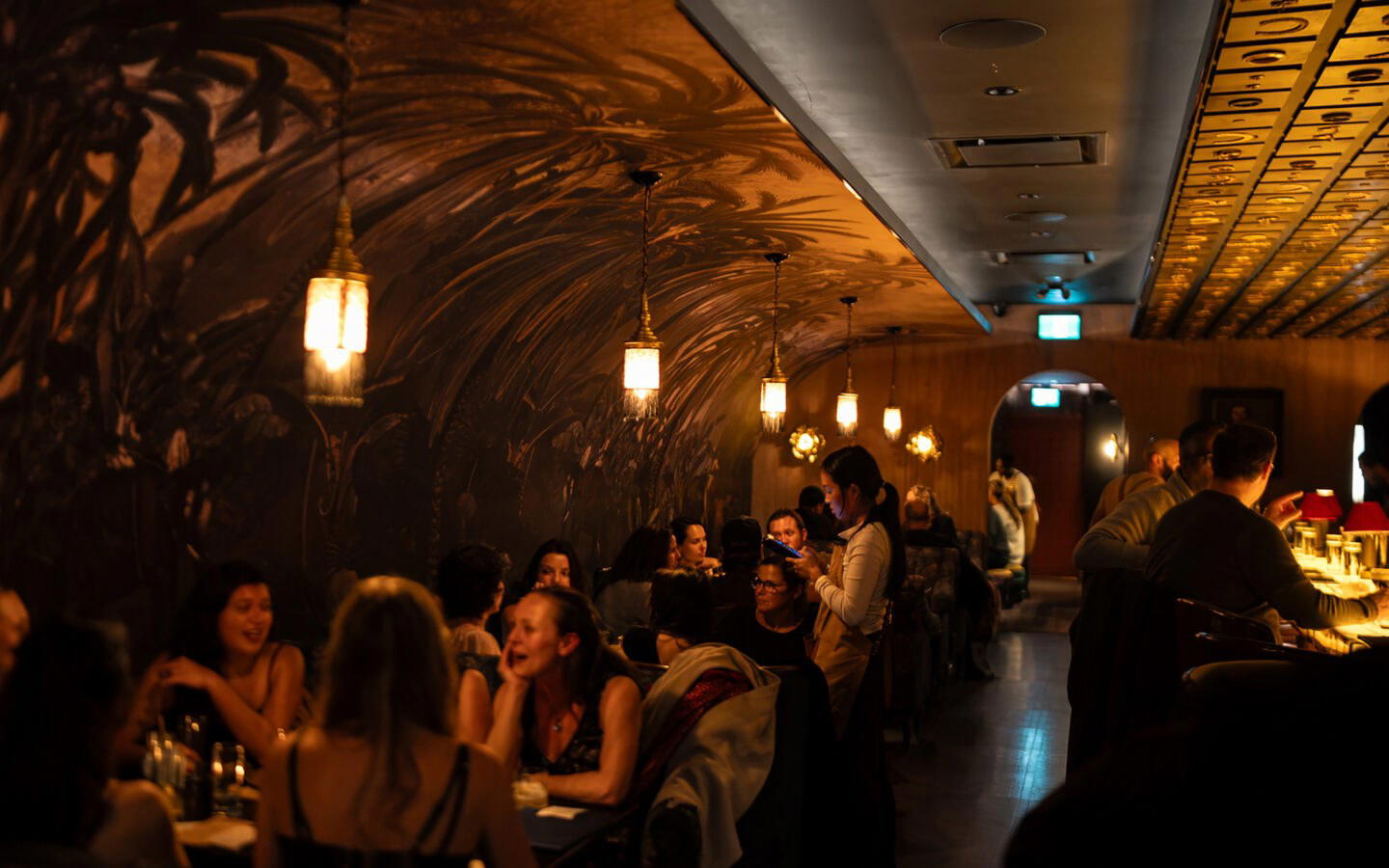
At a Glance
- Elegant
- Trendy
- Intimate
- Sophisticated
- Date Night
- Special Occasion
- Celebration
- Open Kitchen
- Design Destination
- Standalone
- Extensive Wine List
- Craft Cocktails
- Sommelier Led
- Local Sourcing
Current opening hours
- Monday
- Closed
- Tuesday
- Closed
- Wednesday
- 5:30–11 PM
- Thursday
- 5:30–11 PM
- Friday
- 5:30 PM–12 AM
- Saturday
- 5:30 PM–12 AM
- Sunday
- 5:30–11 PM
Hours can change for holidays and private events. Last verified .
Moody and artistic with white mosaic floors, antique Japanese panels, steely-colored walls adorned with artwork and photos; dimly lit with a lively, busy atmosphere.