Vegan Shoku brings a plant-based lens to Japanese culinary tradition in Vancouver's Kerrisdale neighbourhood, at 2260 W 41st Ave. Operating in a city where Japanese dining spans everything from high-end omakase counters to casual izakayas, it occupies a specific and underserved position: Japanese technique applied entirely to vegetables, grains, and plant-derived ingredients. For diners tracking where ingredient sourcing meets culinary discipline, it warrants attention.
Pearl is the En Primeur Club membership app — saves, bookings, and concierge access live there. Same editors, same standards.
- Address
- 2260 W 41st Ave, Vancouver, BC V6M 1Z8, Canada
- Phone
- +16045666556
- Website
- swypepos.com
- Directions
- Get directions
 Saves & bookings on Pearl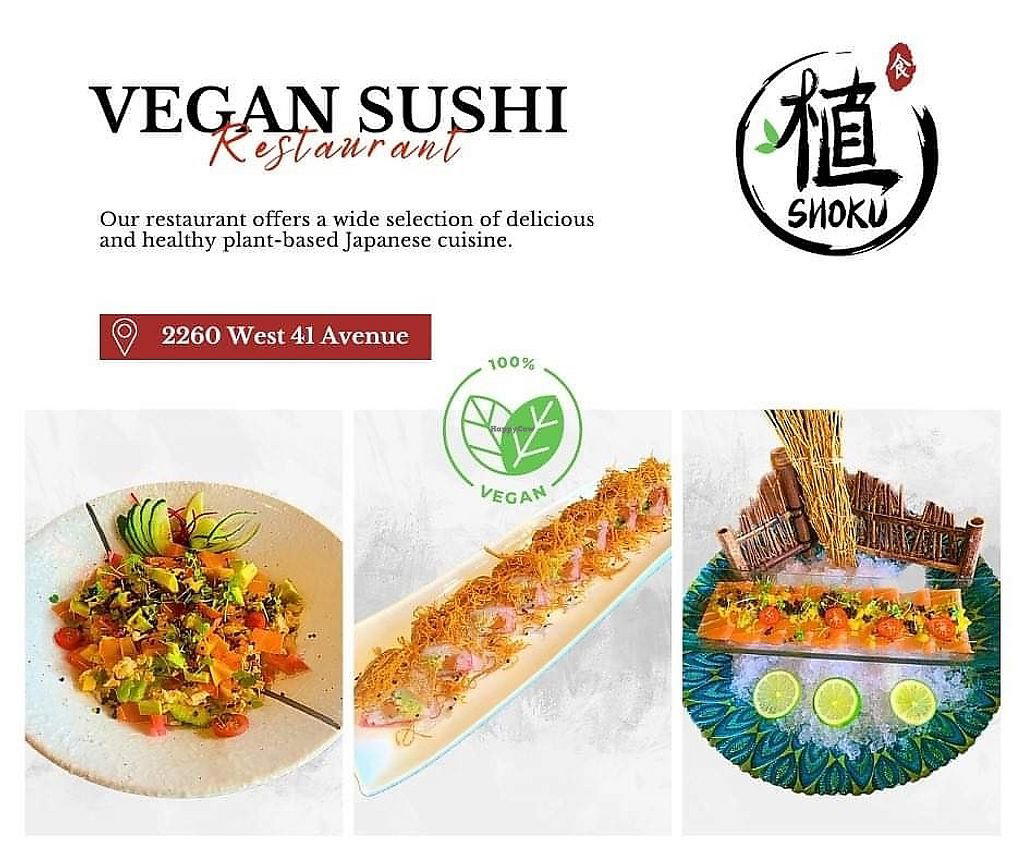
Where Japanese Technique Meets a Plant-Based Kitchen
Kerrisdale sits at the quieter, residential end of Vancouver's dining map, far from the density of Gastown or Yaletown. The neighbourhood draws a local clientele rather than destination diners, which means the restaurants that survive there tend to do so on repeat business and word of mouth rather than tourist foot traffic. At 2260 W 41st Ave, Vegan Shoku is a Vancouver restaurant serving vegan Japanese sushi at a moderate price point of about $25 per person.
That restraint is appropriate for the format. Vegan Japanese cooking, when executed with discipline, is one of the more ingredient-forward traditions in any cuisine category. The Japanese approach to plant-based food has deep roots in shojin ryori, the Buddhist temple cuisine developed over centuries in Kyoto and elsewhere, where the absence of meat is not a constraint but a compositional principle. Dishes are built around texture contrast, umami from fermented and dried ingredients, and the precision of knife work applied to vegetables rather than protein. Vegan Shoku's name signals that lineage directly.
Sourcing as the Central Discipline
In a city like Vancouver, the case for ingredient-led Japanese cooking is easier to make than almost anywhere else in Canada. The province's agricultural output is substantial: the Fraser Valley produces leafy greens, root vegetables, and mushrooms across a long growing season, while British Columbia's coastline supplies seaweeds that appear in traditional Japanese preparations as a matter of course rather than as an import workaround. A kitchen committed to plant-based Japanese cooking in Vancouver has access to sourcing infrastructure that wouldn't exist in most North American cities.
This matters because the genre lives or dies on ingredient quality. Shojin-influenced cooking doesn't hide behind heavy sauces or rich animal fats; a poorly sourced daikon or a mediocre shiitake registers immediately. The discipline of sourcing to that standard, and maintaining it across a full menu, is what separates a coherent plant-based Japanese kitchen from a restaurant that simply removes the fish and calls it done. Vancouver's proximity to both Pacific Rim ingredient networks and local organic producers gives a kitchen like Vegan Shoku a credible foundation to work from.
For comparison, Vancouver's higher-end Japanese dining tends toward the fish-forward: Masayoshi operates in the omakase register, where premium fish sourcing is the defining credential. The plant-based category asks different questions of its sourcing. The prestige ingredient shifts from aged tuna to first-harvest kombu, to heirloom varieties of rice, to the timing and provenance of fermented components like miso and koji. These are slower, less dramatic markers of quality, which is part of why serious vegan Japanese cooking is underrecognised relative to its technical demands.
The Vancouver Japanese Dining Context
Vancouver has one of North America's most substantial Japanese dining communities, shaped by decades of Japanese-Canadian history in the city and reinforced by continued immigration and cultural exchange with Japan. The result is a scene that spans multiple registers simultaneously. At the premium end, Masayoshi and Kissa Tanto (which fuses Japanese and Italian traditions) represent the kind of technically ambitious, booking-required format where Vancouver holds its own against larger North American cities. In the middle range, the city has a deep ramen and izakaya culture that functions more as daily eating infrastructure than as a destination category.
Vegan Shoku sits in a different tier from all of those. It addresses a specific gap: diners who want Japanese culinary structure and the ingredient seriousness that comes with it, but without the animal protein that anchors most of the category. In a city where the broader contemporary dining scene, represented by restaurants like AnnaLena and Barbara, has moved toward vegetable-forward menus as a matter of culinary philosophy rather than dietary accommodation, a Japanese-specific version of that commitment is a logical and overdue addition.
Across Canada, ambitious plant-forward cooking tends to appear in tasting-menu formats: Tanière³ in Quebec City and Alo in Toronto both treat vegetable sourcing as a prestige signal comparable to protein sourcing. The difference with a vegan Japanese format is that the culinary vocabulary is already established through centuries of shojin ryori practice, rather than being invented from scratch. That existing framework is an asset: the techniques are codified, the flavour logic is proven, and the ingredient relationships are well understood.
What to Order and How to Approach the Menu
What the format implies, however, is worth understanding. A plant-based Japanese kitchen built on traditional principles will typically organise its menu around component clarity rather than the protein-and-sides structure familiar in Western dining. Expect preparations where a single vegetable is the subject of a dish, treated through multiple techniques: raw, pickled, grilled, or simmered in dashi made without bonito. Fermented elements, whether miso-based sauces, housemade pickles, or koji-marinated preparations, tend to carry the umami weight that fish and meat would supply in a conventional Japanese kitchen.
For diners accustomed to the depth of flavour in fish-forward Japanese cooking, the adjustment is not about settling for less but about recalibrating where the depth comes from. The fermentation timeline, the quality of the kombu, the age of the miso: these become the markers of craft. It is a slower read than a piece of aged tuna, but a rewarding one for diners paying attention.
Those exploring Japanese dining further across Vancouver and Canada will find useful contrasts at Masayoshi at the premium fish-forward end, or in broader contemporary Canadian cooking at Restaurant Pearl Morissette in Lincoln and Eigensinn Farm in Singhampton, where ingredient sourcing carries similar weight in a different culinary tradition. In New York, Atomix demonstrates how Korean fine dining handles the same question of elevating plant-adjacent ingredients within an Asian culinary framework.
Know Before You Go
- Address: 2260 W 41st Ave, Vancouver, BC V6M 1Z8, Canada
- Neighbourhood: Kerrisdale, west-side Vancouver
- Cuisine: Plant-based Japanese
- Phone: Check current hours directly with the venue
- Booking: Advance booking recommended
- Dietary: Fully vegan menu by design, not by accommodation
- Getting there: Accessible via TransLink bus routes along W 41st Ave; street parking available in the neighbourhood
Cuisine-First Comparison
Comparable venues nearby, for context on price, style, and recognition.
| Venue | Cuisine | Price | Notes |
|---|---|---|---|
| Vegan Shoku Japanese RestaurantThis venue — the venue you are viewing | Vegan Japanese Sushi | $$ | Not listed |
| Ramen Danbo | Fukuoka-Style Tonkotsu Ramen | $$ | West End |
| Oshi Nori | Modern Japanese Hand Roll Bar | $$ | Yaletown |
| Guu Toramasa | Osaka-Style Japanese Izakaya | $$ | Downtown |
| The Kitchen Dada | Modern Japanese Sushi & Grill | $$ | West Point Grey |
| Raisu | Modern Japanese Izakaya | $$ | Kitsilano |
Continue exploring
More in Vancouver
Restaurants in Vancouver
Browse all →
Bars in Vancouver
Browse all →

At a Glance
- Modern
- Cozy
- Trendy
- Casual Hangout
- Date Night
Current opening hours
- Monday
- 11:30 AM–9 PM
- Tuesday
- 11:30 AM–9 PM
- Wednesday
- 11:30 AM–9 PM
- Thursday
- 11:30 AM–9 PM
- Friday
- 11:30 AM–9 PM
- Saturday
- 11:30 AM–9 PM
- Sunday
- 11:30 AM–9 PM
Hours can change for holidays and private events. Last verified .
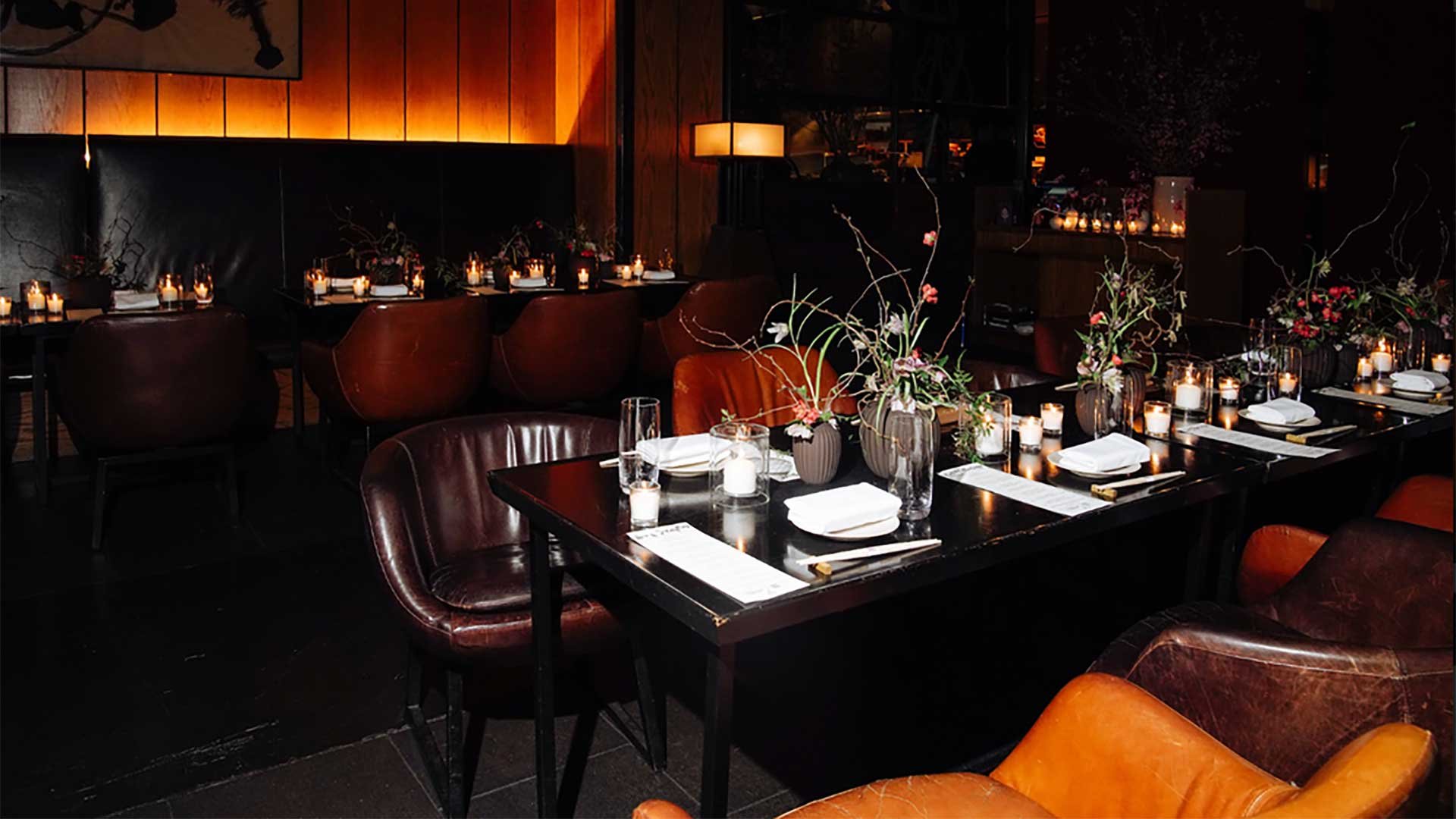
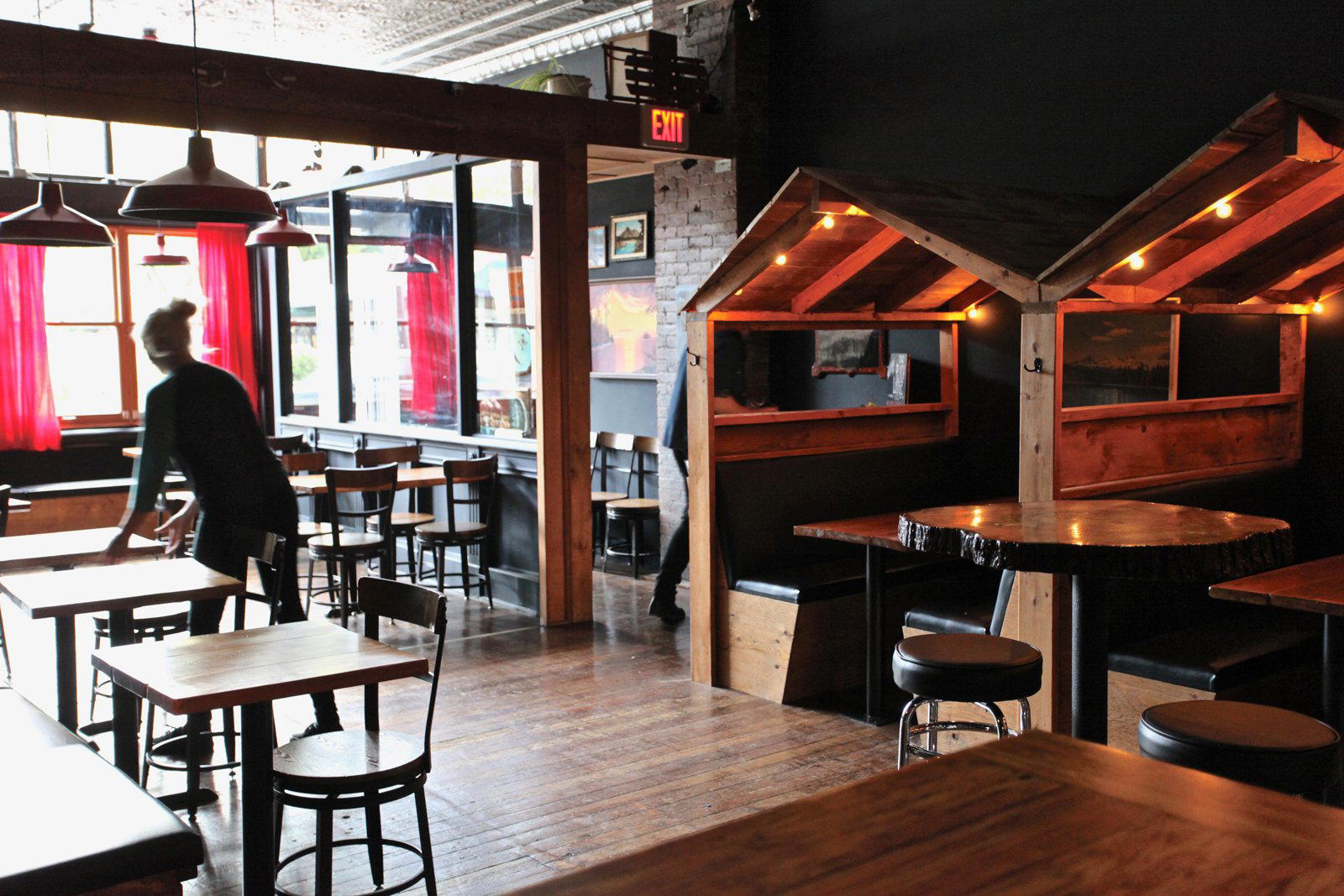
Cute decor and pleasant atmosphere enhancing the dining experience.