COFU Chinatown occupies a corner of Vancouver's Gore Avenue that has been feeding Chinese-Canadian communities long before the city's dining scene attracted international attention. Positioned within one of North America's oldest Chinatowns, it operates in a neighbourhood where culinary heritage and neighbourhood change exist in direct tension — making the cultural context as relevant as anything on the plate.
Pearl is the En Primeur Club membership app — saves, bookings, and concierge access live there. Same editors, same standards.
- Address
- 488 Gore Ave, Vancouver, BC V6A 2Z6, Canada
- Phone
- +16043361166
- Website
- cofu.ca
- Directions
- Get directions
 Saves & bookings on Pearl
Vancouver's Chinatown and the Weight of a Neighbourhood
Vancouver's Chinatown, centred on the blocks around Pender and Gore, carries a history that most of the city's newer dining destinations do not. Established in the late 19th century by Chinese labourers brought in for railway construction and cannery work, it became one of the largest Chinese communities in North America — and one of the most institutionally targeted, surviving exclusion acts, demolition threats, and decades of municipal neglect before arriving at its current, complicated status as a heritage district under development pressure. The restaurants that have held on here are not operating in a vacuum; they are operating inside a living record of that history. COFU Chinatown, at 488 Gore Ave, sits inside that record.
For a reader deciding between this address and the higher-profile Chinese dining options elsewhere in Vancouver, that neighbourhood context matters. The Chinese restaurant tier in the city ranges from dim sum parlours in Richmond drawing weekend queues that extend onto suburban sidewalks, to white-tablecloth Cantonese in downtown towers, to the more specialist end represented by iDen & QuanJuDe Beijing Duck House, which imports a Peking duck tradition with documented Beijing lineage. COFU Chinatown positions itself differently — geographically, and in the kind of dining it implies.
What the Chinatown Address Signals
Across North American cities, Chinatown addresses have historically meant something specific: cooking oriented toward the community rather than toward outside audiences, menus that assume familiarity rather than performing exoticism, and price structures that reflect neighbourhood economics rather than destination-dining premiums. That pattern has shifted in many cities, where Chinatowns have been reframed as culinary tourism destinations, sometimes at the cost of the residents and institutions that gave them character. Vancouver's Chinatown is mid-transition, some blocks have tilted toward gallery spaces and specialty coffee, while others retain the character of a working neighbourhood with decades of continuity.
Within that context, a restaurant at the Gore Avenue end of the district occupies territory that still reads as neighbourhood-facing rather than tourist-facing. That distinction shapes reasonable expectations for format, price, and atmosphere more reliably than any individual venue description could. Readers who have spent time at genuinely community-embedded Chinatown restaurants in San Francisco, New York, or Toronto will recognise the register: practical interiors, direct service, and cooking calibrated for regulars rather than first-timers performing a discovery narrative.
The Broader Vancouver Chinese Dining Picture
Understanding where COFU Chinatown sits requires mapping the broader field. The dominant force in Vancouver Chinese cooking is not downtown or even Chinatown proper, it is Richmond, the suburban municipality to the south, which holds one of the highest concentrations of Chinese-Canadian residents on the continent and has produced a restaurant density and regional-cuisine diversity that draws serious food attention from across Canada and beyond. Cantonese, Shanghainese, Sichuan, Taiwanese, and Hong Kong-style cha chaan teng formats all operate at high volume and strong execution in Richmond, often at price points that reflect competition rather than premium positioning.
Downtown Vancouver's Chinese dining tilts toward occasion dining and business entertainment. Restaurants in that tier compete on private rooms, whole-animal presentations, and wine lists in a way that aligns them more with AnnaLena or Kissa Tanto in terms of booking behaviour and spend, even if the cuisine categories differ entirely.
Chinatown proper occupies a middle ground that is neither Richmond's volume-and-variety model nor downtown's occasion-dining register. Its restaurants have historically served the community first, and the best of them have done so with a consistency and specificity that more visible venues cannot replicate.
Cultural Continuity as a Dining Category
One of the things the broader Canadian restaurant scene has become more attentive to is the distinction between restaurants that perform cultural identity for outside audiences and those that sustain it for the communities that shaped it. That distinction surfaces in discussions of Indigenous-led dining (see the approach at Fogo Island Inn Dining Room in Newfoundland, or the sourcing philosophy at Eigensinn Farm in Singhampton), but it applies equally to Chinese-Canadian restaurants operating in historically Chinese neighbourhoods under pressure from gentrification.
A restaurant at 488 Gore Ave is making an implicit argument simply by being there. The Chinatown address, in 2024, requires a degree of institutional commitment that a restaurant in a lower-rent or higher-traffic zone does not. That matters when evaluating what the visit represents beyond the meal itself. Canada's most discussed restaurants, from Alo in Toronto to Tanière³ in Quebec City, operate in contexts defined by culinary ambition and critical attention. Chinatown restaurants operate in a context defined by community continuity and cultural specificity, a different kind of significance, and one that rewards a different kind of attention from the reader.
Planning Your Visit
Know Before You Go
- Address: 488 Gore Ave, Vancouver, BC V6A 2Z6
- Neighbourhood: Chinatown, Vancouver, one of the oldest Chinese communities in North America, with ongoing heritage designation and active development pressure
- Getting There: The address is accessible by SkyTrain (Stadium-Chinatown Station is the nearest stop on the Expo and Millennium lines) and by several bus routes along Hastings and Main. Street parking is available in the surrounding blocks, though availability varies.
- Walk-in is the most reliable approach for neighbourhood-facing Chinatown restaurants of this type; peak weekend lunch periods are typically the busiest windows.
- Context: For the wider Vancouver restaurant picture, including Chinatown-adjacent dining and the full range from casual to fine dining, see our full Vancouver restaurants guide.
- Comparable international context: Readers familiar with Le Bernardin in New York City or Lazy Bear in San Francisco will find Chinatown dining in Vancouver occupies an entirely different register, neighbourhood-embedded rather than destination-seeking, and valued on different terms.
How COFU Chinatown Vancouver compares with similar nearby venues.
| Venue | Cuisine | Price |
|---|---|---|
| Barbara | Contemporary | $$$$ |
| Kissa Tanto | Fusion | $$$$ |
| St. Lawrence | French | $$$$ |
Continue exploring
More in Vancouver
Restaurants in Vancouver
Browse all →
Bars in Vancouver
Browse all →
At a Glance
- Modern
- Elegant
- Intimate
- Sophisticated
- Minimalist
- Date Night
- Special Occasion
- Chefs Counter
- Open Kitchen
- Sake Program
- Local Sourcing
- Organic
Current opening hours
- Monday
- Closed
- Tuesday
- Closed
- Wednesday
- 5–10 PM
- Thursday
- 5–10 PM
- Friday
- 4–11 PM
- Saturday
- 4–11 PM
- Sunday
- 5–10 PM
Hours can change for holidays and private events. Last verified .
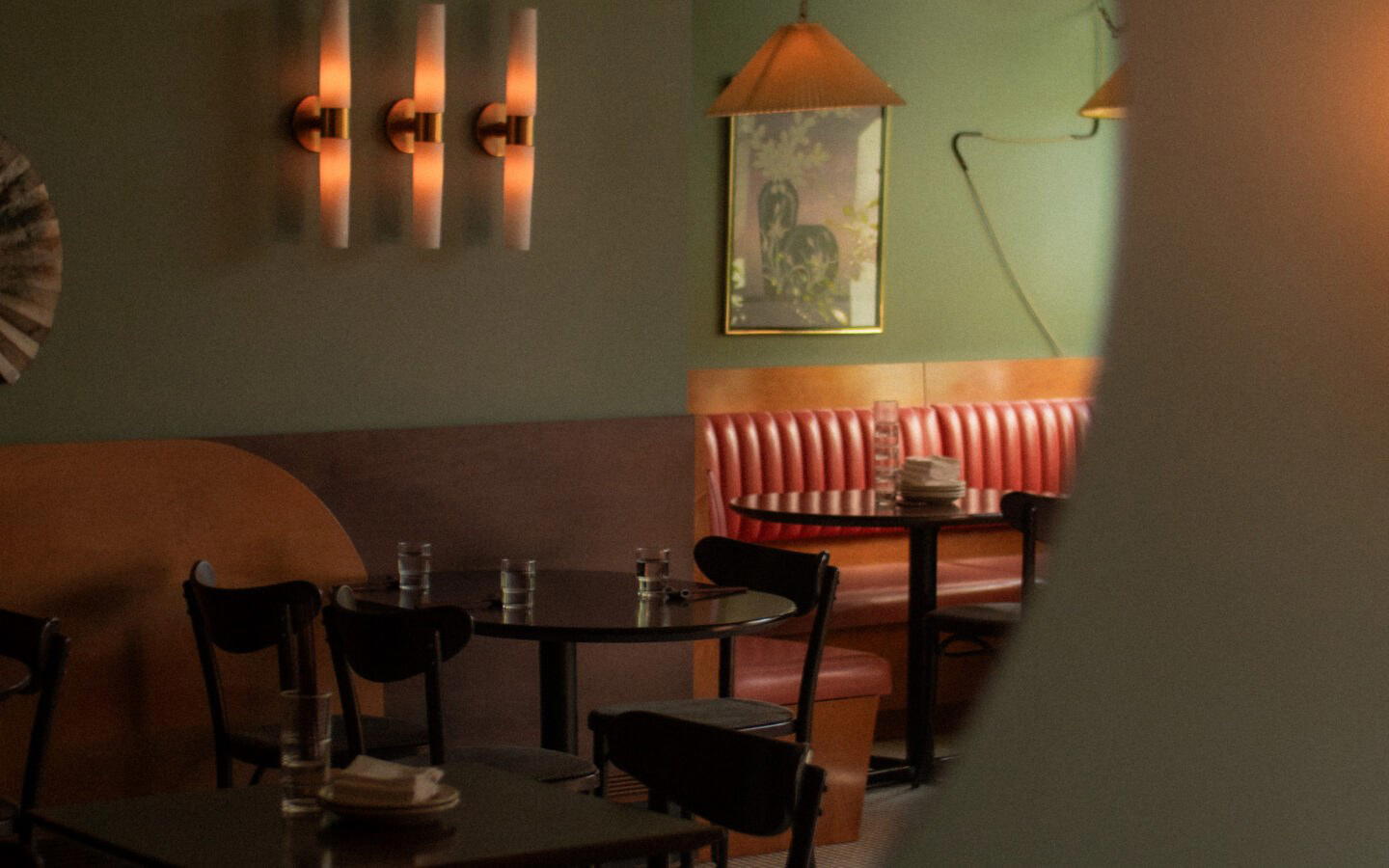
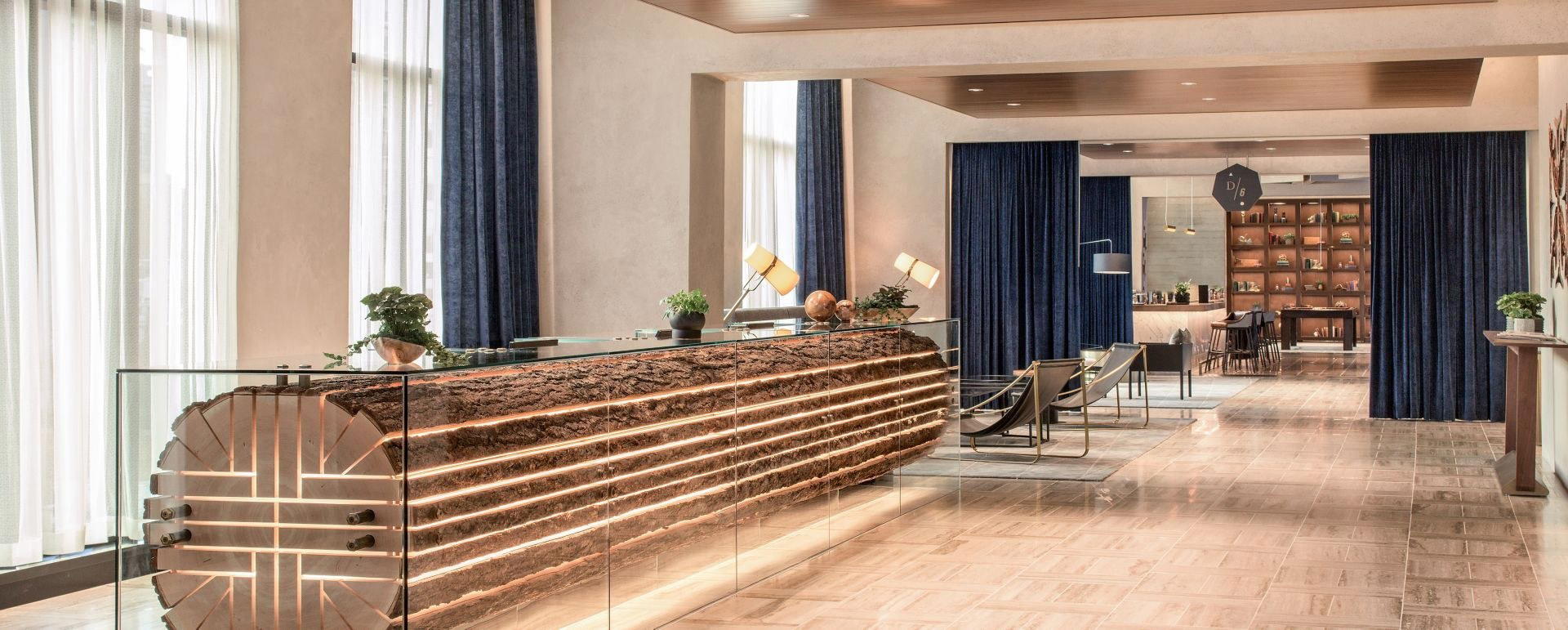
Moody dark interior with minimal lighting, honoring Japanese minimalism and craftsmanship for a soothing, tranquil atmosphere.
Know Before You Go
- Getting there
- 488 Gore Ave, Vancouver, BC V6A 2Z6, Canada