.png)
Kin holds a Michelin Plate (2025) and a 4.9 Google rating across over 300 reviews, operating from a single fortnightly-changing set menu that draws from Congolese culinary traditions. Chef Hugues Mbenda's cooking, manioc crisps, dibi-sauced beef onglet, puffed thiéré, positions Kin as one of the very few African fine-dining addresses in France's second city. A lunchtime sibling, Libala, runs a shorter cross-cultural street food format.
 Discover on Pearl
Pearl is the En Primeur Club membership app — saves, bookings, and concierge access live there. Same editors, same standards.
- Address
- 10 Rue Francis Davso, 13001 Marseille, France
- Phone
- +33 4 91 06 44 02
- Website
- kin-restaurant.com
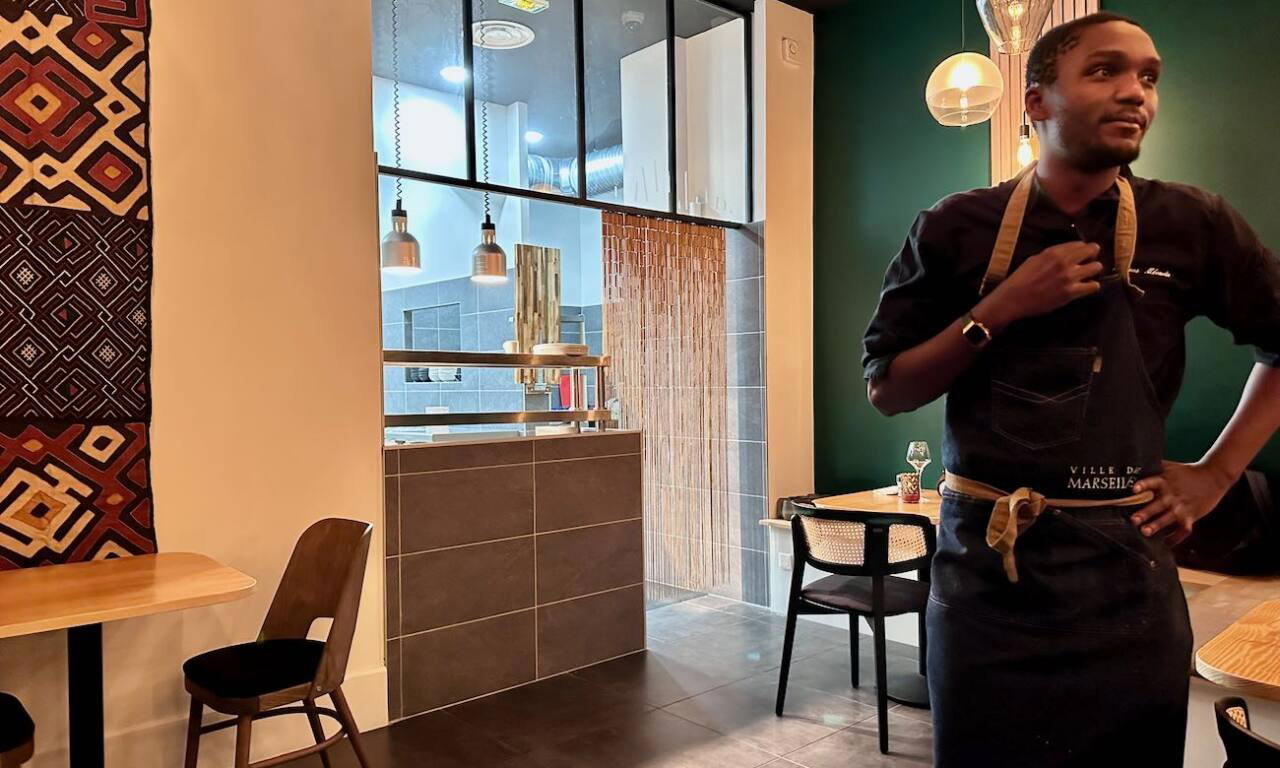
African Fine Dining in a City That Rarely Sees It
Kin is a restaurant in Marseille, France, serving Franco-Congolese Fusion at about €55 per person. Walk along Rue Francis Davso in central Marseille's 1st arrondissement and you pass the kind of compact, quietly confident restaurant that announces itself through restraint rather than signage. Kin does not occupy a grand room. What it offers instead is precision: a single set menu, a fortnightly rotation, and a culinary language that Marseille's dining scene has not heard at this register before. In a city whose fine-dining identity leans heavily on Provençal produce and Mediterranean seafood, represented at the highest level by addresses like Le Petit Nice and AM par Alexandre Mazzia, Kin sits in a different coordinate entirely.
The Michelin Guide noted Kin in 2025, a signal that the inspectors are paying attention. That distinction places it alongside technically considered addresses such as Belle de Mars and Alivetu in the city's mid-to-upper tier, while sitting at a different price point than the starred rooms. At around €55 per person, Kin sits below Une Table, au Sud and considerably below the three-starred operations.
The Menu Logic: Fortnightly, Fixed, Congolese
The set menu format has become increasingly common across French serious dining, from multi-starred rooms like Troisgros - Le Bois sans Feuilles and Flocons de Sel to destination addresses like Mirazur on the Côte d'Azur. The logic is consistent: a fixed sequence allows a kitchen to execute each dish with maximum attention, removing the inefficiencies of à la carte service. What distinguishes Kin's version is the source material. Chef Hugues Mbenda, originally from Kinshasa in the Democratic Republic of the Congo, builds his menus from Congolese culinary tradition, and the rotation every two weeks signals a kitchen working with seasonal thinking rather than a locked-in formula.
Documented dishes include manioc crisps with sweet chilli and burnt onion cream, and crispy Angus beef onglet served with dibi sauce, white asparagus, and puffed thiéré, the Senegalese couscous preparation that introduces a West African note into a menu rooted in Central Africa. Both dishes indicate a kitchen interested in textural contrast and in ingredients that rarely appear at this level of French dining. Manioc, a staple across Central and West African cooking, and thiéré, a couscous variant made from millet or sorghum rather than semolina, require different technical handling than the classical French larder. That Mbenda deploys them with the presentation standards Michelin inspectors noted points to a kitchen that has absorbed fine-dining discipline without abandoning its source grammar.
African fine dining at this standard remains a narrow category globally. Chishuru in London and Dōgon in Washington, D.C. represent comparable positions in their respective cities: chefs working from African culinary frameworks inside a fine-dining format, building a category that is genuinely young at the level where Michelin recognition becomes relevant. In France, where the institutional fine-dining tradition runs through addresses like Auberge de l'Ill, Bras, and Alléno Paris au Pavillon Ledoyen, Kin's Congolese set menu format operates with almost no peer comparison in the country. That absence of precedent is part of what makes 307 Google reviews at a 4.9 average a meaningful data point: the audience has found it without the scaffolding of an established category.
Planning Your Visit: What the Booking Reality Looks Like
The format and the recognition together create real access pressure. A noted Michelin recognition in 2025, paired with a 4.9 Google score across 336 reviews and a fixed-seat set menu that changes every two weeks, generates concentrated demand for limited covers. Kin is located at 10 Rue Francis Davso, 13001 Marseille, in the 1st arrondissement, close to the Vieux-Port.
The fortnightly menu rotation means the table you book in two weeks' time will not serve the same menu as the one you might have seen described online. This is by design, and it changes the booking calculus compared to a restaurant with a stable permanent menu. Regulars return across cycles; first-time visitors should not arrive expecting specific dishes. What remains consistent is the format itself: several courses, Congolese culinary framing, meticulous presentation, and fresh ingredients across each iteration.
At lunchtime, the operation shifts. Libala, Mbenda's street food sibling concept, runs from the same address with a shorter, more casual menu described as cross-cultural. For readers whose schedules or budgets make the full set menu impractical, the lunch format offers a lower-commitment access point to the same kitchen. The two-track model, serious set menu in the evening, accessible lunch concept by day, has become a rational structure for ambitious chefs managing both creative output and commercial throughput.
Reservation enquiries are leading directed through current third-party booking platforms or the venue's own social channels. Given the size of the operation implied by the format, walk-ins on a set menu evening are unlikely to succeed. Plan with at least a few weeks' lead time, particularly if your Marseille dates are fixed.
What Should I Order at Kin?
Because Kin operates on a single set menu that rotates every fortnight, the ordering question does not apply in the conventional sense. You eat what the kitchen has built for that cycle, which is precisely the point. The documented reference dishes, manioc crisps with sweet chilli and burnt onion cream; crispy Angus beef onglet with dibi sauce, white asparagus, and puffed thiéré, give a sense of the register: technically finished, ingredient-specific, and calibrated around Congolese and broader African culinary references rather than Provençal or Mediterranean ones. If you are visiting Marseille specifically for the meal at Kin, the only thing to select in advance is the date, and that requires planning. The Michelin Plate (2025) and the 4.9 Google rating across 307 reviews are the relevant trust signals here: both point to a kitchen performing at a consistent level across a changing menu, which is the more demanding version of the set menu format. The lunch option at Libala runs on a simpler format and is the practical fallback if the evening set menu is fully committed during your travel window.
Cuisine and Credentials
Comparable venues nearby, for context on price, style, and recognition.
| Venue | Cuisine | Price | Awards | Notes |
|---|---|---|---|---|
| KinThis venue — the venue you are viewing | Franco-Congolese Fusion | $$$ | Michelin Plate | |
| Mijoba | Modern Mediterranean with Andean Fusion | $$$ | Michelin Plate | Vauban |
| Peron | Refined Mediterranean Seafood | $$$ | Michelin Plate | Endoume |
| SAGE | Modern Provençal Bistro | $$$ | Michelin Plate | Opera |
| Un Petit Cabanon Bouillon | Seasonal French Bistro | $$ | Michelin Plate | La Joliette |
| Grenat | Modern French Fire-Grill Bistro | $$ | Michelin Plate | Palais De Justice |
Continue exploring
More in Marseille
Restaurants in Marseille
Browse all →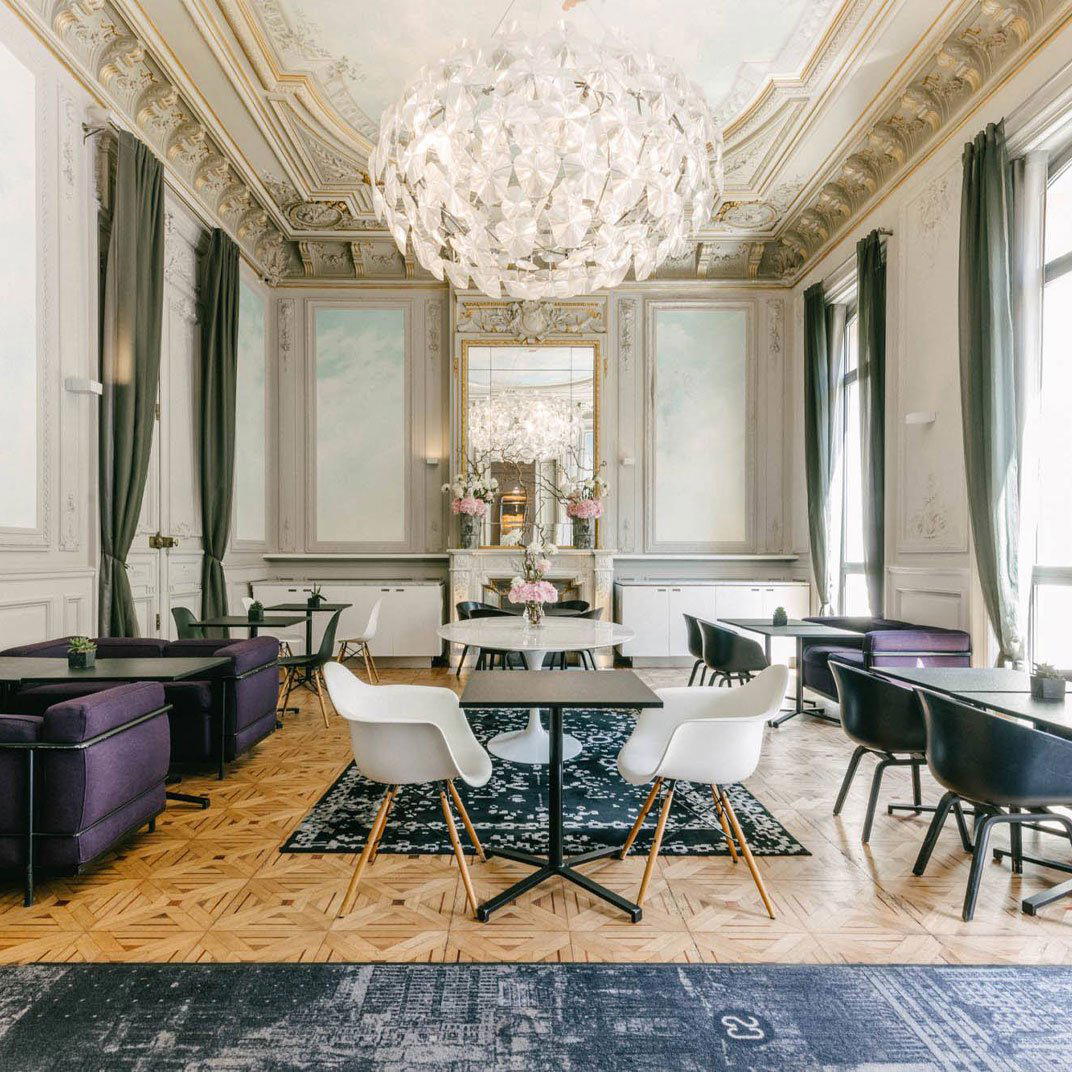
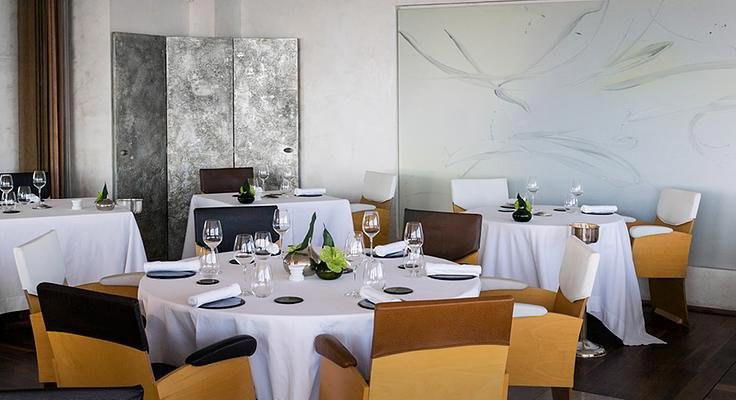
Bars in Marseille
Browse all →
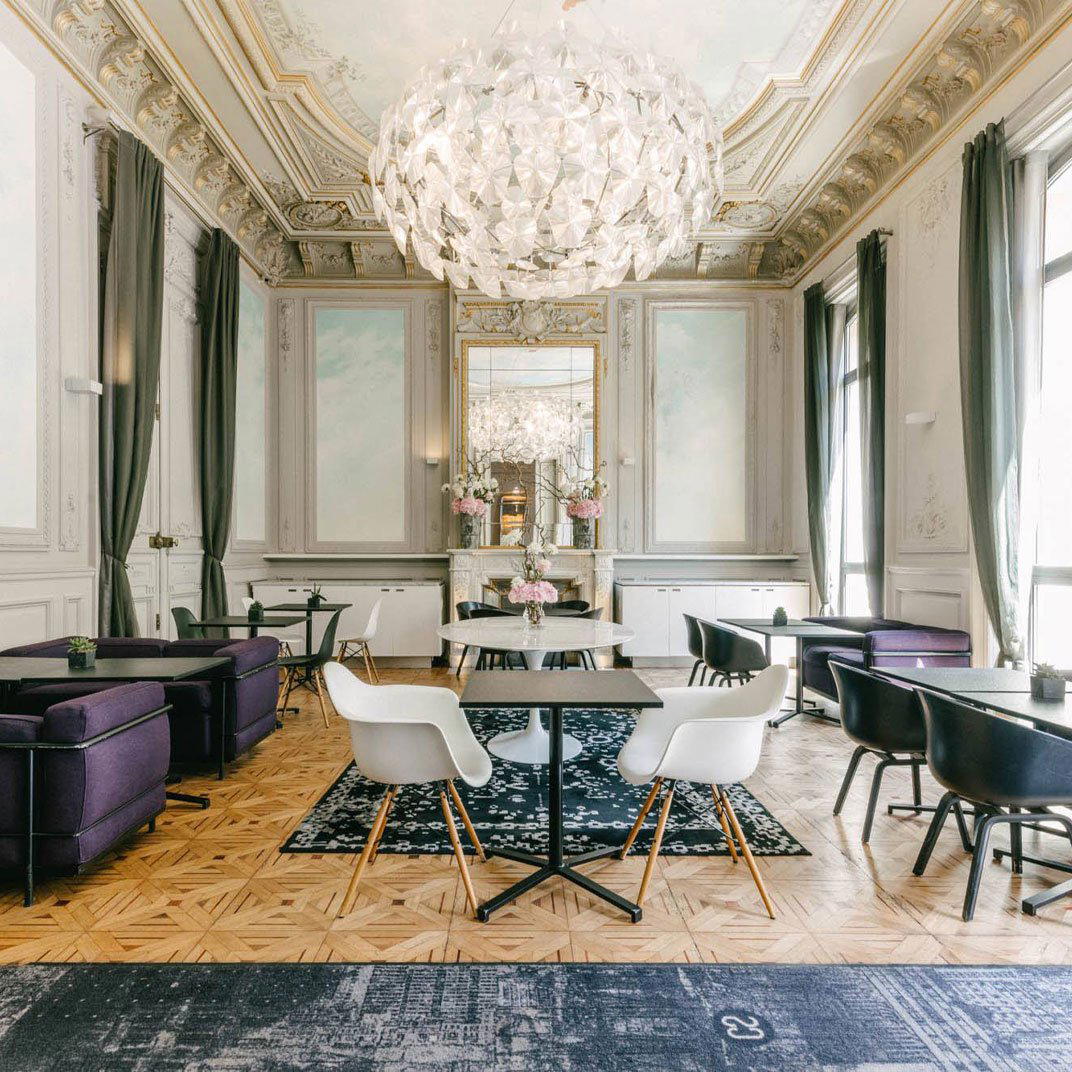
Hotels in Marseille
Browse all →
At a Glance
- Cozy
- Modern
- Intimate
- Elegant
- Date Night
- Special Occasion
- Open Kitchen
- Extensive Wine List
- Local Sourcing
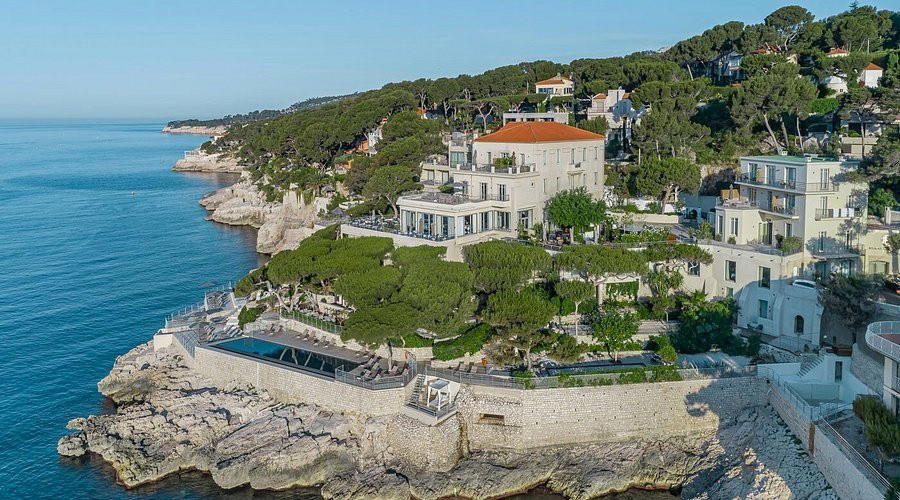
Warm and welcoming with vegetation on the ceiling, simple decor of wood and warm colors, and attentive service creating a cozy, intimate atmosphere.