
At 57 rue Grignan, Grenat operates across two distinct registers: a garnet-walled bistro up front and a herb-planted courtyard behind it, both running on a fire-driven kitchen that sources short. The open-flame counter is where Marseille's current appetite for bold, smoke-forward cooking finds one of its more considered expressions. Solo diners at the pass watch the kitchen work live around the fire.
Pearl is the En Primeur Club membership app — saves, bookings, and concierge access live there. Same editors, same standards.
- Address
- 57 rue Grignan
- Phone
- +33 4 13 94 15 65
- Website
- grenat-restaurant.fr
- Directions
- Get directions
 Saves & bookings on Pearl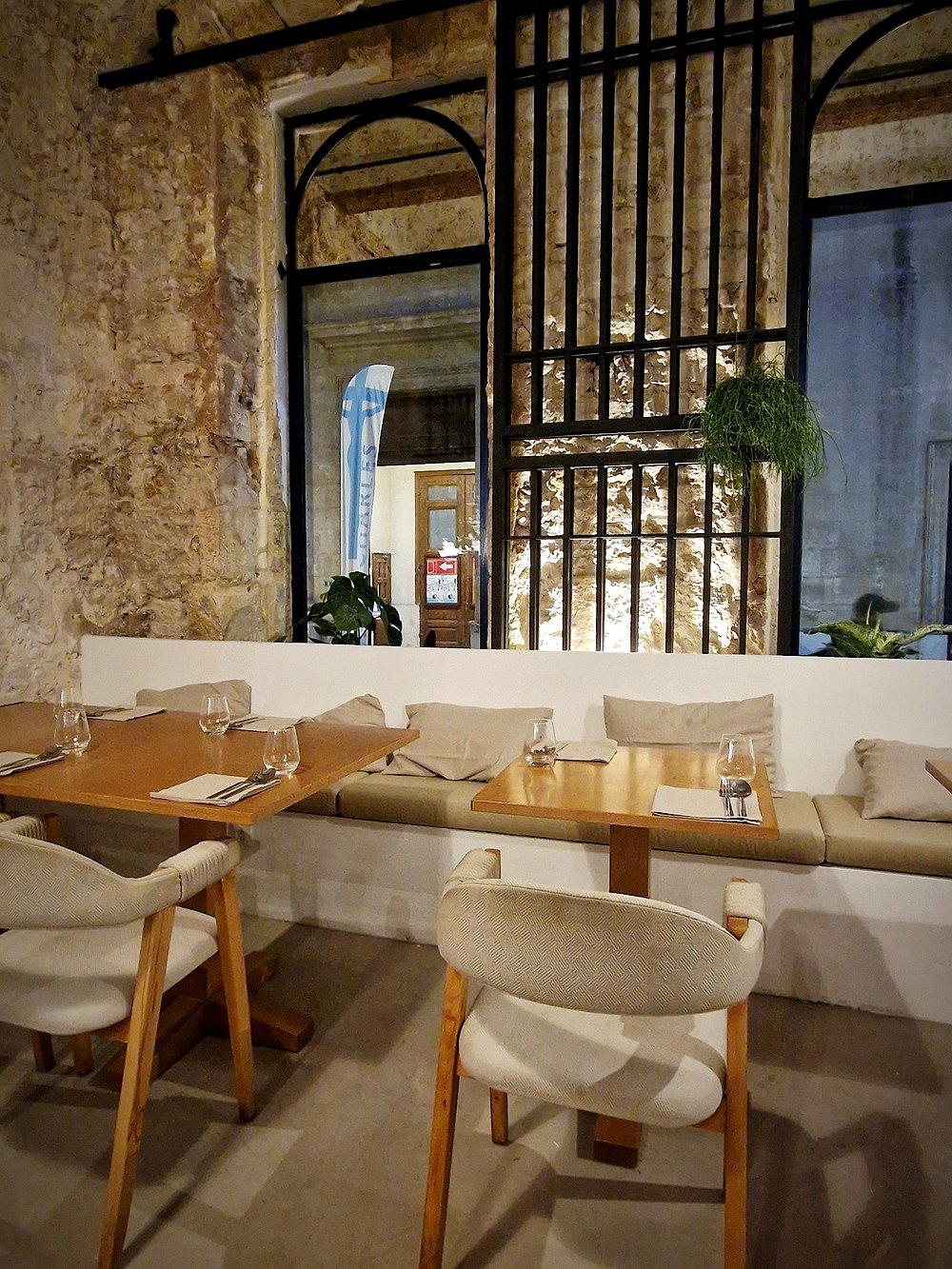
Fire, Stone, and a Courtyard Full of Edible Things
Marseille has long occupied an awkward position in France's fine-dining conversation. The city's culinary reputation was built on bouillabaisse and port-side simplicity, while the Michelin-starred tier developed slowly compared with Lyon or Paris. What has changed in recent years is the emergence of a middle register: restaurants that are neither white-tablecloth destinations nor neighbourhood canteens, but places built around a disciplined ingredient philosophy and a cooking method with something to say. Grenat, on the rue Grignan in the 6th arrondissement, sits squarely in that register.
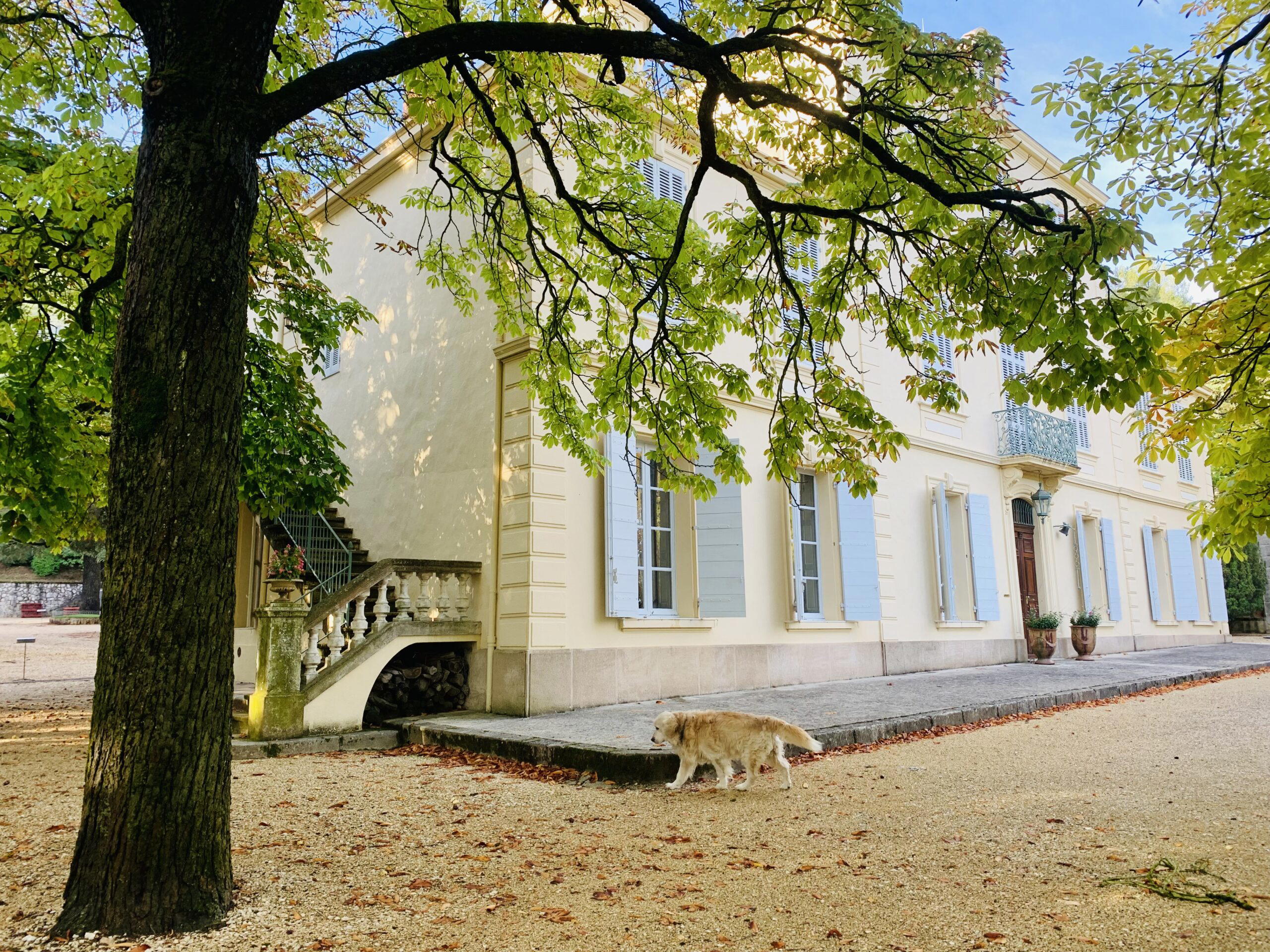
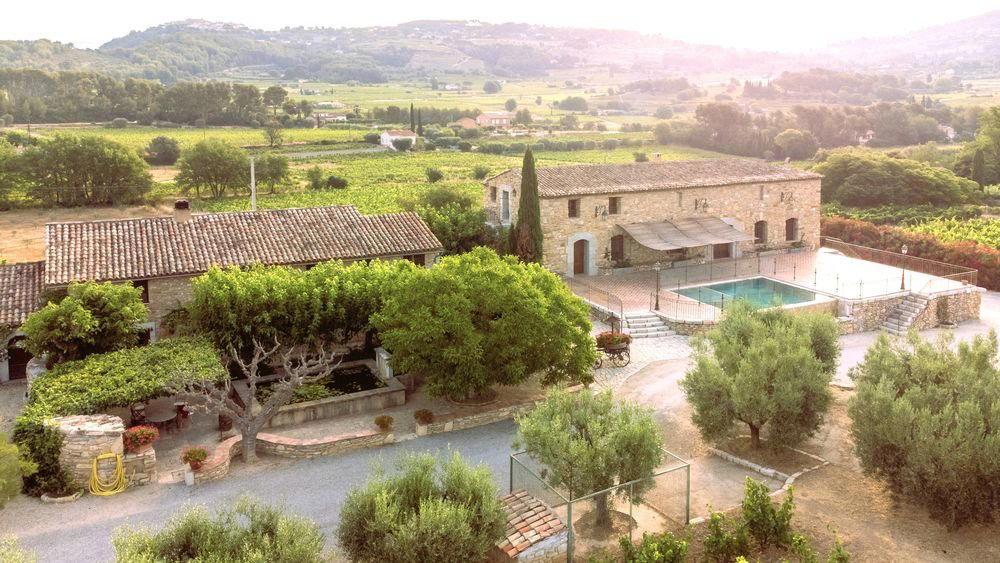
The entrance deposits you into a room of garnet-red walls, exposed stone, and polished concrete. The palette is deliberate and cohesive, the kind of interior that signals a considered point of view without announcing it loudly. Push through to the rear and the mood shifts entirely: a courtyard planted with edible herbs and flowers, the kind of space that reads as bohemian rather than precious. Two settings, one kitchen, and the same underlying logic running through both.
The Case for Short Supply Chains in a Port City
France's broader conversation about sourcing has moved decisively toward provenance-first cooking over the past decade. At the Michelin level, this manifests in tasting menus built around named farms and foragers. At Grenat, the same logic operates at a tighter, less ceremonial scale: a boldly seasoned cuisine built on short supply chains, where the distance between producer and plate is treated as a working constraint rather than a marketing footnote.
This matters in Marseille specifically. The city sits at a confluence of Provençal agriculture, Mediterranean fishing, and North African ingredient culture. Short supply chains here don't mean a single certified organic farm 40 kilometres away, they mean a web of small producers whose output shifts with the season and whose proximity makes daily sourcing genuinely responsive. The herb and flower garden planted in Grenat's own courtyard is one literal expression of this: ingredients growing metres from the kitchen that uses them.
Across France, a handful of restaurants have made this sourcing discipline the anchor of a broader identity. Mirazur in Menton built a three-Michelin-star kitchen in part around its own terraced gardens above the Mediterranean. Bras in Laguiole spent decades making the Aubrac plateau's wild plants the foundation of a haute cuisine vocabulary. Grenat operates without those accolades, but the underlying commitment to proximity, herbs from the courtyard, meat and vegetables from regional producers, sits in the same intellectual tradition, applied to a bistro format rather than a tasting-menu one.
Open Fire as a Cooking Principle
The visible kitchen at Grenat is organised around an open fire, and this is not a decorative choice. Fire-driven cooking has staged a significant return across European restaurants in the past decade, partly as a reaction against the hyper-technical precision cooking that dominated the 2000s, and partly as a way to return flavour to the centre of the plate. Smoke, char, and direct heat produce results that a combi oven cannot replicate, and the discipline of working over flame imposes a kind of seasonal honesty: you cook what is available, not what you planned three weeks ago.
At the counter facing the kitchen, solo diners can watch this in real time. The open-pass format is one of the more useful developments in contemporary restaurant design, it converts what is usually a closed and opaque process into something legible and, if the kitchen is confident enough, theatrical. The chefs at Grenat work around the fire with the kind of focus that makes counter seating worth requesting over a table in the main room.
For comparison, Marseille's higher-end fire-forward cooking appears at AM par Alexandre Mazzia, where a three-Michelin-star kitchen operates at a fundamentally different price point and ambition level. Une Table, au Sud and Le Petit Nice anchor the city's seafood-focused fine dining. Grenat occupies different territory from all of them: lower formality, higher intensity of flavour, and a sourcing philosophy that is built into the physical structure of the place rather than described on a menu header.
Rue Grignan and the 6th Arrondissement
The rue Grignan runs through the 6th arrondissement, an area of Marseille that has increasingly attracted the city's more considered independent restaurants and bars. It is not the tourist-facing south, nor the rough-edged northern districts that define the city's older identity. The 6th has the texture of a working neighbourhood that happens to have accumulated a concentration of places worth eating and drinking in. Grenat at number 57 fits that pattern: a room that looks like it belongs in its street rather than having been transplanted from somewhere else.
Other restaurants in the city worth mapping against Grenat's positioning include Alivetu and Auffo, both operating in the contemporary Marseille register, and the older Provençal anchor of Chez Etienne, which represents an entirely different tradition.
Beyond Marseille, the sourcing-first, fire-forward approach that defines Grenat's kitchen connects to a wider movement in French cooking. Flocons de Sel in Megève, Troisgros in Ouches, and Auberge de l'Ill in Illhaeusern each represent different expressions of the conviction that cooking begins with knowing where things come from. Alléno Paris au Pavillon Ledoyen pursues a more technically elaborate version of the same sourcing rigour. Internationally, Le Bernardin in New York and Emeril's in New Orleans offer points of comparison for how French cooking tradition translates across contexts.
Planning a Visit
Grenat is at 57 rue Grignan in Marseille's 6th arrondissement. Reservation is recommended. The counter seats facing the open kitchen are worth requesting for anyone eating alone or with a particular interest in watching fire-driven prep at close range. The courtyard is available as a second setting, with a different atmosphere, more open, quieter, and suited to evenings when the weather holds. Given the format and the neighbourhood context, smart-casual is the baseline; the room does not demand formality.
How It Stacks Up
Comparable venues nearby, for context on price, style, and recognition.
| Venue | Cuisine | Price | Awards | Notes |
|---|---|---|---|---|
| GrenatThis venue — the venue you are viewing | Modern French Fire-Grill Bistro | $$ | Michelin Plate | Not listed |
| Auffo | Modern French Mediterranean Seafood | $$$ | Michelin Plate | Endoume |
| Fioupelan | Provençal Brasserie | $$ | Not listed | Hotel De Ville |
| Coquetel Club | French Cocktail Bar with Boards | $$ | Not listed | Castellane |
| Lauracée | Modern French Mediterranean | $$$ | Michelin Plate | Opera |
| Un Petit Cabanon Bouillon | Seasonal French Bistro | $$ | Michelin Plate | La Joliette |
Recognition history
Dated appearances from independent guides and award organizations, with the underlying list record or original source where available.
Michelin Plate
Michelin
Continue exploring
More in Marseille
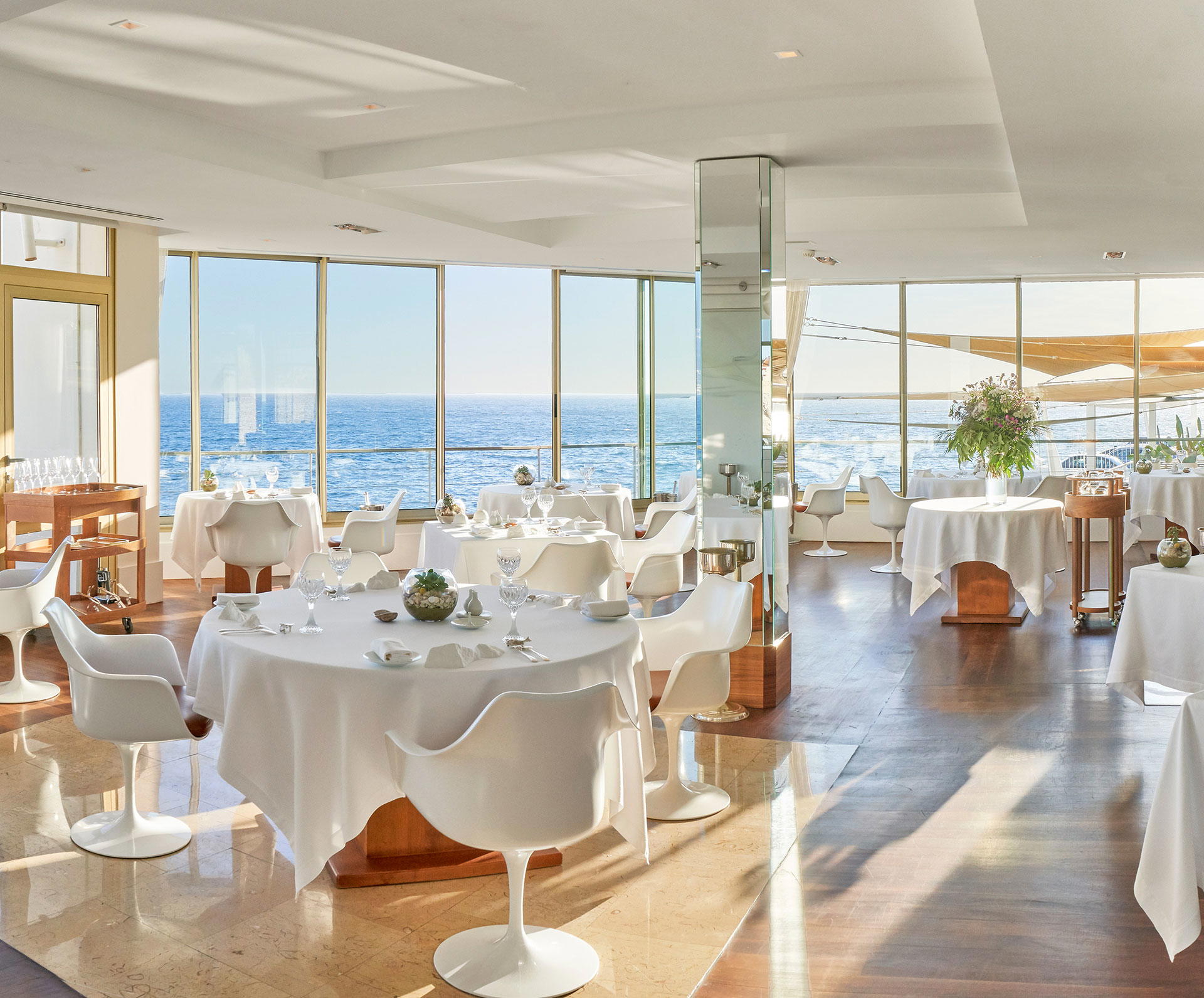
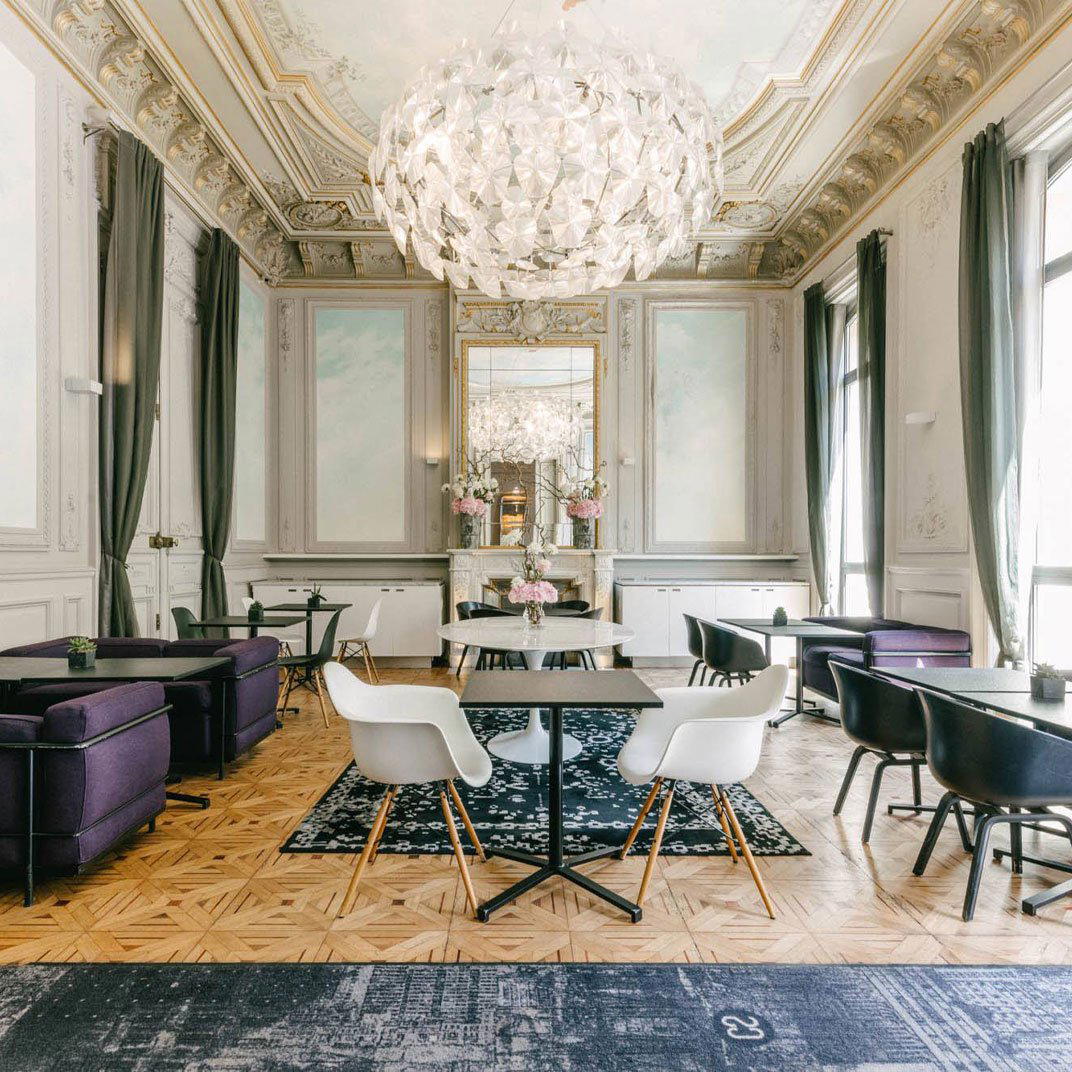
Restaurants in Marseille
Browse all →
Bars in Marseille
Browse all →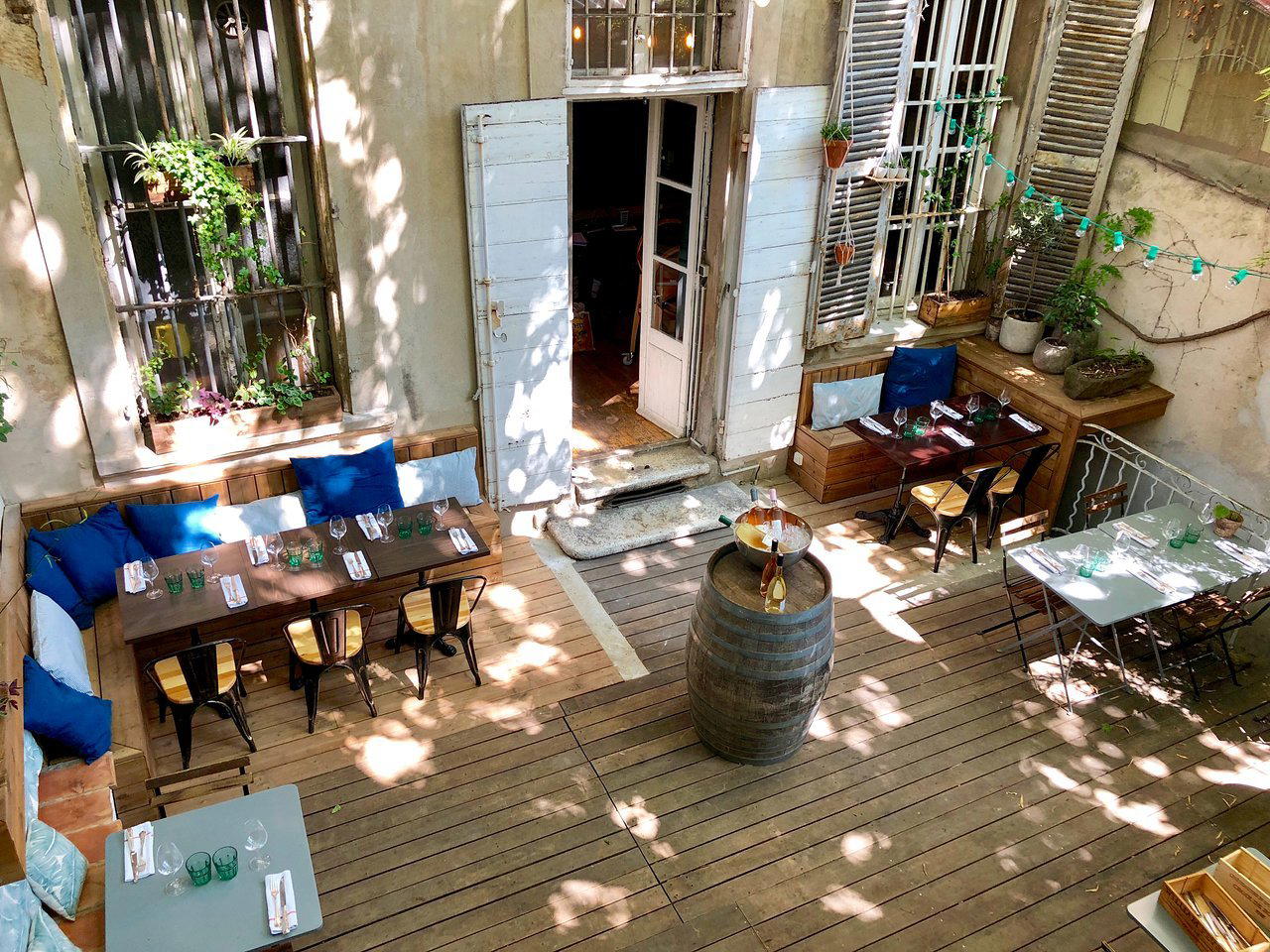
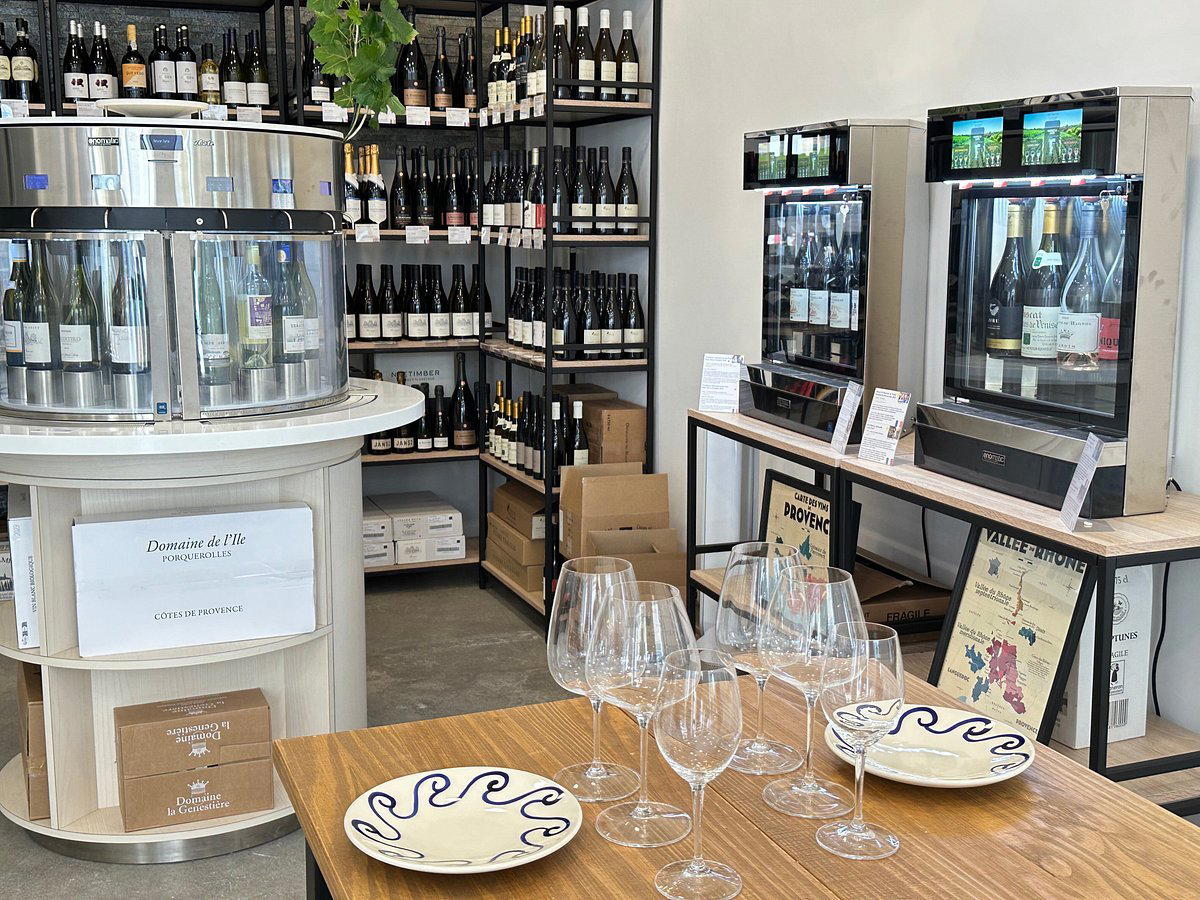
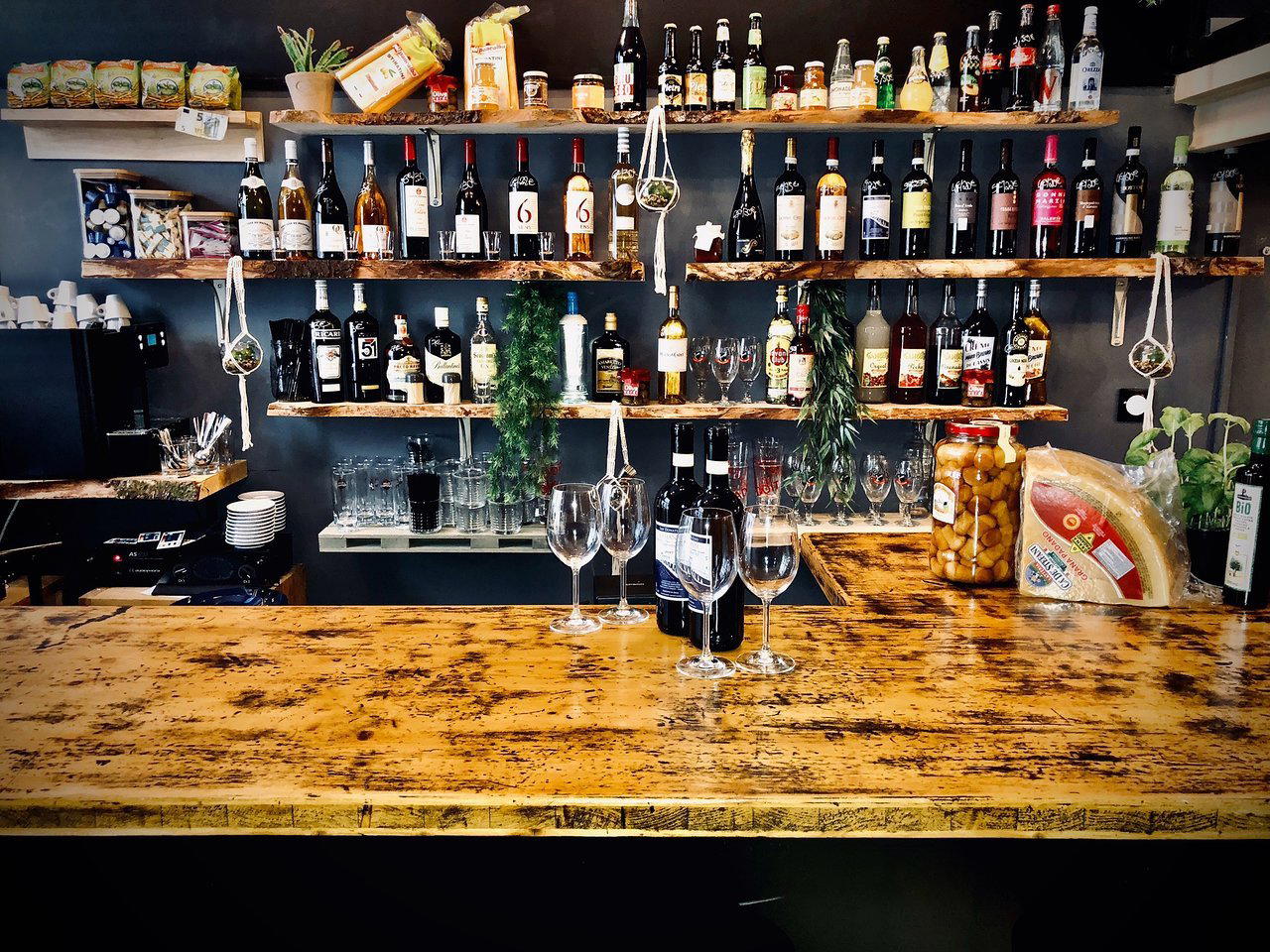
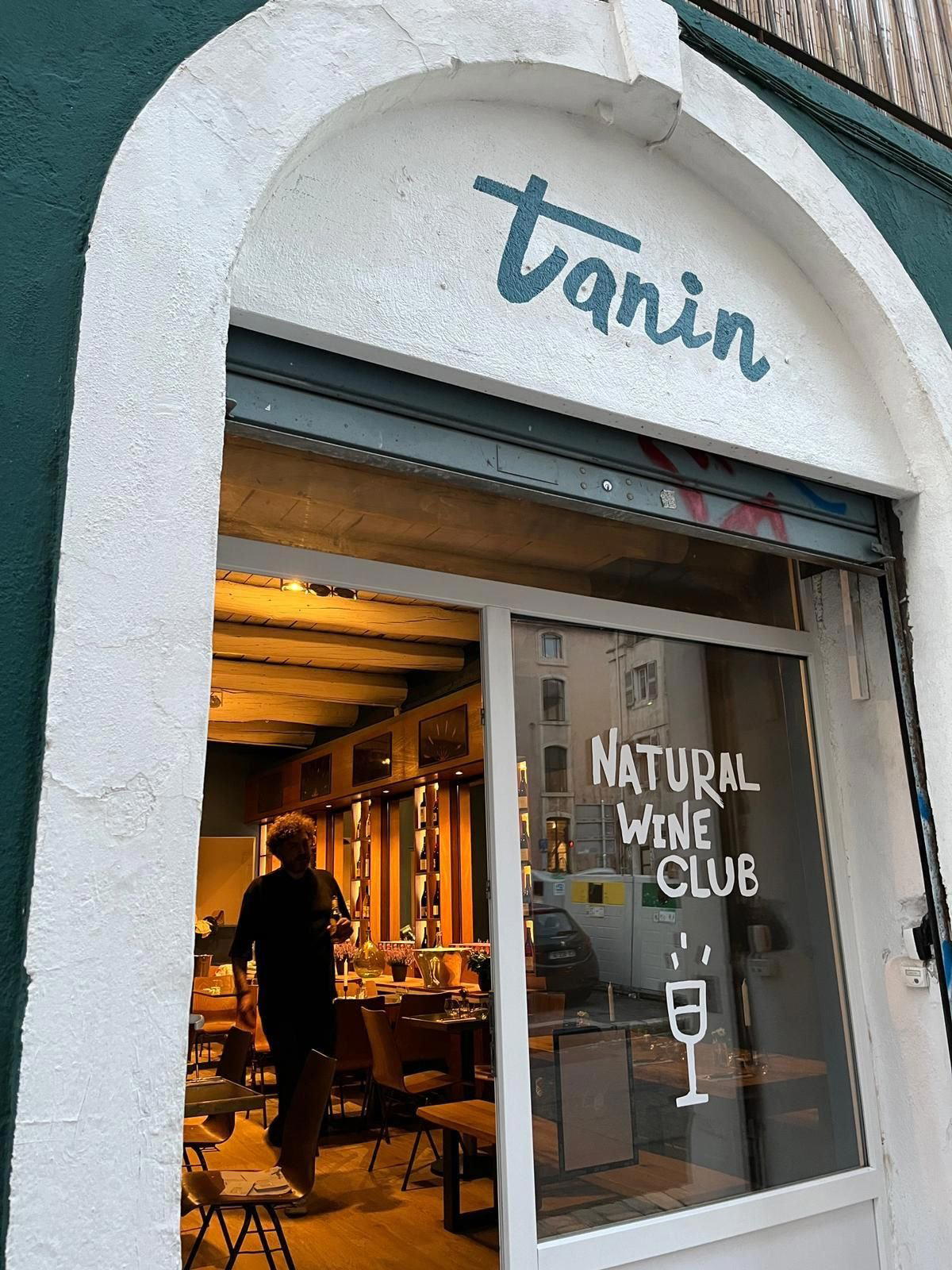
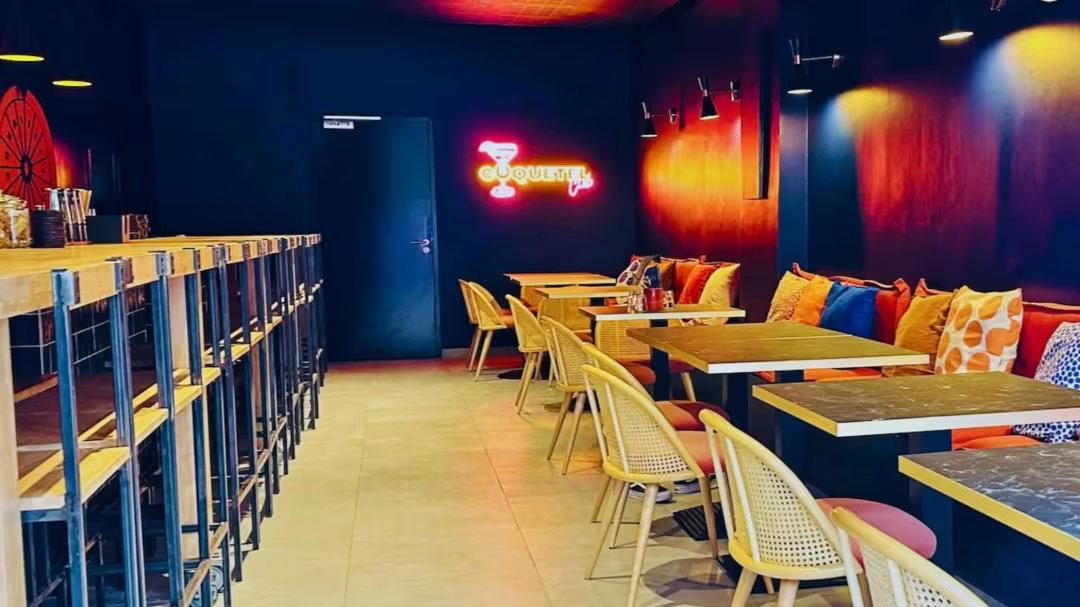
Hotels in Marseille
Browse all →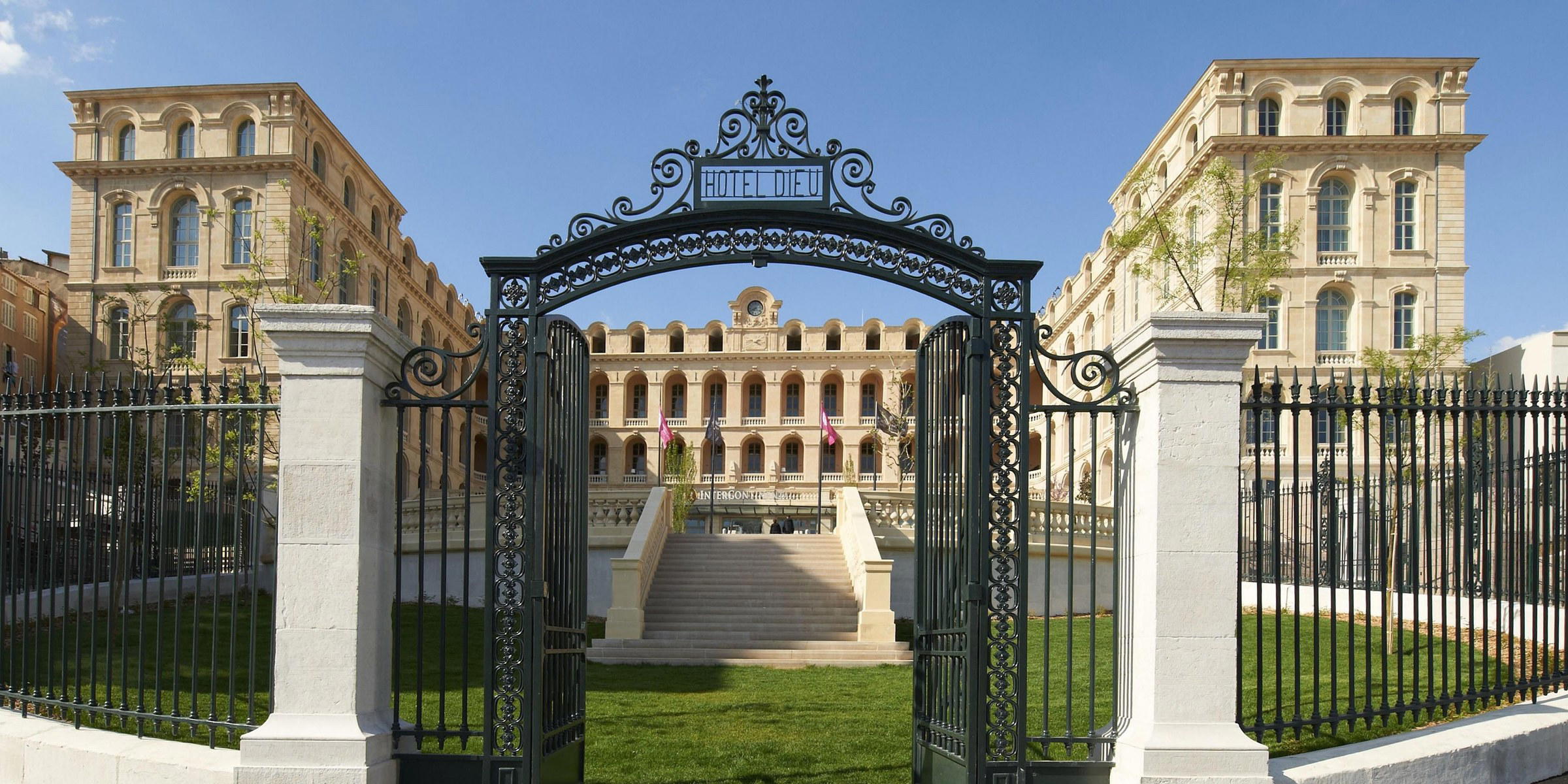
At a Glance
- Modern
- Cozy
- Trendy
- Intimate
- Date Night
- Special Occasion
- Open Kitchen
- Terrace
- Courtyard
- Natural Wine
- Craft Cocktails
- Local Sourcing
- Garden
Current opening hours
- Monday
- 12–2 PM
- Tuesday
- 12–2 PM
- Wednesday
- 12–2 PM, 7:30–11 PM
- Thursday
- 12–2 PM, 7:30–11 PM
- Friday
- 12–2 PM, 7:30–11 PM
- Saturday
- Closed
- Sunday
- Closed
Hours can change for holidays and private events. Last verified .
Ardent red glow from pomegranate-toned walls, stylish bistro with exposed stone and polished concrete transitioning to a verdant, relaxed bohemian courtyard.