
Tabelog 100 #71
Our verdict
Kikukawa Shoten gives Hakone Yumoto’s sweets culture a compact, take-away form: traditional wagashi, taiyaki, obanyaki, and Hakone manju in a station-area setting built for travelers moving between rail platforms, ryokan check-ins, and onsen streets. Its Tabelog 100 selection for Japanese traditional sweets and sweets cafes in East Japan places it in a serious regional conversation rather than a casual snack stop.

Pearl is the En Primeur Club membership app, where members save venues, book tables and use the concierge.
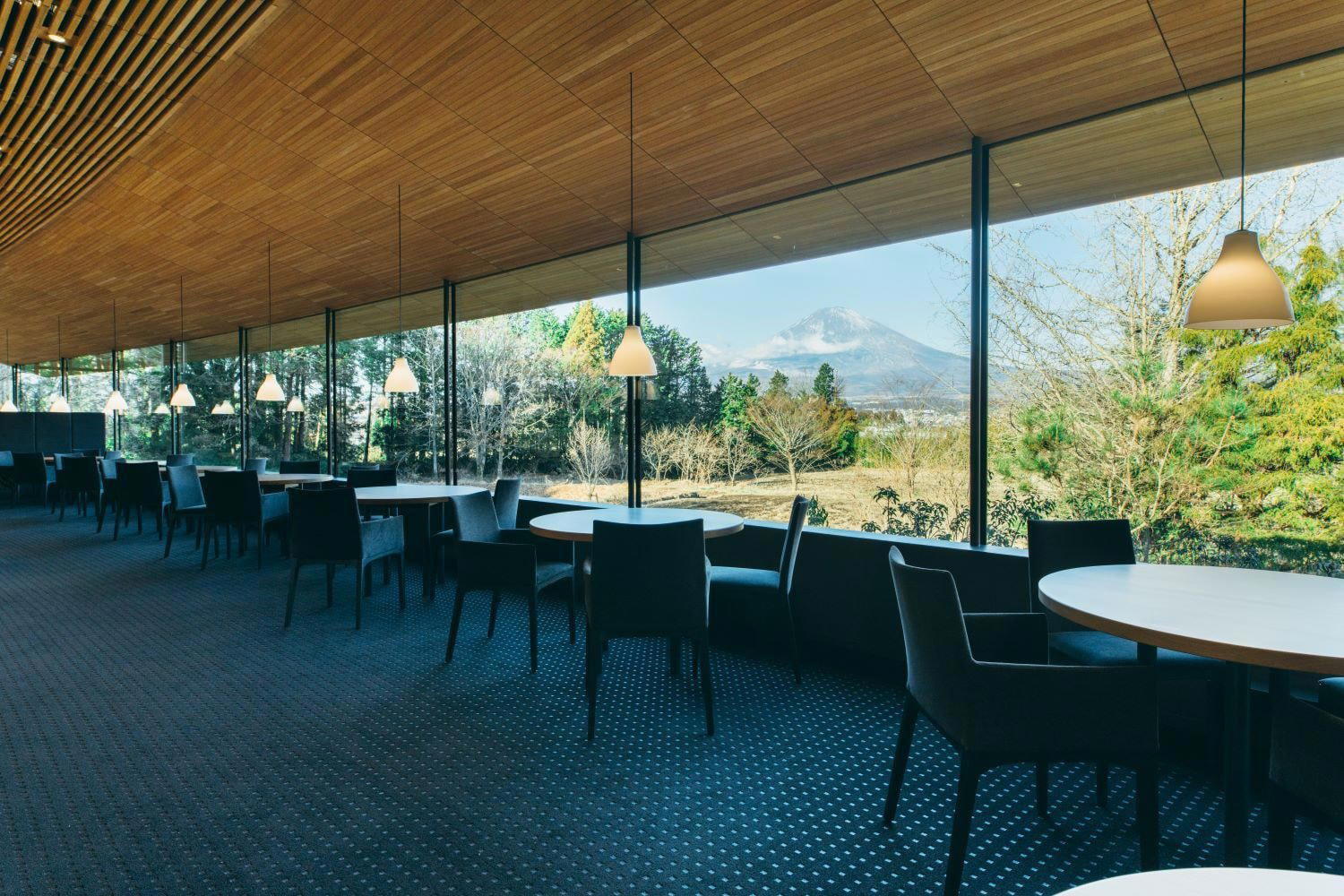
Ashigarashimo-Gun’s food culture has a rhythm: visitors arrive, itineraries begin, and the first decisions are what to eat now, carry onward, or take home as omiyage. In that sweets economy, Kikukawa Shoten belongs to a category Japan treats seriously. Japanese traditional sweets are not dessert afterthoughts; they are a travel language tied to gift boxes, local habits, griddled batter, and arriving with something in hand.
Its place in a Tabelog 100 recognition for 2023 matters because scale rarely signals quality here. Strong names are often compact, focused, and reliant on repeat local trade as much as sightseeing traffic. In Ashigarashimo-Gun, that puts Kikukawa Shoten beside sweets specialists such as Cha no Chimoto and Chimoto Ekimae doori ten, while the wider area also offers other unnamed dining rooms, cafes, counters, and casual food stops.
Regional sweets and the travel logic of wagashi
Travel towns in Japan have long relied on sweets that travel well. The point is portability, freshness, and a sense of place that survives the trip back to a hotel or home, not theatrical plating. Kikukawa Shoten fits that logic as an Ashigarashimo-Gun sweet shop recognized in a specialist category. Its appeal is best understood through the omiyage culture around Japanese traditional sweets rather than through the expectations of a destination restaurant.
Ingredient focus is where wagashi becomes more than nostalgia. Japanese sweets use relatively few components, so flour, beans, sugar, and heat control have little room to hide. Taiyaki and obanyaki, both listed categories here, share the same broad grammar: griddled batter around a sweet filling, made for direct, approachable eating rather than elaborate table service. In an area with constant visitor turnover, that restraint keeps focus on texture, sweetness level, and consistency rather than presentation.
It also explains the listed price tier. Kikuk川 Shoten is recorded at - JPY 999 - JPY 999 View spending breakdown, a low spend band that suits a sweets-focused stop rather than a full meal. Compared with nearby peers such as Chimoto Ekimae doori ten and Cha no Chimoto, Kikukawa Shoten reads as a quick, specific entry in the same regional sweets conversation: less about ceremony, more about a focused product category.
A focused sweets stop with serious regional credentials
The service experience should be approached simply. Kikukawa Shoten is best framed as a sweets stop in Ashigarashimo-Gun, not as a long-form dining reservation. The listed categories are Japanese traditional sweets, taiyaki, and obanyaki, so the emphasis falls on a narrow regional sweets format rather than hospitality theatre. That suits the area, where food culture is shaped by movement, day trips, and small purchases between larger plans.
Tabelog’s 3.66 score and 2023 Tabelog 100 recognition add context without turning the visit into a trophy exercise. Japanese rating culture is conservative, especially on Tabelog, where scores above the mid-threes can signal meaningful approval in specialist categories. For a traditional sweets shop in a visitor-heavy area, that combination suggests a place judged by wagashi standards, not merely as a convenient snack.
The format also corrects a common Ashigarashimo-Gun planning bias. Luxury travelers often over-index on hotel dinners and set itineraries, then treat daytime eating as incidental. That misses how much regional food identity sits outside formal dining rooms. The same itinerary can include a more structured meal plus a sweets stop, tea break, or other casual food option, giving a more accurate picture of Ashigarashimo-Gun’s food culture. For broader planning, our full Ashigarashimo-Gun restaurants guide maps food options, while our full Ashigarashimo-Gun hotels guide helps pair those stops with local stays.
How to fold it into an Ashigarashimo-Gun day
Kikukawa Shoten works well as a precision stop, not a destination meal. Use it within an Ashigarashimo-Gun day built around short, specific food moments and slower plans elsewhere. Its categories make it especially suited to travelers who want a local sweet rather than a seated lunch. The low listed spend band also makes it easy for mixed groups to add without turning the day around a single reservation.
Planning logistics should be checked close to the visit, as small Japanese food shops can vary in operating details. The reliable specifics here are the Tabelog-listed recognition, score, price band, phone number, and category set, rather than a full-service restaurant profile. Treat the stop accordingly: confirm current hours, availability, and payment expectations directly if those details matter to the day’s schedule.
For wider Japan food routes, the contrast is instructive. An Ashigarashimo-Gun sweets stop has little in common with beef-focused dining, charcoal counters, or city cafe culture elsewhere. Its value is narrower and more local: quick, traditional, ingredient-led sweets in a regional travel setting. That narrower brief is not a limitation; it is the reason the stop makes sense within a day that already has transport, lodging, and sightseeing competing for attention.
That narrowness is why it earns attention. Premium travel often chases complexity, but regional Japan frequently rewards the opposite: a single category, a short transaction, and a product tied to place. The same principle applies across focused venues in many cities and regions: each asks the same editorial question of whether the format knows what it is for. Kikukawa Shoten’s 2023 Tabelog 100 recognition suggests that, within Japanese traditional sweets, the answer is strong enough to register beyond casual convenience.
In Ashigarashimo-Gun, the point is clear. Kikukawa Shoten is for the moment between arrival and itinerary, when a regional sweet can say more about the area than another staged reservation. Visitors planning beyond food can extend the same local lens through our full Ashigarashimo-Gun bars guide, our full Ashigarashimo-Gun wineries guide, and our full Ashigarashimo-Gun experiences guide, but the sweets stop remains one of the cleanest expressions of the region: brief, specific, and rooted in what travelers can carry away.
Frequently asked questions
Can I bring kids to Kikukawa Shoten?
Yes. Kikukawa Shoten works as a quick sweets stop in Ashigarashimo-Gun. Its Japanese traditional sweets, taiyaki, and obanyaki categories make it easy to fold into a family day in the area.
What's the overall feel of Kikukawa Shoten?
The feel is focused and casual, closer to a specialist sweet shop than a formal sit-down restaurant. The 2023 Tabelog 100 recognition for Japanese traditional sweets gives it real standing.
What price level is Kikukawa Shoten?
Pricing at Kikukawa Shoten is listed as - JPY 999 - JPY 999 View spending breakdown.
Is Kikukawa Shoten open every day?
Check current opening days and hours directly before visiting Kikukawa Shoten, as the provided listing details do not establish a full weekly schedule.
What's the address for Kikukawa Shoten?
Ashigarashimo-Gun.
A Quick Peer Check
Comparable venues by cuisine and price in the same metro.
| Venue | Cuisine | Price | Awards | Notes |
|---|---|---|---|---|
| Kikukawa ShotenThis venue (the venue you are viewing) | Japanese Confectionery | $1–10 | Tabelog 100 #71 | Not listed |
| Watanabe Bakery | Historic Japanese bakery & cafe | $10–20 | Tabelog 100 #3 | Miyanoshita |
| sagamiya | Hakone nut-focused sweets shop | $1–10 | Tabelog 100 #33 | Hakone Yumoto |
| Bread & Circus | Japanese Bakery Café | Not listed | Tabelog 100 #80 | Yugawara-machi |
| Sumibi Teppan Yaki Toki | Teppanyaki & Charcoal-Grilled Japanese | Not listed | Tabelog 100 #30 | / Ashigarashimo-gun |
| Takeyabu Hakone ten | Traditional Soba & Japanese Cuisine | $20–30 | Tabelog 100 #34 | Motohakone |
Recognition history
Dated appearances from independent guides and award organizations, with the underlying list record or original source where available.
Tabelog 100 #71 · No. 71
Tabelog · Tabelog 100 - Japanese traditional sweets / Japanese sweets cafe - EAST - 2023
Continue exploring
More in Hakone
Restaurants in Hakone
All restaurants in Hakone →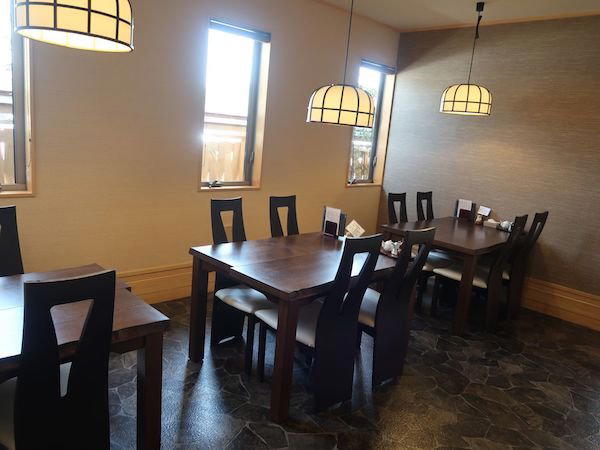
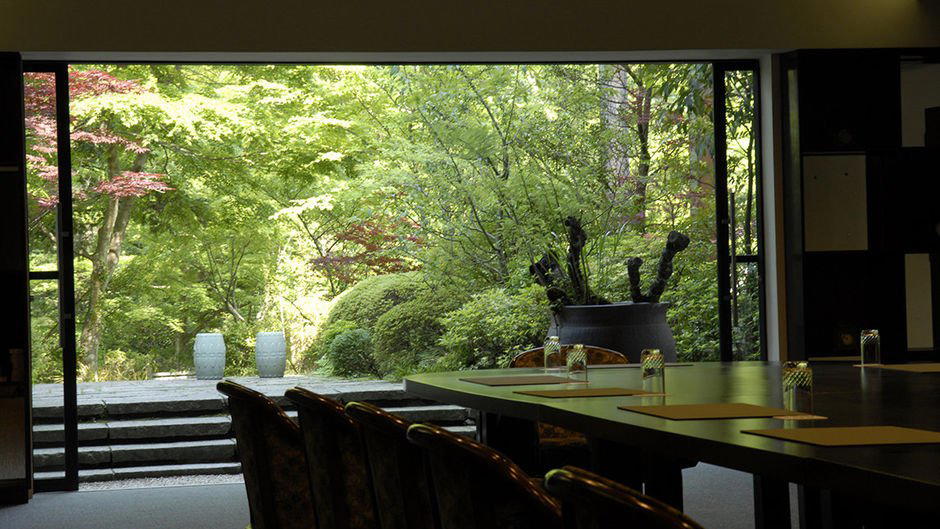
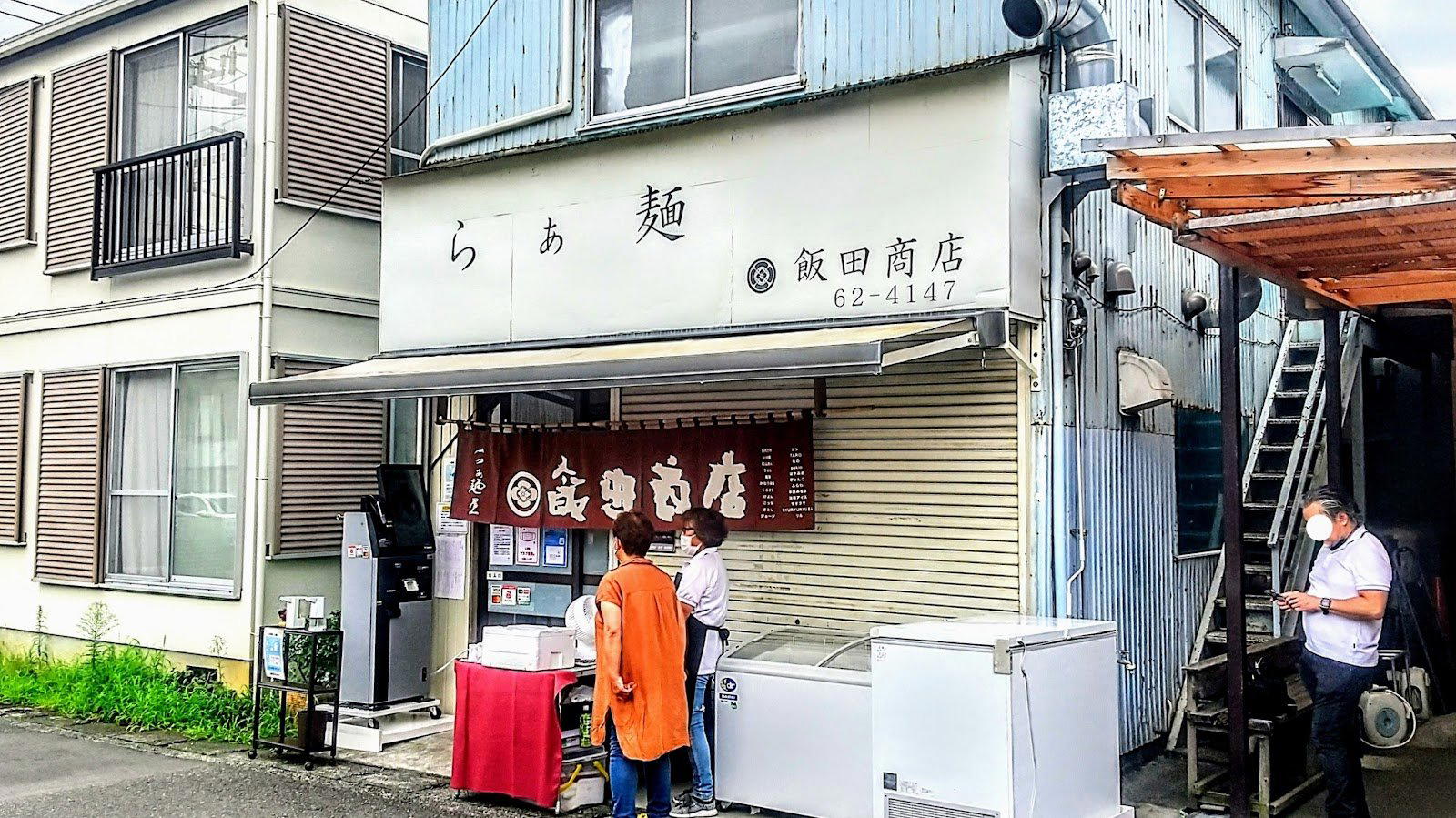
Bars in Hakone
Browse all →
Hotels in Hakone
All hotels in Hakone →
Wineries in Hakone
Browse all →
Details
- Classic
- Cozy
- Casual Hangout
- Solo
- Family
- Standalone
- Historic Building
- Local Sourcing
- Street Scene
- Vegetarian Friendly
Current opening hours
- Monday
- 9 AM–6 PM
- Tuesday
- 9 AM–6 PM
- Wednesday
- 9 AM–6 PM
- Thursday
- Closed
- Friday
- 9 AM–6 PM
- Saturday
- 9 AM–6 PM
- Sunday
- 9 AM–6 PM
Hours can change for holidays and private events. Hours as of .
Simple, nostalgic confectionery-shop atmosphere with a take-out focus and a bench in front for waiting or snacking.