
Tabelog 100 #30
Our verdict
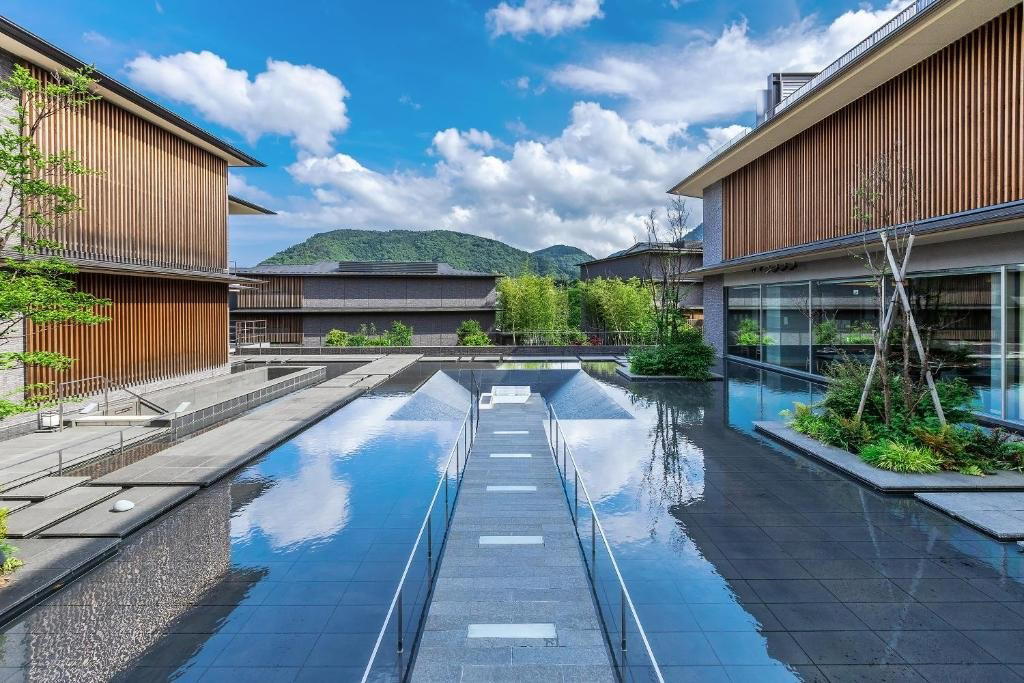
Sumibi Teppan Yaki Toki brings Hakone’s resort dining into the disciplined theatre of Japanese teppanyaki, with charcoal-grill and iron-plate counters inside the Hakone Rikyū complex. Its selection for Tabelog 100 Steak / Teppanyaki EAST 2025 places it in a serious regional bracket rather than the casual hotel-restaurant category.

Pearl is the En Primeur Club membership app, where members save venues, book tables and use the concierge.
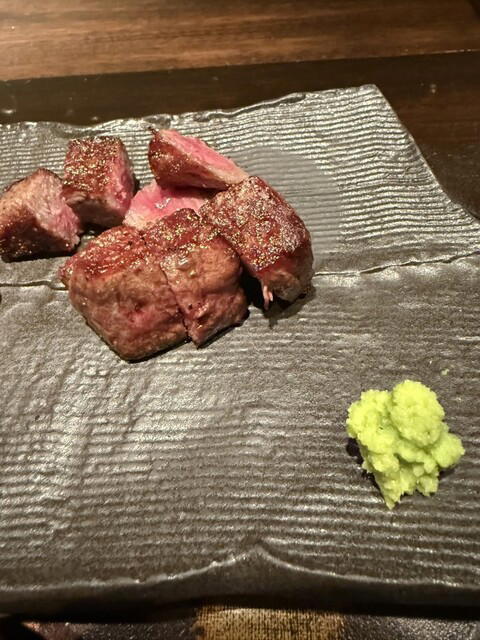
The menu
See the current menu on rtg.jp →Ashigarashimo-Gun changes dinner’s rhythm before the first course: mountain roads, resort architecture, and the feeling that the meal belongs to a longer retreat-country evening, not a city appointment. In that setting, Sumibi Teppan Yaki Toki sits in a Japanese dining tradition where heat is central to the craft. The format is method, stage, and quality-control system.
Teppanyaki is often misread abroad as performance dining. In Japan, the stronger version is more technical than theatrical: timing, surface temperature, fat management, and the calm progression from raw ingredient to finished plate. When handled with restraint, the cooking can feel closer to other Japanese counter traditions than Western steakhouse service. The appeal is heat as aroma and iron as precision.
Ashigarashimo-Gun teppanyaki with resort polish, not city noise
Ashigarashimo-Gun’s dining culture is shaped by travel patterns. Guests come for hot springs, slow rituals, cultural stops, and mountain air; dinner often has to carry the evening. Destination restaurants matter here not merely as convenient fallbacks, especially at the higher end, because the area’s geography rewards staying close after dark and making the meal part of the retreat.
Sumibi Teppan Yaki Toki fits that resort-dining frame while competing in a more demanding category. Recognition in the Tabelog Hyakumeiten 2025 source is a useful signal because the list gathers serious dining rooms rather than just local options with captive audiences. Its Tabelog score of 3.64 also places it in the Japanese user-review ecosystem, where incremental differences matter more than they may seem to foreign readers.
The room’s category explains much of the appeal. Teppanyaki works best when the cooking remains close, carefully paced, and organized around the diner’s view of the preparation. In teppanyaki, sightlines and timing shape the meal. A less focused dining room can reduce the grill to scenery; a more controlled format keeps the diner close enough to read the preparation sequence without turning dinner into spectacle.
Within Ashigarashimo-Gun, the contrast is sharp. Everyday bakeries, sweets shops, and other daytime stops speak to the area’s provisions culture, while older refreshment traditions belong to a different kind of trip rhythm. Teppanyaki at this level is another choice: an evening built around controlled heat and quieter luxury.
Heat and iron plate as Japanese technique
The cultural root is not only premium ingredients, but Japan’s habit of making cooking legible: sushi counters reveal knife work and rice temperature, tempura counters reveal batter, oil, and timing, and teppanyaki counters reveal heat transfer. The diner is near the craft, yet the pleasure comes from restraint. Exaggerated flourish is unnecessary when the format already exposes every decision.
That transparency makes the format important. Teppanyaki creates a direct way to think about heat: accuracy, sequencing, and the management of ingredients as they move from raw to finished. In a resort area where many meals lean on scenery or nostalgia, this is a more technique-forward proposition.
The price tier, listed at JPY 20,000 - JPY 29,999 for dinner, places the restaurant close to special-occasion dining rather than casual hospitality. In the same broad area, Suiyo Ekushibu hakone rikyuu, PICOT, and Watanabe Bakery occupy different roles in a traveller’s dining map. The choice here is clear: not lunch between train connections, but dinner as the planned event of the night.
Japan’s grill traditions range across many formats, from iron-plate cooking to ingredients prepared with careful heat control. Readers following that thread can think of other technique-led dining generically, without assuming the same experience. The point is not sameness; it is how Japanese dining keeps returning to heat as a disciplined language.
Where it fits in an Ashigarashimo-Gun itinerary
The stronger case for Sumibi Teppan Yaki Toki is contextual. Ashigarashimo-Gun is not a city for building nights around bar-hopping or late reservations across several neighbourhoods. The area rewards anchoring the evening, especially when the restaurant has enough structure to justify staying put. A clear dinner budget, a Teppanyaki category, and Tabelog Hyakumeiten recognition support that controlled, low-friction resort pattern.
For travellers mapping the wider district, other Ashigarashimo-Gun dining rooms add local reference points, while Our full Ashigarashimo-Gun restaurants guide gives the broader dining spread. The same trip may also need Our full Ashigarashimo-Gun hotels guide, Our full Ashigarashimo-Gun bars guide, Our full Ashigarashimo-Gun wineries guide, and Our full Ashigarashimo-Gun experiences guide to separate dinner decisions from lodging and daytime plans.
The editorial read is clear: this is a strong fit for travellers who want Ashigarashimo-Gun’s resort calm without giving up a serious teppanyaki format. It is less compelling for diners seeking a spontaneous local tavern or broad à la carte crawl. In a region where the meal often has to match the stay’s pace, a teppanyaki room with Tabelog Hyakumeiten recognition gives the evening a defined centre.
For broader Japan planning, the contrast with unnamed urban cafés, casual specialty shops, and overseas Japanese-inspired venues shows how specific Ashigarashimo-Gun’s appeal is. This is not urban range or casual discovery; it is a mountain-resort dinner built around controlled heat. Overseas readers tracing Japanese food culture abroad can compare the idea only generically, but the Ashigarashimo-Gun version remains tied to place: quiet evening, disciplined cooking, and the old Japanese belief that watching skilled heat work is part of the meal.
Frequently asked questions
What are the opening hours for Sumibi Teppan Yaki Toki?
Opening hours for Sumibi Teppan Yaki Toki are not specified here; check directly with the restaurant before visiting.
What does dinner at Sumibi Teppan Yaki Toki typically cost?
Pricing at Sumibi Teppan Yaki Toki is listed as JPY 20,000 - JPY 29,999 View spending breakdown.
What's Sumibi Teppan Yaki Toki's location?
Ashigarashimo-Gun.
What is Sumibi Teppan Yaki Toki known for?
Sumibi Teppan Yaki Toki is known for Teppanyaki in Ashigarashimo-Gun.
Cost and Credentials
Side-by-side context: comparable cuisine and price.
| Venue | Cuisine | Price | Awards | Notes |
|---|---|---|---|---|
| Sumibi Teppan Yaki TokiThis venue (the venue you are viewing) | Teppanyaki & Charcoal-Grilled Japanese | Not listed | Tabelog 100 #30 | Not listed |
| Cha no Chimoto | Traditional Japanese Wagashi Café | $10–20 | Tabelog 100 #39 | Hakone Yumoto, Traditional Japanese Wagashi Café |
| Takeyabu Hakone ten | Traditional Soba & Japanese Cuisine | $20–30 | Tabelog 100 #34 | Motohakone, Traditional Soba & Japanese Cuisine |
| THE HIRAMATSU HOTELS&RESORTS Sengokuhara | Italian Fine Dining | $200–300 | Tabelog 100 #20 | Sengokuhara, Italian Fine Dining |
| Amazake Chaya | Traditional Hakone teahouse – amazake and mochi | $10–20 | Tabelog 100 #40 | Hakone, Traditional Hakone teahouse – amazake and mochi |
| Arai Shoten | Peruvian Fine Dining | Not listed | Tabelog 100 #20 | Yugawara, Peruvian Fine Dining |
Recognition history
Dated appearances from independent guides and award organizations, with the underlying list record or original source where available.
Tabelog 100 #30 · No. 30
Tabelog · Tabelog 100 - Steak / Teppanyaki - EAST - 2025
Continue exploring
More in Hakone
Restaurants in Hakone
All restaurants in Hakone →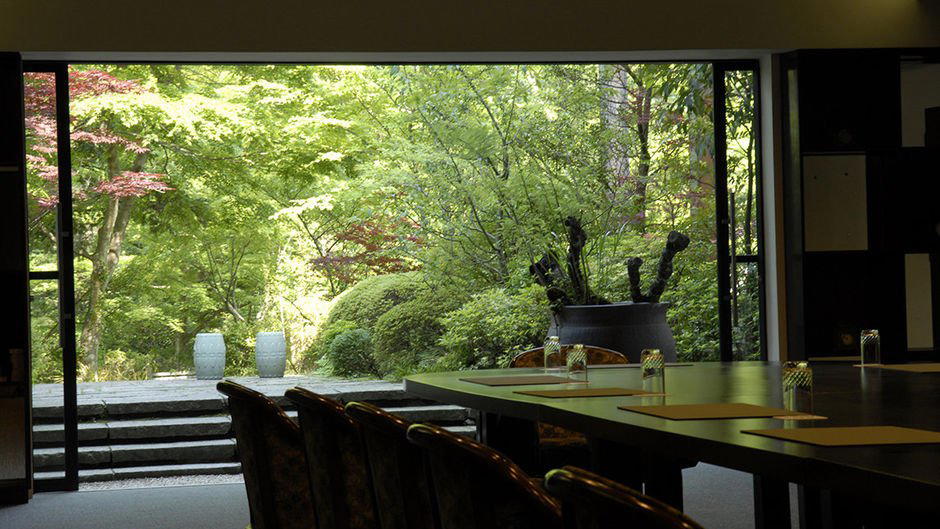
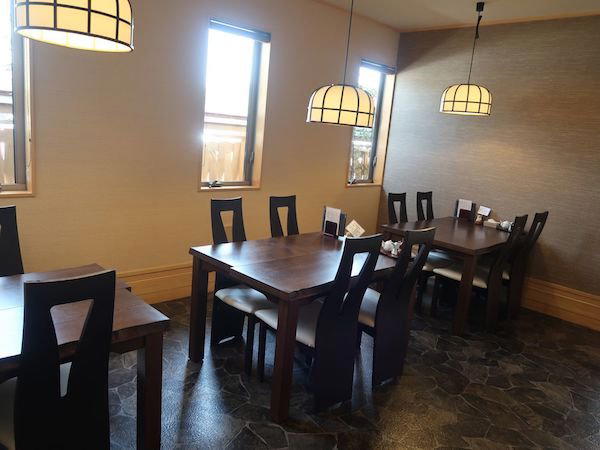
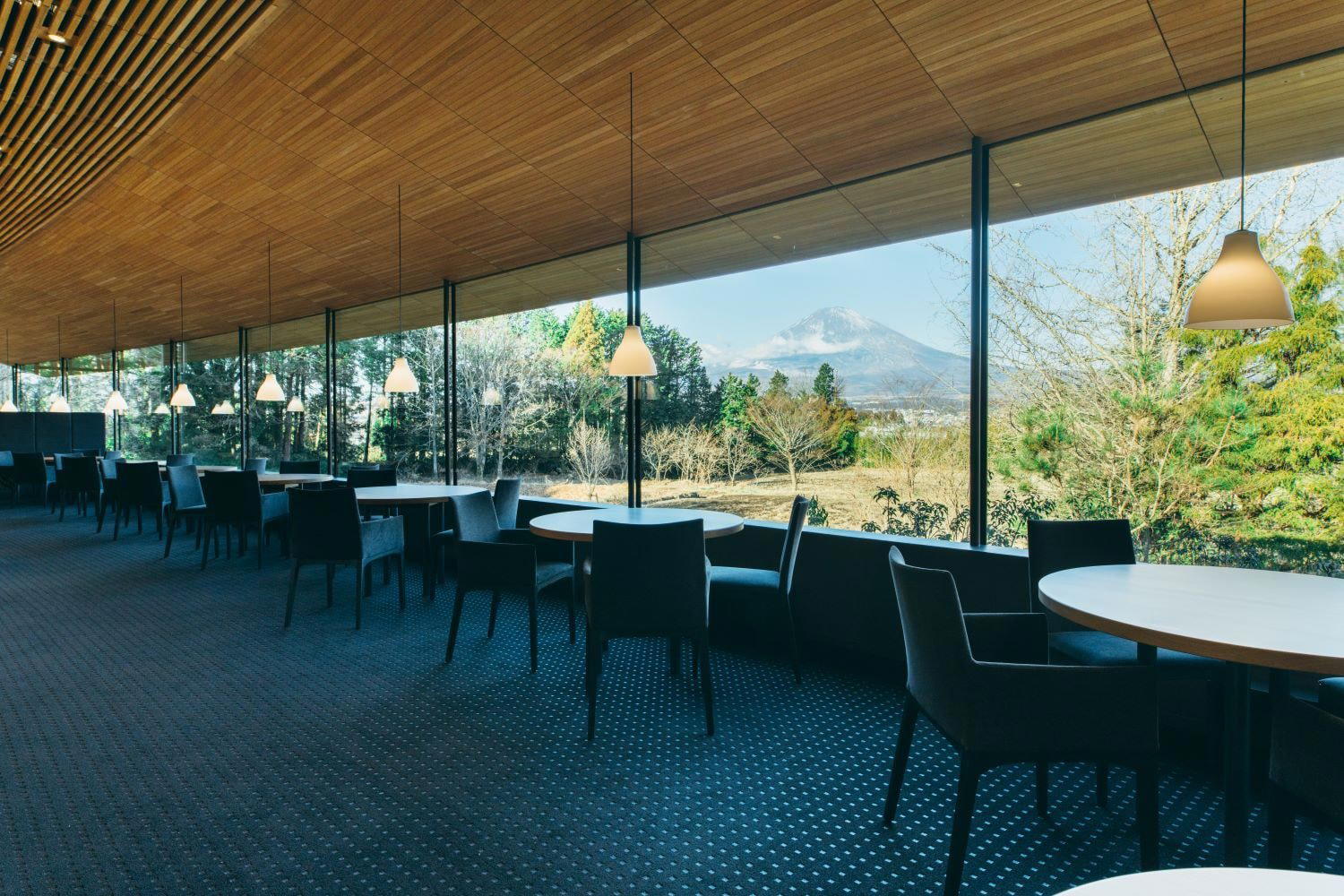
Bars in Hakone
Browse all →
Hotels in Hakone
All hotels in Hakone →
Wineries in Hakone
Browse all →
Details
- Elegant
- Quiet
- Classic
- Date Night
- Business Dinner
- Group Dining
- Special Occasion
- Chefs Counter
- Open Kitchen
- Hotel Restaurant
- Sake Program
- A La Carte
- Counter Dining
- Set Menu
- Sake
- Beer
- Wine
Current opening hours
- Monday
- 5–9 PM
- Tuesday
- 5–9 PM
- Wednesday
- 5–9 PM
- Thursday
- 5–9 PM
- Friday
- 5–9 PM
- Saturday
- 5–9 PM
- Sunday
- 5–9 PM
Hours can change for holidays and private events. Hours as of .
Calm, refined hotel-restaurant atmosphere with polished service and a classic teppanyaki counter feel rather than a showy or noisy grill house.