Kidilum

Kidilum occupies a Flatiron address at 31 W 21st St that places it within one of Manhattan's most competitive mid-blocks for serious dining. The restaurant operates at a tier where ingredient sourcing and culinary precision are the primary differentiators, positioning it alongside a New York scene that increasingly rewards transparency about provenance over spectacle. For readers planning a meal in the Flatiron-Chelsea corridor, it merits attention alongside the city's broader fine-dining conversation.
Pearl is the En Primeur Club membership app — saves, bookings, and concierge access live there. Same editors, same standards.
- Address
- 31 W 21st St, New York, NY 10010
- Website
- kidilumnyc.com
- Directions
- Get directions
 Saves & bookings on Pearl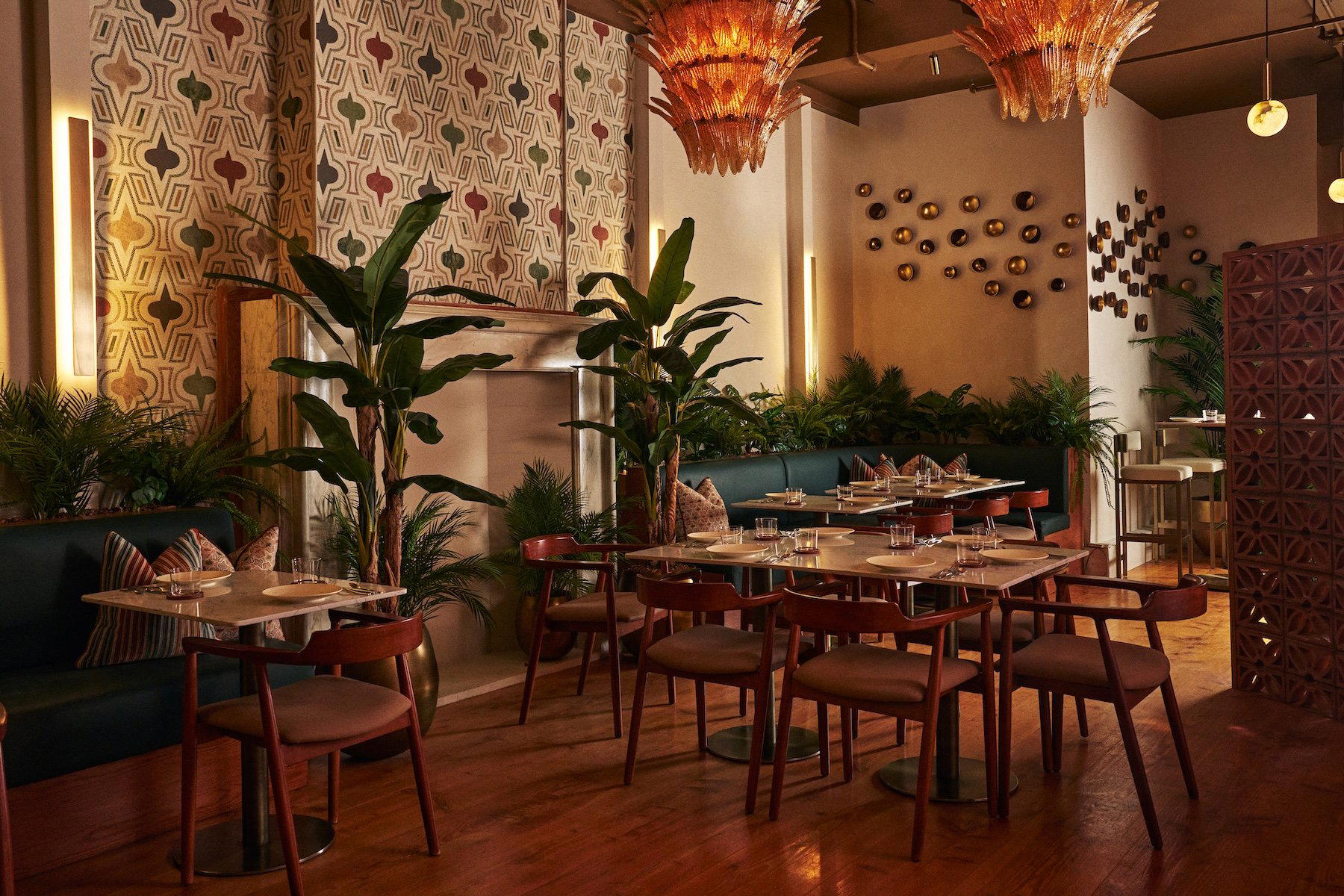
Flatiron's Sourcing-Driven Dining Tier
Manhattan's Flatiron district has, over the past decade, quietly accumulated some of the city's most considered dining rooms. The neighbourhood sits between Chelsea's gallery-driven casualness to the west and Gramercy's old-guard formality to the east, and the restaurants that have found lasting traction here tend to occupy a middle register: serious without being ceremonial, ingredient-focused without being dogmatic about it. Kidilum, at 31 W 21st Street, enters that conversation at a moment when New York diners are paying closer attention to where food comes from than to accolades.
This shift is not specific to one block or one restaurant. Across the American fine-dining circuit, from Single Thread Farm in Healdsburg to Blue Hill at Stone Barns in Tarrytown, particularly discussed tables are the ones that have built a legible supply chain into the dining experience itself. The sourcing question, once left to menus' fine print, has moved to the centre of how premium restaurants justify their positioning. Kidilum lands in that current.
The Address and What It Signals
West 21st Street between Fifth and Sixth Avenues is not a destination block in the way that certain Midtown corridors are, which is precisely the point. Diners who find their way here are generally not walking past; they have made a decision. That self-selection shapes the room's atmosphere before the first course arrives. The Flatiron grid, with its flat, walkable streets and proximity to both the subway at 23rd Street and the relative calm of Madison Square Park two blocks north, makes the neighbourhood accessible without feeling transient.
In the broader New York dining map, the West 20s sit in a tier that rewards repeat visits over one-time tourism. Regulars accumulate. Knowledge compounds. This is the kind of address that suits a restaurant whose value proposition rests on provenance and process rather than spectacle, because provenance and process reward diners who return and notice the seasonal progression in what arrives on the plate.
Ingredient Sourcing as the Central Argument
The restaurants that have most convincingly made sourcing the core of their identity share a common approach: they make the supply chain visible without turning dinner into a lecture. The French Laundry in Napa built much of its reputation on garden-to-table proximity. Lazy Bear in San Francisco uses a communal, narrative format to contextualise where ingredients originate. What these approaches share is a belief that knowing something about the provenance of a dish changes how you receive it. The sourcing is not decoration; it is the argument.
For a restaurant in a dense urban environment like Flatiron, the sourcing challenge is different from a property with land attached. City kitchens that make provenance central must build and maintain supplier relationships deliberately, often working within tighter seasonal windows than rural counterparts. The Northeast growing season, compressed relative to California or the Southeast, demands that a kitchen's sourcing programme be nimble. When it works, the result is a menu that reads the region honestly rather than projecting an aspirational version of it.
This regional honesty is increasingly what separates the more compelling New York rooms from those that perform farm-to-table aesthetics without the underlying infrastructure. Peer restaurants in the city's upper tiers, including Le Bernardin and Per Se, have built sourcing credibility over decades and multiple Michelin cycles. Newer entrants, including those working in Korean-influenced contemporary formats like Atomix and Jungsik New York, have demonstrated that sourcing intelligence can be applied across culinary traditions, not just French-lineage fine dining.
Where Kidilum Sits in the Competitive Set
The Flatiron-Chelsea corridor does not operate at the ceiling price point of a Masa-level counter, nor does it typically compete on the same terms as Midtown flagships. The restaurants that work here tend to offer a more direct value exchange: thoughtful cooking, sourced with care, in a room that does not charge for atmosphere it has not earned. That compact is, when honoured, a sound one.
Nationally, the sourcing-first model has proven durable across different formats and price points. Providence in Los Angeles has built two Michelin stars on seafood sourcing discipline. Addison in San Diego and Bacchanalia in Atlanta have each sustained critical recognition by anchoring their menus to specific regional supply relationships. Even in formats as theatrically different as Alinea in Chicago, the sourcing question operates beneath the technique: the ingredients have to be worth the transformation. The same logic applies at Emeril's in New Orleans, where Gulf Coast provenance has always been part of the restaurant's identity rather than an afterthought.
Internationally, the conversation looks similar. At Alain Ducasse's Louis XV in Monte Carlo and 8½ Otto e Mezzo Bombana in Hong Kong, sourcing geography is embedded in the kitchen's identity at the highest recognition tier. The trend is not a New York phenomenon; it is a global recalibration of what premium dining means when diners can access information about food systems that was unavailable a generation ago.
Planning a Visit
Kidilum is located at 31 W 21st Street, New York, NY 10010, in the Flatiron district. The 23rd Street subway stations on both the N/R/W and the 1 lines are within a short walk, and the neighbourhood is direct to reach from most Manhattan points. Kidilum takes reservations and is open Tuesday through Sunday from 5 to 9:30 PM.
- podi idly
- paper podi dosa
- vella lamb korma
- thalasherry biriyani
- black Calicut halwa
- beef fry bites
- Kerala-style vindaloo
A Quick Peer Check
Comparable venues nearby, for context on price, style, and recognition.
| Venue | Cuisine | Price | Notes |
|---|---|---|---|
| KidilumThis venue — the venue you are viewing | Modern Kerala South Indian | $$$ | Not listed |
| Patiala | Authentic North and South Indian | $$ | Midtown-Times Square |
| Malai Marke | Modern Regional Indian | $$ | East Village |
| Ahimsa | Authentic Indian Vegetarian | $$ | Murray Hill-Kips Bay |
| SONA | Modern Indian | $$$ | Midtown South-Flatiron-Union Square |
| INDAY | Indian-American Fast Casual | $$ | Midtown South-Flatiron-Union Square |
Recognition history
Dated appearances from independent guides and award organizations, with the underlying list record or original source where available.
Grub Street Best Food of 2026 (So Far)
Grub Street
Continue exploring
More in New York City
Restaurants in New York City
Browse all →
Bars in New York City
Browse all →
Hotels in New York City
Browse all →







At a Glance
- Modern
- Elegant
- Trendy
- Date Night
- Special Occasion
- Group Dining
- Open Kitchen
- Design Destination
- Standalone
- Craft Cocktails
- Local Sourcing
Current opening hours
- Monday
- Closed
- Tuesday
- 5–9:30 PM
- Wednesday
- 5–9:30 PM
- Thursday
- 5–9:30 PM
- Friday
- 5–9:30 PM
- Saturday
- 5–9:30 PM
- Sunday
- 5–9:30 PM
Hours can change for holidays and private events. Last verified .
Stylish and modern with creative design elements; theatrical plating and presentation create a memorable, upscale dining experience.