Malai Marke
Malai Marke on East 6th Street brings Indian cooking into a conversation that goes well beyond the surrounding block's standard curry-house format. The kitchen works with regional specificity rather than subcontinental generality, and the dining room draws a crowd that expects more than heat and ghee. For Indian food in Manhattan at a serious level, this address is worth knowing.
Pearl is the En Primeur Club membership app — saves, bookings, and concierge access live there. Same editors, same standards.
- Address
- 318 E 6th St, New York, NY 10003
- Phone
- +12127777729
- Website
- malaimarke.com
- Directions
- Get directions
 Saves & bookings on Pearl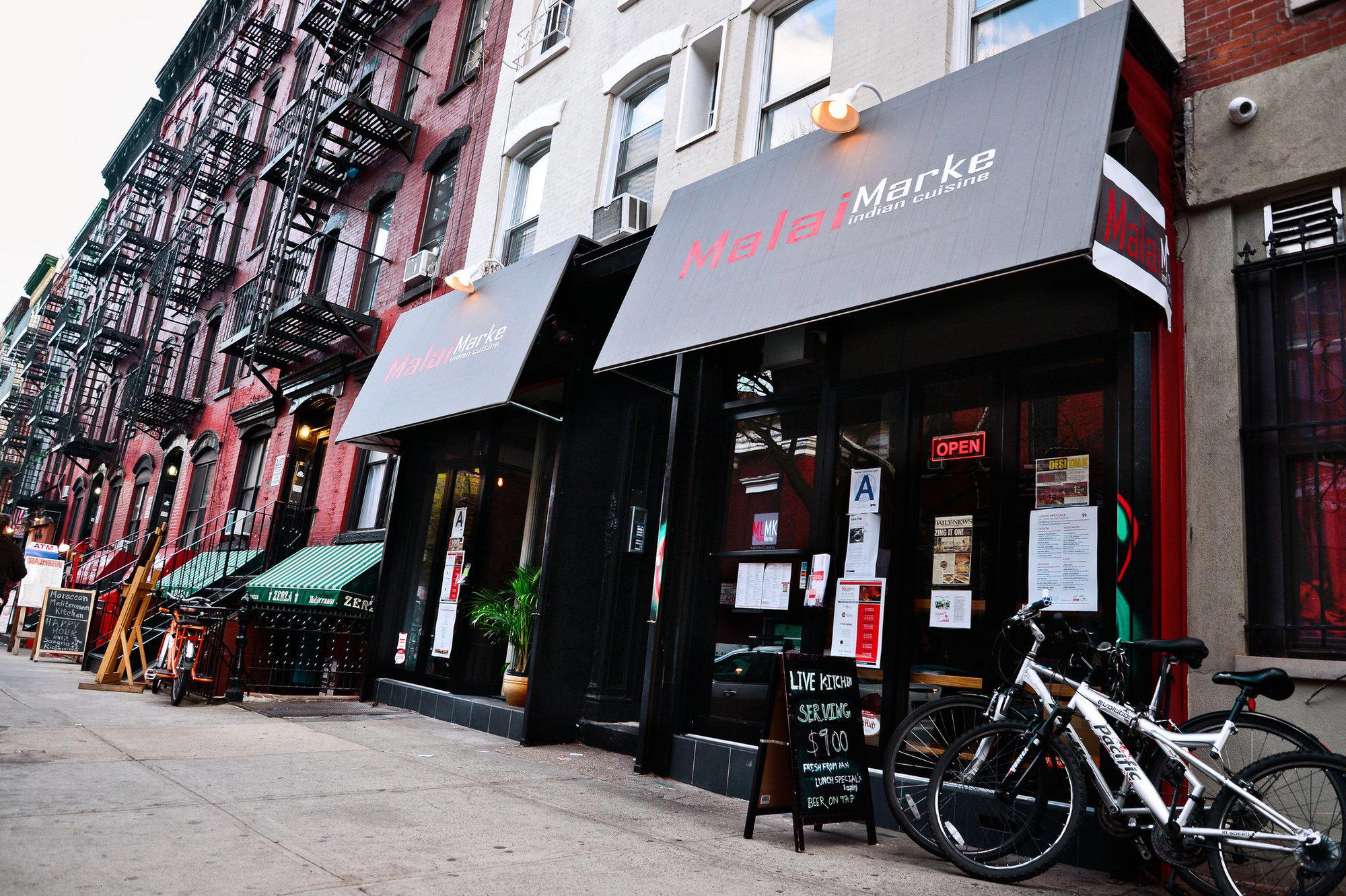
East 6th Street, Reconsidered
Manhattan's East 6th Street has carried a reputation as the city's Indian corridor for decades, a stretch where tandoor smoke and laminated menus defined the category for generations of diners. That context is worth holding when you arrive at Malai Marke, because the restaurant operates in deliberate contrast to what surrounds it. Where the corridor trades on familiarity and price, Malai Marke works on specificity: regional differentiation and a dining room format that signals something other than a quick weeknight curry.
Indian cooking in New York has undergone a structural shift over the past decade. The city now contains multiple tiers, from the utilitarian East Village holdovers to a newer cohort of restaurants that treat the subcontinent's regional cuisines seriously. Malai Marke belongs to the latter group. That positioning places it in a different competitive conversation, though the price points differ.
What the Kitchen Is Doing
Indian restaurants that achieve critical traction in New York tend to do so by committing to a specific regional identity rather than spanning the subcontinent indiscriminately. One referenced comparison in this regard is the contrast between North and South Indian traditions, or between coastal and landlocked cooking styles, each of which demands different fats, spice sequences, and protein treatments. Malai Marke operates with that kind of specificity, working within traditions where cream-based curries, slow-cooked proteins, and layered spice profiles are handled with the same discipline that European kitchens bring to classical sauce work.
The name itself points toward that register. Malai refers to cream or rich dairy, a cornerstone of Mughal-influenced North Indian cooking, and the kitchen's approach leans into that tradition rather than pivoting away from it. This is not a restaurant chasing health-food adjacency or minimalist plating trends. It is cooking that respects the architectural complexity of dishes built on ghee, reduced cream, and long spice preparation, executed at a level where the technique justifies the richness rather than obscuring it.
For diners accustomed to the more cerebral tasting-menu formats at places like Per Se or Le Bernardin, this is a different mode entirely: the satisfaction comes from depth of flavor and technical fidelity to tradition, not from conceptual novelty or ingredient surprise.
Drinking Alongside Indian Food
The wine pairing question at Indian restaurants has historically been poorly answered in New York. The category defaulted to beer or lassi for practical reasons, and wine lists at Indian establishments were often afterthoughts: short, safe, and uninspired. The more serious tier of Indian cooking in the city has begun to close that gap, and how a restaurant handles its beverage program signals quite directly where it positions itself in the hierarchy.
Pairing wine with cream-based North Indian cooking requires thinking about texture as much as flavor. The dishes that anchor this style, rich kormas, butter-forward gravies, marinated and charred proteins from the tandoor, call for wines with sufficient acidity to cut through fat without competing with spice. Off-dry German Riesling, structured white Burgundy, and lighter-bodied reds with low tannin have all demonstrated compatibility with this cooking tradition. Restaurants operating at the higher end of the Indian category in New York are increasingly making these choices deliberately, building lists around the cuisine's actual demands rather than defaulting to the same Franco-Italian canon that populates every other serious wine program in the city.
This represents a broader pattern visible across New York's non-European fine dining. At Masa, the beverage program was built to serve Japanese flavors and textures on their own terms. The same principle is now filtering into Indian, Korean, and other cuisines that once treated wine as a secondary consideration. The sommelier role at these restaurants has become more demanding, requiring fluency with cuisines that don't have a century of European wine pairing convention to fall back on.
Placing Malai Marke in the Broader Map
New York's restaurant hierarchy is steep and well-documented. The city's Michelin-starred addresses, including the French and Japanese establishments that dominate the upper tier, set a global benchmark against which everything else is measured. But within the city's Indian segment specifically, the tier that restaurant occupies is considerably less crowded than its European or East Asian equivalents, which makes its presence on East 6th Street more significant than the address alone might suggest.
Across the United States, the premium end of regional-specific cooking has produced some of the country's most discussed restaurants: Alinea in Chicago for conceptual modernist cooking, The French Laundry in Napa for French-influenced California cuisine, Blue Hill at Stone Barns in Tarrytown for farm-origin focused tasting menus. Indian cooking at a comparable level of ambition has fewer representatives in the American dining conversation, which is one reason that the restaurants occupying that space in New York carry more weight than they might in a more evenly distributed field.
Beyond New York, the conversation about what serious Indian cooking can look like at the table is also being advanced internationally, in contexts ranging from London to Singapore. Domestically, the lack of a deep established tier means that each serious entrant is, in effect, building the category as much as competing within it. That is a different pressure from what a new French restaurant faces in a city where the genre is fully mapped, and it shapes both what the kitchen attempts and how critics assess it.
Planning Your Visit
The restaurant is located at 318 East 6th Street in the East Village. The restaurant sits within a block that still carries the older Indian corridor identity, so the contrast between the surrounding context and what is happening inside is part of the experience. Reservations are recommended, particularly on weekends. Diners accustomed to the stripped-down format of the surrounding block's establishments should expect a meaningfully different experience here, in format, price register, and kitchen ambition.
Diners traveling beyond New York who want a point of comparison at the premium end of regional American cooking might also look at Providence in Los Angeles, Addison in San Diego, Lazy Bear in San Francisco, Single Thread Farm in Healdsburg, Emeril's in New Orleans, Bacchanalia in Atlanta, and The Inn at Little Washington in Washington.
Quick Comparison
Comparable venues nearby, for context on price, style, and recognition.
| Venue | Cuisine | Price | Notes |
|---|---|---|---|
| Malai MarkeThis venue — the venue you are viewing | Modern Regional Indian | $$ | Not listed |
| Gazab | Indian | $$ | East Village |
| Curry Heights | Authentic Indian Cuisine | $$ | Brooklyn Heights |
| INDAY | Indian-American Fast Casual | $$ | Midtown South-Flatiron-Union Square |
| Dera | Pakistani/Indian | $$ | Jackson Heights |
| Indienne | Bombay-Inspired Indian Comfort Food | $$$ | Lower Manhattan |
Continue exploring
More in New York City
Restaurants in New York City
Browse all →
Bars in New York City
Browse all →
Hotels in New York City
Browse all →





At a Glance
- Trendy
- Cozy
- Modern
- Elegant
- Date Night
- Group Dining
- Casual Hangout
- Open Kitchen
Current opening hours
- Monday
- 11 AM–11 PM
- Tuesday
- 11 AM–11 PM
- Wednesday
- 11 AM–11 PM
- Thursday
- 11 AM–11 PM
- Friday
- 11 AM–11:30 PM
- Saturday
- 11 AM–11:30 PM
- Sunday
- 11 AM–11 PM
Hours can change for holidays and private events. Last verified .
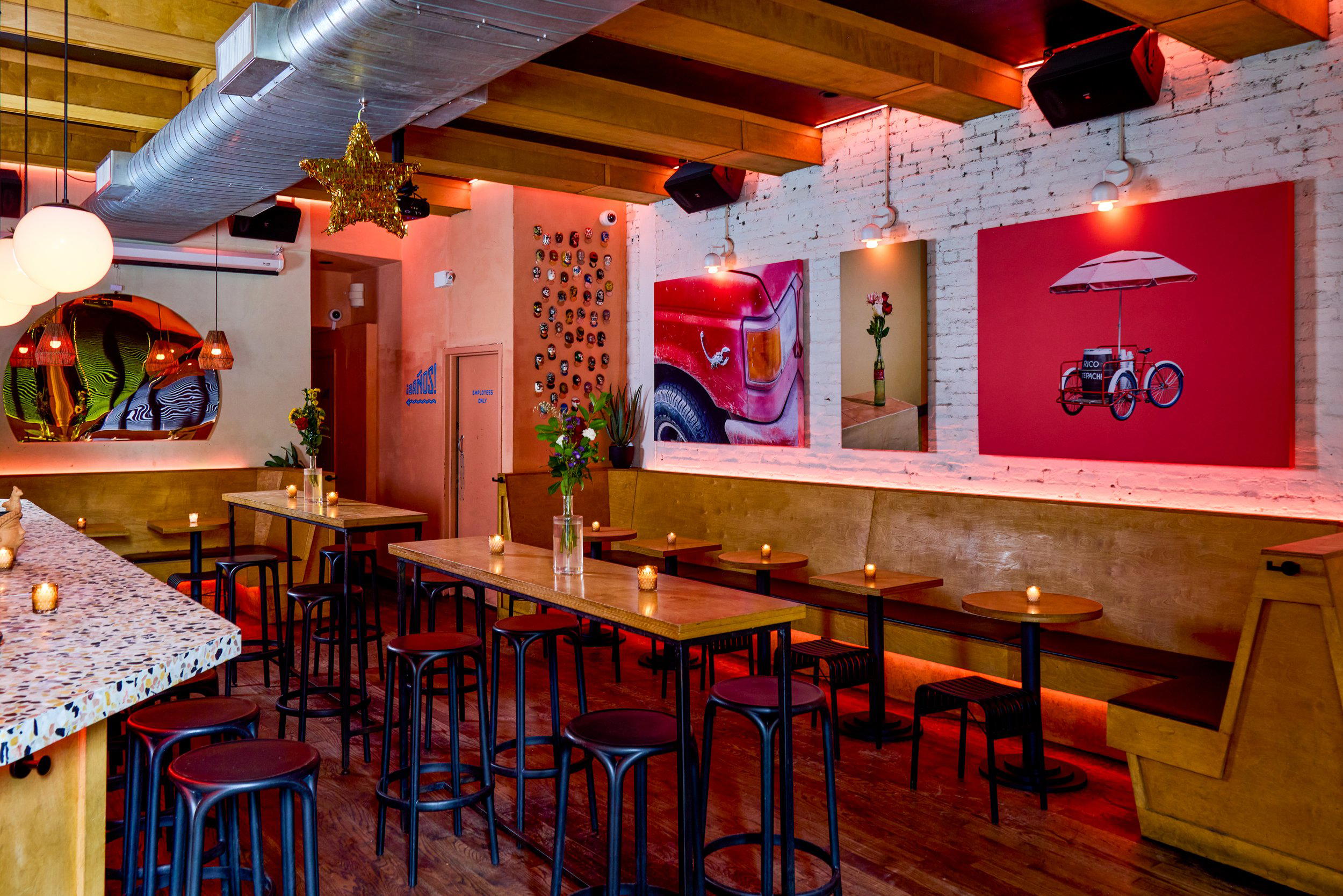
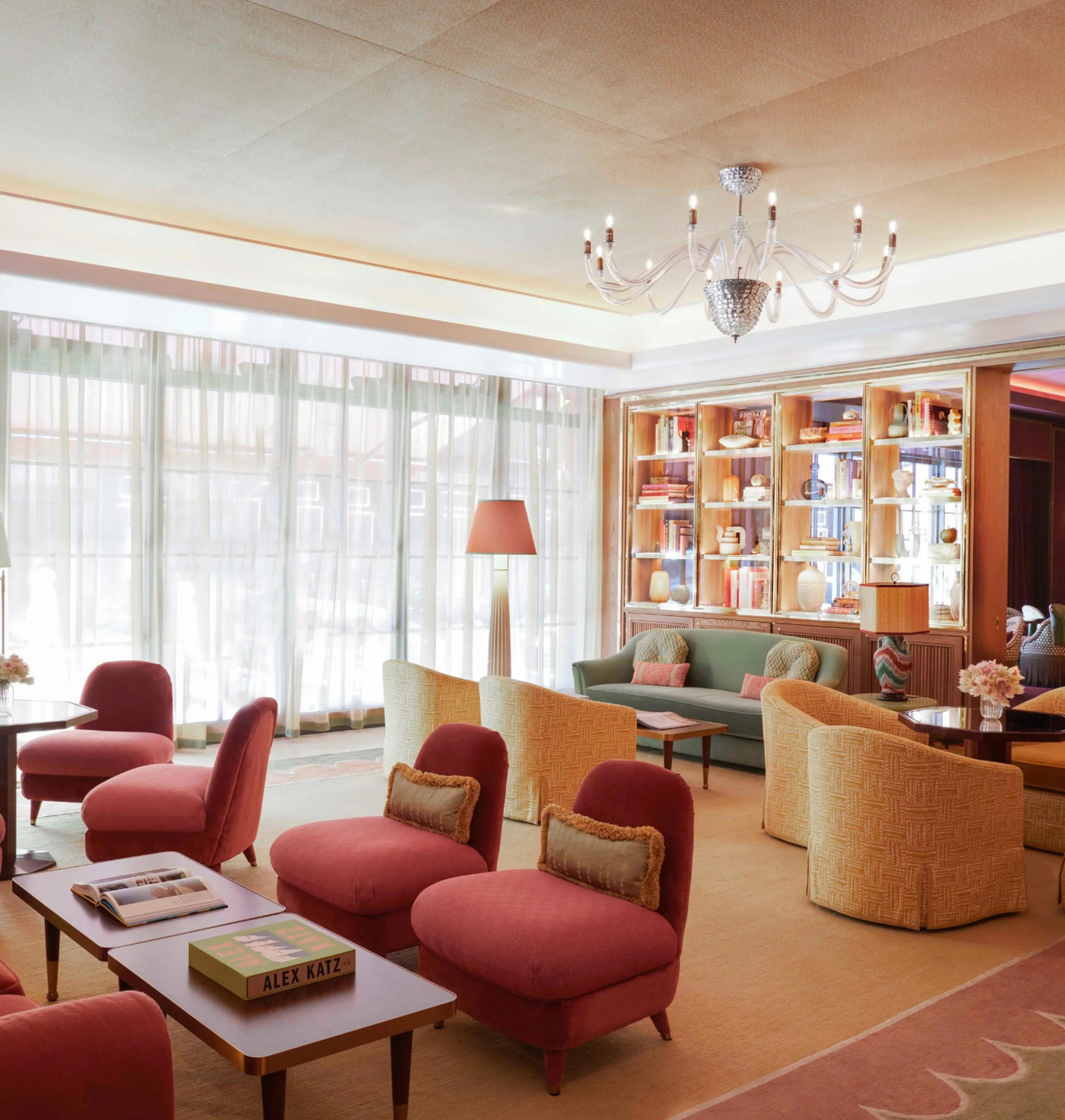
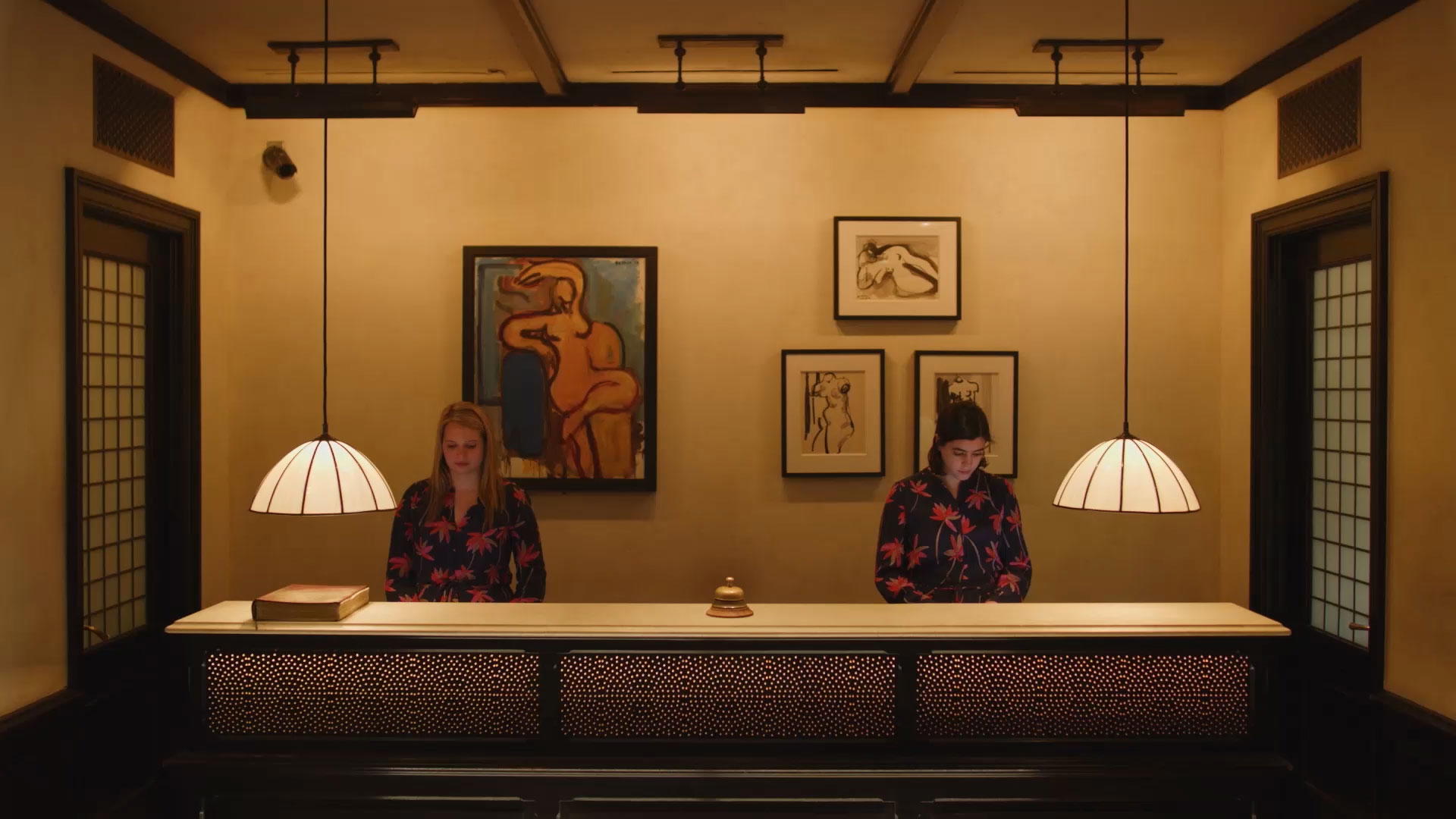
Cozy with fashionable artisan lighting, dark wood tables, exposed brick walls, copper pots, and an open kitchen creating a stylishly casual atmosphere.