Kiat Ocha (เกียรติโอชา)
Kiat Ocha sits on Intharawarorot Road in Chiang Mai's old city district, operating within a northern Thai dining tradition that prizes restraint and regional specificity over spectacle. The address places it among a cluster of long-running local establishments that have shaped the neighbourhood's culinary character across decades. Visitors looking for context-driven northern Thai cooking rather than tourist-facing interpretations tend to find their way here.
Pearl is the En Primeur Club membership app — saves, bookings, and concierge access live there. Same editors, same standards.
- Address
- 43 Intharawarorot Rd, เมืองเชียงใหม่, เชียงใหม่ 50200
- Directions
- Get directions
 Saves & bookings on Pearl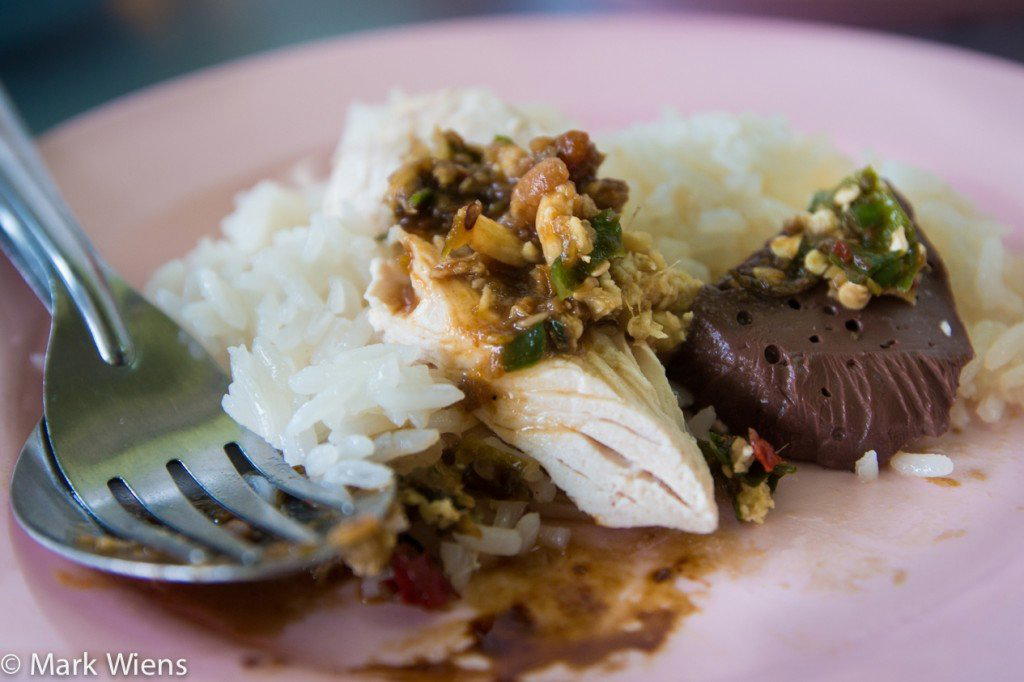
Intharawarorot Road and the Weight of Northern Thai Continuity
Chiang Mai's dining identity has never been fully legible through its tourist-facing restaurants. The city's most consequential eating happens along streets like Intharawarorot Road, where establishments have been refining northern Thai technique across generations without the validation of international award circuits or English-language menus. Kiat Ocha (เกียรติโอชา) is a casual, walk-in-friendly restaurant at 43 Intharawarorot Rd in Chiang Mai, serving Hainanese Chicken Rice & Satay at a price tier of about $3 per person. Kiat Ocha (เกียรติโอชา), at number 43, operates inside this tradition. The address situates it in the old city's western edge, a corridor that has retained neighbourhood-restaurant character even as surrounding areas absorbed the commercial pressures of a fast-growing tourist economy.
Northern Thai cuisine occupies a distinct position within Thailand's broader food culture. Where central Thai cooking tends toward the brightness of lime, fish sauce, and fresh chilli, northern cuisine draws from fermented ingredients, dried spice blends, and techniques carried across trade routes from neighbouring Myanmar and Yunnan. This is food shaped by altitude, by cooler growing seasons, and by a Lanna cultural identity that predates Bangkok's administrative reach. Restaurants like Kiat Ocha that operate within this tradition are holding a specific culinary line, one that venues further south, including the high-profile Sorn in Bangkok, have worked to document and refine from a different angle.
What the Room Tells You
Approaching an establishment of Kiat Ocha's type on Intharawarorot Road, the physical signals are consistent with a category of Thai restaurant that prioritises function over presentation. Tables are typically arranged for efficiency rather than atmosphere. The kitchen's presence is felt before the menu arrives, through smell, through the sound of woks, through the particular density of a space that has been cooking the same regional dishes for long enough that the walls carry the record of it. This is not a designed experience in the way that newer Chiang Mai openings, including the more composition-conscious restaurants that have opened around the Nimman area, tend to be. The room communicates institutional knowledge rather than concept.
That institutional character is meaningful context for how the front-of-house operates. In long-running northern Thai establishments, the relationship between kitchen and service is rarely mediated through scripted hospitality. The team dynamic in places like this is built on repetition and mutual fluency rather than formal training hierarchies. Servers know the menu through daily proximity to its production; the kitchen calibrates dishes based on feedback loops that run through years of the same regulars. This is a different model of collaboration than the chef-sommelier-front-of-house triangulation you see at venues like Atomix in New York City or Le Bernardin in New York City, but it produces its own form of precision.
Northern Thai Cooking in Competitive Context
Chiang Mai's restaurant scene has fragmented considerably over the past decade. A tier of tourist-facing operations now runs parallel to a network of local establishments that have little interest in attracting international visitors. Between these sits a smaller group of restaurants that have found cross-audience relevance without significantly adjusting their format. Kiat Ocha's position on Intharawarorot Road places it within reach of both local diners and the more research-oriented traveller who approaches Chiang Mai through its neighbourhood-level food culture rather than its headline attractions.
Within the old city and its immediate surrounds, comparable northern Thai establishments include Aunt Aoy Kitchen and Baan Landai, both of which operate in a similar register of accessible, tradition-rooted northern cooking. Loet Rot in Mueang Chiang Mai represents another data point in this local category. Further afield, PRU in Phuket and AKKEE in Pak Kret show how Thai regional cooking translates into more structured fine dining formats, a useful contrast for understanding what Kiat Ocha is not attempting.
The northern Thai noodle tradition also provides a reference frame. Khao soi, the region's most-exported dish, appears across Chiang Mai in formats ranging from street carts to dedicated shops like Khao Soi Mae Manee, which has built a reputation specifically around that single dish. Establishments with broader northern menus operate differently, they require kitchen depth across a wider range of preparations, from larb to sai ua to nam prik relishes, and that breadth is where long-running venues tend to distinguish themselves from newer entrants.
Planning Your Visit
Kiat Ocha is located at 43 Intharawarorot Road in central Chiang Mai, accessible from the old city's western moat by foot or short tuk-tuk from most old city guesthouses. The address places it within walking distance of the city's main cultural sites, which makes it a practical choice for visitors already spending time in the area. As a walk-in-friendly restaurant, arriving earlier in service is generally advisable.
Kiat Ocha is walk-in friendly. Visitors should plan accordingly, particularly during Chiang Mai's high season between November and February when both domestic and international tourist traffic increases substantially. For a broader orientation to where Kiat Ocha sits within the city's dining geography, see our full Chiang Mai restaurants guide. Those building a wider itinerary around northern Thai food may also want to cross-reference Baan Landai on Phra Pok Klao Road
Booking and Cost Snapshot
Comparable venues nearby, for context on price, style, and recognition.
| Venue | Cuisine | Price | Notes |
|---|---|---|---|
| Kiat Ocha (เกียรติโอชา)This venue — the venue you are viewing | Old City, Hainanese Chicken Rice & Satay | $ | Not listed |
| ก๋วยจั๊บน้ำข้น สามกษัตริย์ | Not listed | $ | สามกษัตริย์, Thai Thick Rice Noodle Soup (Kuay Jab Nam Khon) |
| Laap Kao Cham Chaa | Not listed | $ | Mueang Chiang Mai, Northern Thai Street Laap |
| Khao Soi Lamduan Fa Ham | Not listed | $ | Mueang Chiang Mai, Northern Thai Khao Soi |
| Kaw Kha Moo Chang Phuek | Chang Phueak, Thai Braised Pork Leg Rice | $ | Not listed |
| Mana Sticky Rice | Old City, Thai Mango Sticky Rice | $ | Not listed |
Continue exploring
More in Chiang Mai
Restaurants in Chiang Mai
Browse all →
Bars in Chiang Mai
Browse all →

At a Glance
- Classic
- Cozy
- Rustic
- Casual Hangout
- Historic Building
- Standalone
Nostalgic interior featuring green walls, white ceramic tile wainscoting, ceiling fans, and aged newspapers, creating a classic local street food atmosphere.