Khanittha Im Werksviertel sits in Munich's post-industrial Werksviertel quarter, positioning Thai-inflected cooking within a neighbourhood that has become one of the city's more concentrated clusters of international dining. Where Munich's fine dining default has long been French or Austro-Bavarian, Khanittha represents a different tier: ingredient-focused Southeast Asian cuisine given a European multi-course frame, in a setting that contrasts sharply with the white-tablecloth rooms of Maxvorstadt or the Altstadt.
Pearl is the En Primeur Club membership app — saves, bookings, and concierge access live there. Same editors, same standards.
- Address
- Atelierstraße 14, 81671 München, Germany
- Phone
- +491786091312
- Website
- khanittha-werksviertel.de
- Directions
- Get directions
 Saves & bookings on Pearl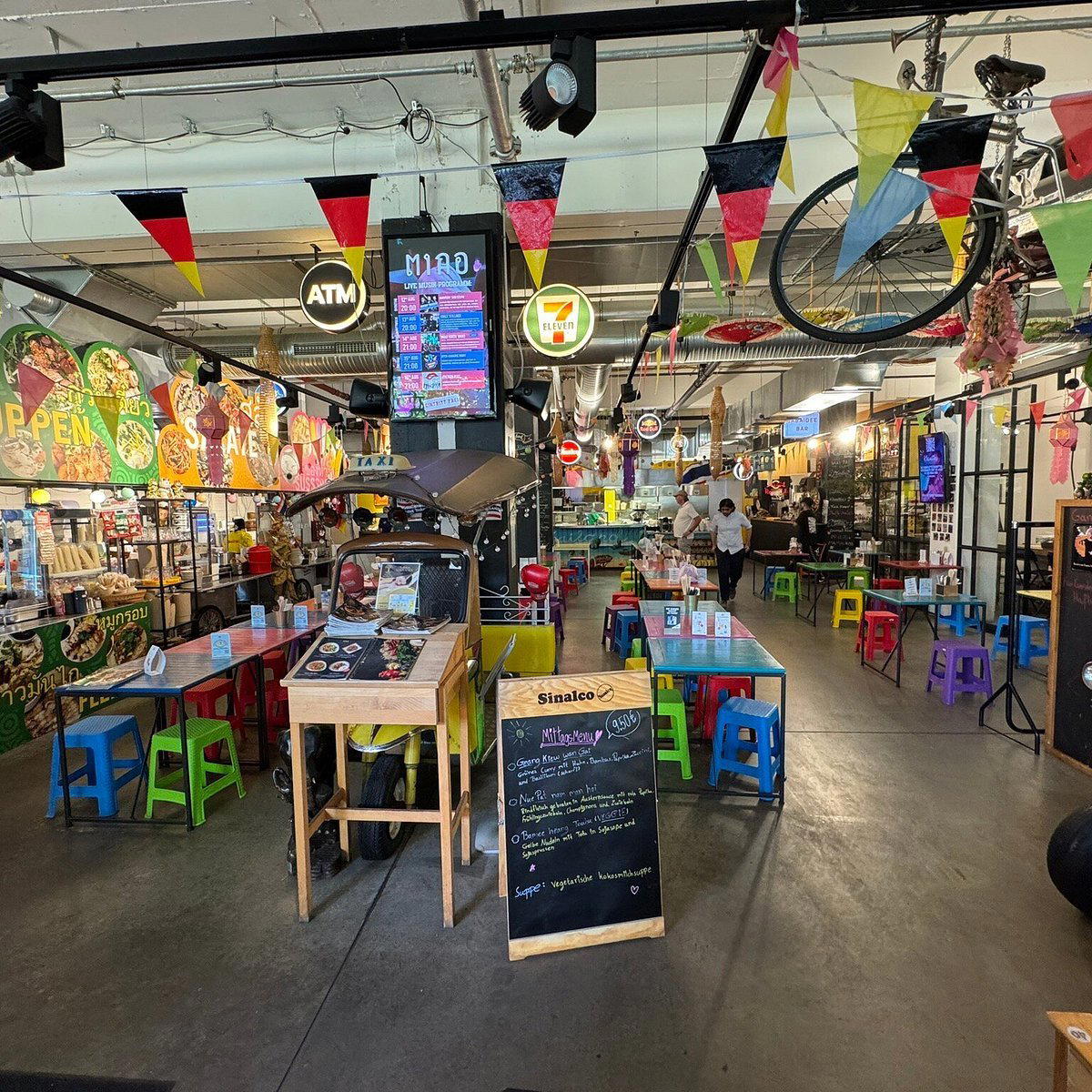
A Different Register in Munich's East
Munich's restaurant conversation has long been dominated by its French-lineage fine dining rooms and a handful of German-Japanese crossovers. The city's Michelin-starred tier, represented by rooms like Atelier, Tantris, and Tohru in der Schreiberei, clusters around European techniques applied to premium ingredients, with price points uniformly in the €€€€ bracket. Khanittha Im Werksviertel operates in a different register, drawing on Thai culinary tradition inside a neighbourhood that few international visitors have historically put on their itinerary.
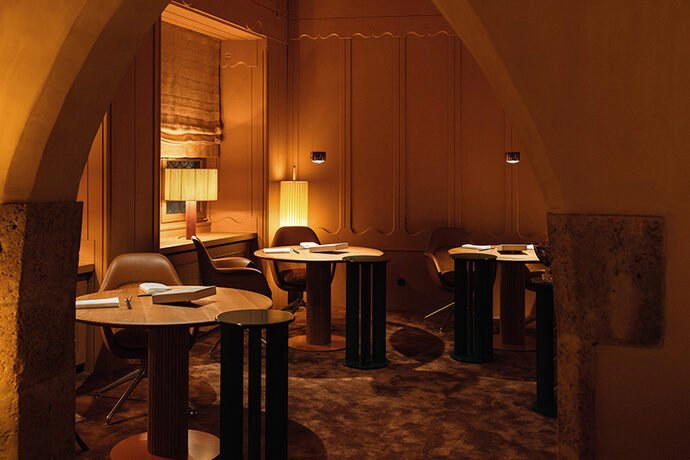
The Werksviertel is Munich's most deliberate post-industrial reinvention. The former factory compound east of the Ostbahnhof has been converted into a mixed-use district of studios, concert venues, and restaurants, and its dining scene reflects that mix: less curated than the Altstadt, more experimental, and noticeably younger in its energy. Arriving at Atelierstraße 14, you're entering a precinct that still carries the physical grammar of its industrial past, exposed brick and generous ceiling heights, repurposed for a city that has only recently started expanding its dining geography beyond its traditional cores.
Thai Cooking in a European Multi-Course Frame
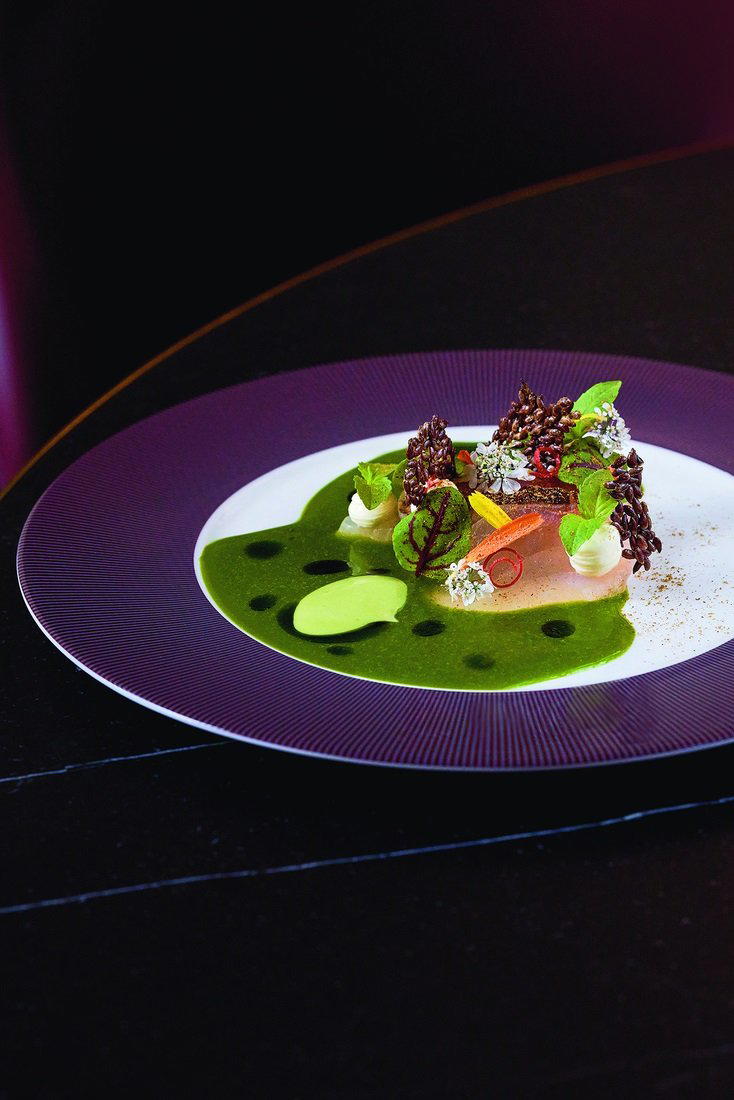
Southeast Asian restaurants in European capitals have, for most of their history, occupied the neighbourhood-restaurant tier: family-run, generous on portion size, modest on price. The shift toward multi-course tasting formats, where Thai flavour architecture is treated with the same sequencing discipline applied to French or Japanese cuisine, has been slow to arrive in Germany compared to London or Amsterdam. Khanittha Im Werksviertel is part of a small cohort of German restaurants attempting that translation seriously.
The tasting progression at this kind of restaurant demands a particular structural logic. Thai cuisine's flavour profile, built around the interplay of sour, sweet, salty, and heat, does not map cleanly onto a classical European sequence of light-to-heavy. The editorial question for any kitchen operating in this space is how to build a narrative arc across courses without either flattening the cuisine's native intensity or losing the diner somewhere between an aggressive nam prik and a richer curry base. Where a room like CODA Dessert Dining in Berlin has resolved that sequencing problem by recentring the whole meal around dessert logic, Thai-forward tasting menus face a different challenge: acidity and heat need to be paced rather than concentrated.
The broader German fine dining scene has explored this kind of cross-cultural sequencing in multiple directions. Aqua in Wolfsburg, Vendôme in Bergisch Gladbach, and Victor's Fine Dining by Christian Bau in Perl each demonstrate how European technical discipline can absorb non-French reference points. Khanittha Im Werksviertel applies a comparable ambition to a Thai culinary base, which remains less common across Germany's starred landscape than Japanese or Mediterranean influences.
Where This Sits in Munich's Dining Map
Munich's established fine dining rooms, including Alois - Dallmayr Fine Dining and JAN, operate primarily from the city's central precincts. The Werksviertel's position east of the Ostbahnhof places Khanittha at a geographic remove from that cluster, which affects both the booking dynamic and the clientele. Diners making a specific journey to this postcode are less likely to be hotel guests or convention visitors and more likely to be residents or purposeful out-of-towners following a specific recommendation.
That geographic specificity matters for how Munich's dining scene is evolving. The concentration of creative and hospitality businesses in the Werksviertel has seeded a secondary dining cluster that complements, rather than competes with, the Altstadt and Maxvorstadt rooms. For a city with as concentrated a fine dining culture as Munich, the emergence of a credible destination restaurant in the Werksviertel quarter represents a structural shift worth tracking.
Peer Context: German Fine Dining Beyond Munich
For readers calibrating expectations, it helps to map the restaurant against the wider German fine dining tier. At the upper end of that national scene, rooms like Schwarzwaldstube in Baiersbronn, ES:SENZ in Grassau, Waldhotel Sonnora in Dreis, Restaurant Haerlin in Hamburg, Schanz in Piesport, and Bagatelle in Trier define what sustained award recognition looks like across different regional contexts. The international benchmark for technically precise multi-course formats with non-European culinary roots includes rooms like Atomix in New York City, where Korean cuisine has been given a tasting-menu structure that holds up against any European peer, and Le Bernardin in New York City, whose decades of technical consistency remain the standard against which ingredient-led precision is measured.
The restaurant is not yet operating in that documented award tier, but the category it is working in, Southeast Asian tasting menus in a European fine dining frame, is thin enough in Germany that the reference points it accumulates over time will matter.
Planning Your Visit
The address is Atelierstraße 14, 81671 München, placing the restaurant in the Werksviertel compound accessible from the Ostbahnhof S-Bahn and U-Bahn interchange. Current booking method, hours, and price point are not published in confirmed form, and visitors should verify operational details directly before travelling. Given the neighbourhood's mixed-use character, the precinct tends to be active across multiple venues on the same evening, which affects both parking and pedestrian access.
| Venue | Cuisine | Price Range | Location |
|---|---|---|---|
| The restaurant | Thai / Southeast Asian | Not confirmed | Werksviertel, East Munich |
| Tantris | Modern French | €€€€ | Schwabing |
| Tohru in der Schreiberei | Modern German-Japanese | €€€€ | Altstadt |
| Alois - Dallmayr Fine Dining | Creative | €€€€ | Altstadt |
| Atelier | Creative French | €€€€ | Maxvorstadt |
Compact Comparison
Comparable venues nearby, for context on price, style, and recognition.
| Venue | Cuisine | Price | Notes |
|---|---|---|---|
| Khanittha Im WerksviertelThis venue — the venue you are viewing | Haidhausen, Authentic Thai Street Food | $$ | Not listed |
| Hofbräukeller | Not listed | $$ | Haidhausen, Traditional Bavarian Beer Garden |
| Wirtshaus in der Au | Not listed | $$ | Au, Traditional Bavarian with Innovative Dumplings |
| Fisch Witte | Isarvorstadt, Fresh Seafood Bistro | $$ | Not listed |
| Deutsche Eiche | Isarvorstadt, Modern Bavarian | $$ | Not listed |
| La Bouche | Schwabing, Classic French Bistro | $$ | Not listed |
At a Glance
- Lively
- Trendy
- Energetic
- Casual Hangout
- Group Dining
- Open Kitchen
- Beer Program
- Local Sourcing
Current opening hours
- Monday
- 11 AM–11 PM
- Tuesday
- 11 AM–11 PM
- Wednesday
- 11 AM–11 PM
- Thursday
- 11 AM–11 PM
- Friday
- 11 AM–11 PM
- Saturday
- 12–11 PM
- Sunday
- 12–11 PM
Hours can change for holidays and private events. Last verified .
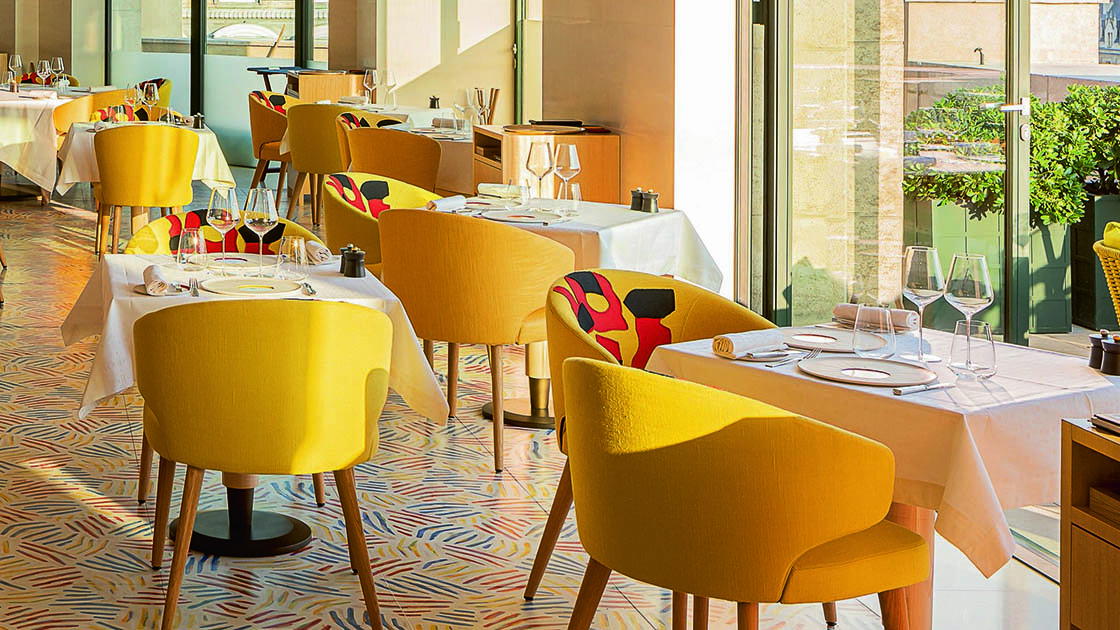
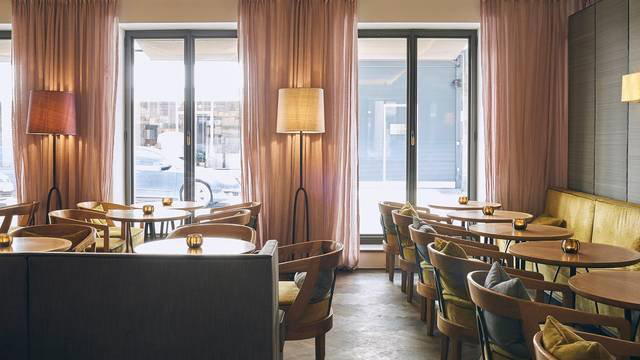
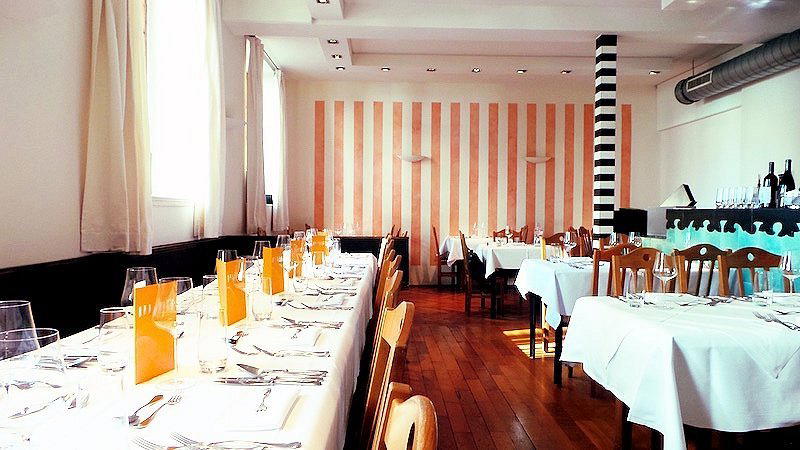
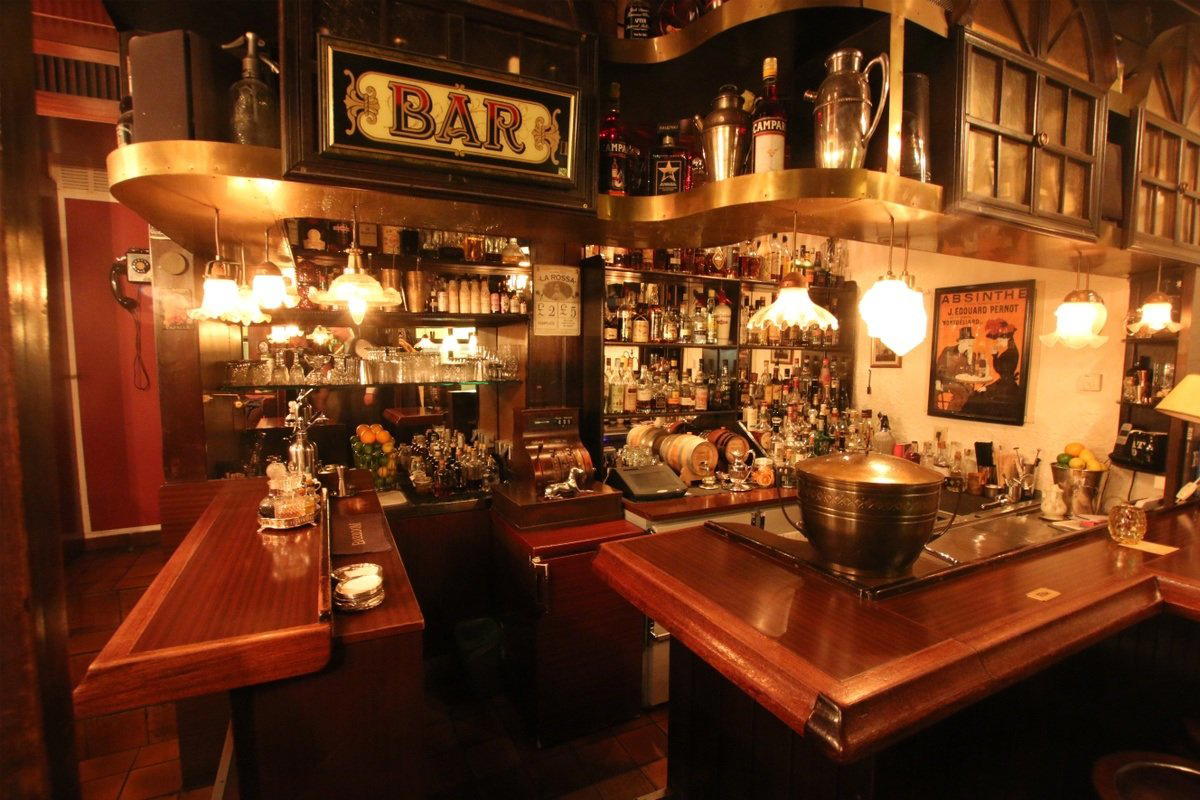
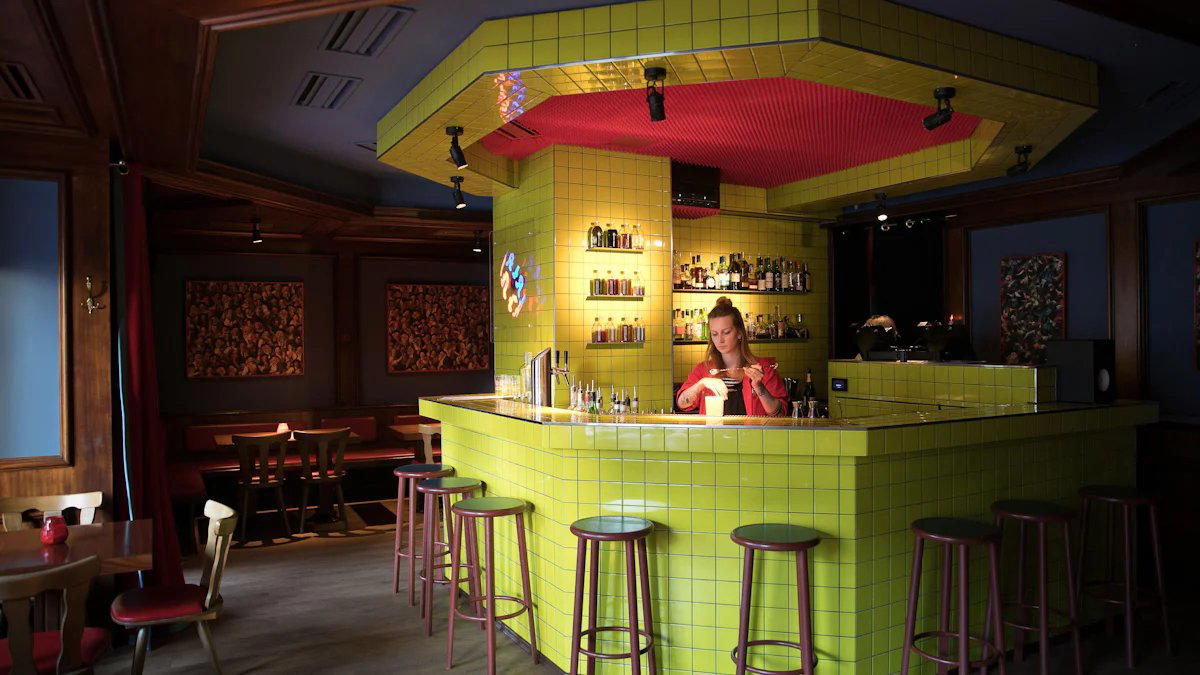
Lively and colorful atmosphere mimicking a Thai street market with lively decor and extensive indoor and outdoor seating.