Kettner's
One of Soho's most enduring addresses, Kettner's at 29 Romilly Street carries more than a century of London dining history within its Georgian townhouse bones. The space sits in a neighbourhood where restaurant concepts turn over quickly, yet the building itself has outlasted dozens of culinary eras. For visitors tracking the slower rhythms of the city's food culture, that kind of longevity is its own credential.
 Discover on Pearl
Pearl is the En Primeur Club membership app — saves, bookings, and concierge access live there. Same editors, same standards.
- Address
- 29 Romilly St, London W1D 5AL, United Kingdom
- Phone
- +442077345650
- Website
- sohohouse.com
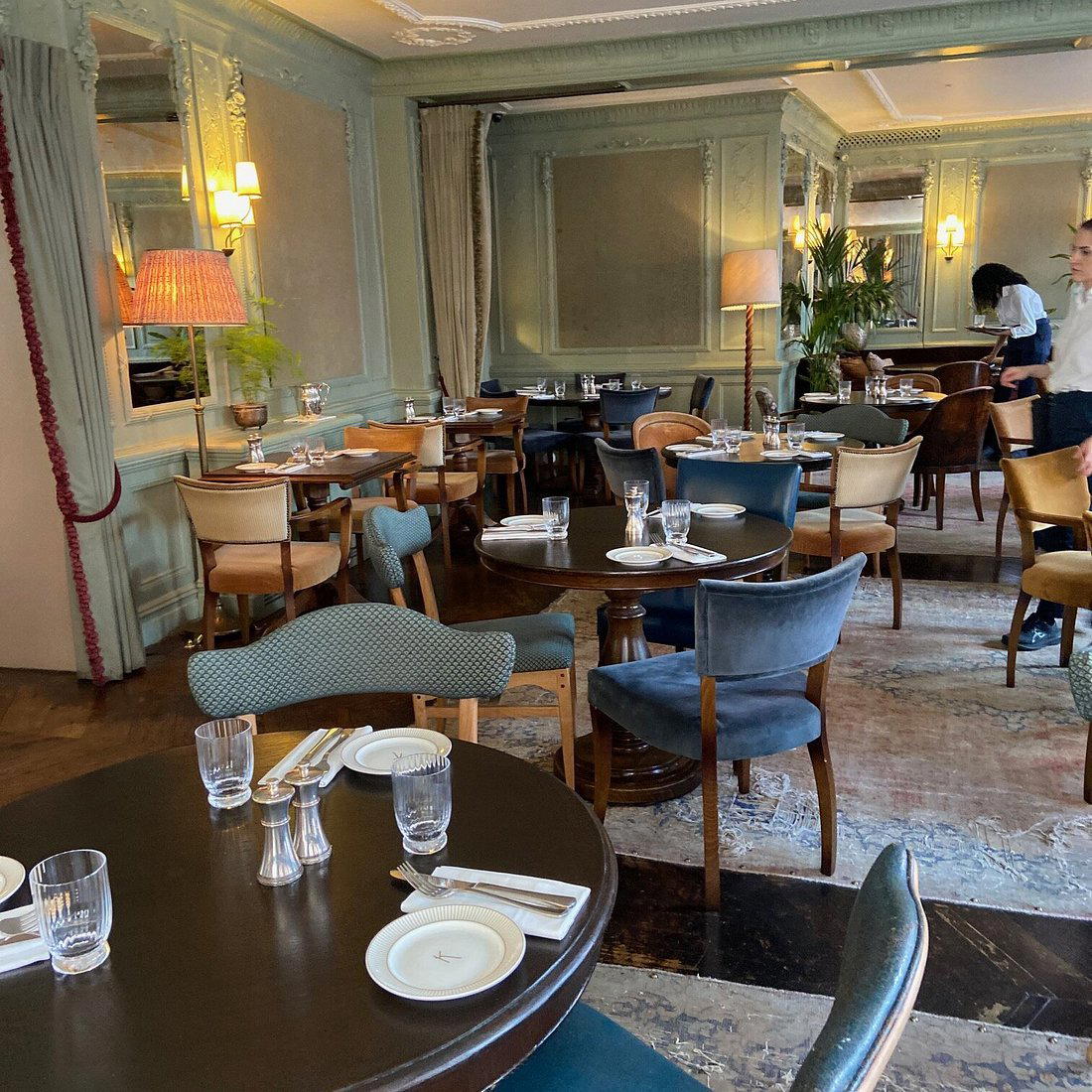
Soho's Long Game: How Romilly Street Holds Its Ground
Soho has always been London's most restless dining neighbourhood. Restaurants open and close in the same eighteen-month window that once launched them, and the streets between Wardour and Frith absorb each wave of fashion with the same indifference. Against that backdrop, an address that survives across multiple eras is worth reading carefully. Kettner's is a restaurant at 29 Romilly Street, London W1D 5AL, serving Classic French Bistro cooking. The Georgian townhouse it occupies has housed dining in some form for well over a century, placing it in a small cohort of Soho establishments whose continuity alone marks them as a reference point for the neighbourhood's deeper character.
That kind of longevity is not simply nostalgia bait. In a district where the dominant dining story has shifted from bohemian French cafés to members' clubs to chef-driven tasting menus, an address that has tracked multiple chapters offers something that newer arrivals cannot: a physical record of how Soho eats. Visitors who arrive at Romilly Street with any awareness of the building's history will find themselves reading the room differently, layering what they see against what the space has been before.
The Wider Frame: Soho's Relationship with Sourcing and Waste
The conversation around ethical sourcing and waste reduction in London's restaurant sector has moved decisively out of Hackney and Peckham and into the West End over the past five years. Soho, once defined by volume-driven kitchens serving late-night crowds, has absorbed this shift more slowly than its east London counterparts, but the pressure is now visible across the neighbourhood's mid-market and upmarket tiers alike. Operators across Romilly Street and its surrounding blocks are increasingly fielding questions from suppliers and guests about provenance, packaging, and food waste policy in ways that would have seemed peripheral a decade ago.
This is the context in which any serious Soho address now operates. The sustainability story in London dining is no longer confined to farm-to-table specialists or zero-waste tasting menu formats. It has become a baseline expectation at the level of ingredient sourcing, with guests at price points across the spectrum looking for signals that kitchens are engaging with the question rather than ignoring it. Addresses like CORE by Clare Smyth and The Ledbury have formalised sourcing transparency at the ££££ tier, while Dinner by Heston Blumenthal and Sketch, The Lecture Room and Library demonstrate that heritage-heavy rooms can carry contemporary operational thinking without erasing their identity. The question for a historically rooted Soho address is how to engage that conversation without flattening the character that makes it worth visiting in the first place.
Outside London, the most instructive parallel may be the rural destination restaurant model, where proximity to producers has always enforced a practical discipline around waste and seasonality. L'Enclume in Cartmel, Moor Hall in Aughton, and Le Manoir aux Quat'Saisons in Oxford have all built sourcing programmes that reflect their immediate geographies. Urban addresses in dense districts like Soho cannot replicate that model directly, but they can borrow its discipline: tighter supplier lists, shorter menus, and a clearer accounting of what moves through the kitchen each service. Gidleigh Park in Chagford and Midsummer House in Cambridge offer further examples of how provenance-led thinking translates across different scale and setting.
What the Building Tells You
The physical character of the Kettner's site is itself a form of editorial statement. Georgian townhouses in central Soho were not built for restaurant kitchens; the conversion of domestic space into dining room over multiple decades produces a layering of proportion and detail that purpose-built restaurant interiors rarely achieve. High ceilings, divided rooms, and the accumulated patina of a building that has served many functions tend to create an atmosphere that newer venues spend considerable money trying to approximate. For guests who have moved through the more studied grandeur of Restaurant Gordon Ramsay or the deliberately theatrical register of Sketch, arriving at a room with genuine accumulated history offers a different register entirely.
That physical register has parallels in British dining outside the capital. Waterside Inn in Bray, Hand and Flowers in Marlow, and Hide and Fox in Saltwood each occupy buildings whose age and specificity are inseparable from the dining experience they offer. At the international level, Le Bernardin in New York City demonstrates how a room with a long track record accumulates a kind of gravitational authority that newer peers have to earn through other means, while Atomix, also in New York, shows the opposite approach: building authority through programme depth rather than physical history. Both models are legitimate; they simply produce different kinds of trust.
Placing Kettner's in the Soho Hierarchy
Soho's dining offer now spans from sub-£20 lunch counters to tasting menus that clear £150 per head before wine. Within that spread, Romilly Street addresses tend to occupy a mid-to-upper-mid register, sitting below the destination-dining tier occupied by Mayfair and Chelsea flagships but above the casual neighbourhood category. Opheem in Birmingham and Restaurant Andrew Fairlie in Auchterarder illustrate how addresses outside the capital's first tier operate within a different competitive logic, where regional position matters as much as absolute price. In Soho, the competitive logic is denser: a two-minute walk in any direction produces a different comparable set, and reputation has to be maintained against a neighbourhood that never stops generating new options.
Planning Your Visit
Kettner's is located at 29 Romilly Street, London W1D 5AL, in the heart of Soho, within walking distance of Leicester Square and Tottenham Court Road stations. Reservations: Given the building's profile and Soho's booking patterns, advance reservation is recommended. Access: The Georgian townhouse format means the space operates across multiple levels, so guests with accessibility requirements should confirm arrangements directly before booking. Getting there: Both Leicester Square (Northern and Piccadilly lines) and Tottenham Court Road (Central and Elizabeth lines) are under ten minutes on foot.
Recognition, Side-by-Side
Comparable venues nearby, for context on price, style, and recognition.
| Venue | Cuisine | Price | Awards | Notes |
|---|---|---|---|---|
| Kettner'sThis venue — the venue you are viewing | Classic French Bistro | $$$ | , | |
| Mon Plaisir | Classic French Bistro | $$$ | , | St Giles |
| Mister Nice | Modern French Bistro | $$$ | , | Mayfair |
| L'Escargot | Classic French Brasserie | $$$ | 1 recognition | Soho |
| Cote W4 | Classic French Bistro | $$ | , | Chiswick |
| Galvin at Windows | Modern French Haute Cuisine | $$$$ | , | Mayfair |
Continue exploring
More in London
Restaurants in London
Browse all →
Bars in London
Browse all →
Hotels in London
Browse all →
At a Glance
- Romantic
- Elegant
- Classic
- Intimate
- Sophisticated
- Date Night
- Special Occasion
- Historic Building
- Craft Cocktails
- Street Scene
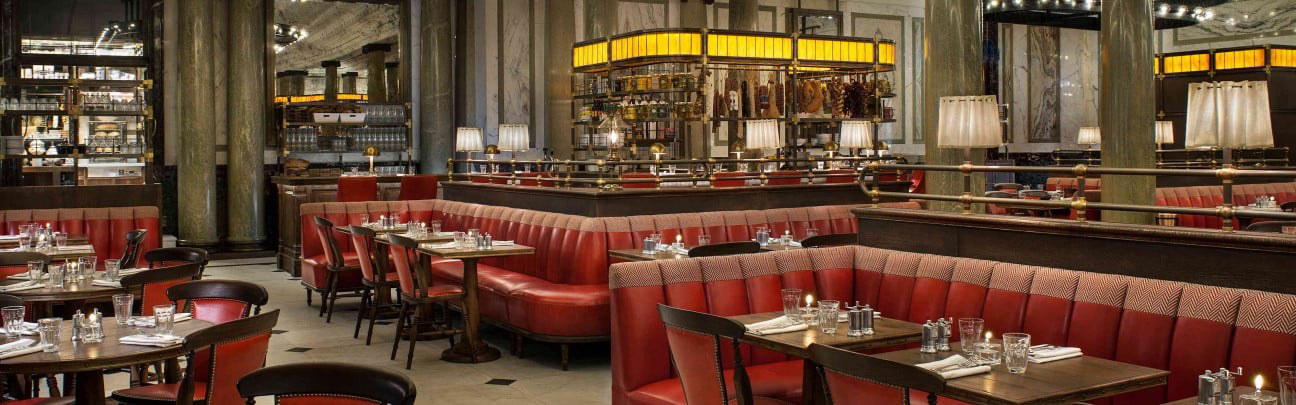
Dreamy romantic with cosy, elegant interiors evoking Georgian history and scandalous past, buzzy yet conversational atmosphere.