L'Escargot

The Good Food Guide GFG Good
Our verdict
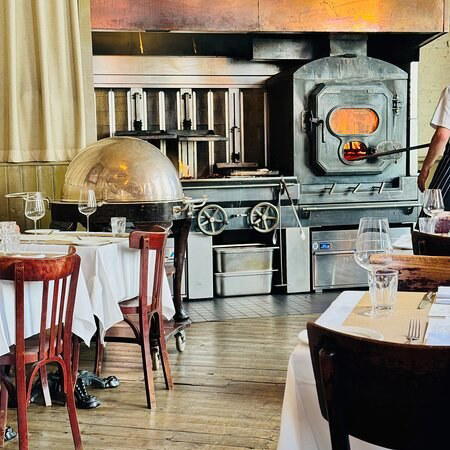
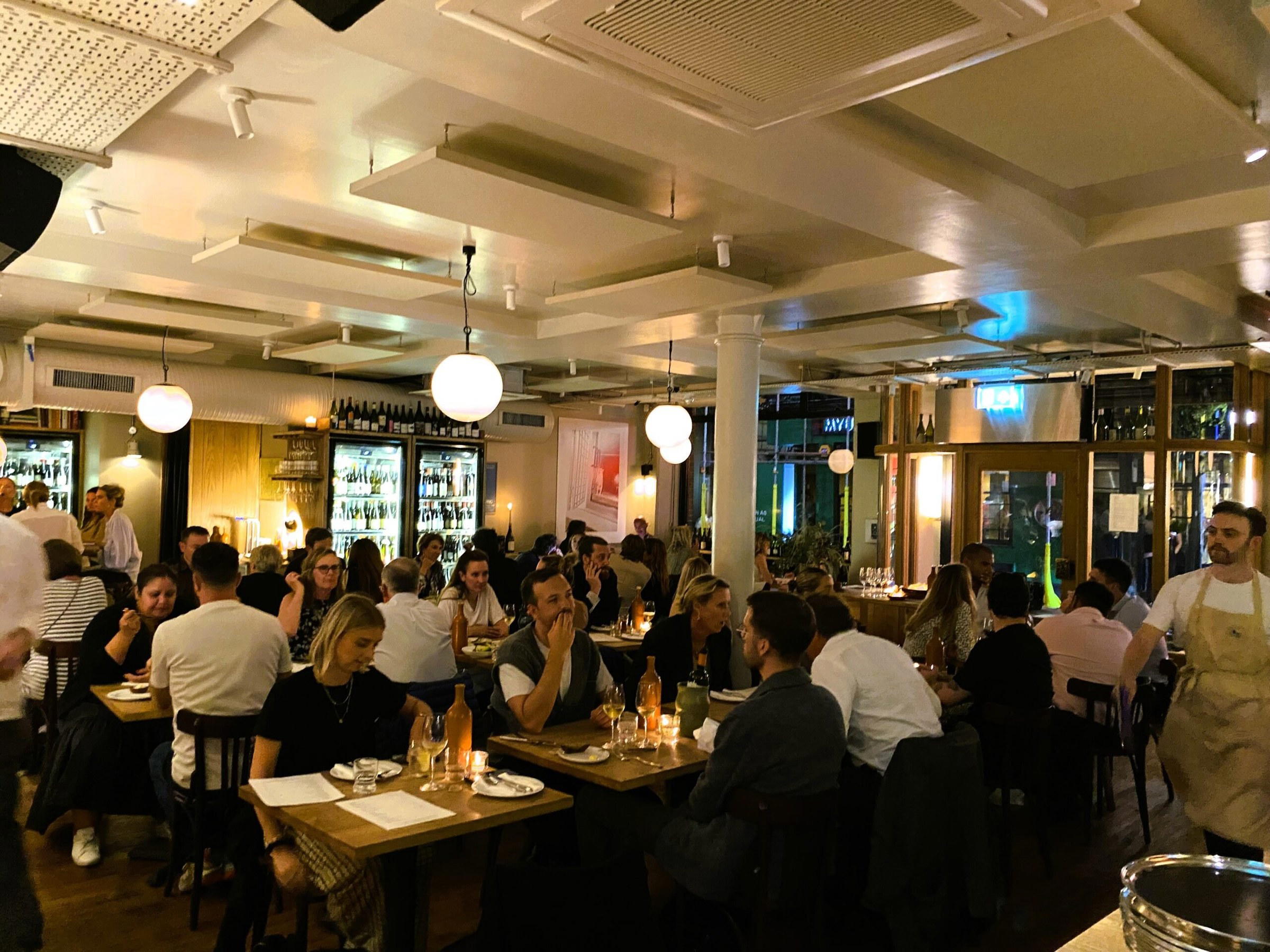
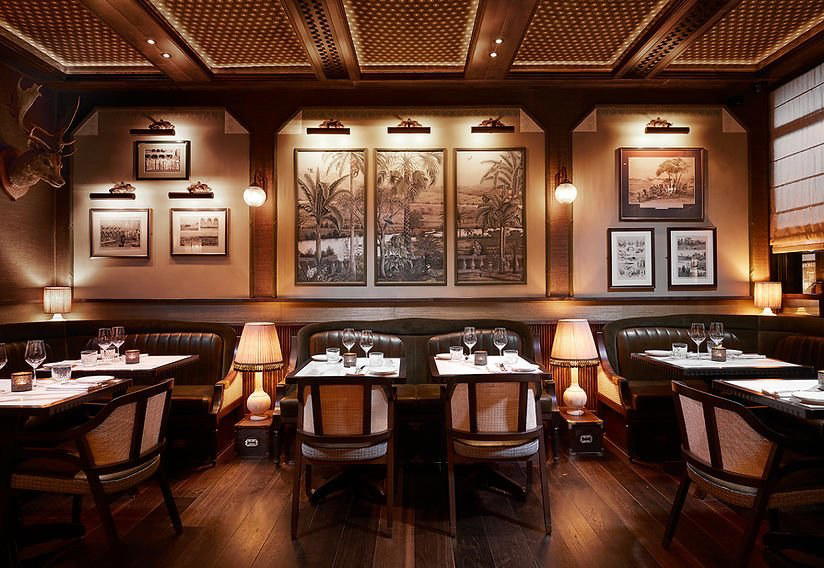
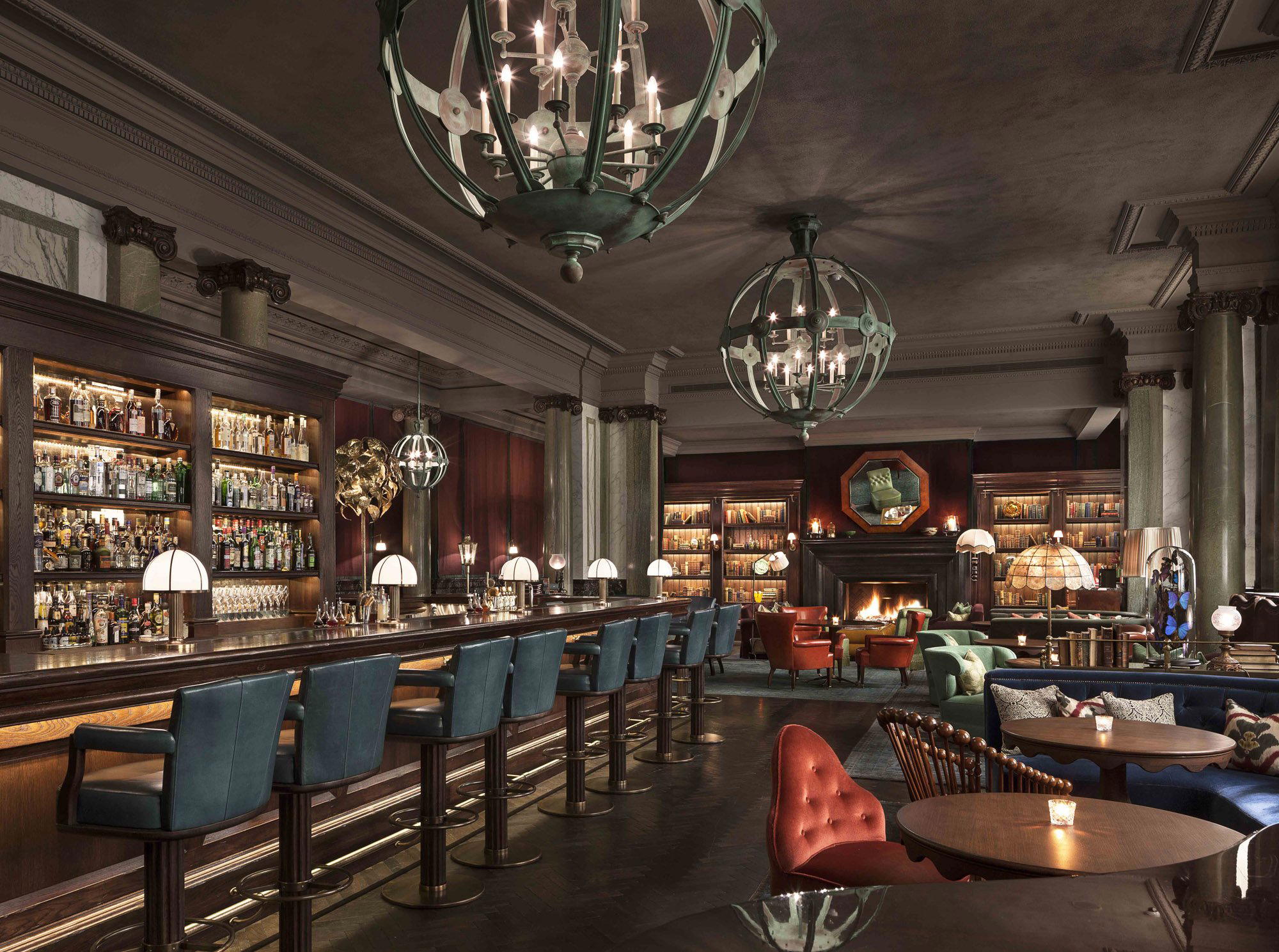
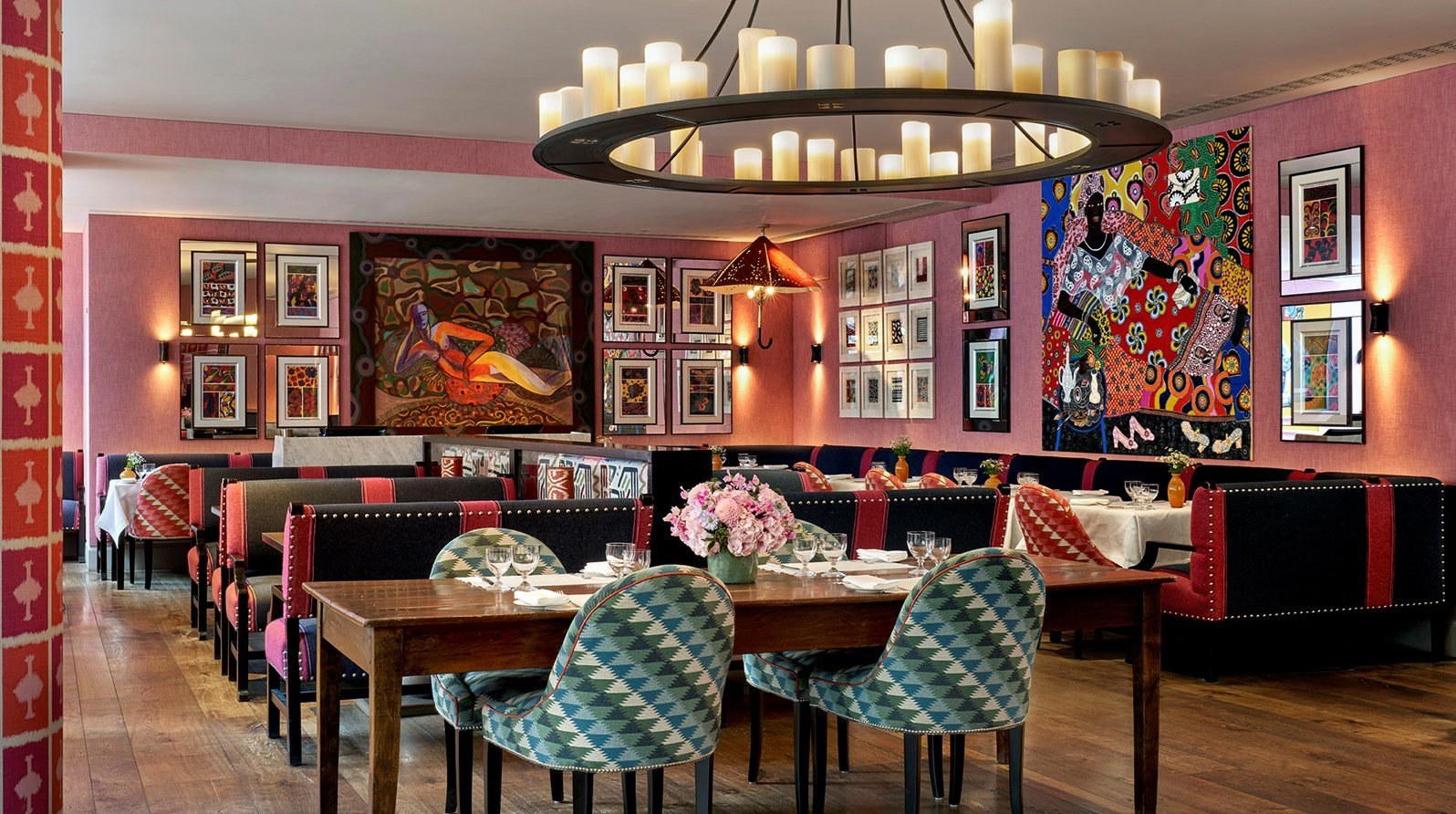
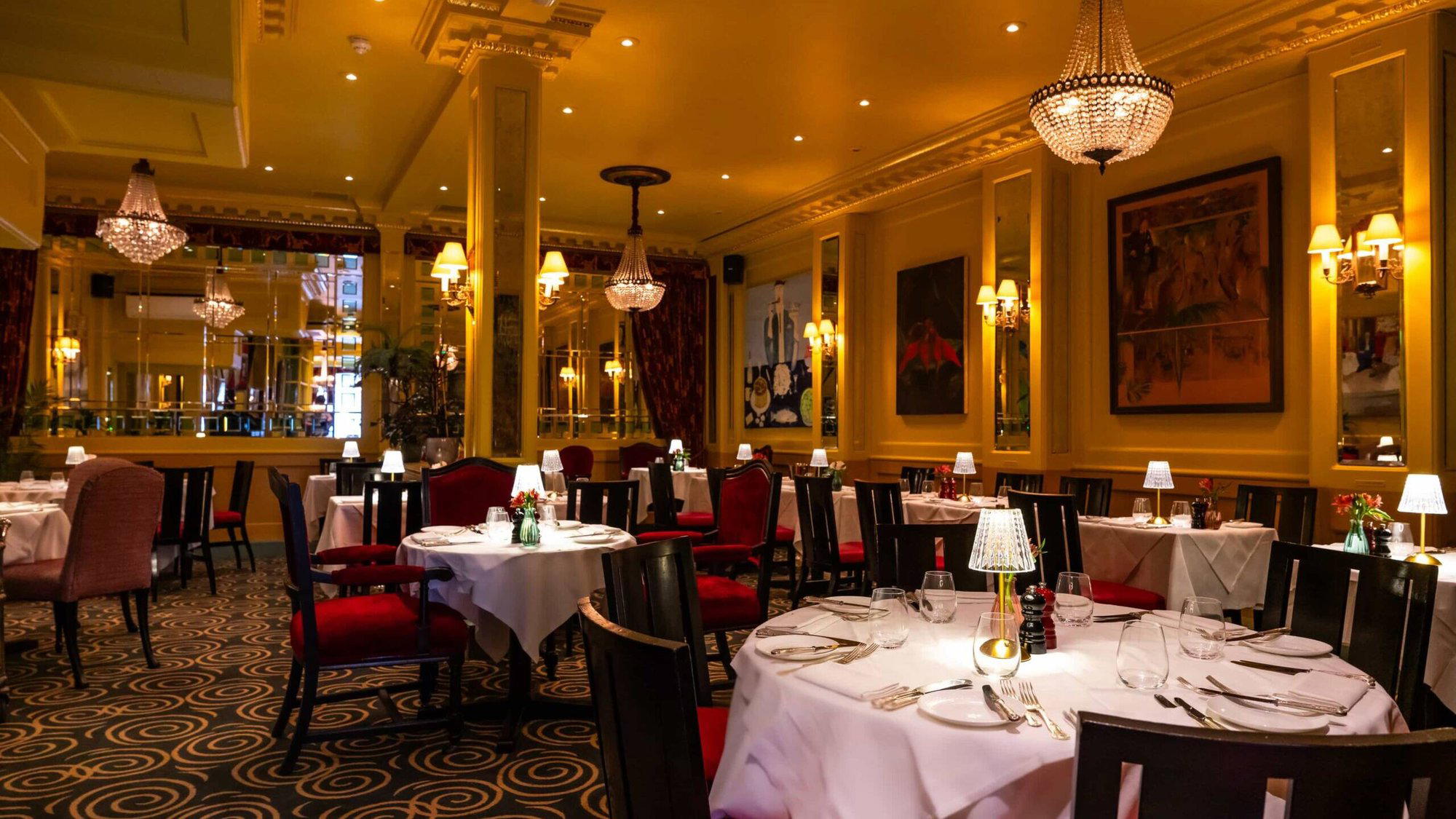
Open since 1927 on Greek Street, L'Escargot is one of Soho's most enduring French dining rooms, a place where cuisine bourgeoise, an art-lined interior, and a patriotically Gallic wine list operate with deliberate continuity. A 2023 refit refreshed the famously warm interiors while preserving the restaurant's character. Fixed-price lunches and pre-theatre menus offer accessible entry to a postcode that rarely gives ground on price.

Pearl is the En Primeur Club membership app, where members save venues, book tables and use the concierge.
The menu
What to order
- Escargots à la Bourguignonne
- Tournedos Rossini
- Soufflé au Chocolat
- Lobster Bisque
- Confit of Duck
Nearly a Century on Greek Street
French restaurants in London now occupy a wide spectrum, from the grand hotel dining rooms of Mayfair to the neo-bistro wave that has remade neighbourhood eating in Hackney and Brixton. L'Escargot, which opened in 1927 as L'Escargot Bienvenue, complete with a functioning snail farm in the basement, sits apart from both ends of that range. It belongs to a smaller and genuinely rare category: the long-established Soho institution that has survived not by reinventing itself for each new dining generation, but by refining a consistent identity over decades. On Greek Street, where food trends arrive and depart with some regularity, that kind of continuity carries its own authority.
The comparison set for L'Escargot is not the modernist French tasting-menu rooms such as Sketch, The Lecture Room and Library or Restaurant Gordon Ramsay, nor the contemporary British kitchens like CORE by Clare Smyth or The Ledbury. Those addresses compete on innovation, tasting-menu architecture, and awards momentum. L'Escargot competes on something harder to manufacture: a sense of place that has accumulated since the interwar years, and a kitchen that knows exactly what it is cooking and why.
Cuisine Bourgeoise as a Committed Position
The French culinary tradition divides, broadly, between haute cuisine and cuisine bourgeoise, the first defined by technical spectacle, the second by the kind of cooking that French households and provincial restaurants have always understood as the real backbone of the national table. L'Escargot's kitchen operates squarely in the second mode, and the menu reads accordingly: lobster salad, navarin of lamb, grilled halibut with hollandaise, confit duck with Puy lentils, crème brûlée, chocolate soufflé. These are not dishes in search of reinvention. They are dishes that have earned their place through generations of repetition, and the kitchen's role is to execute them with care rather than to deconstruct them for effect.
Snails themselves, the restaurant's founding emblem and a persistent presence on the menu, arrive from Herefordshire suppliers rather than from France, but their preparation remains emphatically classical: parsley and garlic butter, or flambéed with Pernod. Occasional departures from the French register appear, crab linguine with leeks and tarragon or asparagus and pea risotto among them, but the kitchen returns reliably to French cheeses and madeleines to close. The restaurant's own motto, "slow and sure," functions less as marketing copy than as an accurate description of the kitchen's philosophy.
For readers who want to compare the longer arc of British fine dining, properties like Le Manoir aux Quat' Saisons in Great Milton and Gidleigh Park in Chagford represent the country-house version of classical European cooking. The Fat Duck in Bray and Dinner by Heston Blumenthal occupy the experimental British end. L'Escargot's position, classical French, urban, informal enough for regular use, serious enough for a significant occasion, fills a different gap, one that London's dining scene tends to underserve.
The Room, the Service, and How They Work Together
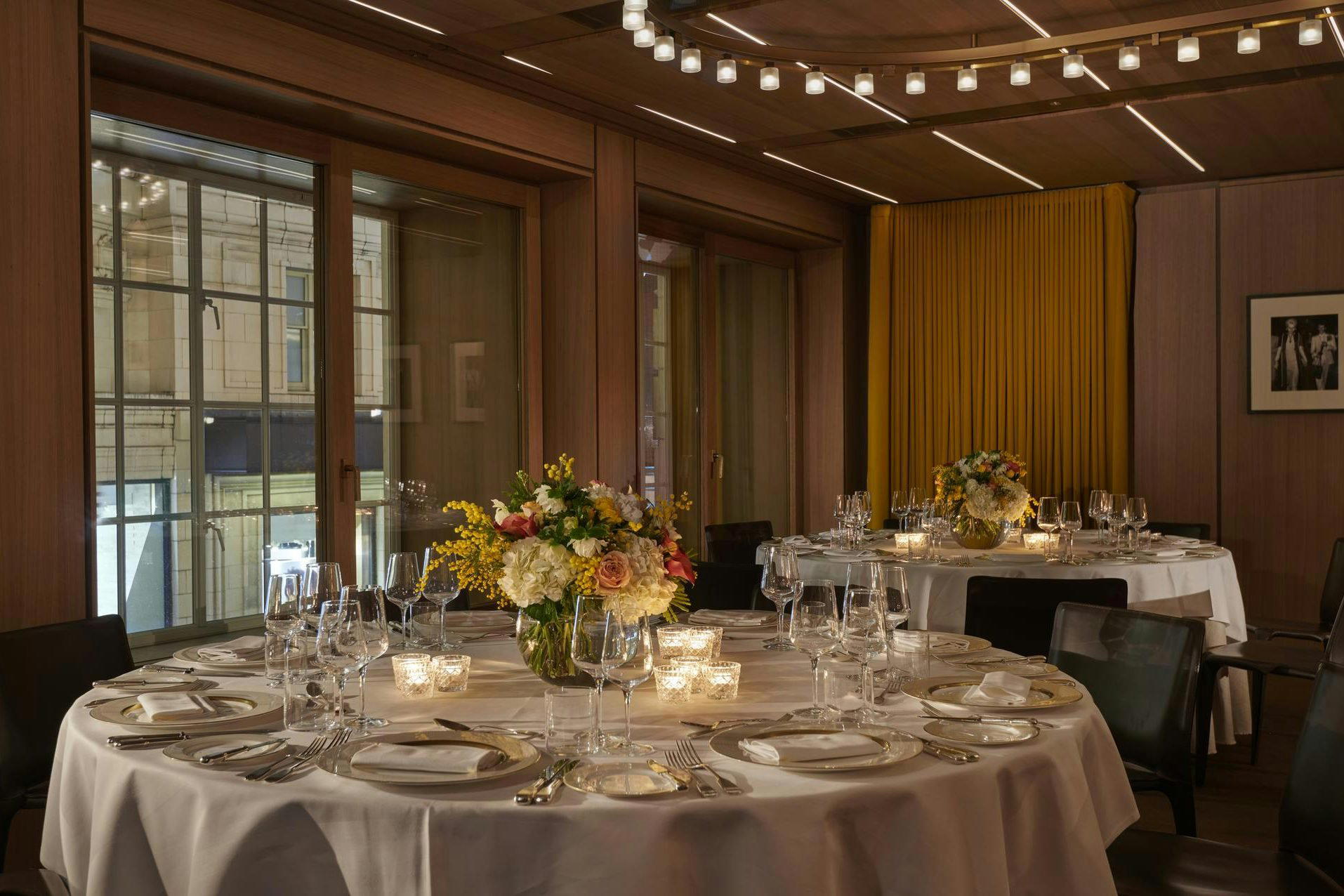
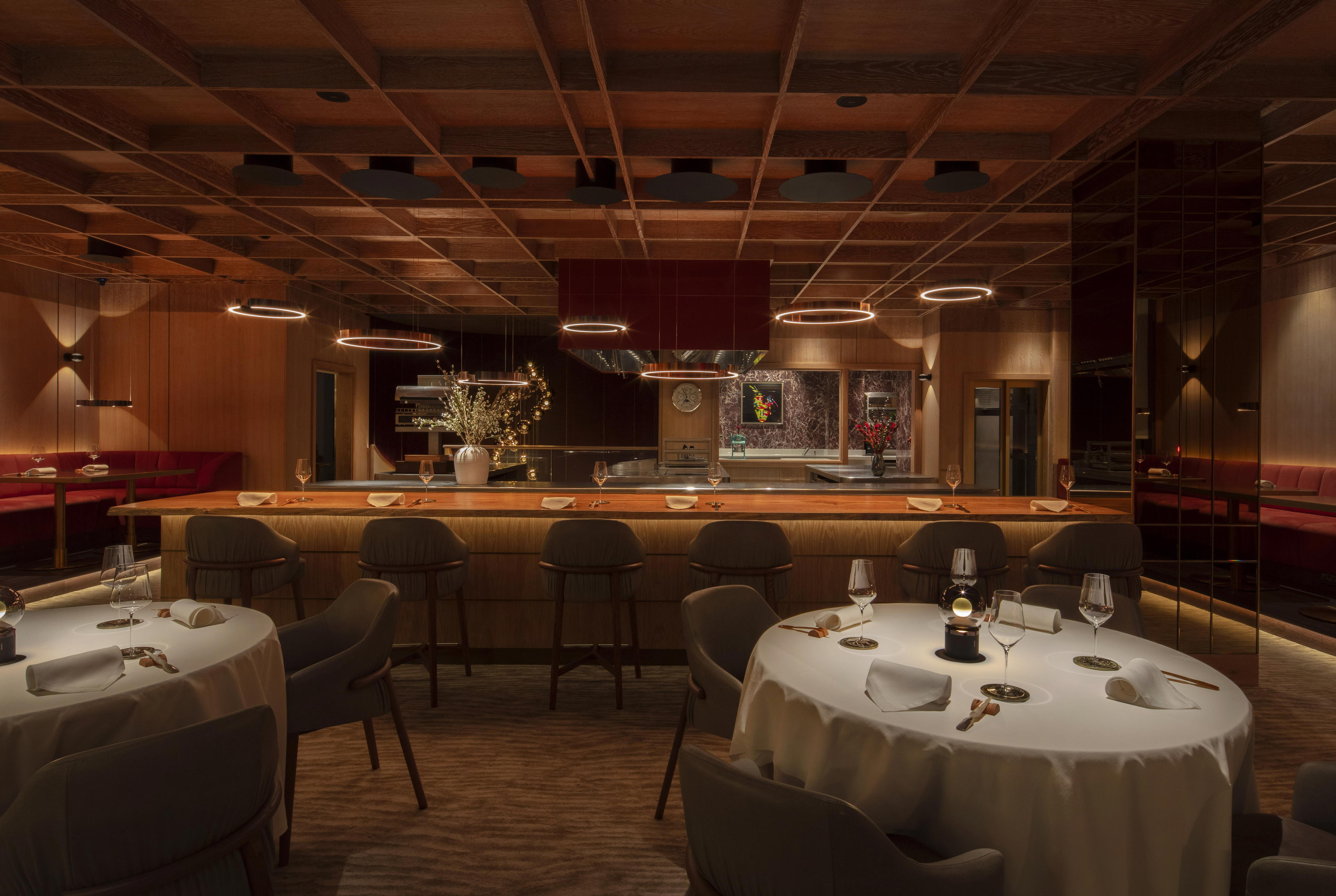
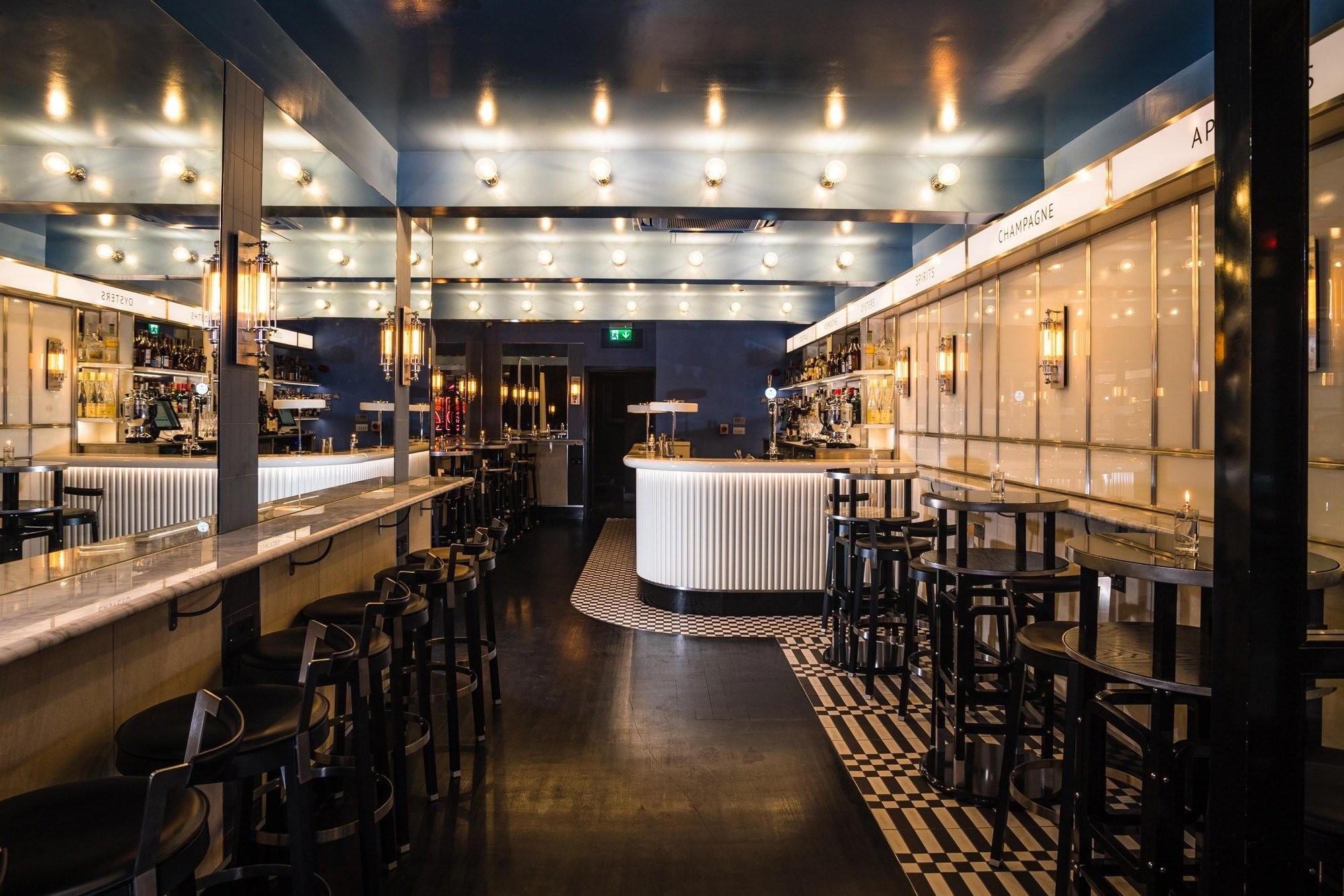
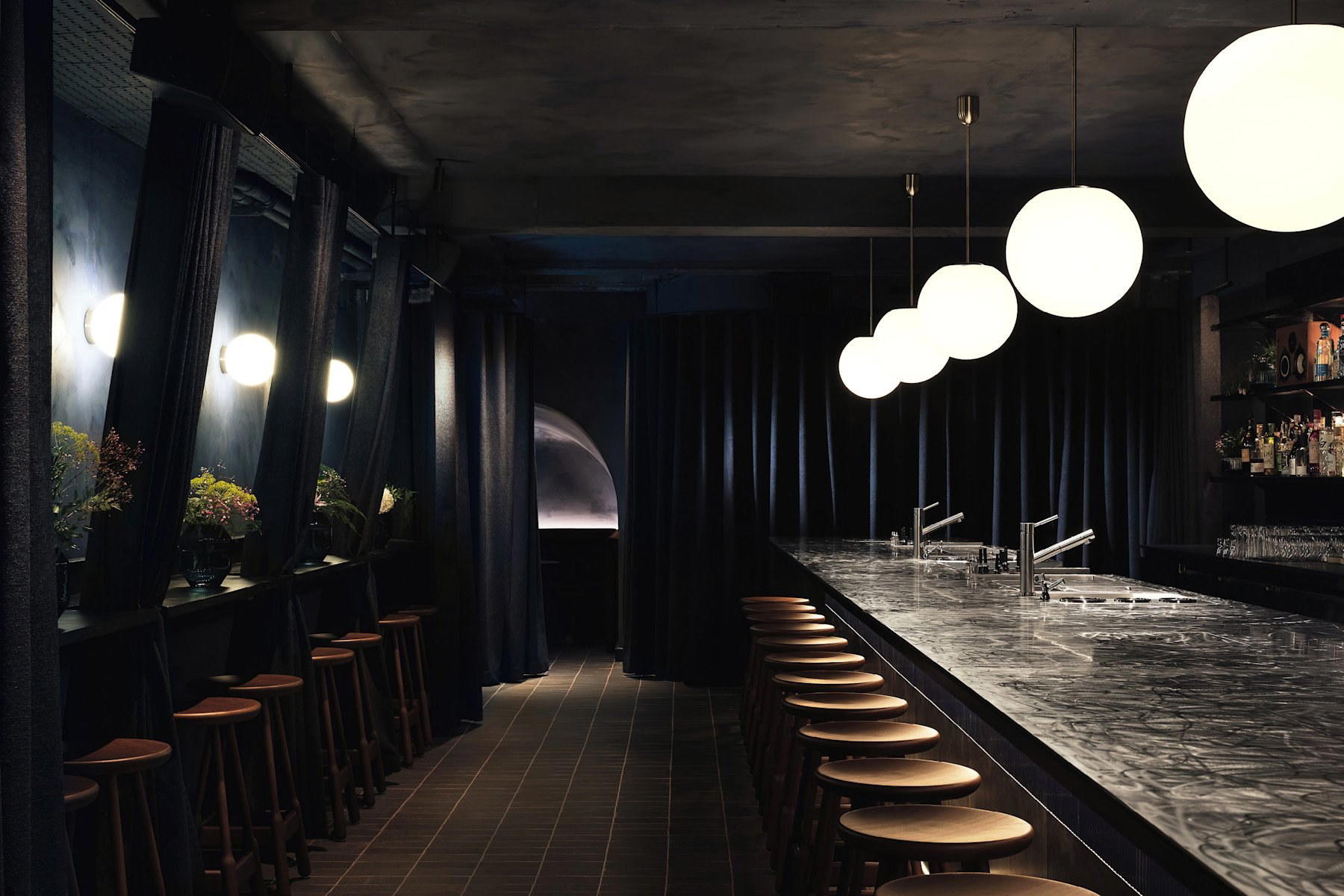
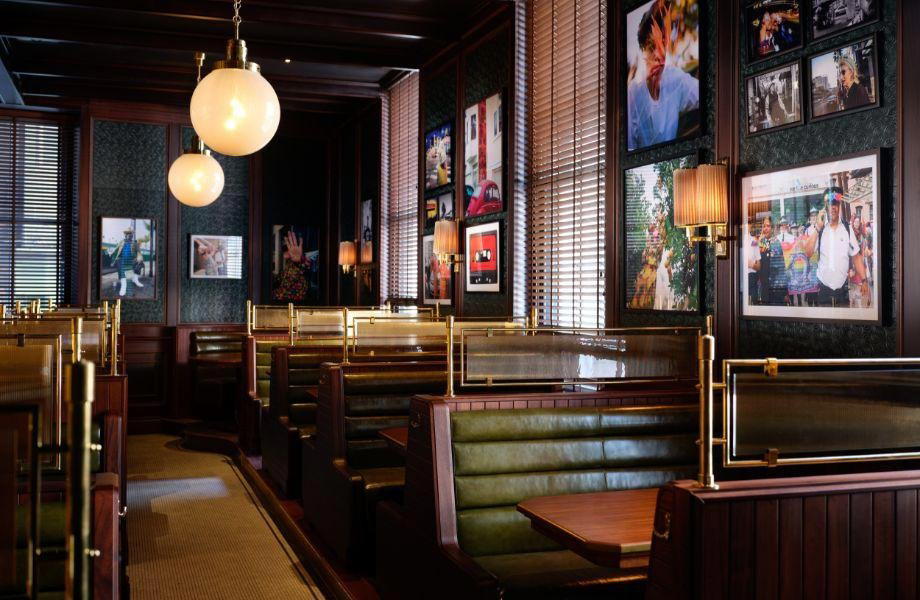
The editorial angle for a room like L'Escargot is not any single role but the interaction between the floor, the kitchen, and the patron's vision for the space. Under patron Brian Clivaz, the restaurant completed a substantial refit in 2023 that enhanced the interiors without erasing their character. The softly lit salons, the numerous private spaces, and the collection of artwork covering the walls remained intact, the refit sharpened rather than replaced what was already there.
In French dining rooms of this type, front-of-house carries a weight that is sometimes underappreciated in contemporary restaurant criticism, which tends to focus on the kitchen. The service culture at a long-established room like this accumulates its own expertise: reading a table's pace, managing the transition between courses in rooms that are running at different rhythms, knowing when to recommend the fixed-price menu and when to steer toward the carte. These are team skills, and they matter more in a multi-salon operation than in a single counter or open kitchen format. The 2023 refit addressed the physical infrastructure that makes that kind of service possible.
The wine program reinforces the overall editorial position. The list runs patriotically Gallic, with significant bottles for the occasion drinker and more accessible regional selections for the table that wants to drink well without anchoring its budget to one bottle. In a West End postcode where wine lists frequently skew toward trophy labels, the presence of genuinely drinkable regional French options is a considered front-of-house decision rather than an oversight.
Format, Timing, and Practical Planning
L'Escargot's format diversity is wider than many comparable addresses. Fixed-price lunches and pre-theatre menus represent good value for a Greek Street address, where property costs and covers pressure tend to push prices upward. Afternoon tea appears on the program as a service that surprises visitors who expect a purely dinner-focused operation. Sunday lunches, built around dishes like rôti de côte de boeuf à l'anglaise and tarte au citron, have drawn consistent praise for quality relative to expectations.
Soho's Greek Street sits within easy reach of the West End's theatre district, which partly explains the pre-theatre format and the restaurant's long history of hosting the kind of meals that precede or follow a cultural event. For visitors planning around London's broader dining and cultural scene, the full London restaurants guide covers the wider range of options across all price tiers and styles, while the London hotels guide, London bars guide, and London experiences guide round out trip planning across categories. The London wineries guide is relevant for those whose interest extends from the glass to the cellar.
Readers interested in how classical French cooking translates across the Atlantic will find useful comparisons in Le Bernardin in New York City, where the French seafood tradition operates at a different register, or Atomix in New York City for a sense of how far contemporary tasting-menu culture has moved from classical European roots. Closer to home, L'Enclume in Cartmel and Moor Hall in Aughton represent the modern British fine dining end of a very different continuum, while Hand and Flowers in Marlow shows what happens when a serious kitchen commits to pub format rather than restaurant formality.
Quick reference: L'Escargot, 48 Greek St, London W1D 4EF. Fixed-price lunch and pre-theatre menus available; Sunday lunch and afternoon tea also offered. Reservations recommended for the West End postcode.
Frequently asked questions
How do I find L'Escargot?
L'Escargot is located at 48 Greek St, London W1D 4EF, United Kingdom, London.
Does L'Escargot offer good value for a Soho restaurant of its standing?
Fixed-price lunches and pre-theatre menus are noted as good value for the Greek Street postcode, which places them at a more accessible price point than much of the surrounding neighbourhood. The wine list skews French throughout, with regional bottles available alongside higher-ticket options for those spending more. Given that the room underwent a substantial refit in 2023, adding to its gallery of artwork and softly lit salons, the overall offer sits well above what the entry-level pricing might suggest.
What's the must-try dish at L'Escargot?
The snails are the obvious answer, and not just for the novelty. The restaurant has served them since its founding in 1927, when it operated its own basement snail farm, and still sources them from Herefordshire today, prepared either with parsley and garlic butter or flambéed with Pernod. Beyond the gastropods, the kitchen's cuisine bourgeoise framework means dishes like navarin of lamb, grilled halibut with hollandaise, and chocolate soufflé represent the reliable core of the menu.
Can I walk in to L'Escargot?
Walk-in availability is not confirmed, and for a Soho address with multiple private dining salons and a long-standing local following, advance booking is the safer approach. The fixed-price lunch and pre-theatre formats in particular tend to draw steady covers, so reservations are advisable for those menus. Contact details are best sought directly via the restaurant at 48 Greek Street, London W1D 4EF.
Compact Comparison
Comparable venues nearby, for context on price, style, and recognition.
| Venue | Cuisine | Price | Awards | Notes |
|---|---|---|---|---|
| L'EscargotThis venue (the venue you are viewing) | Classic French Brasserie | $50–100 | The Good Food Guide GFG Good | Not listed |
| Clarette | Modern French Bistro | $50–100 | Star Wine List | Marylebone, Modern French Bistro |
| Boulestin | Classic French Bistro | Not listed | Not listed | St. James's, Classic French Bistro |
| Oslo Court | Traditional French-British | $50–100 | Not listed | St. John's Wood, Traditional French-British |
| Soutine | Classic French Bistro & Parisian Café | $50–100 | Not listed | St. John's Wood, Classic French Bistro & Parisian Café |
| The White Onion | Contemporary French | Not listed | Not listed | Wimbledon, Contemporary French |
Recognition history
Dated appearances from independent guides and award organizations, with the underlying list record or original source where available.
The Good Food Guide GFG Good
The Good Food Guide