Mister Nice
Mister Nice occupies a Davies Street address in Mayfair, placing it inside one of London's most closely watched dining corridors. The venue sits within a neighbourhood where sourcing credentials and kitchen precision carry as much weight as room design. For visitors tracking where considered cooking meets serious West End real estate, this is a address worth monitoring.
Pearl is the En Primeur Club membership app — saves, bookings, and concierge access live there. Same editors, same standards.
- Address
- 14-16 Davies St, London W1K 3DR, United Kingdom
- Phone
- +442038249000
- Website
- misternicemayfair.com
- Directions
- Get directions
 Saves & bookings on Pearl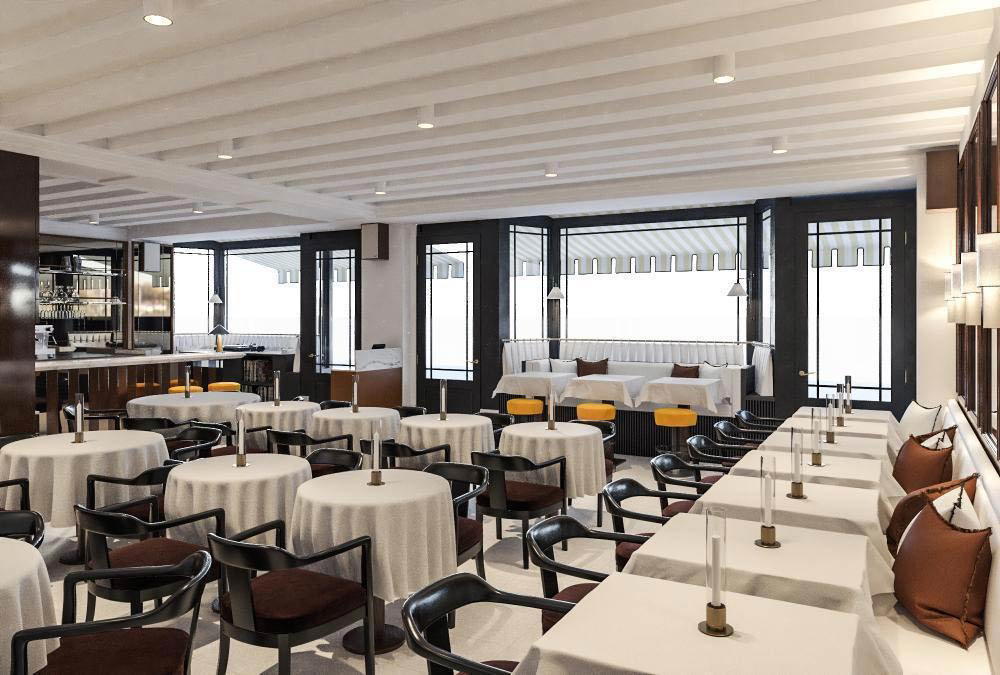
Davies Street and the Mayfair Sourcing Question
Mister Nice is a restaurant in Mayfair, London, serving Modern French Bistro cuisine. On one side sit the grand-hotel dining rooms and long-established French houses, places where the room and the legacy do much of the work. On the other, a smaller cohort of address-led independents where the kitchen's relationship with producers tends to be the organising principle. Davies Street, running between Berkeley Square and Oxford Street, has become a useful place to watch that second tendency play out. Mister Nice, at 14-16 Davies Street, lands squarely in that territory.
The broader context matters here. In neighbourhoods like Mayfair, where property costs alone create a high floor for operational ambition, the question of where ingredients come from is rarely incidental. Kitchens at this postcode level generally work directly with named farms, specific regional producers, or seasonal supply chains that most high-street restaurants cannot sustain. That structural reality shapes what ends up on the plate before a single decision about cooking technique is made.
The Scene on Davies Street
Davies Street occupies an interesting middle position in Mayfair's geography. It runs close enough to Berkeley Square to carry that address's weight, but without the full tourist-facing pressure of the square's perimeter restaurants. The result is a dining corridor that tends to attract a more locally anchored crowd alongside the international Mayfair visitor. Independents here compete on substance rather than spectacle, which is a useful filter when assessing what a relatively new entrant like Mister Nice is doing in the space.
Comparisons to the broader West End high end are inevitable. Across London's premium tier, venues like CORE by Clare Smyth and The Ledbury have set a consistent standard for produce-led cooking where supplier relationships are named and documented. Dinner by Heston Blumenthal works a different angle, drawing on archival British food history rather than contemporary farm networks. Sketch's Lecture Room and Library and Restaurant Gordon Ramsay operate in the classical French tradition where sourcing is expected to be polished but rarely foregrounded as a marketing position. The restaurant, from its Davies Street base, enters a conversation that is already well populated with credentialled competitors.
Ingredient Sourcing as the Central Argument
In the current London dining moment, sourcing is the argument that separates comparable restaurants more reliably than technique alone. Two kitchens can use identical classical methods, but if one is working with heritage-breed protein from a single named farm and the other is buying from a central wholesale market, the gap on the plate is usually audible. Particularly closely watched independent restaurants in London right now treat their supply chain as a point of editorial distinction, something to be communicated to the diner rather than simply assumed.
This approach has deep roots in the British restaurant scene outside London too. L'Enclume in Cartmel built a specific identity around kitchen garden produce grown on site, a model that forced the kitchen to cook with what was available rather than ordering to a predetermined menu. Moor Hall in Aughton and Gidleigh Park in Chagford draw on regional geography as a sourcing framework. The Waterside Inn in Bray and Le Manoir aux Quat'Saisons in Oxford maintain formal kitchen gardens. The Hand and Flowers in Marlow demonstrates that sourcing discipline is not limited to tasting-menu formats. Across all of these, the underlying logic is consistent: proximity to the source reduces the gap between intention and execution.
For a Mayfair address without its own garden or obvious regional anchor, the sourcing question requires a different answer. Urban kitchens at this tier typically rely on relationships with specialist suppliers, early-morning market sourcing, and direct farmer connections that take years to build. What the address and the neighbourhood suggest, however, is that the expectation is baked into the postcode.
Mayfair in the Wider British Context
London's premium independent tier now competes not just within the city but against a strengthened national field. Midsummer House in Cambridge, Opheem in Birmingham, Restaurant Andrew Fairlie in Auchterarder, and hide and fox in Saltwood have made a compelling case that serious cooking no longer requires a London postcode. The practical effect is that London restaurants, including newer Mayfair entrants, need to offer something the national field cannot, whether that is access to a specific type of international diner, a particular urban energy, or a sourcing relationship that only a metropolitan distribution network can support.
Internationally, the equivalent conversation plays out in different registers. Le Bernardin in New York City built its entire identity around a single product category, seafood, sourced with near-obsessive precision. Atomix in New York City approached the sourcing question through a Korean ingredient lens, using domestic American produce reinterpreted through a specific culinary tradition. Both represent sourcing-led strategies that have proven commercially and critically durable. The London equivalent tends to be less categorical, drawing on a broader British and European supply base, but the underlying logic is the same: know where your ingredients come from and build the menu around that knowledge, not the other way around.
Planning Your Visit
The restaurant sits at 14-16 Davies Street, W1K 3DR, within walking distance of Bond Street underground station.
| Venue | Location | Price Tier | Style |
|---|---|---|---|
| The restaurant | Mayfair, W1 | Not confirmed | Not confirmed |
| CORE by Clare Smyth | Notting Hill, W11 | ££££ | Modern British |
| The Ledbury | Notting Hill, W11 | ££££ | Modern European |
| Sketch (Lecture Room) | Mayfair, W1 | ££££ | Modern French |
| Restaurant Gordon Ramsay | Chelsea, SW3 | ££££ | Contemporary European |
Booking is recommended, and the restaurant's hours are Mon: 12–4 PM, 6–11 PM; Tue: 12–4 PM, 6–11 PM; Wed: 12–4 PM, 6–11 PM; Thu: 12–4 PM, 6–11:30 PM; Fri: 12–4 PM, 6–11:30 PM; Sat: 12 PM–12:30 AM; Sun: 12–9 PM.
City Peers
Comparable venues nearby, for context on price, style, and recognition.
| Venue | Cuisine | Price | Notes |
|---|---|---|---|
| Mister NiceThis venue — the venue you are viewing | Modern French Bistro | $$$ | Not listed |
| High Road Brasserie | French Brasserie | $$$ | Turnham Green |
| Le Boudin Blanc | Classic French Bistro | $$$ | Mayfair |
| Antidote | Modern French Wine Bar | $$$ | Soho |
| Atelier Robuchon London | Modern French Fine Dining | $$$$ | Mayfair |
| Mon Plaisir | Classic French Bistro | $$$ | St Giles |
Continue exploring
More in London
Restaurants in London
Browse all →
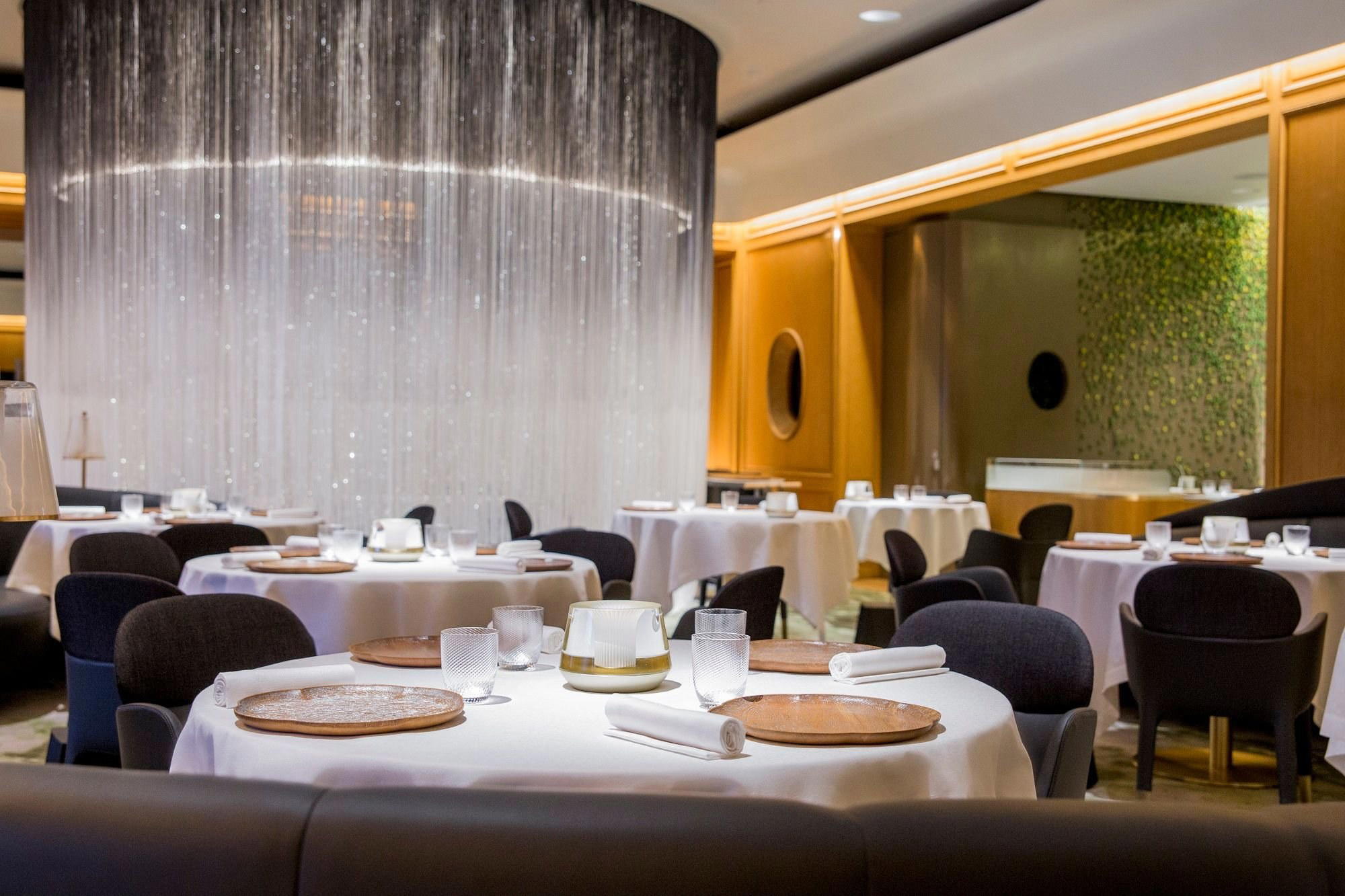
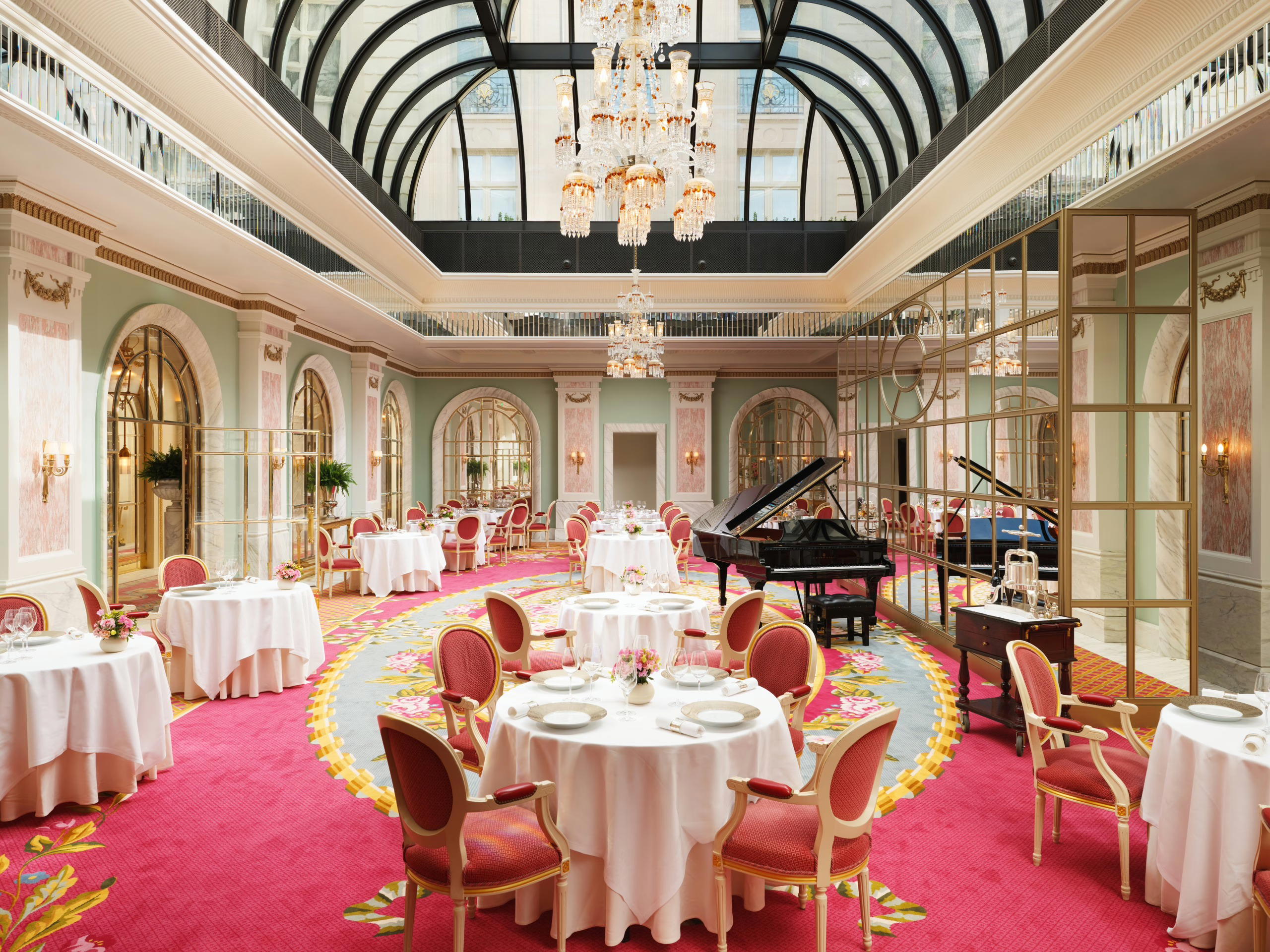
Bars in London
Browse all →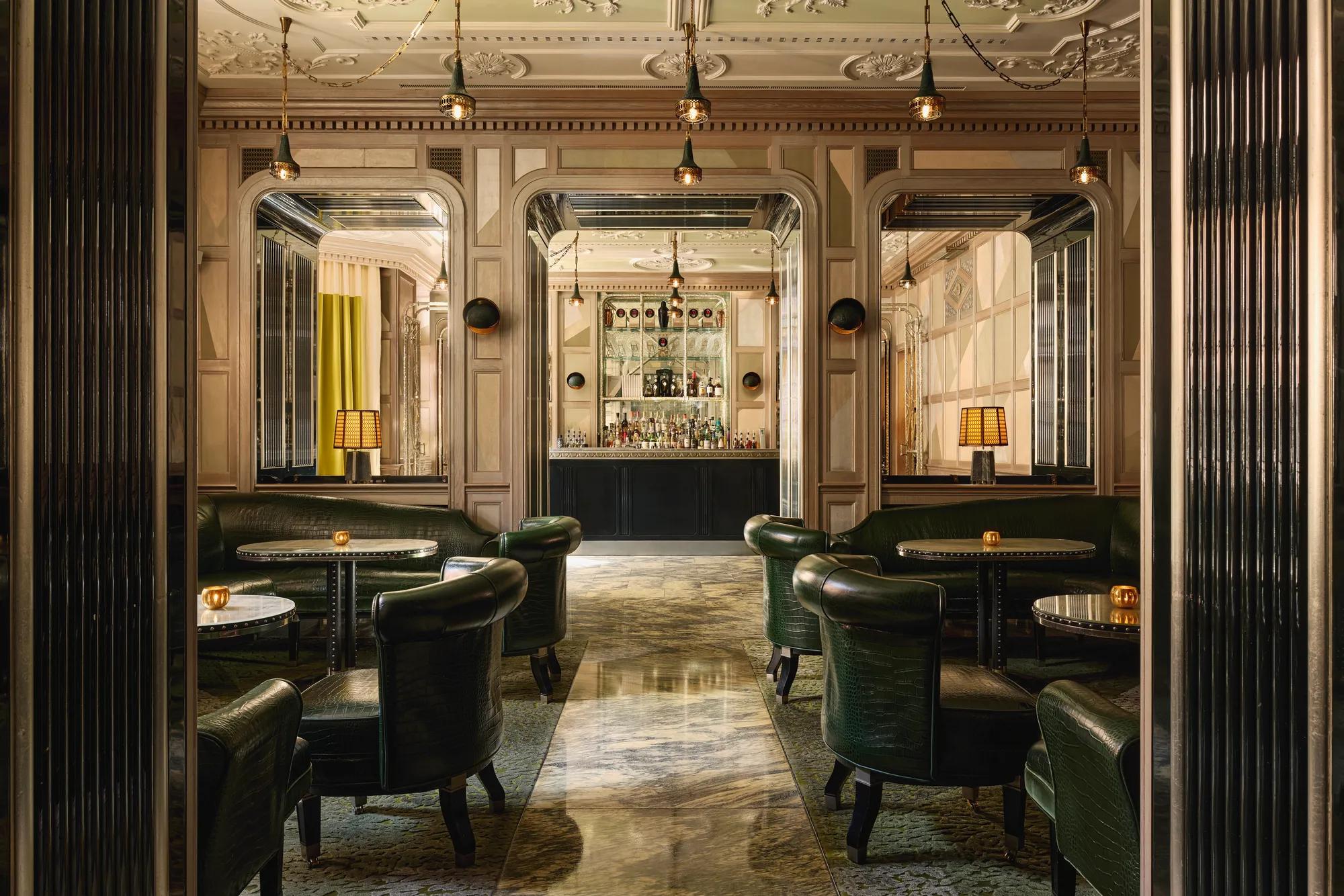
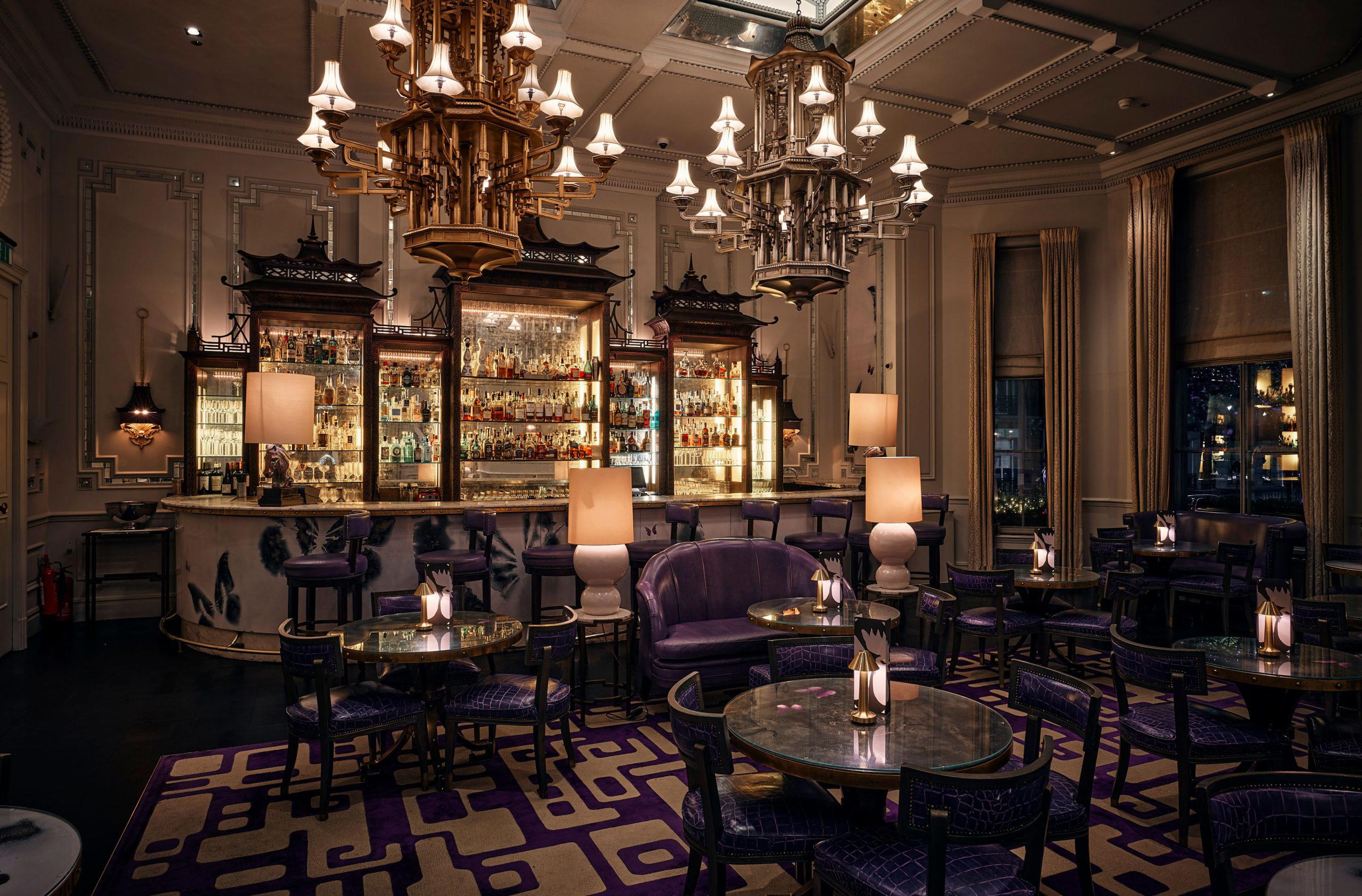
Hotels in London
Browse all →

At a Glance
- Elegant
- Modern
- Sophisticated
- Intimate
- Trendy
- Date Night
- Business Dinner
- Brunch
- Late Night
- Live Music
- Open Kitchen
- Craft Cocktails
- Extensive Wine List
Current opening hours
- Monday
- 12–4 PM, 6–11 PM
- Tuesday
- 12–4 PM, 6–11 PM
- Wednesday
- 12–4 PM, 6–11 PM
- Thursday
- 12–4 PM, 6–11:30 PM
- Friday
- 12–4 PM, 6–11:30 PM
- Saturday
- 12 PM–12:30 AM
- Sunday
- 12–9 PM
Hours can change for holidays and private events. Last verified .
Chic monochrome decor with mirrors, neutral tones, white textured banquettes, dark brown velvet chairs, and live piano creating an elegant yet relaxed Parisian atmosphere.