Galvin at Windows
Perched on the 28th floor of the London Hilton on Park Lane, Galvin at Windows has occupied a defining position in London's high-altitude dining scene since the Galvin brothers established their name here in the mid-2000s. The restaurant pairs classic French-influenced cooking with panoramic views over Hyde Park and the West End skyline, placing it in a distinctive tier where setting and cuisine carry equal weight.
Pearl is the En Primeur Club membership app — saves, bookings, and concierge access live there. Same editors, same standards.
- Address
- 22 Park Ln, London W1K 1BE, United Kingdom
- Phone
- +44 20 7493 8000
- Website
- hilton.com
- Directions
- Get directions
 Saves & bookings on Pearl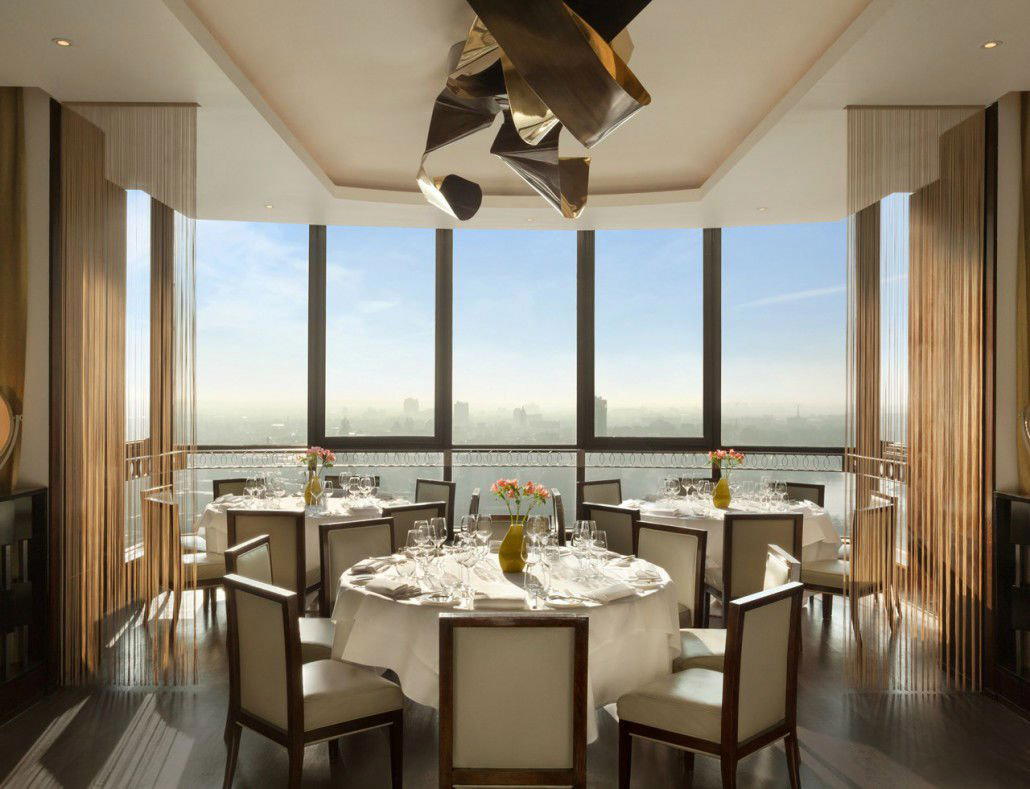
High-Floor Dining and the French Tradition in London
London's fine dining map has always included a strand of height-conscious restaurants where the view is not incidental but structural to the proposition. The 28th floor of the London Hilton on Park Lane is one of the few addresses in the city where the elevation genuinely changes the meal. Galvin at Windows has long occupied that floor, bringing French-classical training to a room that had previously traded more on its altitude than its kitchen. In the two decades since, the question of whether a view-driven restaurant can also be a serious cooking destination has been answered, at least here, in the affirmative.
That tension between spectacle and craft sits at the heart of French-influenced cooking in Britain more broadly. The French brigade tradition, codified by Escoffier and carried into the modern era through hotel kitchens across London and Paris, has always had to negotiate the hotel dining room's inherent theatricality. At the summit end of Park Lane, that negotiation plays out against a backdrop of Hyde Park's tree canopy to the west and the compressed geometry of the West End to the east. The view shifts with the season: bare canopy in January, dense green through summer, and the particular amber light that makes a late-October evening at altitude something worth planning around.
Where Galvin at Windows Sits in the London Fine Dining Tier
London's upper-tier restaurant scene is currently dominated by a cluster of Michelin-decorated addresses that compete for the same pool of occasion diners. CORE by Clare Smyth and The Ledbury represent the Modern European school operating at three-star level, while Restaurant Gordon Ramsay and Sketch, The Lecture Room and Library anchor the French-rooted formal tier. Dinner by Heston Blumenthal, also operating from a Park Lane hotel, offers a useful comparison point: two Michelin stars from a hotel dining room with a strong conceptual identity. Galvin at Windows operates in this broader orbit, where the hotel setting is not a liability but a frame that defines the dining format and the clientele it attracts.
The Galvin name carries weight across London. Chris and Jeff Galvin are among the few sibling partnerships to have built a multi-site operation grounded in classical French technique, with Galvin La Chapelle in Spitalfields and Galvin Bistrot de Luxe on Baker Street filling out the portfolio. Windows functions as the group's most formal expression, and the Park Lane address places it naturally alongside the capital's celebration-dinner circuit rather than its experimental-cuisine conversation.
The French-Classical Register and What It Means Here
Classical French cooking in a London hotel context carries specific implications. The brigade structure, the sauce-led vocabulary, the emphasis on sourcing premium British ingredients and treating them through a French technical lens: these are not nostalgic affectations but a coherent culinary position that places Windows in a lineage running from the Ritz and the Savoy Grill through to the modern hotel dining room. That lineage matters because it sets expectations about formality, about the role of the sommelier, about the pacing of a meal.
Across Britain, the French-classical register has fragmented into distinct sub-categories. There are the destination restaurants outside London that carry the tradition into rural contexts: The Fat Duck in Bray, L'Enclume in Cartmel, and Moor Hall in Aughton each represent a different inflection of serious cooking removed from the capital's hotel infrastructure. Closer to the country house tradition, Gidleigh Park in Chagford offers a point of contrast with the urban hotel format. In London itself, the French-classical hotel dining room is a more compressed and occasion-focused experience, shaped by the proximity of a lobby and the expectation of a predictable, well-executed evening rather than a challenging or surprising one.
That is not a criticism. There is a genuine place in any city's dining ecology for restaurants that deliver craft without confrontation, where the cooking is assured enough to let the room and the company carry equal weight.
The Setting and When to Go
The 28th-floor position at 22 Park Lane gives the restaurant one of the more coherent panoramic orientations in central London. The western aspect over Hyde Park is the primary draw, and the light quality in the late afternoon and early evening shifts considerably by season. A summer dinner in the long English evening, when daylight lingers past 9pm, delivers a different experience from a winter booking where darkness falls by the time the first course arrives and the city's lit geometry takes over as the visual subject. Both have their argument, but the autumn window, roughly October through early November, combines residual warmth, amber parkland colour, and reasonable booking availability before the Christmas season tightens the calendar.
Know Before You Go
- Address: 22 Park Lane, London W1K 1BE
- Floor: 28th floor, London Hilton on Park Lane
- Leading season: October through early November for autumn light over Hyde Park; summer for long evening daylight
- Format: Formal hotel fine dining; French-classical orientation
- Occasion fit: Celebrations, business dinners, anniversary meals where setting carries weight
Comparable Venues
Comparable venues nearby, for context on price, style, and recognition.
| Venue | Cuisine | Price | Notes |
|---|---|---|---|
| Galvin at WindowsThis venue — the venue you are viewing | Modern French Haute Cuisine | $$$$ | Not listed |
| Mazarine | Coastal French Seafood | $$$$ | Mayfair |
| Orrery | Modern French Fine Dining | $$$$ | Marylebone |
| The Cadogan, a belmond Hotel “The LaLee” | European Classics with Tableside Theatre | $$$$ | Knightsbridge |
| Cigalon | Contemporary Provençal French | $$$ | Holborn |
| Chez Roux | Classic French Bistro | $$$$ | Marylebone |
Continue exploring
More in London
Restaurants in London
Browse all →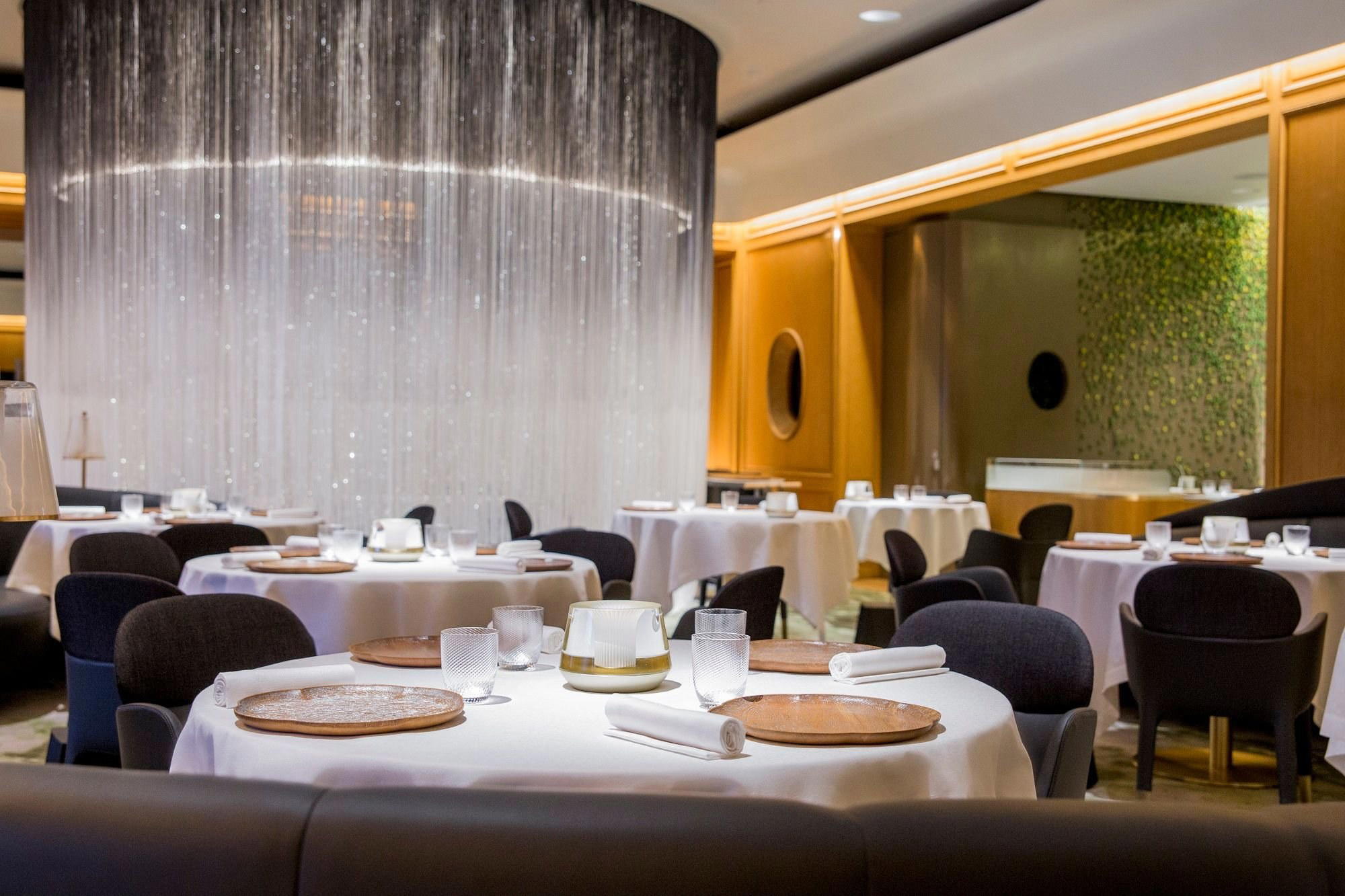
Bars in London
Browse all →
Hotels in London
Browse all →

At a Glance
- Sophisticated
- Elegant
- Ornate
- Date Night
- Business Dinner
- Special Occasion
- Panoramic View
- Hotel Restaurant
- Extensive Wine List
- Sommelier Led
- Skyline
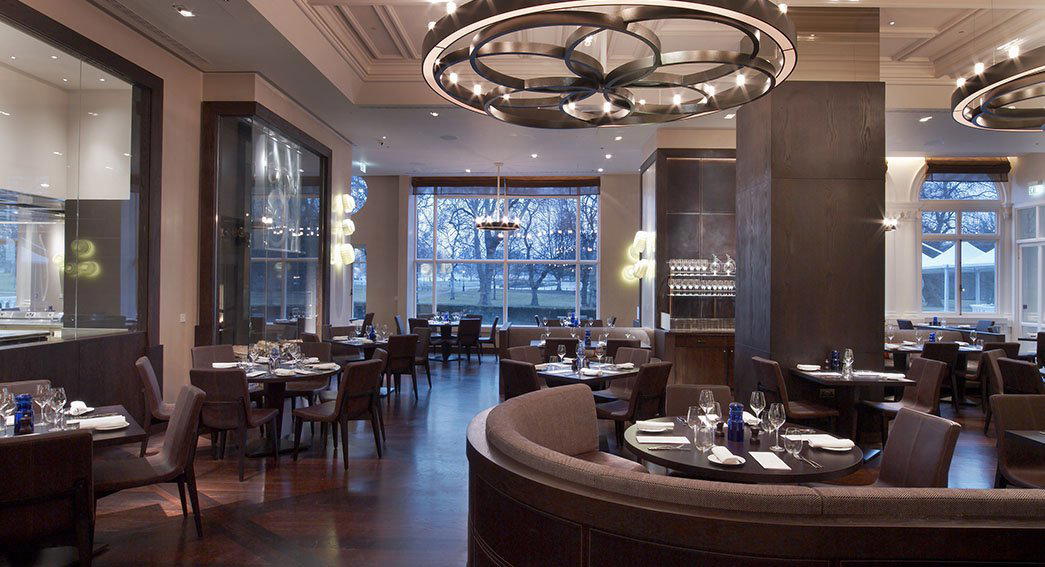
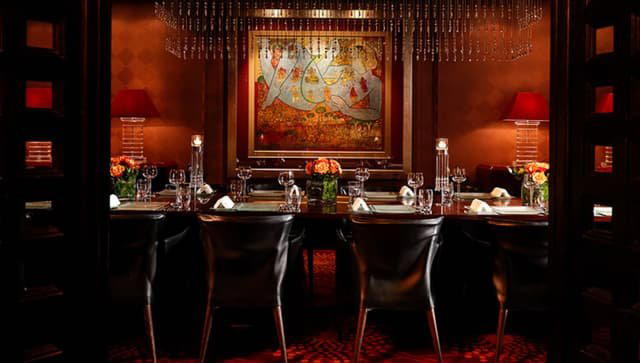
Cool and sophisticated with dark mood lighting, comfortable seating, elegant decor, and floor-to-ceiling windows offering dramatic city views.