A traditional Austrian Gasthof on Hauptstraße in the village of Rinn, Gasthof zur Arche sits within the kind of alpine inn tradition that has fed Tyrolean communities for generations. Its position in a small village outside Innsbruck places it squarely in the category of locally rooted, ingredient-focused cooking that defines the region's dining character rather than its headline restaurant scene.
Pearl is the En Primeur Club membership app — saves, bookings, and concierge access live there. Same editors, same standards.
- Address
- Hauptstraße 18, 6074 Rinn, Austria
- Phone
- +43522322872
- Website
- zurarche.at
- Directions
- Get directions
 Saves & bookings on Pearl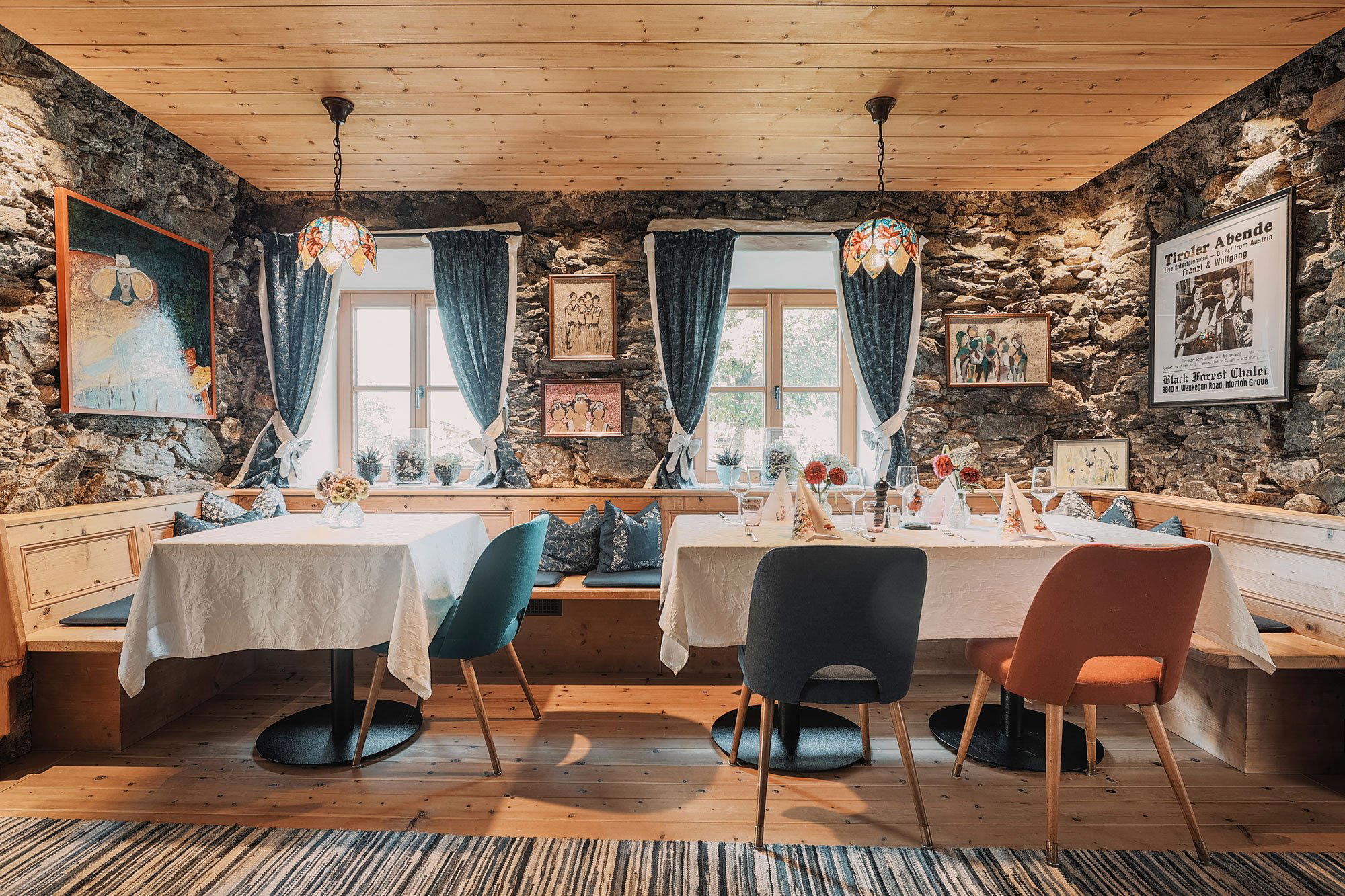
The Alpine Inn Tradition Rinn Still Keeps
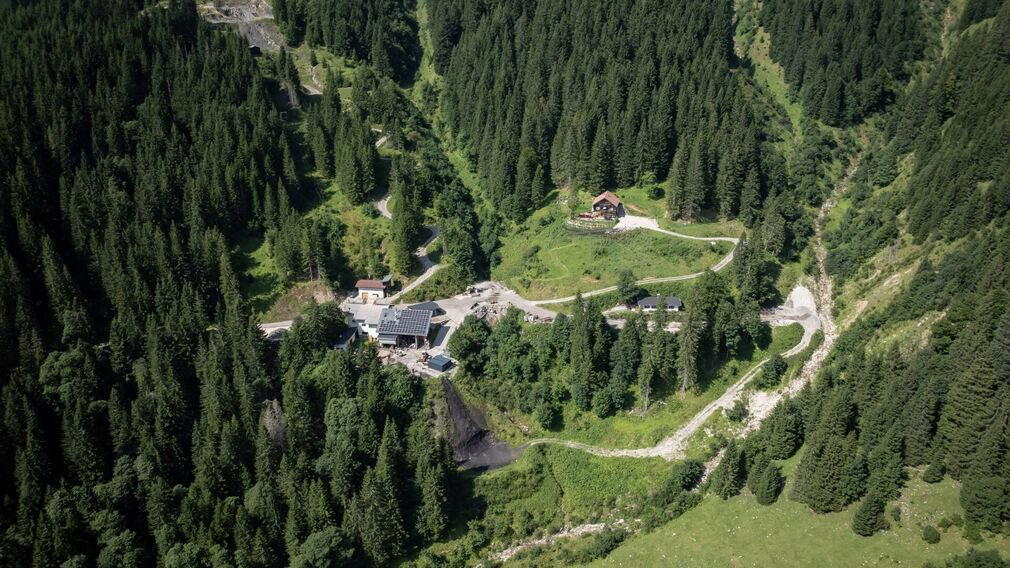
The Tyrolean Gasthof is one of Austria's most durable dining formats. Not the grand hotel dining room, not the resort tasting menu, but the village inn anchored to its immediate geography: local farms, seasonal calendars, and a kitchen that has earned its place through consistent, honest cooking rather than critical fanfare. Rinn, a small municipality southeast of Innsbruck in the Inn Valley foothills, operates within this tradition, and Gasthof zur Arche on Hauptstraße 18 occupies that village-centre position that such establishments have held for centuries across the Tyrolean landscape.
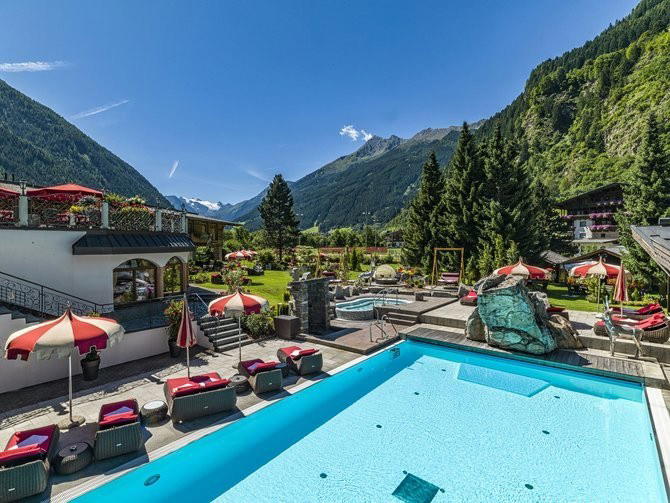
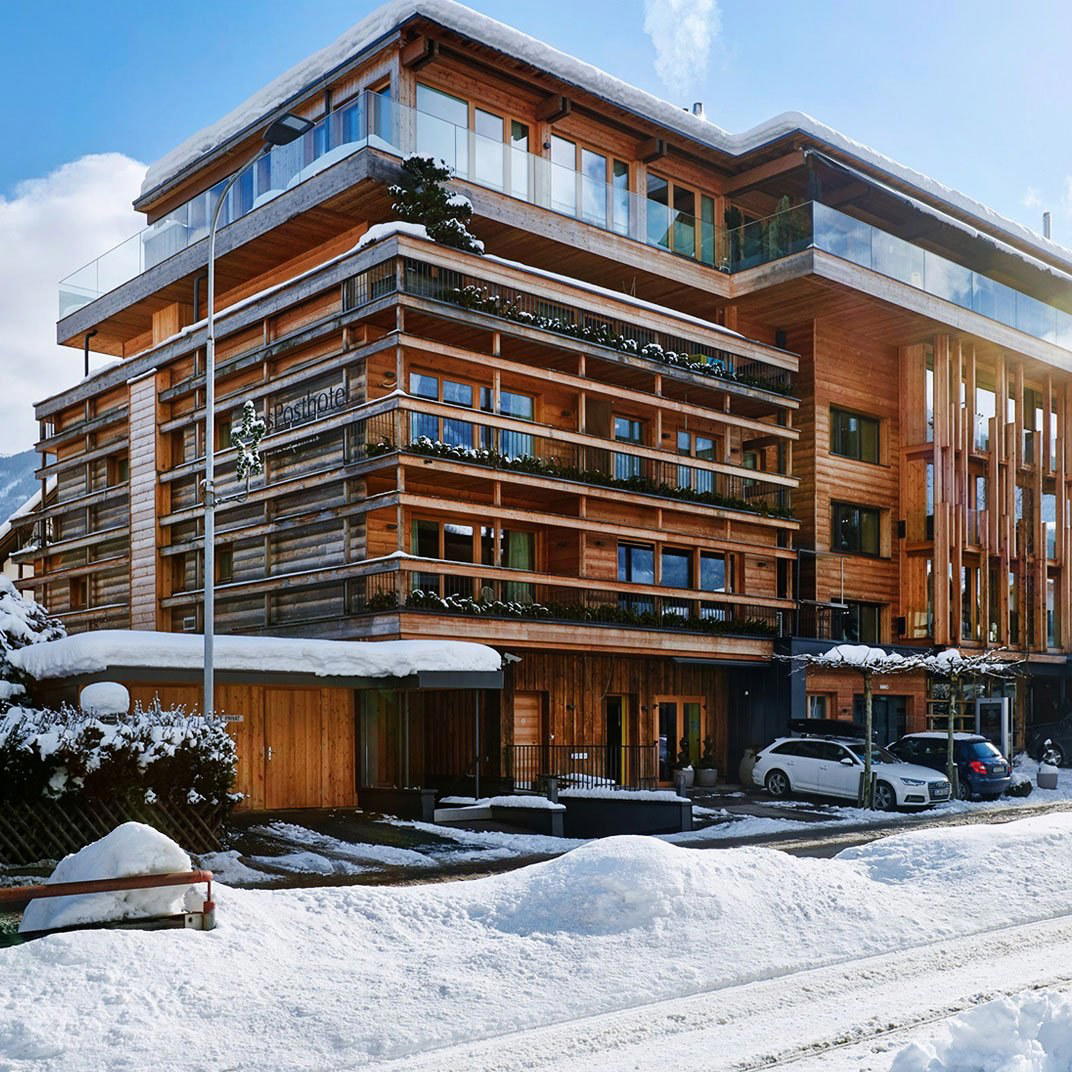
Gasthof zur Arche is a Modern Tyrolean Wirtshaus in Rinn, Austria. Painted facades, heavy timber, and window boxes mark the building's place in a vernacular that distinguishes Austrian alpine inns from the resort dining that dominates the region's higher-profile export. There is no theatre of arrival, no valet stand, no branded entrance corridor. The building presents itself as a working part of the village, which in this part of Tyrol is itself a signal of intent.
For Austrian restaurants that have moved toward the contemporary end of the spectrum, consider properties like Steirereck im Stadtpark in Vienna or Taubenkobel in Schützen am Gebirge, where modern Austrian cooking has taken on international reference points. The Gasthof format represents the opposite end of that spectrum: deeply local, structurally conservative, and oriented toward regulars as much as visitors.
Where the Ingredients Come From, and Why That Matters
The editorial argument for village Gasthöfe in Tyrol rests substantially on sourcing. Austria's alpine geography enforces a shorter supply chain than most European dining markets. Farms sit in the valleys below the inns that serve them. Dairy, pork, beef, and vegetables travel distances measured in kilometres rather than logistics chains. In Rinn, at roughly 900 metres above sea level in the foothills between Innsbruck and the Tuxer Alps, the surrounding agricultural zone has historically supplied the kind of produce that city restaurants now pay premiums to access through specialist suppliers.
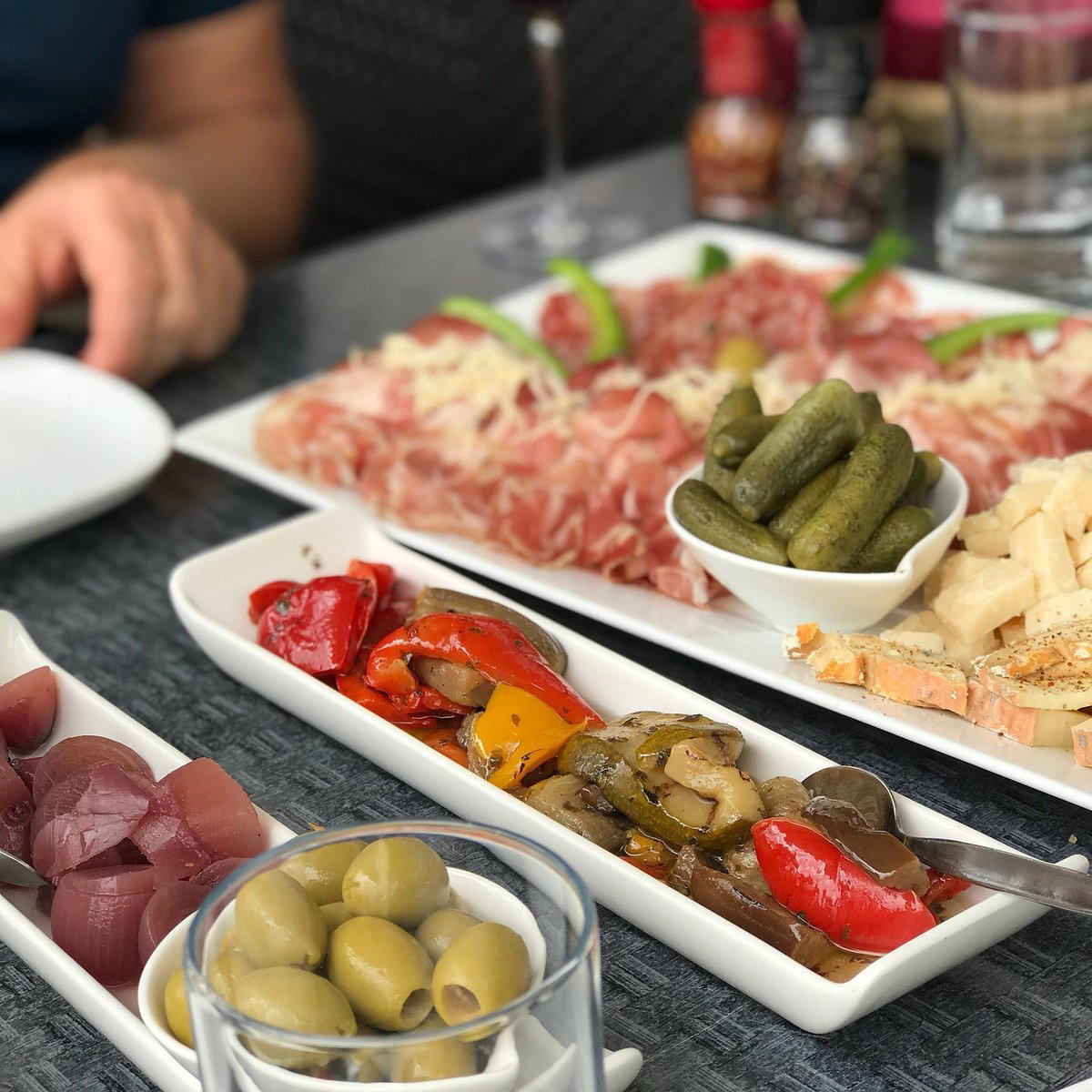
This is the structural advantage of the rural Gasthof that often goes unstated in Austrian food writing: proximity is not a marketing claim but an operational reality. A kitchen sourcing from farms within a few kilometres of the pass road does not need to renegotiate its supply chain to achieve seasonal alignment. The season dictates the menu by default. Spring brings game-rich weeks after the thaw; autumn produces the mushroom, venison, and root vegetable combinations that define Tyrolean autumn cooking. Winter menus narrow and concentrate. The rhythm is geographical, not editorial.
For comparison, Austria's most recognised kitchens have built explicit sourcing programs around this same logic. Döllerer in Golling an der Salzach has made alpine sourcing a central part of its identity at a formal level. Obauer in Werfen similarly anchors its kitchen to regional ingredients. The village Gasthof operates within the same sourcing logic but without the infrastructure to communicate it at that level. The produce quality and the approach are structurally related; the presentation differs.
Rinn in the Context of Tyrolean Dining
Rinn sits outside the main circuits of Austrian food tourism. Innsbruck, roughly 12 kilometres to the west, holds the region's destination restaurants and urban dining scene. The ski resorts to the south and west, including the villages around the Stubai and Tux valleys, carry their own high-spend dining economy, with resort kitchens priced accordingly. Rinn operates at a different register: a residential and agricultural municipality whose dining character reflects local demand rather than visitor traffic.
That positioning places venues like Gasthof zur Arche in a peer group that includes the traditional Gasthöfe and Wirtshäuser that form the backbone of Austrian rural dining, distinct from the destination-restaurant tier represented by properties such as Gourmetrestaurant Tannenhof in Sankt Anton am Arlberg or Stüva in Ischgl, where resort economics and international guest profiles shape both the menu and the pricing structure. The comparison matters because it sets the right expectations. A Gasthof in a village of this size is not competing with resort fine dining; it is serving a different function, and that function has genuine value for travellers prepared to meet it on its own terms.
Other rural Austrian restaurants have found critical recognition within this mode. Ois in Neufelden and Atelier Fischer in Sankt Gilgen both represent the possibility of serious cooking operating at village scale. Thaller - Gasthaus in Sankt Veit am Vogau offers another point of comparison for the Gasthof format with refined execution. The Tyrolean equivalent of this category draws from the same tradition, even where individual venues sit at varying points along the spectrum from purely local to critically engaged.
Planning Your Visit
Rinn is accessible from Innsbruck by road in roughly 20 minutes, making it a practical short excursion from the city for those combining a stay in the Tyrolean capital with exploration of the surrounding valleys. The village is not served by major tourist infrastructure, which means arriving by car is the practical approach for most visitors. For those travelling the broader Tyrolean corridor, Rinn sits along routes connecting Innsbruck to Hall in Tirol and the Inn Valley, with Schwarzer Adler in Hall in Tirol representing another regional dining stop in proximity. Current hours and reservations should be checked before visiting.
Comparable Spots, Quickly
Comparable venues nearby, for context on price, style, and recognition.
| Venue | Cuisine | Price | Notes |
|---|---|---|---|
| Gasthof zur ArcheThis venue — the venue you are viewing | Modern Tyrolean Wirtshaus | $$ | Not listed |
| Blaserhütte | Tyrolean Mountain Hut | $$ | Trins |
| Schloss Mitterhart | Traditional Tirolean Cuisine | $$ | Vomp |
| Michl Stub'n | Traditional Austrian Mountain Restaurant | $$ | Wildschonau |
| Erfurter Hütte | Traditional Tyrolean Alpine | $$ | Maurach, Eben am Achensee |
| Berliner Hütte | Traditional Austrian Alpine | $$ | Zillertal Alps |
Continue exploring
More in Rinn
Restaurants in Rinn
Browse all →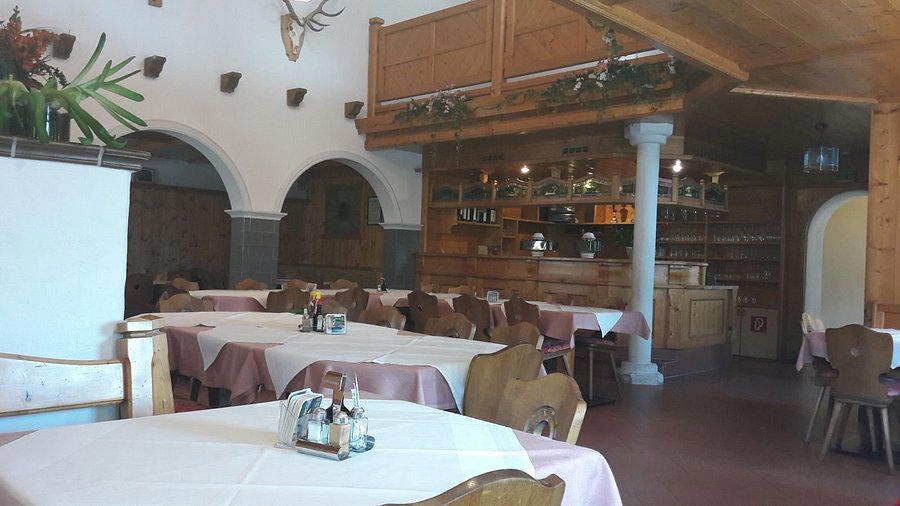
Bars in Rinn
Browse all →

Hotels in Rinn
Browse all →

At a Glance
- Cozy
- Rustic
- Classic
- Family
- Casual Hangout
- Terrace
- Local Sourcing
Current opening hours
- Monday
- Closed
- Tuesday
- Closed
- Wednesday
- Closed
- Thursday
- 6–11:30 PM
- Friday
- 6–11:30 PM
- Saturday
- 6–11:30 PM
- Sunday
- Closed
Hours can change for holidays and private events. Last verified .
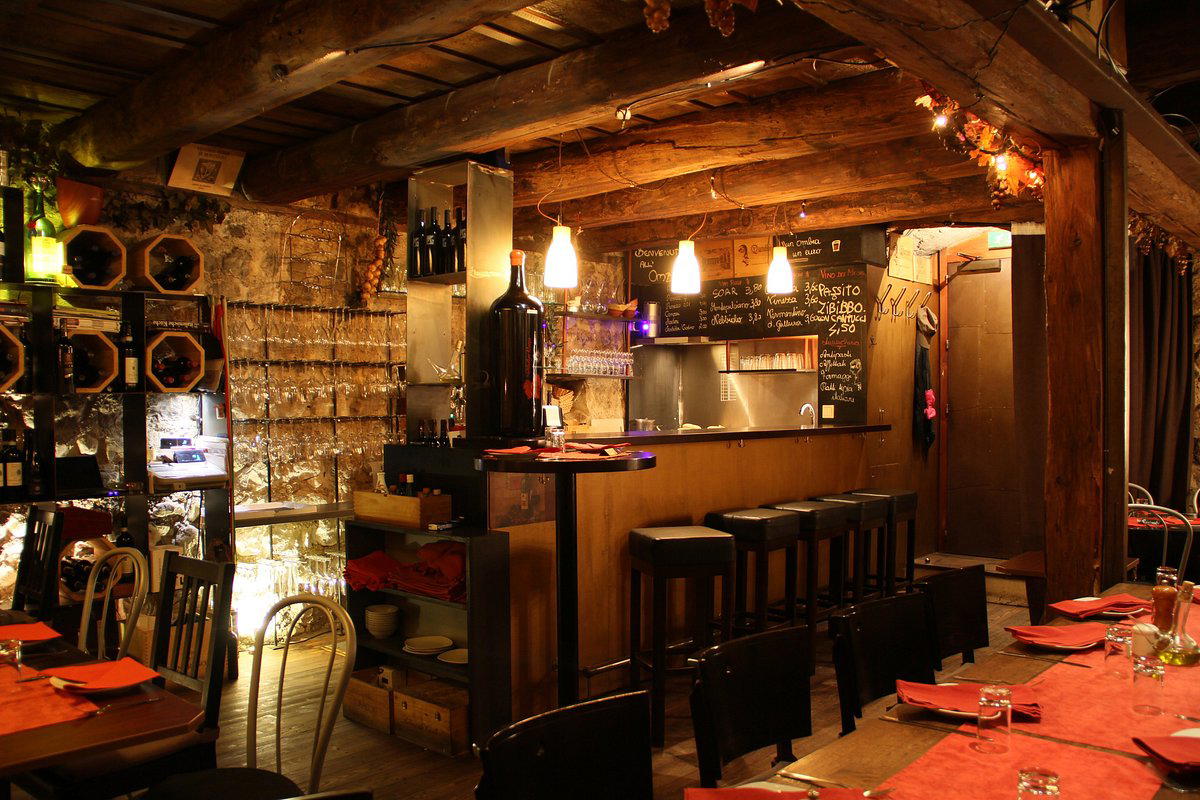
Cozy and hearty atmosphere with light-filled modern design and beautiful terrace.