Kelang

Star Wine List
Our verdict
Kelang brings Malaysian cooking to Greenpoint, Brooklyn, operating from a 715 Manhattan Avenue address in one of the borough's most food-forward corridors. The restaurant joins a small but growing set of Southeast Asian kitchens in Brooklyn that treat the cuisine as a serious platform rather than a delivery staple. Current hours and booking details are best confirmed directly with the venue.

Pearl is the En Primeur Club membership app, where members save venues, book tables and use the concierge.

The menu
What to order
- Hainanese Chicken
- Smoked Oxtail Rendang
- Abacus Seeds (Taro Gnocchi)
- Moonlight Kway Teow
- Lime Leaf Ricotta Ravioli in Brodo
Malaysian Cooking in a Greenpoint Context
Manhattan Avenue in Greenpoint runs through one of Brooklyn's most densely stacked dining corridors, where Polish delis share blocks with natural wine bars and the kind of small, chef-driven rooms that define the borough's current food moment. Kelang sits at 715 Manhattan Ave, inside that continuum, bringing Malaysian cooking to a neighbourhood more associated with Eastern European staples and New American minimalism. That positioning matters. Malaysian cuisine has long been underrepresented in New York relative to its complexity, and restaurants like Kelang occupy a gap that the city's dining scene has been slow to address.
For context, consider where Malaysian food sits globally. In Kuala Lumpur, restaurants like Dewakan and Beta have built international profiles by framing Malaysian ingredients through a fine-dining lens. New York has no equivalent in that tier, but Kelang's presence on a block like Manhattan Avenue suggests an ambition to be taken seriously rather than categorised as casual ethnic dining. The cuisine itself demands that kind of positioning: the flavour architecture of a well-built rendang or a properly sourced laksa requires the same attention to technique and sourcing that any serious kitchen applies to French or Japanese food.
What the Room Signals Before You Sit Down
Approaching a small restaurant on a Brooklyn avenue at dinner hour, the cues come before you reach the door. Whether it is the type of signage, the light spilling onto the pavement, or the density of tables visible through the glass, rooms in this neighbourhood tend to communicate their register quickly. Greenpoint's dining rooms in this stretch of Manhattan Avenue skew intimate, with seat counts that keep the operation tight and service more attentive than the borough's larger, louder formats. That intimacy shapes the experience: it puts pressure on the team's ability to execute collaboratively and creates the conditions where front-of-house can actually reinforce what's happening in the kitchen.
This kind of format, small room, tightly controlled output, is now a more credible model in Brooklyn than it was a decade ago. Restaurants like 6 Restaurant and Bong represent different expressions of the same underlying shift: Brooklyn diners have absorbed enough serious food culture that a focused, no-frills room with a distinct culinary identity is a commercially viable proposition.
The Case for Malaysian in Brooklyn Right Now
Southeast Asian cuisines have had an uneven journey through New York's food press. Thai and Vietnamese each built large footprints. Filipino cooking has had a recent moment. Malaysian has remained a smaller category, partly because of geography (the diaspora is less concentrated in New York than in parts of Southern California) and partly because the cuisine's complexity makes it harder to scale without compromising what defines it.
The flavour profile of Malaysian cooking draws simultaneously from Malay, Chinese, and Indian culinary traditions, producing dishes that are technically layered in ways that require both skilled sourcing and careful timing. A roti canai done well is a function of dough technique. A nasi lemak depends on the quality of the sambal and the fat-to-coconut ratio in the rice. These are not dishes that reward shortcuts, and in a city where diners have been trained by years of high-quality Japanese, Korean, and now Filipino cooking to recognise the difference between a kitchen taking the cuisine seriously and one treating it as a delivery product, there is appetite for a Malaysian kitchen operating at an honest level.
That broader trend is what Kelang enters. It joins a borough-wide move toward more specialist Southeast Asian formats, alongside peers like Border Town, which applies similar discipline to Northern Mexican cooking, or Barker Cafeteria, which treats daytime sandwich-making as a focused craft. The common thread across this cohort is specificity: each operation knows what it is.
Team Dynamics and the Floor-Kitchen Relationship
In a restaurant operating at this scale, the relationship between kitchen and front-of-house is not incidental; it determines the ceiling of the experience. Malaysian food is also genuinely unfamiliar to a significant portion of any Brooklyn dining room, which means the floor carries an educational obligation alongside the hospitality one. When a server can explain the regional distinction between a Penang-style char kway teow and a Kuala Lumpur version, or articulate why a particular dish arrives spiced at one heat level rather than another, the meal shifts from consumption to comprehension.
This team dynamic, where knowledge transfer from kitchen to server to diner completes the loop, is what separates serious small-format restaurants from capable ones. It is the model that higher-end American restaurants have built programmes around for years. Comparable operations at the other end of the ambition spectrum, from Le Bernardin in Midtown to Lazy Bear in San Francisco or Alinea in Chicago, have made floor-kitchen synchronisation a central part of their identity. At the neighbourhood scale, that same principle applies, just without the tasting-menu architecture or the star ratings.
The absence of a named sommelier or beverage programme in the available information is worth noting in this context. Malaysian food pairs with a fairly specific set of drinks: cold lagers, sweet iced teas, and certain low-intervention whites can work, but the cuisine's spice and coconut registers often mean beverage pairings require deliberate thought rather than a standard wine list. What a restaurant like Kelang does with that challenge tells you something about how seriously the team is engaging with the full experience.
Greenpoint's Place in Brooklyn's Dining Map
Greenpoint occupies the northernmost tip of Brooklyn, bordering Long Island City across Newtown Creek. Its dining scene has developed differently from Williamsburg directly to its south: less saturated with bars and music venues, more neighbourhood-scaled, and historically anchored by a Polish community that kept the food culture grounded in everyday eating rather than hospitality theatre. That character has made it a sensible landing spot for restaurants that want serious attention without the noise that comes with a Williamsburg or Carroll Gardens address.
For visitors building a Brooklyn itinerary, the neighbourhood rewards a slower approach. The full range of what the borough offers, from the restaurants listed above to the broader context in our Brooklyn restaurants guide, our Brooklyn bars guide, our Brooklyn hotels guide, and our Brooklyn experiences guide, is easier to map once you understand that Greenpoint, Williamsburg, and the neighbourhoods further south each have distinct characters rather than a single unified scene. Kelang is a Greenpoint restaurant in the specific sense: grounded, focused, and less interested in spectacle than in getting the food right.
For those visiting other Brooklyn spots nearby, Bad Cholesterol, the pop-up pizza operation, and the broader range covered in our Brooklyn wineries guide offer useful context for an evening that starts or ends elsewhere in the borough.
Planning a Visit
Current hours, booking availability, and pricing are best confirmed directly with the restaurant at 715 Manhattan Ave, Brooklyn, NY 11222. For restaurants in this category in Brooklyn, walk-in availability on weeknights is generally higher than on Friday and Saturday evenings, when the neighbourhood draws visitors from Manhattan and beyond. Given the size of most rooms in this corridor, even a small uptick in demand can push weekends toward full tables by 7:30pm. Checking ahead is the practical approach, even for restaurants without a formal reservations system.
Frequently asked questions
Where exactly is Kelang?
Kelang is located at 715 Manhattan Ave, Brooklyn, NY 11222, Brooklyn.
Is Kelang one of the only Malaysian restaurants in Brooklyn?
Malaysian cooking remains one of the least represented Southeast Asian cuisines in Brooklyn's restaurant scene, making dedicated kitchens like Kelang at 715 Manhattan Ave, Greenpoint, relatively rare in the borough. While Thai and Vietnamese restaurants have built substantial footholds across Brooklyn, Malaysian-specific dining rooms are few enough that Kelang operates without much direct local competition. That scarcity is part of what draws diners from outside the immediate neighbourhood.
What should I order at Kelang?
Malaysian cooking draws from distinct regional traditions, Penang hawker dishes, coconut-rich Malay preparations, and Chinese-Malaysian hybrids each represent different parts of the cuisine. Kelang's position on Manhattan Ave in Greenpoint places it in a neighbourhood where kitchens generally cook at a level of seriousness that rewards asking those questions directly.
Should I book Kelang in advance?
Small independent rooms on Manhattan Avenue in Greenpoint fill faster on weekends than their size might suggest, partly because the corridor draws regulars from across North Brooklyn and Long Island City. Walk-ins are possible mid-week, but weekend dinners at restaurants operating at this scale rarely hold open tables past early evening. Contact Kelang directly at 715 Manhattan Ave, Brooklyn, NY 11222 to confirm current reservation policy.
What has Kelang built its reputation on?
Kelang occupies a gap in Brooklyn's dining map: Malaysian cooking treated as a primary culinary category rather than a casual subcategory of pan-Asian eating. Filipino and Vietnamese kitchens have had longer runs in New York's food press, but Malaysian cuisine remains comparatively underrepresented, which means restaurants that commit to it seriously tend to accumulate a loyal following quickly. Greenpoint's dining corridor on Manhattan Ave has become a proving ground for exactly this kind of focused, independent operation.
Is Kelang good value for money?
As a reference frame, independent Malaysian restaurants in Brooklyn's mid-tier independent category typically run between $20 and $45 per person before drinks, which positions them competitively against comparable Southeast Asian kitchens in Manhattan. Malaysian cuisine's reliance on spice-forward, ingredient-driven cooking means the cost-to-complexity ratio tends to favour the diner.
Price and Recognition
Comparable venues nearby, for context on price, style, and recognition.
| Venue | Cuisine | Price | Awards | Notes |
|---|---|---|---|---|
| KelangThis venue (the venue you are viewing) | Malaysian with Brooklyn & Caribbean Influences | $30–50 | Star Wine List | Not listed |
| Falansai | Vietnamese-Mexican Fusion | $30–50 | Michelin Bib Gourmand · Star Wine List | Bushwick, Vietnamese-Mexican Fusion |
| Pizza Secret | Authentic Neapolitan Pizza | $20–30 | 50 Top Pizza World #95 | Park Slope, Authentic Neapolitan Pizza |
| Win Son Bakery | Not listed | $10–20 | Not listed | East Williamsburg, Taiwanese-American Fusion Bakery Café |
| Il Leone | Neapolitan Pizza | $30–50 | Star Wine List | Park Slope, Neapolitan Pizza |
| Jr & Son | Modern Italian-American Tavern | $50–100 | The New Yorker The Best Things I Ate | Williamsburg, Modern Italian-American Tavern |
Recognition history
Dated appearances from independent guides and award organizations, with the underlying list record or original source where available.
Star Wine List
Star Wine List
Continue exploring
More in Brooklyn
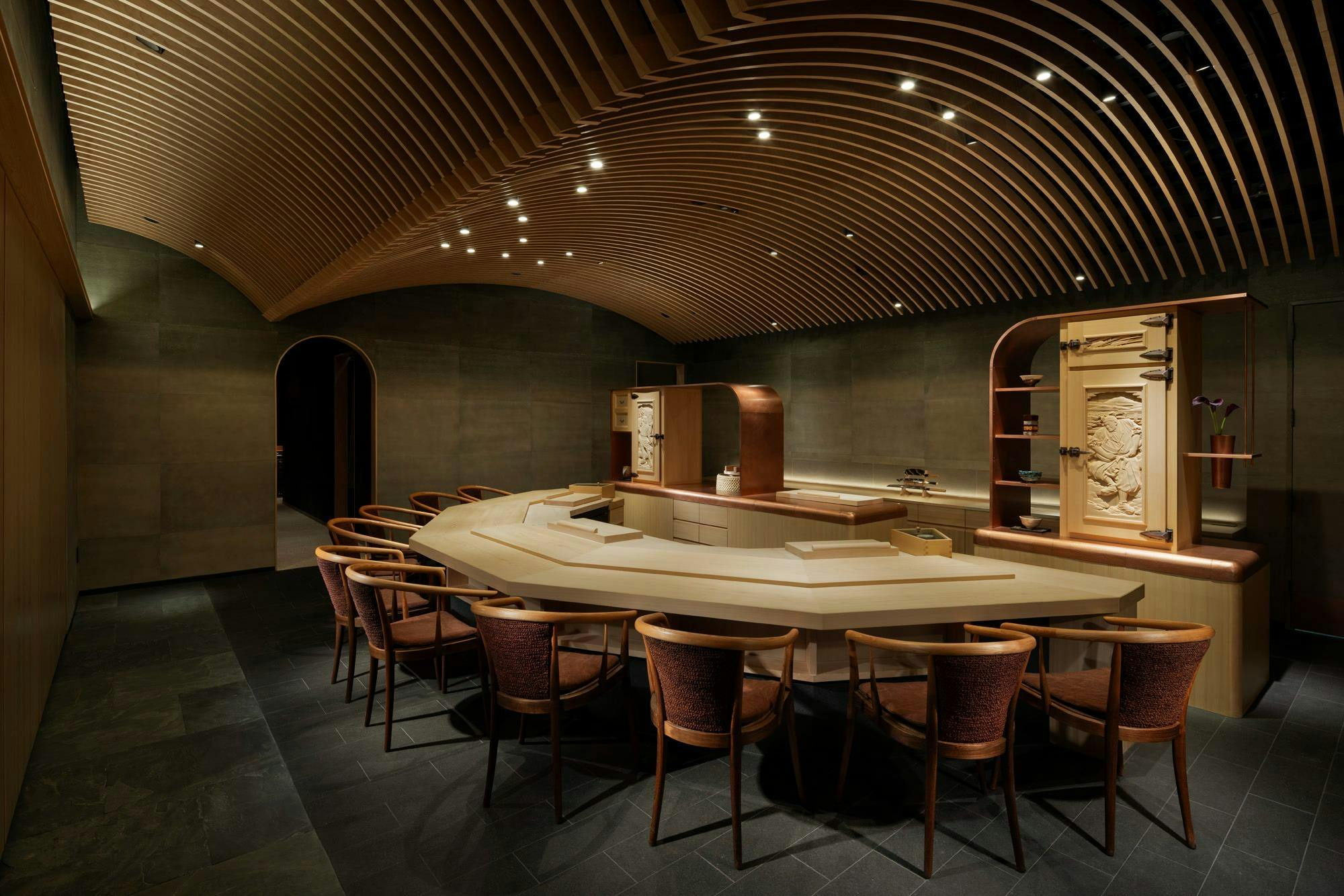
Restaurants in Brooklyn
All restaurants in Brooklyn →
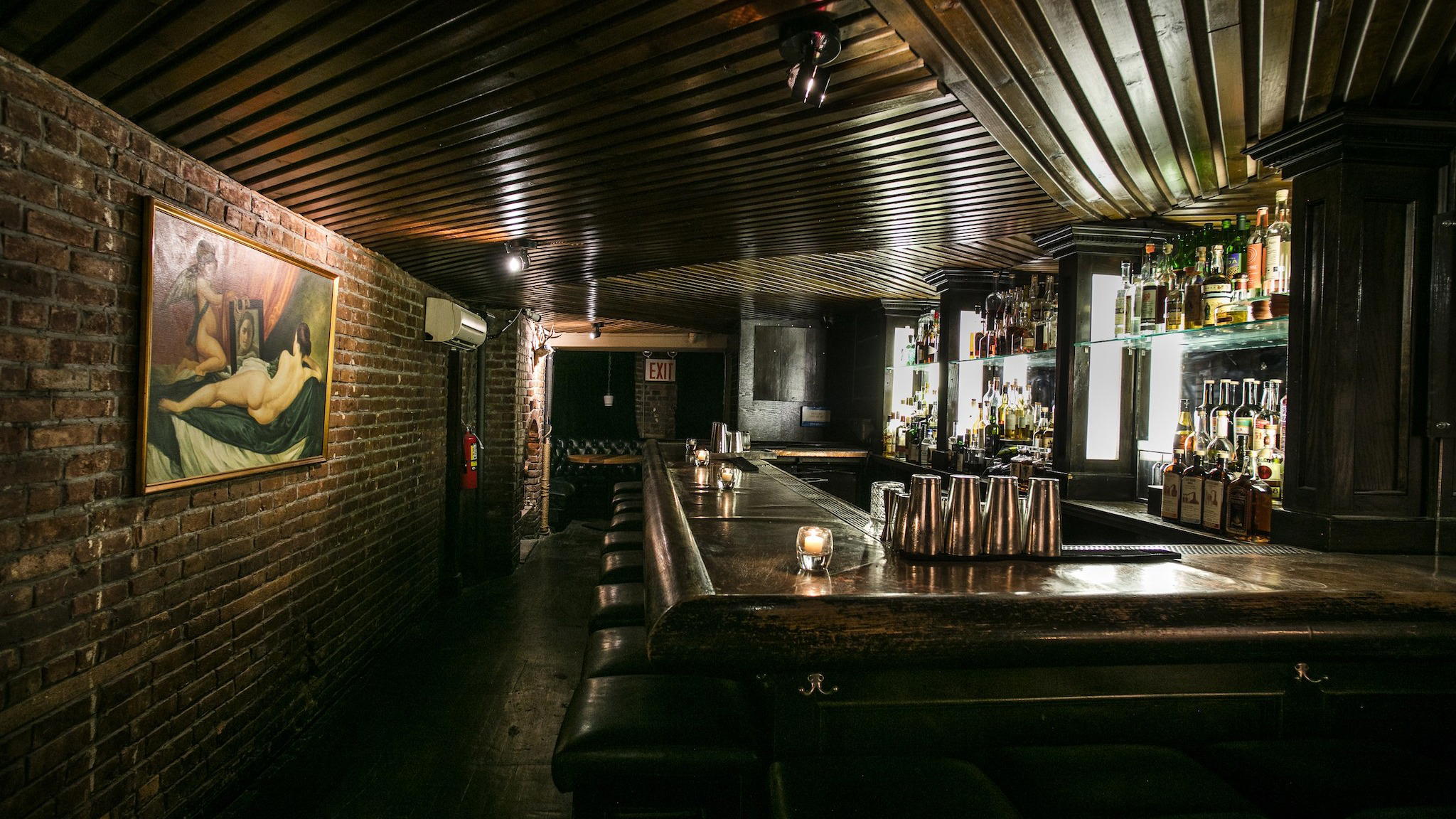
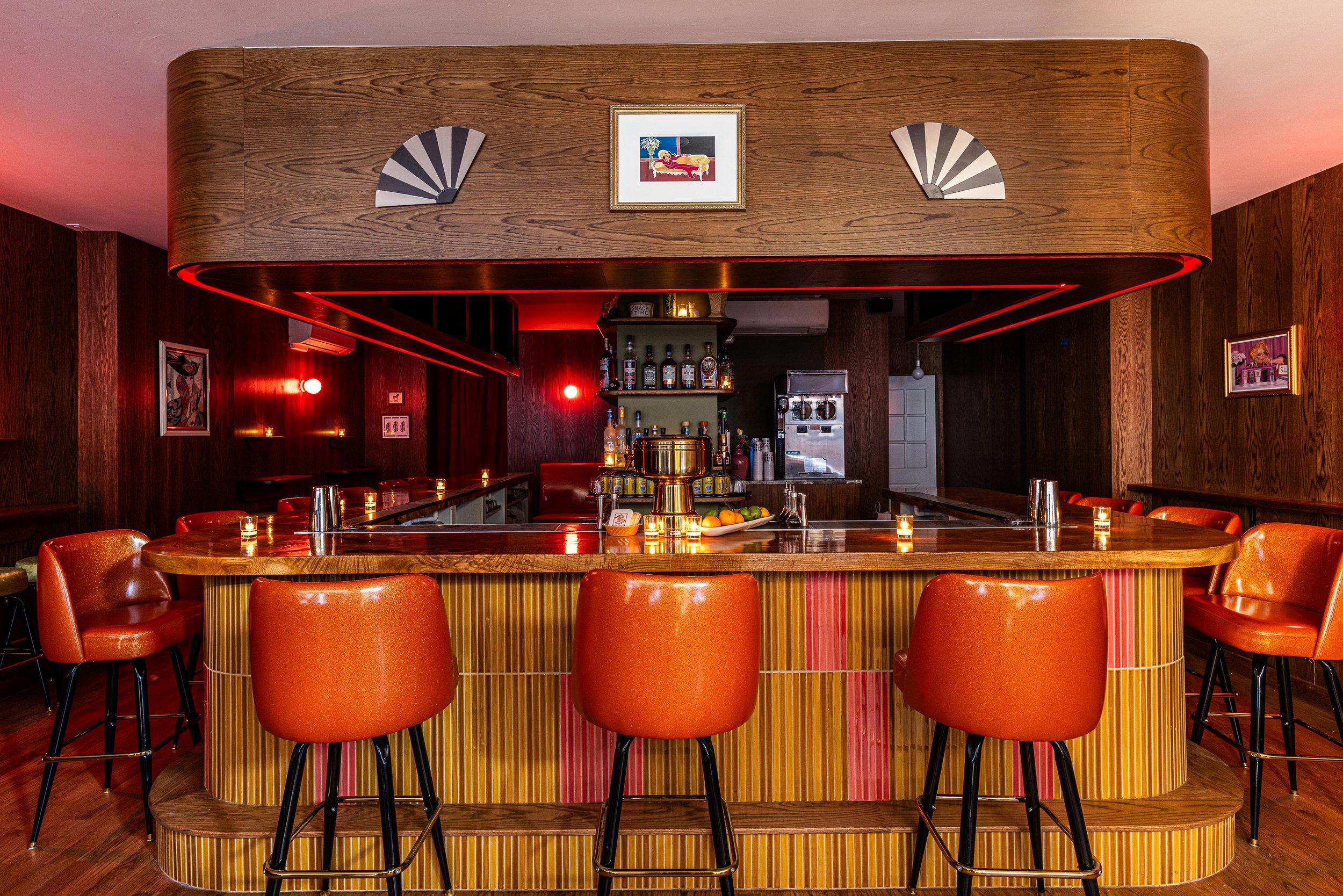
Bars in Brooklyn
All bars in Brooklyn →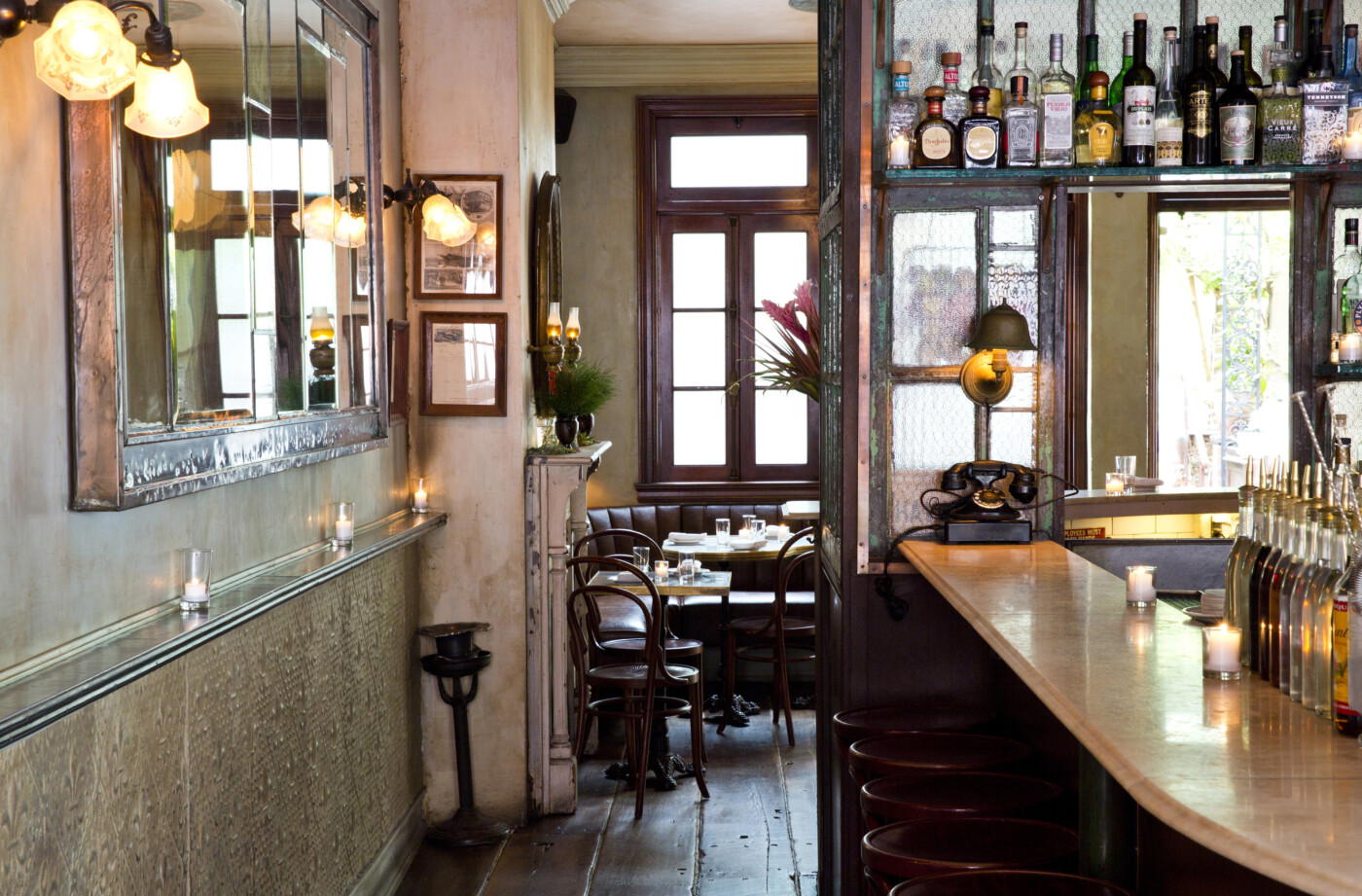






Details
- Intimate
- Romantic
- Cozy
- Date Night
- Group Dining
- Brunch
- Casual Hangout
- Open Kitchen
- Design Destination
- Standalone
- Craft Cocktails
- Zero Proof
- A La Carte
- Family Style
- Cocktails
- Non Alcoholic Options
- Vegetarian Friendly
- Allergy Accommodating
Current opening hours
- Monday
- Closed
- Tuesday
- Closed
- Wednesday
- 5–10 PM
- Thursday
- 5–10 PM
- Friday
- 5–10 PM
- Saturday
- 12–3 PM, 5–10 PM
- Sunday
- 12–3 PM, 5–9 PM
Hours can change for holidays and private events. Hours as of .
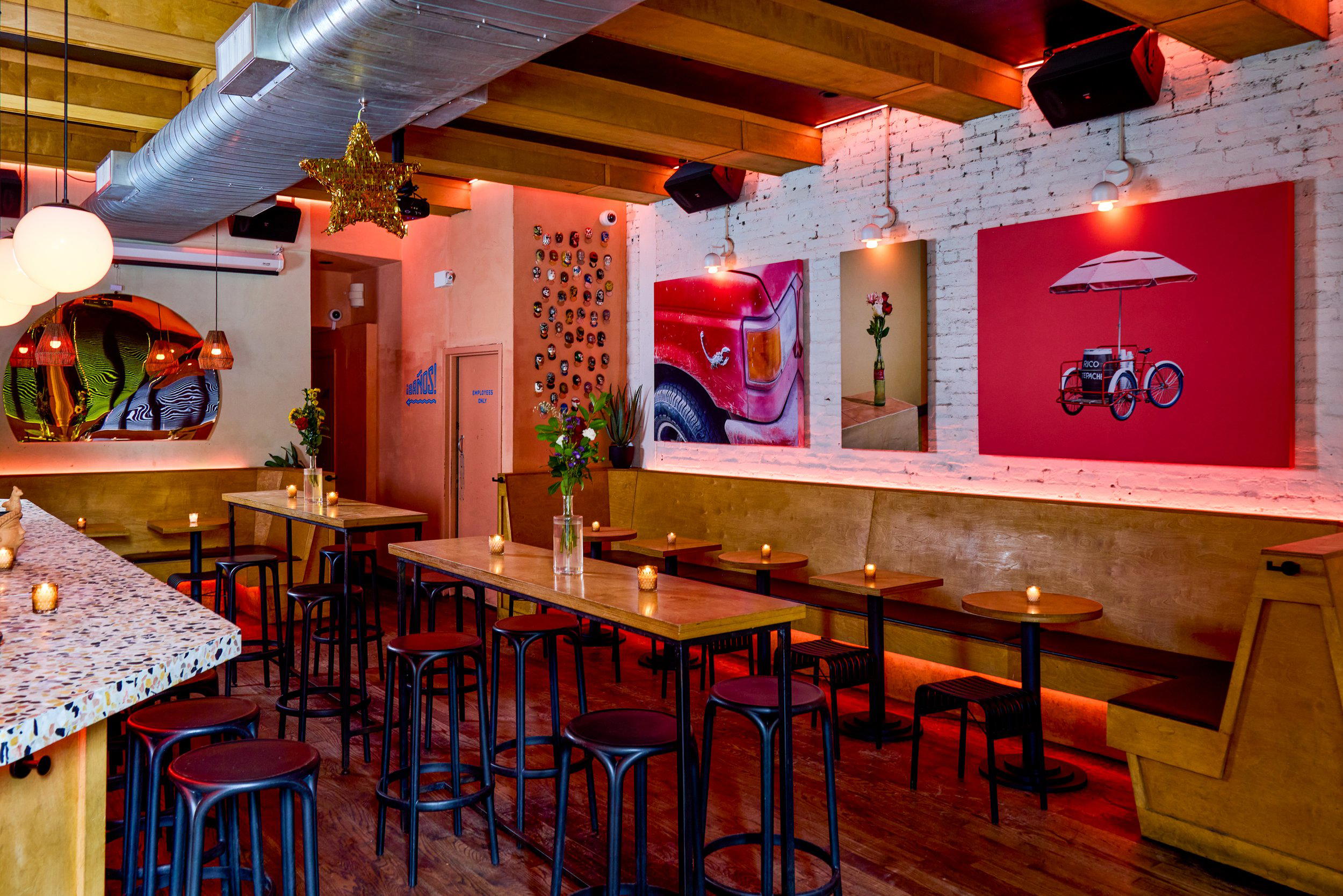
Intimate and cinematically lit with plush red banquettes, honeycombed mirrors, vintage family photos from the 1950s-60s, and Wong Kar-wai inspired design creating a nostalgic, movie-like atmosphere.