Barker Cafeteria

Barker Cafeteria at 395 Nostrand Ave operates in the daytime sandwich and cafeteria tradition that has long anchored the eating habits of Central Brooklyn. Serving the Bed-Stuy corridor with a format built on familiarity and function, it represents a category of neighbourhood food institution that national dining guides rarely cover but locals depend on daily.
Pearl is the En Primeur Club membership app — saves, bookings, and concierge access live there. Same editors, same standards.
- Address
- 395 Nostrand Ave, Brooklyn, NY 11216
- Directions
- Get directions
 Saves & bookings on Pearl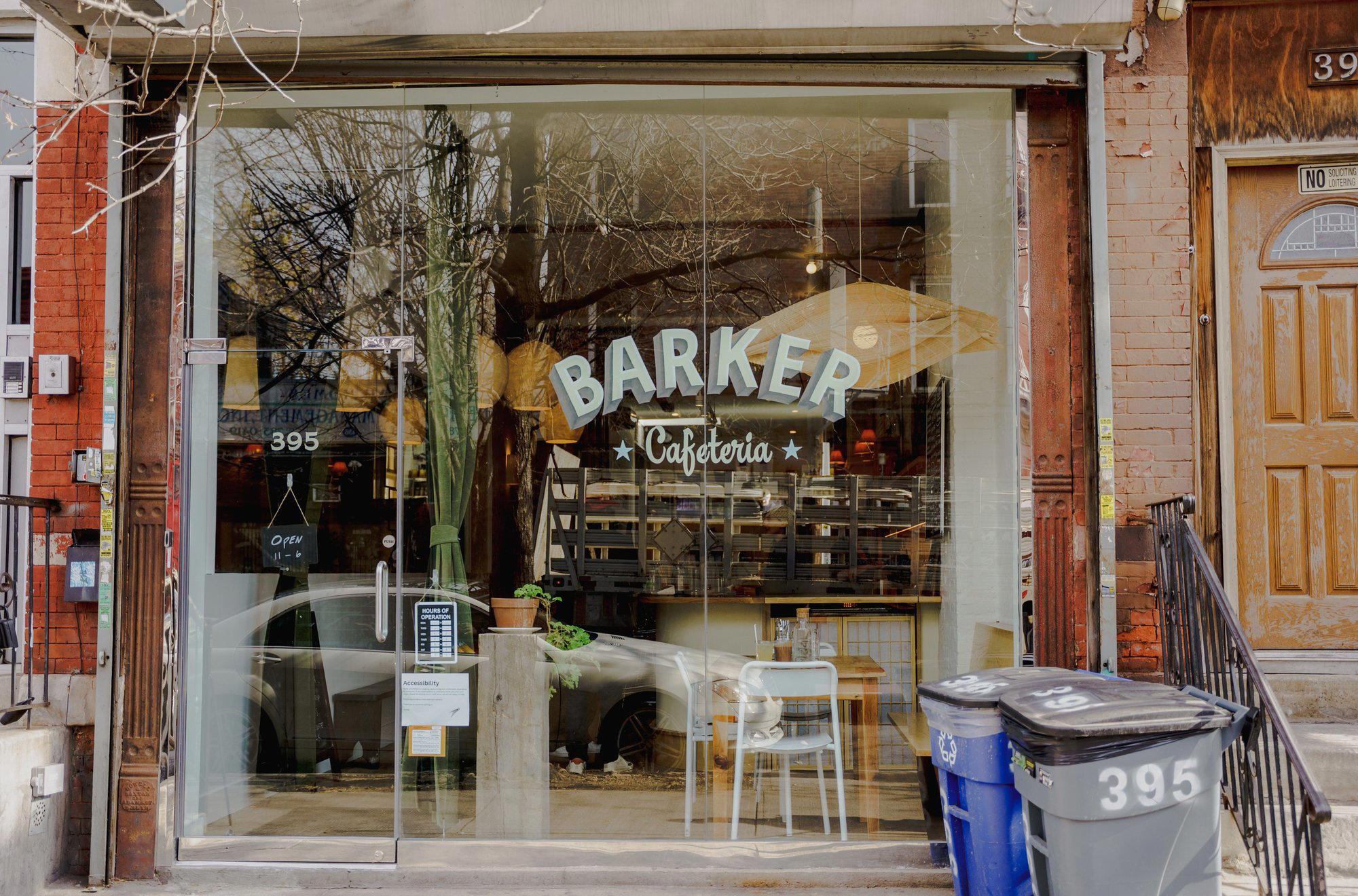
The Cafeteria Tradition in Central Brooklyn
Nostrand Avenue in Bed-Stuy runs through one of Brooklyn's most densely residential corridors, and the eating establishments along it tend to reflect that demographic reality: practical, community-oriented, and built for repeat visits rather than destination dining. The daytime cafeteria format that Barker Cafeteria represents belongs to a lineage of American food-service institutions that predate the current era of tasting menus and prix-fixe counters. Cafeterias and sandwich shops of this type have historically served as the connective tissue of working-class and middle-class urban neighbourhoods, providing hot food and quick lunches to people who cannot structure a midday meal around a sit-down restaurant.
Brooklyn's restaurant conversation has been pulled toward a specific profile: chef-driven concepts with Michelin recognition, ambitious tasting menus, or imported culinary traditions given a local reinterpretation. Barker Cafeteria sits in a different register entirely, one that is no less legitimate for being less decorated.
What the Format Means in Practice
The cafeteria-and-sandwich model that Barker operates within carries specific cultural weight in American urban food history. It descends from the institutional cafeterias that fed factory workers, hospital staff, and school students through much of the twentieth century, then evolved in neighbourhood contexts into something more informal and community-facing. The sandwich, as the anchoring item of this format, is not a trivial culinary choice: it is a portable, economical, and highly customisable form that has accommodated everything from the deli traditions of immigrant communities to the bodega culture that defines many New York City blocks.
In a neighbourhood like Bed-Stuy, where the population skews toward long-term residents and families rather than transient young professionals, daytime food institutions play a social role that goes beyond the meal itself. The regulars at a cafeteria on Nostrand Ave are not there to photograph their food or evaluate a seasonal menu; they are there because the place is reliable, the portions are honest, and the transaction is efficient. That reliability is itself a form of quality.
Venues such as Le Bernardin in New York City, Alinea in Chicago, and The French Laundry in Napa operate at a price point and with a format ambition that places them in an entirely different category of dining. A neighbourhood cafeteria and a three-Michelin-star kitchen answer different questions for different people on different days.
Bed-Stuy's Eating Corridor
The stretch of Nostrand Ave around the 11216 zip code has developed a layered food character over the decades. The avenue hosts Caribbean bakeries, soul food counters, West African restaurants, and an increasing number of newer café-format openings that reflect the neighbourhood's shifting demographics. Barker Cafeteria at 395 Nostrand Ave sits within that mix, drawing from a catchment that is primarily local rather than destination-driven.
Brooklyn's food geography is usefully understood as a series of distinct eating corridors rather than a single unified scene. The Smith Street strip in Carroll Gardens, the Atlantic Ave stretch that links Boerum Hill to Cobble Hill, and the Nostrand Ave corridor in Bed-Stuy each have different culinary personalities shaped by their neighbourhood demographics and histories. The Nostrand Ave corridor's character is more deeply rooted in everyday function than in the experiential dining that tends to attract out-of-neighbourhood visitors. That said, operations like Bad Cholesterol and Bong demonstrate that Brooklyn's more unconventional food concepts are spread across the borough rather than concentrated in its more gentrified western fringe.
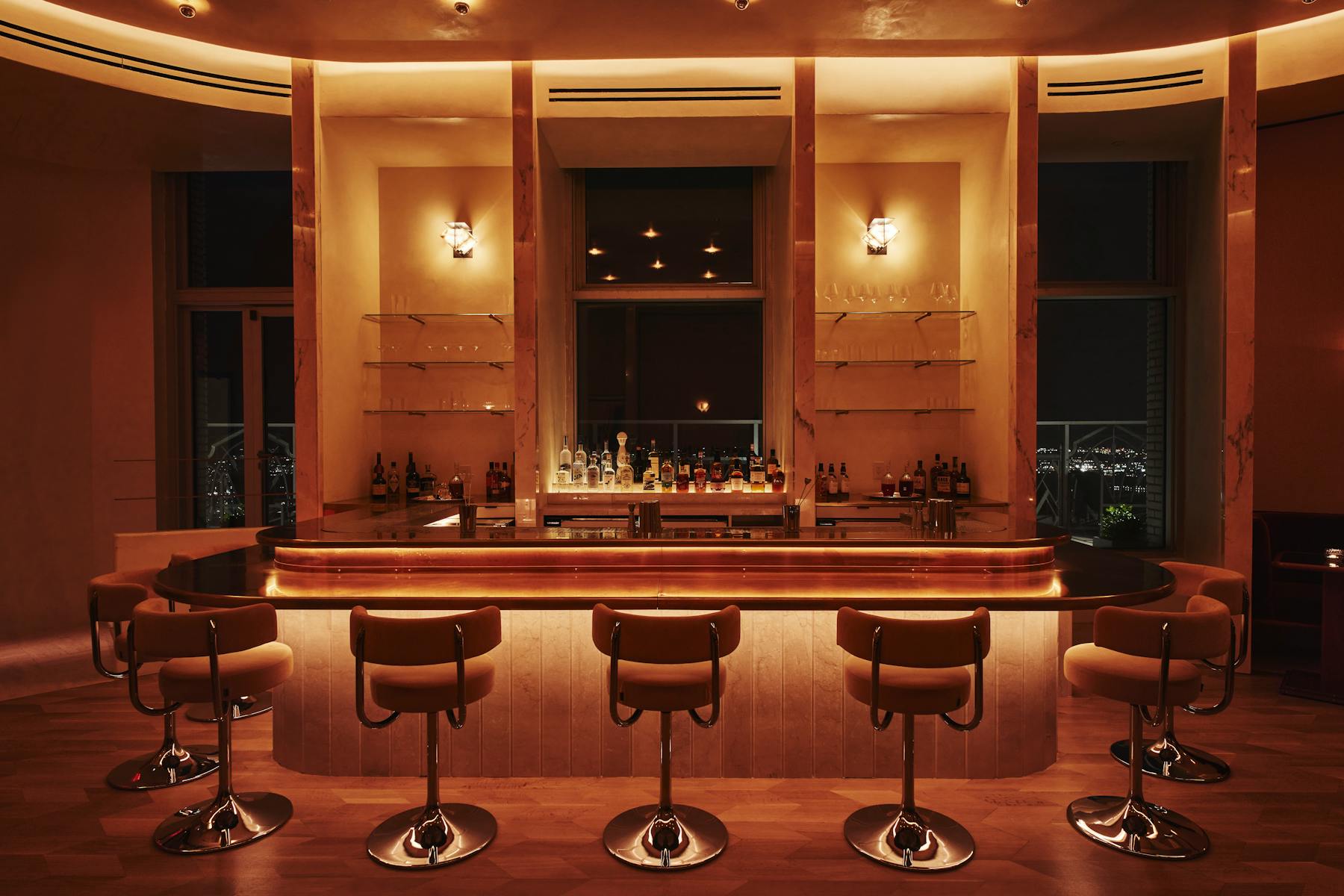
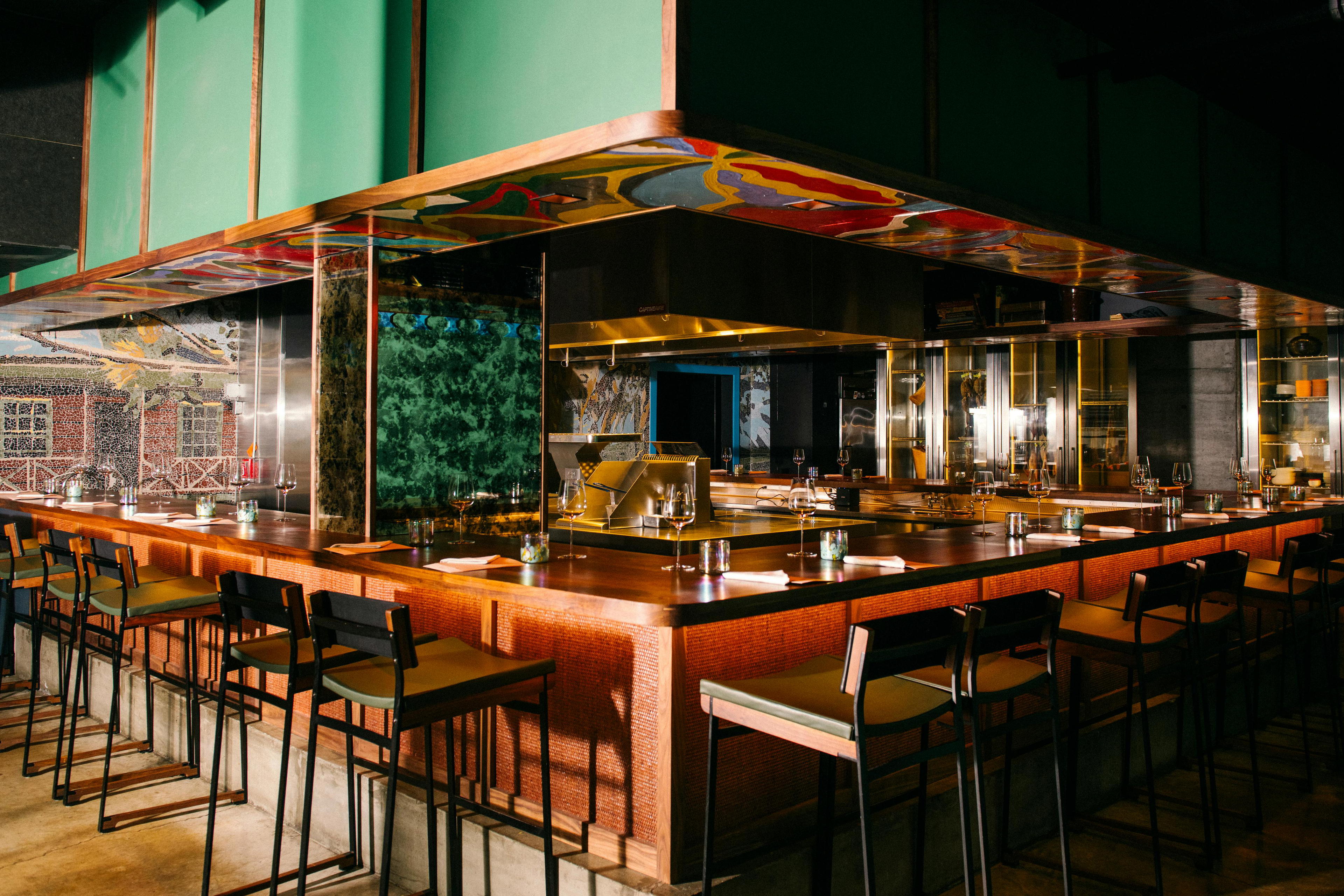
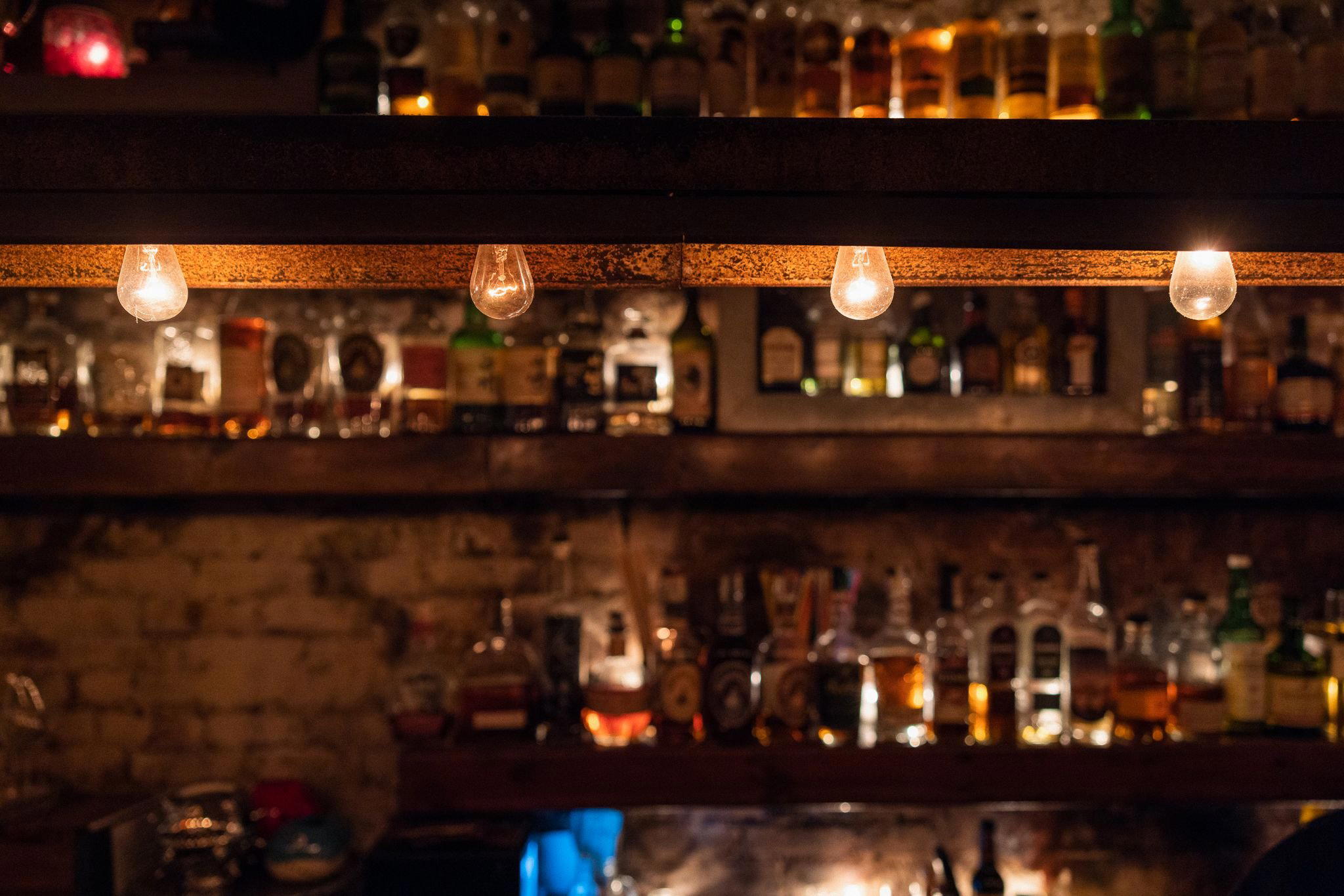
For a full map of where Barker fits within the wider Brooklyn picture, the EP Club Brooklyn restaurants guide covers the range from neighbourhood staples to high-end destination dining. The borough also has a distinct bar culture documented in the Brooklyn bars guide, and a growing hotel offering covered in the Brooklyn hotels guide.
Planning a Visit
The restaurant is located at 395 Nostrand Ave, Brooklyn, NY 11216, in the Bed-Stuy neighbourhood. As a daytime cafeteria operation, the natural window for a visit is the lunch period; the experience is walk-in by design. Pricing sits around $20 per person. No dress code applies.
Budget and Context
Comparable venues nearby, for context on price, style, and recognition.
| Venue | Cuisine | Price | Notes |
|---|---|---|---|
| Barker CafeteriaThis venue — the venue you are viewing | Bed-Stuy, Housemade Sandwiches & Soups | $$ | Not listed |
| Goldfinch Café | Not listed | $$ | Downtown Brooklyn, Modern American Bakery Café |
| Saint Street Cakes | Not listed | $$ | Fort Greene, Artisanal Custom Cakes & Pastries |
| The Grove Lantern | Not listed | $$$ | Downtown Brooklyn, Farm-to-Table American Café |
| Third Time's the Charm | Red Hook, Sourdough Pizza | $$ | Not listed |
| Farm. One | Dining | Not listed | Not listed |
Recognition history
Dated appearances from independent guides and award organizations, with the underlying list record or original source where available.
Star Wine List
Star Wine List
Continue exploring
More in Brooklyn
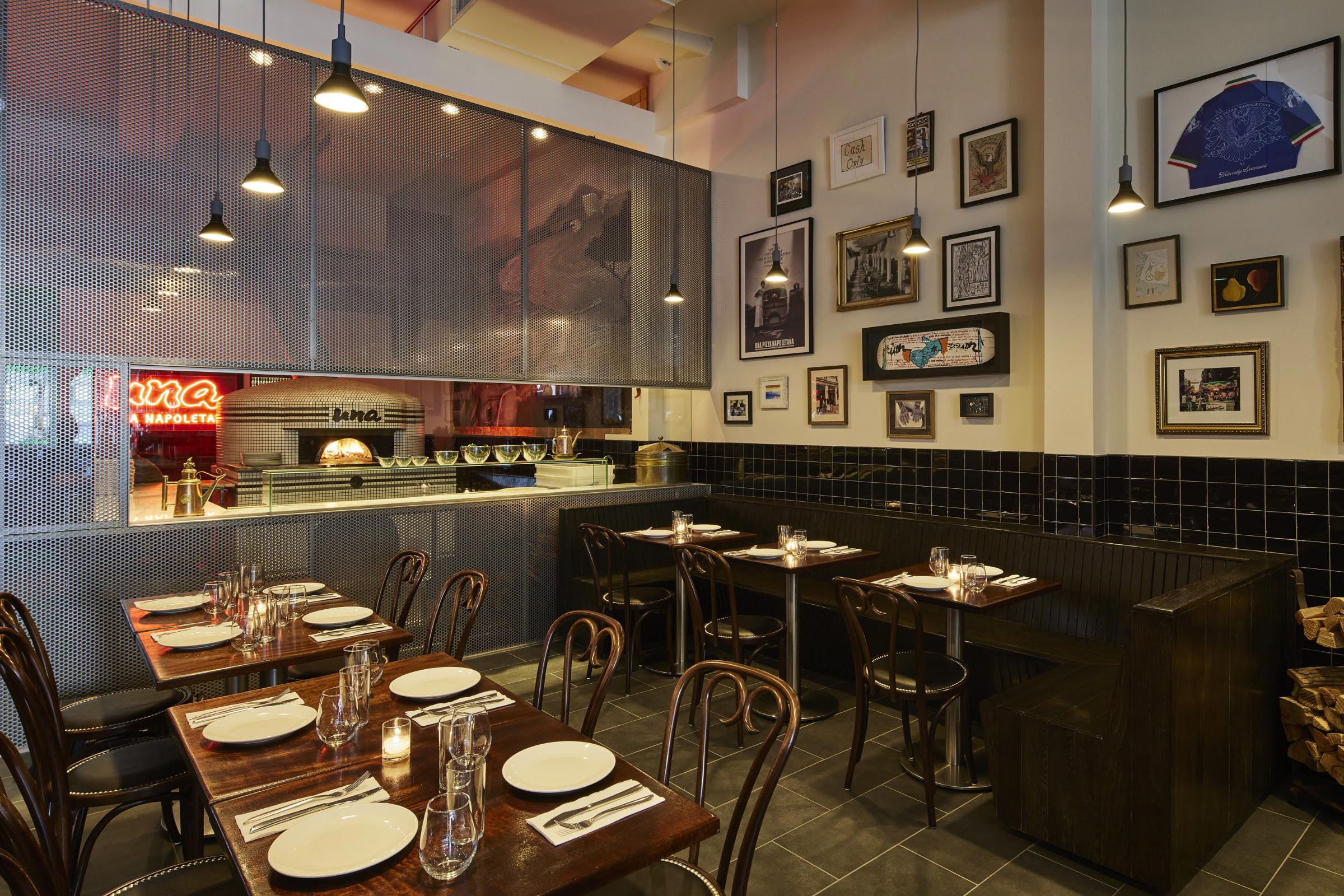
Restaurants in Brooklyn
Browse all →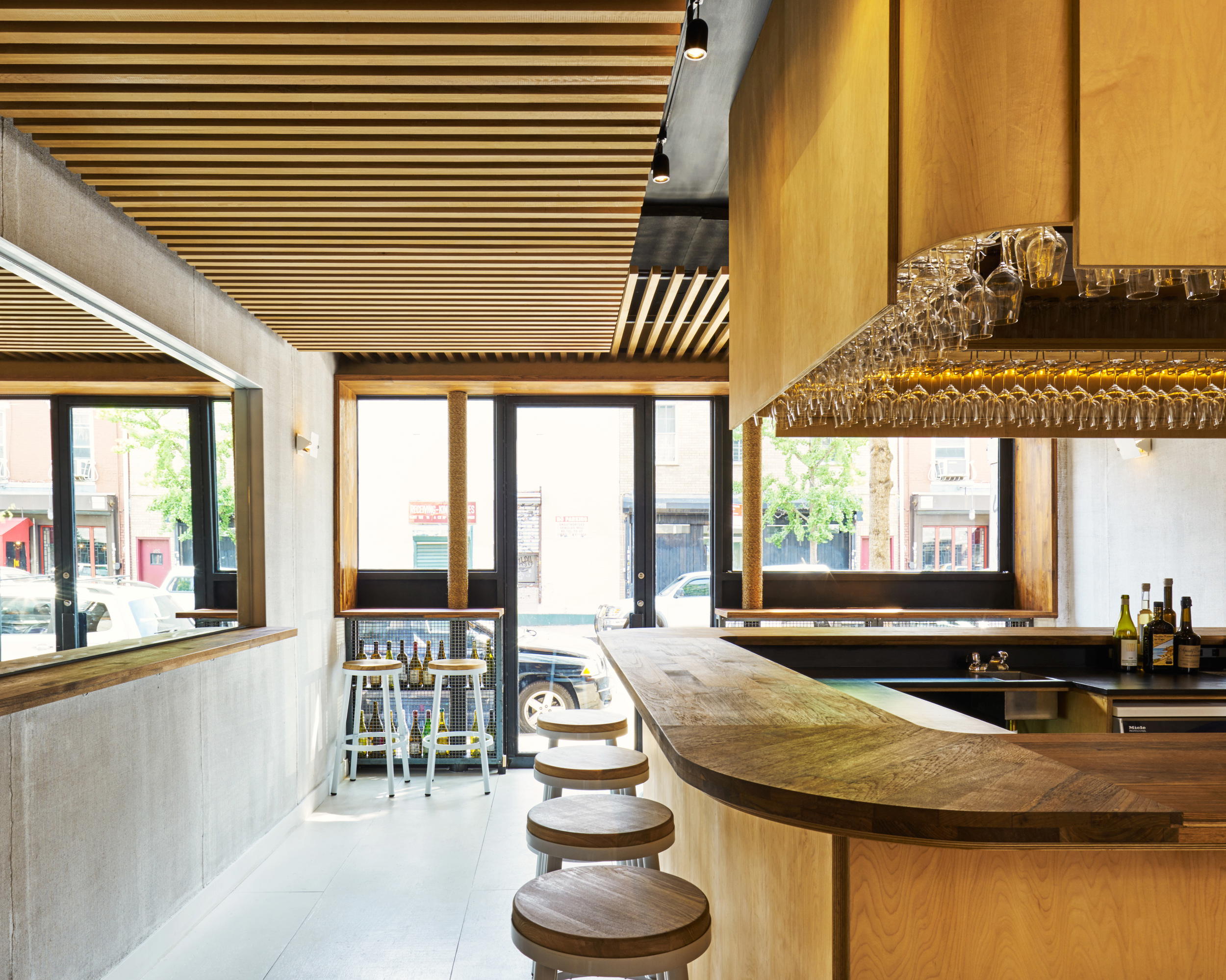
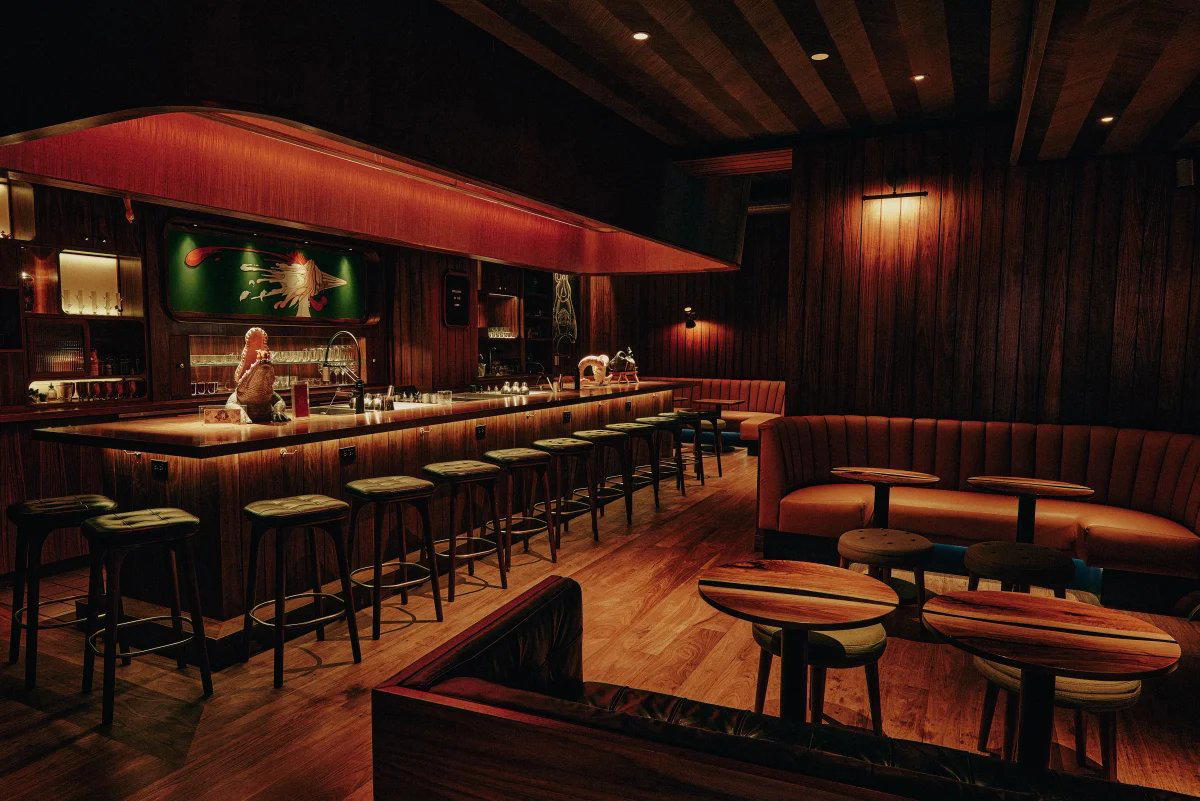
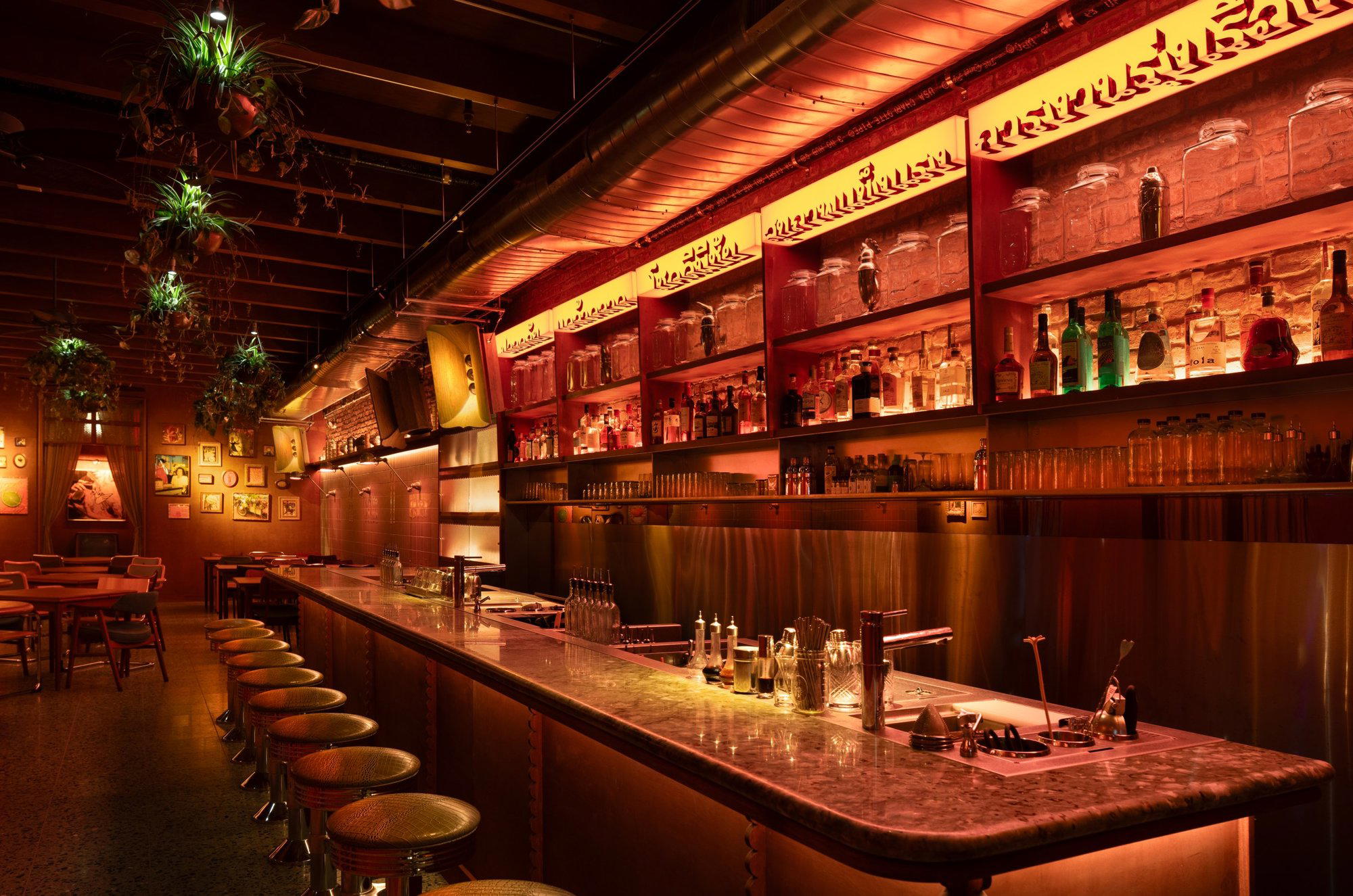
Bars in Brooklyn
Browse all →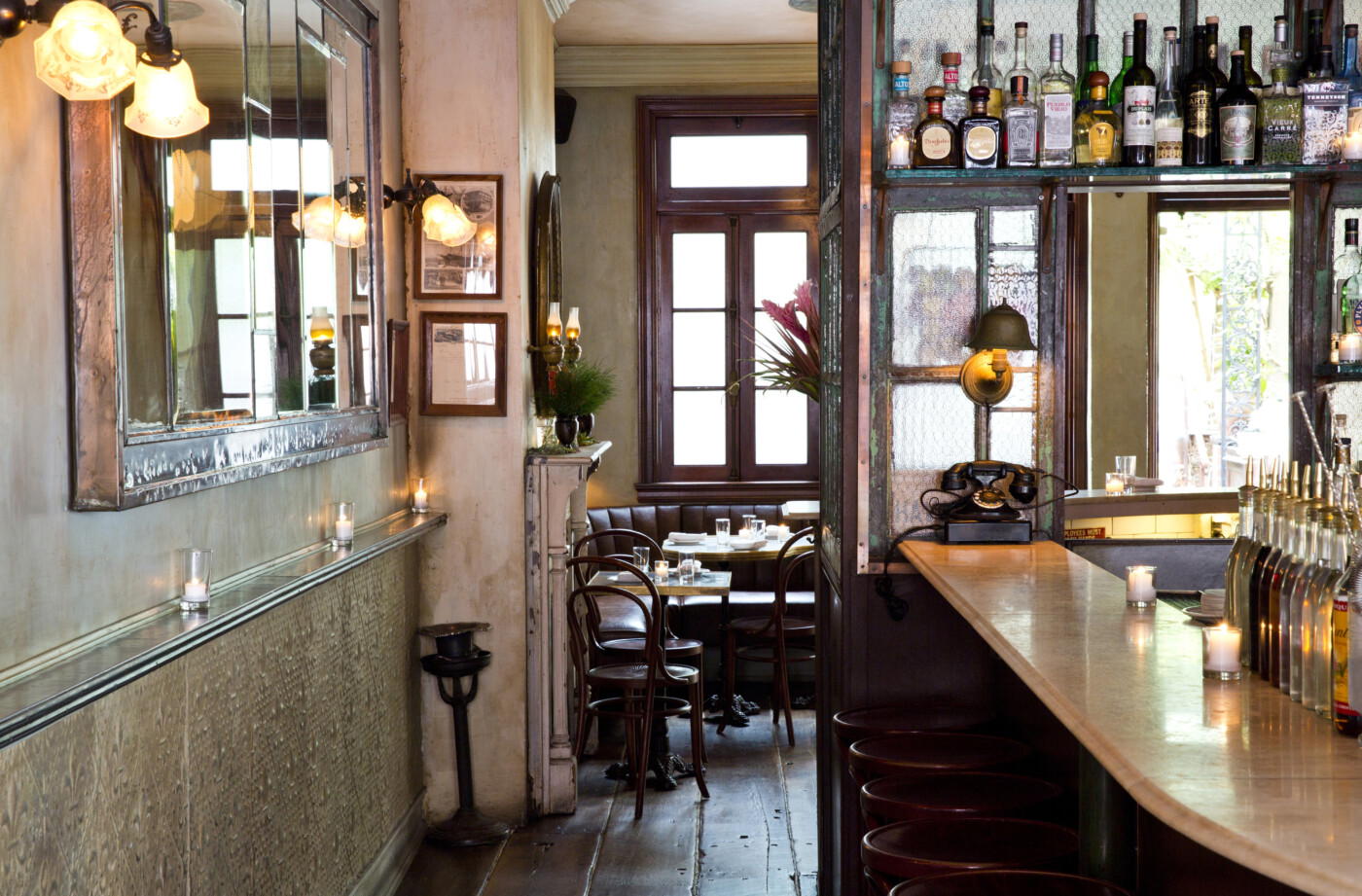
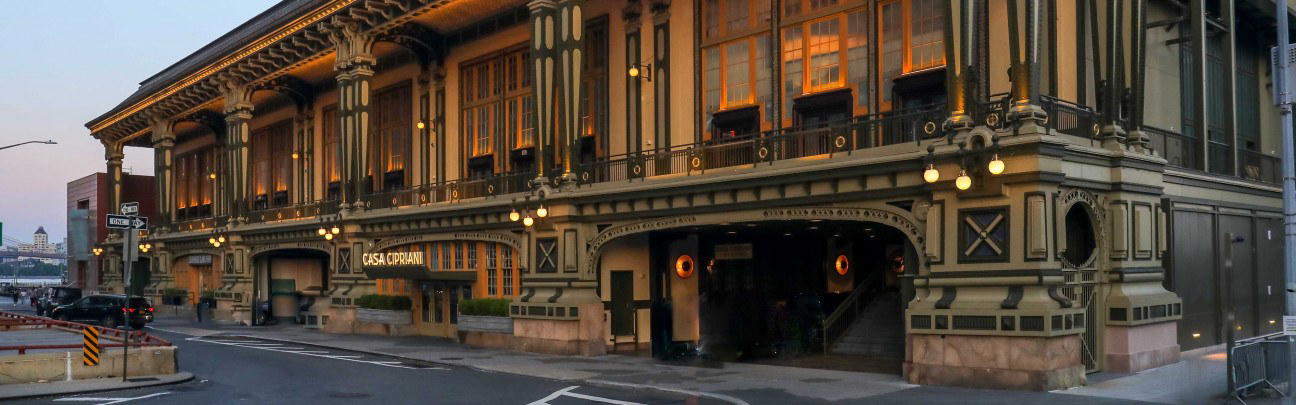
Hotels in Brooklyn
Browse all →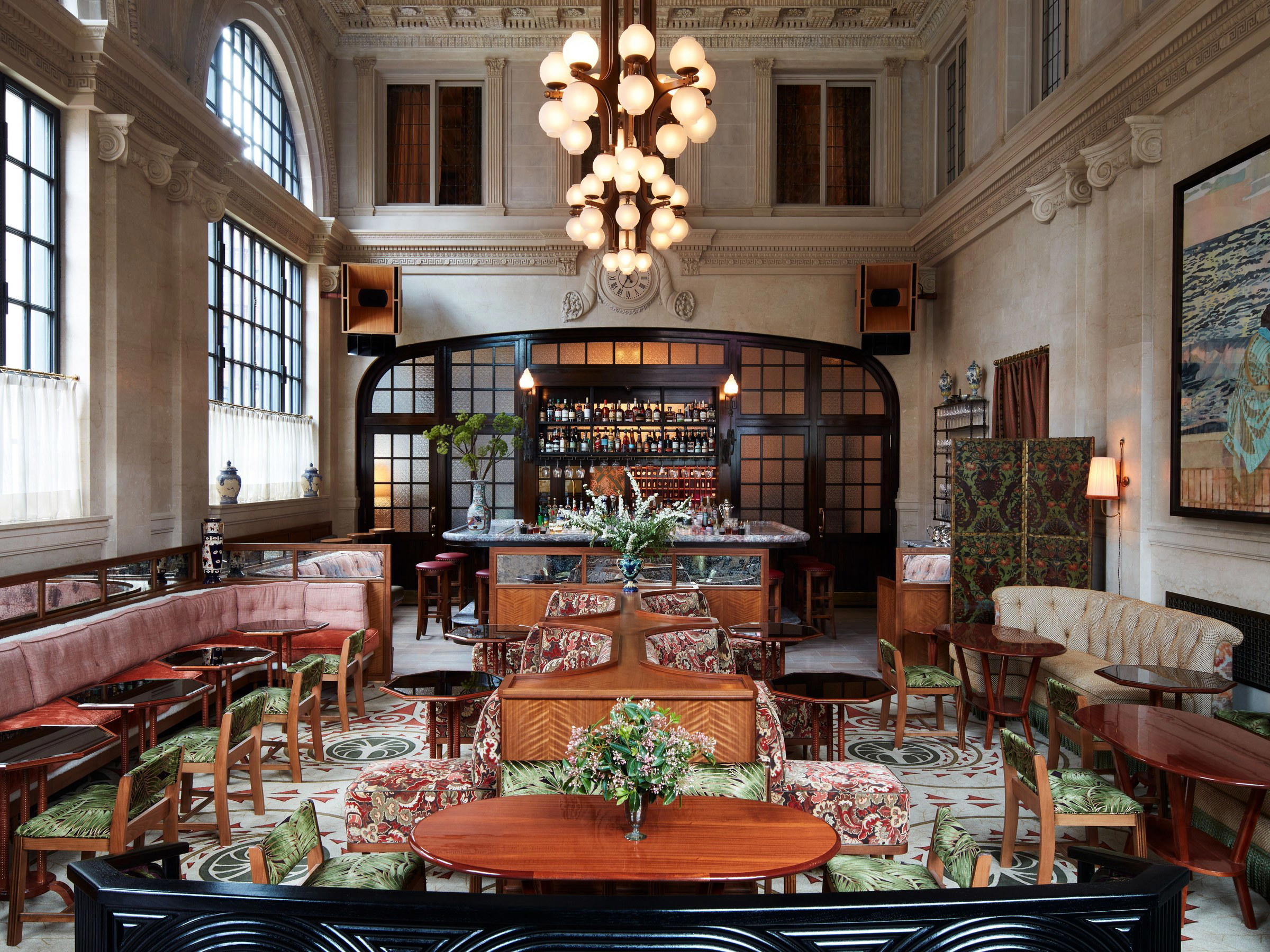





At a Glance
- Cozy
- Modern
- Minimalist
- Solo
- Casual Hangout
- Open Kitchen
Current opening hours
- Monday
- Closed
- Tuesday
- Closed
- Wednesday
- 11 AM–4 PM
- Thursday
- 11 AM–4 PM
- Friday
- 11 AM–4 PM
- Saturday
- 11 AM–4 PM
- Sunday
- 11 AM–4 PM
Hours can change for holidays and private events. Last verified .
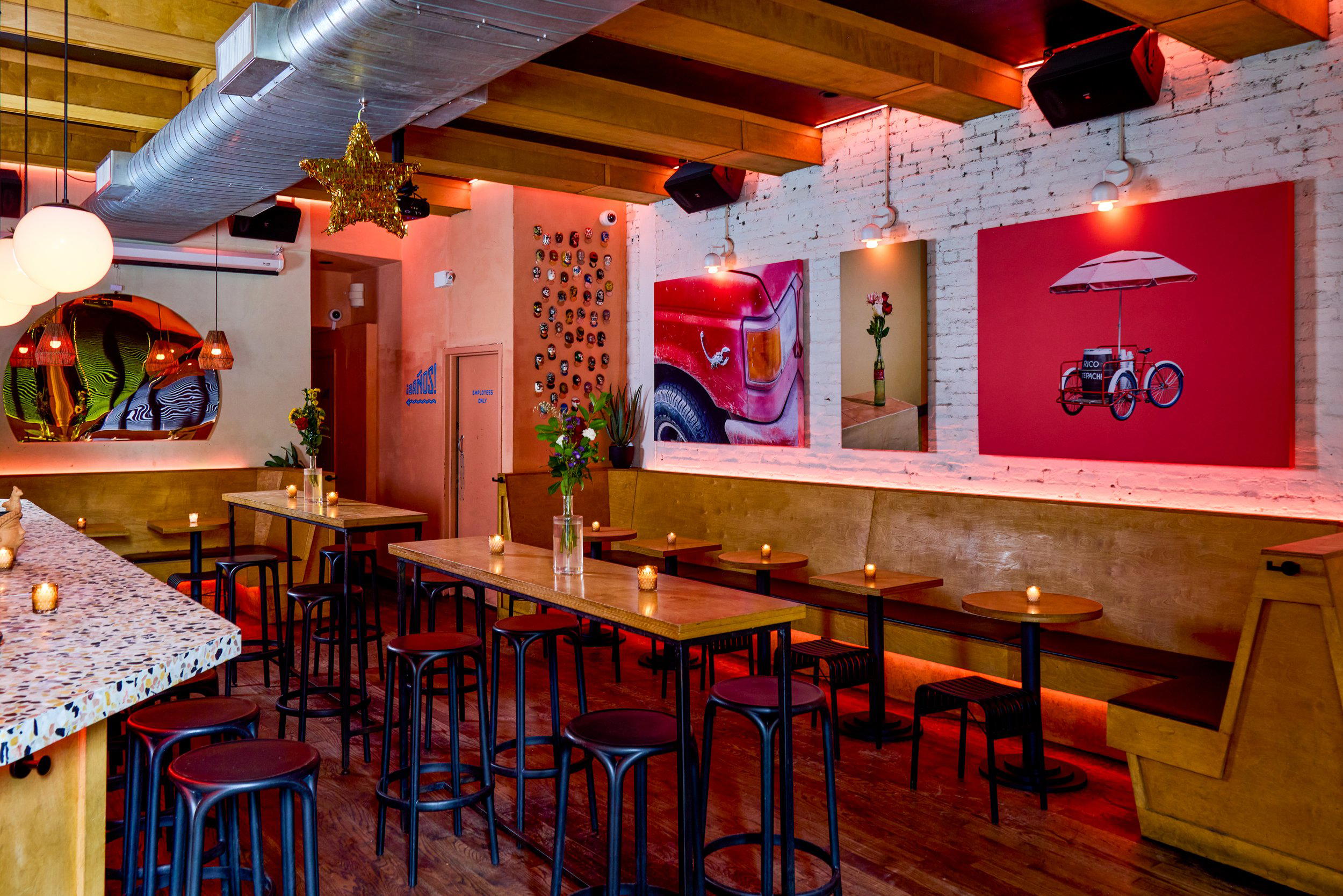
Warm, minimal, and unpretentious space with white brick walls, natural light, communal seating, and a relaxed low-key atmosphere.