Border Town

Border Town on Nassau Avenue brings a tortilleria-focused Northern Mexican program to Greenpoint, where the craft of nixtamalization and heirloom masa sits at the center of the menu rather than the margins. It occupies a corner of Brooklyn where serious ingredient-driven cooking has quietly accumulated, offering a specific, corn-first perspective that separates it from the city's broader taco conversation.
 Discover on Pearl
Pearl is the En Primeur Club membership app — saves, bookings, and concierge access live there. Same editors, same standards.
- Address
- 189 Nassau Ave, Brooklyn, NY 11222
- Website
- bordertown.co
Masa as the Starting Point
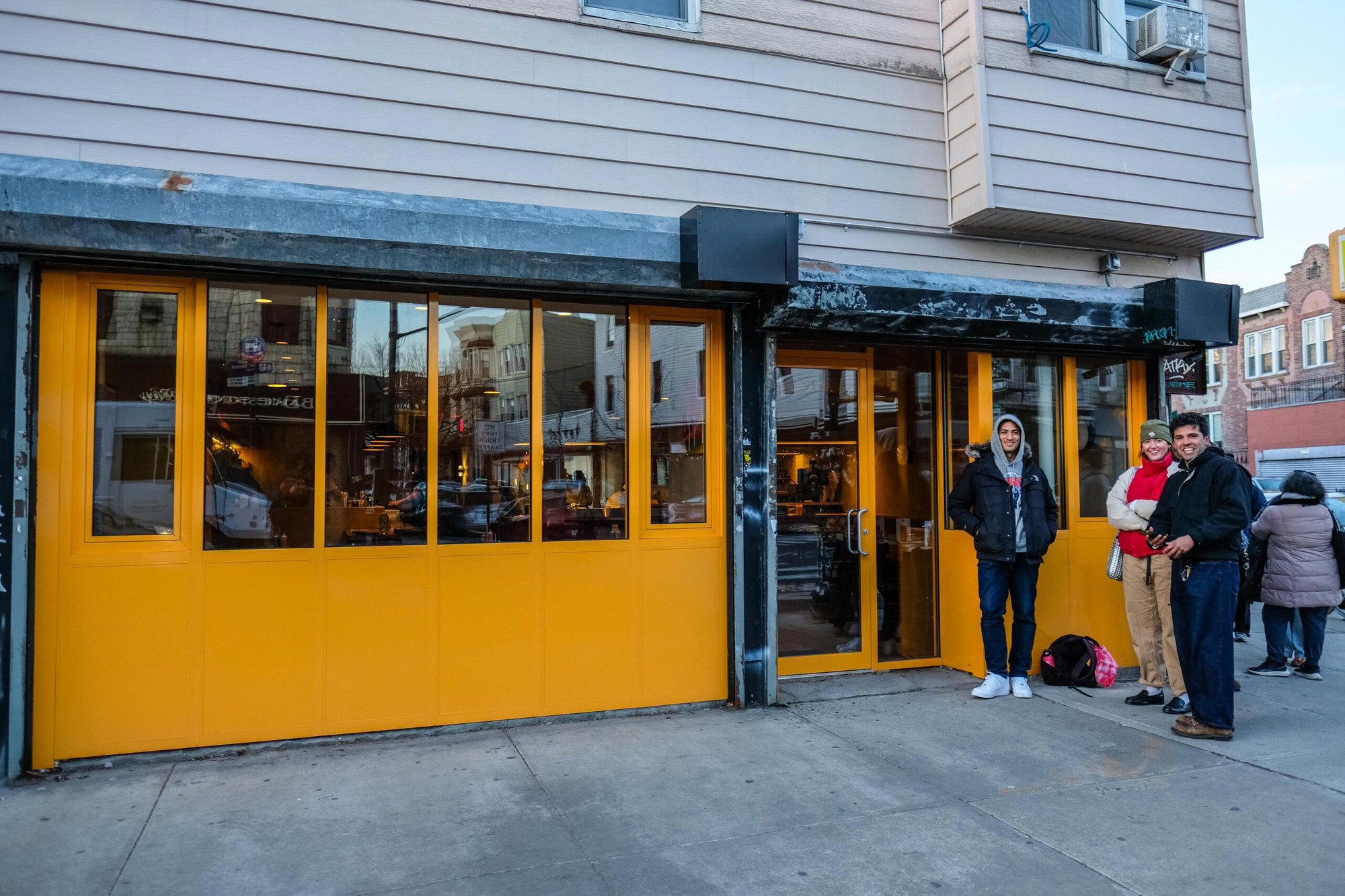
Border Town is a casual Sonora-Style Mexican Tacos restaurant at 189 Nassau Ave, Brooklyn, NY 11222. Border Town, at 189 Nassau Avenue in Greenpoint, Brooklyn, operates from the opposite conviction: the corn is the argument. The tortilleria format places masa production at the center of the kitchen's identity, which means the quality of the nixtamalization process, the sourcing of heirloom corn varieties, and the calibration of grind and hydration determine the character of nearly every plate that leaves the pass.
Nixtamalization, the alkaline process by which dried corn is soaked and cooked in a lime solution before grinding, is one of Mesoamerica's most consequential culinary technologies. It unlocks niacin, improves protein availability, and produces a flavor depth that commodity masa harina cannot replicate. Tortillerias built around in-house nixtamalization are relatively rare in New York, where the economics of space and labor push most kitchens toward pre-processed masa. When a restaurant commits to the full process, it is making a statement about the tier of ingredient craft it intends to operate at, regardless of price point or format.
Northern Mexican as a Distinct Register
The Northern Mexican designation matters here because it signals a culinary tradition that differs from the central and southern Mexican cooking most familiar to American diners. Norteño food is flour-tortilla country along much of its geography, with a strong tradition of grilled and braised meats, wheat-forward breads, and a dairy culture shaped by the cattle ranches of Sonora, Chihuahua, and Nuevo León. Calling a Brooklyn restaurant Northern Mexican while centering a tortilleria program introduces an interesting tension: you are drawing from a regional identity that historically coexists with corn and flour traditions rather than privileging one over the other. That kind of specificity, when applied deliberately, produces menus with a more defined point of view than the category-neutral taquerias that populate most American cities.
Greenpoint is a reasonable neighborhood for this kind of operation. Nassau Avenue and its cross streets have accumulated a cluster of kitchens oriented around ingredient precision and format discipline over the past decade, ranging from fermentation-focused projects to single-product specialists. Border Town fits a pattern visible across that stretch: focused format, specific sourcing logic, neighborhood scale rather than destination-restaurant ambition. For comparison, the New American program at Confidant and the daytime sandwich operation at Barker Cafeteria represent adjacent expressions of the same Brooklyn tendency toward well-defined format over broad menus.
Where It Sits in the Brooklyn Dining Picture
Brooklyn's restaurant geography has developed enough internal differentiation that neighborhood matters more than it once did. Greenpoint, positioned at the northern end of the borough, draws from both the Polish-American food tradition along Manhattan Avenue and a wave of format-driven openings that arrived after the post-2010 dining expansion reached past Williamsburg. The Greenpoint operation differs from the higher-wattage projects visible in other Brooklyn neighborhoods: it is not chasing press cycles or building toward a second location. Tortilleria-focused restaurants tend to live in that register, where the craft of the corn program sustains the business more reliably than ambient hype.
At the broader Brooklyn level, the range of serious restaurants is wide enough that a corn-focused Northern Mexican program occupies a specific niche rather than a crowded one. Operations like 6 Restaurant and the fermentation and flavor experiments visible through projects like Bong operate in different registers, but they share with Border Town a resistance to the kind of generic pan-cuisine positioning that dominated Brooklyn openings in an earlier era. The Bad Cholesterol pop-up pizza team represents yet another format-committed project in the same geographic zone. The pattern is consistent: specificity of format and ingredient sourcing has become the organizing principle for the more credible end of Brooklyn's independent restaurant scene.
Against the national picture of fine dining investment, Border Town operates several tiers below the point at which awards certification and multi-course tasting formats become the primary conversation. Restaurants like Le Bernardin in New York City, Alinea in Chicago, or The French Laundry in Napa represent a different tier of investment and expectation. The tortilleria model is interesting precisely because it achieves ingredient seriousness without requiring that infrastructure: the capital is in the corn program, not the room or the service apparatus.
A Quick Peer Check
Comparable venues nearby, for context on price, style, and recognition.
| Venue | Cuisine | Price | Awards | Notes |
|---|---|---|---|---|
| Border TownThis venue — the venue you are viewing | Sonora-Style Mexican Tacos | $$ | 1 recognition | |
| Claro | Michelin-starred Oaxacan Mexican | $$$ | , | Gowanus |
| Third Time's the Charm | Sourdough Pizza | $$ | 1 recognition | Red Hook |
| Ops Pizza | Natural-wine Bushwick pizzeria | $$ | , | Bushwick |
| Falansai | Vietnamese-Mexican Fusion | $$ | 1 recognition | Bushwick |
| Grand Street Healing Project | Dining | , | , | Brooklyn |
Continue exploring
More in Brooklyn
Restaurants in Brooklyn
Browse all →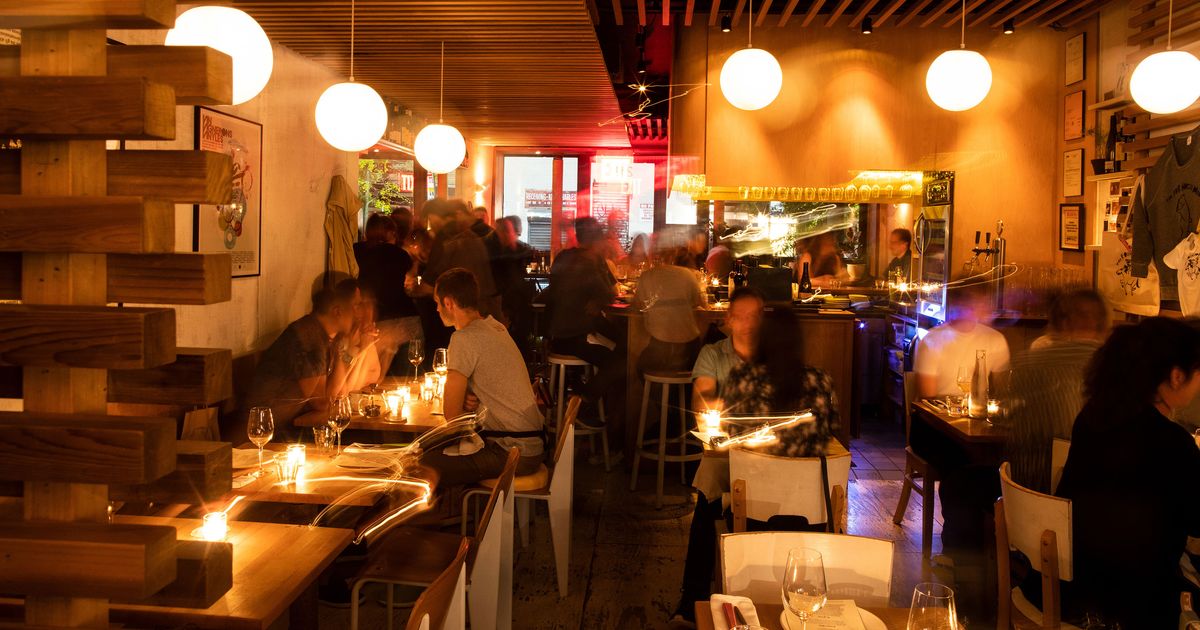
Bars in Brooklyn
Browse all →
Hotels in Brooklyn
Browse all →




At a Glance
- Trendy
- Cozy
- Lively
- Casual Hangout
- Date Night
- Brunch
- Open Kitchen
- Craft Cocktails
Warm and welcoming with sit-down tables and a bar, featuring an open kitchen view of chefs rolling tortillas; music plays loudly creating a lively atmosphere.