Kebabi Wabrik occupies a direct address at Erika tn 14 in Tallinn's Põhja-Tallinn district, a neighbourhood that has quietly accumulated a roster of casual, neighbourhood-scale eating. The name signals its format directly: this is a kebab operation, situated in a city where street-food traditions from the Middle East and Central Asia have found a steady foothold alongside Estonia's fine-dining ambitions.
Pearl is the En Primeur Club membership app — saves, bookings, and concierge access live there. Same editors, same standards.
- Address
- Erika tn 14, 10416 Tallinn, Estonia
- Phone
- +37253230077
- Website
- facebook.com
- Directions
- Get directions
 Saves & bookings on Pearl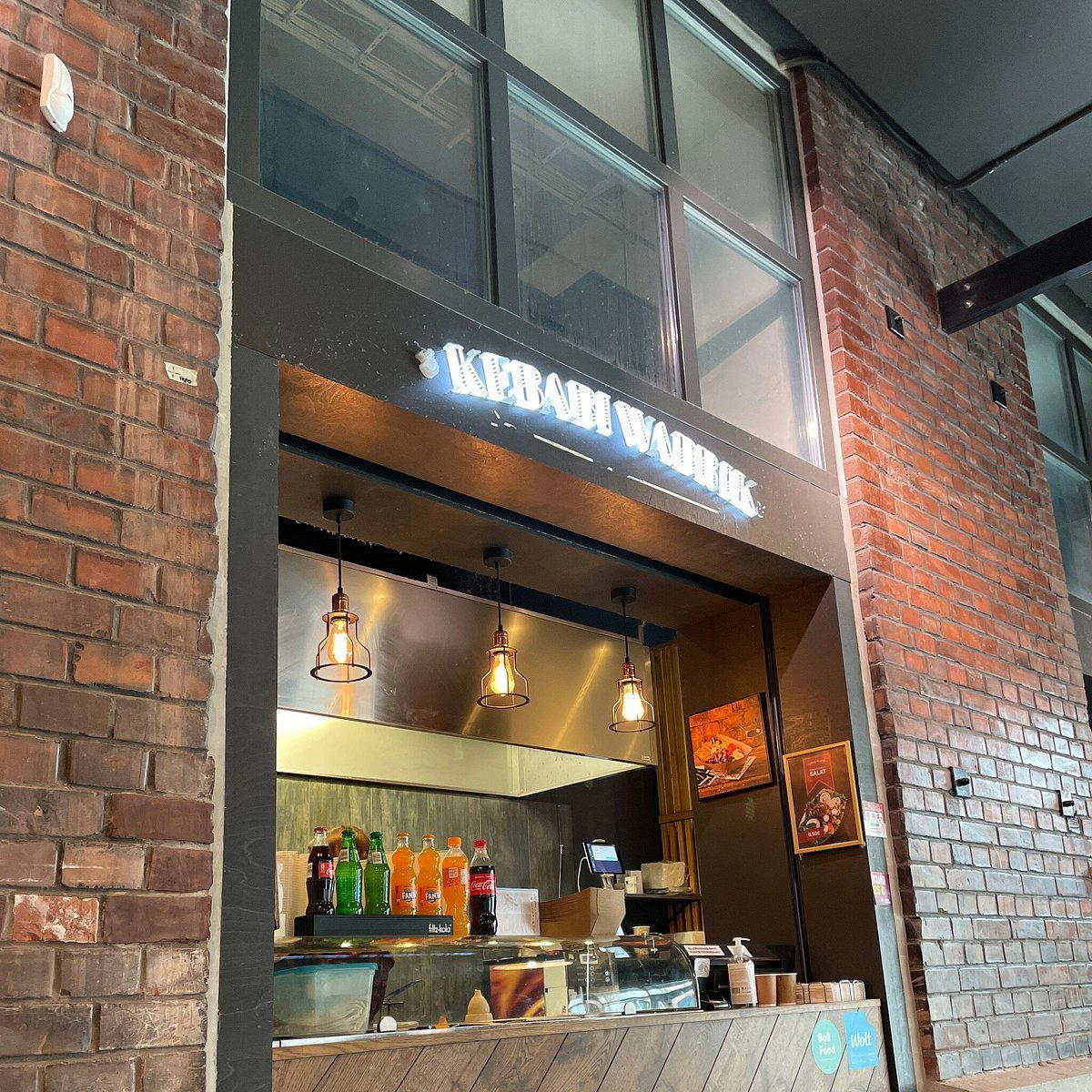
Where Tallinn's Street-Food Confidence Lives
Tallinn's dining conversation is often framed around its fine-dining tier, the Michelin-tracked counters and tasting menus that draw attention from outside Estonia. But a parallel story runs beneath that: the city's growing comfort with non-European street food formats, imported by migration waves and sustained by a younger urban population that eats across price points without much ceremony. Kebabi Wabrik, at Erika tn 14 in Põhja-Tallinn, sits inside that second story. The address puts it in a district that functions as one of the city's more residential, working-scale quarters, away from the Old Town tourist circuit and the polished restaurant rows of Kalamaja's gentrified edge.
The name makes its intentions clear before you arrive. "Wabrik" is the Estonian phonetic rendering of "fabrik" or factory, a naming convention that signals industrial-casual: volume, repetition, craft through repetition rather than through refinement. That framing belongs to a specific register of urban food culture, one that positions casual food as something worth taking seriously on its own terms rather than as a downmarket alternative to something grander.
The Logic of a Kebab Menu in This City
The editorial angle that matters at a venue like this is not the chef biography or the tasting format. It is the menu architecture itself: what a kebab operation chooses to offer, what it excludes, and what those choices reveal about who it is cooking for. In Tallinn's casual dining tier, the kebab format occupies a specific niche. It is not the quick-service döner of a transit-hub food court, nor is it the sit-down Middle Eastern restaurant with a full mezze spread. It sits between those poles, offering a street-food core with enough variation to serve a neighbourhood crowd across lunch and dinner without requiring a reservation or a budget allocation.
Kebab menus in Central and Northern European cities have evolved considerably over the past decade. The döner-only model has given way to formats that layer in additional proteins, regional bread variations, and sauce structures drawn from Turkish, Lebanese, and Persian traditions simultaneously. What is clear from the address and format type is that it operates in a neighbourhood context where the local customer base sets the demand pattern. That tends to produce menus that are either tightly curated around what sells consistently, or broad enough to function as a daily-use spot.
In Tallinn's pricing environment, casual kebab formats generally operate well below the €€ tier that defines mid-range sit-down restaurants. That positions them as high-frequency, low-deliberation choices rather than occasion dining, which in turn shapes how the menu needs to perform: speed, portion size, and consistency matter more than novelty or seasonal rotation.
Põhja-Tallinn as a Dining Context
The Põhja-Tallinn district, which includes neighbourhoods like Kalamaja and Pelgulinn, has undergone visible change over the past fifteen years. Former industrial sites have been converted into creative workspaces, cafés, and restaurants, and the area now holds a mix of long-standing neighbourhood spots and newer, design-conscious openings. Erika tn 14 sits in the broader fabric of that district, though not in its most trafficked corridors. That location pattern, slightly off the main Kalamaja drag, typically means a venue depends on repeat local custom rather than walk-in discovery traffic.
For context, Tallinn's most-discussed restaurants operate at a different register entirely. NOA Chef's Hall and 180° by Matthias Diether represent the city's creative fine-dining tier, where tasting menus and sourcing narratives define the offer. Bocca and 38 occupy a mid-range creative bracket. Kebabi Wabrik does not compete in any of those tiers. It competes within the city's casual, everyday-eating layer, which is less documented but no less functional in shaping how residents actually feed themselves across the week. For a broader view of where Tallinn's dining scene sits across price points and formats, the EP Club Tallinn restaurants guide maps the full range.
Estonia's Wider Casual-Dining Map
Kebabi Wabrik is one data point in a broader pattern of casual, neighbourhood-scale eating that exists across Estonian cities and towns, most of which receives far less editorial attention than Tallinn's fine-dining tier. Elsewhere in Estonia, venues like Kohvik in Viljandi and Kolm. Restoran in Voru anchor their local food scenes with similarly unfussy formats. On the coast, KABE Beach in Kaberneeme and Wana Kala Kõrts in Neeme serve the seasonal demand that summer tourism brings to Estonia's northern shoreline. Further south, Eva Sushi in Tartu and Everest Thai/Nepalese Restaurant in Pärnu reflect how international formats have settled into Estonia's secondary cities. Across the border region, Kohvik Kaar in Narva and Franzia in Narva-Jõesuu serve a different demographic and culinary register entirely. Rural formats like Kuur in Vihtra and Valgeranna Veinitall in Audru round out an Estonian dining picture that extends well beyond the capital's media-covered restaurants.
For comparison, the standard-bearing tasting-menu format at the global level, represented by venues like Le Bernardin in New York City or Atomix in New York City, operates in a different universe of expectation, price, and structure. The point is not hierarchy but differentiation: casual formats serve real demand that fine dining does not address, and the restaurant exists to serve that demand at its Põhja-Tallinn address. Separately, 180 Degrees Restaurant in Tallinn offers another point of comparison within the city's mid-range tier.
Planning a Visit
The restaurant is located at Erika tn 14, 10416 Tallinn. It is walk-in friendly, priced around $10 per person, and open daily from 11 AM to 9 PM except Sunday, when it closes at 8 PM. The practical approach is to check current hours directly on arrival or via local search, as kebab operations in residential districts often run tight daytime-to-evening windows with gaps between service periods. The address is in Põhja-Tallinn, reachable by tram from central Tallinn, which makes it accessible without a car.
Recognition Snapshot
Comparable venues nearby, for context on price, style, and recognition.
| Venue | Cuisine | Price | Notes |
|---|---|---|---|
| Kebabi WabrikThis venue — the venue you are viewing | Estonian-Style Turkish Kebab | $$ | Not listed |
| Diner | American Diner Burgers | $$ | Vabaduse pst |
| Hutorok trahter | Traditional Ukrainian | $$ | Kadaka |
| Kajakas | Neapolitan Pizza | $$ | Kadriorg |
| Kanuti Fusion Kitchen | Japanese Ramen | $$ | Old Town |
| The Kurze | Authentic Dagestani | $$ | Kopli |
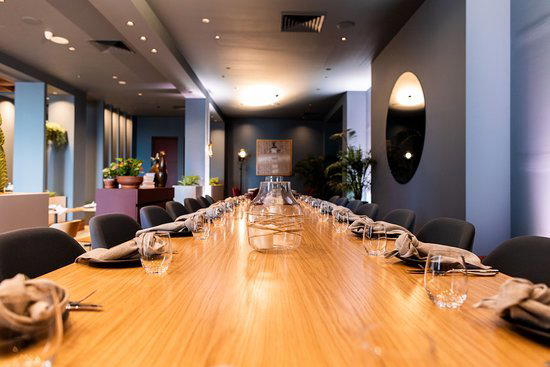
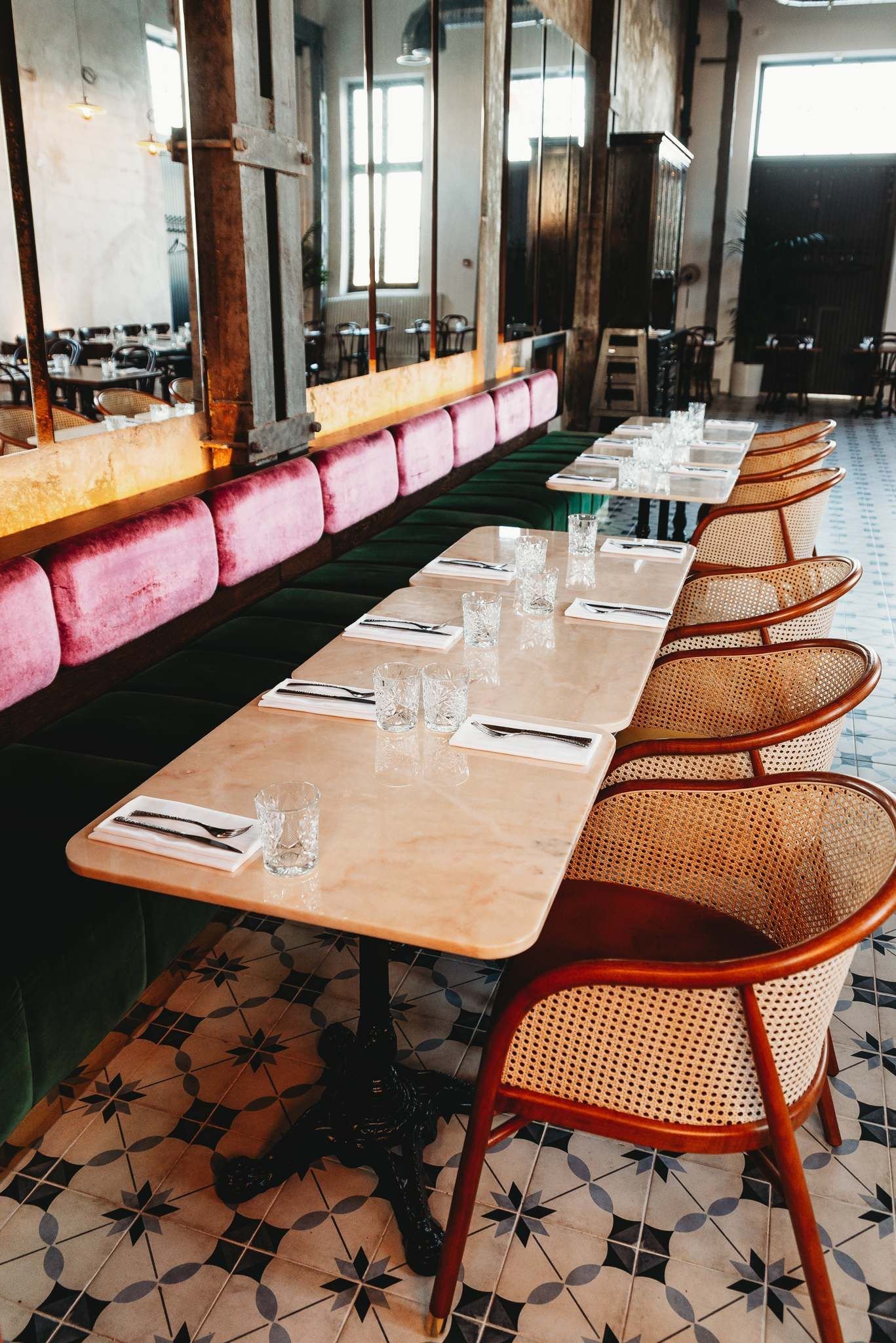
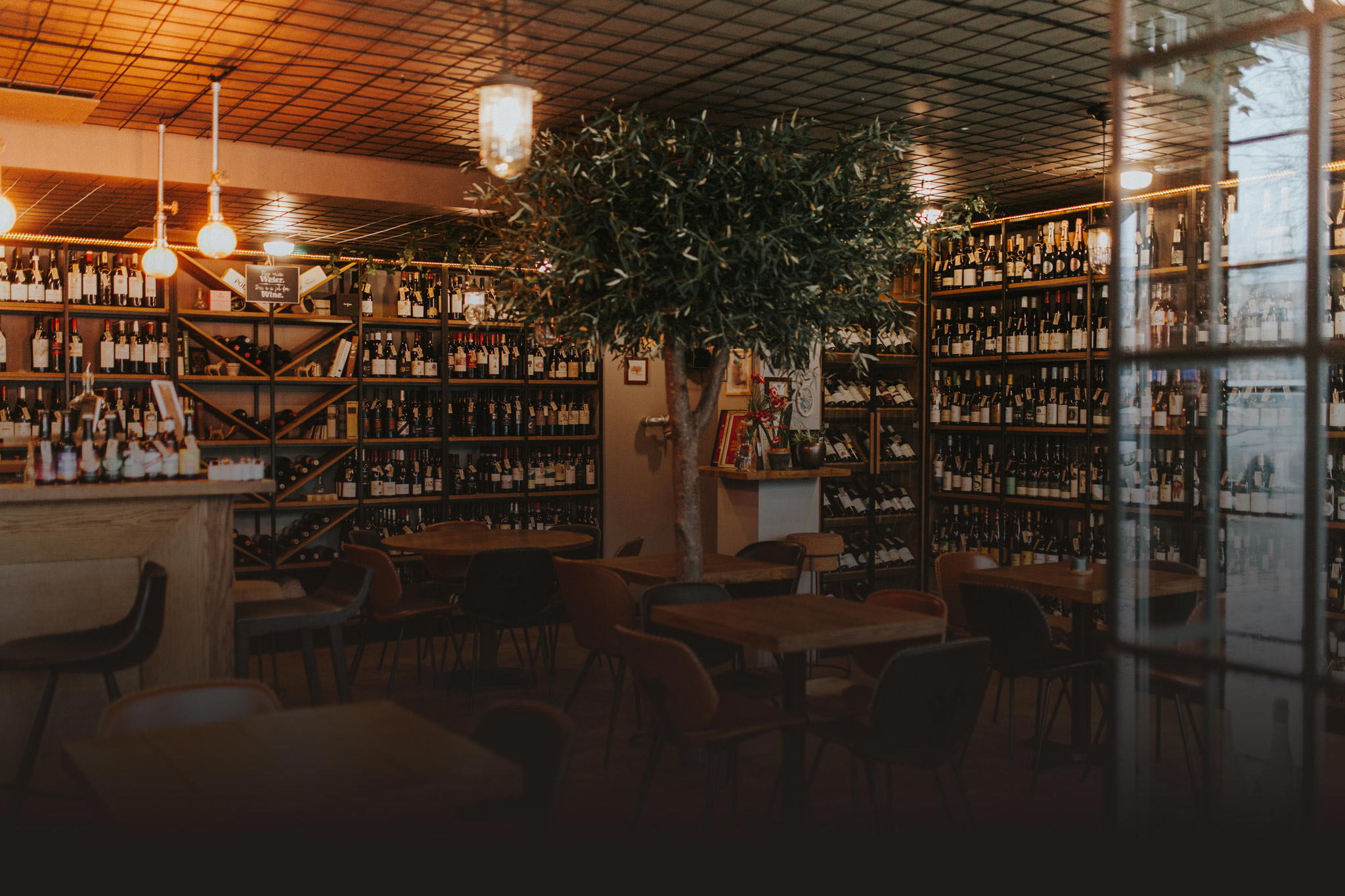
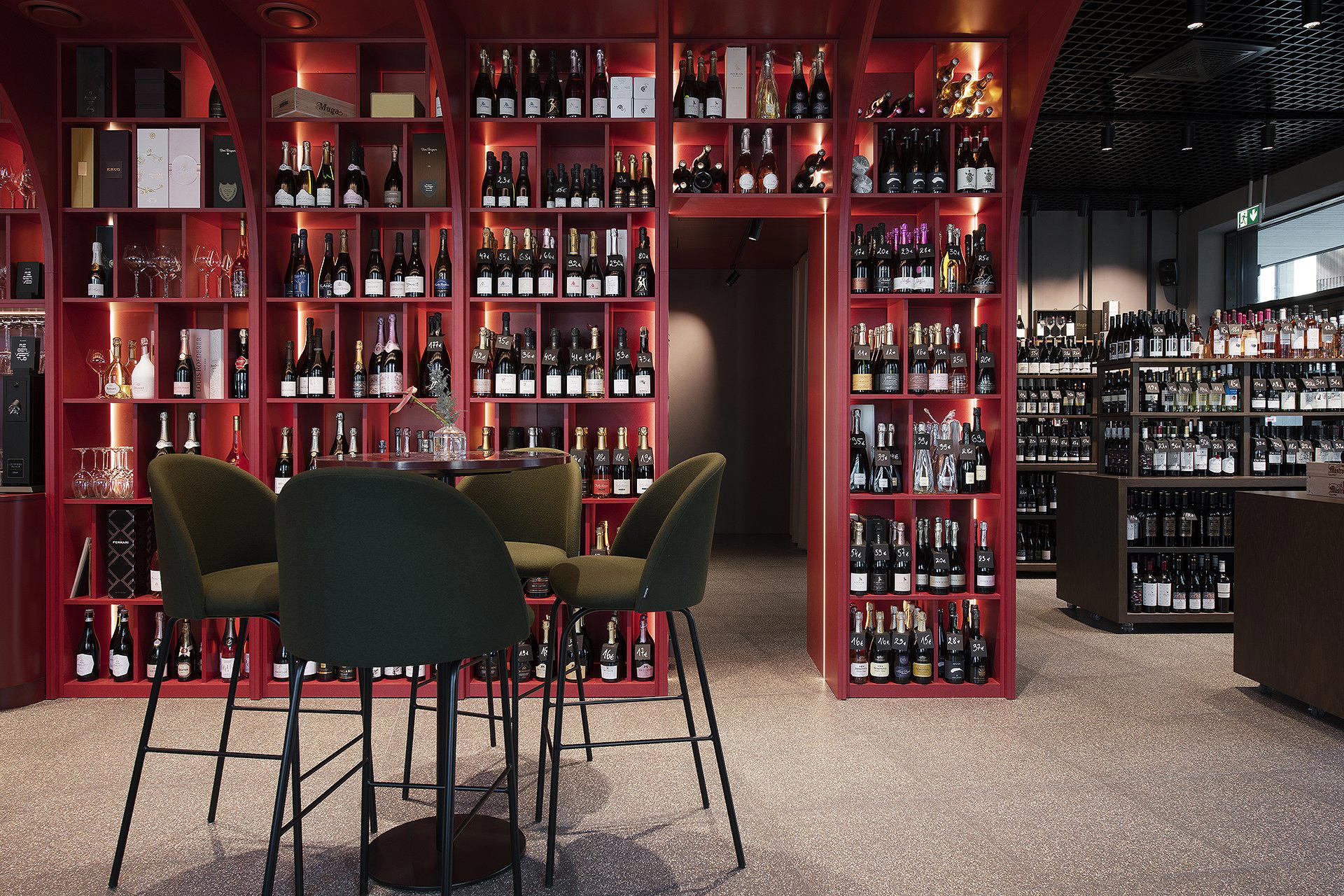
At a Glance
- Modern
- Trendy
- Cozy
- Casual Hangout
- Open Kitchen
- Local Sourcing
Current opening hours
- Monday
- 11 AM–9 PM
- Tuesday
- 11 AM–9 PM
- Wednesday
- 11 AM–9 PM
- Thursday
- 11 AM–9 PM
- Friday
- 11 AM–9 PM
- Saturday
- 11 AM–9 PM
- Sunday
- 11 AM–8 PM
Hours can change for holidays and private events. Last verified .
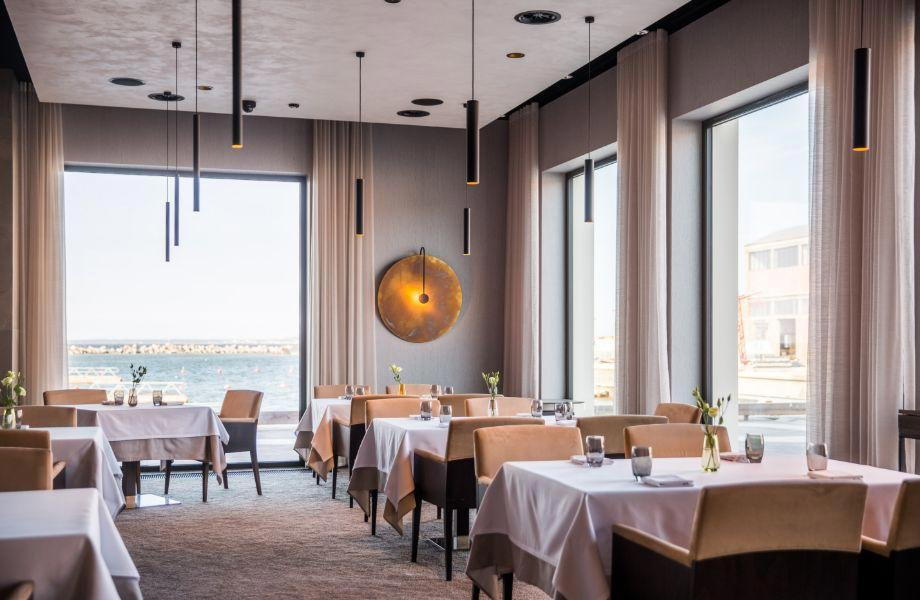
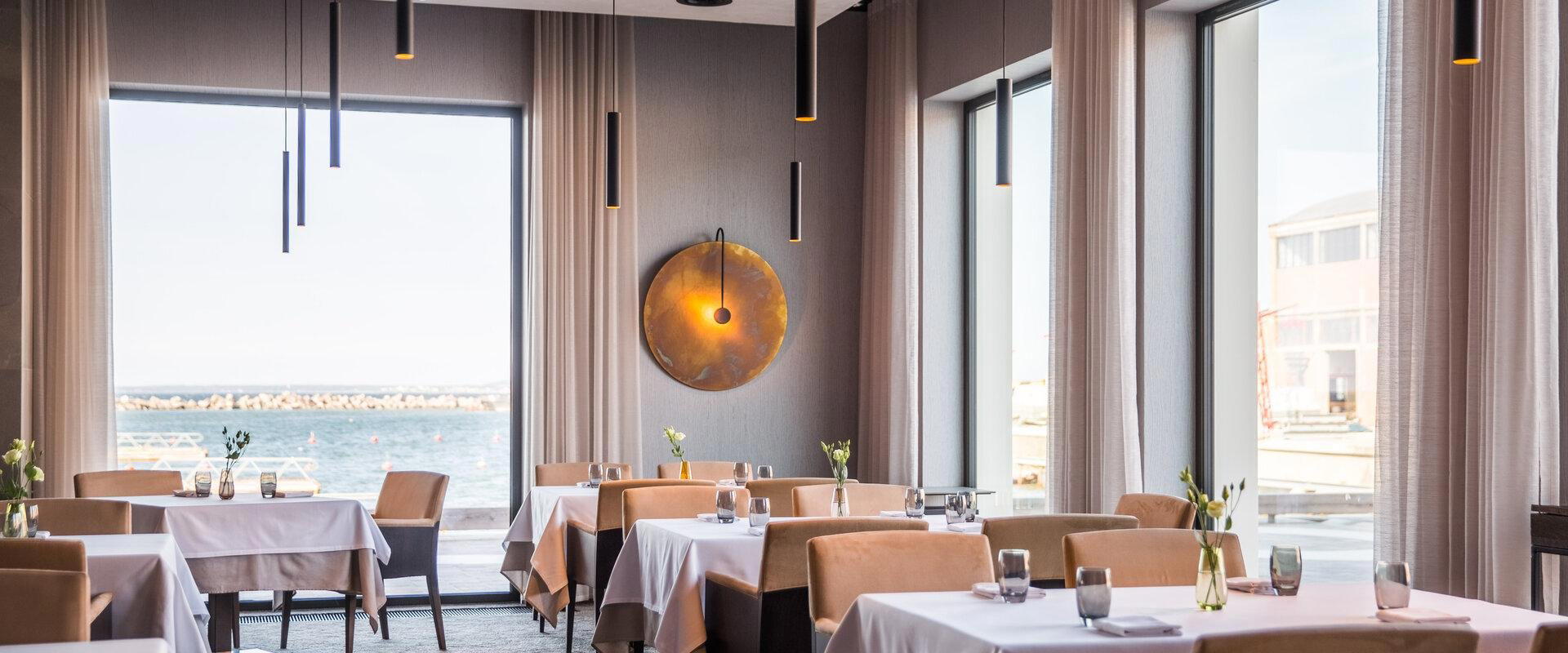
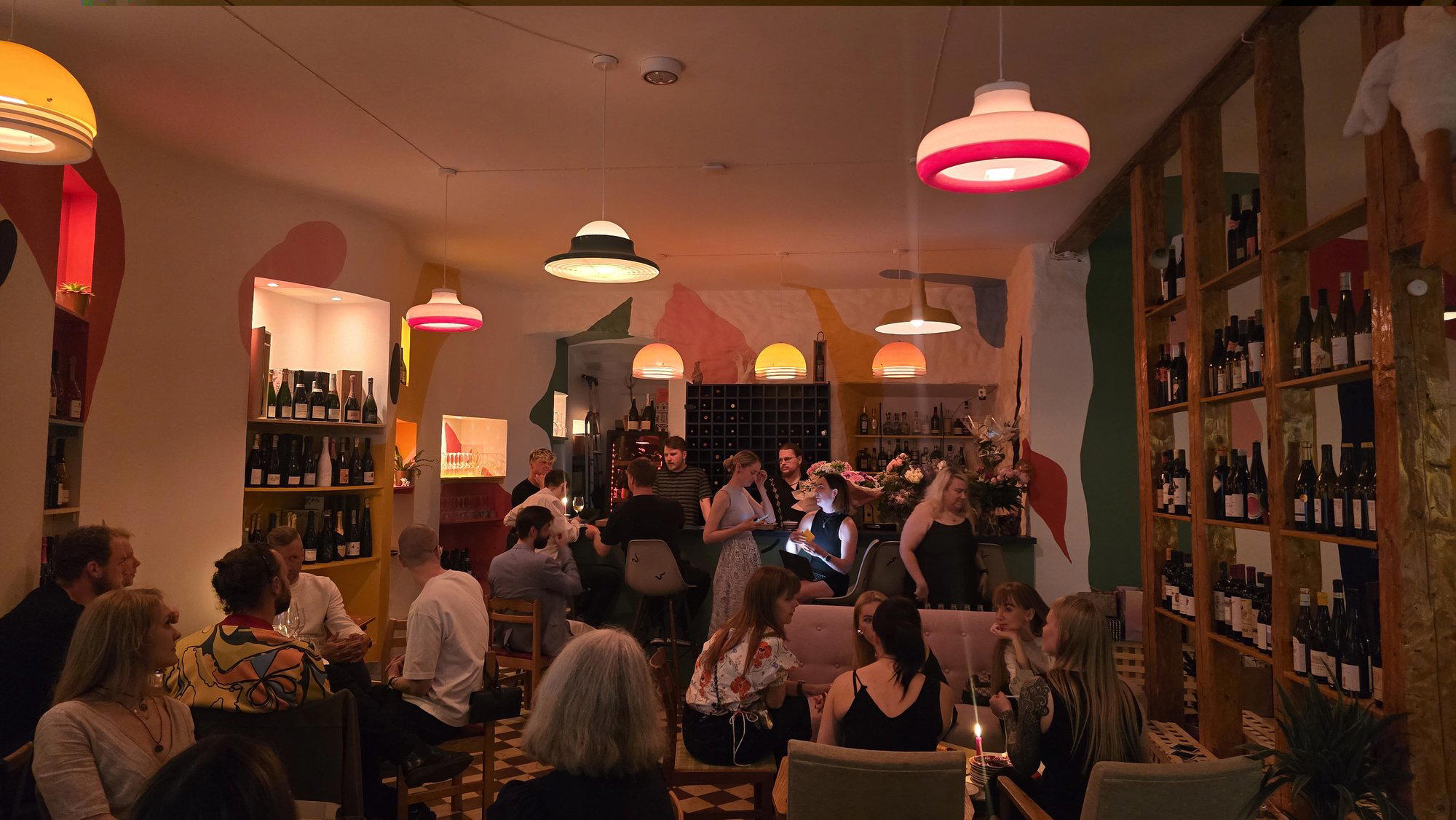
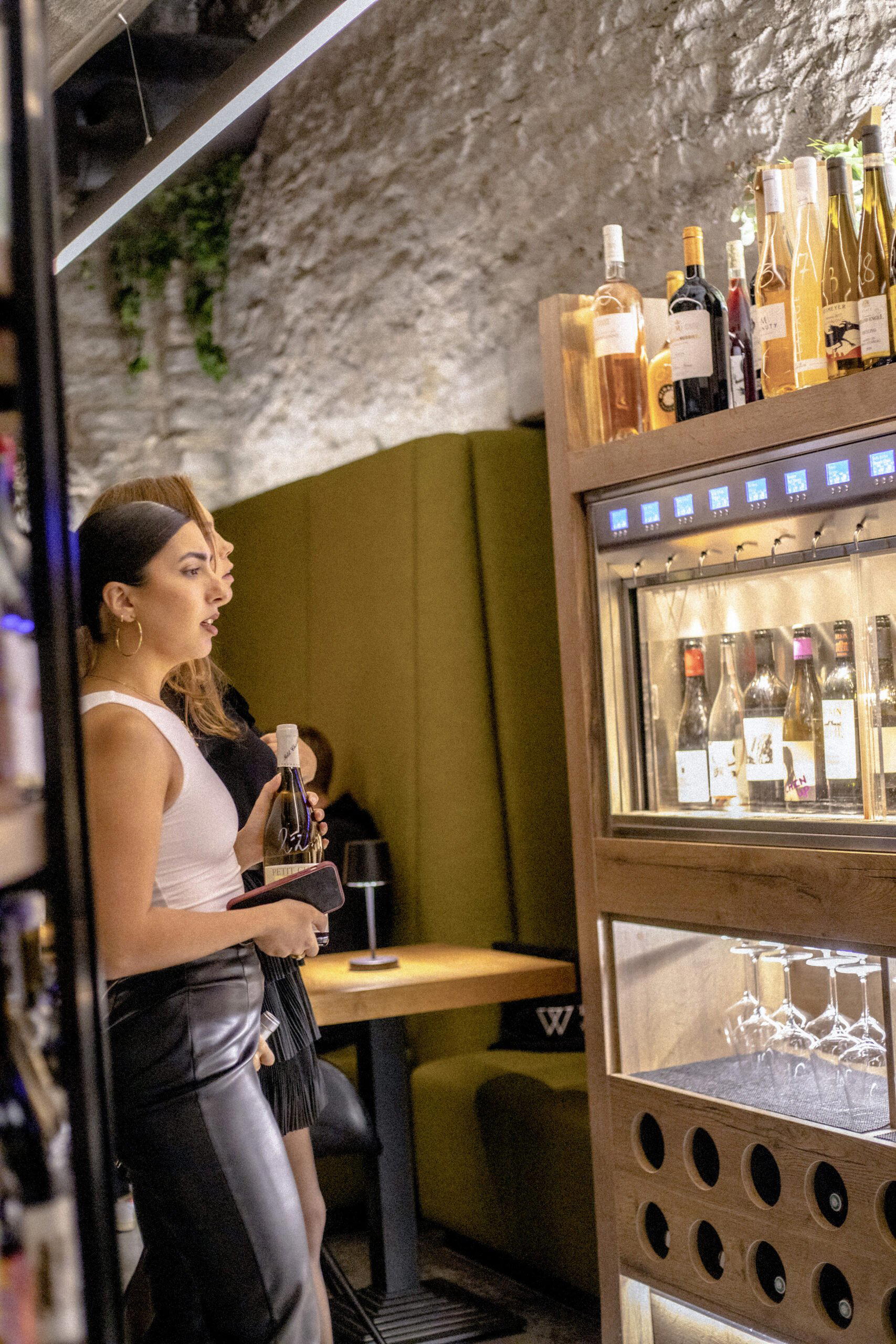
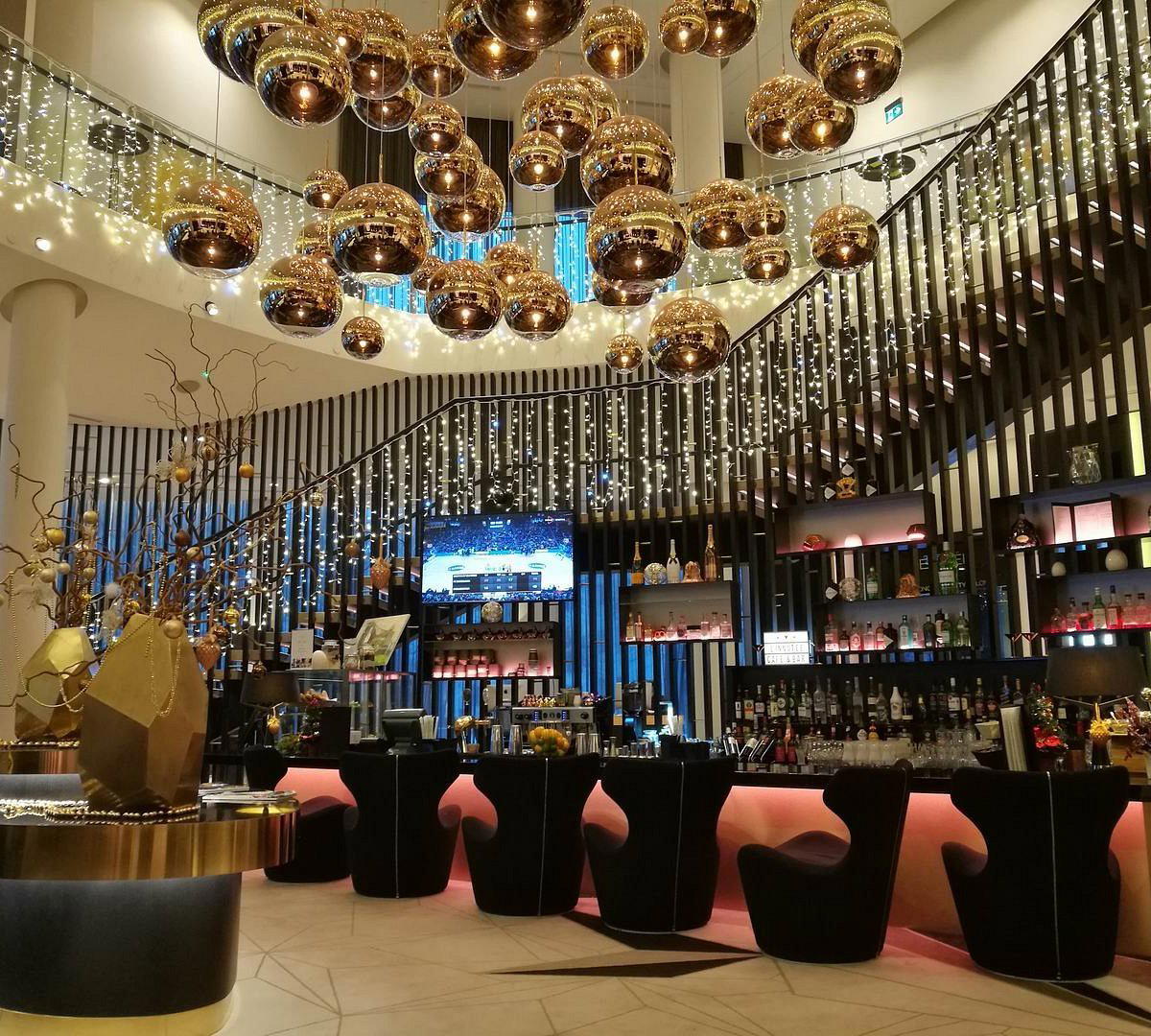
Trendy and modern interior with pleasant atmosphere, though some locations feel basic like a supermarket kiosk.