Kanuti Fusion Kitchen sits within Tallinn's expanding creative dining scene, where Baltic ingredients meet techniques drawn from further afield. The restaurant operates in a city whose food culture has shifted decisively toward international reference points without abandoning local produce. For visitors mapping Tallinn's mid-to-upper dining tier, it represents a relevant entry point into that conversation.

Pearl is the En Primeur Club membership app — saves, bookings, and concierge access live there. Same editors, same standards.
Where Tallinn's Fusion Conversation Is Happening
Tallinn's Old Town has spent the better part of a decade sorting itself into two distinct dining registers: the tourist-facing amber-lit taverns serving elk stew and dark bread, and a quieter, more considered tier of kitchens working at the intersection of Baltic produce and international technique. Kanuti Fusion Kitchen is a Japanese ramen restaurant in Tallinn, priced at about €15 per person, and it operates in a city where the word "fusion" has shed most of its late-1990s baggage and come to mean something more precise: the application of technical frameworks from Asian, Mediterranean, or Nordic traditions to ingredients that are genuinely local in origin.
That shift matters more in Tallinn than in many European capitals. Estonia's food culture was, for decades, defined by necessity and Soviet-era supply chains rather than culinary ambition. The turn toward creative cooking happened relatively quickly and relatively recently, which means restaurants working in a fusion register here are drawing on a tradition that is still being written. There is less accumulated convention to push against, and that creates both opportunity and risk: the leading kitchens in this space are defining the terms, while the weaker ones can drift without a clear reference point.
The Cultural Logic of Fusion Cooking in a Baltic Context
To understand where Kanuti Fusion Kitchen sits, it helps to understand what fusion actually means in an Estonian context. The country's larder is specific: foraged mushrooms and berries, cold-water fish from the Baltic and inland lakes, rye in its many forms, dairy from small producers, game that runs to elk and boar. These are not neutral ingredients. They carry flavour profiles that resist certain international frameworks and align naturally with others. Japanese technique, with its emphasis on restraint and the integrity of individual components, tends to work well with Baltic fish. Nordic smoking and fermentation traditions translate cleanly because they share a climate logic. Mediterranean approaches require more translation.
The fusion kitchens that have earned sustained attention in Tallinn tend to be the ones that understand this ingredient logic rather than imposing technique for its own sake. 180° by Matthias Diether operates at the premium end of this spectrum, priced at €€€€ and working Estonian ingredients through a rigorous European fine-dining framework. NOA Chef's Hall, also at the €€€€ tier, approaches similar territory with a tasting-menu format and creative ambition that has placed it among the city's most discussed tables. These are the upper anchors of the category. Below them, a wider range of restaurants is doing the actual work of making fusion cooking accessible to a broader dining public in Tallinn, and that is the space where kitchens like Kanuti Fusion Kitchen operate.
Tallinn's Mid-Tier Creative Scene
The mid-tier of Tallinn's creative dining scene is where particularly interesting decisions are being made right now. At the premium level, the format constraints of tasting menus and high price points create a certain conservatism: chefs play to a known audience with known expectations. At lower price points, the creative ambition is harder to sustain. The middle ground is where kitchens have enough budget to source interesting produce and experiment with technique, while remaining accessible to a dining public that is still forming its tastes in this area.
For context, 38 and Bocca both occupy portions of this creative middle ground, each approaching Estonian-adjacent cooking from a different angle. 180 Degrees Restaurant offers another reference point in the city's evolving creative register. What can be said with confidence is that any kitchen working in this space in Tallinn is participating in a scene that has real momentum and genuine critical interest from both local and international observers.
Estonia Beyond Tallinn: The Broader Dining Picture
It is worth noting that Estonia's creative dining conversation is not confined to the capital. Towns including Tartu, Narva, Viljandi, and smaller coastal settlements have developed their own distinct food cultures, often with a stronger connection to hyper-local produce and a less self-conscious approach to fusion. Eva Sushi in Tartu represents one version of international cuisine taking root in a provincial Estonian city. Kohvik in Viljandi and Kolm. Restoran in Voru each demonstrate that the appetite for considered cooking extends well beyond Tallinn's Old Town and Kalamaja neighbourhoods. Along the coast, KABE Beach in Kaberneeme, Wana Kala Kõrts in Neeme, and Valgeranna Veinitall in Audru each offer a different relationship between Estonian landscape and plate. In the east, Kohvik Kaar in Narva and Franzia in Narva Joesuu reflect the influence of Russia's proximity on Estonian food culture. Even beyond Estonia's borders, the fusion conversation connects to places like Everest Thai/Nepalese Restaurant in Parnu, which shows how international reference points are distributed across the country. For international visitors interested in how global technique lands in genuinely local contexts, both Le Bernardin in New York City and Atomix in New York City offer useful reference points for how the leading kitchens handle the intersection of technique and ingredient integrity at the highest level. Kuur in Vihtra rounds out the picture of Estonian dining operating thoughtfully outside the capital.
Planning Your Visit
Tallinn's dining scene is compact enough that most of the city's notable restaurants are within reach of each other, particularly in and around the Old Town and the creative Kalamaja district. Visitors planning a serious eating itinerary in Tallinn should consult our full Tallinn restaurants guide for a mapped view of the scene. For the restaurant specifically, current hours and menu format are not listed here. The restaurant is walk-in friendly.
A Pricing-First Comparison
Comparable venues nearby, for context on price, style, and recognition.
| Venue | Cuisine | Price |
|---|---|---|
| Kanuti Fusion KitchenThis venue — the venue you are viewing | Old Town, Japanese Ramen | $$ |
| Sushi Guru | Lasnamäe, Japanese Sushi | $$ |
| Monster Pizza | Mustamäe, Italian Sourdough Pizza | $$ |
| Kanuti Ramen | Old Town, Authentic Japanese Ramen | $$ |
| Võru | Pirita, Modern Estonian | $$ |
| Freya Foodbar | Lasnamäe, Sustainable Healthy Fast Food | $$ |

At a Glance
- Cozy
- Modern
- Casual Hangout
- Date Night
- Open Kitchen
- Beer Program
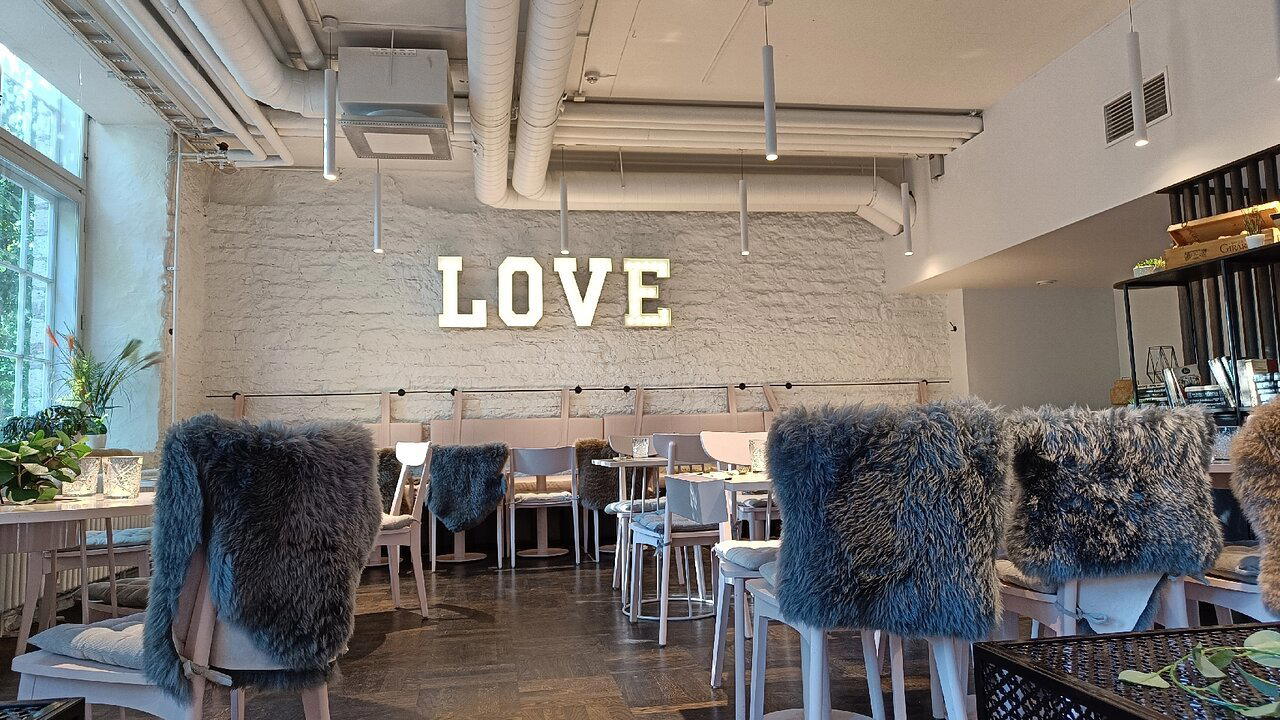
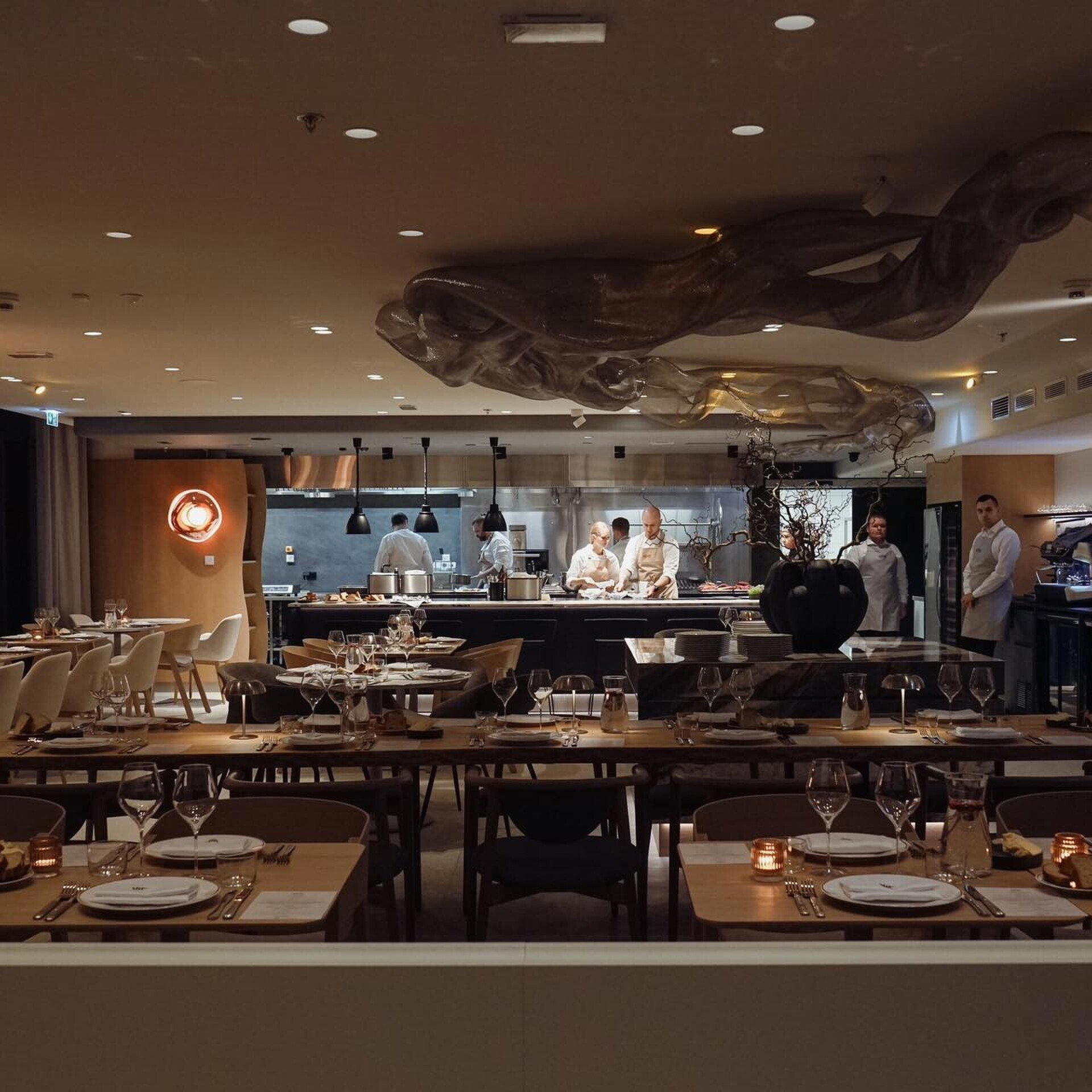
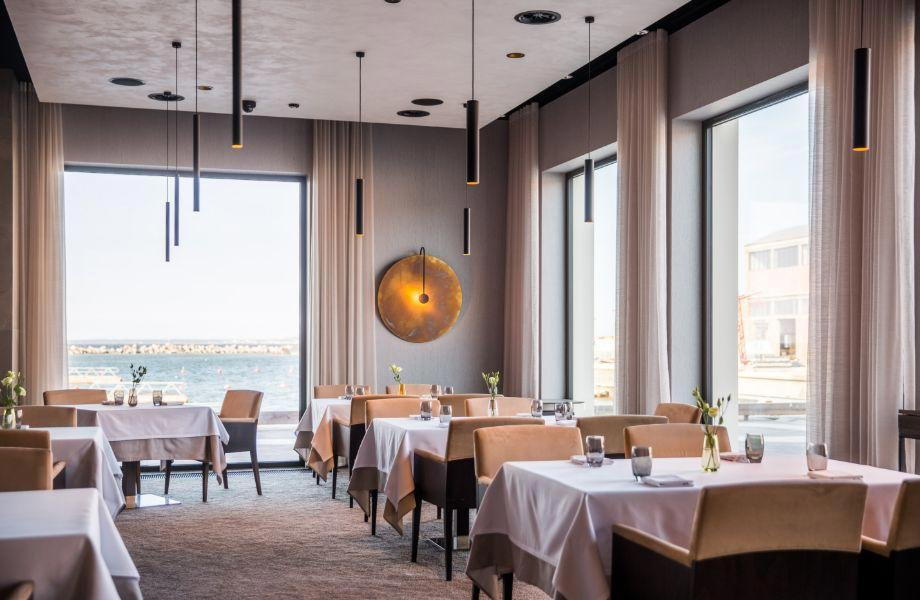
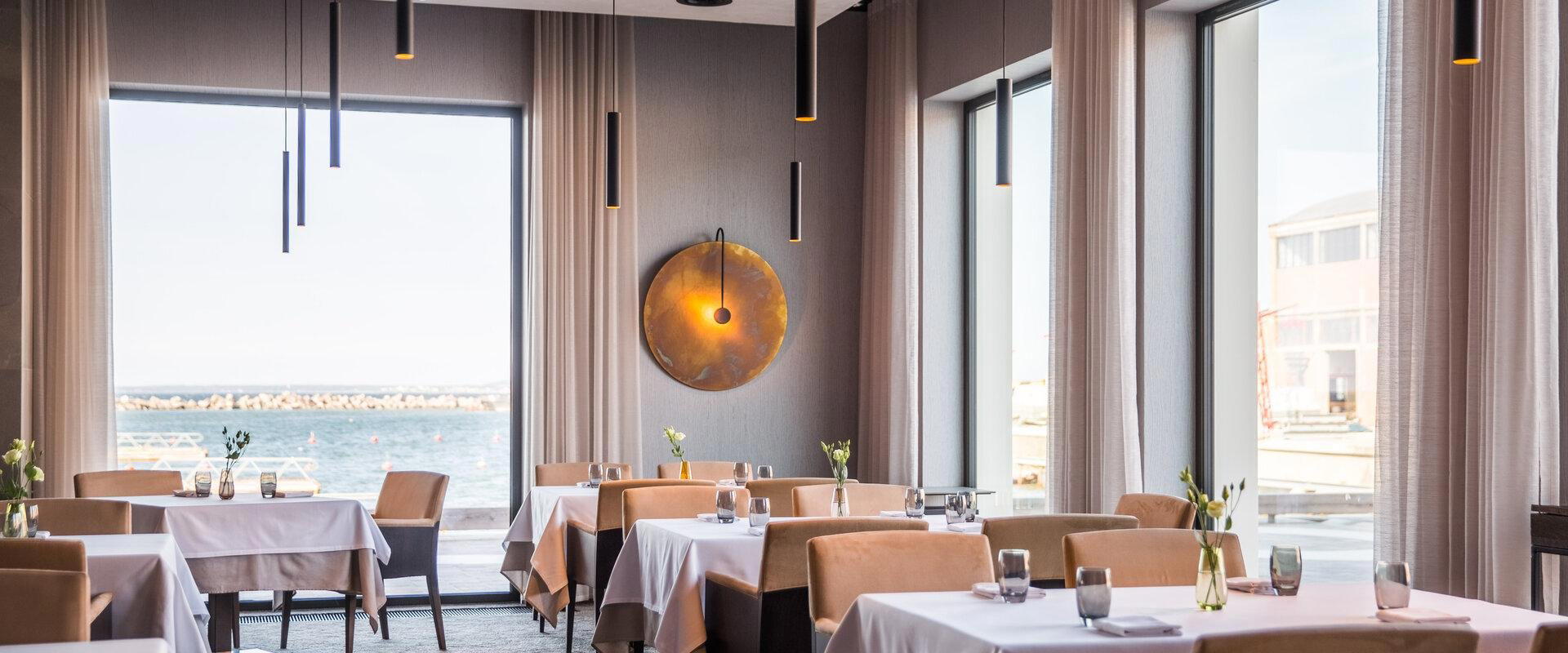
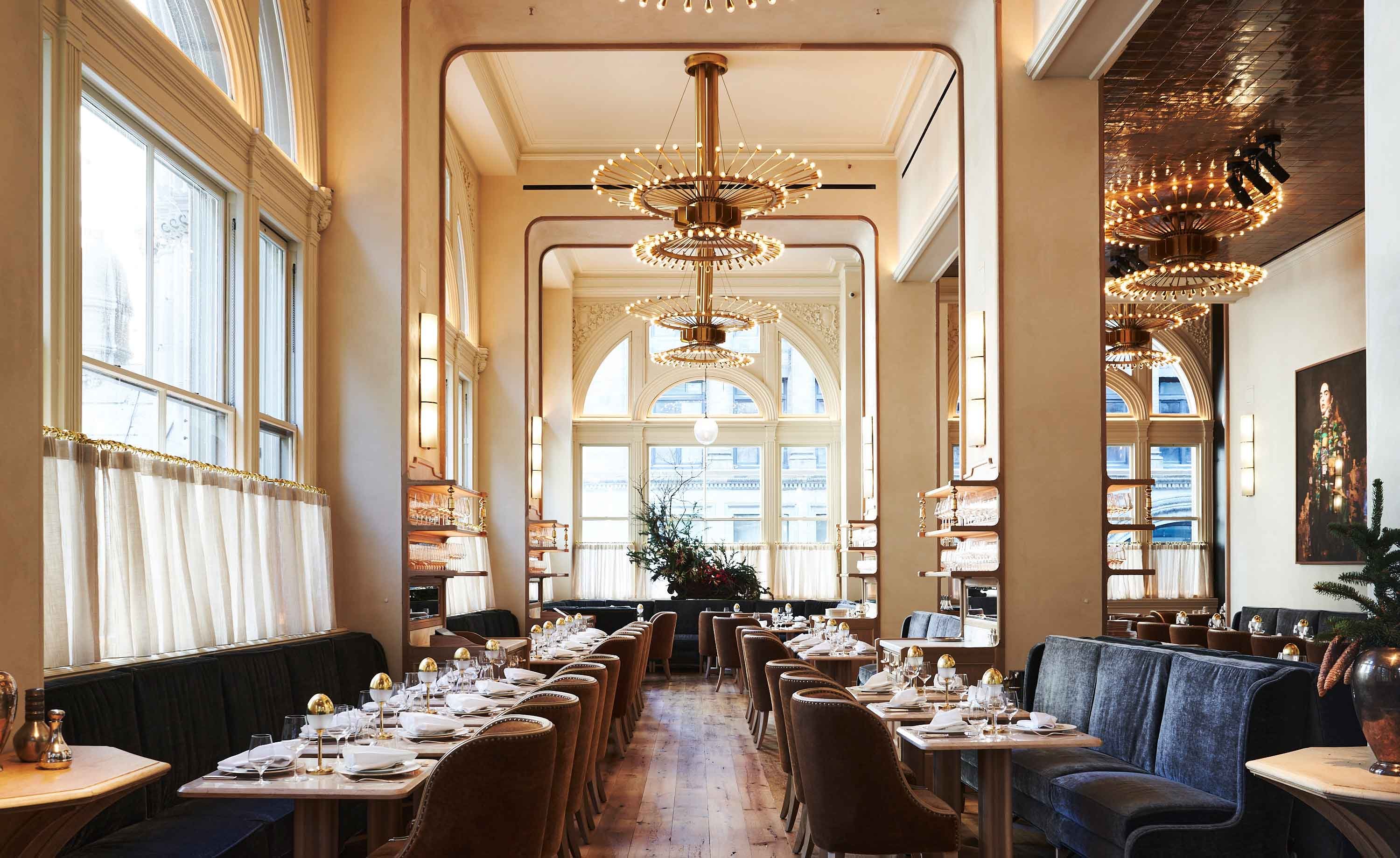
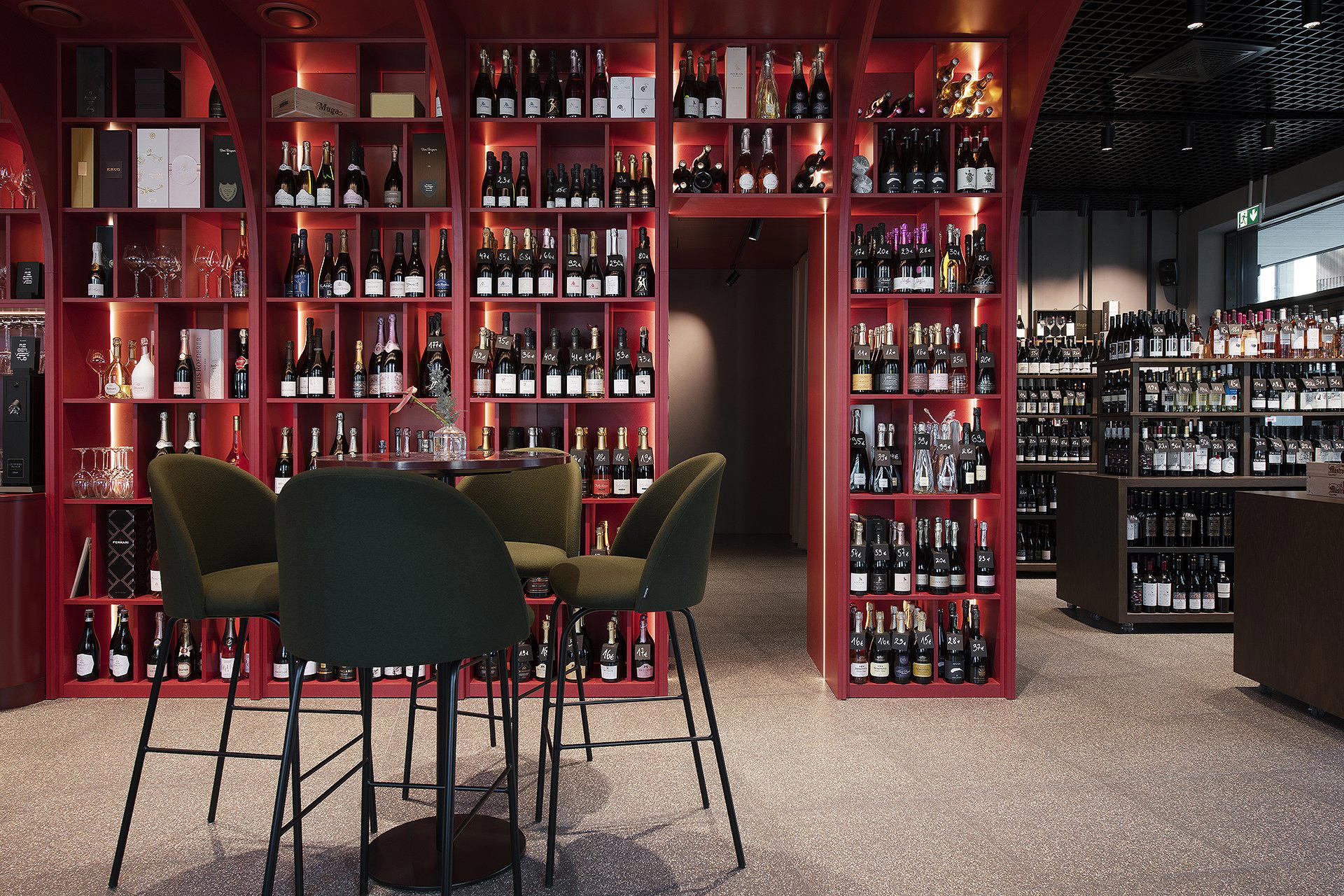
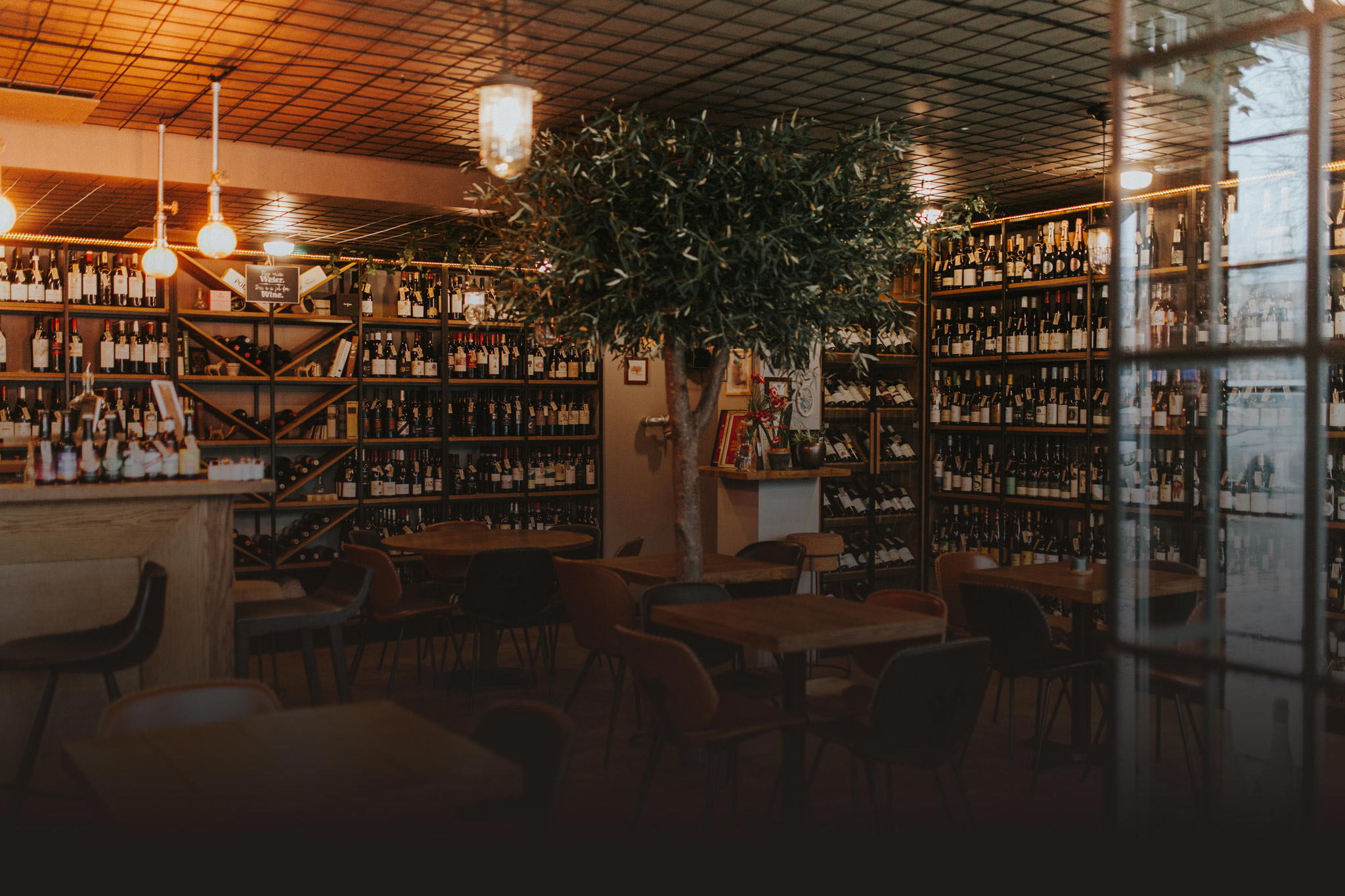
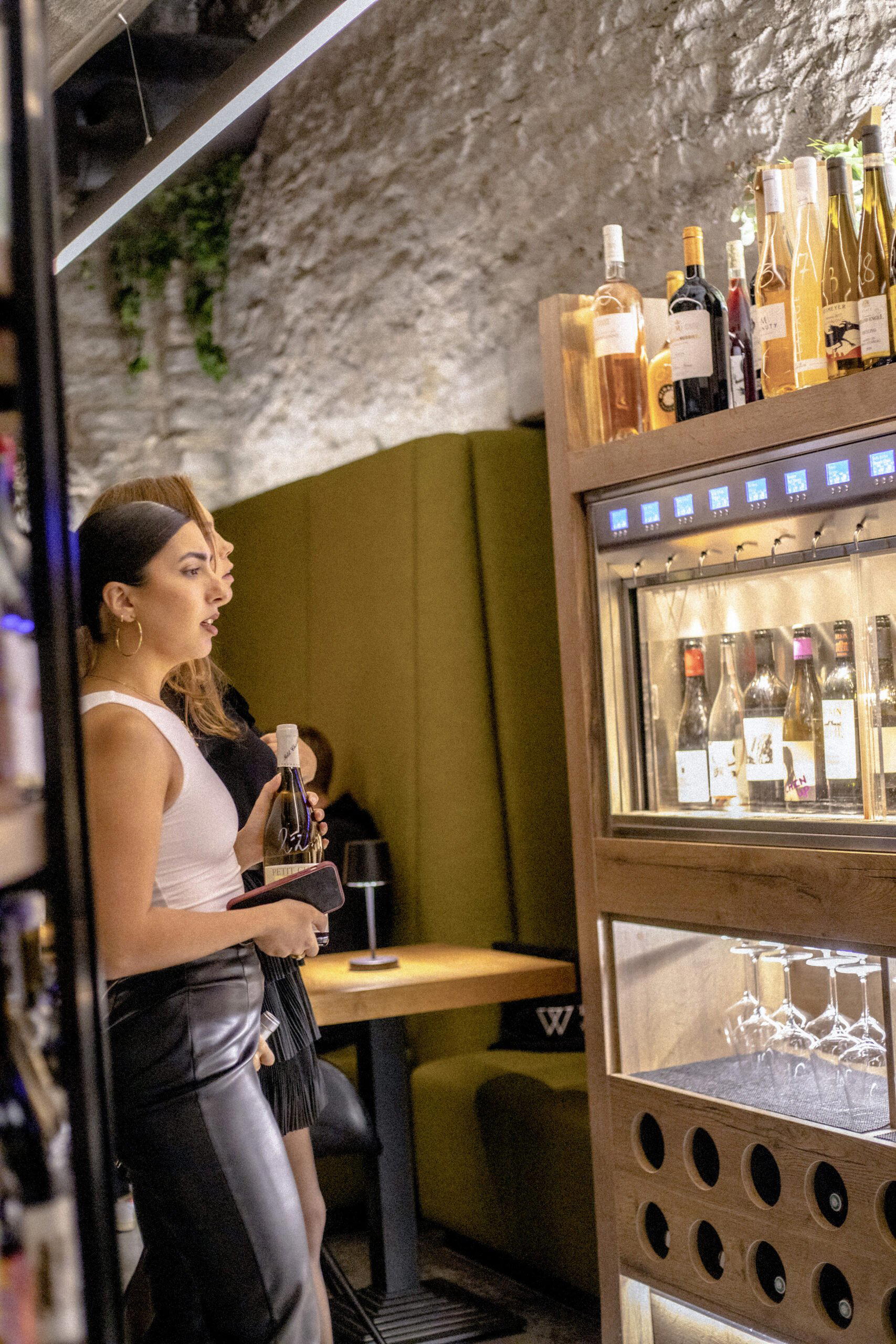
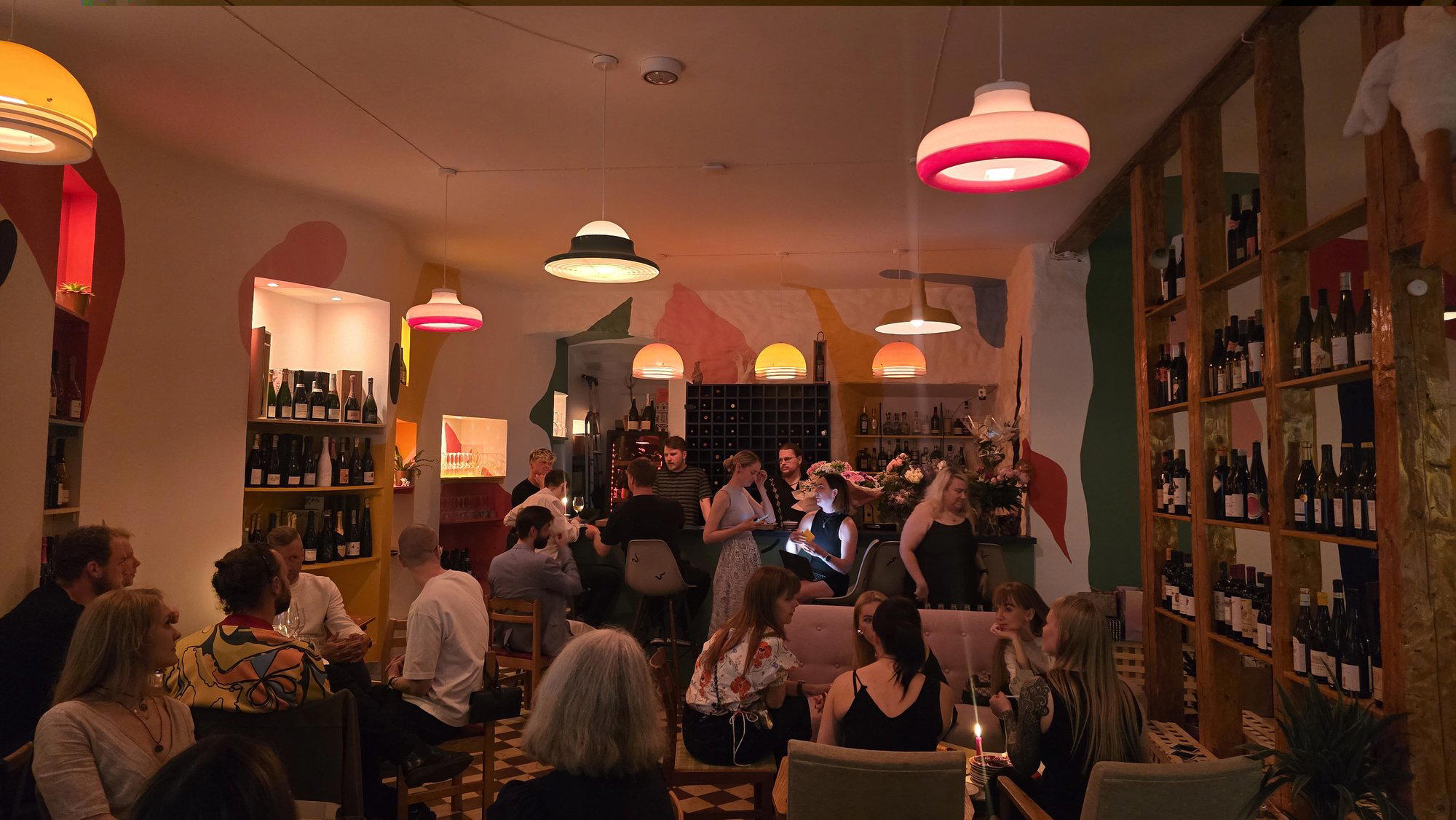
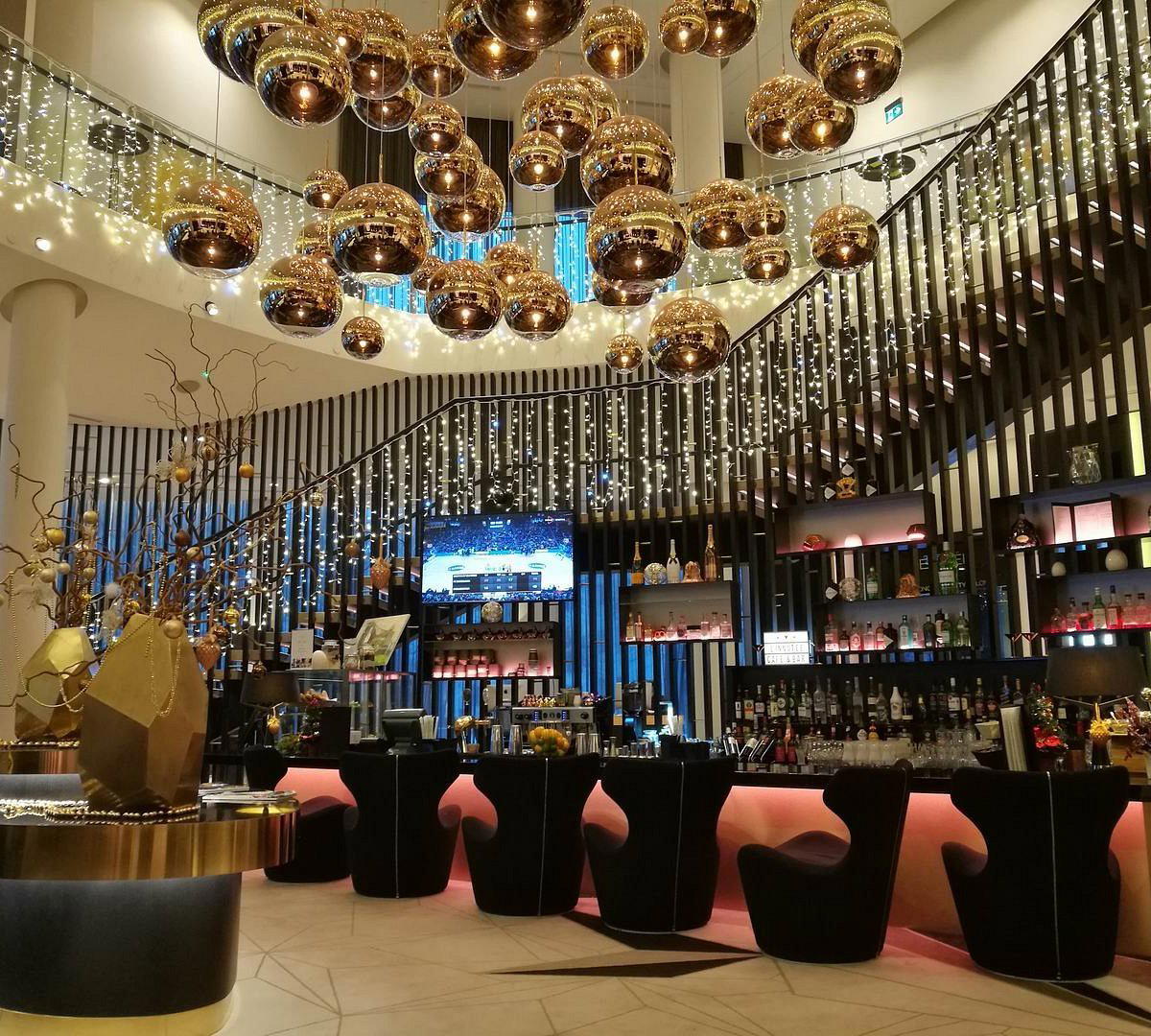
Cozy atmosphere with stylish decor, bar seating, good music, and an inviting feel.