
Michelin Bib Gourmand
Our verdict
Set up by three friends in a bright yellow building just outside central Tallinn, Vesta brings energy and a sense of fun to the Estonian dining scene. The compact menu shifts with the seasons, centring on Nordic ingredients and shareable plates served around a lively communal counter.

Pearl is the En Primeur Club membership app, where members save venues, book tables and use the concierge.
The menu
What to order
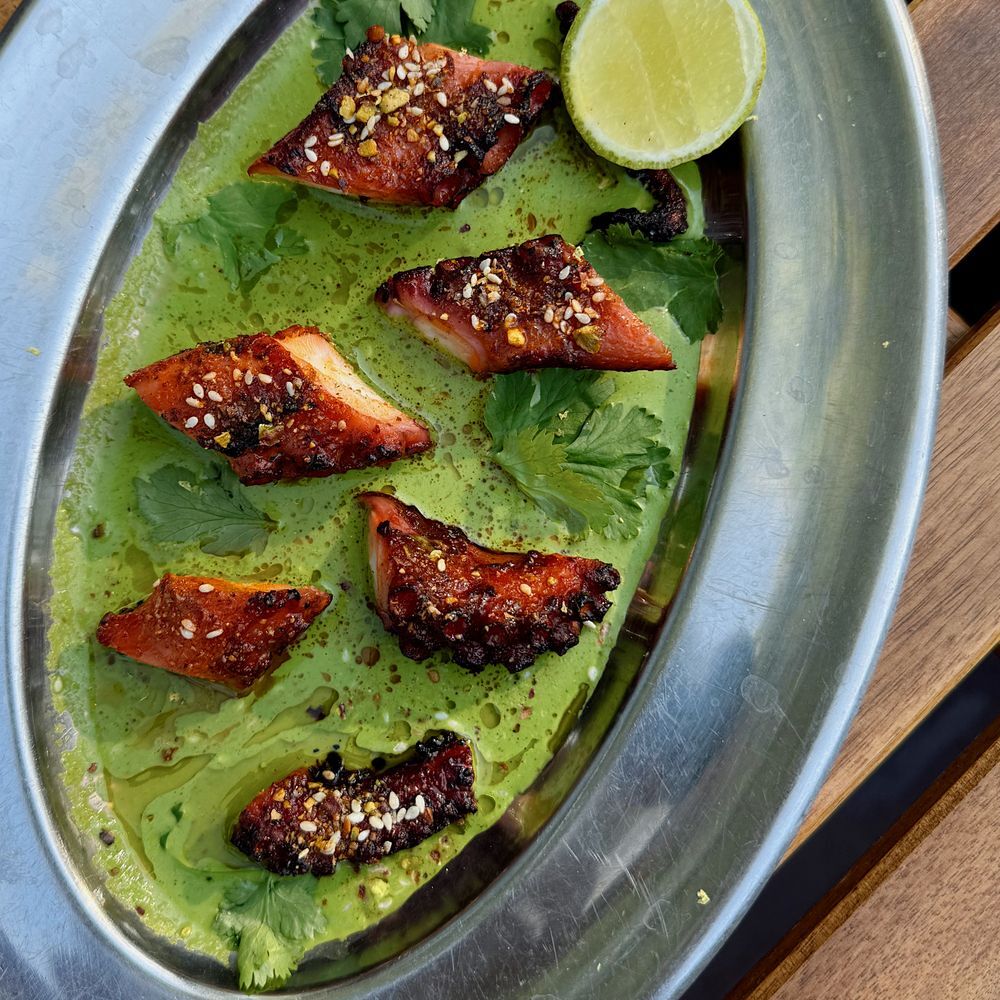
- Ceviche with leche de tigre, pistachio and jalapeño
- Beef tartar with Café de Paris and onion
- Grilled cabbage with cauliflower cream and trout roe
- Steak and fries with green pepper sauce
- Chocolate mousse with olive oil and hazelnut
The bright yellow building on Tööstuse sits a short drive or tram ride from Tallinn's medieval core, in a light-industrial pocket where warehouses meet residential blocks. Vesta occupies the ground floor, and the colour choice, sunny, deliberate, signals the kind of casual confidence that runs through the entire project. Three friends opened the restaurant with the goal of creating a place where the team enjoys working as much as guests enjoy eating, and that ethos shows in the room's animated hum and the service team's ease.
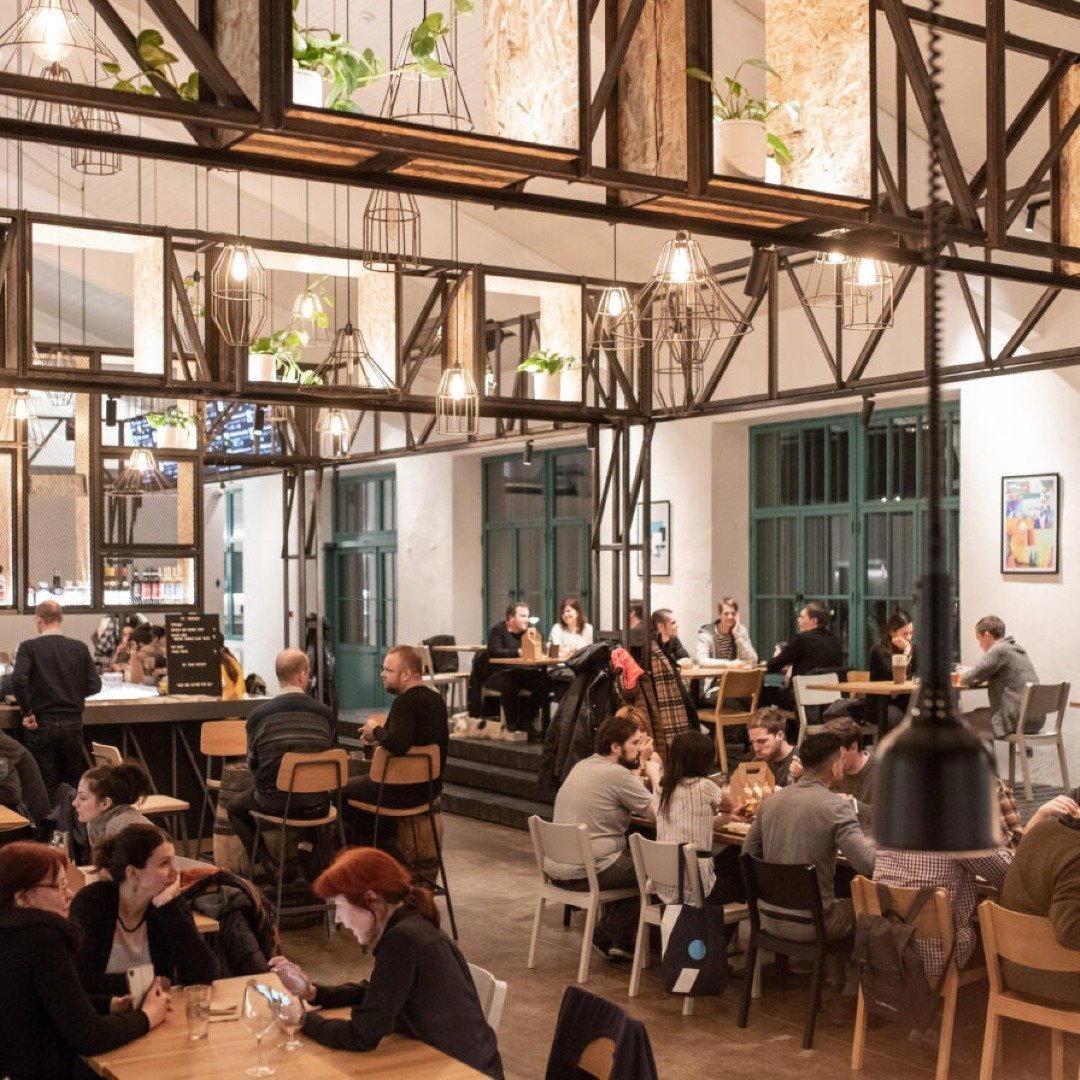
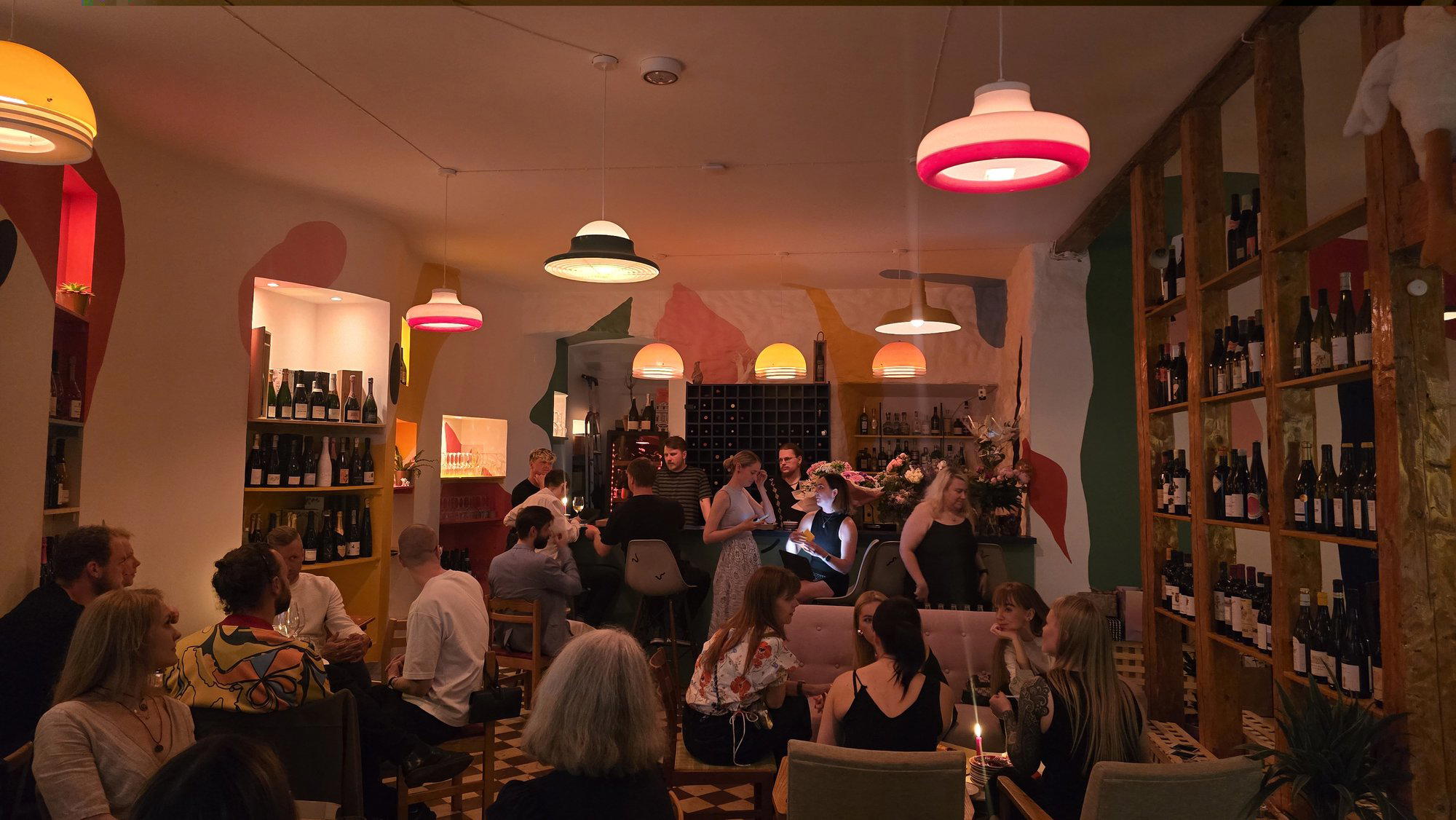
Inside, the centrepiece is a long communal counter with seating on both sides, giving diners a direct view of the kitchen. It's a deliberate choice: the format encourages conversation, both with strangers and with the chefs plating in front of you. The room is informal but considered, with natural wood, neutral tones, and just enough warmth to make a winter evening feel expansive. The soundtrack skews indie; the lighting is low but functional. It's the kind of space that works equally well for a Tuesday date or a Friday group dinner.
A Compact Menu Built on Baltic and Nordic Sourcing
Vesta's menu is small, usually running to six or seven dishes, and changes with the seasons. The kitchen draws on Estonian and broader Nordic traditions, working with local fishermen for pike-perch and Baltic herring, and with smallholder farms for vegetables and game. The emphasis is on ingredient quality and minimal intervention, dishes are built to let the raw materials speak, rather than to demonstrate technical prowess for its own sake.
Pike-perch, a freshwater fish abundant in Estonia's lakes and rivers, appears with mussels and 'nduja, a pairing that balances the fish's delicate texture against the sausage's heat and the brine of the shellfish. It's the kind of dish that makes sense on paper and delivers cleanly on the plate. Another recurring item is steak frites for two, a direct bistro anchor that works because the beef is dry-aged and the fries are double-cooked. The portion is generous, the execution is consistent, and it functions as a shared centrepiece for tables that want something uncomplicated.
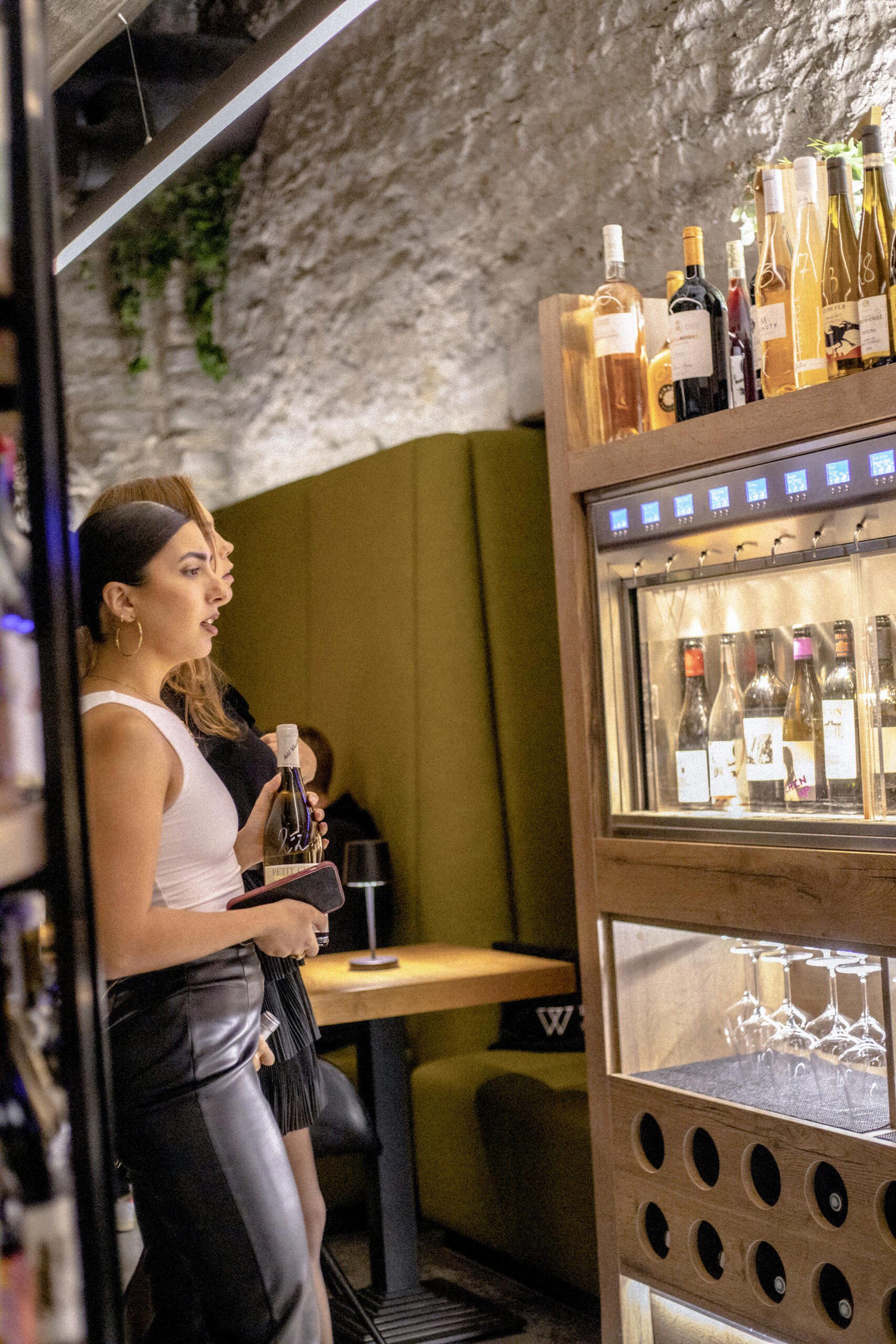
The wine list is short and European-focused, with a handful of natural wines from small producers in France, Italy, and Germany. The team is happy to talk through pairings, and the service style is conversational rather than scripted. If you're unsure what to drink, ask, they'll pour a taste before committing you to a glass.
Context and Competitive Positioning
Tallinn's dining scene has matured significantly over the past decade, with a small but growing cohort of chef-driven restaurants that work outside the Old Town's tourist circuit. 180° by Matthias Diether and Art Priori operate at a higher price point and with more elaborate tasting formats, while ANNO Home Restaurant & Wine Corner leans into a more intimate, reservation-only model. Vesta sits in a different lane: it's walk-in friendly, the menu is à la carte, and the vibe is distinctly social. It's closer in spirit to the kind of neighbourhood bistro you'd find in Berlin or Copenhagen than to the fine-dining templates that dominate high-end European capitals.
The location outside the centre is both an asset and a constraint. It filters out casual foot traffic, which means the room fills with locals and visitors who've done their research. That self-selecting audience tends to arrive prepared to engage with the food and the format. The downside is that Vesta doesn't benefit from the visibility or convenience of a Rotermann Quarter or Kalamaja address, and getting there requires a taxi or a deliberate public-transport plan. For those staying in central Tallinn, budget fifteen minutes by car or twenty-five by tram.
The restaurant's recognition, highlighted in the Michelin Guide's "something a little special" commentary, positions it as a serious player in the city's evolving dining culture. That acknowledgment matters less for tourists than for the Estonian audience, for whom Michelin visibility is still relatively new and signals a restaurant worth defending. Vesta's inclusion in the guide also places it in the same conversation as 180 Degrees Restaurant and 38, both of which work with similar ingredient sourcing but different service structures.
Casual, counter-focused format also connects Vesta to a broader Nordic trend toward informal fine dining, where the food is ambitious but the atmosphere resists stuffiness. It's a model that works well in smaller cities, where the population can't support a large number of high-ticket restaurants but will show up repeatedly for a place that feels approachable and fun. The communal counter, in particular, mirrors the open-kitchen formats at Jōdo Saké Bar in Los Angeles or Onigiri Time in Pasadena, venues where the point is to collapse the distance between diner and chef, and to make the cooking process part of the entertainment.
For a broader sense of Tallinn's restaurant landscape, see our full Tallinn restaurants guide. If you're also planning to explore the city's bar and hotel scenes, check our full Tallinn bars guide and our full Tallinn hotels guide.
Frequently asked questions
Is Vesta good for families?
Vesta's communal counter setup and lively atmosphere skew toward adult diners looking for interaction and theatre. The compact menu includes steak frites for two, which can work for older children, but the single large counter and animated service style are better suited to couples or groups of friends.
How would you describe the vibe at Vesta?
The room is animated and social, anchored by a large communal counter with two dining sides where guests can watch the kitchen work. The young service team keeps the pace relaxed but engaged, and the yellow building exterior signals the playful, friendly tone inside, closer to a neighbourhood bistro than a formal dining room.
Is Vesta award-winning?
Vesta has received recognition including: Vesta brings something a little special to the Estonian dining scene, so while the eye-catching yellow building might be located just outside the city centre, the short journey is certainly worthwhile. Set up by three friends, it’s a lively….
How do I find Vesta?
Vesta is located at Tööstuse 88, Tallinn, Harju, 10416, EST, Tallinn.
Side-by-Side Snapshot
Comparable venues by cuisine and price in the same metro.
| Venue | Cuisine | Price | Awards |
|---|---|---|---|
| Vesta | Luxury Japanese Kobe Beef Steakhouse | $500+ | Tabelog Bronze #504 |
| Kebabi Wabrik | Estonian-Style Turkish Kebab | $10–20 | Not listed |
| SADU resto | Modern Korean-Estonian Fusion | Not listed | Michelin Plate |
| Põhjala Brewery & Tap Room | Texas BBQ & Craft Beer | $20–30 | Michelin Plate |
| 180° by Matthias Diether | Modern Creative Fine Dining | $300–500 | 2 Michelin Stars · La Liste Top Restaurants |
Recognition history
Dated appearances from independent guides and award organizations, with the underlying list record or original source where available.
Michelin Bib Gourmand
Michelin
Continue exploring
More in Tallinn
Restaurants in Tallinn
All restaurants in Tallinn →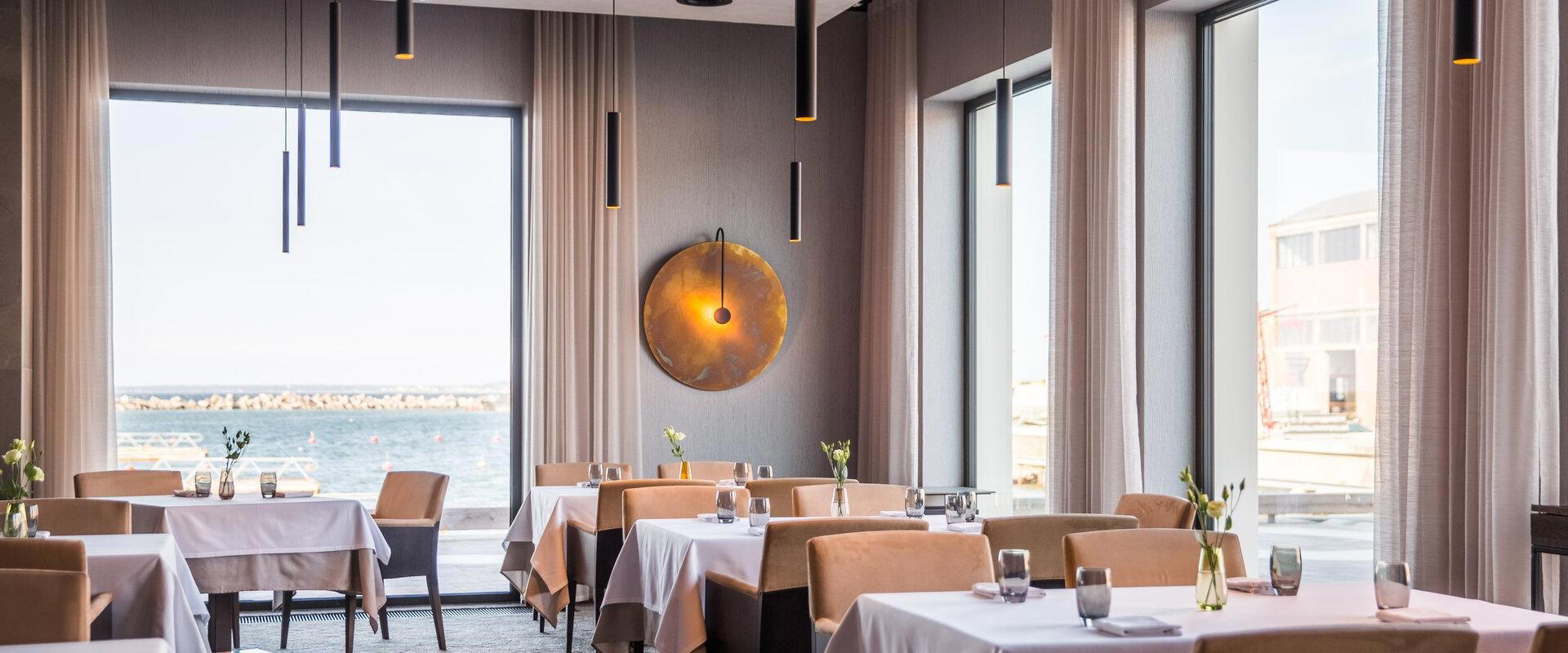
Bars in Tallinn
All bars in Tallinn →
Details
- Cozy
- Lively
- Trendy
- Intimate
- Date Night
- Casual Hangout
- Group Dining
- Celebration
- After Work
- Open Kitchen
- Standalone
- Design Destination
- Extensive Wine List
- Craft Cocktails
- Local Sourcing
- A La Carte
- Small Plates
- Wine
- Craft Cocktails
- Vegetarian Friendly
- Pescatarian Friendly
Warm and intimate neighborhood feel with an open kitchen, simple contemporary design in a former Soviet-era kiosk building, and a relaxed, friendly atmosphere that emphasizes comfort over formality.