Kati Roll Co.
Kati Roll Co. at 49 W 39th St has served Midtown Manhattan's lunch crowd since the early 2000s, translating the Kolkata street staple of spiced fillings rolled in flaky paratha into a fast-casual format that sits well outside the price tier of neighbors like Le Bernardin or Masa. The format is intentionally modest: counter service, minimal overhead, and a menu built around a single portable format that generates almost no food waste.
Pearl is the En Primeur Club membership app — saves, bookings, and concierge access live there. Same editors, same standards.
- Address
- 49 W 39th St, New York, NY 10018
- Phone
- +12127304280
- Website
- thekatirollcompany.com
- Directions
- Get directions
 Saves & bookings on Pearl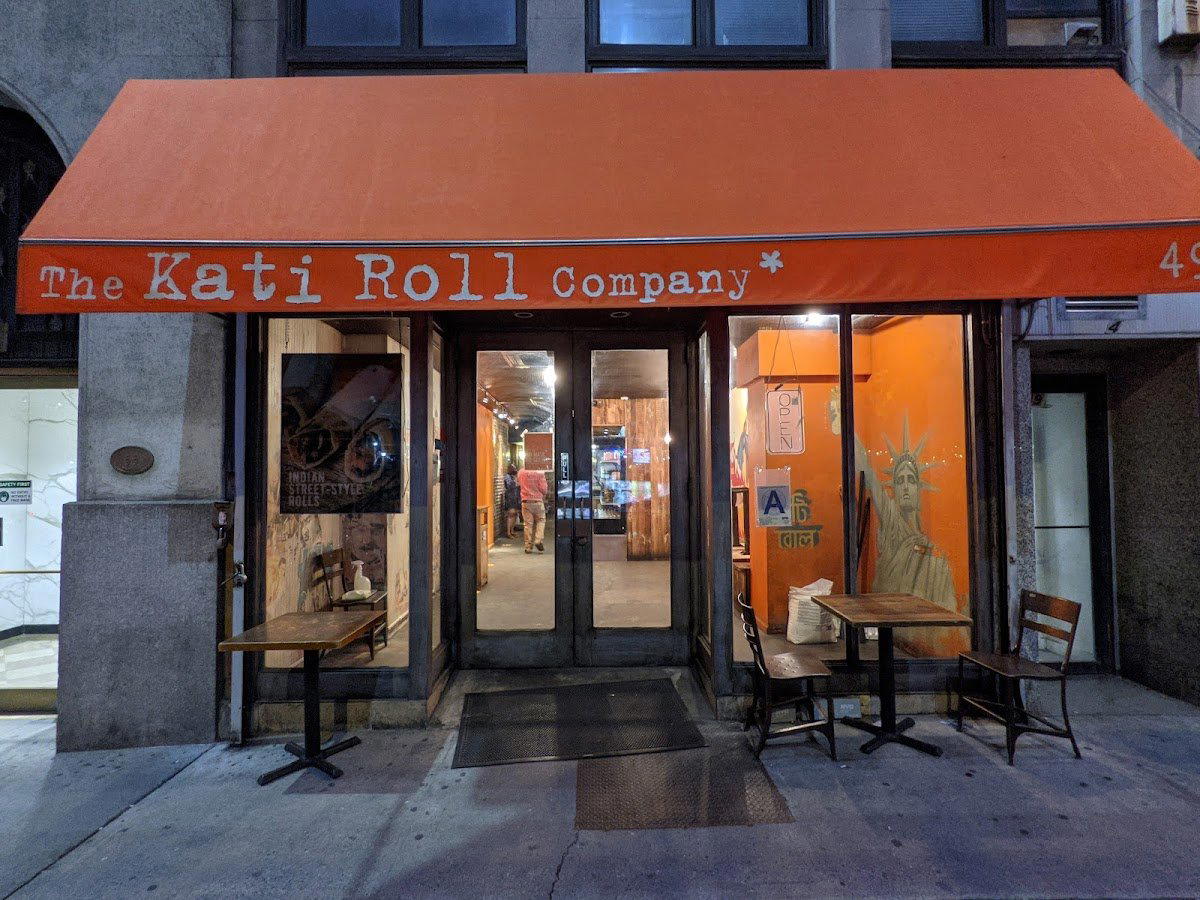
The Kolkata Roll in Midtown: A Street Format That Travelled Well
New York's fast-casual market has long rewarded formats that translate a single, well-defined street food tradition without softening it for a perceived American palate. The kati roll is one of the cleaner examples of that principle in practice. Originating in Kolkata, where vendors at Nizam's and its imitators began wrapping spiced kebab meat in paratha sometime in the early twentieth century, the format arrived in Midtown Manhattan with Kati Roll Co. which opened on West 39th Street in 2002. The address, a block from Bryant Park and two from the Garment District, put it in the path of office workers who needed a portable, affordable lunch rather than a table and a bill. That positioning has held.
The format itself does something that larger, more complex kitchens rarely manage: it produces little waste by design. A rolled paratha contains its own filling, requires no plate, generates no leftover sauce, and is eaten standing or walking. The ingredients cycle quickly, which means nothing sits long enough to spoil. In a city where restaurant food waste is measured in millions of pounds annually, a counter-service model built around a single wrapped format and a tight ingredient list operates at a structural advantage over tasting-menu kitchens running parallel mise-en-place streams for twelve courses. That is not a moral claim about any particular restaurant; it is an observation about how format shapes footprint.
What the Roll Format Does That Table Service Cannot
The kati roll occupies a different competitive tier from the Michelin-starred rooms that define New York's international dining reputation. Le Bernardin, Masa, Atomix, Per Se, and Jungsik New York all operate in the $$$$ bracket, where a single dinner can run three hundred dollars or more before wine. Kati Roll Co. functions in a different economy entirely, where the transaction is complete in minutes and the product is measured against the other things someone could buy for the same amount of money in the same block. The comparison set is the deli sandwich, the food cart, and the chain salad bar. Within that set, a properly made kati roll, with a lacey, layered paratha cooked to order, wins on both quality and specificity.
That specificity matters to any argument about sustainable food systems. A menu with genuine focus uses fewer distinct ingredients than one engineered for maximum optionality. Shorter ingredient lists mean tighter supplier relationships, easier traceability, and lower odds of over-ordering. New York's broader movement toward ethical sourcing, visible at farm-to-table destinations like Blue Hill at Stone Barns in Tarrytown or Single Thread Farm in Healdsburg, has tended to concentrate at the expensive end of the market. The structural efficiencies that support responsible sourcing are, in practice, more naturally embedded in high-turnover, single-format counters than in multi-course restaurants with elaborate supply chains.
Bryant Park Context and Midtown Lunch Patterns
The West 39th Street location is practical rather than atmospheric. Midtown Manhattan's lunch window is narrow, most office workers eat between noon and two, and the density of people in a two-block radius around Bryant Park during that period is among the highest of any commercial district in the country. Counter-service formats designed for rapid throughput are better suited to that context than anything requiring a reservation or a wait for a table. This is not a neighbourhood known for destination dining in the way that the West Village or the Lower East Side are; it is a working district that rewards speed, quality at price, and the ability to eat while moving. Kati Roll Co. was placed for exactly that use case.
For visitors building a broader picture of New York's dining range, the city's different registers run from ambitious tasting formats to the fast-casual counters that define how most people actually eat most days. Understanding where a kati roll counter fits in that range is part of reading a food city accurately.
The Wider Fast-Casual and Ethical Sourcing Picture
Across American cities, the conversation about environmental responsibility in restaurants has concentrated on fine-dining kitchens partly because those kitchens have the margin to absorb the premium cost of certified or traceable ingredients. Providence in Los Angeles, Addison in San Diego, and Bacchanalia in Atlanta have each built sourcing narratives around relationships with specific farms or fisheries. The same conversation is harder to have at street-food scale, where margins are thin and the sourcing chain is less visible. What fast-casual formats can claim, though, is operational leanness: fewer SKUs, faster turnover, smaller physical footprint, and a format that does not depend on tablecloths, printed menus, or the kind of service infrastructure that multiplies a restaurant's resource consumption.
Beyond New York, it is worth noting how the kati roll has fared in cities less accustomed to South Asian street food as a lunch staple. Emeril's in New Orleans or Lazy Bear in San Francisco represent the kind of chef-driven, narrative-heavy dining that dominates food media; the kati roll counter represents the quieter end of immigrant food culture, where the story is carried by the food itself rather than by press releases or tasting menus. That quietness is also part of why these counters rarely appear in the same editorial conversation as starred rooms, despite serving food of comparable technical care within their format.
For reference, the international tier of fine dining, represented by restaurants like 8 1/2 Otto e Mezzo Bombana in Hong Kong or Alain Ducasse at Louis XV in Monte Carlo, and The Inn at Little Washington, operates on an entirely different economic and environmental logic. Comparing them to a Midtown roll counter is not useful as a critical exercise; it is useful as a reminder of how wide the range of serious food actually is.
Planning Your Visit
Kati Roll Co. is located at 49 W 39th St, New York, NY 10018, in Midtown Manhattan, one block south of Bryant Park and easily reached from the B, D, F, M lines at 42nd Street-Bryant Park or the 7 at 5th Avenue. The format is counter service, which means no reservation is needed and no dress code applies. Peak hours align with the Midtown office lunch rush, so arriving before noon or after two will reduce wait times. The menu is structured around the roll format, making it a practical stop for anyone moving through Midtown who wants something specific and well-executed rather than generic.
Same-City Peers
Comparable venues nearby, for context on price, style, and recognition.
| Venue | Cuisine | Price | Notes |
|---|---|---|---|
| Kati Roll Co.This venue — the venue you are viewing | Kolkata-Style Kati Rolls | $ | Not listed |
| Kabab King | 24/7 Pakistani & Indian kebab diner | $ | Jackson Heights |
| Temple Canteen | Authentic South Indian Vegetarian | $ | East Flushing |
| Raja Sweets & Fast Food | Authentic Indian Vegetarian Fast Food & Sweets | $ | Jackson Heights |
| Bukhara Grill: Indian Spice Rave & Catering NYC | North Indian Tandoor & Curry House | $$ | Murray Hill-Kips Bay |
| Saravanaas | Authentic South Indian Vegetarian | $$ | Gramercy |
Continue exploring
More in New York City
Restaurants in New York City
Browse all →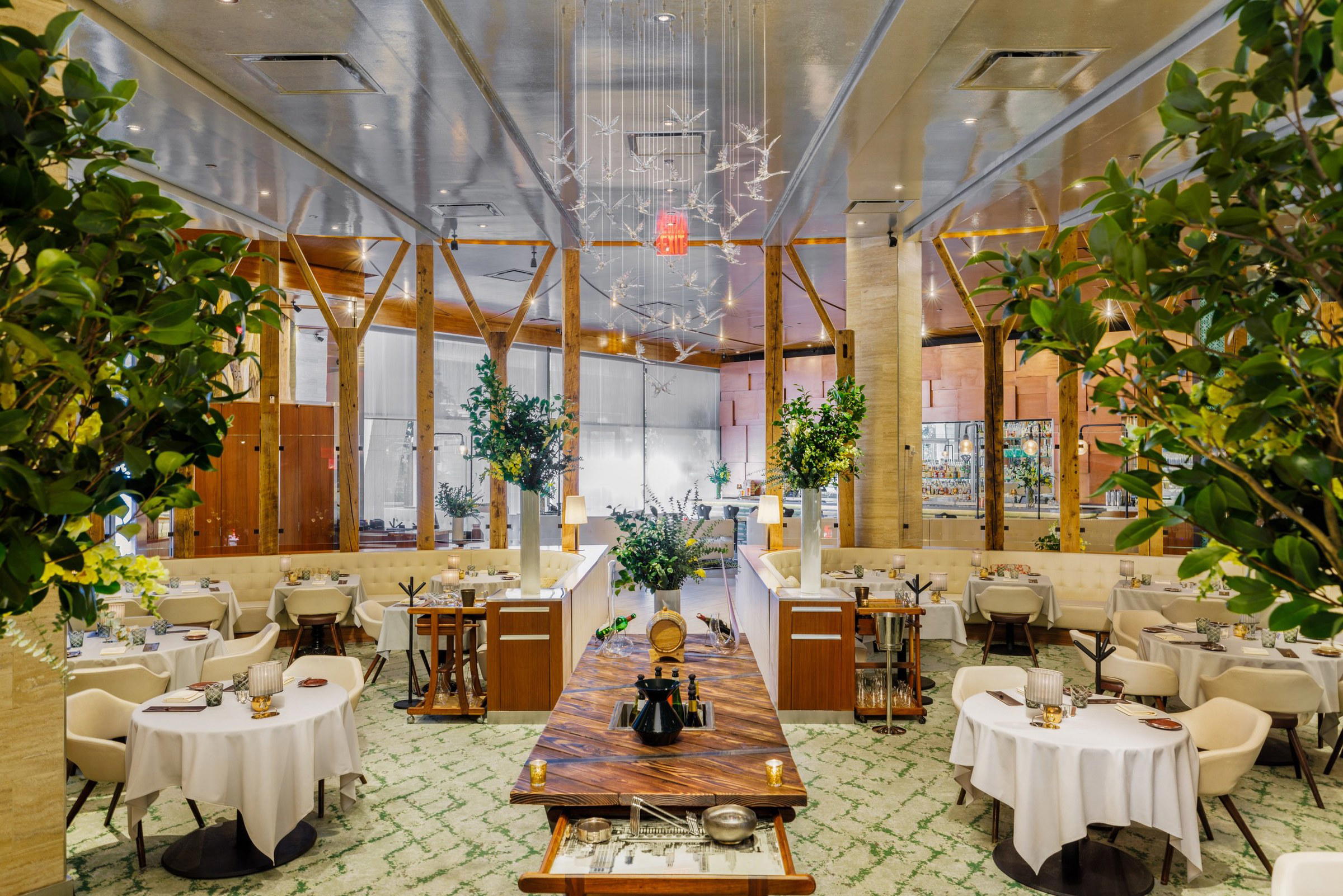
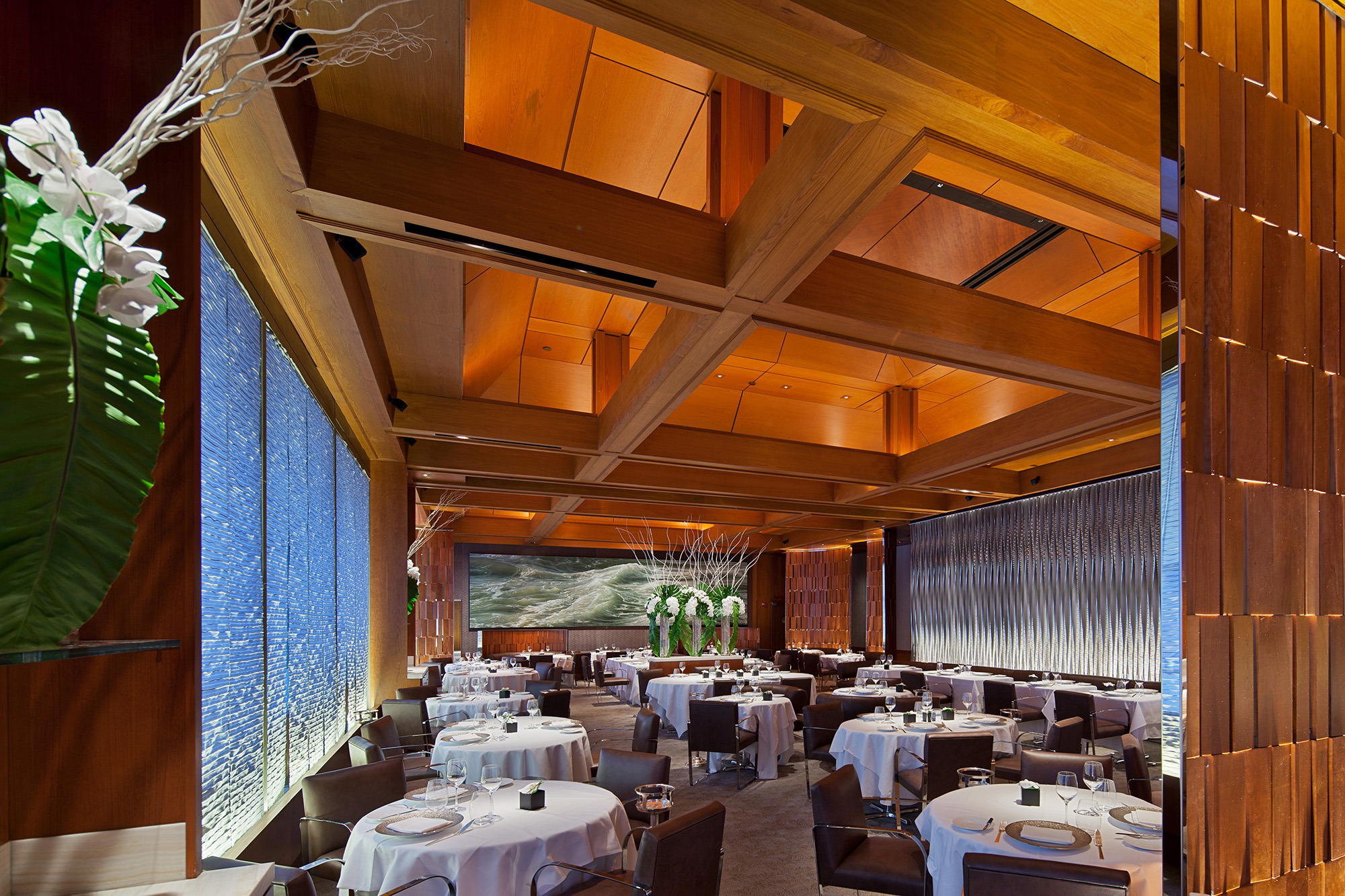
Bars in New York City
Browse all →

Hotels in New York City
Browse all →





At a Glance
- Trendy
- Lively
- Casual Hangout
Current opening hours
- Monday
- 11 AM–12 AM
- Tuesday
- 11 AM–12 AM
- Wednesday
- 11 AM–12 AM
- Thursday
- 11 AM–12 AM
- Friday
- 11 AM–12 AM
- Saturday
- 11 AM–12 AM
- Sunday
- 11 AM–11 PM
Hours can change for holidays and private events. Last verified .
Casual fast-casual spot with functional seating, wall murals, and a bustling street-food vibe.