Kata occupies a distinctive corner of Washington, D.C.'s dining scene, merging the discipline of omakase sushi with supper-club theatrics in a low-capacity, high-commitment format. The result is closer to a performance than a reservation, structured, intimate, and deliberate in a city where that combination remains rare.
Pearl is the En Primeur Club membership app — saves, bookings, and concierge access live there. Same editors, same standards.
- Address
- Washington DC, United States
- Website
- kata-dc.com
- Directions
- Get directions
 Saves & bookings on Pearl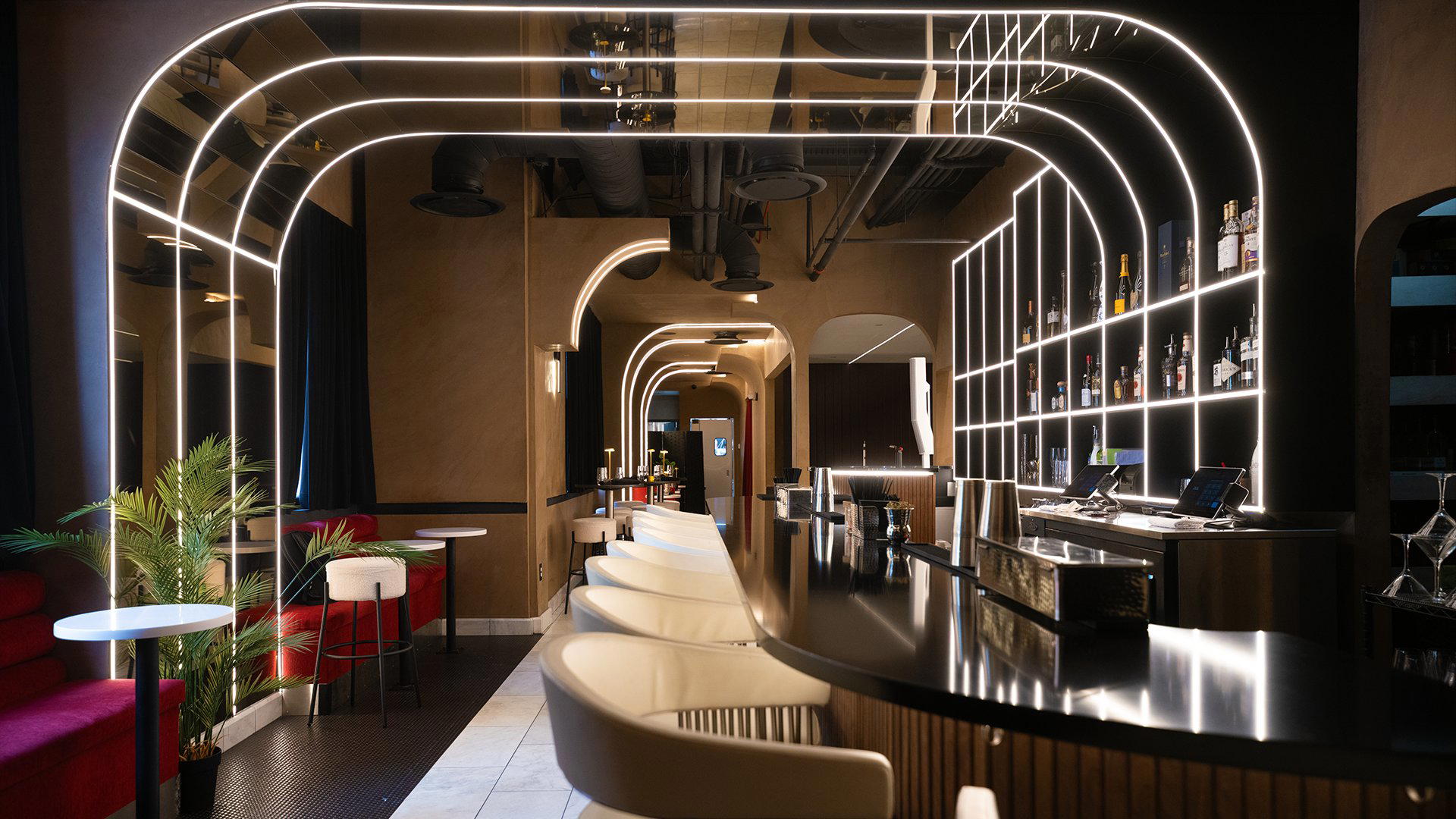
Where Sushi Discipline Meets Supper-Club Format
Washington, D.C. has spent the last decade building a serious fine-dining infrastructure, tasting-menu counters, chef-driven concepts, and a small but committed cohort of destination restaurants that draw visitors from beyond the Beltway. Within that broader shift, a narrower format has emerged: the supper club that grafts theatrical staging onto technical kitchen discipline. Kata sits at that intersection, combining the intimate, structured pacing of omakase sushi with the heightened atmosphere of a curated evening event. It is a format that demands more from both kitchen and guest than a conventional restaurant reservation, and D.C. is still building the audience fluent enough to fully appreciate it.
The Shokunin Framework Behind Sushi Theatre
To understand what a venue like Kata is attempting, it helps to understand what omakase sushi actually means as a tradition. In Japan, the shokunin ethos, the idea that a craftsperson dedicates years, sometimes decades, to narrowing and perfecting a single discipline, is the philosophical engine behind counter sushi. A trained itamae does not improvise. The sequence of courses, the rice temperature, the knife angle on a particular cut of fish: each element reflects accumulated judgment, passed from master to apprentice across long apprenticeships that can last five to ten years before a chef is considered ready to work independently. That lineage matters. When Tokyo's leading omakase counters occupy their place in the city's culinary hierarchy, much of their authority derives not just from ingredient quality or Michelin recognition, but from the documented transmission of technique across generations.
American omakase has absorbed parts of that tradition selectively. Venues like Atomix in New York City demonstrate that the counter format can be adapted to a distinct cultural voice without abandoning the underlying discipline. The challenge for any American city running a sushi-and-theatrics hybrid is holding those two registers, the quiet authority of the shokunin and the energy of a staged evening, in productive tension rather than letting one collapse the other.
D.C.'s Tasting-Counter comparable set
To position Kata accurately, consider what already exists at D.C.'s upper tier. Jônt operates a Michelin-starred tasting counter with a rigorous wine pairing program and a format built around extreme restraint. minibar, José Andrés's molecular counter, has held two Michelin stars and represents the theatrical-tasting-menu end of the spectrum. Causa runs a Peruvian omakase at the $$$$ tier, demonstrating that the fixed-counter format has migrated well beyond Japanese cuisine in this city. Albi approaches Middle Eastern cooking with the same commitment to sourcing and format that typically signals fine-dining ambitions. Oyster Oyster operates at the $$$ level with a sustainability-driven tasting format that has earned it consistent critical attention.
Kata's supper-club framing puts it in a slightly different competitive position. The supper-club format, at its most disciplined, combines fixed seating times, a preset course structure, and an atmosphere that is more designed and deliberate than a restaurant service, closer in feel to Lazy Bear in San Francisco or Alinea in Chicago than to a conventional omakase counter. Nationally, the format has proven durable at venues that execute it with clarity of concept. Single Thread Farm in Healdsburg and The French Laundry in Napa represent the fixed-experience model at its most refined, while Blue Hill at Stone Barns in Tarrytown has built a reputation around the same commitment to a single, unrepeatable sequence of courses. The Inn at Little Washington in Virginia represents the closest regional precedent for a multi-decade, format-driven fine-dining institution built on theatrical hospitality.
What the Sushi-and-Theatrics Format Requires
The combination of sushi discipline and theatrical staging is riskier than it sounds. Sushi at the omakase level derives much of its authority from understatement: subdued lighting, minimal décor, and the counter as the focal point. Theatre, by contrast, draws attention to itself. The venues that have managed the combination successfully, including Providence in Los Angeles and Addison in San Diego in adjacent fine-dining registers, tend to resolve the tension by letting the food carry the drama rather than staging spectacle around it. Le Bernardin in New York City and 8½ Otto e Mezzo Bombana in Hong Kong illustrate what sustained precision looks like in fine-dining seafood contexts where technique is the entire argument.
For Kata, the supper-club theatrics designation signals an intention to control the full arc of a guest's evening: the pacing, the atmosphere, the transitions between courses. Whether that control is exercised through lighting, service choreography, or the sequencing of fish is the question a guest brings to the reservation. Low-capacity formats in this tier tend to self-correct quickly: a small room means word-of-mouth travels fast in both directions, and the absence of a large floor to hide problems in keeps the kitchen accountable in a way that larger restaurants are not.
Emeril's in New Orleans a useful reference point for how a city-defining chef-driven format ages and adapts over time.
A Tight Comparison
Comparable venues nearby, for context on price, style, and recognition.
| Venue | Cuisine | Price | Notes |
|---|---|---|---|
| KataThis venue — the venue you are viewing | Chinatown, Asian Fusion Tapas & Sushi | $$$ | Not listed |
| Mita | Not listed | $$$ | Shaw, Michelin-starred Latin American vegetable tasting menu |
| Singing Tiger | Not listed | $$ | Brentwood Railyard, Modern Pan-Asian with Karaoke |
| O-Ku | Not listed | $$$ | Capital City Market, Modern Japanese Sushi & Robata |
| Tosca | East End, Contemporary Northern Italian | $$$ | Not listed |
| Et Voila | Kent, Belgian-French Bistro | $$$ | Not listed |
Continue exploring
More in Washington DC
Restaurants in Washington DC
Browse all →
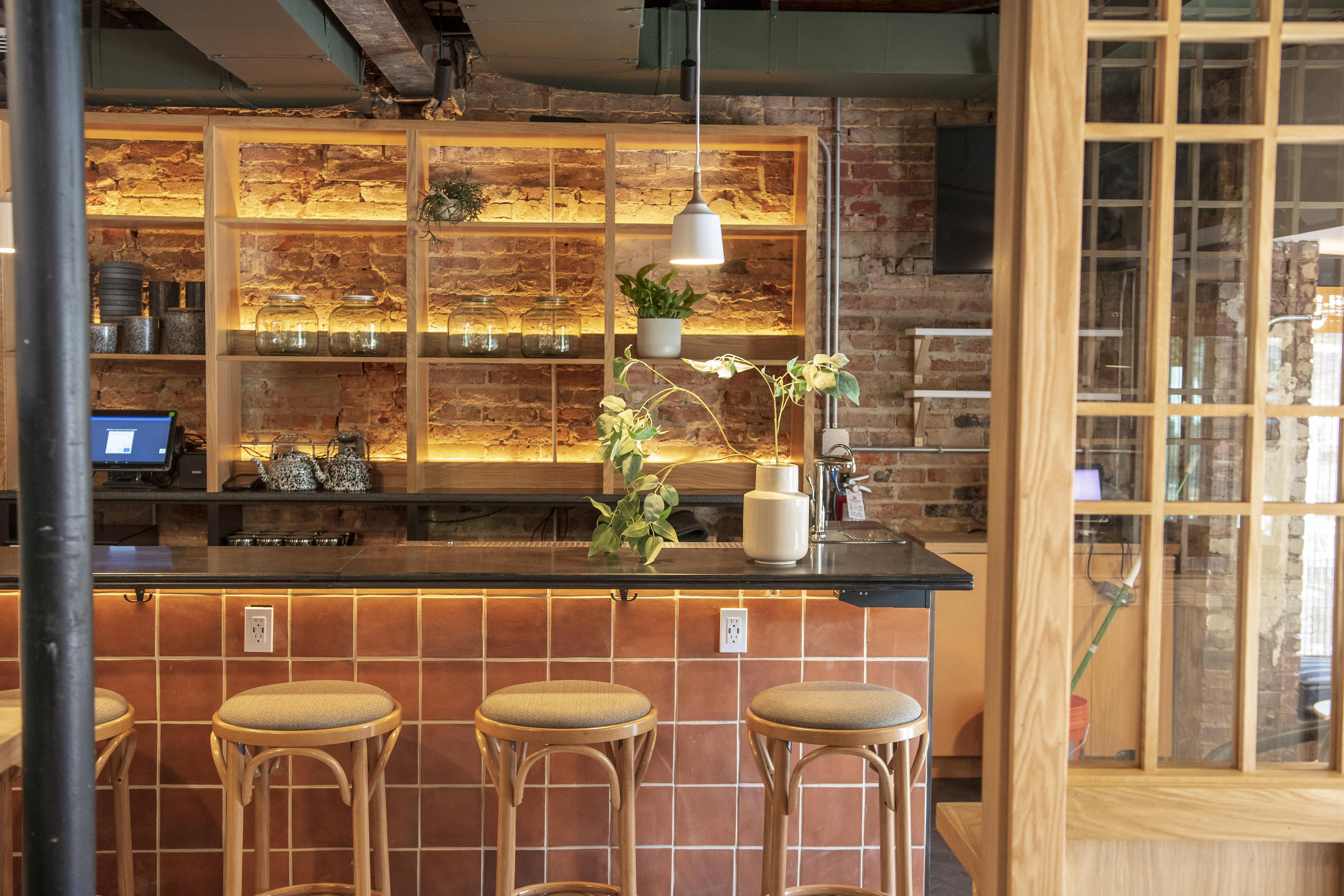
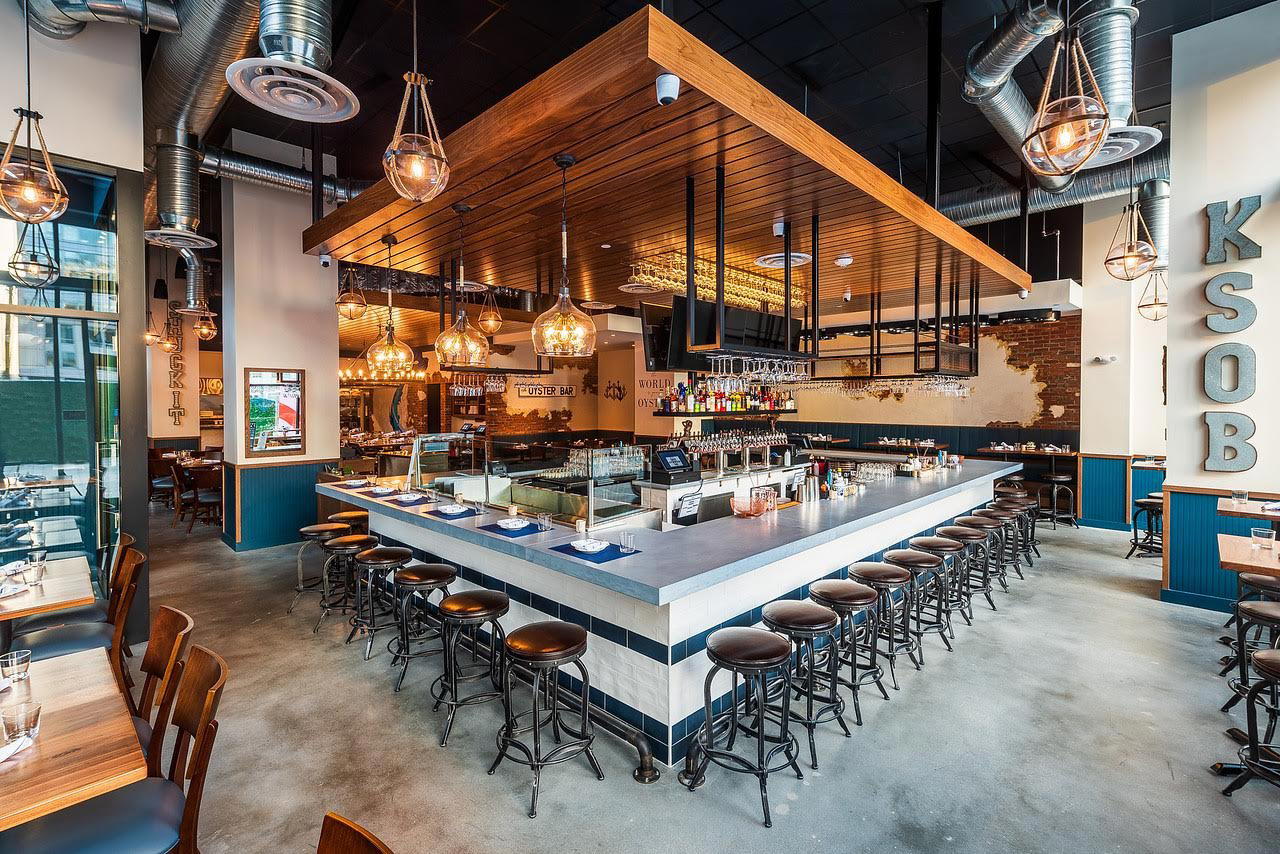
Bars in Washington DC
Browse all →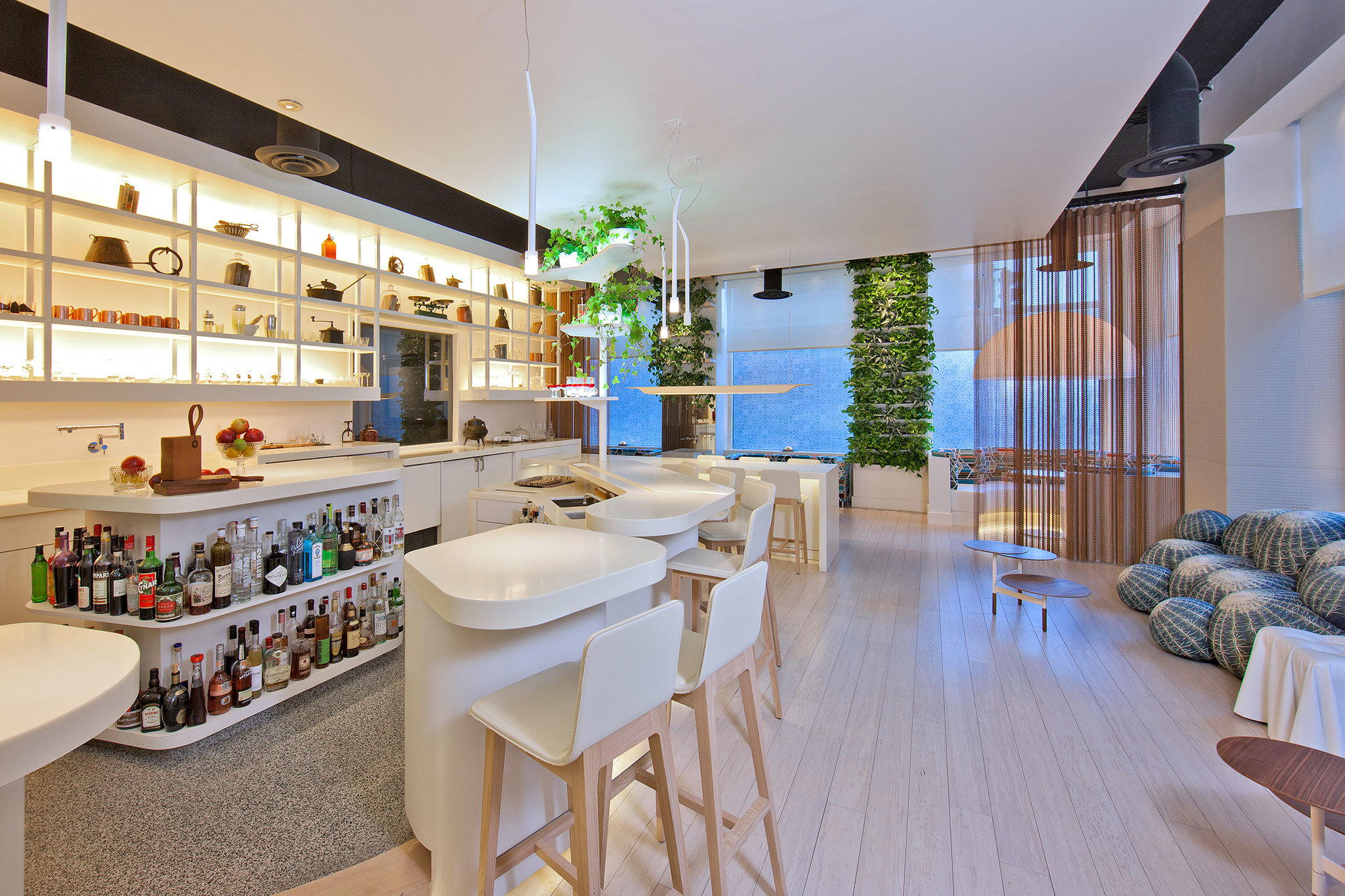
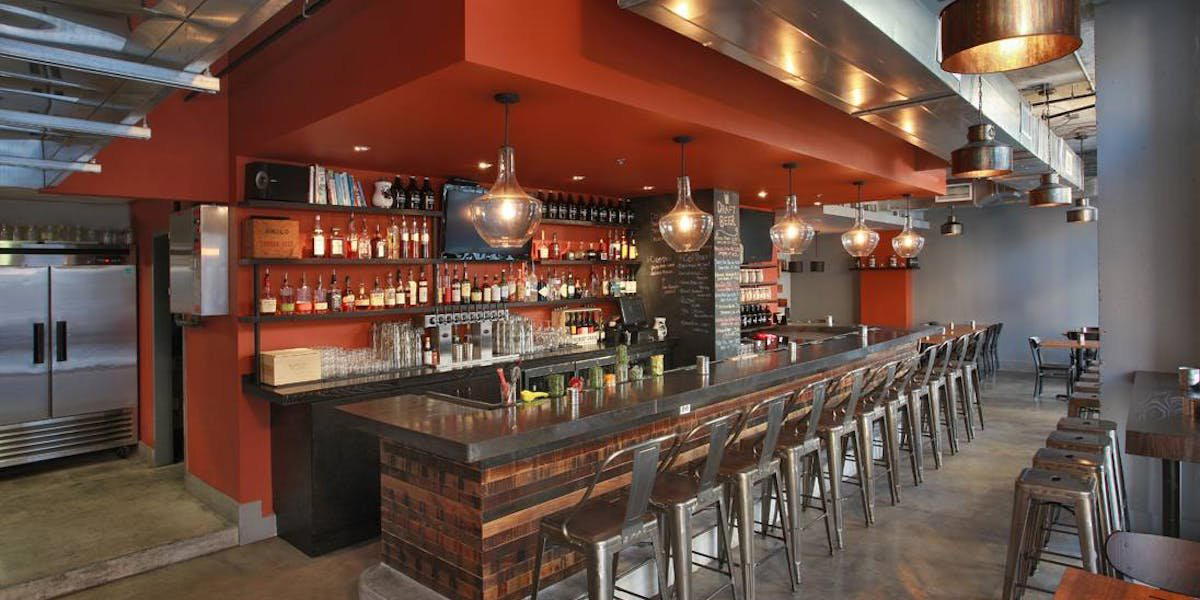
Hotels in Washington DC
Browse all →


At a Glance
- Lively
- Modern
- Trendy
- Elegant
- Energetic
- Date Night
- Group Dining
- Celebration
- Casual Hangout
- Open Kitchen
- Craft Cocktails
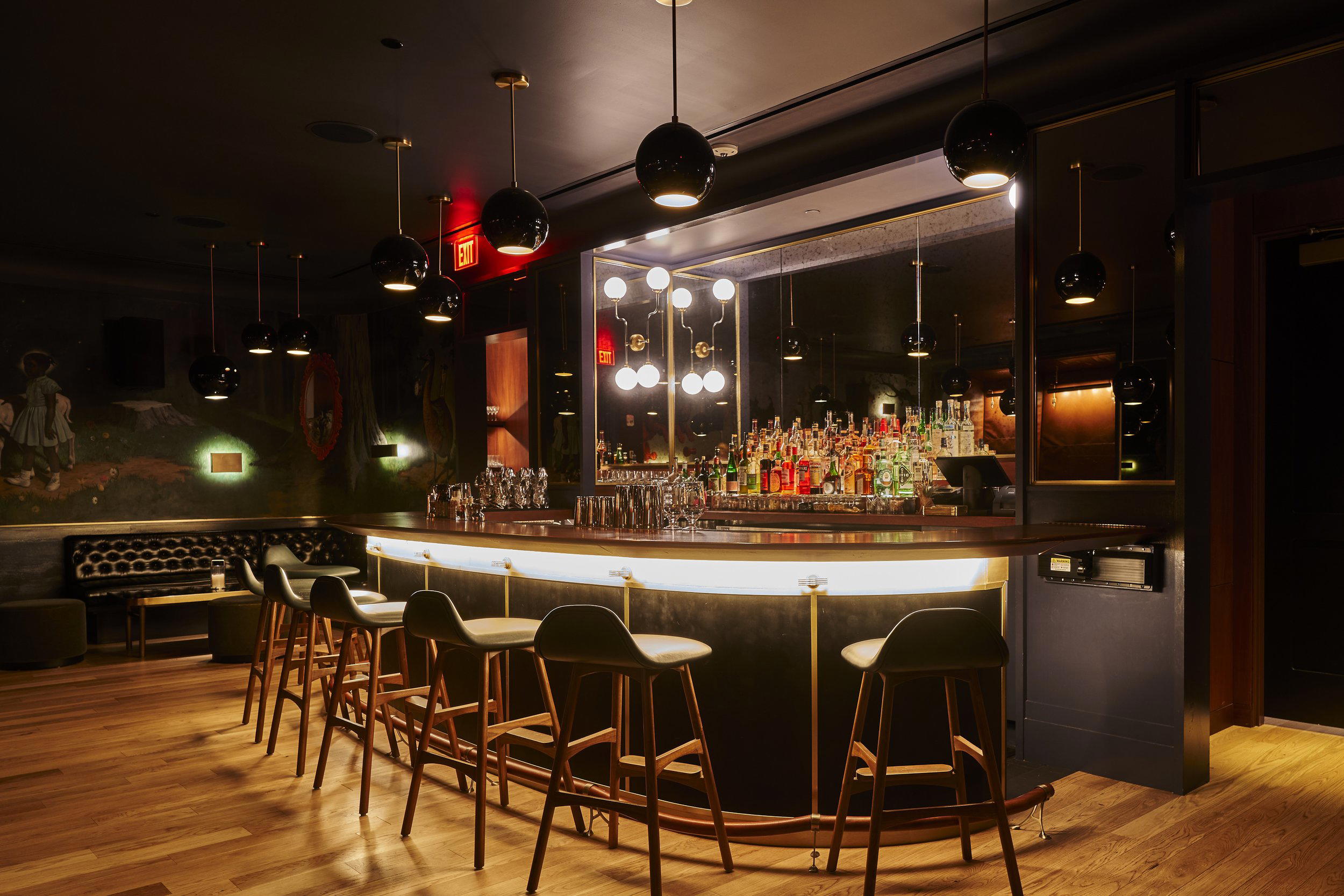
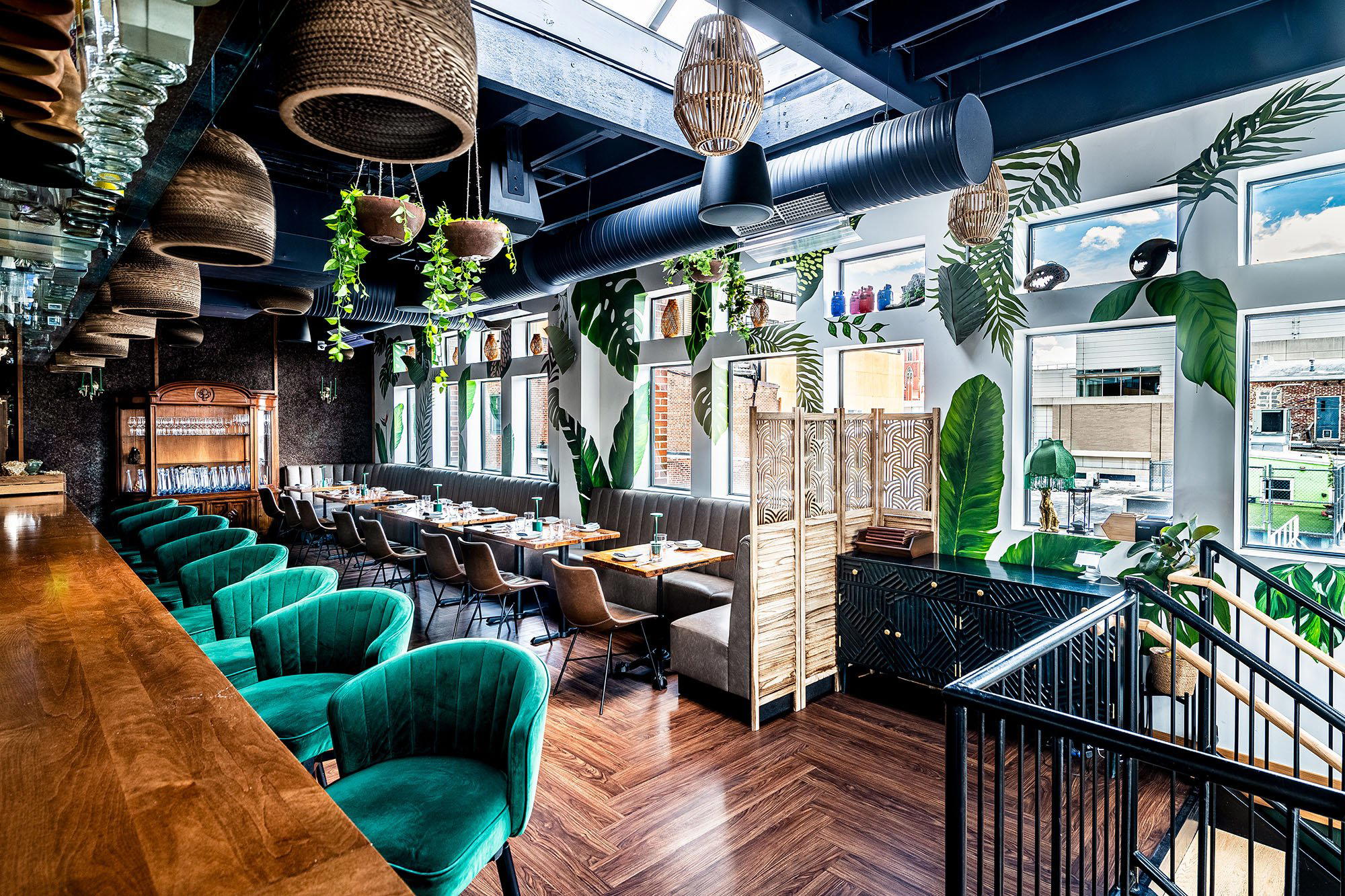
Sleek, culturally rich space with lively yet intimate setting, vibey and immersive design well-suited for stylish nights out.