Kasteel Kerckebosch
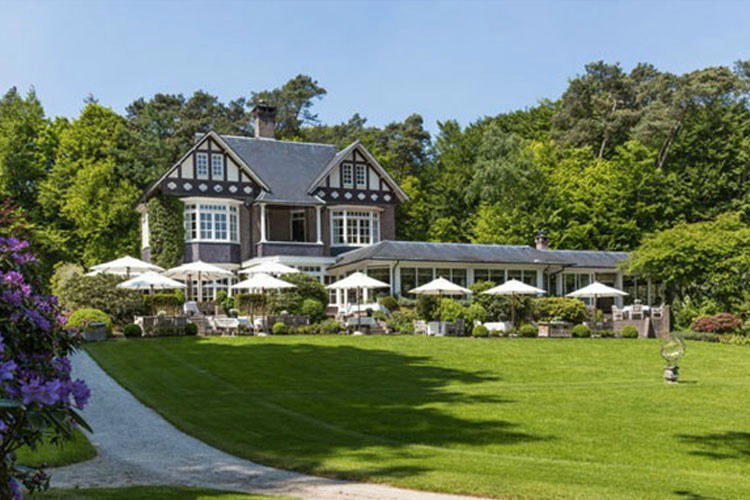
A castle hotel and restaurant set in the wooded estates east of Utrecht, Kasteel Kerckebosch occupies a late-nineteenth-century manor on the Arnhemse Bovenweg in Zeist. The property sits within a category of Dutch castle venues where formal dining, event hospitality, and landscape setting converge. For visitors to the Utrecht region, it represents a distinct register of Dutch hospitality that urban restaurants cannot replicate.
Pearl is the En Primeur Club membership app — saves, bookings, and concierge access live there. Same editors, same standards.
- Address
- Arnhemse Bovenweg 31, 3708 AA Zeist, Netherlands
- Phone
- +31306926666
- Website
- kasteelkerckebosch.com
- Directions
- Get directions
 Saves & bookings on Pearl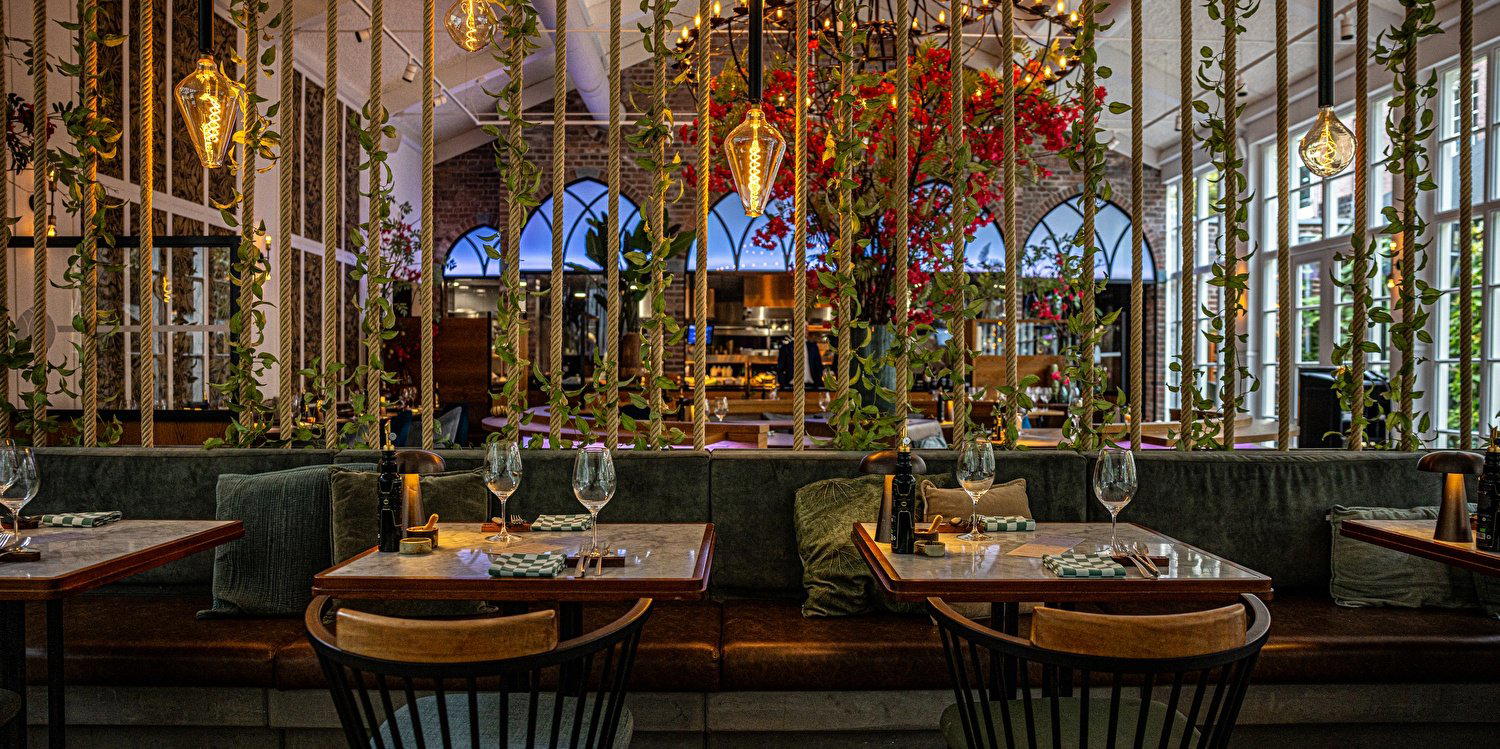
Woodland Setting, Formal Roots: How Castle Dining Works in the Netherlands
The approach along Arnhemse Bovenweg through the Utrechtse Heuvelrug tells you what kind of dining proposition Kasteel Kerckebosch is before you reach the door. The forested ridge running east of Utrecht has historically attracted Dutch landed estates, and several of those properties have since converted into hotels, event venues, and restaurants. Castle dining in the Netherlands operates within a specific grammar: formal architecture, parkland grounds, and a hospitality register that sits above the everyday restaurant circuit but connects directly to the regional landscape rather than to urban fine-dining competition. Kasteel Kerckebosch, at Arnhemse Bovenweg 31 in Zeist, fits that grammar precisely.
This matters for how you should read the venue. Castle properties in this region are not hotel-restaurant hybrids that happen to have old walls. The setting is the culinary argument. The surrounding estate, the quality of light through tall windows, the silence of woodland outside — these are not incidentals. For a cuisine framed by ingredient sourcing, proximity to the Utrechtse Heuvelrug's agricultural hinterland and the estates of the Gelderse Vallei immediately to the east is a genuine structural advantage that urban kitchens in Amsterdam or Utrecht city centre cannot access as directly.
Ingredient Geography: What the Utrechtse Heuvelrug Puts on the Table
Dutch fine dining has spent the past decade consolidating a regional sourcing identity that draws on the country's extraordinary agricultural density. The Netherlands punches well above its geographical size in horticultural and livestock production, and the provinces of Utrecht and Gelderland — which bookend the Heuvelrug ridge, contribute meaningfully to that supply chain. Sandy soils in this part of the country support specific root vegetables, game from managed woodland estates is harvested seasonally, and proximity to the river delta systems of the Rhine and Waal means freshwater fish traditions remain accessible.
For a kitchen positioned on the edge of this zone, those supply lines are short in a way that matters practically, not just rhetorically. The broader pattern among serious Dutch regional restaurants, visible at venues like De Nieuwe Winkel in Nijmegen and De Groene Lantaarn in Staphorst, has been to anchor menus in hyper-local sourcing rather than chasing international ingredient prestige. A castle property with its own grounds and immediate woodland access operates from a naturally stronger position within that model than a city-centre restaurant that must construct its regional identity through supplier relationships alone.
The seasonal rhythm this produces is consequential. Spring brings asparagus from the sandy polders north of the Heuvelrug; autumn signals game, mushroom, and root-vegetable terrain; winter kitchens work with preserved, cured, and cellar-stored produce in a way that reflects genuine Dutch culinary tradition rather than imported Nordic austerity. These are not decorative seasonal gestures, they reflect actual supply cycles in the region.
Where Kasteel Kerckebosch Sits in the Dutch Castle-Restaurant Category
Castle and estate restaurants occupy a specific tier in the Netherlands that operates somewhat independently of the Michelin circuit, though there is overlap. Properties like De Treeswijkhoeve in Waalre and De Lindehof in Nuenen demonstrate that formal estate settings can sustain serious culinary ambition with recognised awards. The competitive frame for Kasteel Kerckebosch is not the urban fine-dining circuit represented by Ciel Bleu in Amsterdam or FG - François Geurds in Rotterdam, nor is it the destination-restaurant model of De Librije in Zwolle or Aan de Poel in Amstelveen. It is closer to the category of venue where setting and occasion carry weight alongside plate quality, and where a significant portion of the dining room on any given evening is composed of local guests marking significant events rather than destination travellers.
That distinction matters for how you plan a visit. The register of a castle dining room asks something of the diner that a modern urban restaurant does not. Pacing is slower, the spatial experience is part of the transaction, and the meal is implicitly framed as an occasion rather than a spontaneous dinner. For visitors arriving from Utrecht, Zeist is reachable within a short drive or by public transport to Zeist station, from which the estate is accessible by taxi or bicycle along the wooded road.
Within Zeist itself, the restaurant landscape is anchored at the accessible end by venues like HFSLG Bar and Bistro at the creative-casual register, and neighbourhood options including Punjabi Rasoi and Restaurant First. Kasteel Kerckebosch occupies a different tier entirely. Our full Zeist restaurants guide maps those options across price points and formats.
Planning a Visit
The estate address, Arnhemse Bovenweg 31, 3708 AA Zeist, places the property on the forested road connecting Zeist to Arnhem, within the protected range of the Utrechtse Heuvelrug National Park. Visitors travelling by car from Utrecht city centre cover the distance in roughly fifteen minutes via the A28, making Kasteel Kerckebosch a practical option for a formal dinner that does not require an overnight stay, though the hotel component means extended visits are possible. Given the event-hospitality orientation of most Dutch castle properties, booking ahead is strongly advisable for dinner, particularly on weekends and during the spring and autumn seasons when the estate grounds are at their most visually compelling. For specific current opening hours, reservation procedures, and menu details, contacting the property directly or checking their current website is the reliable route, the operational specifics of estate venues in this category can shift with event programming and seasonal closure.
For those building a wider itinerary around Dutch culinary destinations in the region, 't Nonnetje in Harderwijk, Brut172 in Reijmerstok, and De Lindenhof in Giethoorn represent the range of ambition operating across the central and eastern Netherlands, from which Zeist and the Heuvelrug ridge form a logical geographic base. De Bokkedoorns in Overveen offers a useful point of comparison for how estate-adjacent settings function on the western edge of the country. And for those arriving with a global reference frame, the precision sourcing ethos visible at venues like Le Bernardin in New York City and the tasting-menu discipline of Atomix in New York City illustrate how seriously ingredient provenance is now weighted at the highest levels of international dining, a lens that applies with equal force to what the leading Dutch regional kitchens are attempting.
How Kasteel Kerckebosch Zeist compares with similar nearby venues.
| Venue | Cuisine | Price |
|---|---|---|
| La Provence | Creative French | €€€ |
| HFSLG Bar & Bistro | Creative | €€ |
Continue exploring
More in Zeist
Restaurants in Zeist
Browse all →
Bars in Zeist
Browse all →
Hotels in Zeist
Browse all →
Wineries in Zeist
Browse all →
At a Glance
- Romantic
- Elegant
- Cozy
- Sophisticated
- Scenic
- Date Night
- Special Occasion
- Celebration
- Historic Building
- Open Kitchen
- Terrace
- Garden
- Extensive Wine List
- Garden
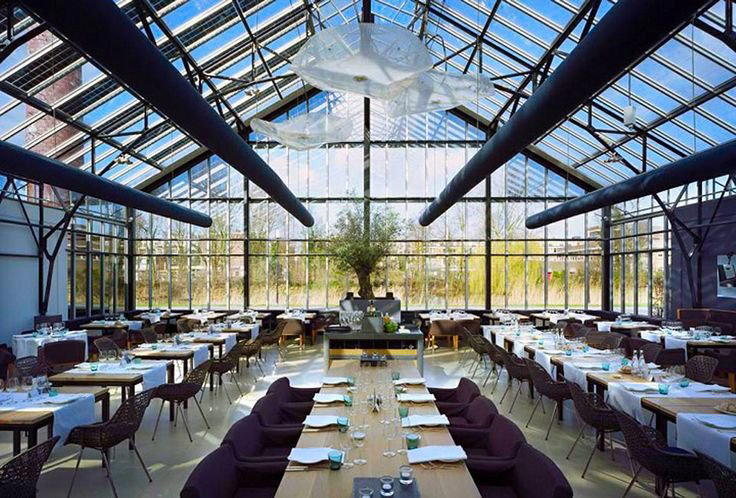
Comfortable, cozy, and informal atmosphere in a modern conservatory with natural light, near the forest, featuring an open kitchen.
Know Before You Go
- Getting there
- Arnhemse Bovenweg 31, 3708 AA Zeist, Netherlands