
Kasagiya belongs to Kyoto’s small-format wagashi-cafe tradition, where the room matters as much as the sweets: compact seating, restrained service, and a rhythm shaped by Higashiyama foot traffic. Its Tabelog 100 selection for Japanese traditional sweets and sweets cafes in West Japan places it in a serious regional conversation rather than the souvenir-snack tier.
Pearl is the En Primeur Club membership app — saves, bookings, and concierge access live there. Same editors, same standards.
- Address
- 349 Masuyacho, Higashiyama Ward, Kyoto, 605-0826, Japan
- Phone
- +81 75-561-9562
- Website
- tabelog.com
 Saves & bookings on Pearl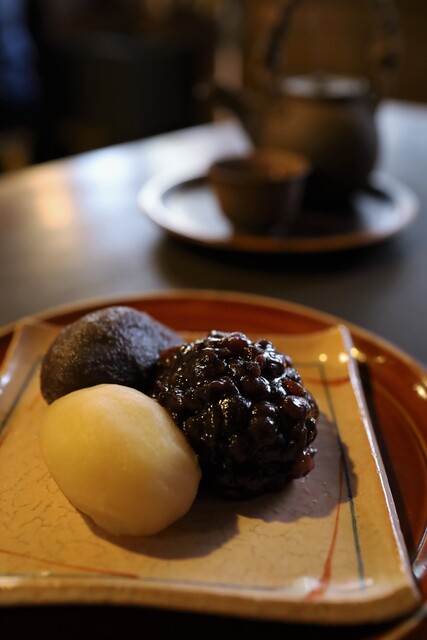
Approaching Higashiyama’s old lanes, the scale of dining changes. Large hotel restaurants and temple-facing rooms give way to narrow shopfronts, low seating counts, and spaces built for pause rather than throughput. Kasagiya fits Kyoto’s older sweets-cafe grammar: compact, modestly priced, and tied to sitting down for wagashi, tea, or kakigori, not treating sweets as an afterthought.
That distinction matters in Kyoto. The city’s sweet culture is not only confectionery as gift packaging; it is also the small cafe as a physical container for seasonality, rest, and local pacing. A 20-seat room changes the experience before anything is ordered, reducing hospitality to proximity, timing, and quiet repetition. It also explains why recognition in Tabelog’s 2023 Japanese traditional sweets and sweets cafe 100 list for West Japan carries weight: craft, room discipline, and local habits are judged together.
A 20-seat sweets room in Higashiyama's temple-side rhythm
Higashiyama dining often splits in two. One mode is occasion-led: formal Japanese rooms, French dining, and high-spend settings attached to views, gardens, or hotel service. The other is smaller and everyday: cafes, noodle shops, wagashi counters, and tea stops absorbing movement between temples, slopes, and shopping streets. Kasagiya sits in the second mode. It is not competing with Kodaiji Jugyuan, Hiramatsu Kodaiji, THE SODOH HIGASHIYAMA KYOTO, KYOTO BISTRO, or Yoshoku no Mise Mishina on ceremony or spend. It belongs to a lower-priced, higher-turnover tradition where the discipline is restraint.
The room size is the key signal. Twenty seats leave little room for elaborate choreography, so the experience depends on a clear sweets-cafe format: Japanese sweets, cafe service, and kakigori under one modest roof. Kyoto has many places to buy wagashi and drink tea; the more specific pleasure here is the sit-down pause, especially where visitors spend hours walking between stone lanes and temple approaches. The room’s physical limit keeps the encounter close to Kyoto’s neighborhood-scale food culture, not destination-restaurant spectacle.
For readers mapping the area, the useful comparison is appetite and tempo, not hierarchy. A formal Higashiyama restaurant asks for time and a planned table. A sweets cafe asks for a shorter interval and a sharper read of the room. That makes the category valuable between longer meals, or when a Kyoto day needs something quieter than another multi-course reservation. For broader planning, Our full Kyoto restaurants guide, Our full Kyoto hotels guide, Our full Kyoto bars guide, Our full Kyoto wineries guide, and Our full Kyoto experiences guide give the city-level frame.
Why wagashi cafes reward design restraint
Japanese sweets cafes use a different visual logic from dessert counters built for spectacle. The room is often plain by design because the service format needs no long script. Seating, table spacing, and the relation between counter and kitchen do much of the work. In a 20-seat Higashiyama cafe, the visit is simple: arrive, wait if necessary, sit close to the room’s rhythm, and let sweets anchor a short break. That economy is not lack of ambition. It suits Kyoto’s older food culture, where small rooms can carry serious reputation without large menus or theatrical design.
Kasagiya’s price band also clarifies the category. With average spend listed below JPY 999, it occupies a rare position in a city where premium dining can climb quickly around the historic eastern wards. The point is not cheapness itself; it is access to a recognized Kyoto sweets format without dinner-service economics. Tabelog’s 3.61 score and West Japan sweets-cafe selection place the room among addresses local diners and category-watchers take seriously, while the cost keeps the visit a daytime stop rather than a major meal.
The English menu is a practical signal for international travelers, but the more interesting point is cultural translation. Wagashi cafes can be misunderstood as dessert shops alone. They are closer to small seasonal rooms, where pace, portion, and setting carry meaning. Kakigori belongs naturally in that frame: shaved ice in Japan is not merely a summer novelty, but part of cafe culture treating texture, temperature, and timing as reasons to sit down. Specific items change by venue and season, so the safer editorial read is the format, not an invented dish list.
Kyoto rewards travelers who separate eating occasions instead of forcing every stop into the same luxury category. A day might move from a sweets room in Higashiyama to casual Kyoto addresses such as 551蓬莱, 3TOKU6MI Shijo karasuma ten, [ki:], Abbesses, or the older confectionery tradition around Aburi Mochi Honke Nemoto Kazariya. The lesson is not to rank them against one another, but to see how Kyoto’s food day is assembled from different room scales.
The editorial read: a small room, not a souvenir stop
Kasagiya is strongest as a study in proportion. The 20-seat format, no-reservations setup, sweets-cafe category, and low spend all point to a venue best read through timing and room feel rather than culinary bravado. In Higashiyama, that can be more useful than another grand dining room. The address is a compact expression of Kyoto’s wagashi-cafe culture: limited seats, clear purpose, and enough recognition to separate it from casual tourist snacking.
Travelers building a wider Japan food itinerary can use the same lens elsewhere: match venue type to occasion, then judge the room by what it is designed to do. That applies as much to -Grilled beef Sukiyaki- KAMAKURA TANUKIAN 鎌倉 たぬき庵 in Kamakura,. 鮪と炭火焼き うお炭 秋葉原店 in Tokyo,.cafe in Osaka,.know in Kumamoto, (Shoku) Vietnam in Kawasaki, and [Curry Senmon Ten] Maruyama Kyoju. in Sapporo as it does to Kyoto. Abroad, the same category awareness helps with Japanese-leaning rooms such as Jōdo Saké Bar in Los Angeles and Onigiri Time in Pasadena. The better question is not whether a venue can anchor a whole day, but whether its format answers a precise need. Here, the answer is a short, seated Kyoto sweets interval in a district where small rooms still matter.
Peers Worth Knowing
Comparable venues at the same tier.
| Venue | Cuisine | Price | Notes |
|---|---|---|---|
| KasagiyaThis venue — the venue you are viewing | Traditional Japanese sweets café & tea house | $ | |
| Kameya Yoshinaga | Traditional Kyoto Wagashi (Japanese Sweets) | $ | Nakagyō |
| Kissa Tirol | Classic Kyoto kissaten & yoshoku cafe | $ | Nakagyō |
| Daigokuden Honpo Rokkaku ten | Japanese Sweets Cafe | $ | Nakagyō |
| 実伶 | japanese | $ | Nakagyō |
| Jukou Gundan | Ramen, tsukemen & maze-soba shop | $ | Sakyō |
Continue exploring
More in Kyoto
Restaurants in Kyoto
Browse all →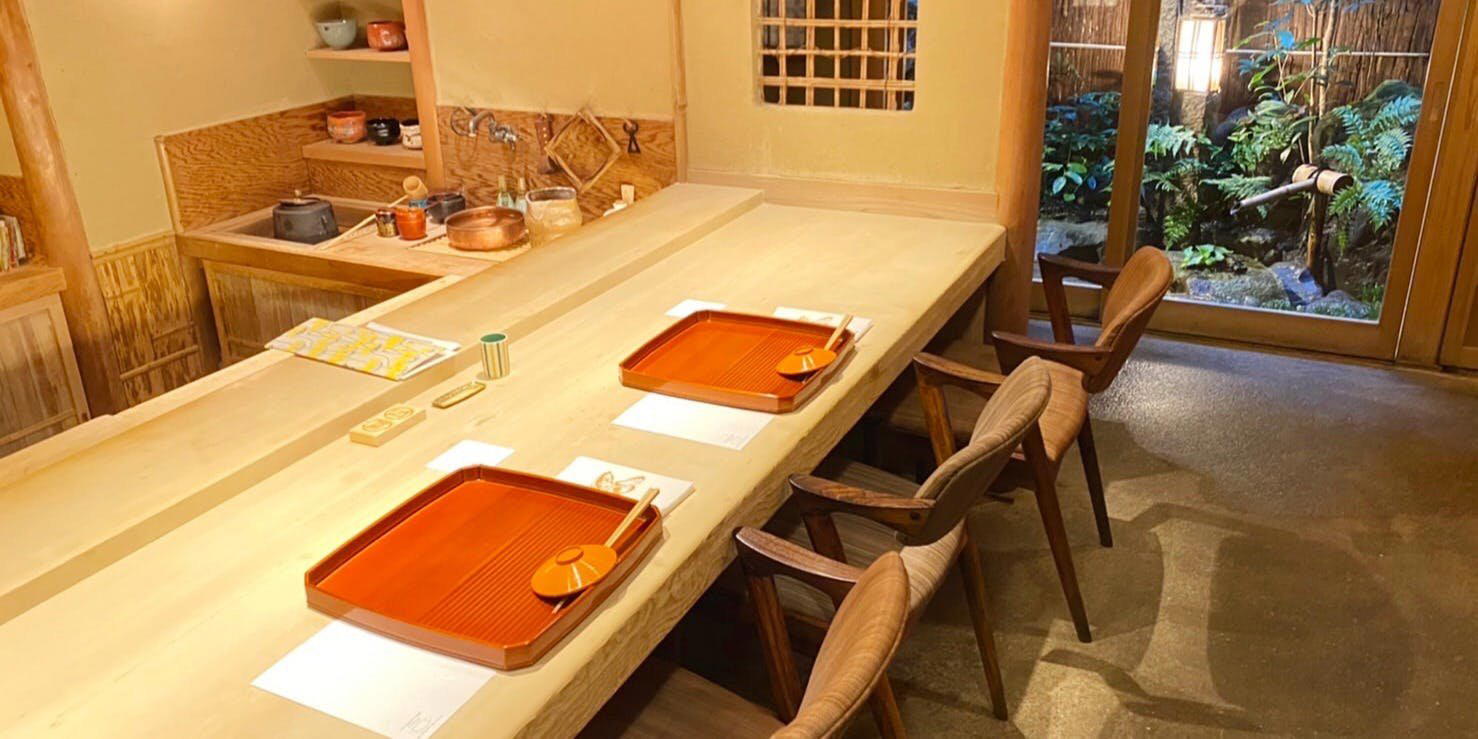
Bars in Kyoto
Browse all →
Hotels in Kyoto
Browse all →
Wineries in Kyoto
Browse all →
At a Glance
- Cozy
- Classic
- Hidden Gem
- Quiet
- Scenic
- Iconic
- Solo
- Family
- Casual Hangout
- After Work
- Brunch
- Historic Building
- Standalone
- Street Scene
A small, traditional Kyoto teahouse with a quietly nostalgic feel, wooden interior and simple tatami-style seating, tucked into an old stone-paved slope; it feels like a calm refuge from the busy Gion and Higashiyama streets, ideal for lingering over wagashi and tea in a classic, time-worn setting.