Kardelen occupies a passage address in central Hamburg, placing it within walking distance of the city's densest concentration of fine dining. The venue sits in a market where Turkish and Middle Eastern cuisine increasingly commands serious attention alongside the Michelin-tracked French and modern European tables that have long defined Hamburg's upper tier. Specific menu and format details are best confirmed directly with the venue.
Pearl is the En Primeur Club membership app — saves, bookings, and concierge access live there. Same editors, same standards.
- Address
- Steinwegpassage 6, 20355 Hamburg, Germany
- Phone
- +494035713140
- Website
- kardelen-hamburg.de
- Directions
- Get directions
 Saves & bookings on Pearl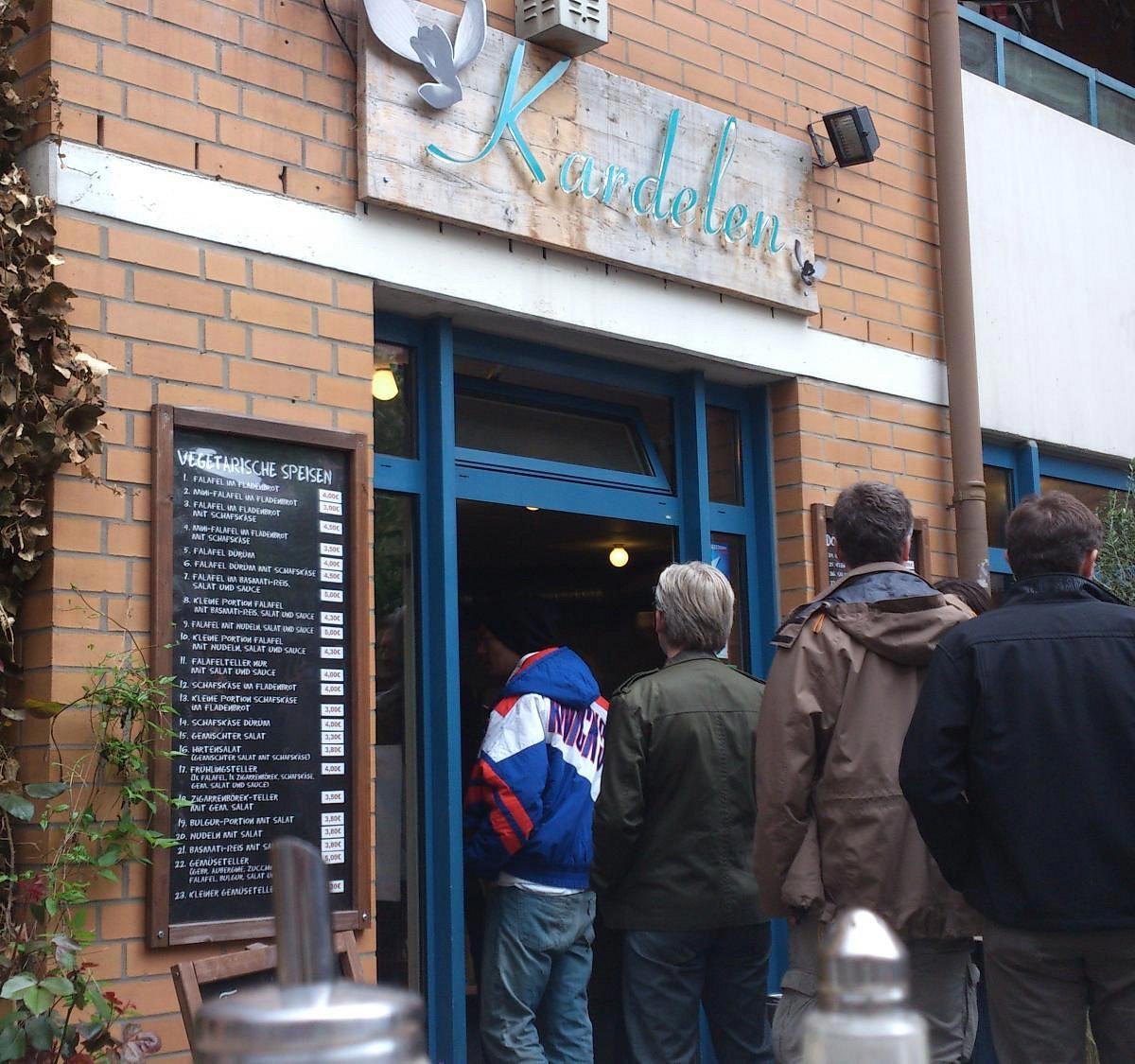
A Passage Address in Hamburg's Fine Dining Quarter
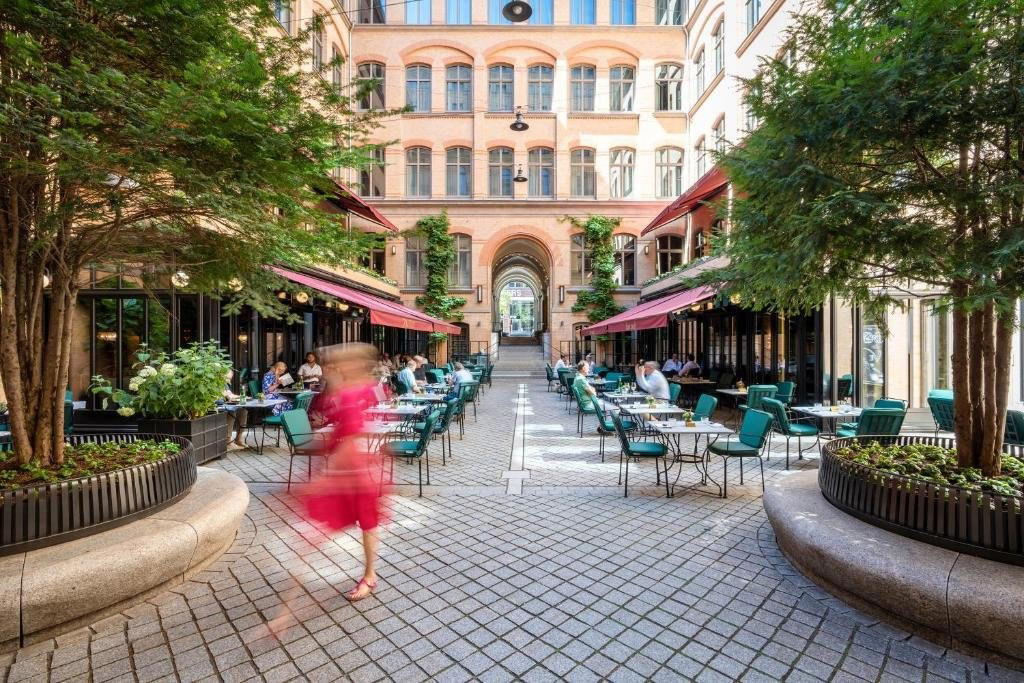
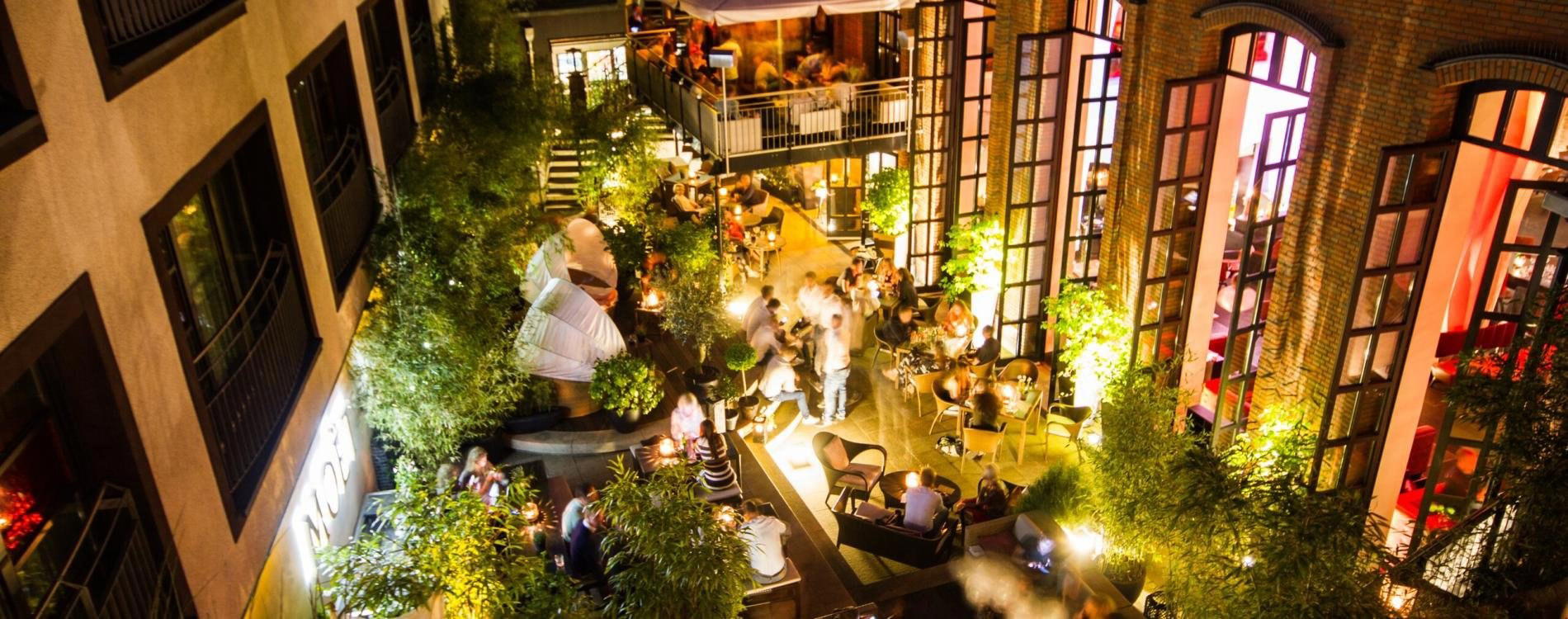
Steinwegpassage sits in the compressed commercial grid between the Altstadt and Neustadt, a few minutes on foot from the Alster and the city's most recognized dining addresses. Covered passages in Hamburg carry a particular atmospheric weight: the shift from open street to enclosed arcade changes the acoustic register immediately, softening the city's background noise into something closer to an interior hum. Arriving at a restaurant through a passage rather than off a main thoroughfare creates a mild but real separation from the street, and that separation shapes the first impression before a menu or a room does anything at all.
Restaurant Haerlin and The Table Kevin Fehling define the upper bracket, with the latter running a tightly controlled counter format that books weeks out. 100/200 Kitchen operates at the creative end of the spectrum, while bianc and Lakeside represent the modern Mediterranean and German lakeside poles of a market that has diversified considerably over the past decade. Kardelen's Steinwegpassage address places it physically at the center of this activity, close enough to the Hamburg city core that comparisons are unavoidable and proximity to recognized peers gives any serious table immediate contextual weight.
What the Cuisine Signals About Hamburg's Evolving Scene
Turkish cuisine in Germany occupies an unusual critical position. It is simultaneously among the more widely eaten food traditions in the country and one of the least represented at the level where food writers and award bodies pay attention. That gap is closing, but slowly. Cities where the shift has happened most visibly tend to share certain conditions: a dense urban dining culture, an audience that has grown comfortable with non-European fine dining formats, and at least one operator willing to position Turkish or Anatolian cooking on parity with French or Japanese models rather than below them.
Hamburg has the audience and the dining culture. The city's port history generated an appetite for range that still defines its restaurant market. Where Berlin's Turkish dining scene has received more critical press attention in recent years, Hamburg's equivalent tier has been less documented, which means that a well-executed Turkish table in a central passage address operates in a space where the competitive pressure from direct peers is lower than it would be in the French or modern European categories. That is a structural advantage for any venue willing to invest in format and quality, though it also means the work of building an audience falls more heavily on the kitchen and the room.
Globally, the trajectory for cuisines in this position is instructive. Atomix in New York City demonstrated how a cuisine with deep roots but limited fine dining representation could move rapidly into the highest award tiers when format discipline matched culinary ambition. Le Bernardin, decades earlier, made the case that a single-minded commitment to a culinary tradition, in that case, classical French seafood, could define a category rather than merely occupy it. The pattern holds across cities and cuisines: the constraint of a clear culinary identity, executed at high level, tends to produce more durable critical recognition than versatility alone.
Sensory Context: What a Passage Setting Delivers
The physical experience of a covered passage in a northern European city is worth considering on its own terms. Light enters from the ends and, where rooflines permit, from above. Sound behaves differently than on an open street: footsteps carry more, the ambient noise of traffic drops away, and the human scale of the space becomes more pronounced. In winter, the passage provides shelter without the abruptness of stepping into a fully enclosed building. In summer, the temperature differential between passage and open street is modest but perceptible.
For a restaurant, this setting creates a transitional zone that most street-facing addresses lack. Guests move through the passage before they reach the door, which functions as an informal decompression from the city. The leading fine dining rooms in Hamburg and comparable cities use their physical approaches deliberately: the staircase descent at some addresses, the garden path at others, the bridge crossing at Lakeside. A passage achieves something similar through urban architecture rather than landscape. Whether Kardelen's interior design extends this atmospheric logic is something verified visit reports will answer more reliably than speculation, but the address itself begins the work.
Hamburg in the Broader German Fine Dining Map
Germany's fine dining tier is geographically distributed in ways that differentiate it from France or the UK, where the capital dominates. Hamburg competes with Munich, Berlin, and a set of regional addresses that carry serious weight: Schwarzwaldstube in Baiersbronn, Vendôme in Bergisch Gladbach, Waldhotel Sonnora in Dreis, and Victor's Fine Dining by Christian Bau in Perl among them. Aqua in Wolfsburg and ES:SENZ in Grassau hold their own against city-based peers. JAN in Munich and CODA Dessert Dining in Berlin have built international profiles from city bases. Schanz in Piesport and Bagatelle in Trier round out a picture of a national scene that rewards travel beyond the major cities.
Within Hamburg specifically, the mid-to-upper price tier is where competition is most active. The €€€€ bracket that includes The Table, bianc, and Lakeside leaves a gap at the €€€ level where venues like Heimatjuwel operate with German and creative formats. A Turkish table at either price point would enter a market where the category itself is underrepresented, which creates both an opportunity and a test: the audience exists, but the critical and logistical infrastructure that channels guests toward recognized addresses is less developed for this cuisine than for French or modern European cooking in the same city.
Fast Comparison
Comparable venues nearby, for context on price, style, and recognition.
| Venue | Cuisine | Price | Notes |
|---|---|---|---|
| KardelenThis venue — the venue you are viewing | Turkish Street Food | $ | Not listed |
| HONEST KEBAB | Premium Turkish Döner Kebab | $ | Hamburg-Altstadt |
| Ata | Turkish Specialties | $$ | Farmsen |
| LOKMAM KÖZ | Turkish Grill & Meze | $$ | Sternschanze |
| The Ramen | Japanese Ramen | $ | Hamburg-Altstadt |
| Köz Ocakbasi | Turkish Ocakbasi Grill | $$ | St. Georg |
Continue exploring
More in Hamburg
Restaurants in Hamburg
Browse all →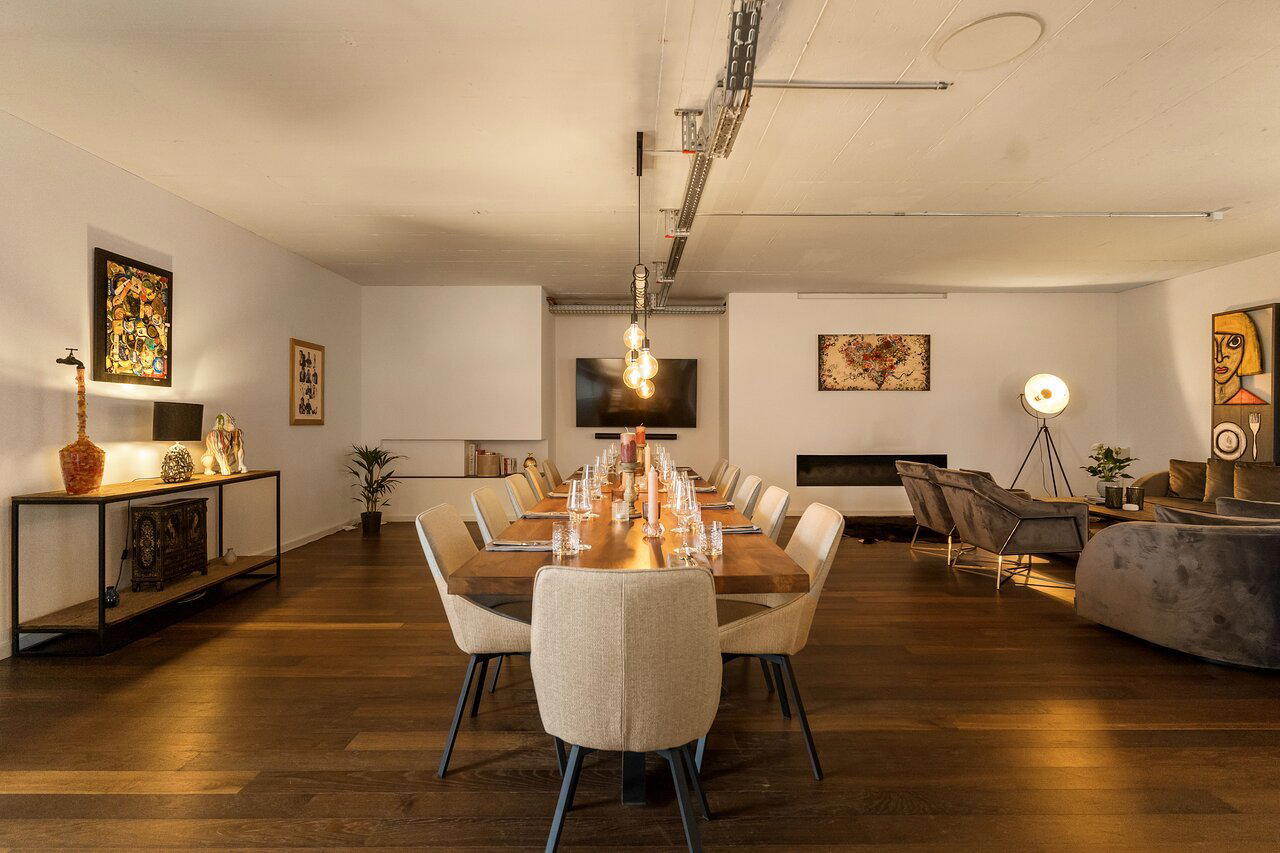
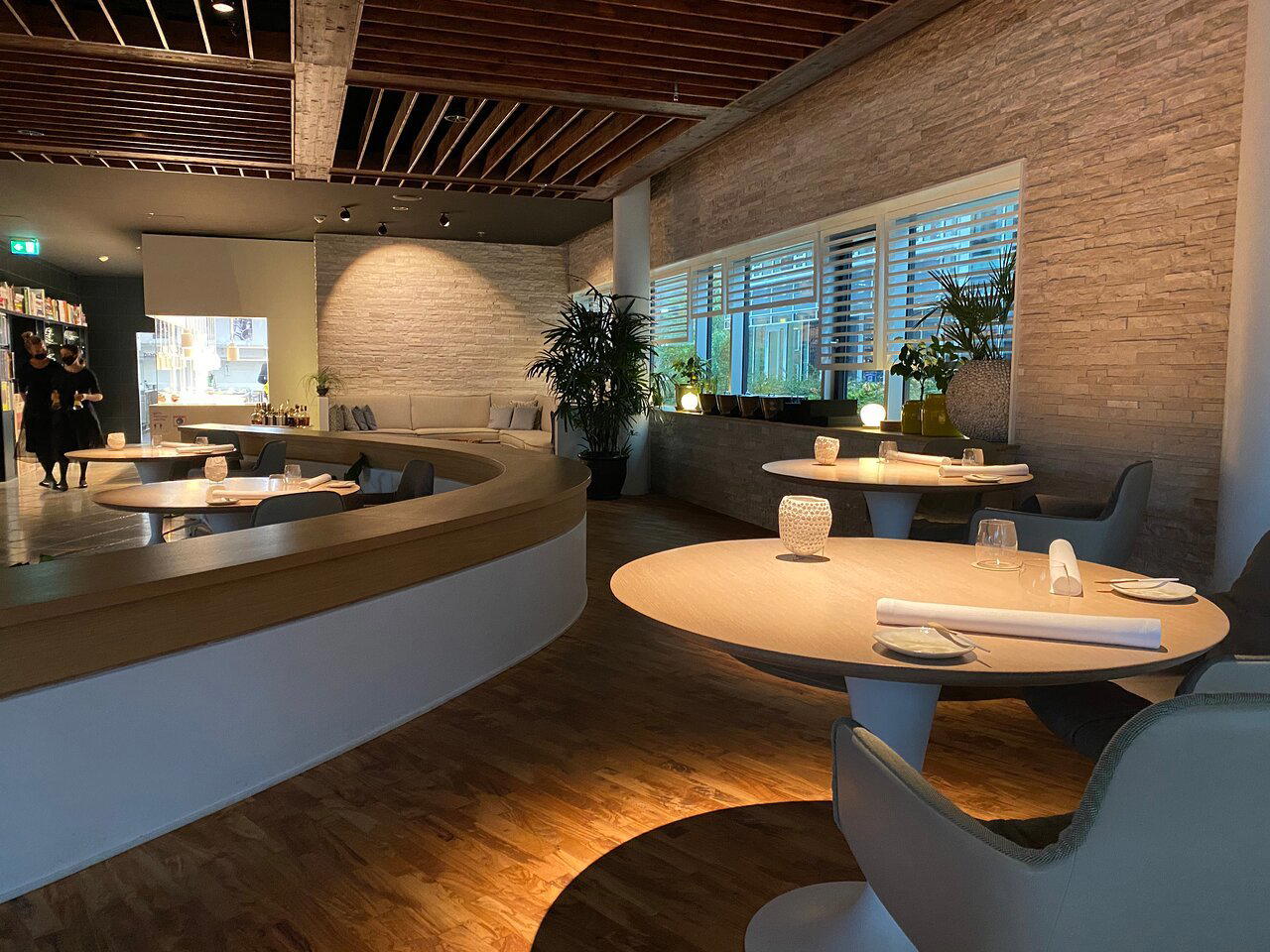
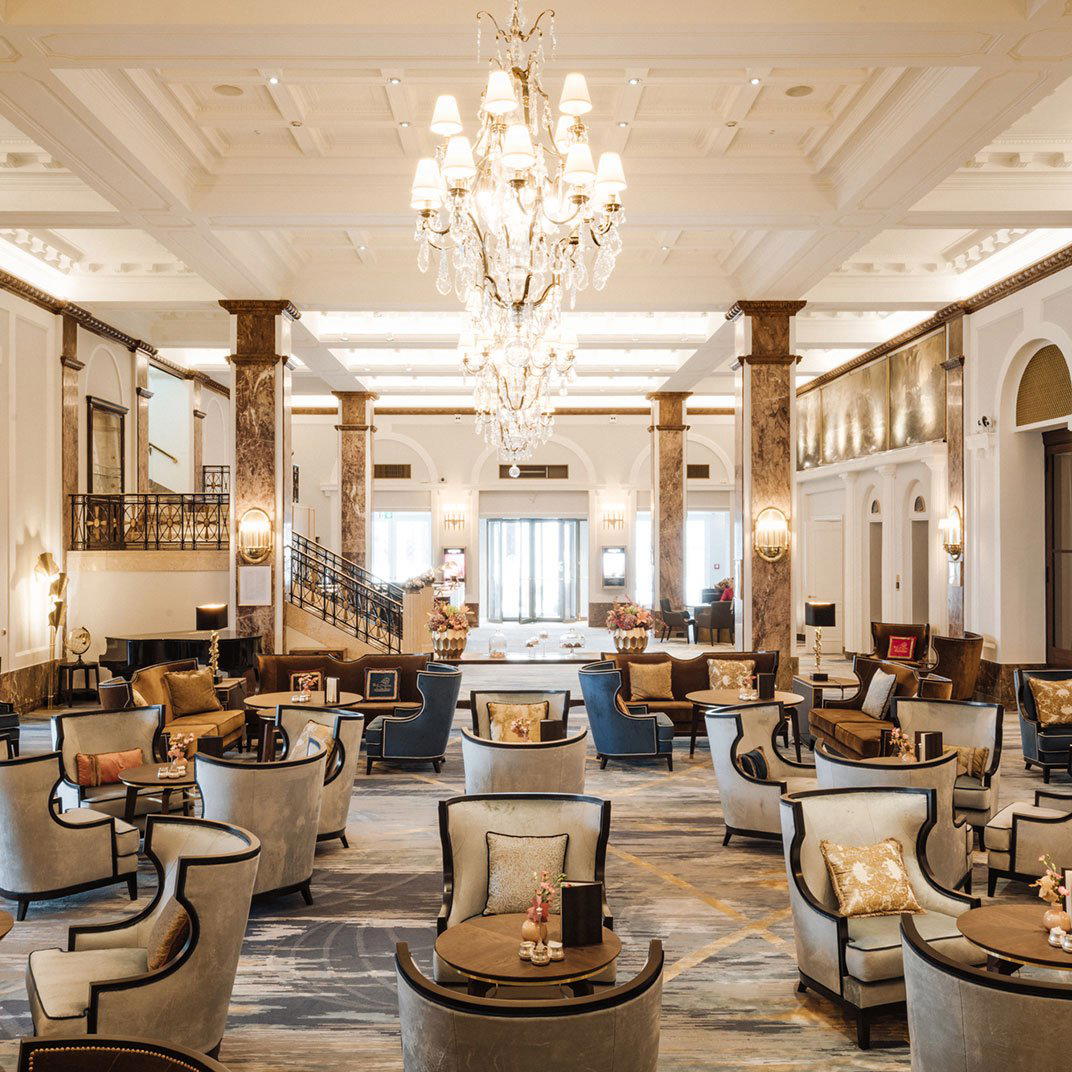
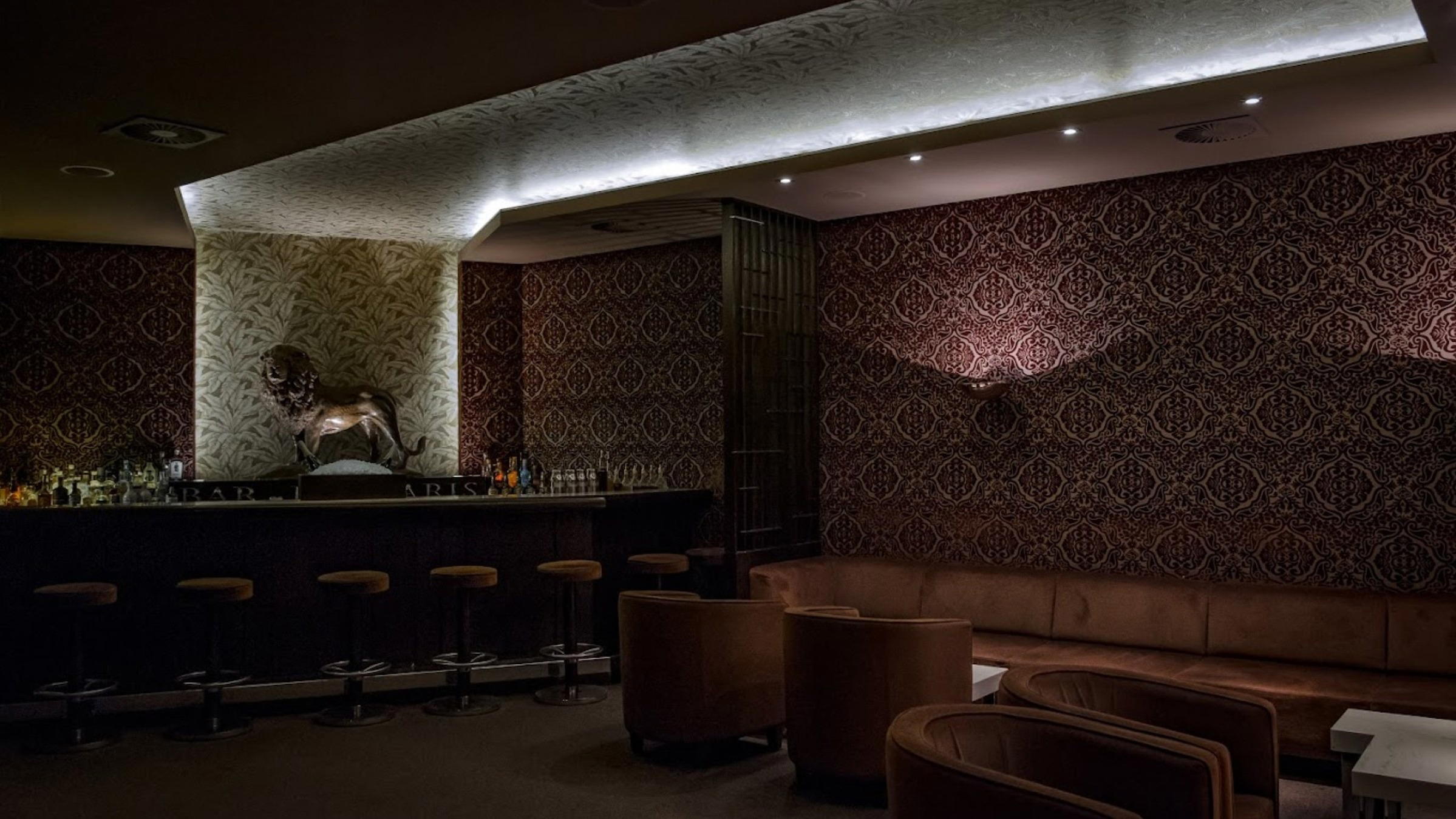
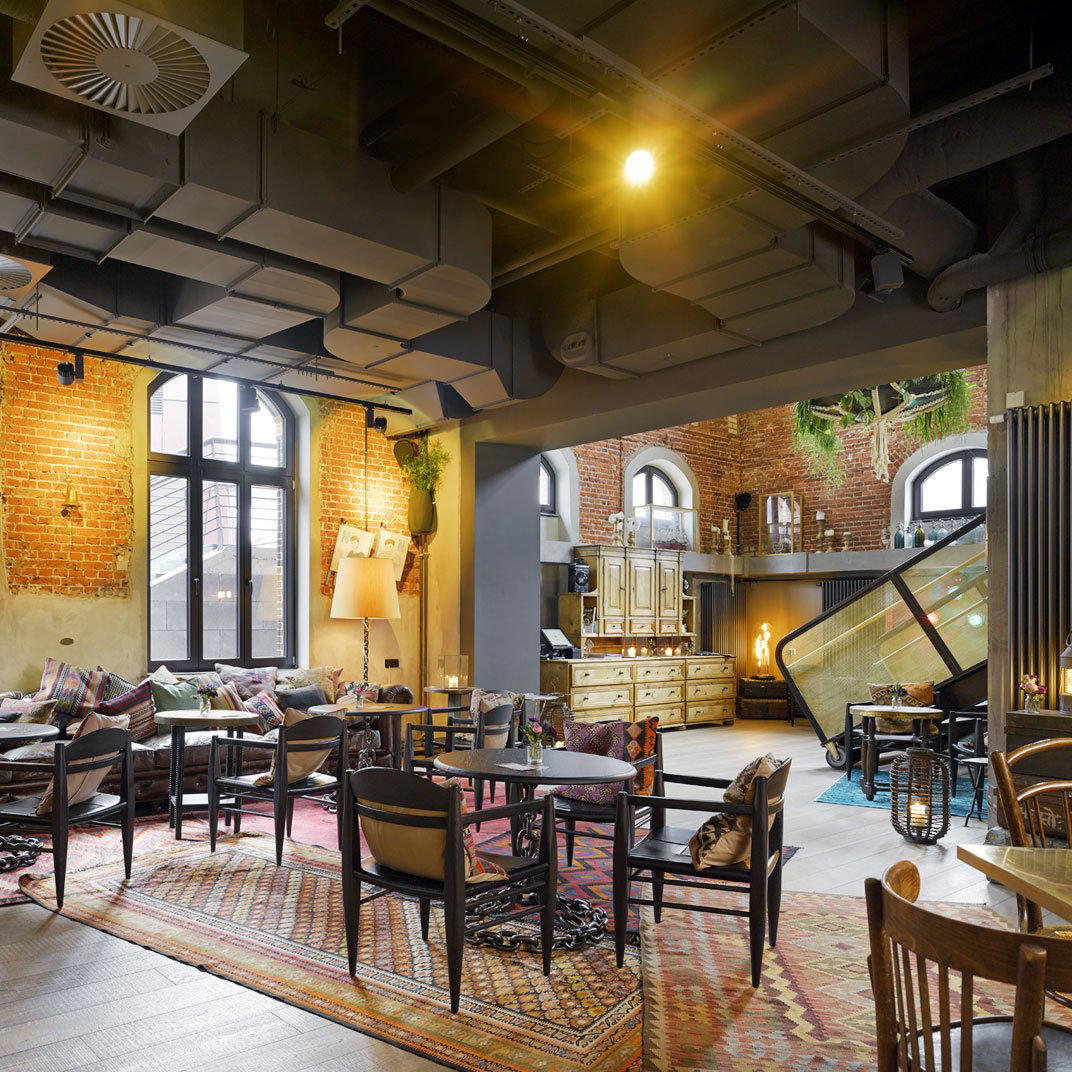
At a Glance
- Modern
- Cozy
- Business Dinner
- Casual Hangout
Current opening hours
- Monday
- 11 AM–4 PM
- Tuesday
- 11 AM–4 PM
- Wednesday
- 11 AM–4 PM
- Thursday
- 11 AM–4 PM
- Friday
- 11 AM–4 PM
- Saturday
- Closed
- Sunday
- Closed
Hours can change for holidays and private events. Last verified .
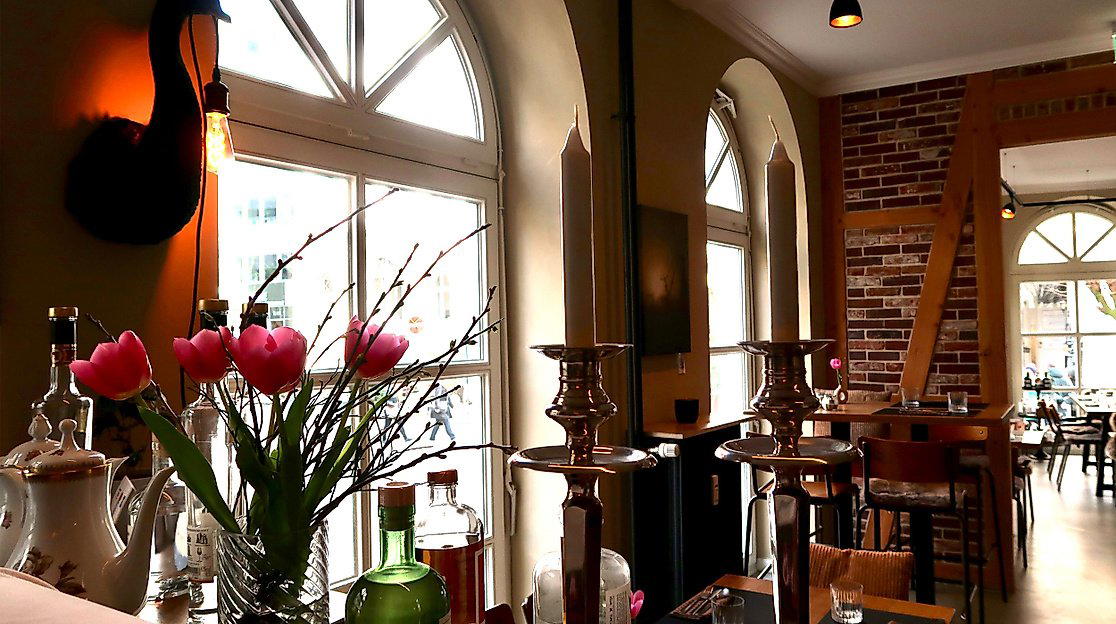
Modern and contemporary interior with warm Turkish hospitality, ideal for quick no-frills lunches.