Kao Man Kai Nantaram (ข้าวมันไก่นันทาราม)
Along Wualai's temple-flanked backstreets, Kao Man Kai Nantaram serves one of Chiang Mai's most focused renditions of khao man kai, the Hainanese-Thai poached chicken rice that defines the city's morning-to-midday street food rhythm. No frills, no menu complexity, just the dish, executed with the consistency that keeps neighbourhood regulars returning daily.
Pearl is the En Primeur Club membership app — saves, bookings, and concierge access live there. Same editors, same standards.
- Address
- นันทาราม (วัวลาย 5 ก), เมืองเชียงใหม่, เชียงใหม่ 50000
- Directions
- Get directions
 Saves & bookings on Pearl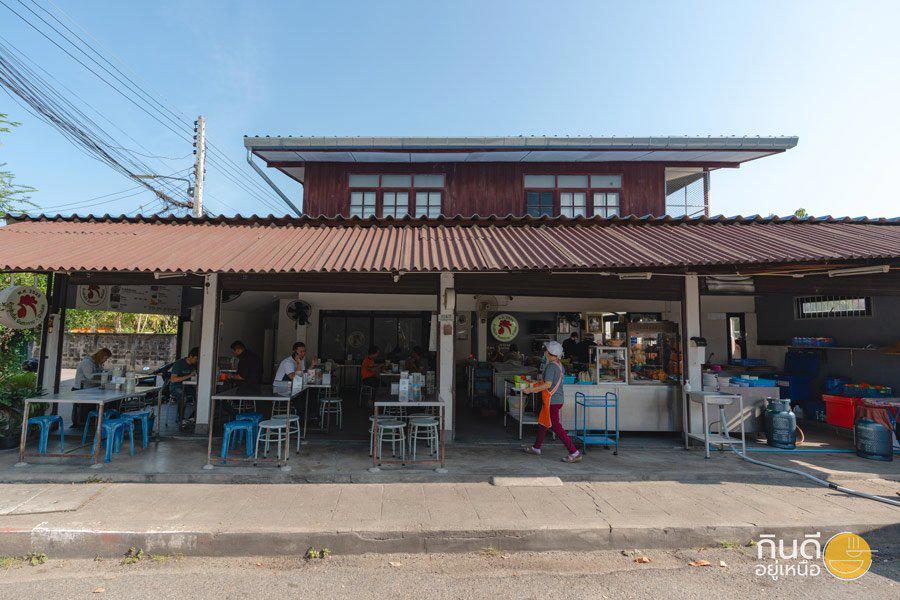
Where the Morning Smells Like Broth
The Wualai district in southern Chiang Mai moves at a different pace from the tourist-facing lanes near Nimmanhaemin or the Night Bazaar. By the time most visitors are ordering coffee, the side streets around Wat Nantaram are already mid-service. The smell arrives before the stall does: a slow, clean chicken broth that has been rolling since early morning, carrying none of the aggressive spice of northern Thai cooking and everything of the quieter Hainanese tradition that has shaped this particular genre of Thai street food for generations.
Kao Man Kai Nantaram sits on that culinary fault line. Khao man kai, the dish it takes its name from, is one of Thailand's most misunderstood street foods when viewed from outside the country. To an uninitiated eye it looks spartan: white rice cooked in rendered chicken fat, poached chicken sliced and placed on leading, a cup of clear broth on the side, and a dark, soy-forward dipping sauce. The entire logic of the dish is in what is withheld. No garnish for the sake of it, no chilli heat to distract. The craft is in the quality of the bird, the fat-to-water ratio in the rice, and the depth of the broth, which is typically built over several hours from bones, ginger, and garlic before service begins.
The Hainanese Lineage Behind a Thai Street Staple
To understand a place like Kao Man Kai Nantaram, it helps to trace the dish back through Thailand's Chinese immigrant communities. Khao man kai is a direct descendant of Hainanese chicken rice, brought to Southeast Asia by migrants from Hainan province in the nineteenth and early twentieth centuries. The dish took slightly different forms across the region: Singapore hardened it into a national symbol; Malaysia developed a more aromatic variant; and Thailand simplified and domesticated it, embedding it into the street food canon at the lower end of the price spectrum, where it has remained.
In Chiang Mai specifically, the dish occupies an interesting position. The city's strongest culinary identity runs through northern Thai traditions: khao soi, sai ua, gaeng hung lay. Khao man kai is pan-Thai rather than northern, but it has found a deep following in the city's older residential quarters, where Chinese-Thai families have operated chicken rice stalls across multiple generations. Nantaram's location near the temple district of Wualai places it squarely in that tradition, the kind of neighbourhood where food habits are formed over decades rather than seasons. For broader context on how Chiang Mai's street food scene is structured across price points and traditions, the full Chiang Mai restaurants guide maps the relevant categories.
The Sensory Architecture of the Meal
The editorial angle that matters most here is not the stall itself but the sensory logic of the format. Khao man kai at this level is experienced almost entirely through smell and texture rather than visual spectacle. The rice arrives slightly warm and sticky with fat, each grain distinct but cohered. The chicken, when executed correctly, is poached to just past translucence, giving a texture that is neither rubbery nor falling apart. The broth is served hot, usually in a small ceramic cup or bowl, and is meant to be sipped between bites rather than drunk separately.
The dipping sauce is where most of the flavour complexity lives. In the Thai iteration it typically combines fermented soybean paste, ginger, vinegar, and sometimes a small quantity of chilli, arriving dark and pungent against the mild palate of the chicken and rice. This is the element that differentiates one khao man kai vendor from the next, and the one that locals use as the primary measure of quality. A version that is too sweet loses its cutting function; one that is too salty overwhelms the bird.
Street stalls at this level in Chiang Mai tend to operate morning through early afternoon, with service stopping when the chicken runs out. Arriving after 11am at particularly established stalls often means reduced choice or no availability at all. That operational logic, driven by product exhaustion rather than a set closing time, is itself a quality signal in Thai street food culture. Compare this model with the more structured sit-down format of Loet Rot in Mueang Chiang Mai or the northern Thai home-cooking tradition at Baan Landai and Baan Landai on Phra Pok Klao Road, and the contrast in format philosophy becomes clear.
Where It Sits in Chiang Mai's Broader Food Order
Within Chiang Mai's street food tier, khao man kai vendors compete on a narrow axis: the dish has few variables, so consistency and sourcing are what separate the serious operators from the ordinary ones. The Nantaram location draws from a neighbourhood customer base that has been self-selecting for quality over time, the street food equivalent of a restaurant that survives without tourists because local regulars enforce standards through daily return.
The broader Thai dining spectrum stretches considerably above this price point. At the formal end, venues like Sorn in Bangkok have taken southern Thai ingredients to Michelin two-star territory, while PRU in Phuket frames Thai produce through a fine dining lens. Street-level excellence operates on entirely different terms, where neither awards nor celebrity chefs are the relevant signal. Longevity and repeat custom do the credentialing work instead.
For those building a broader Chiang Mai itinerary around this kind of market-level eating, the contrast with newer addresses is instructive. Aunt Aoy Kitchen offers a home-kitchen register at a slightly higher format level, while Aeeen addresses the plant-based end of the market that a dish as protein-centred as khao man kai cannot. For Italian and Western fare in the city, Aquila occupies a different tier entirely. Thailand's street food across other cities and formats is covered through venues like Hoy Tord Chao Lay in Bangkok and AKKEE in Pak Kret, both of which illustrate how single-dish specialisation drives reliable street food operations in Thailand.
Planning Your Visit
Wualai Road and its offshoots are reachable by songthaew from the Old City in under ten minutes. Saturday evenings transform the main road into a walking street market, making the area busier on weekends; a weekday morning visit to Nantaram's side street means quieter surrounds and typically a longer window of availability before the stall closes. No booking mechanism exists for a stall of this type, the model is walk-in only, and arriving between 8am and 10am offers the strongest chance of the full range being available. Payment is cash-only, as is standard at this level of the market. For context on how to structure a full morning in the district alongside this kind of eating, the EP Club Chiang Mai guide covers the broader neighbourhood logic.
Peers Worth Knowing
Comparable venues nearby, for context on price, style, and recognition.
| Venue | Cuisine | Price | Notes |
|---|---|---|---|
| Kao Man Kai Nantaram (ข้าวมันไก่นันทาราม)This venue — the venue you are viewing | Thai Chicken Rice (Khao Man Gai) | $ | Not listed |
| Tubtim-Krob J'Auan | Northern Thai Lanna Desserts | $ | Chang Khlan |
| Guay Jab Nam Khon | Thai Guay Jab Noodle Soup | $ | Si Phum |
| Kaw Kha Moo Chang Phuek | Thai Braised Pork Leg Rice | $ | Chang Phueak |
| Kao Soi Samer Jai (ข้าวซอยเสมอใจ) | Northern Thai Khao Soi | $ | Wat Ket |
| Guay Tiew Pet Tun Saraphi | Northern Thai Street Food - Duck Noodle Specialties | $ | Saraphi |
Continue exploring
More in Chiang Mai
Restaurants in Chiang Mai
Browse all →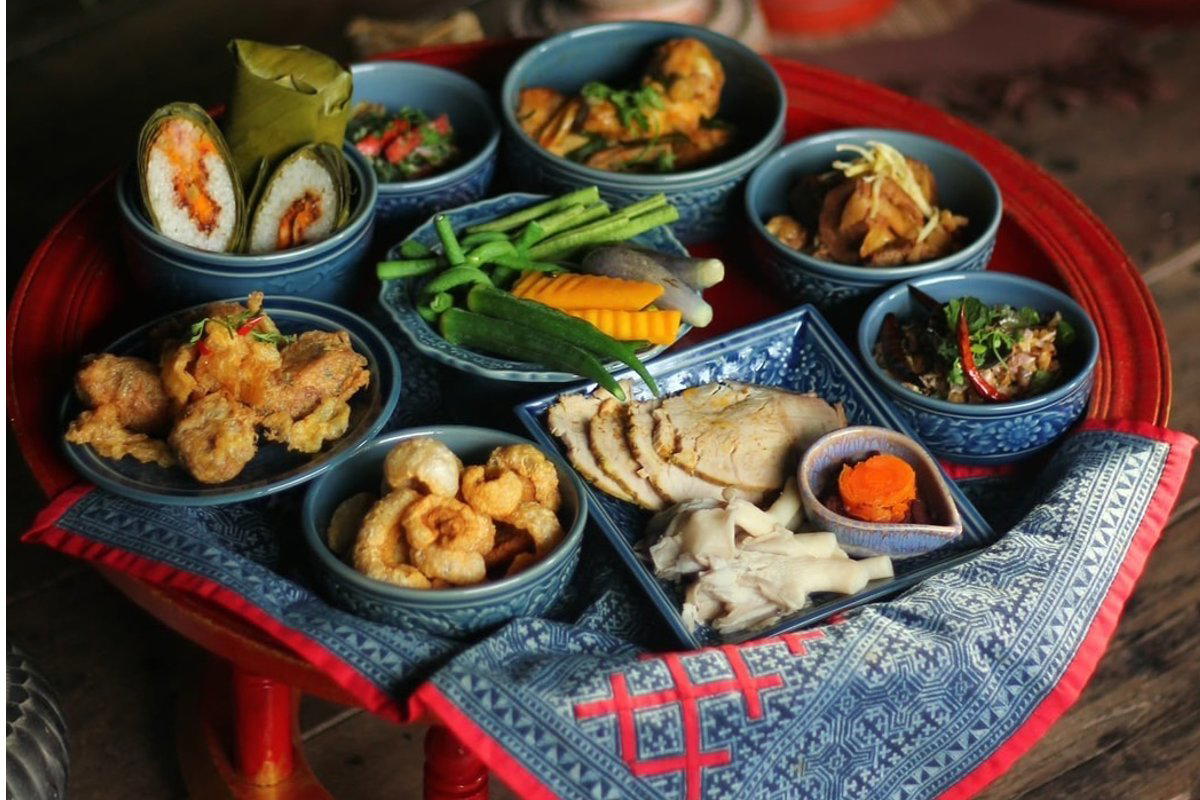
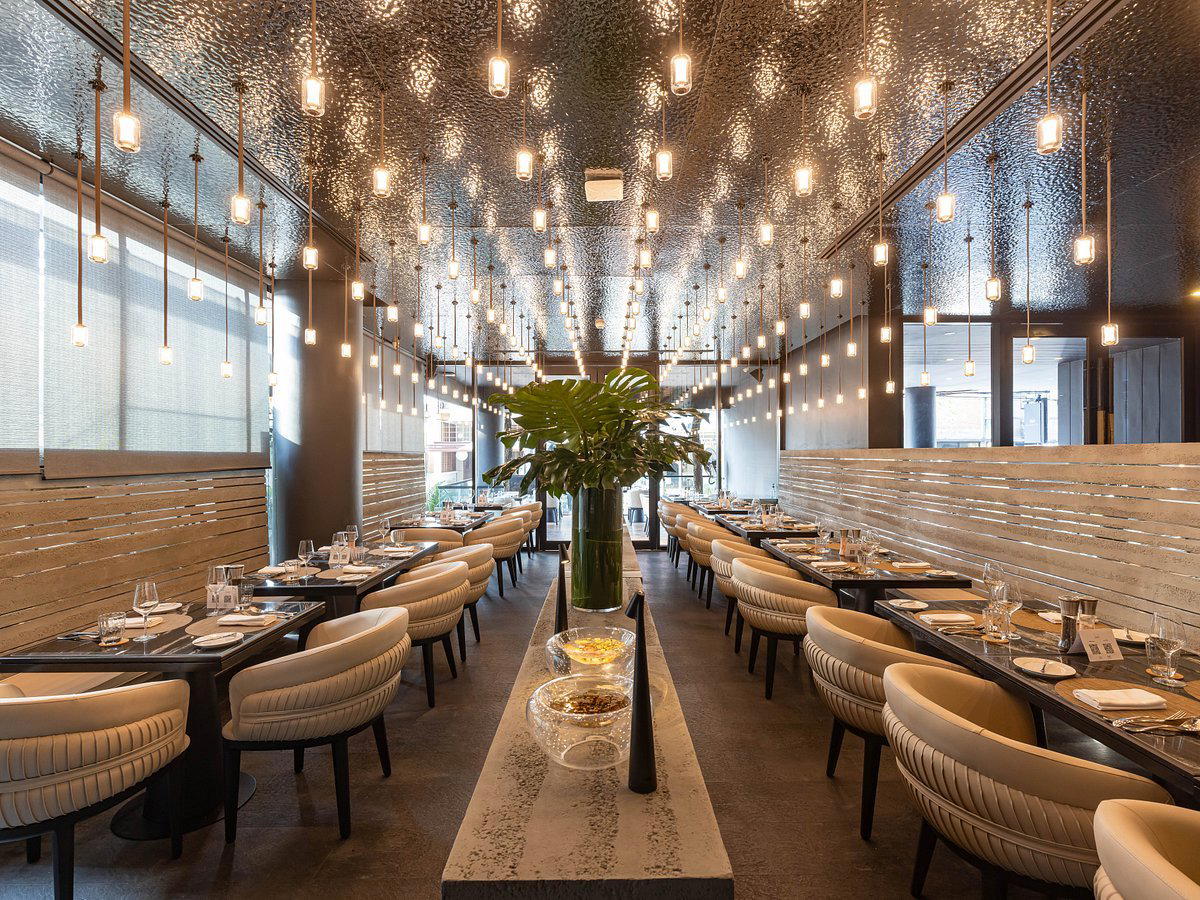
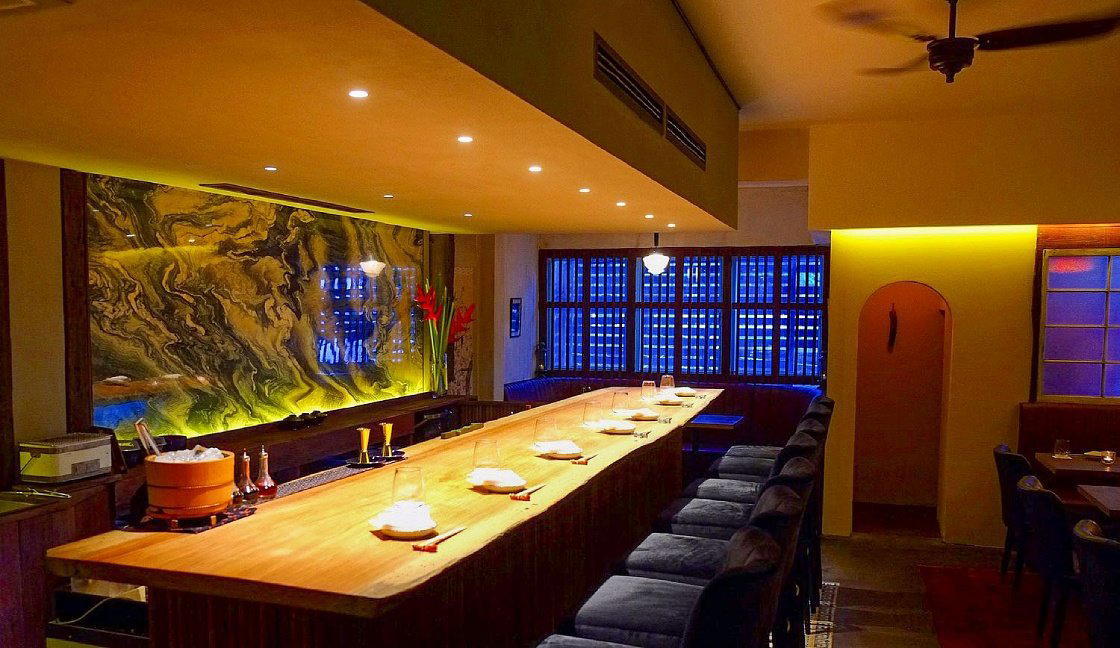
Bars in Chiang Mai
Browse all →


At a Glance
- Casual Hangout
- Standalone
Casual street food stall atmosphere with quick service and local crowds.