Soo Uulits Tänavagurmee brings street food culture to Tallinn's Soo district, operating from a compact address that sits outside the tourist corridors of the Old Town. The format positions it within a growing cohort of Estonian casual dining that draws on local ingredient traditions without the formality of the city's fine-dining tier. For visitors seeking food that connects to neighbourhood life rather than heritage-quarter spectacle, this is a useful reference point.
Pearl is the En Primeur Club membership app — saves, bookings, and concierge access live there. Same editors, same standards.
- Address
- Soo tn 1B-6, 10414 Tallinn, Estonia
- Phone
- +37258559593
- Website
- uulits.ee
- Directions
- Get directions
 Saves & bookings on Pearl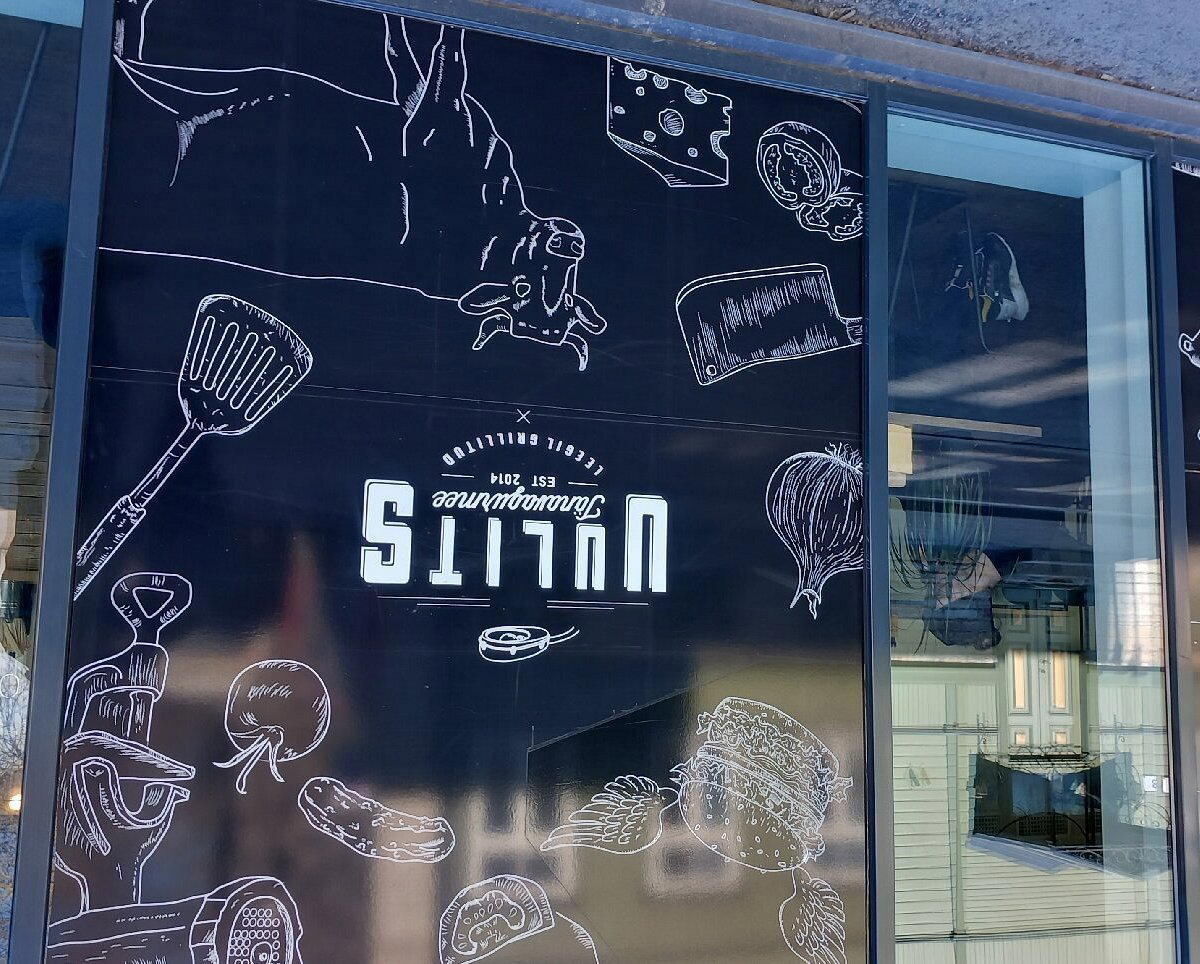
Street Food Formats and Tallinn's Evolving Food Scene
Tallinn's dining map has, for much of the past decade, been organised around two poles: the heritage-quarter restaurants serving updated Estonian cuisine to tourists moving between the Old Town's medieval towers, and a small cluster of high-format creative restaurants, including NOA Chef's Hall and 180° by Matthias Diether, that price and present themselves against a European fine-dining comparable set. Between those two poles, a looser, more neighbourhood-oriented food culture has been taking shape, and street food formats sit at the centre of that shift.
Soo Uulits Tänavagurmee occupies an address on Soo tänav, a street that sits outside the tourist circulation of the Old Town and away from the waterfront venues that tend to absorb the city's visitor attention. The name itself signals the format: "tänavagurmee" translates directly as street gourmet, placing the venue in a category that has been expanding across Northern European cities over the past several years as operators have moved casual food concepts out of market halls and into permanent neighbourhood addresses.
What Street Food Means in the Estonian Context
Street food in Estonia carries a different set of cultural references than it does in, say, Southeast Asian cities where the tradition is centuries deep and structurally embedded in daily life. In Tallinn, the casual food format has developed more recently, partly in response to the same international exposure that reshaped urban food culture across the Baltic capitals after EU accession and the subsequent growth in both tourism and local travel. The influences are layered: Scandinavian-style open sandwich and smørrebrød culture sits alongside remnants of Soviet-era canteen food, and both are in conversation with the kind of ingredient-led simplicity that Estonian farms and coastline make available.
The Soo district address is relevant here. Neighbourhoods away from Tallinn's Old Town tend to host food formats that serve a more resident-than-visitor clientele, and street food operations in those areas function differently from the tourist-facing equivalents inside the walls. The audience is regular, the price sensitivity is higher, and the pressure to perform novelty is lower. That dynamic tends to produce more consistent, less theatrical food.
Comparison venues in the mid-range include Bocca, which takes a more formal approach to Estonian cuisine, and 38, which operates in the creative casual register. At the higher end, 180 Degrees Restaurant represents the fine-dining bracket that street food formats deliberately position against.
The Baltic Casual Dining Tier in Broader Context
Across the Baltic states and Northern Europe more broadly, the mid-tier casual restaurant has been one actively evolving part of the market over the past five years. The categories that have grown fastest are those combining local sourcing credentials with informal service formats: counter service, open kitchens, and limited menus that rotate by availability rather than season. Street food operations that move into permanent premises often retain the counter-service logic even after acquiring a fixed address, which tends to keep ticket prices lower and throughput higher than conventional table-service formats.
That broader pattern is visible across Estonia's secondary cities too. Kolm. Restoran in Voru and Kohvik in Viljandi both reflect the same move toward neighbourhood-anchored, ingredient-honest casual dining that has been reshaping Estonian food culture outside the capital. In coastal areas, venues like KABE Beach in Kaberneeme and Wana Kala Kõrts in Neeme show how the casual format adapts to seasonal and seafood-oriented settings. The pattern in all these cases is similar: informal presentation, local sourcing signals, and a price point that keeps the format accessible to the local population rather than exclusively to visitors.
International reference points are instructive for understanding the ambition ceiling of the street food format. Venues like Le Bernardin in New York City and Atomix in New York City represent the opposite end of the format spectrum, where tasting menu discipline and Michelin recognition define the competitive set. Street food formats in cities like Tallinn are not positioned against that tier, but they are increasingly in conversation with it, borrowing vocabulary around provenance and technique while maintaining the accessibility of the casual format.
Planning Your Visit
Soo Uulits Tänavagurmee is located at Soo tn 1B-6, 10414 Tallinn. The Soo district address puts it outside the immediate walking zone of the Old Town, which means it is better reached on foot from the Kalamaja or Pelgulinn neighbourhoods, both of which have seen significant food and cafe development over the past several years. Visitors staying in central Tallinn will find the walk manageable and the neighbourhood worth the detour for the change of atmosphere it provides from the heritage quarter.
Walk-in service is recommended, and the venue's hours should be checked before visiting. For comparable casual dining options in the region, Franzia in Narva Joesuu and Kohvik Kaar in Narva offer points of comparison in different parts of the country. Within the capital, visitors with more time should also consider Everest Thai/Nepalese Restaurant in Parnu for a sense of how international cuisine formats are operating across the Estonian casual tier. Wine-oriented options in the broader region include Valgeranna Veinitall in Audru and Kuur in Vihtra, both of which operate in the rural leisure dining segment.
In Context: Similar Options
Comparable venues nearby, for context on price, style, and recognition.
| Venue | Cuisine | Price | Awards | Notes |
|---|---|---|---|---|
| Soo Uulits TänavagurmeeThis venue — the venue you are viewing | Estonian Street Gourmet Burgers | $$ | Not listed | Not listed |
| RØST Bakery | Scandinavian Sourdough Bakery & Specialty Coffee | $$ | Not listed | Rotermann Quarter |
| HÜGGE Resto | Scandinavian-Japanese Fusion | $$ | Not listed | Lasnamäe |
| VÕIVÕI | Modern Fire-Grilled Estonian | $$$ | Michelin Plate | Kesklinn |
| Viru Burger | Modern Burgers | $$ | Not listed | Kesklinna linnaosa |
| Sushi Guru | Japanese Sushi | $$ | Not listed | Lasnamäe |

At a Glance
- Trendy
- Lively
- Cozy
- Casual Hangout
- Open Kitchen
Current opening hours
- Monday
- 11:30 AM–9 PM
- Tuesday
- 11:30 AM–9:30 PM
- Wednesday
- 11:30 AM–9:30 PM
- Thursday
- 11:30 AM–9:30 PM
- Friday
- 11:30 AM–10 PM
- Saturday
- 11:30 AM–10 PM
- Sunday
- 11:30 AM–9 PM
Hours can change for holidays and private events. Last verified .
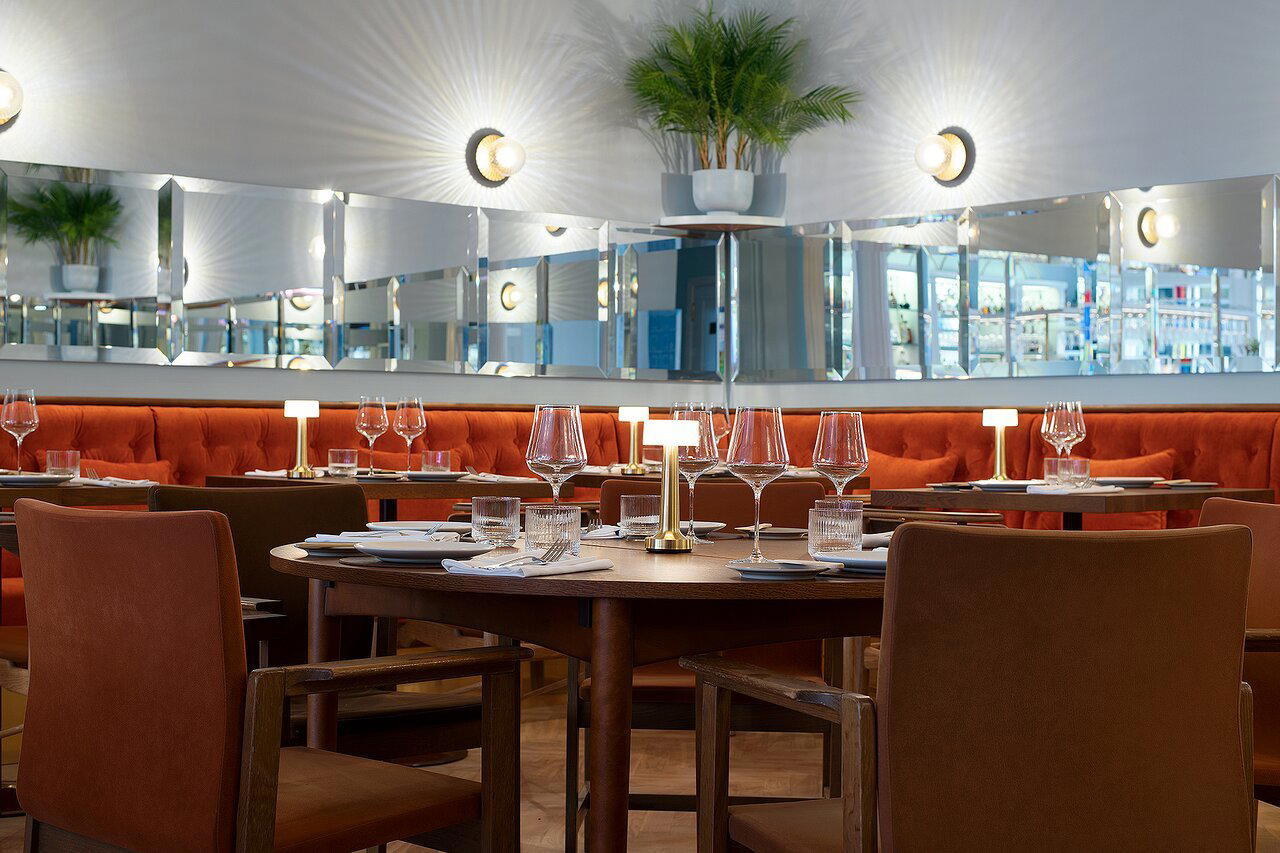
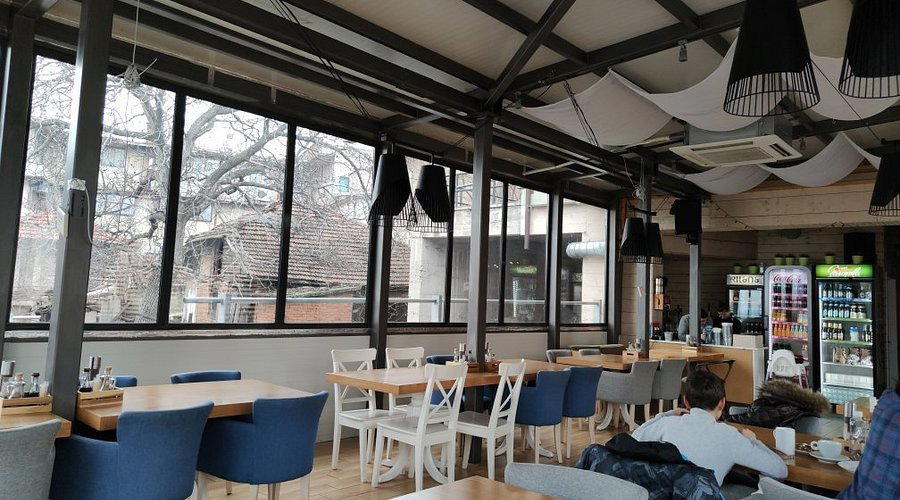
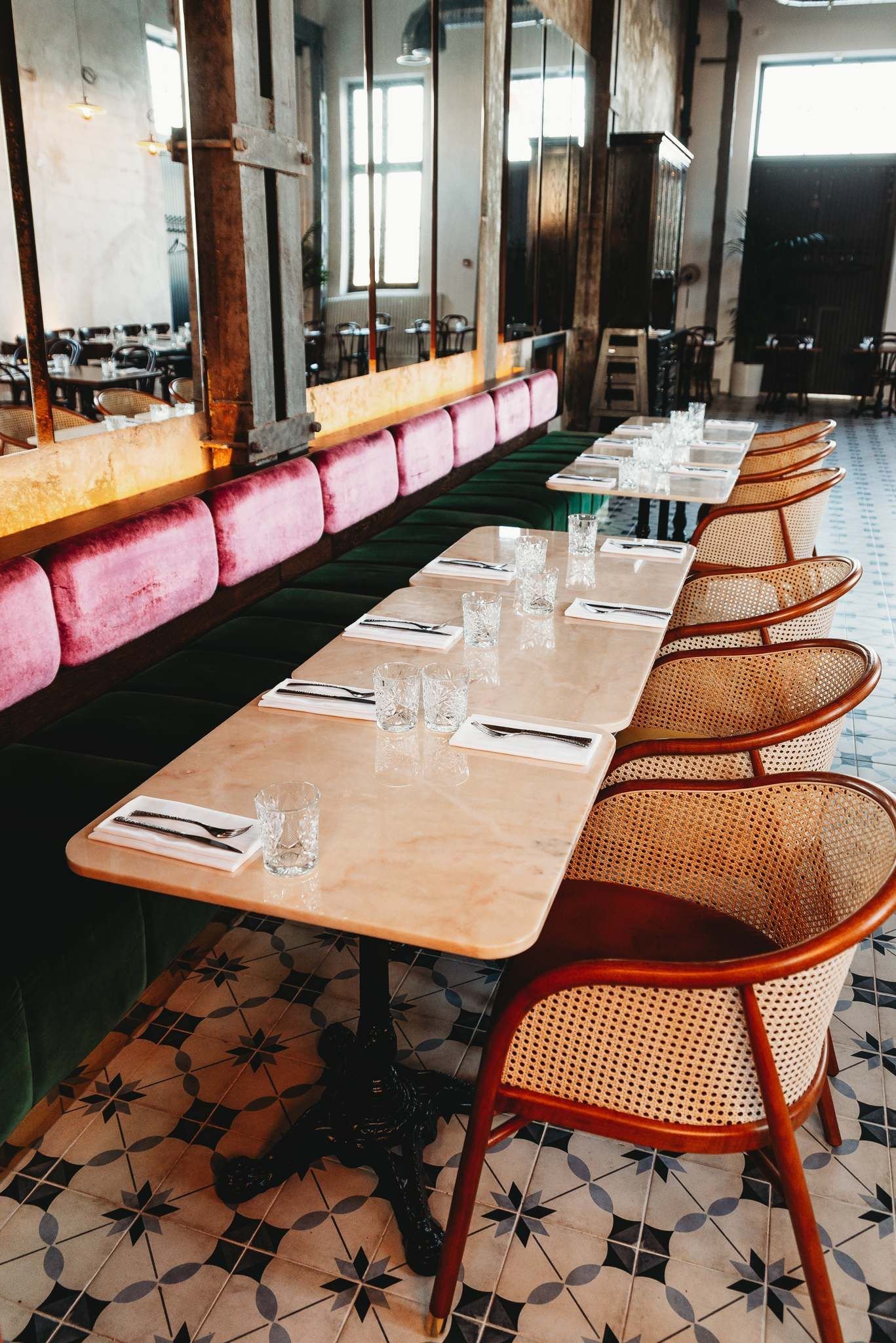
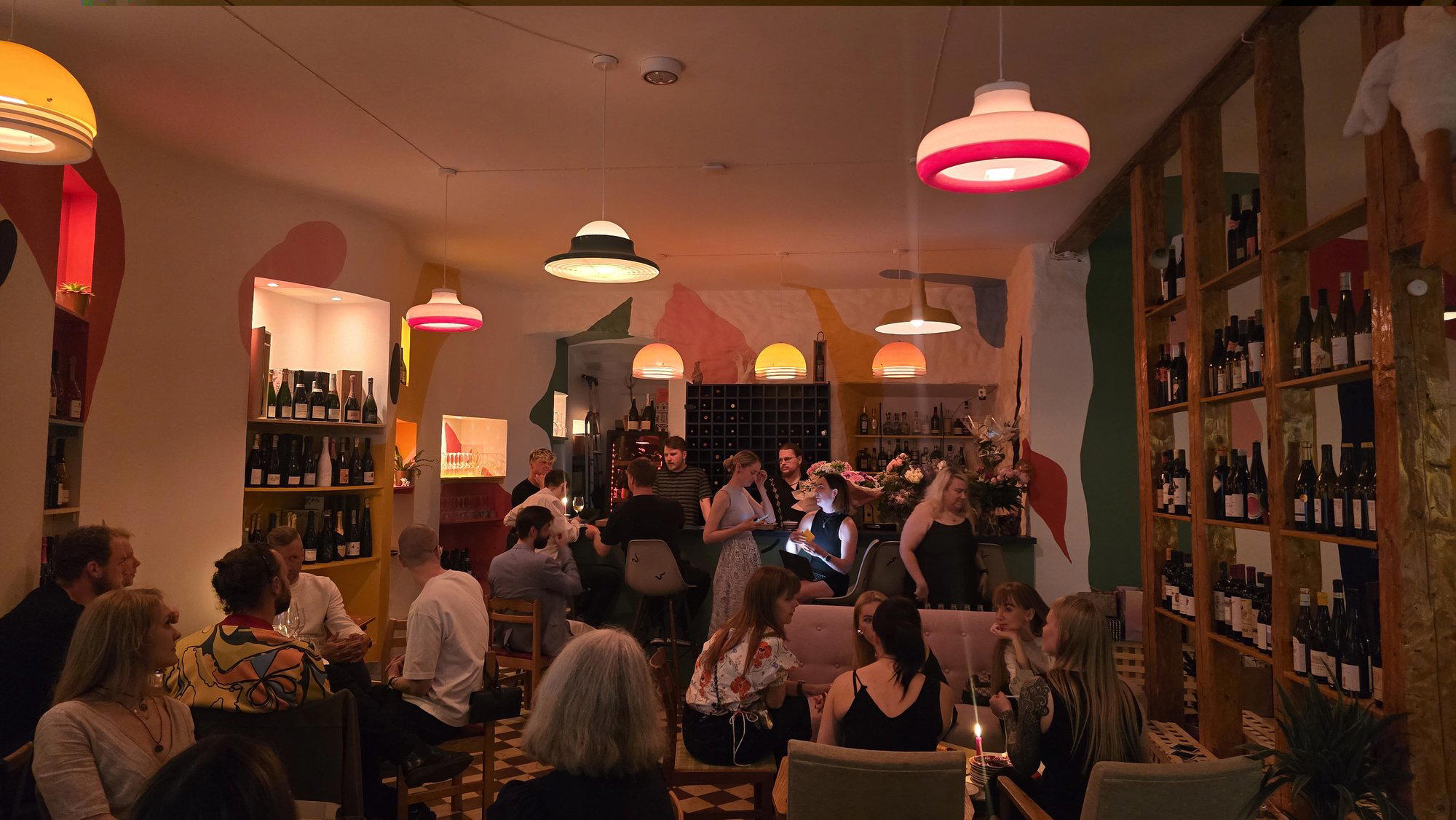
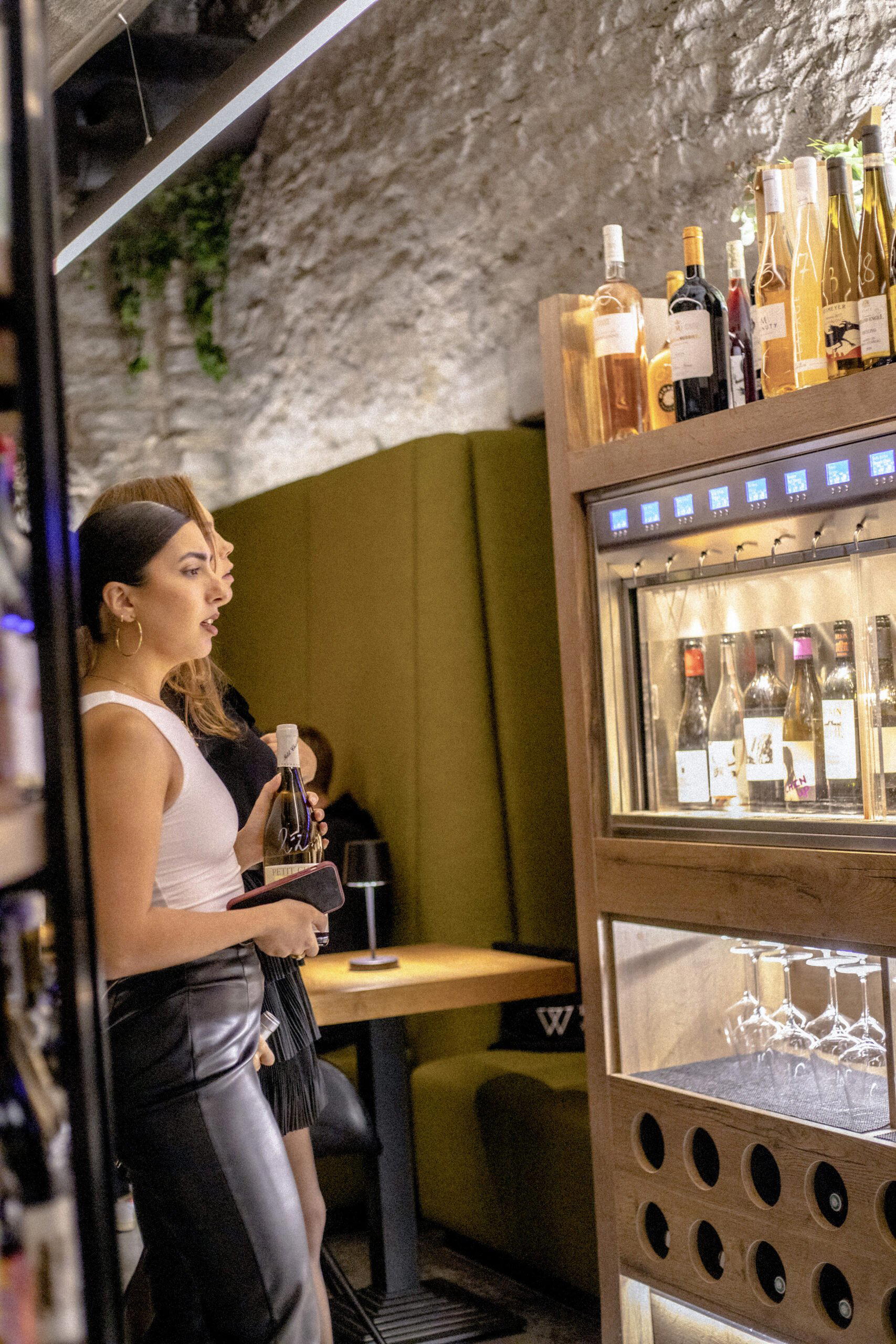
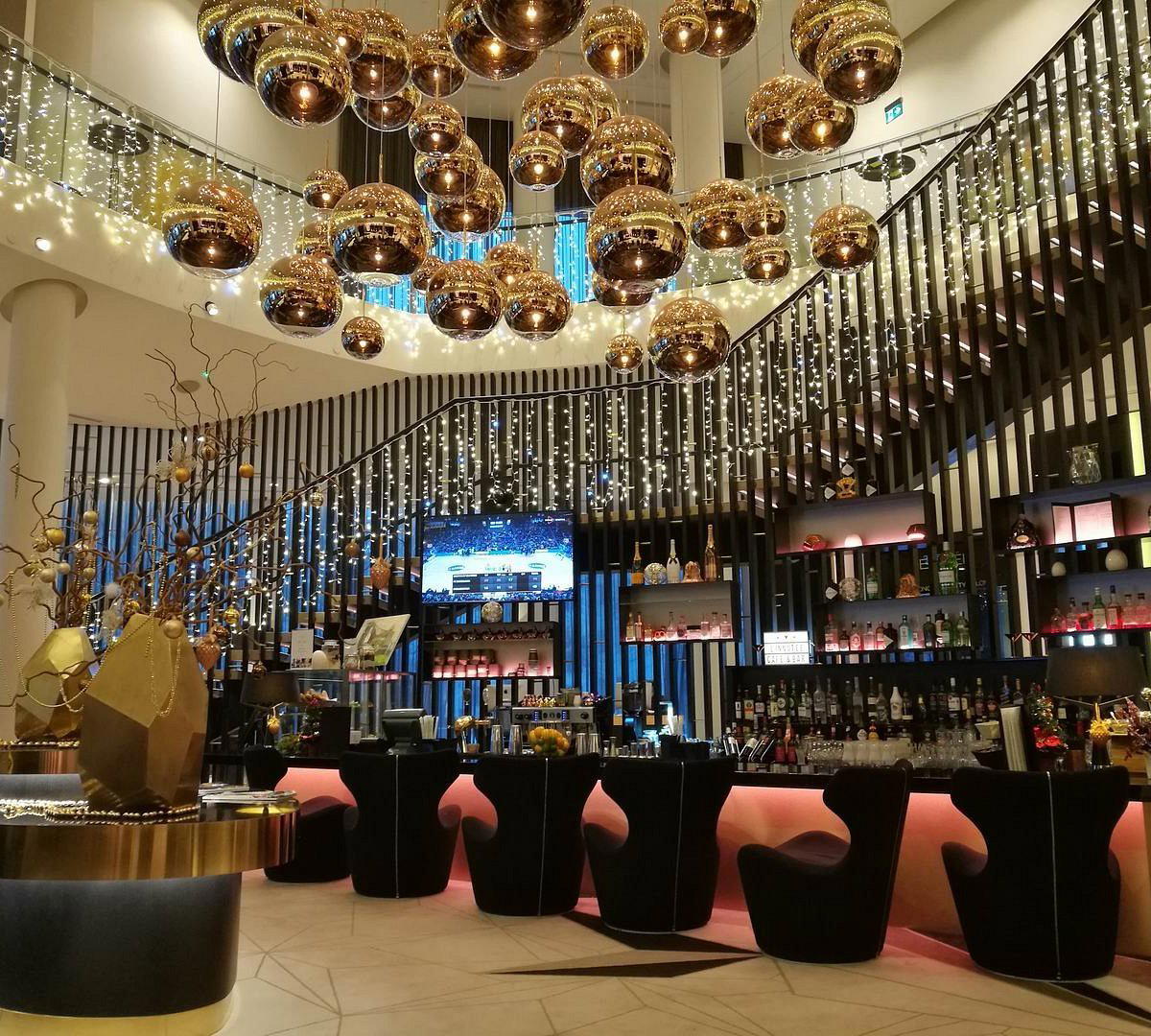
Cozy spot with cheerful staff and a casual, welcoming atmosphere ideal for street food lovers.