
White Guide Baltic Restaurants - Fine Level
Our verdict
Mimosa sits at Viljandi mnt 6 in Tallinn, operating within a city whose restaurant scene has shifted decisively toward collaborative kitchen formats and ingredient-led cooking.

Pearl is the En Primeur Club membership app — saves, bookings, and concierge access live there. Same editors, same standards.
- Address
- Viljandi mnt 6, 11214 Tallinn, Estonia
- Phone
- +3726313001
- Hours
- Mon–Thu 12–9 PMFri–Sat 12–10 PMSun Closed
- Website
- restoranmimosa.ee
- Directions
- Get directions
- Booking
- Book on the venue's website
The menu
What to order
- Herring with apple-celery salad
- Slow-roasted duck leg
Tallinn's Collaborative Kitchen Moment
Tallinn's serious dining scene has undergone a quiet structural change over the past decade. The city's most discussed addresses have moved away from the lone-auteur model — one chef, one vision, presented with a certain stiff formality — toward formats where the relationship between kitchen, floor, and cellar is legible to the guest. The sommelier is not an afterthought. The front-of-house does not simply recite a menu. What diners find at the better end of the market is a team dynamic that shapes the meal from the moment a reservation is confirmed to the last pour of the evening. Mimosa, at Viljandi mnt 6 in Tallinn, sits inside that broader shift.
The address places the restaurant outside the Old Town's most concentrated tourist circuit, which matters more than it might first appear. Tallinn's medieval centre draws significant foot traffic, and the restaurants that rely on that traffic tend to service it accordingly, broader menus, faster turns, less investment in the kind of front-of-house depth that defines a genuine dining room. An address on Viljandi mnt signals a different operating logic: the guests here are arriving with intention, not impulse, and the room can be calibrated for them.
The Scene at Viljandi mnt
The neighbourhood around Viljandi mnt belongs to a ring of Tallinn that functions more as a residential and commercial transition zone than as a dining destination in itself. That positioning is not incidental. Some of the city's more considered openings over the past several years have chosen comparable locations, far enough from the Old Town to avoid the rent and volume pressures of the centre, close enough to draw diners who know what they are looking for. NOA Chef's Hall, operating in the creative and premium tier at €€€€, demonstrates that Tallinn's appetite for serious dining extends well beyond the medieval core. Mimosa occupies a different part of the city, but the underlying logic, go where the guests will follow, rather than where the tourists already are, connects both addresses to the same broader pattern.
For context on how Tallinn's dining geography has developed, the full Tallinn restaurants guide maps the city's key neighbourhoods and price tiers in detail.
The Team Dynamic as Architecture
In cities where the kitchen-floor-cellar collaboration is taken seriously, the guest experience changes in measurable ways. Pacing becomes a conversation rather than a schedule. Wine recommendations arrive with specific reasoning attached, not generic pairing logic. A server who knows the sourcing behind a dish can answer questions that a recited script cannot. These are not luxuries reserved for Michelin-starred rooms; they are the operational standards that separate a well-run dining room from an expensive one.
Tallinn's most discussed restaurants have moved in this direction. 180° by Matthias Diether, working at the €€€€ price point with an Estonian Fusion approach, represents one end of that spectrum, a kitchen where the tasting menu format demands tight coordination between all three service pillars. Bocca represents another register of Estonian cuisine, demonstrating that the collaborative model is not exclusive to the highest price tiers. 38 in the creative segment adds a further data point: Tallinn has enough formats operating at genuine quality that the category is becoming genuinely competitive.
That absence of published credentials does not necessarily indicate a venue still finding its footing, Tallinn's dining scene has enough operating addresses that some quality rooms simply predate or bypass the formal recognition circuits. What it does mean is that the editorial assessment here relies on contextual positioning rather than verified award signals.
Estonian Dining in a Wider Frame
Estonia's food culture has a specific character that visitors arriving from Scandinavia or Western Europe sometimes misread. The dominant tradition is not one of elaborate technique applied to imported luxury ingredients, but of close attention to what the local seasons actually produce: fermented and preserved elements, foraged components, a pantry shaped by long winters and short, productive summers. The leading Estonian kitchens use that pantry as a creative constraint rather than a limitation, and the results can be more interesting than the more obviously international formats.
That tradition also shapes what front-of-house excellence looks like in this context. A sommelier working in Tallinn has access to a wine culture that is genuinely international, Estonia imports broadly, and the natural and low-intervention segment is well represented, but the most effective pairings tend to be those that hold the local ingredient logic in mind. The collaboration between kitchen and cellar, when it works, produces a meal where neither element is subordinate to the other.
For comparison points elsewhere in Estonia, Kohvik in Viljandi and Kolm. Restoran in Voru illustrate how the country's serious dining conversation extends beyond the capital. Coastal formats like KABE Beach in Kaberneeme and Wana Kala Kõrts in Neeme show a different seasonal logic entirely, one shaped by the Gulf of Finland rather than the inland foraging calendar. Further afield, Franzia in Narva Joesuu, Kohvik Kaar in Narva, Eva Sushi in Tartu, Everest Thai/Nepalese in Parnu, Valgeranna Veinitall in Audru, and Kuur in Vihtra collectively map a country where thoughtful dining has dispersed well beyond the capital.
Planning a Visit
Mimosa is located at Viljandi mnt 6, 11214 Tallinn. Given the restaurant's address outside the Old Town's core, arriving by taxi or rideshare is the most direct option from the city centre. As with most of Tallinn's non-tourist-circuit addresses, reservations in advance are advisable rather than optional, the dining rooms at this end of the market tend to run at higher occupancy precisely because they are not absorbing walk-in volume from the Old Town. 180 Degrees Restaurant and NOA Chef's Hall both operate on booking-led models, and the pattern holds across Tallinn's considered dining tier.
For international reference points on what genuinely collaborative kitchen-floor-cellar dynamics look like at the highest level, Le Bernardin in New York City and Atomix in New York City illustrate the format at two different registers, one defined by French classical discipline, the other by Korean tasting menu precision. Tallinn's leading rooms are operating within a different economic and cultural context, but the underlying ambition to make kitchen, floor, and cellar function as a single coherent argument to the guest is the same.
Frequently asked questions
How do I find Mimosa?
Mimosa is located at Viljandi mnt 6, 11214 Tallinn, Estonia, Tallinn.
How does Mimosa fit into Tallinn's wider restaurant scene compared to old town venues?
Mimosa's address at Viljandi mnt 6 places it outside Tallinn's tourist-dense old town, in a residential and commercial transition zone where the audience skews local rather than visitor. That geography tends to correlate with a different operational rhythm: less pressure on table turnover, more focus on the repeat guest. It positions Mimosa alongside a small group of Tallinn addresses that function primarily as neighbourhood institutions rather than destination draws.
What do regulars order at Mimosa?
Given the venue's position within Tallinn's ingredient-led dining movement, regulars at comparable Estonian addresses tend to gravitate toward whatever reflects the season most directly. Checking current offerings before arrival is advisable, as menus at this tier of Tallinn dining shift with supply.
Should I book Mimosa in advance?
Tallinn's better-regarded neighbourhood restaurants operate with limited covers, and walking in without a reservation at peak evening hours carries real risk. Booking at least a week ahead is a reasonable baseline.
What's the defining dish or idea at Mimosa?
Mimosa sits within Tallinn's broader move toward kitchen-floor-cellar collaboration as an organising principle, where pacing and menu logic are shaped by the whole team rather than a single chef. That structural approach, rather than any single dish, is what places venues like this in a distinct category within the Estonian capital's dining conversation.
Can Mimosa handle vegetarian requests?
Estonian cooking has historically leaned heavily on preserved fish, game, and dairy, though Tallinn's contemporary restaurant generation has become considerably more flexible with dietary requests. Contacting the venue directly before arrival is the clearest way to confirm what Mimosa can accommodate.
Is Mimosa worth it?
Mimosa operates in a part of Tallinn that requires a deliberate journey rather than a casual walk from the old town, which means the audience arriving at Viljandi mnt 6 tends to be there with specific intent. Tallinn's serious dining tier generally represents strong value against comparable European capitals.
Price and Positioning
Comparable venues nearby, for context on price, style, and recognition.
| Venue | Cuisine | Price | Awards | Notes |
|---|---|---|---|---|
| MimosaThis venue — the venue you are viewing | Modern Estonian | $20–30 | White Guide Baltic Restaurants - Fine Level | Not listed |
| Viru Burger | Modern Burgers | $10–20 | Not listed | Kesklinna linnaosa, Modern Burgers |
| Brööder | Homemade Kebab | $10–20 | Not listed | Balti Jaama Turg, Homemade Kebab |
| Jahu Pizza | Gourmet Pizza | $10–20 | Not listed | Kalamaja, Gourmet Pizza |
| Monster Pizza | Italian Sourdough Pizza | $10–20 | Not listed | Mustamäe, Italian Sourdough Pizza |
| Kaja Pizza Köök | Authentic Neapolitan Pizza | $10–20 | White Guide Baltic Restaurants - Recommended | Pelgulinn, Authentic Neapolitan Pizza |
Recognition history
Dated appearances from independent guides and award organizations, with the underlying list record or original source where available.
White Guide Baltic Restaurants - Fine Level
White Guide
Details
- Cozy
- Intimate
- Family
- Casual Hangout
- Garden
- Private Dining
- Garden
- A La Carte
- Vegetarian Friendly
- Vegan Options
- Gluten Free Options
Current opening hours
- Monday
- 12–9 PM
- Tuesday
- 12–9 PM
- Wednesday
- 12–9 PM
- Thursday
- 12–9 PM
- Friday
- 12–10 PM
- Saturday
- 12–10 PM
- Sunday
- Closed
Hours can change for holidays and private events. Last verified .
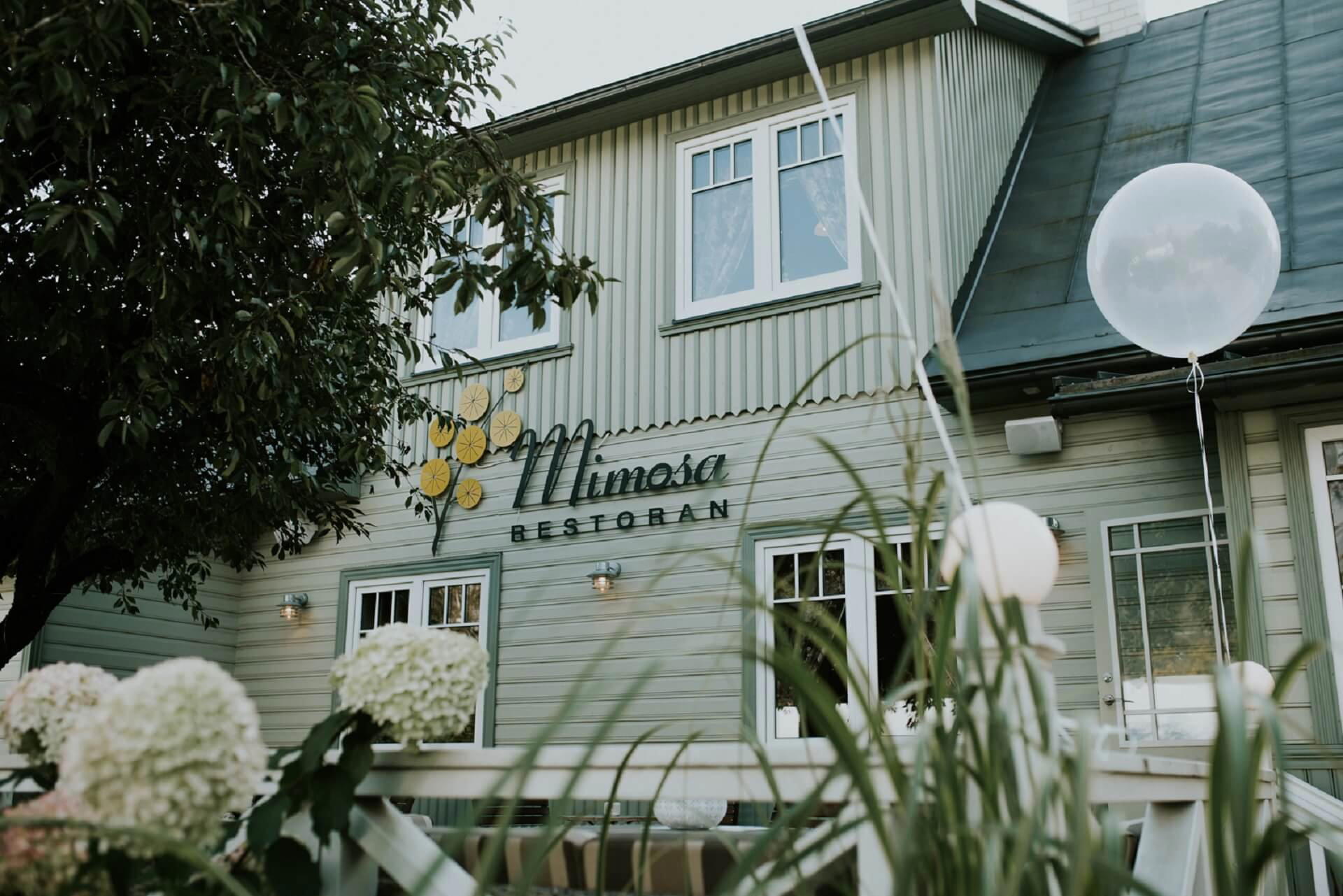
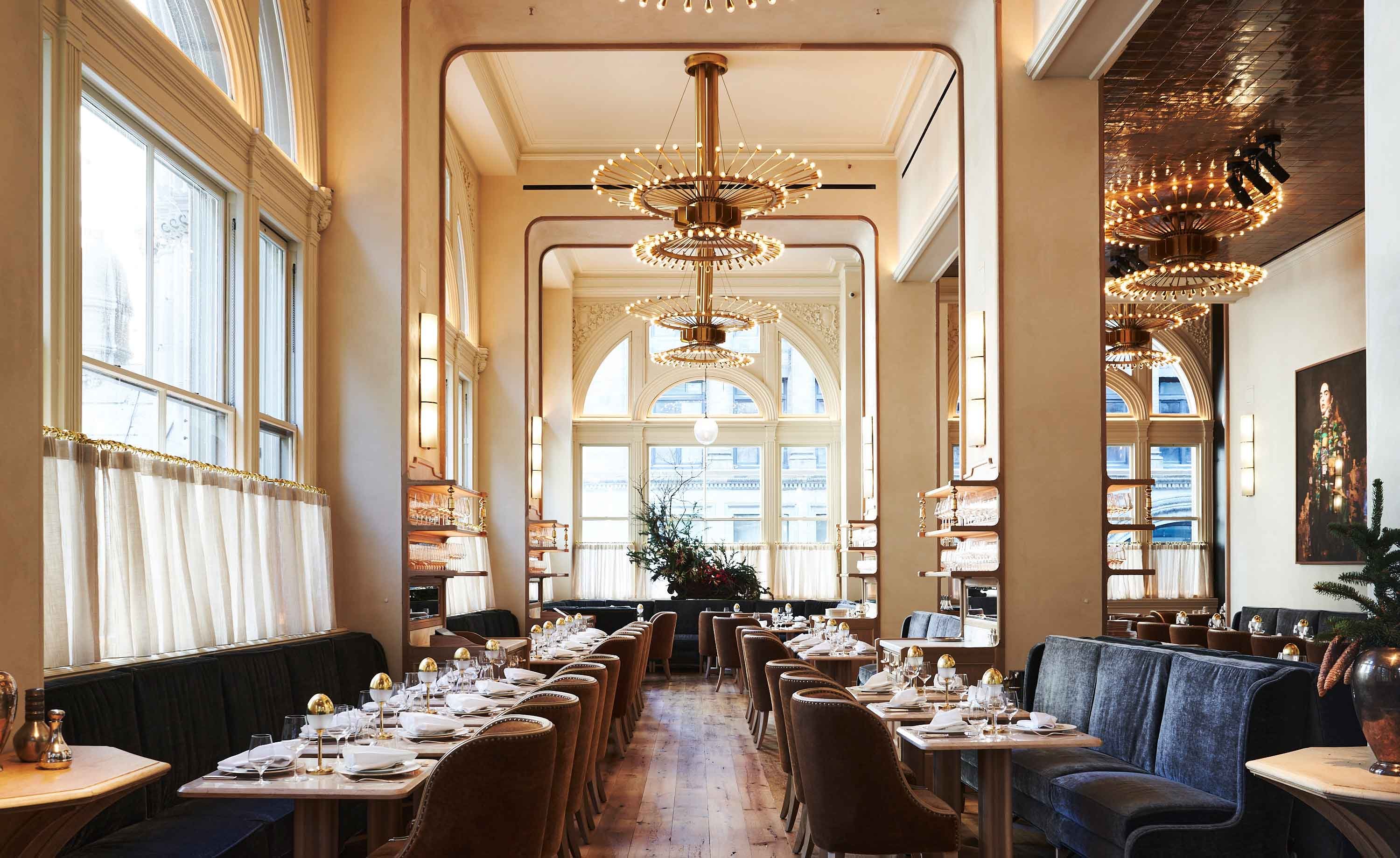
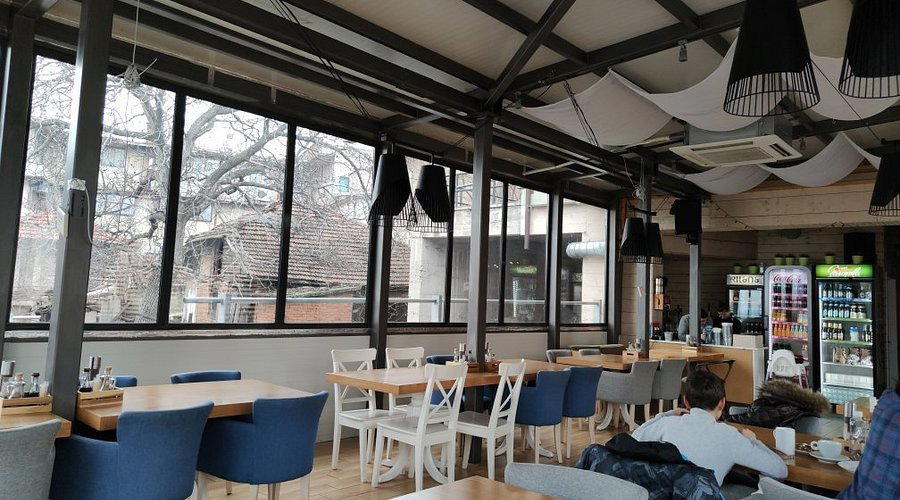
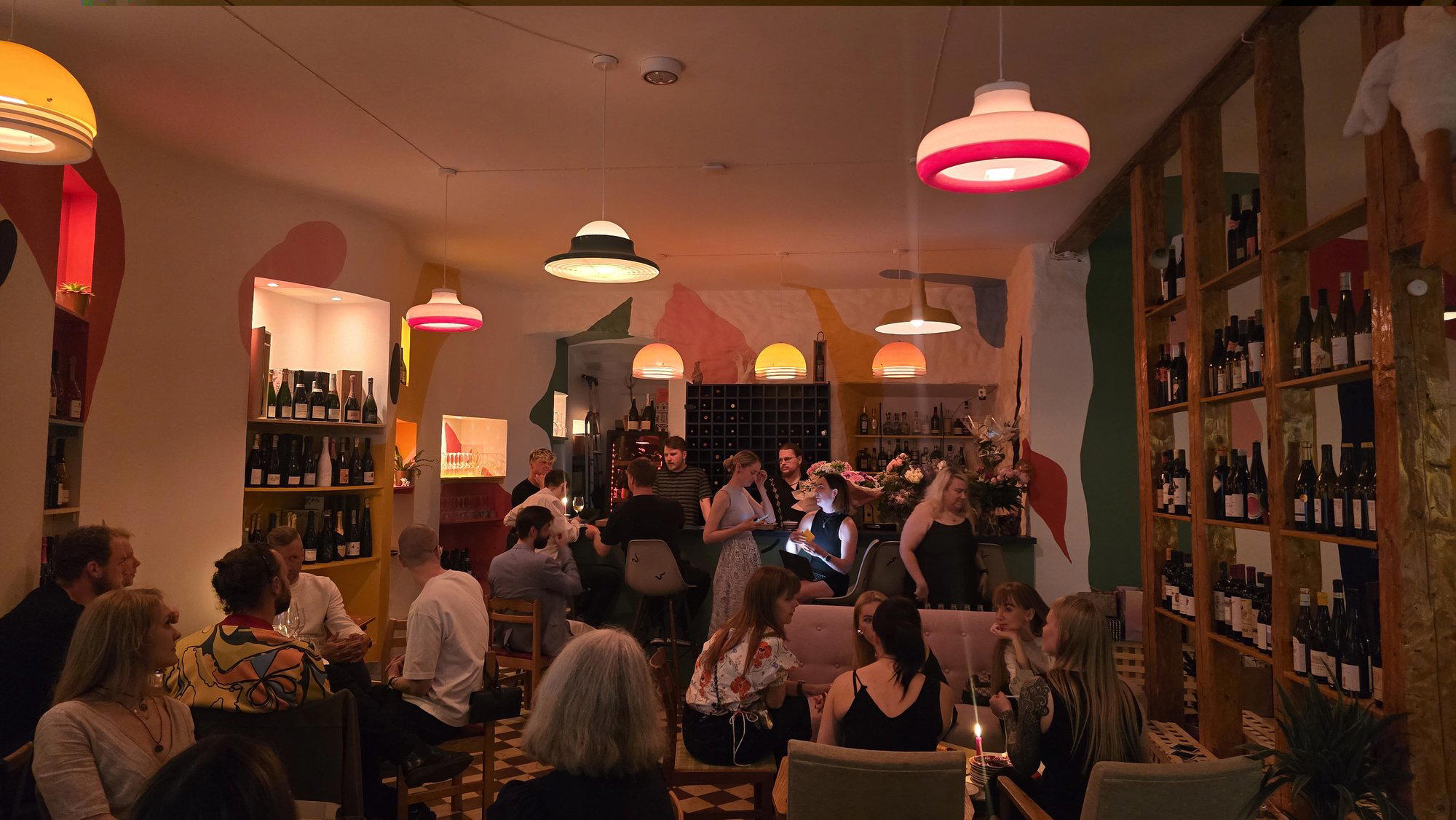
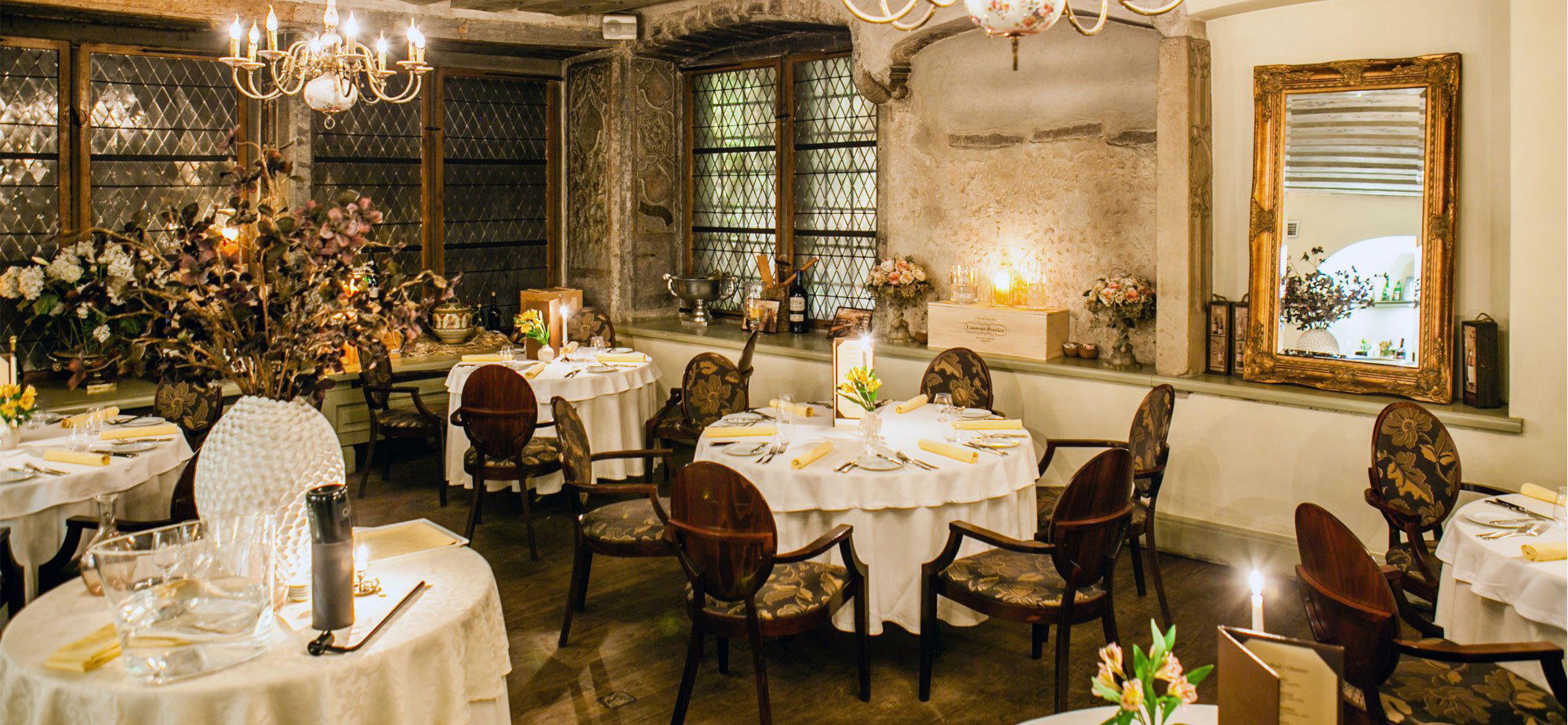
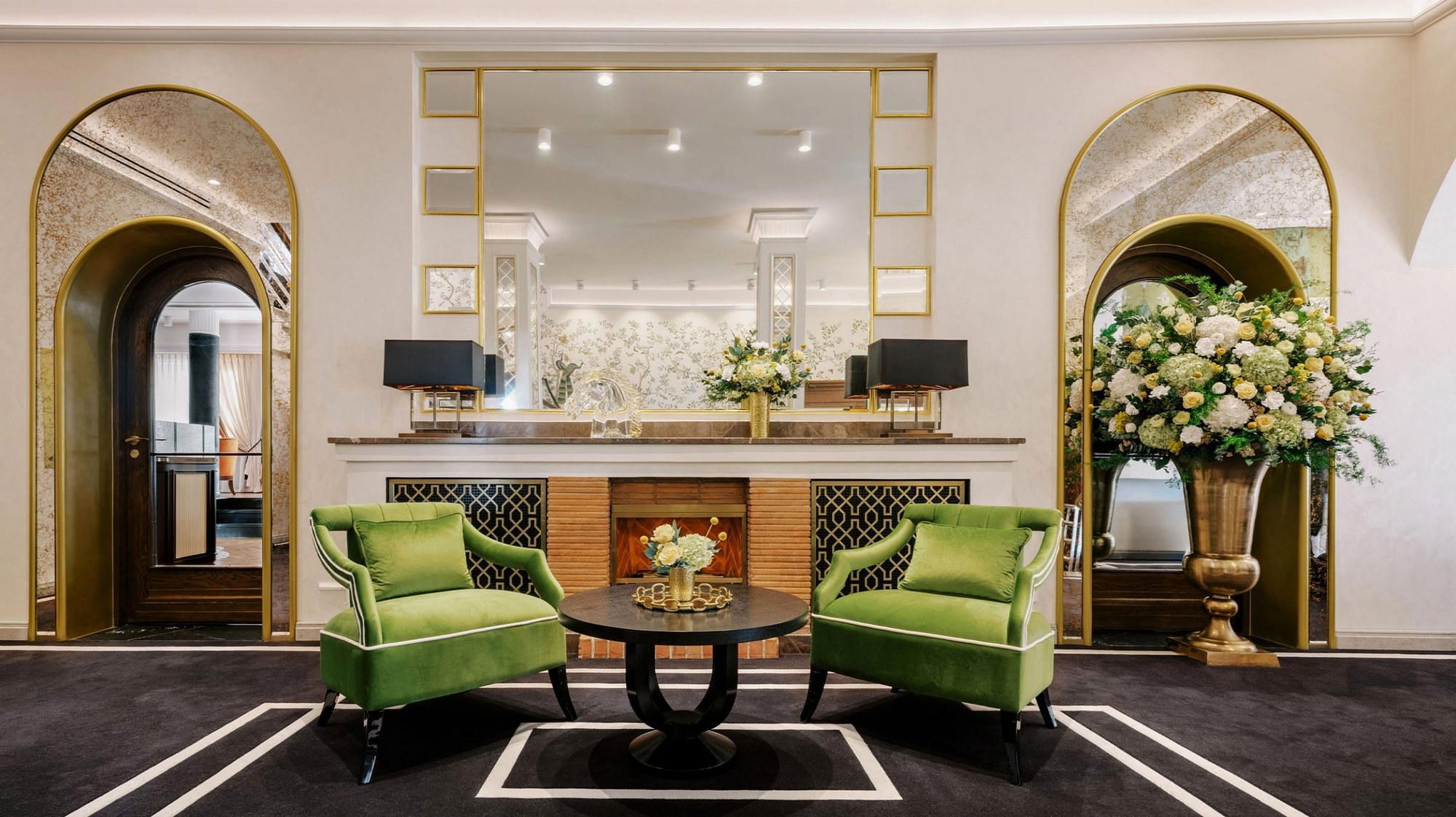
Cozy and homely atmosphere in a renovated wooden cottage with warm lighting, fireplace, and a beautiful green garden terrace in summer.