
Tabelog 100 #24
Our verdict
Kanton Sankan Houhi gives Kyoto’s Chinese dining map a northern counterpoint: a compact Murasakino room where Cantonese cooking sits outside the city’s hotel-dining axis. Its 2026 Tabelog 100 selection for Chinese cuisine in WEST places it among a tighter regional group, while the modest format keeps the emphasis on seating, rhythm, and everyday utility rather than ceremony.

Pearl is the En Primeur Club membership app, where members save venues, book tables and use the concierge.
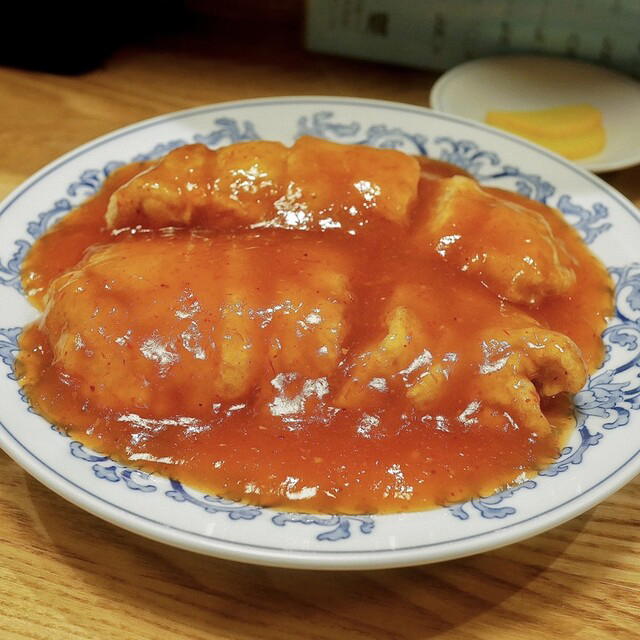
In Kyoto’s dining landscape, context matters before the menu. The city can move at different tempos from its busiest dining routes: lower-key plans, everyday errands, temple traffic, and restaurants that function as local fixtures rather than destination stages. Kanton Sankan Houhi belongs to the city’s Chinese restaurant category, with the clearest public facts coming from its Tabelog listing rather than from a heavily documented chef narrative. Kyoto’s Chinese restaurants can sit across many registers, from formal meals to casual everyday addresses. This venue is best read through the specific signals available: category, public score, listed budget, and 2026 Hyakumeiten recognition.
That matters in a city where dining architecture often signals price and intention before a dish arrives. Kaiseki rooms use distance and ritual. Sushi counters compress theatre into a few seats. Soba shops trade on pace and restraint. Chinese cooking in Kyoto has a quieter public profile, so this listing is useful evidence of the city’s broader appetite: Chinese food here is not only late-night fallback or banquet form, but part of the everyday restaurant fabric. For a wider map of that fabric, see our broader Kyoto restaurant coverage, with parallel planning across Kyoto hotels, bars, wineries, and Our full Kyoto experiences guide.
A Chinese listing in a city built around tighter formats
Kyoto rewards focused restaurants because its dining culture has long prized control: portioning, timing, proximity, and a lack of excess. That instinct can translate cleanly across categories, including Chinese cooking. Kanton Sankan Houhi is listed in the Chinese category and was selected for Tabelog Hyakumeiten in 2026. The recognition is useful less as trophy line than sorting signal, placing the restaurant inside a regional Chinese-food conversation rather than treating it as an anonymous convenience stop.
The format should be read without overclaiming what is not documented. The public record supports a straightforward set of facts: Chinese category, 2026 Hyakumeiten selection, a listed score of 3.70, and a price range of JPY 1,000 - JPY 1,999, with lunch also listed at JPY 1,000 - JPY 1,999. That is enough to frame the restaurant as accessible by Kyoto dining standards, without inventing a chef biography, seat count, or design story. Different diners can read the appeal differently, but the basic proposition is clear.
Compared with Kyoto peers in other categories, the contrast is useful. Other dining rooms may work in busier commercial contexts; more contemporary Kyoto restaurants point toward different registers; Japanese-focused rooms bring another mode into the city’s dining mix. Kanton Sankan Houhi occupies a less overdetermined lane: a Kyoto Chinese restaurant with enough external recognition to make the meal intentional.
What the award signal says about Kyoto Chinese dining
Tabelog’s Hyakumeiten lists are not a substitute for criticism, but in Japan they remain a useful indicator of category depth. A 2026 selection narrows the field to specialists, and the listed score of 3.70 gives travelers another public signal to read alongside category and budget. In Kyoto, that matters because the city’s international dining reputation is weighted toward Japanese traditions. Chinese restaurants need a clearer signal to reach travelers already programmed for kaiseki, ramen, sushi, wagashi, and coffee.
The more interesting reading is economic as much as culinary. Kyoto has expensive dining, but everyday food culture is not defined by luxury alone. Chinese restaurants, casual counters, sweet shops, soba rooms, and curry specialists share the same urban rhythm: quick decisions, repeat customers, and formats that survive because they fit daily life. That context links Kanton Sankan Houhi less to special-occasion temples than to useful Kyoto addresses where focus matters more than decorative ambition.
For visitors, the lesson is to resist treating Kyoto dining as a single hierarchy. Raiz, WASHOKU TOKU, Itsutsu, KASHIWAI, and other local comparables show how category and format shape value differently across the city. A Chinese restaurant in Kyoto is not competing with a soba shop or sushi counter on the same terms. It answers a different question: whether to spend a meal in the city and see how Kyoto eats outside the classic postcard routes.
How to read the room before committing a meal
The strongest case here is practical rather than biographical. No chef myth is needed when the public listing explains the proposition. A clear category, accessible listed price range, lunch budget, score, and award signal create straightforward dining grammar: limited fuss, category focus, and local cadence. Travelers seeking ceremony may find richer material elsewhere; those interested in Kyoto’s lived-in restaurant culture will understand the appeal through those available signals.
The city helps. Kyoto changes the mood of a dining day depending on how one moves between familiar clusters and quieter plans. Pairing a meal here with walks, errands, or sightseeing elsewhere in Kyoto produces a different city than a route built only around the most obvious hubs. The restaurant suits an itinerary built around texture rather than spectacle: everyday rhythms, category variety, and addresses that carry local use rather than international staging.
Readers building a broader Japan food itinerary can compare how focused formats translate across cities: grilled beef restaurants, casual seafood rooms, cafes, small contemporary counters, curry specialists, and other everyday dining rooms show how local formats shift by place. Outside Japan, Japanese-inspired bars and casual onigiri counters show how Japanese dining cues travel into different urban contexts.
Kanton Sankan Houhi is strongest as a Kyoto Chinese restaurant with category credibility, not a luxury detour. The 2026 Tabelog Hyakumeiten recognition gives it external weight; the listed score and budget give it practical shape. Together they make a concise argument for adding Chinese cooking to a Kyoto dining plan that might otherwise stay too tightly inside the city’s expected canon.
Frequently asked questions
What price level is Kanton Sankan Houhi?
Pricing at Kanton Sankan Houhi is listed as JPY 1,000 - JPY 1,999.
Is Kanton Sankan Houhi open every day?
Public hours are not provided in the available ground-truth record. Check the venue's official channels or call +81-75-493-5025 for the latest details.
Where exactly is Kanton Sankan Houhi?
Kyoto.
What's the standout thing about Kanton Sankan Houhi?
The clearest draw is the award signal: Kanton Sankan Houhi was selected for Tabelog Hyakumeiten in 2026. With a listed score of 3.70 and a JPY 1,000 - JPY 1,999 price range, it reads as a recognized Chinese restaurant in Kyoto rather than a broad crowd-pleaser.
What if I have allergies at Kanton Sankan Houhi?
The available ground-truth record lists the venue as Chinese and provides a phone number, but it does not specify allergy accommodations. Treat allergies conservatively and contact the restaurant directly at +81-75-493-5025 for the latest details.
Can I bring kids to Kanton Sankan Houhi?
The available ground-truth record does not specify a children policy or seating details.
City Peers
Comparable venues for context, by category and price tier.
| Venue | Cuisine | Price | Awards | Notes |
|---|---|---|---|---|
| Kanton Sankan HouhiThis venue (the venue you are viewing) | Chinese (Cantonese) restaurant | Not listed | Tabelog 100 #24 | Not listed |
| Raiz | Modern Spanish | $30–50 | Michelin Plate · Tabelog 100 #81 | Contemporary |
| WASHOKU TOKU | Seasonal Kyoto Washoku / Kaiseki | $100–150 | Michelin Plate | Japanese |
| Itsutsu | Luxury Soba Kaiseki | $50–100 | Michelin Bib Gourmand | Soba |
| 悠々 | Michelin 1-Star Kyoto Kappo | $50–100 | Not listed | Not listed |
| KASHIWAI | Traditional Kyoto Sushi | $30–50 | Michelin Bib Gourmand | Sushi |
Recognition history
Dated appearances from independent guides and award organizations, with the underlying list record or original source where available.
Tabelog 100 #24 · No. 24
Tabelog · Tabelog 100 - Chinese cuisine - WEST - 2026
Continue exploring
More in Kyoto
Restaurants in Kyoto
All restaurants in Kyoto →
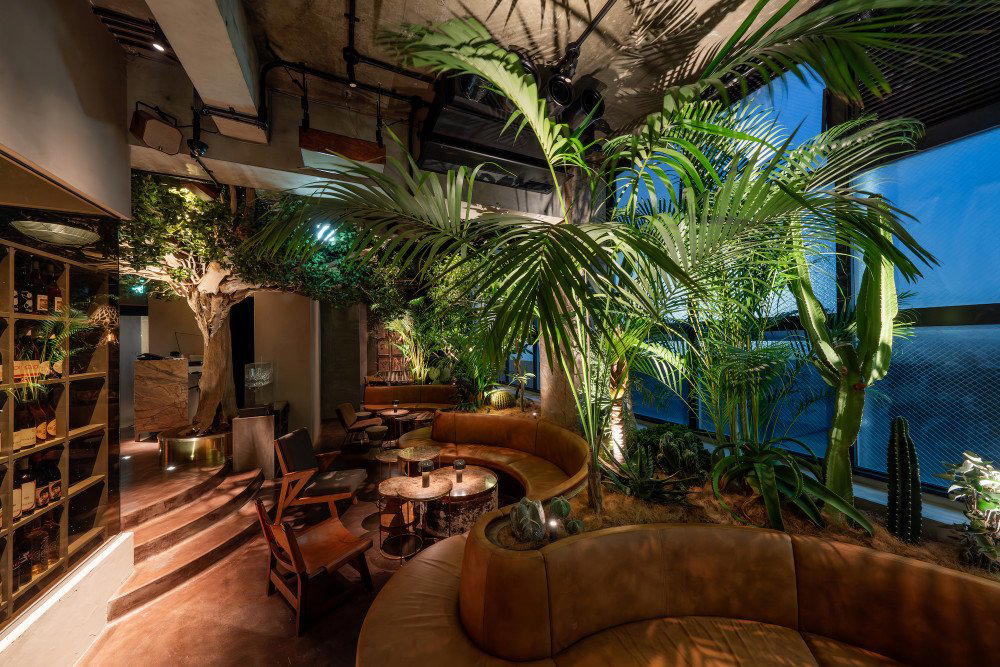
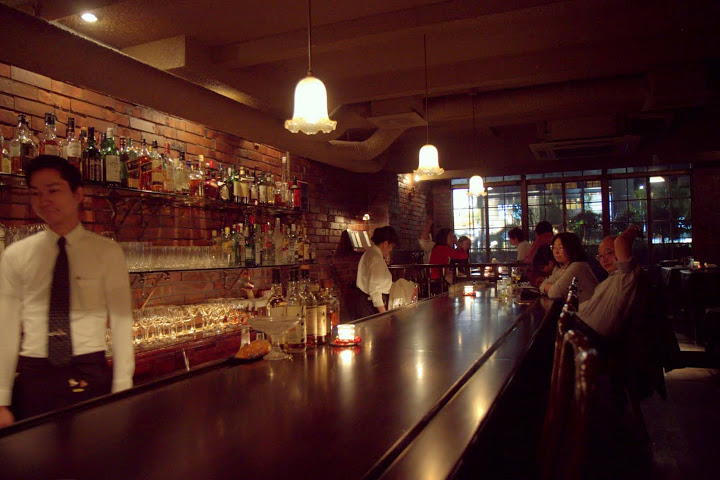
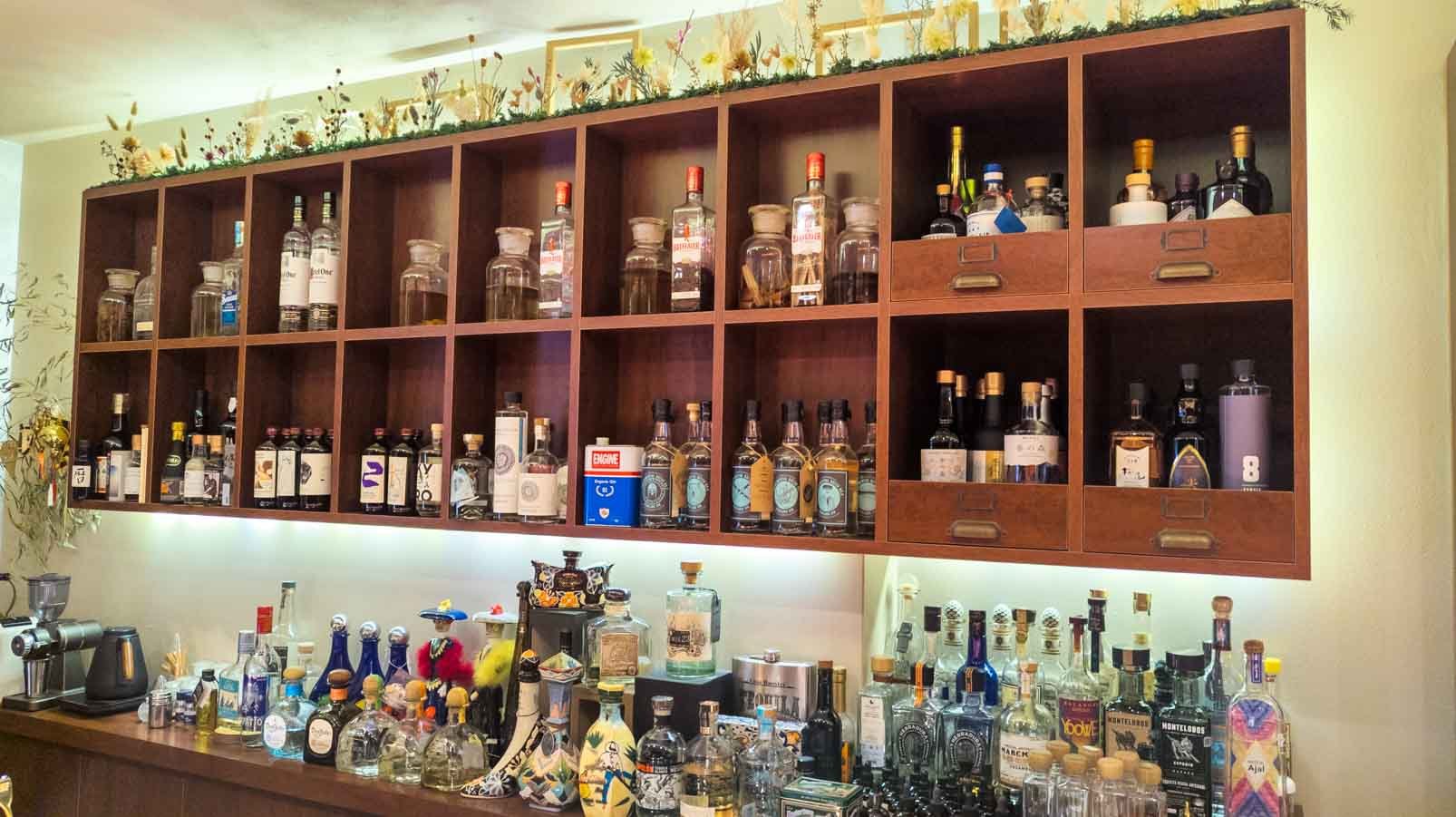
Bars in Kyoto
All bars in Kyoto →
Hotels in Kyoto
All hotels in Kyoto →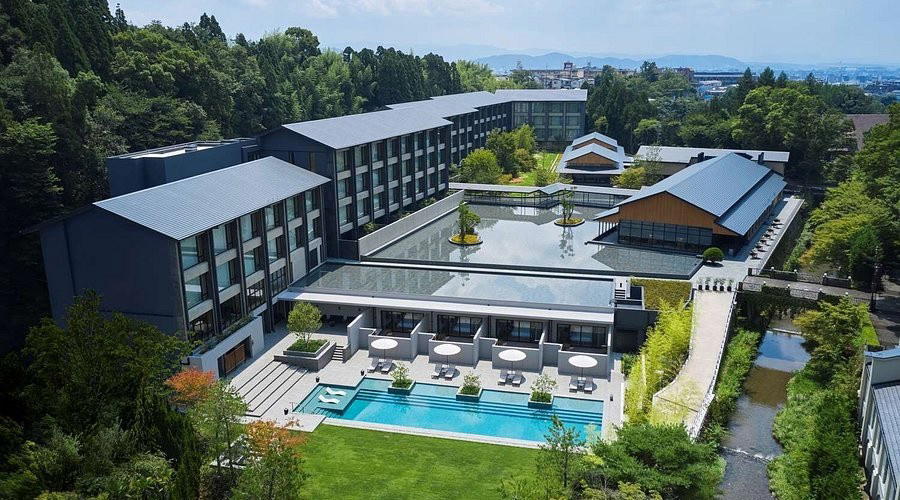

Wineries in Kyoto
Browse all →
Details
- Standalone
Current opening hours
- Monday
- Closed
- Tuesday
- Closed
- Wednesday
- Closed
- Thursday
- 12–1:30 PM, 5–8 PM
- Friday
- 12–1:30 PM, 5–8 PM
- Saturday
- 12–1:30 PM, 5–8 PM
- Sunday
- Closed
Hours can change for holidays and private events. Hours as of .