
Koimen Kurage belongs to Chiba’s serious ramen tier: a six-seat counter with ramen and tsukemen, repeated Tabelog Ramen EAST “Tabelog 100” selections from 2018 through 2025, and a price band that keeps the meal in everyday territory. The appeal is less ceremony than concentration: a small house-restaurant format where sourcing, broth density, and noodle structure carry the argument.
Pearl is the En Primeur Club membership app — saves, bookings, and concierge access live there. Same editors, same standards.
- Address
- 千葉県千葉市中央区要町1-4
- Website
- tabelog.com
 Saves & bookings on Pearl
Approaching a six-seat ramen counter in Chiba changes the meal’s pace before a bowl arrives. The room is small enough to collapse restaurant distance: counter, kitchen, steam, tickets, bowls, exit. Koimen Kurage works within compact Japanese ramen grammar, where labor is exposed and the margin for drift is thin. In Chiba, whose dining ranges from commuter-station noodles to private-room yakiniku and higher-spend meat restaurants, this counter makes a different claim: intensity does not require a formal dining room.
The useful reading is supply and compression. Ramen at this level depends on disciplined, repeated decisions about bones, seafood, aromatics, tare, fat, and noodles, even when menu language is brief. Tsukemen sharpens the logic because dipping noodles separate texture from broth concentration: noodles must hold shape, and soup must carry enough density to register through smaller contact. That explains why a small counter can matter in a city with broader, more service-led restaurants.
Chiba ramen judged by concentration, not ceremony
Chiba is not short of everyday ramen, but its better counters are specialist workshops, not casual pit stops. Koimen Kurage has been selected for Tabelog Ramen EAST “Tabelog 100” every year from 2018 through 2025, placing it in a sustained regional conversation rather than a passing local recommendation. A Tabelog score of 3.73 reinforces the point: this narrow-format restaurant is assessed by diners precise about broth, noodle weight, and queue-worthy consistency.
The Chiba comparison is instructive. Ramen Jiro Chiba ten operates in a lower price bracket and serves a different appetite, built around volume and Jiro-style expectations. Seikou En and Private room Yakiniku GYU CHIBA sit in higher-spend yakiniku territory, where meat sourcing, room type, and group dining shape the evening. Koimen Kurage occupies the counter-specialist lane between them: lower spend, shorter meal, fewer seats, and sharper dependency on the bowl itself.
Ingredient sourcing is not decorative in ramen; it is the structure. Broth quality comes from what is extracted, how long it is held, and how seasoning aligns with noodle thickness. Tsukemen exposes those choices quickly: watery dipping soup reads thin, slack noodles defeat the format, and excess fat blurs the finish. A six-seat counter also shortens the distance between preparation and serving, critical for noodles that change quickly after cooking.
That makes Chiba’s casual dining culture more interesting than its price bands suggest. A bowl in the JPY 1,000 to JPY 1,999 range can sit beside restaurants charging several multiples more and still make a serious culinary argument. The currency is not linen, glassware, or a long beverage list; it is repetition, temperature control, portion rhythm, and tension between richness and clarity. For travellers mapping the city through food rather than landmarks, the distinction matters.
A six-seat counter changes how the bowl is read
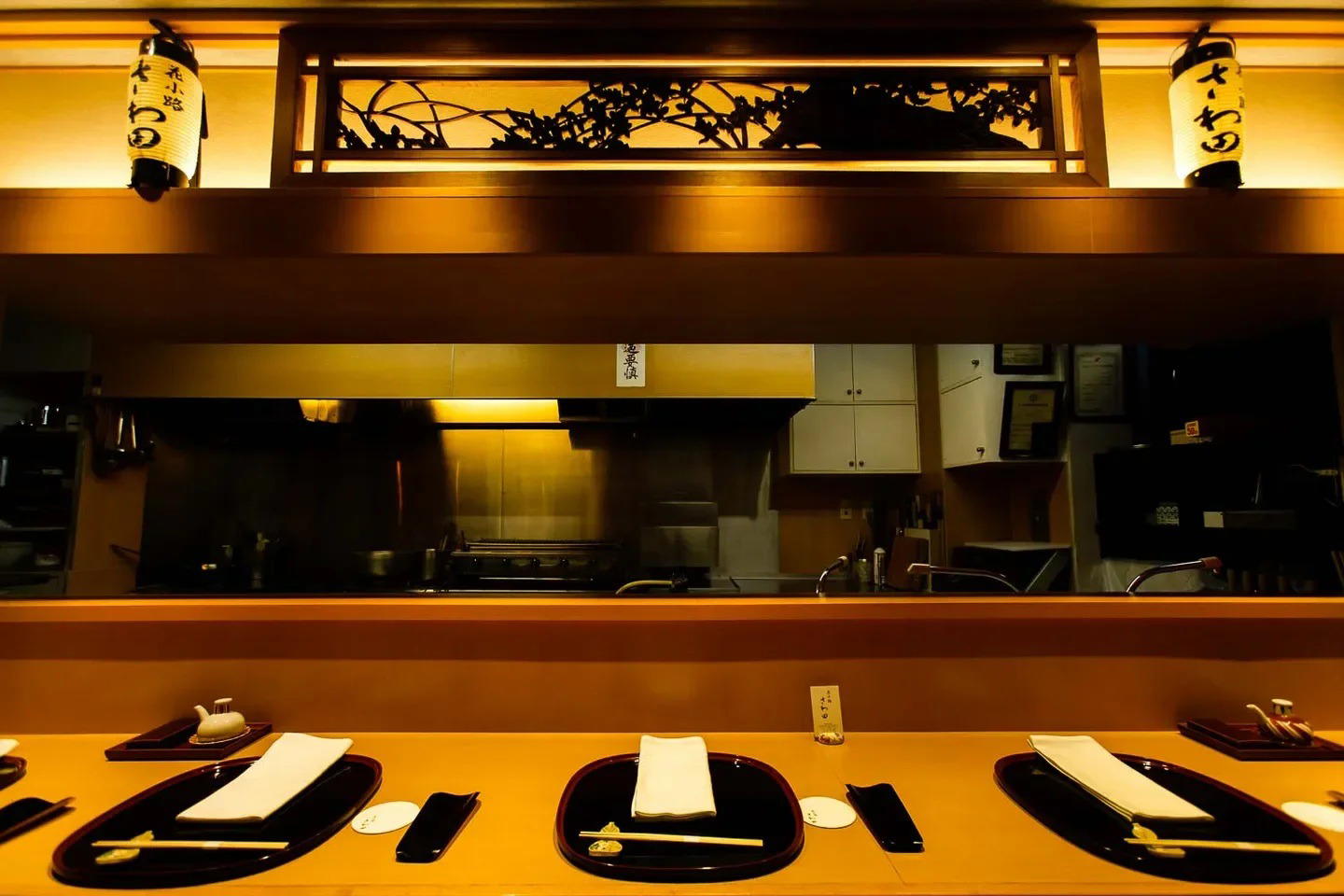
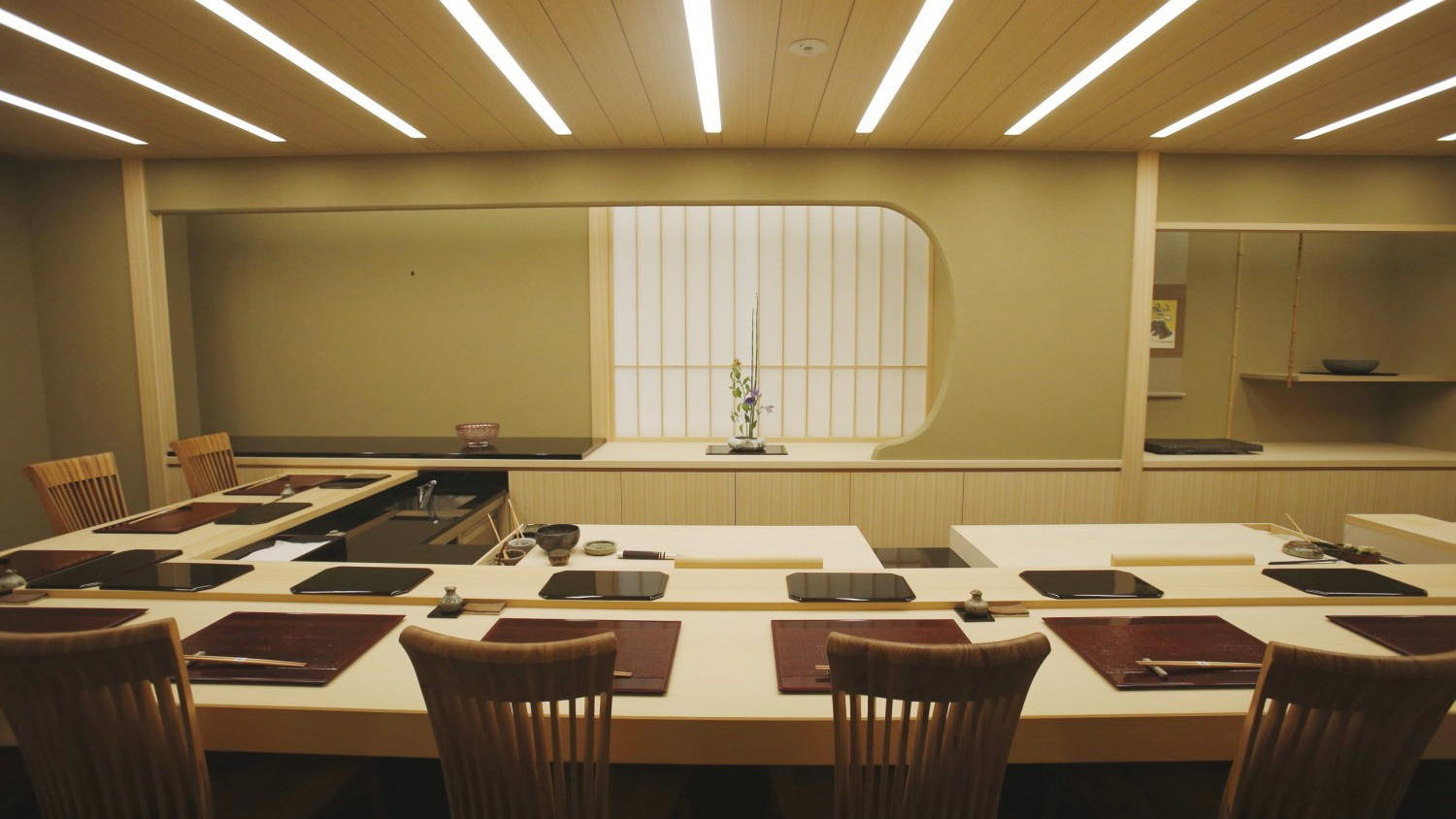
The room format matters because ramen is unusually timing-sensitive. At a counter-only restaurant, diners see a narrow production cycle: orders turn in tight sequence, bowls move quickly, and the meal does not invite lingering. That suits solo dining and Chiba’s rail-linked eating habits. The atmosphere is functional rather than leisurely; the drama lies in service cadence and bowl concentration.
The restaurant’s house-restaurant setting adds to that small-scale Chiba rhythm. It is neither hotel dining nor a group-celebration room. Expect a focused ramen stop rewarding diners comfortable with compact space and quick turnover. In the broader city guide, it belongs beside specialist addresses rather than occasion restaurants; readers comparing formats can place it alongside Chiba dining entries such as BAMBOU, Bengal Tiger, Boushu En, Chinese Komugiko Ryori Senmonten Keisen, and Cinq au Pied.
The broader Japanese context helps. Ramen and tsukemen counters increasingly compete on specialization rather than menu breadth, from neighborhood shops to award-listed regional names. Chiba’s version is less destination gloss than exacting small formats near daily routes. For readers building a wider itinerary, Our full Chiba restaurants guide gives the dining frame, while Our full Chiba hotels guide, Our full Chiba bars guide, Our full Chiba wineries guide, and Our full Chiba experiences guide help separate a ramen-focused stop from a longer stay.
How it fits a Japan food itinerary
For visitors moving beyond Tokyo, Chiba corrects capital-city dining anxiety. The meal can be concise, category-ranked, and modestly priced without tasting-menu choreography. The restaurant is a strong ramen marker for travellers who care more about ingredient extraction and noodle form than restaurant theatre. Repeated Tabelog 100 recognition gives external weight; the six-seat counter gives limits.
It also fits a wider pattern of specialist Japanese eating that rewards narrow focus. A traveller might compare it by format discipline, not cuisine, with places elsewhere in Japan: -Grilled beef Sukiyaki- KAMAKURA TANUKIAN 鎌倉 たぬき庵 in Kamakura for beef sukiyaki. 鮪と炭火焼き うお炭 秋葉原店 in Tokyo for tuna and charcoal grilling.cafe in Osaka.know in Kumamoto, (Shoku) Vietnam in Kawasaki, and [Curry Senmon Ten] Maruyama Kyoju. in Sapporo. Outside Japan, the same itinerary logic can extend to focused Japanese-adjacent formats such as Jōdo Saké Bar in Los Angeles and Onigiri Time in Pasadena.
The editorial verdict is simple: a small-format ramen address for diners who value concentration over comfort. The award history, counter-only scale, and ramen-tsukemen focus make the case without embellishment. In a city where higher-priced dining can buy privacy and service depth, the restaurant argues for another seriousness: a narrow menu category, a tight room, and a bowl expected to carry the full visit.
Snapshot
Comparable venues by cuisine and price in the same metro.
| Venue | Cuisine | Price | Notes |
|---|---|---|---|
| Koimen KurageThis venue — the venue you are viewing | Ramen & tsukemen shop | $ | Not listed |
| Ramen Jiro Chiba ten | Jiro-style ramen shop | $ | Chuo-ku |
| Ramen Sugita Ya Chiba yuukou ten | Traditional Yokohama Iekei Ramen | $ | Chuo Ward |
| Boushu En | Yakiniku (Japanese BBQ) & Horumon | $$$ | Chuo Ward |
| Private room Yakiniku GYU CHIBA | Private-room premium Yakiniku | $$$ | Chuo Ward |
| Seikou En | Traditional Yakiniku (Japanese BBQ) | $$$ | Chuo-ku |
Recognition history
Dated appearances from independent guides and award organizations, with the underlying list record or original source where available.
Tabelog 100 #50 · No. 50
Tabelog · Tabelog 100 - Ramen - EAST - 2025






At a Glance
- Cozy
- Intimate
- Solo
- Casual Hangout
- After Work
- Standalone
Simple house-like neighborhood ramen shop with just six counter seats, non-smoking, and a casual, intimate feel suited to solo diners and friends dropping in for a focused bowl of noodles.