
Ramen Jiro Chiba ten puts Chiba’s counter-ramen culture in its bluntest form: low price, tight seating, no reservations, and a rhythm built around quick turnover rather than ceremony. Its 2025 Tabelog 100 Ramen EAST selection and 12-counter-seat format place it in the serious ramen conversation without shifting it out of the everyday price band.
Pearl is the En Primeur Club membership app — saves, bookings, and concierge access live there. Same editors, same standards.
- Address
- 千葉県千葉市中央区中央1-7-8
- Website
- tabelog.com
- Directions
- Get directions
 Saves & bookings on Pearl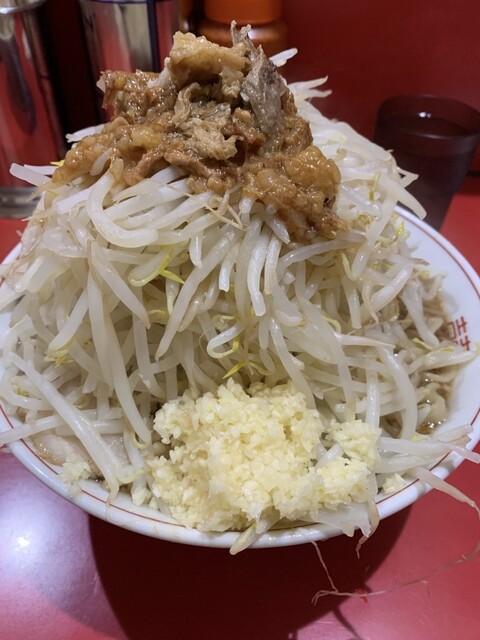
Approaching a Jiro-style ramen counter in Chiba is not a soft landing. The grammar appears before the bowl: compact frontage, queue-minded pace, and a room built for eating, not lingering. Ramen Jiro Chiba ten belongs to the austere side of Japanese ramen culture, where luxury is concentration: a seat, a bowl, and a kitchen working at high volume within a narrow format.
Chiba’s dining scene reads differently from Tokyo’s. The city has commuter flow and business districts, but its stronger everyday restaurants are judged on utility as much as polish: how directly they feed the neighbourhood, how hard they work at lunch, and how little ceremony they require. Here, the Jiro format fits. This is not ramen as a tasting-menu object, but as an engineered meal built around portion, broth density, noodles, and toppings rather than lighter regional styles that reward slow comparison across multiple bowls.
Jiro-style ramen judged by volume, discipline, and the price of entry
The broader Jiro tradition changes how value is measured. In many premium food cities, low price can imply compromise; in ramen, it can signal discipline. A counter in the sub-JPY 1,000 band has little room for narrative padding. Ingredient choices must carry the bowl directly: wheat structure in the noodles, fat and stock management in the broth, and the balance between quantity and control. That is the sourcing story here, not a farm-name roll call. Sourcing has to support consistency under pressure, because a Jiro-style shop succeeds or fails on repeatable force.
Ramen Jiro Chiba ten sits in that demanding category with a 2025 selection in Tabelog 100 Ramen EAST and a Tabelog score of 3.71. In a crowded, punishingly local ramen region, those figures matter. The award does not make the experience fine dining; it confirms the shop has entered a curated ramen group while keeping the practical terms of a neighbourhood counter. That tension is the point. The room has 12 counter seats, reservations are unavailable, and the format favours diners who understand pace.
Against Chiba restaurants built for higher-spend occasions, the contrast is sharp. Seikou En and Private room Yakiniku GYU CHIBA occupy the dinner-budget end of local meat dining, while PANTRY COYOTE sits in a casual price tier closer to everyday eating. Ramen Jiro Chiba ten is cheaper than all three and more rigid in format. It offers less social flexibility than table service, but more intensity per yen for diners who want Chiba ramen culture without dressing it up.
The counter is the experience, not a stage set
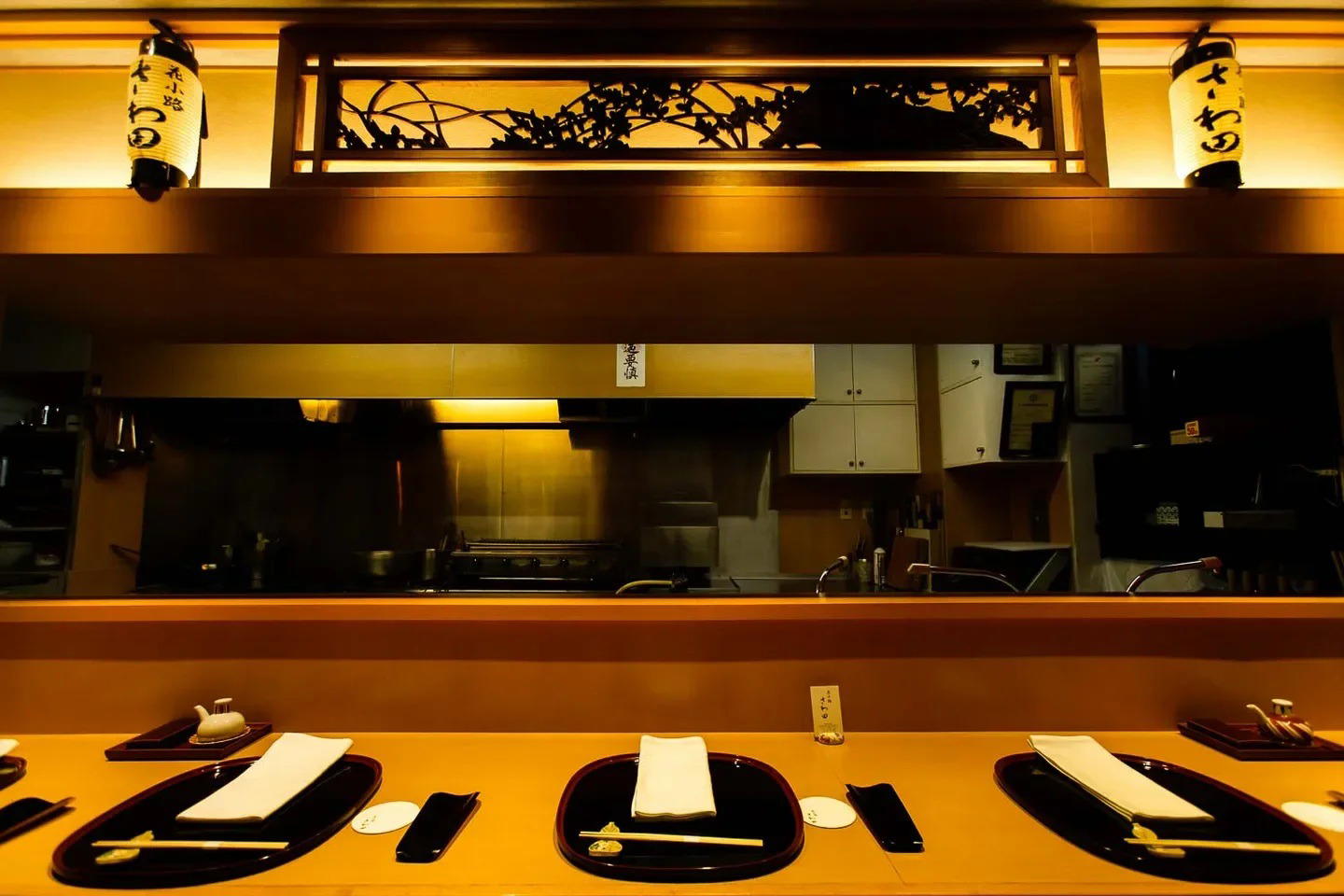
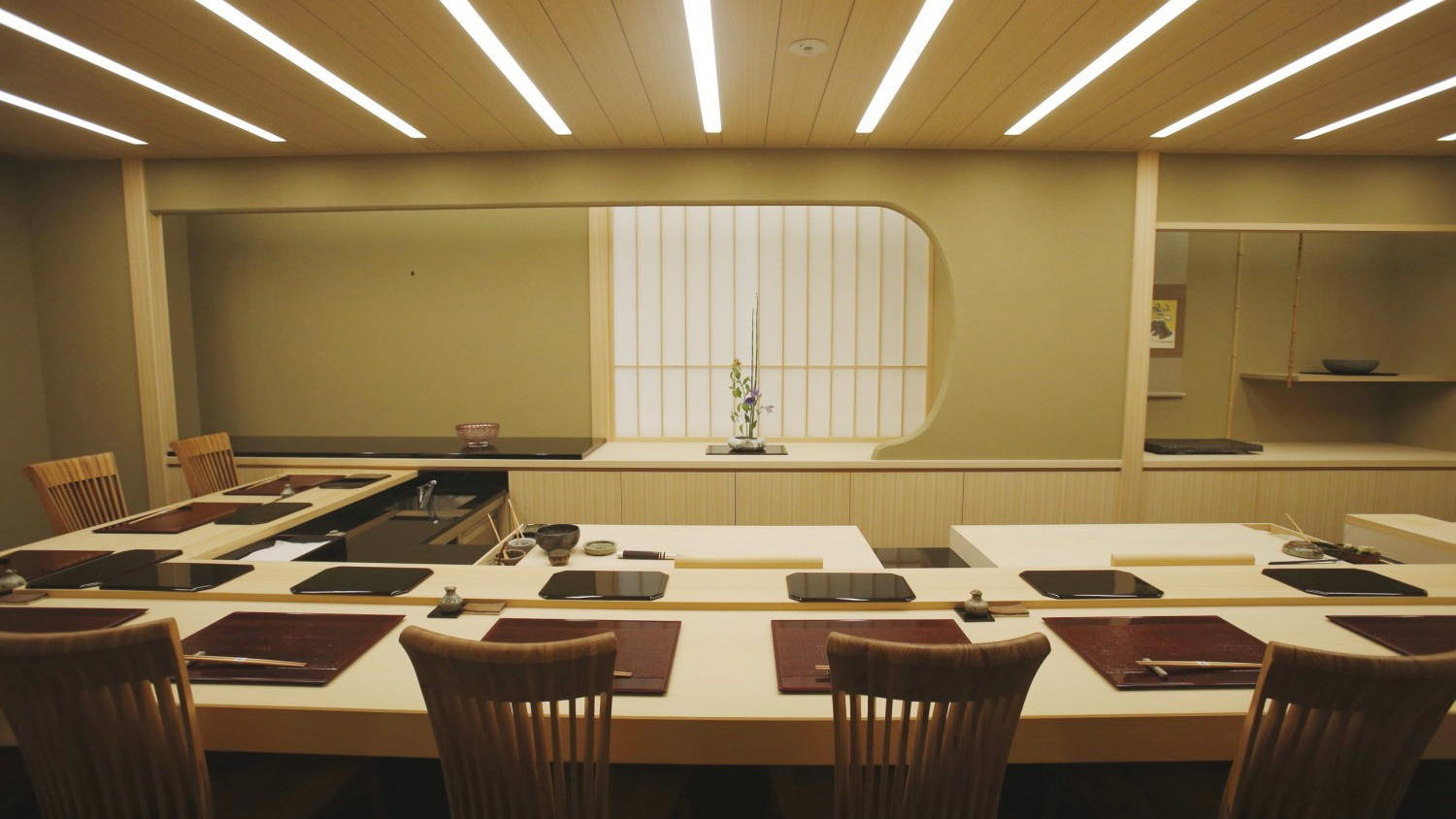
The physical terms shape the meal. Twelve counter seats make the room a line-fed machine, not a relaxed dining room. There are no private rooms, no private use, and no parking. The smoke-free policy and counter-only layout make the shop easy to read: arrive prepared, eat with focus, leave the seat for the next diner. It can feel brusque to travellers expecting hospitality to announce itself through service, but Japanese ramen counters often express care through speed, consistency, and a bowl landing quickly in front of the customer.
The numbered-ticket system has ended, changing the approach. The current rhythm is simpler and more exposed to timing: go with a flexible window, do not assume a reservation can solve demand, and treat the queue as part of the format rather than an inconvenience. The shop is listed near Yoshikawakoen Station, with access also possible from JR Chiba Station and Keisei Chiba Chuo Station. For visitors building a food day around central Chiba, that location makes it easier to pair the meal with other parts of the city rather than turning it into a stand-alone detour.
Payment discipline is another category signal. Credit cards, electronic money, and QR code payments are not accepted, so cash is the practical default. The detail separates this counter from the frictionless restaurant economy aimed at hotel guests and expense accounts. The experience belongs to cash-based ramen culture where the transaction is as compact as the room.
How to place it within a Chiba food itinerary
Ramen in Chiba rewards focus, but the city is better understood through contrast. A bowl here gives one answer to what local eating values: density, speed, price, and repeatability. Other Chiba addresses answer differently, from the restaurant polish of BAMBOU and the spiced range at Bengal Tiger to the Japanese dining frame of Boushu En, the specialist noodle-and-flour cooking at Chinese Komugiko Ryori Senmonten Keisen, and the French register of Cinq au Pied. Together, they show a city where the serious meal does not always announce itself through high spend.
For broader planning, Our full Chiba restaurants guide is the useful next layer, especially if the ramen stop needs to sit beside hotels, drinks, or day programming. The surrounding travel rails are covered in Our full Chiba hotels guide, Our full Chiba bars guide, Our full Chiba wineries guide, and Our full Chiba experiences guide.
The editorial comparison extends beyond Chiba. Japan’s casual specialist cooking has many forms: sukiyaki at -Grilled beef Sukiyaki- KAMAKURA TANUKIAN 鎌倉 たぬき庵 in Kamakura, tuna and charcoal grilling at. 鮪と炭火焼き うお炭 秋葉原店 in Tokyo, café culture at.cafe in Osaka, regional cooking at.know in Kumamoto, Vietnamese cooking at (Shoku) Vietnam in Kawasaki, and curry specialization at [Curry Senmon Ten] Maruyama Kyoju. in Sapporo. Outside Japan, Jōdo Saké Bar in Los Angeles and Onigiri Time in Pasadena show how Japanese formats travel when context changes.
The verdict is clear without dressing it up: this is a narrow, high-focus ramen stop for diners who want Chiba’s Jiro branch on its own terms. The appeal lies in low price, award recognition, counter discipline, and the ingredient logic needed to make a heavy bowl consistent at speed. It is not a place to stretch an evening. It is a place to understand how much Japanese ramen culture can compress into one seat and one bowl.
Quick Comparison
Comparable venues by cuisine and price in the same metro.
| Venue | Cuisine | Price | Notes |
|---|---|---|---|
| Ramen Jiro Chiba tenThis venue — the venue you are viewing | Jiro-style ramen shop | $ | Not listed |
| Kikuzono | Traditional Japanese Wagashi & Confectionery | $ | Wakaba Ward |
| Ura Musashi Ya Nishichiba honten | Iekei Ramen Shop | $ | Nishi-Chiba |
| Boushu En | Yakiniku (Japanese BBQ) & Horumon | $$$ | Chuo Ward |
| Gin Sushi | Edo-mae Sushi | $$$ | Omoridai |
| Chinese Komugiko Ryori Senmonten Keisen | Chinese Wheat-Flour Cuisine | $$ | Tsuga |
Recognition history
Dated appearances from independent guides and award organizations, with the underlying list record or original source where available.
Tabelog 100 #75 · No. 75
Tabelog · Tabelog 100 - Ramen - EAST - 2025






At a Glance
- Lively
- Well Known
- Solo
- After Work
- Casual Hangout
- Standalone
Simple, no-frills counter-only ramen shop focused on quick turnover, with a lively atmosphere typical of popular Jiro-style venues rather than a lingering dining experience.